Nara · KasugayamaNo.131★★Open in map →
Kasuga Taisha
— the shrine of three thousand lanterns
A UNESCO-listed Shinto shrine at the foot of Nara's sacred hills, famous for the stone lanterns lining its forest approach and the bronze lanterns hung along its vermilion halls.
- FromKintetsu Nara Stn
- ~20 minbus (frequent) + 3 min walk
- Get off atKasuga Taisha Honden bus stop
- On foot
- Kasuga Taisha
Where it is
32 more notes in Nara · open the map →What to look for — in walking order
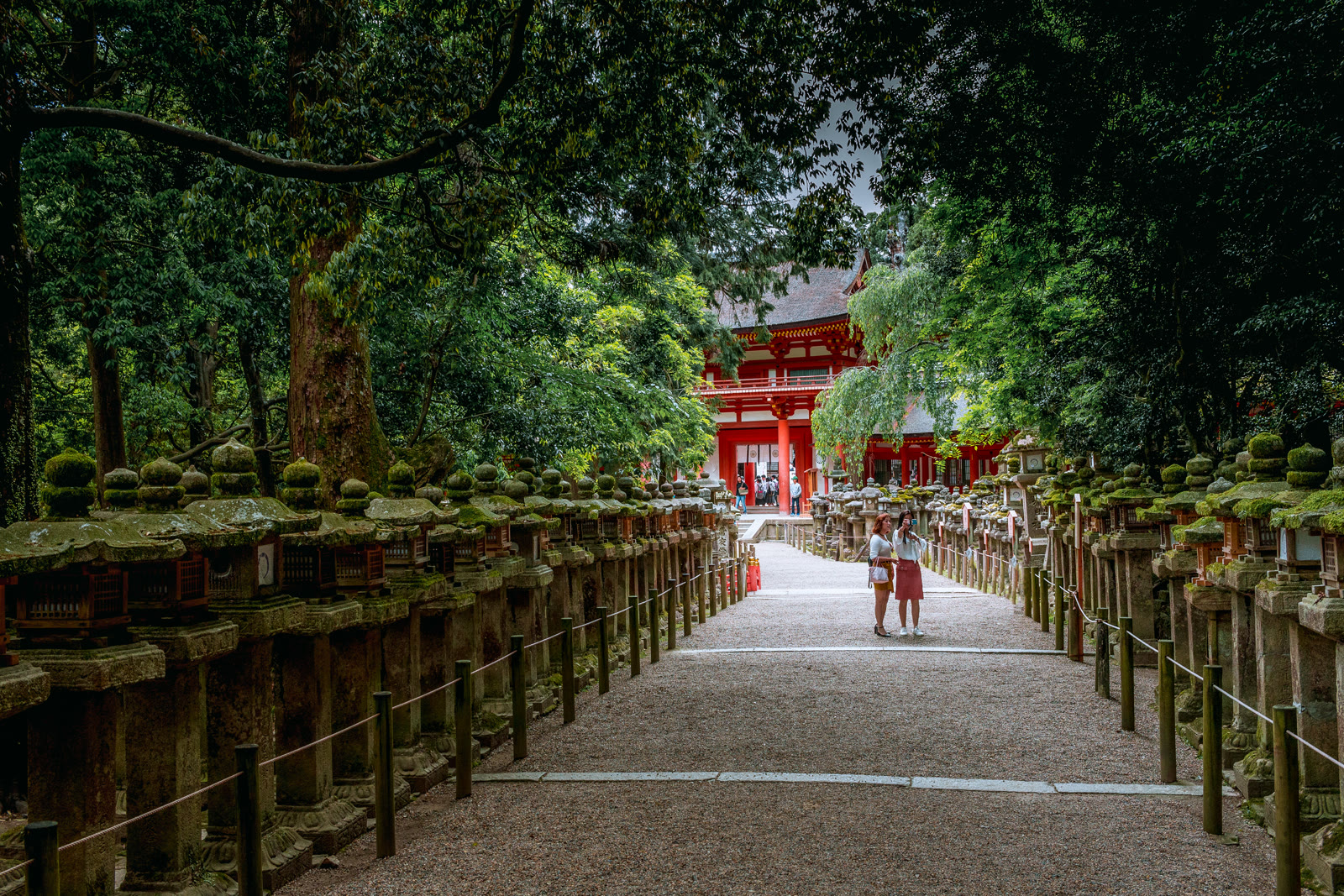
- Second torii gate (Ninotorii)the start of the lantern-lined approach path into the shrine
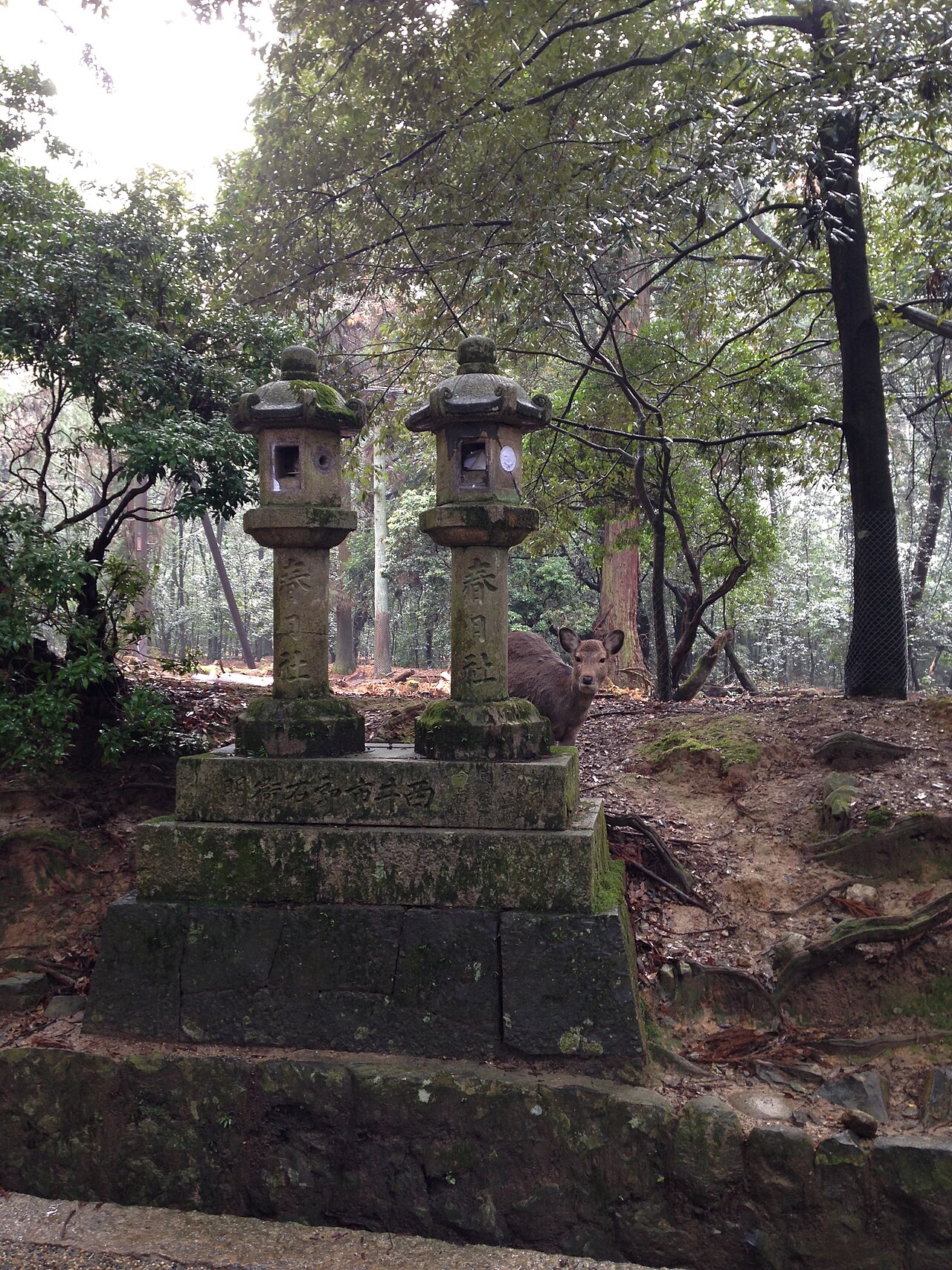
- Stone lantern corridorabout two thousand lanterns donated over eight centuries, lining the path to the main hall
- Sacred Nara deerfree-roaming deer revered by the shrine as divine messengers
- Bronze hanging lanterns and vermilion hallsaround a thousand bronze lanterns strung along the bright red corridors of the main shrine
How to actually get there
- Kintetsu Nara Station → Kasuga Taisha Honden (Nara Kotsu bus bound for Kasuga Taisha Honden, ~11-15 min).
- Kasuga Taisha Honden bus stop → main hall (walk east on the approach path, ~3 min).
- Or skip the bus: Kintetsu Nara Station → shrine (walk through Nara Park, ~25 min).
- Nara Kotsu bus from Kintetsu Nara Stn to Kasuga Taisha Honden
- From Kintetsu Nara Station, take a Nara Kotsu bus bound for 'Kasuga Taisha Honden' (bus fare 250 yen) →(~11-15 min)→ Kasuga Taisha Honden, the last stop. From the stop, walk east along the approach path about 3 minutes to the main hall. Total about 20 minutes. Buses run frequently through the day.
- return by the same bus, or walk out through Nara Park
- Take a Nara Kotsu bus back to Kintetsu Nara Station from the same area, or walk down through Nara Park (about 25 minutes) into the city. Buses run frequently in daytime but thin out in the evening — check the return times posted at the stop when you arrive.
About the place
Kasuga Taisha is set in wooded hills behind Nara Park. The approach from the second torii gate runs through a corridor of roughly two thousand stone lanterns donated across some eight centuries — by nobles, samurai, and ordinary worshippers alike, each lantern carrying the wishes of its giver. Together with around a thousand bronze lanterns hung from the eaves of the shrine's vermilion halls, the grounds hold close to three thousand lanterns in all. The forest adjoins the old-growth cedar wood of Mount Mikasa, and the tame deer of Nara Park — revered here as sacred messengers of the gods — wander freely among the moss-covered stone.
How to enjoy it
The approach and grounds are free to walk by day, when the lanterns and vermilion halls stand out against the forest. For the Mantoro lantern festivals — Setsubun (early February) and Chugen (the nights of 14 and 15 August) — all three thousand lanterns are lit at once. General worship hours are 6:30–17:30 (March to October) and 7:00–17:00 (November to February).
Background & history
Kasuga Taisha was established in 768 CE as the tutelary shrine of the Fujiwara clan, who protected the ancient capital of Heijo-kyo (present-day Nara). Its main sanctuaries were traditionally rebuilt at fixed intervals under a renewal practice called shikinen-zotai, preserving the original architectural style over the centuries. In 1998, the shrine was added to the UNESCO World Heritage List as part of the 'Historic Monuments of Ancient Nara.'
Before you go
- Cash
- The outer grounds and the lantern approach are free to enter. The shrine museum and paid inner area take IC cards; carry some cash as a backup for the bus and small fees.
- Good to know
- General worship hours are 6:30-17:30 (March-October) and 7:00-17:00 (November-February). The paid inner area (special worship) is open 9:00-16:00 and costs 700 yen. Confirm current hours on the official site before visiting.
- Another way
- If the bus timing does not suit you, walk from Kintetsu Nara Station through Nara Park to the shrine — about 25 minutes on a paved path, pleasant at any hour.
- After you get off
- From the Kasuga Taisha Honden bus stop, walk east along the main approach path about 3 minutes to reach the main hall; the lantern-lined path runs alongside it.
Nearby notes
 Christophe95 / CC BY-SA 4.0
Nature · Nara★★★
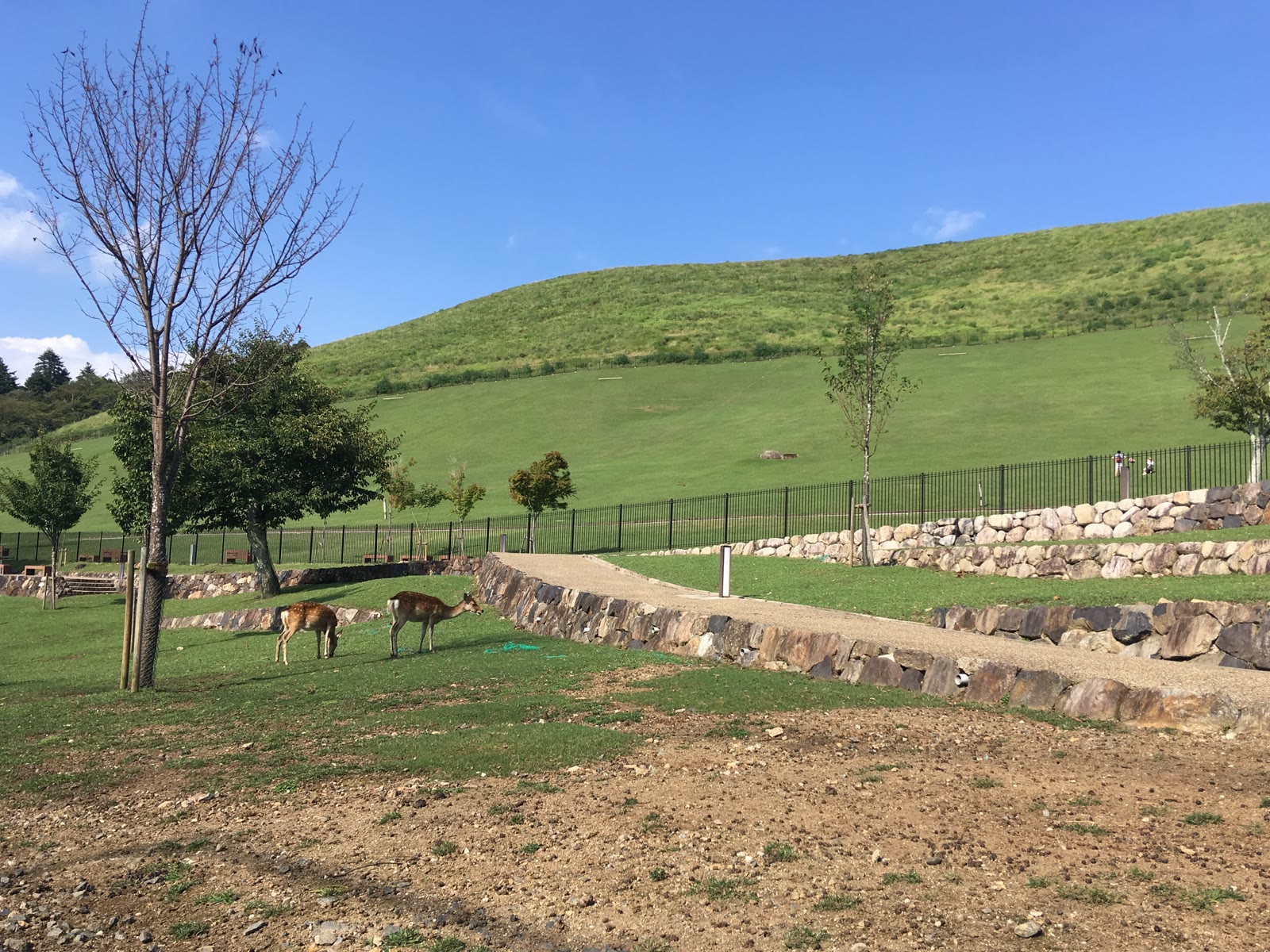
Mount Wakakusa
0.5 km · straight line
 Nekosuki / CC BY-SA 4.0
History · Nara★★★
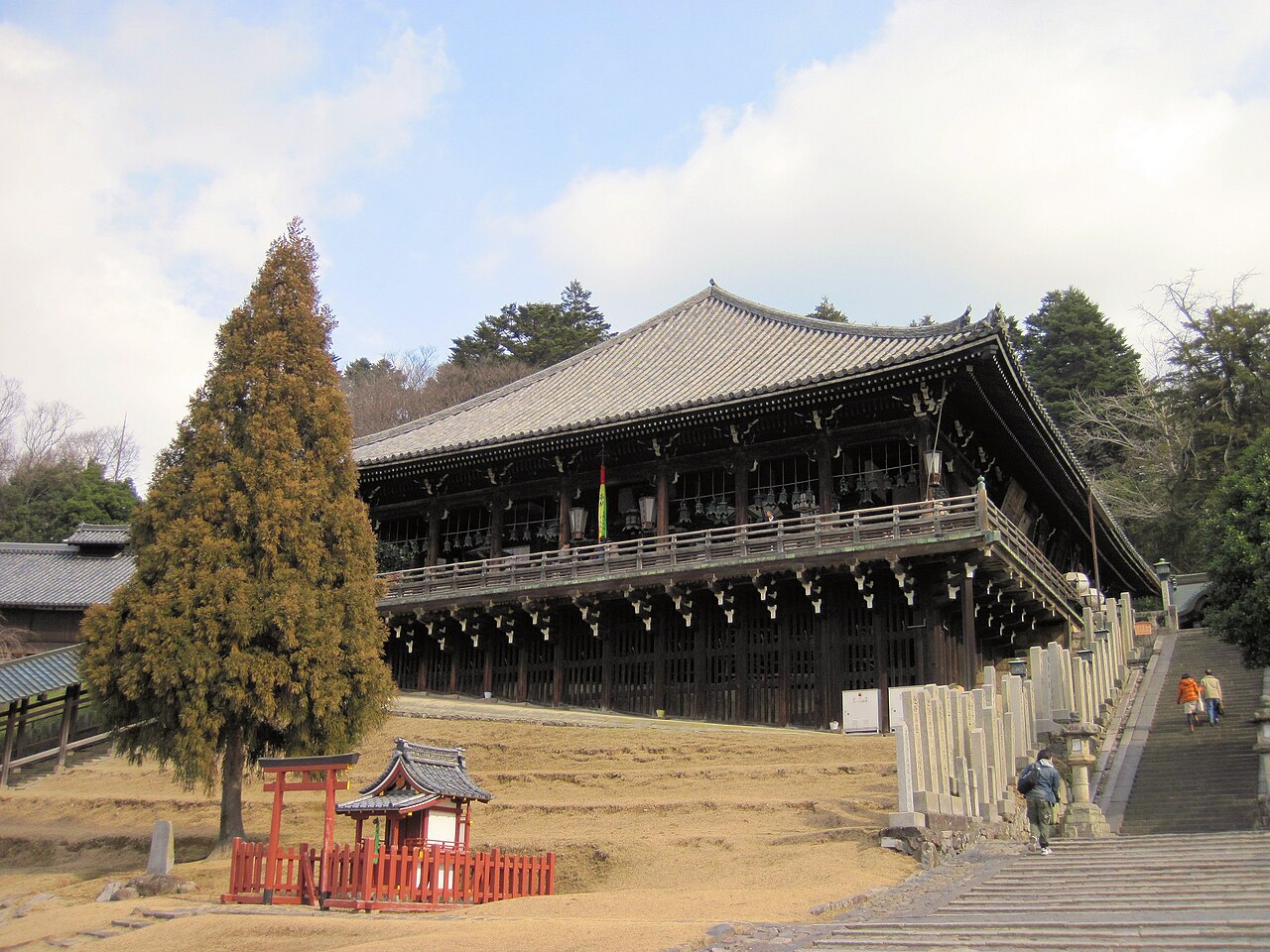
Nigatsudo Hall
1.0 km · straight line
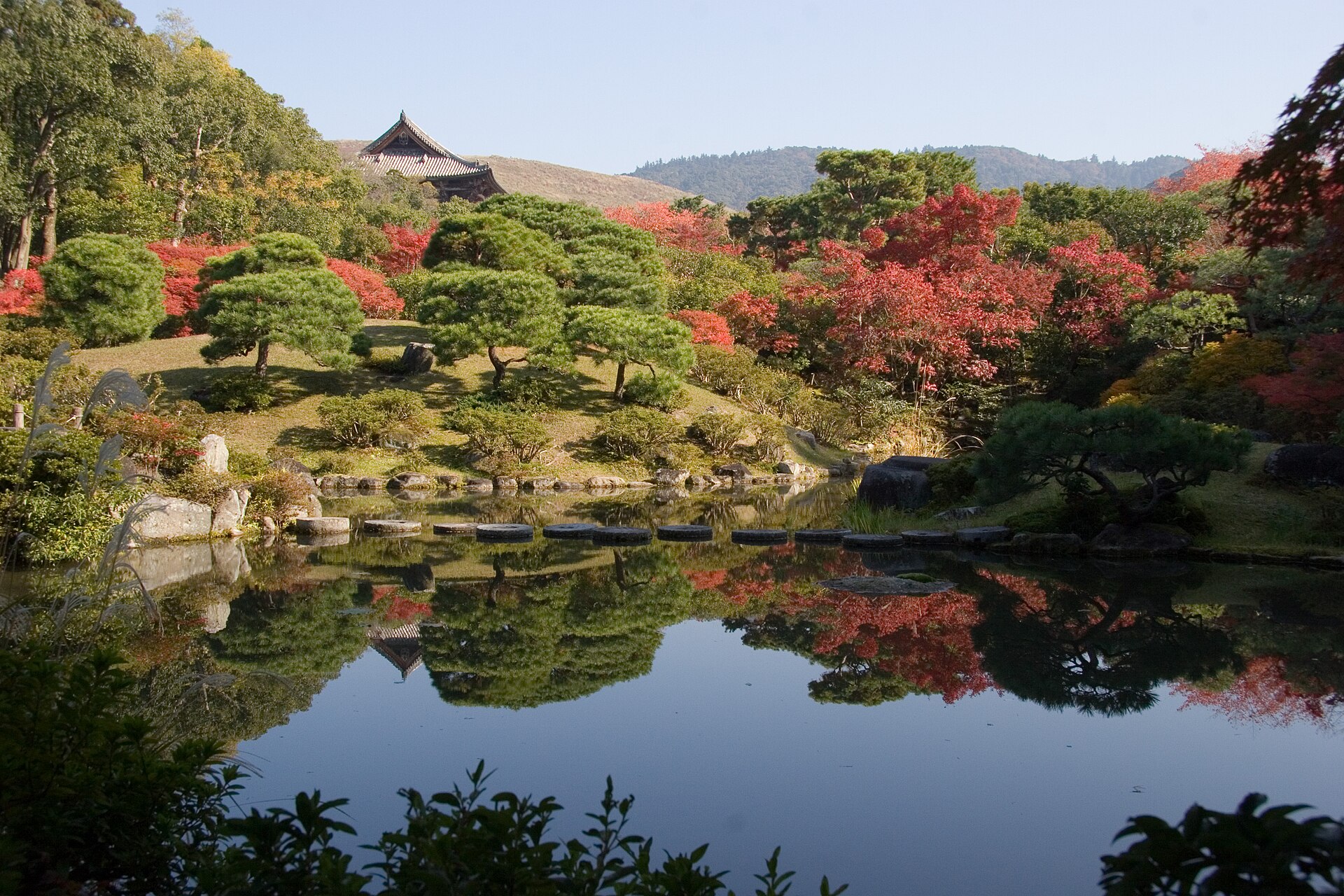 Kimon Berlin (Gribeco) / CC BY-SA 4.0
Culture · Nara★★
Isuien Garden
1.1 km · straight line
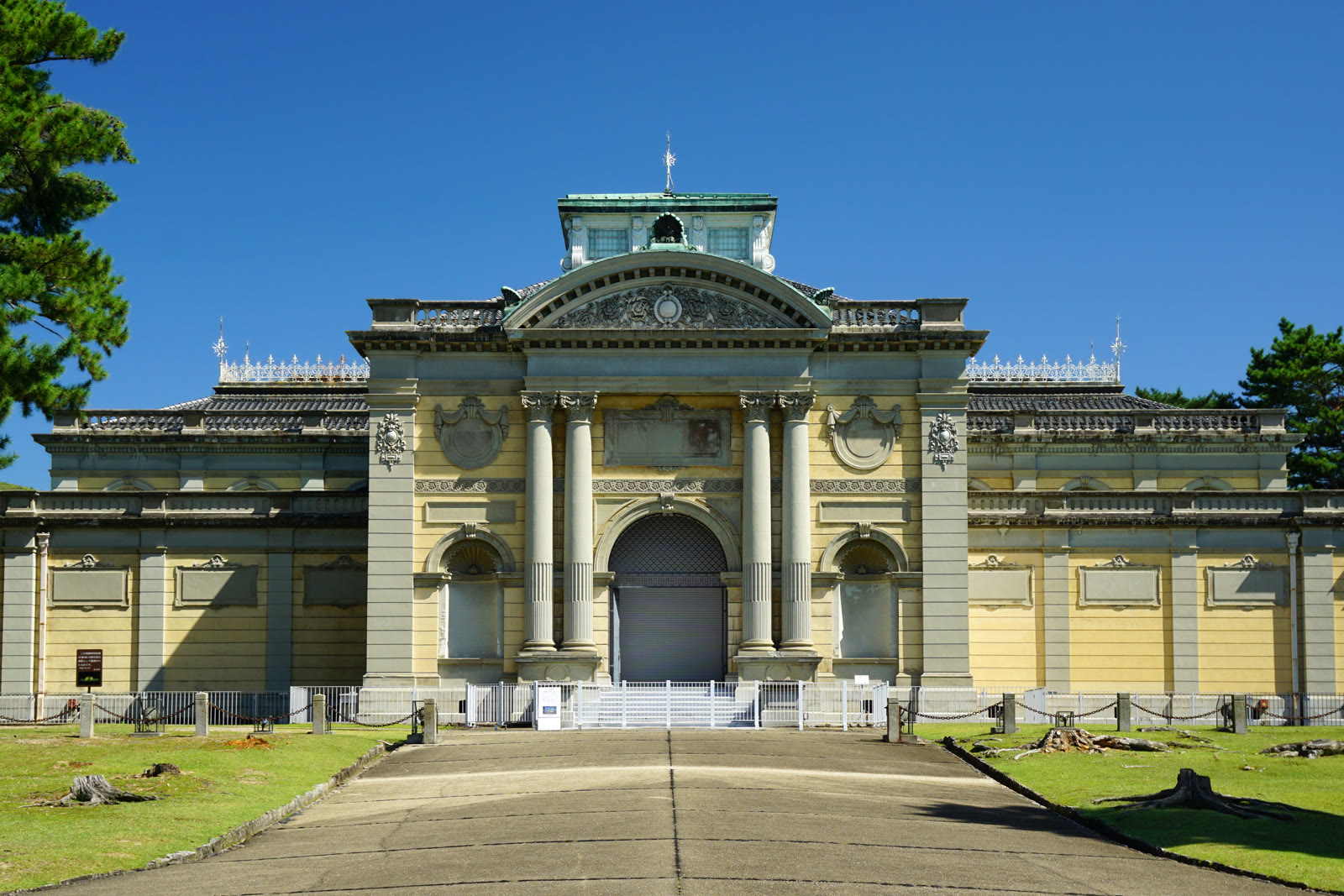 663highland / CC BY 2.5
Culture · Nara★★★
Nara National Museum
1.1 km · straight line
On a curated routeDown Into the Old Capital →
Distances are straight lines on the map, not travel times.