Nara · Todaiji Temple precinctNo.130★★★Open in map →
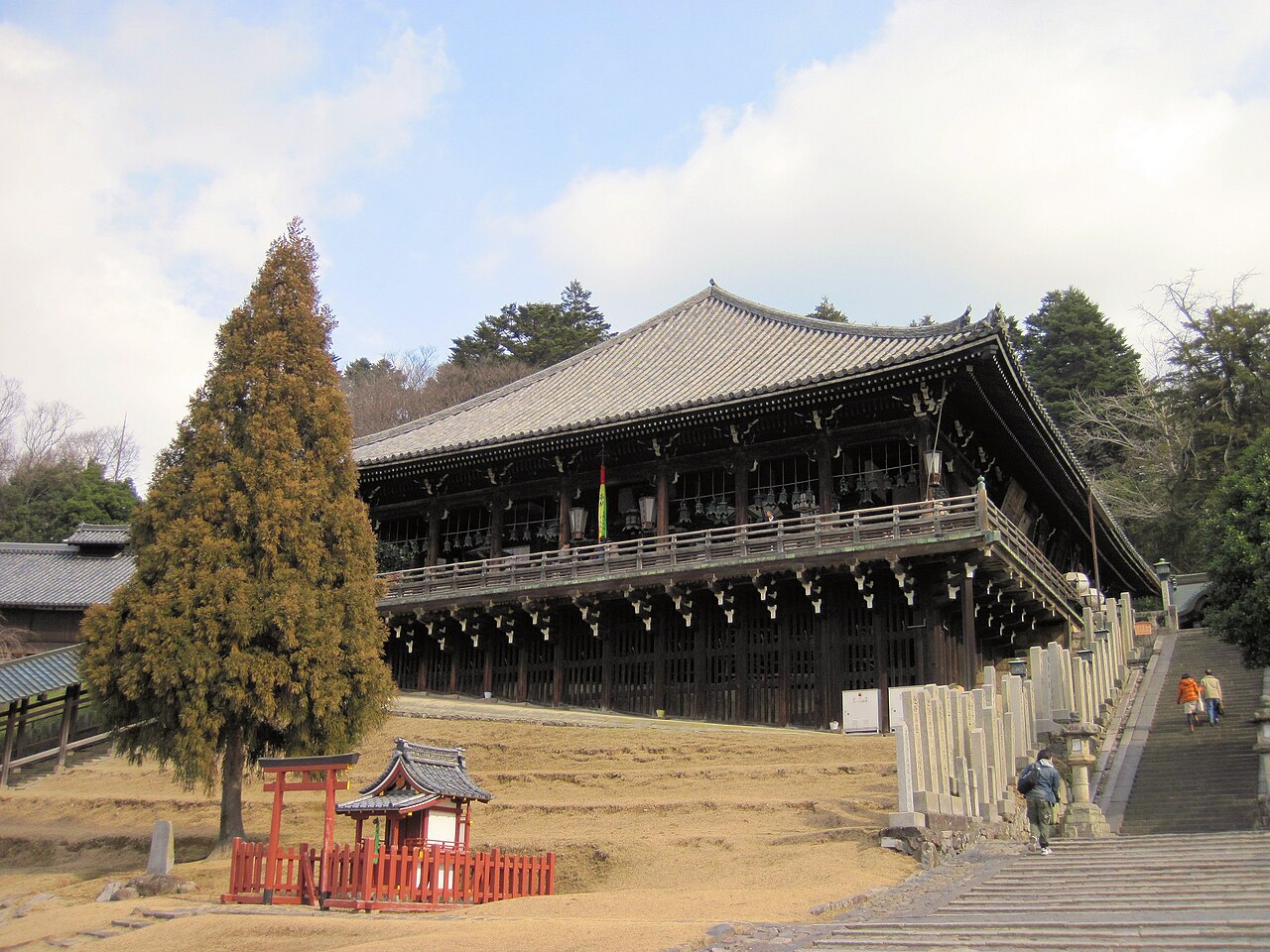
Nigatsudo Hall
— Todaiji's open veranda over Nara
A hillside hall in the Todaiji precinct whose wooden stilt veranda is open around the clock at no charge, looking out over the Great Buddha Hall and the whole Nara basin.
- FromKyoto Stn
- ~1 hourbus (frequent)
- Get off atTodaiji Daibutsuden Kasuga Taisha-mae bus stop
- On foot
- Nigatsudo Hall
Where it is
32 more notes in Nara · open the map →What to look for — in walking order
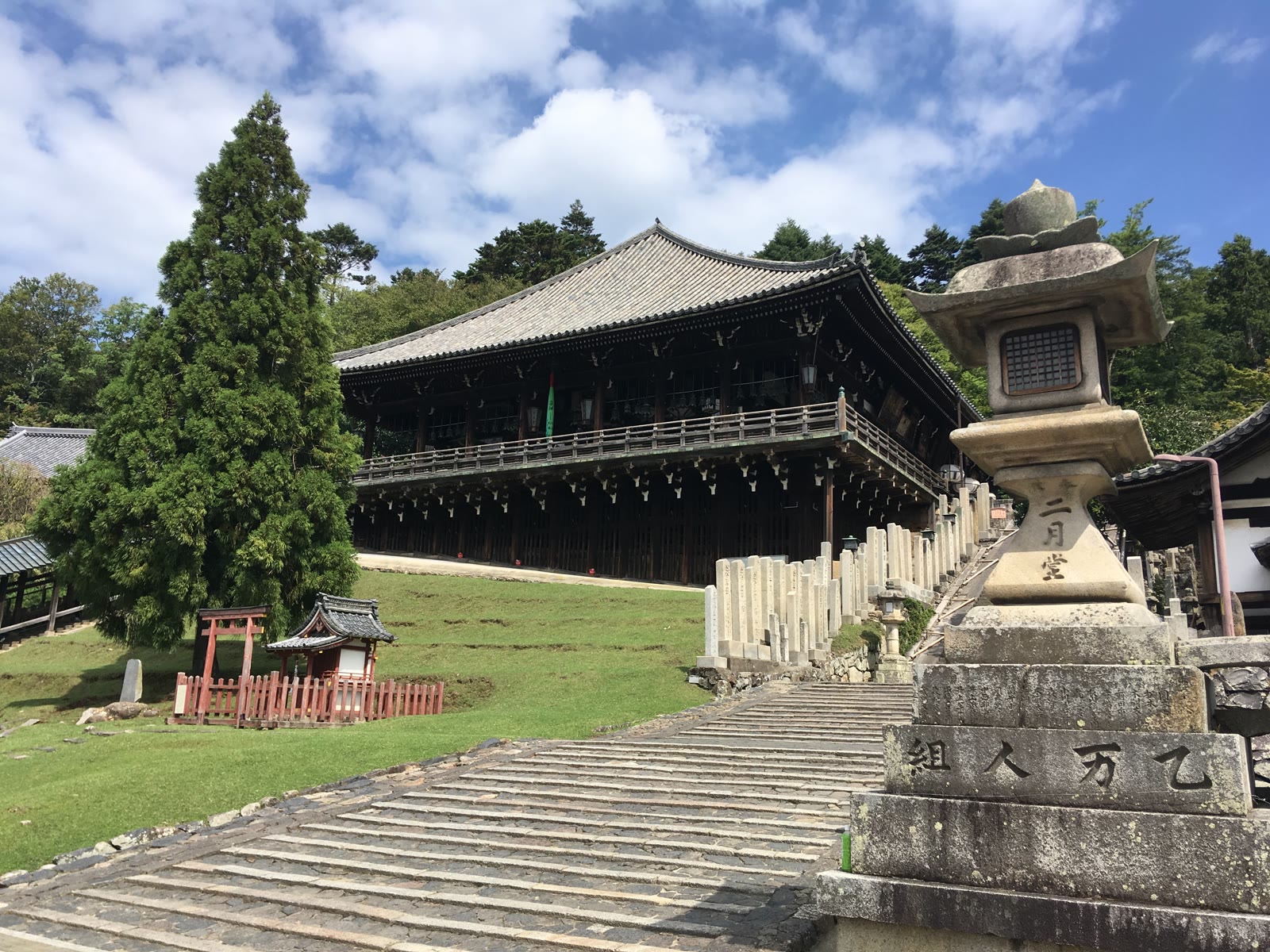
- Stone steps from behind the Great Buddha Hallthe uphill approach; the path is unlit before dawn — a phone light helps
- The stilt veranda (butai-zukuri)a wooden platform built out over the hillside, free and open 24 hours
- The basin viewthe Great Buddha Hall roof, Kofukuji Temple's five-story pagoda, and Nara Park spread out below
- 1669 National Treasure hallthe present main hall, rebuilt after the 1667 fire
How to actually get there
- Kyoto Stn → JR Nara Stn (JR Miyakoji rapid, ~45 min), or → Kintetsu-Nara Stn (Kintetsu, ~35-50 min).
- Nara Station → Todaiji Daibutsuden Kasuga Taisha-mae (city loop bus route 2, ~3-11 min).
- Bus stop → Nigatsudo veranda (walk east and uphill past the Great Buddha Hall, ~10 min).
- Kyoto Stn → Nara → city loop bus
- Kyoto Stn →(JR Miyakoji rapid, ~45 min, direct)→ JR Nara Stn, OR →(Kintetsu Nara Line, ~35-50 min, direct)→ Kintetsu-Nara Stn. From either station, take the city loop bus (route 2, outer loop) →(~3 min from Kintetsu-Nara / ~11 min from JR Nara)→ Todaiji Daibutsuden Kasuga Taisha-mae stop. Total ~1 hour. Both trains run several times an hour and the loop bus is frequent.
- return the same way
- Return to Nara Station on the same city loop bus, then take JR or Kintetsu back to Kyoto. Both train lines run into the evening, but check the last connection at the station when you arrive if you plan to stay late.
About the place
Nigatsudo — the 'Second Month Hall' — stands on the slope of Mount Wakakusa, east of and above Todaiji's Great Buddha Hall. Its front is a butai-zukuri veranda, a wooden platform built out over the hillside on stilts. From it the view runs across the roof of the Great Buddha Hall, the five-story pagoda of Kofukuji Temple, Nara Park, and the wider Nara basin. The hall takes its name from the Shuni-e rite, known by the popular name Omizutori (the water-drawing ceremony), held here each spring. Unlike the ticketed Great Buddha Hall below, the veranda is open at any hour and costs nothing.
How to enjoy it
Because the veranda never closes and charges nothing, it rewards any time of day — early morning for the widest, calmest view over the basin, or after the Great Buddha Hall has shut for the evening. The fire ritual of Shuni-e peaks around the night of 12 March, when large flaming torches are carried along the outer veranda.
Background & history
The hall traces its origins to the mid-8th century. The Shuni-e repentance rite has been held here every year since 760, when the monk Jitchu first introduced it. A fire broke out during the ceremony in 1667 and destroyed the building; the present hall is the reconstruction completed in 1669, designated a National Treasure of Japan. Omizutori is said to have continued without a break for more than 1,250 years, making it one of Japan's oldest religious ceremonies still performed today.
Before you go
- Cash
- Nigatsudo veranda: free. Great Buddha Hall, if you also visit: ¥800 for adults. The city loop bus is about ¥220-250; IC cards are accepted on Nara city buses.
- Good to know
- The stone path up to Nigatsudo is unlit before dawn — bring a small torch or use your phone light.
- Another way
- A forest path through Kasuga Taisha's old-growth cedar wood connects Nigatsudo to Kasuga Taisha shrine on foot (about 20 minutes).
- After you get off
- From the Todaiji Daibutsuden Kasuga Taisha-mae bus stop, walk east up the paved approach past the Great Buddha Hall, then climb the stone stairs to the Nigatsudo veranda (~10 min uphill).
Nearby notes
 Kudō Risaburō 工藤利三郎 (1848 – 1929) / Public domain
History · Nara★★★
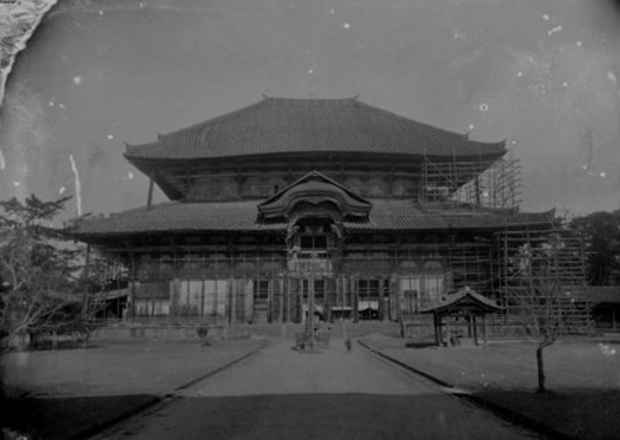
Todai-ji and Nara Park
0.4 km · straight line
 Christophe95 / CC BY-SA 4.0
Nature · Nara★★★
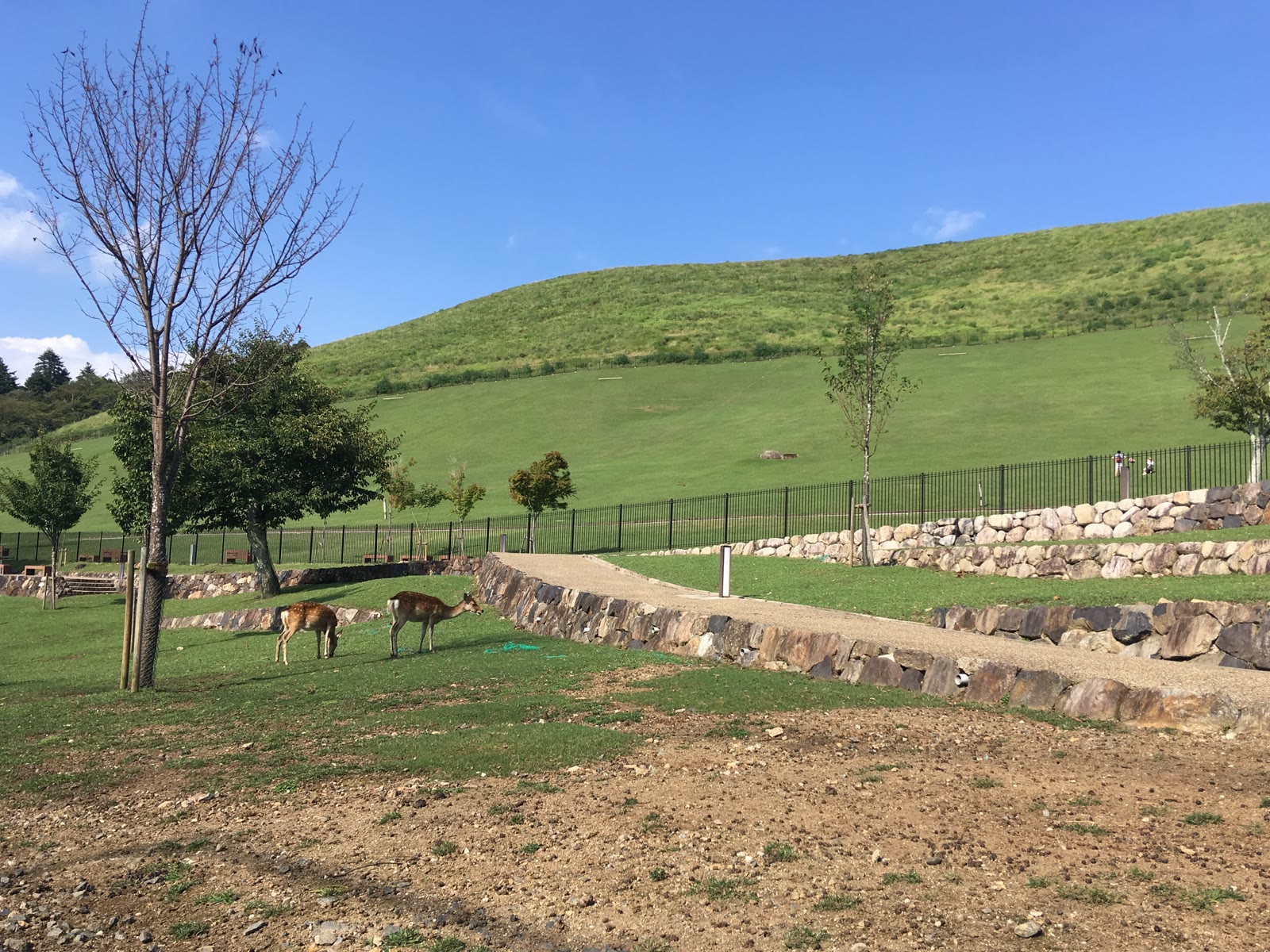
Mount Wakakusa
0.7 km · straight line
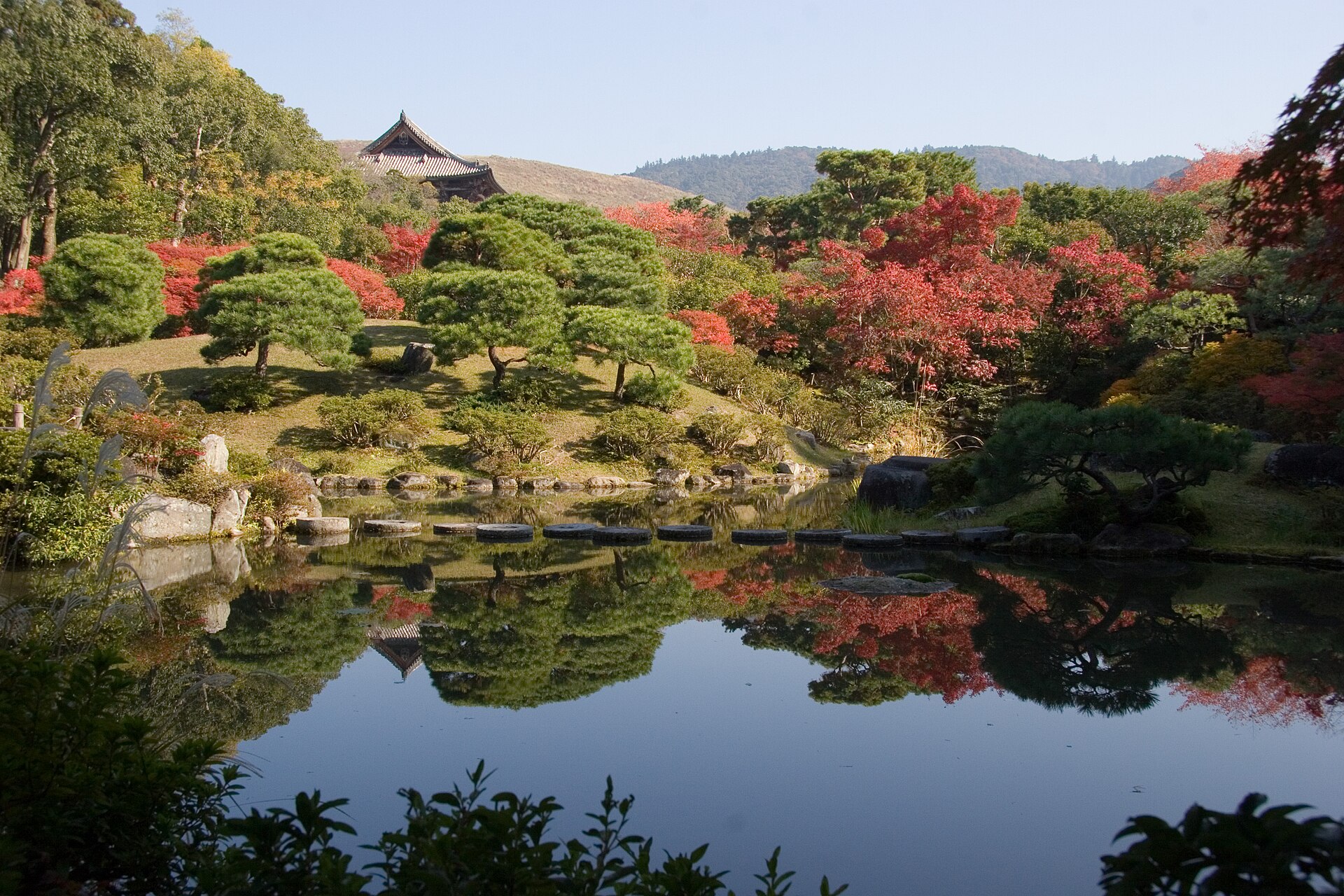 Kimon Berlin (Gribeco) / CC BY-SA 4.0
Culture · Nara★★
Isuien Garden
0.7 km · straight line
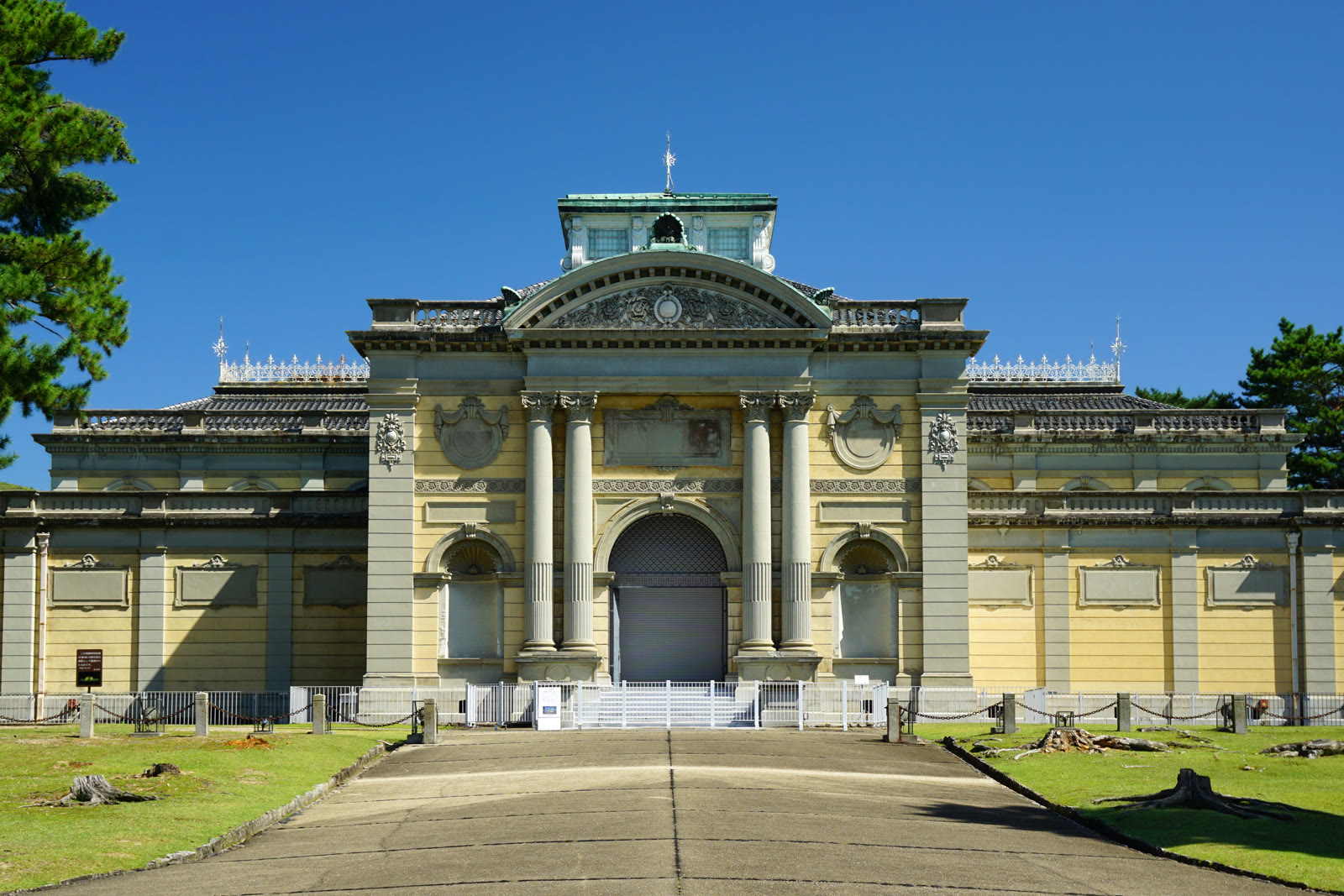 663highland / CC BY 2.5
Culture · Nara★★★
Nara National Museum
0.9 km · straight line
On a curated routeDown Into the Old Capital →
Distances are straight lines on the map, not travel times.