Nara · Nara Park areaNo.193★★★Open in map →
Todai-ji and Nara Park
— the temple of the great Buddha
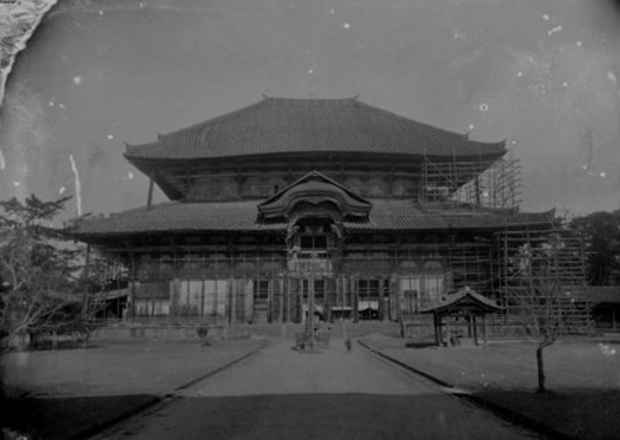
The head temple of the Kegon sect of Buddhism, home to the Great Buddha, a seated bronze figure about 15 metres tall. The Great Buddha Hall (Daibutsuden) opens to a park where nearly 1,700 sika deer roam freely — both temple and park are in central Nara.
- FromOsaka/Namba Stn
- ~35 minJR / Kintetsu (frequent)
- Get off atKintetsu Nara Station (Kintetsu Nara Line)
- On foot
- Todai-ji and Nara Park
Where it is
32 more notes in Nara · open the map →What to look for — in walking order
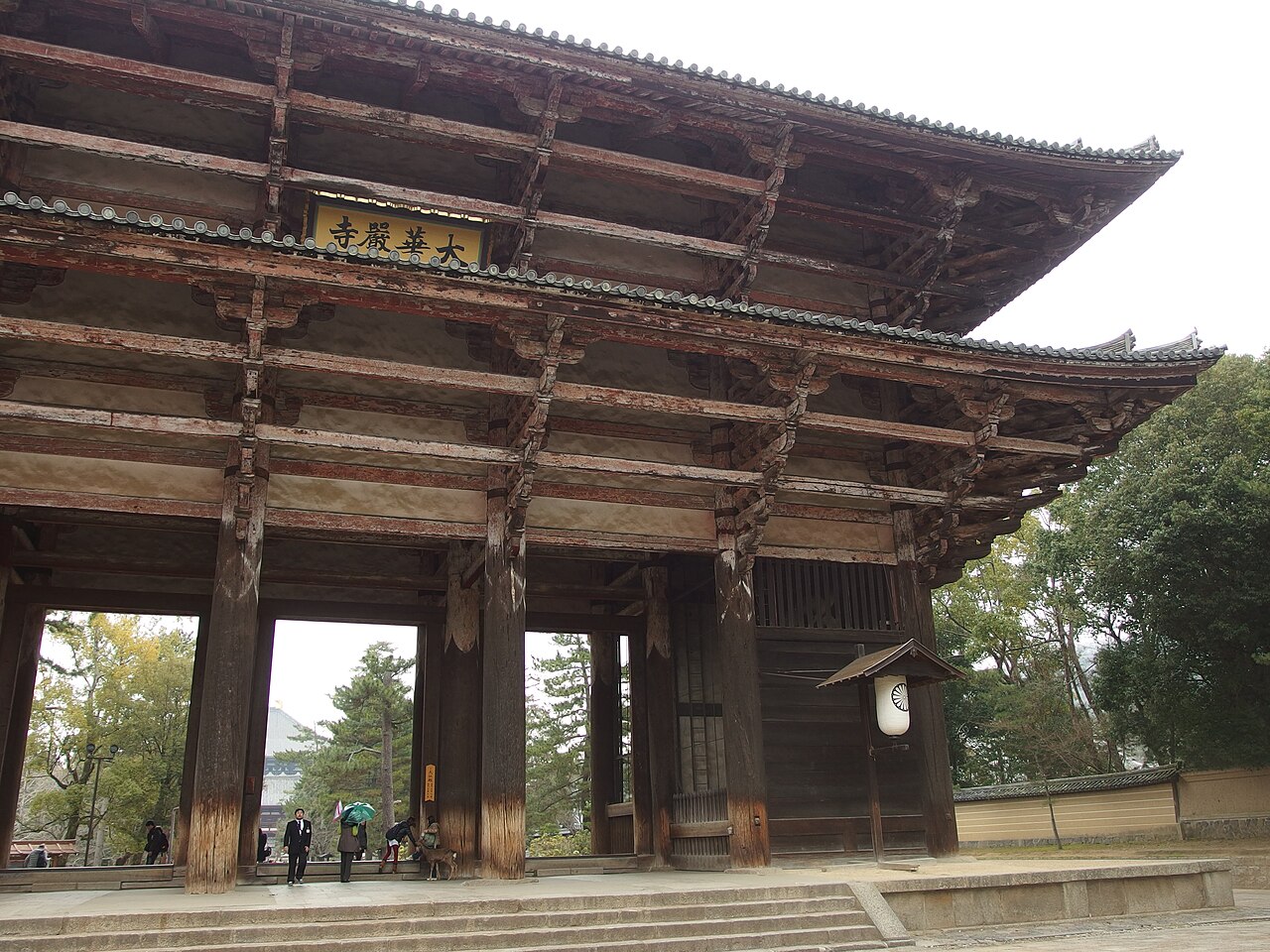
- Nandaimon Gate (south main gate)a monumental 13th-century gate housing two large wooden Nio (guardian) figures; the approach passes through it
- Daibutsuden (Great Buddha Hall)the large wooden hall containing the bronze Vairocana Buddha, about 15 m tall; a hole through one of the wooden pillars inside is said to match the Buddha's nostril in size
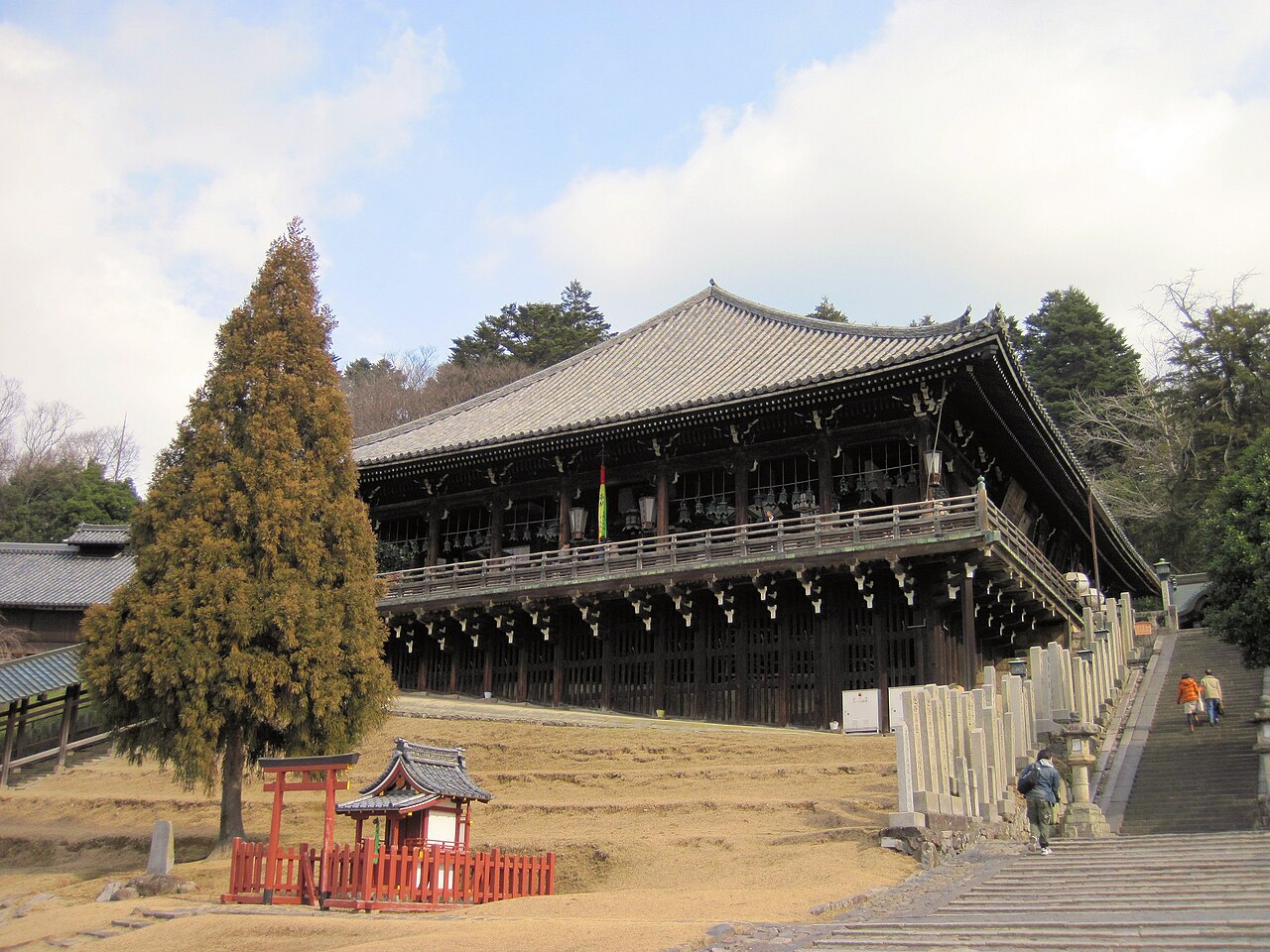
- Nigatsu-do Halla hillside hall east of the main complex whose wooden balcony looks out over Nara; site of the annual Omizutori fire ceremony in March
- Deer throughout the parksika deer roam between the gates and pathways; shika senbei crackers are sold at stalls near the approaches
How to actually get there
- Osaka Namba (Kintetsu) → Kintetsu Nara Station (Kintetsu Nara Line Express, ~35 min, direct).
- Walk east ~20 min through Nara Park → Nandaimon Gate → Daibutsuden.
- After the Great Buddha, walk east and uphill to Nigatsu-do for the view from its balcony.
- Kintetsu Nara Line to Kintetsu Nara Station
- From Osaka Namba (Kintetsu Namba Station), take the Kintetsu Nara Line Express directly to Kintetsu Nara Station (about 35 min, no transfer). From Kyoto, take the Kintetsu Kyoto Line Express to Yamato-Saidaiji Station, then transfer to the Nara Line (about 45 min total). From Kintetsu Nara Station, walk east about 20 minutes through the park to the Nandaimon Gate, or take a city bus from the station.
- Return from Kintetsu Nara or JR Nara Station
- Kintetsu Nara Station is the fastest option back to Osaka or Kyoto. JR Nara Station (about 2 km west-south-west of Nandaimon Gate as the crow flies) connects to Kyoto Station by the JR Nara Line (about 45 min) and to Osaka on the Yamatoji Line. Both stations are well-connected.
About the place
Todai-ji's Great Buddha Hall is one of the largest wooden buildings in the world. The current hall, rebuilt in 1709, is only about two-thirds as wide as the original, yet it keeps the original height and depth. Inside stands the Vairocana Buddha (Rushana Butsu), a seated bronze figure about 15 metres tall, flanked by two bodhisattva figures. The surrounding Nara Park, roughly 660 hectares of open ground linking the city's major shrines and temples, is home to nearly 1,700 sika deer that are historically considered messengers of the gods. The deer are accustomed to people and will approach in search of the special deer crackers (shika senbei) sold throughout the park — feeding them is a longstanding part of the Nara experience, though they can also be bold and persistent.
How to enjoy it
Enter from the south through Nandaimon Gate, where the large Nio guardian statues are directly visible. The Great Buddha Hall is best experienced early in the morning before tour groups arrive; the hall opens at 7:30 from April to October and at 8:00 from November to March (check the official site before you go). After the Daibutsuden, walk east and uphill to Nigatsu-do for the view over Nara from its wooden balcony. The deer are present throughout the day.
Background & history
Todai-ji was founded in 728 by Emperor Shomu, who commissioned the Great Buddha in 743 as an act of national prayer during a period of epidemic and political crisis. The original bronze casting took decades to complete and required vast quantities of copper, tin, and gold. The temple was the head of a provincial temple network covering all of Japan and was central to the early Japanese state's relationship with Buddhism. The current Daibutsuden dates to the 1709 reconstruction, the third building on the site after earlier halls were destroyed by war and fire.
Before you go
- Cash
- Admission to the Daibutsuden and grounds: 800 yen for adults. Deer crackers (shika senbei): around 200 yen per bundle, sold at stalls throughout the park. IC cards accepted on Kintetsu and JR trains.
- Good to know
- The Daibutsuden is open 7:30–17:30 from April to October and 8:00–17:00 from November to March, every day unless a special event or emergency intervenes. Note: male deer shed and regrow antlers annually; antlers are trimmed at a ceremonial event in October.
- Another way
- JR Nara Station (Yamatoji Rapid Line from Osaka or Nara Line from Kyoto) is a valid entry point — from JR Nara Station it is about 2 km east to Nandaimon Gate as the crow flies, or a short bus ride.
- After you get off
- From Kintetsu Nara Station, walk east along Noborioji-dori for about 20 minutes to the Nandaimon Gate, passing through the northern edge of Nara Park.
Nearby notes
 Nekosuki / CC BY-SA 4.0
History · Nara★★★
Nigatsudo Hall
0.4 km · straight line
 Kimon Berlin (Gribeco) / CC BY-SA 4.0
Culture · Nara★★
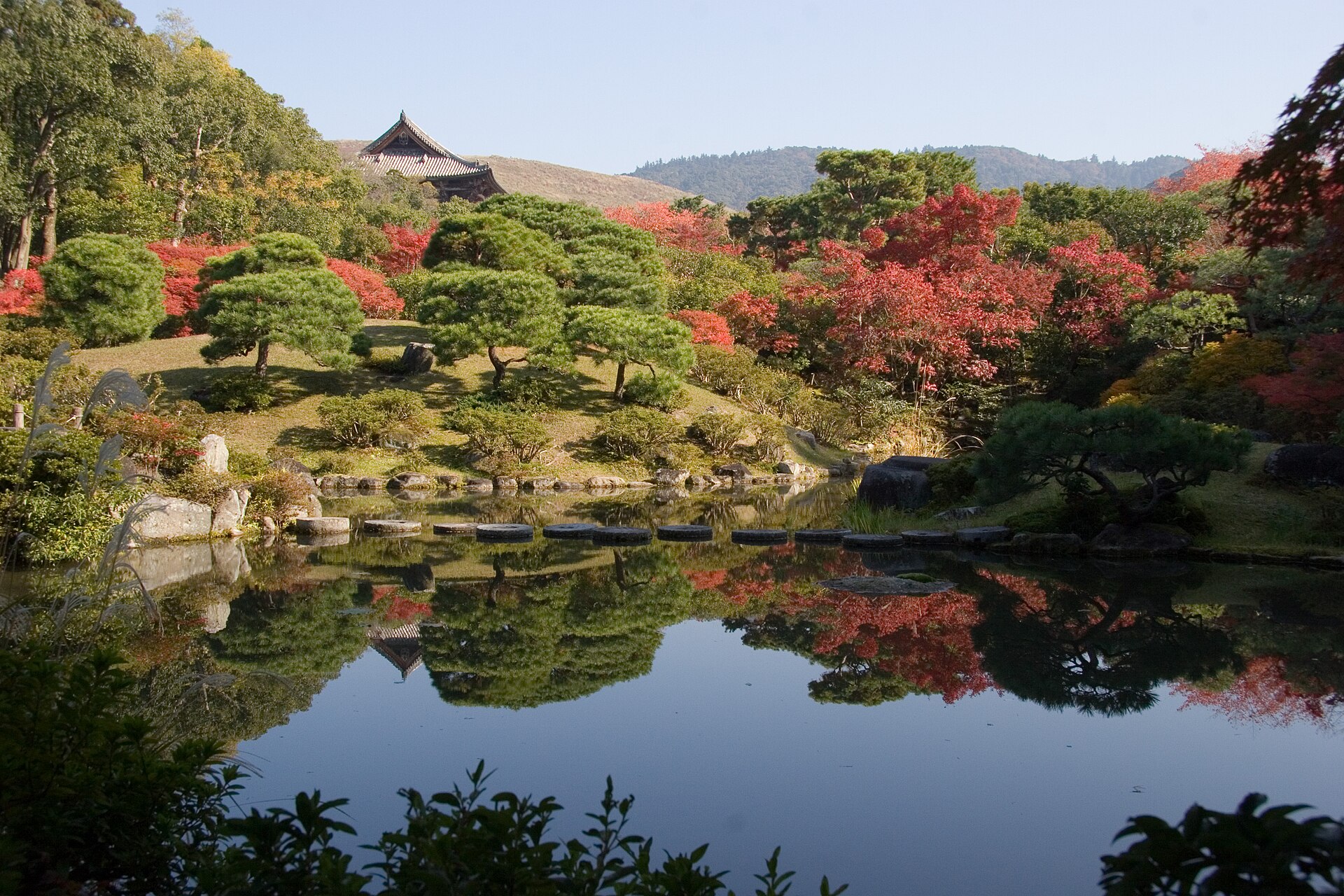
Isuien Garden
0.4 km · straight line
 663highland / CC BY 2.5
Culture · Nara★★★
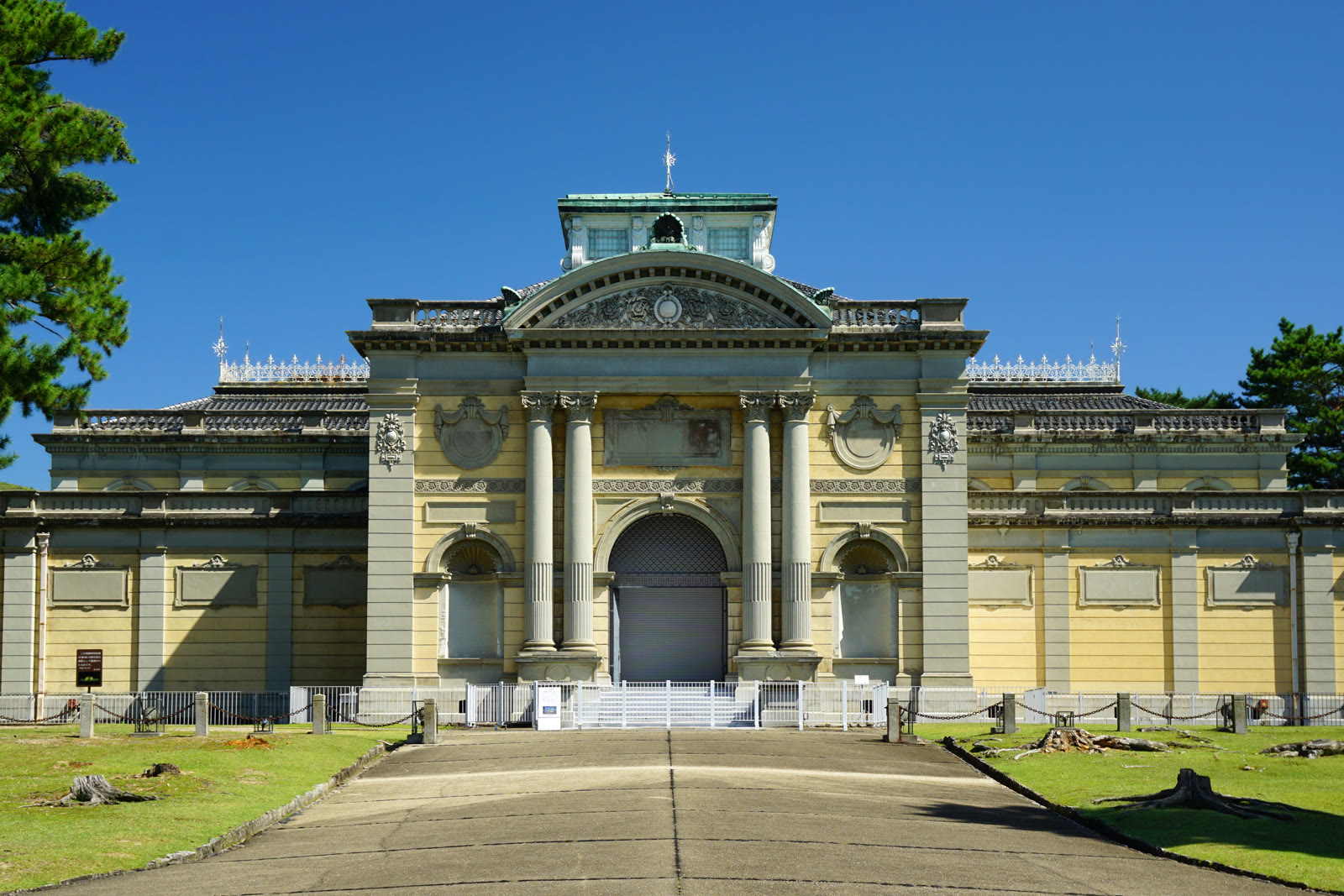
Nara National Museum
0.6 km · straight line
 Christophe95 / CC BY-SA 4.0
Nature · Nara★★★
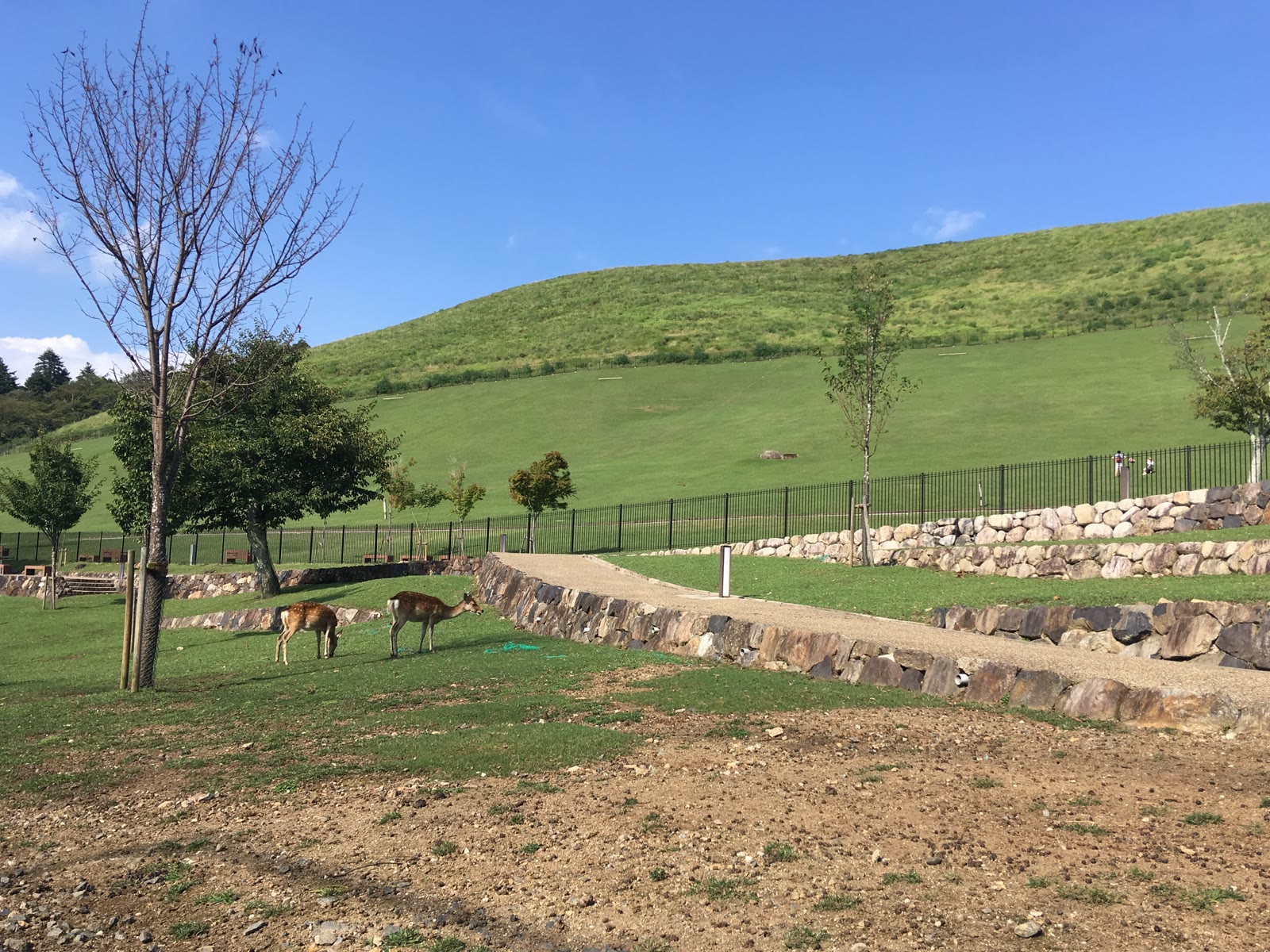
Mount Wakakusa
1.0 km · straight line
On a curated routeDown Into the Old Capital →
Distances are straight lines on the map, not travel times.