Miura southeast · Ena BayNo.094★Open in map →
Ena Bay Tidal Flat
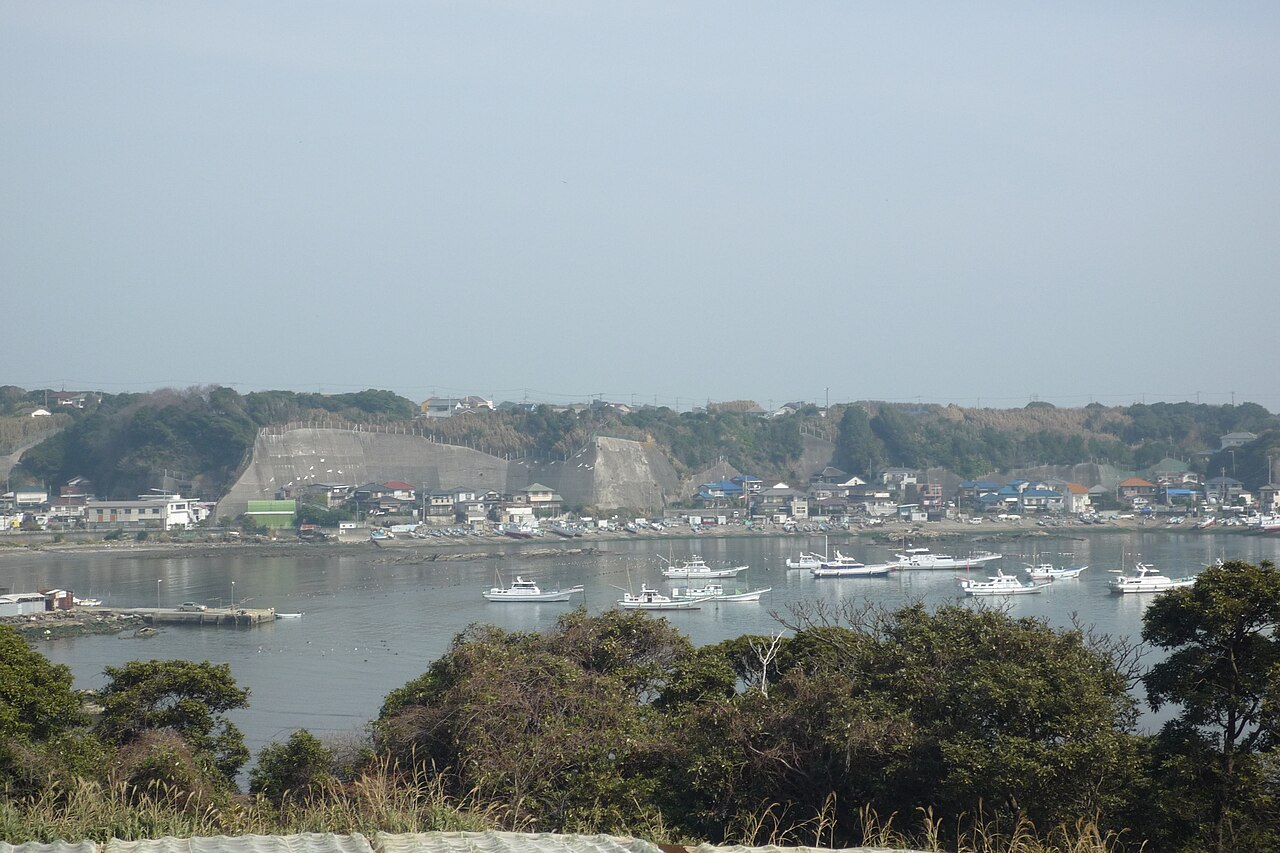
A small natural tidal flat at the head of Ena Bay, on the southern tip of the Miura Peninsula near Tokyo. Fringed with reeds and eelgrass, it is known for its unusually rich intertidal life.
- FromShinagawa Stn
- ~95 minbus (about hourly)
- Get off atEna bus stop
- On foot
- Ena Bay Tidal Flat
The sweet spot
There is no attraction sign here, just a bay behind a small fishing port, and almost nothing about it is written in English. The flat only appears when the sea pulls back, so timing matters more than directions, and that keeps casual visitors away.
Where it is
43 more notes in Kanagawa · open the map →What to look for — in walking order
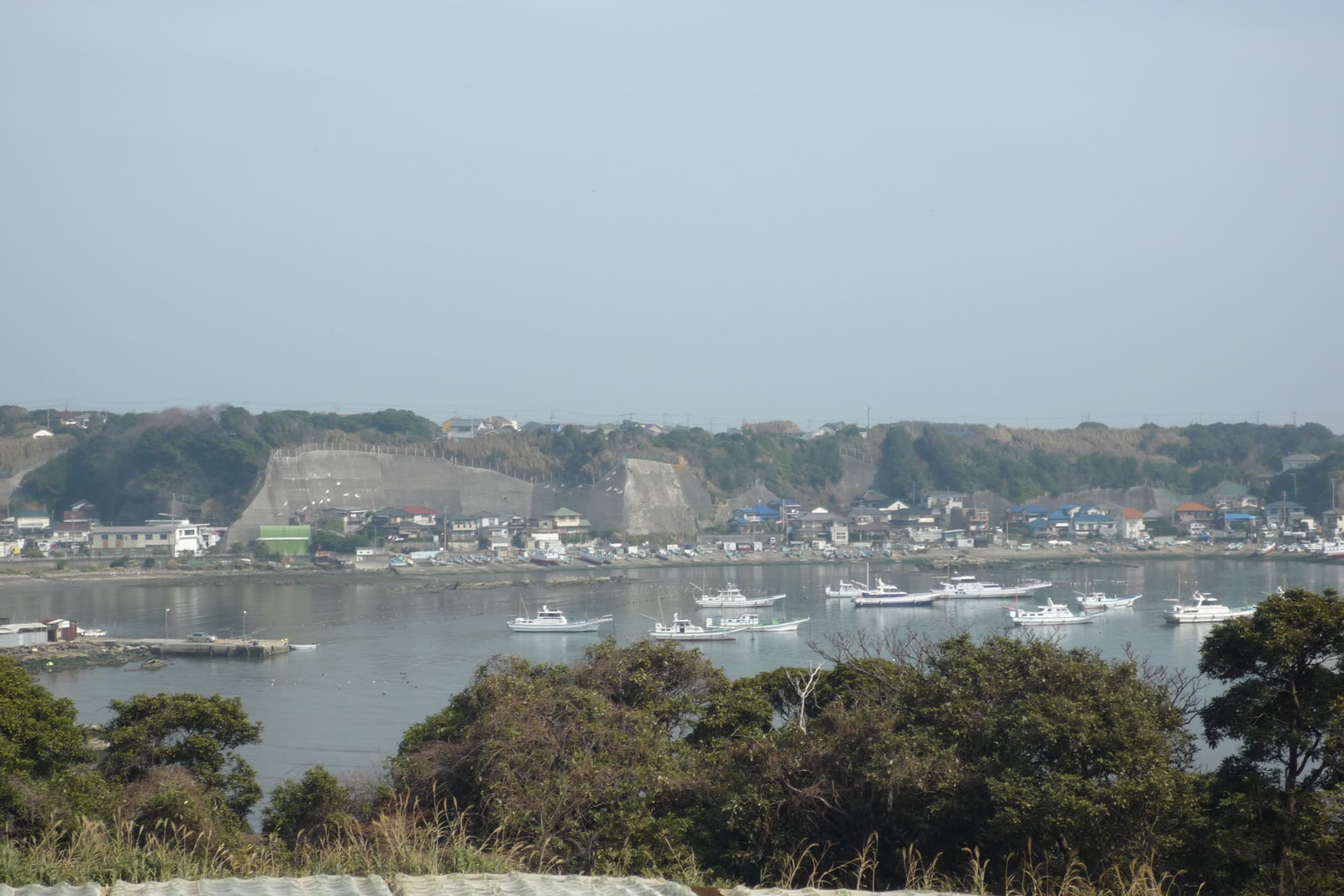
- Reed marsh and eelgrassa reed marsh behind the western mudflat and beds of eelgrass toward the low-tide line framing the bay
- Crabs in the mudashihara-gani (reed-marsh crab) and chigo-gani (a tiny fiddler-like crab) active at low water
- Migrating shorebirdssandpipers, plovers, and little egrets feeding on the flat, especially in autumn and winter
- A rare surviving flatone of the few natural tidal flats left on a peninsula whose coast is mostly concrete seawall
How to actually get there
- Shinagawa Stn → Miura-Kaigan Stn (Keikyu Main/Kurihama Line, Limited Express, ~70 min).
- Miura-Kaigan Stn → Ena stop (Keikyu Bus route 35 toward Misaki-Higashioka via Tsurugizaki, about 25 min).
- Ena stop → tidal flat (walk, ~1 min, best at low tide).
- Keikyu train + Keikyu Bus
- Shinagawa Stn →(Keikyu Main/Kurihama Line, Limited Express "Kaitoku" toward Misakiguchi, ~70 min, direct or 1 easy transfer)→ Miura-Kaigan Stn →(Keikyu Bus route 35 toward Misaki-Higashioka (via Tsurugizaki), get off at Ena stop, about 25 min)→ Ena. Total about 90-100 min. Daytime buses run roughly once an hour, but check the day's timetable before you leave.
- Return the same way
- Take the same Keikyu Bus back from the Ena stop to Miura-Kaigan Stn, then the Keikyu train. Buses thin out in the late afternoon, so when you arrive, check the return times posted at the Ena stop.
About the place
Ena Bay opens to the south at the tip of the Miura Peninsula, and at its innermost point two small tidal flats have survived on a coastline otherwise hardened by seawalls. The western flat is muddy, built up by sediment from small streams and backed by a reed marsh; the eastern flat is sandy gravel, with beds of eelgrass (a sea grass that grows in shallow water) near the low-tide line. Because so few natural flats remain in this region, the bay has become a refuge for creatures that have nearly vanished from nearby Tokyo Bay. A survey conducted between 2013 and 2022 recorded 356 kinds of bottom-dwelling animals here — one of the richest counts among the tidal flats surveyed along this stretch of coast.
How to enjoy it
Come at low tide, when the flat fully appears. Move slowly along the edge rather than stepping out onto the soft mud, and watch the crabs at work. Autumn and winter add migrating wading birds to the scene. The flat is about a one-minute walk from the Ena bus stop.
Background & history
Old photographs show that the land behind the flat was once rice paddy, and over the decades sediment and plants reshaped the bay. As construction armored much of the Miura coast with seawalls, Ena Bay's flats remained one of the last stretches of living tideland on the peninsula. Since 2012 a marine conservation non-profit called OWS has run a project here, clearing dumped and washed-up debris from the reed marshes and recording the wildlife. Their multi-year survey, published in a peer-reviewed scientific journal, recorded dozens of threatened and endangered species among the flat's inhabitants.
Before you go
- Cash
- The bus takes IC cards (such as Suica or PASMO) as well as cash. The port has a couple of small shops and little else, so bring what you need.
- Good to know
- This is a protected wildlife habitat with soft mud. Walk gently, do not collect anything, and watch your footing at the water's edge.
- Another way
- If the tide is wrong for the flat, the neighboring Matsuwa fishing port makes an easy pairing.
- After you get off
- From the Ena bus stop the bay opens right in front of you. Walk down to the edge of the flat, about one minute.
Nearby notes
 hiroaki from Tokyo, Japan / CC BY 2.0
Nature · Kanagawa★
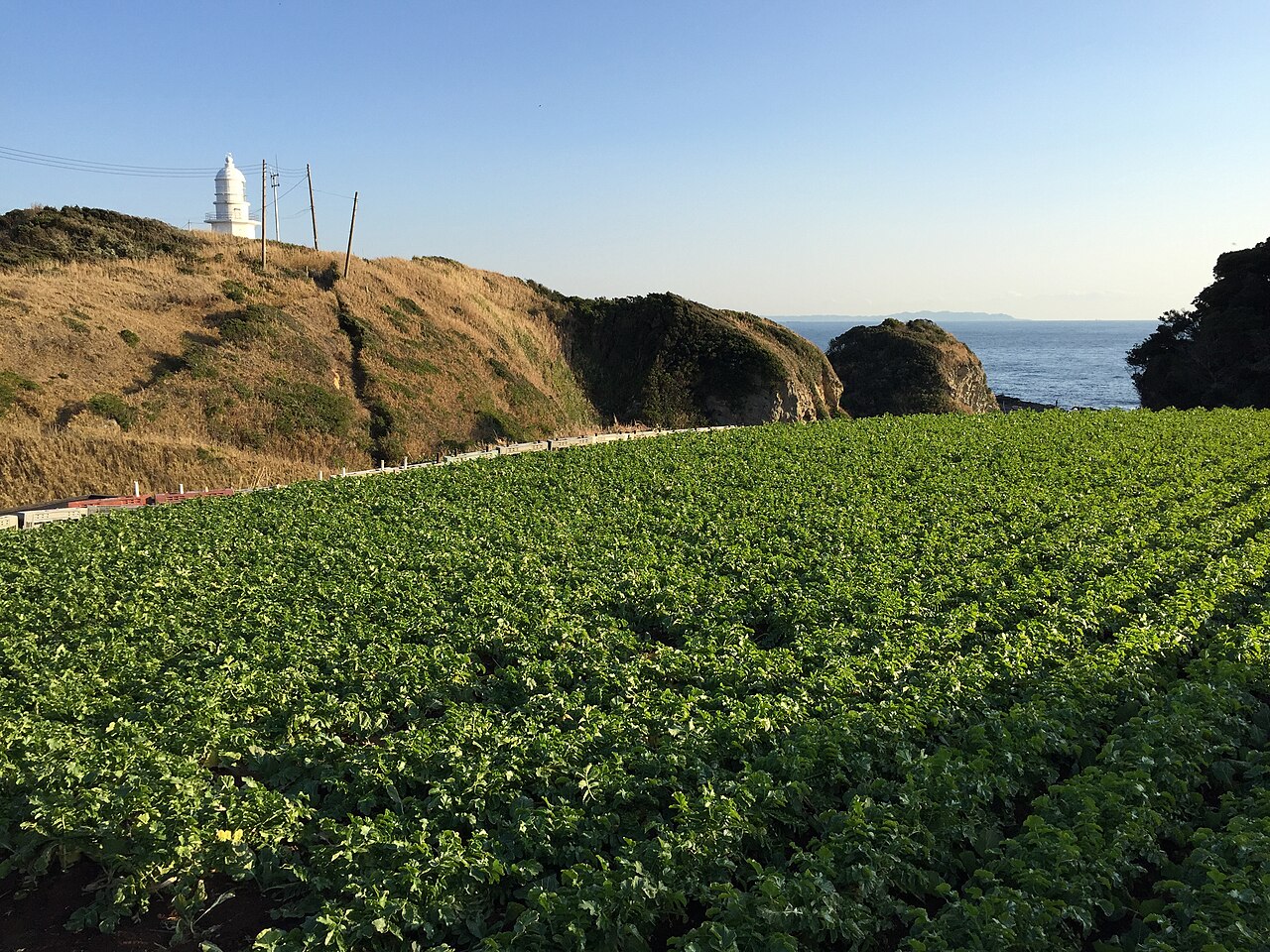
Tsurugisaki Lighthouse
1.2 km · straight line
 Asturio Cantabrio / CC BY-SA 4.0
Food · Kanagawa★
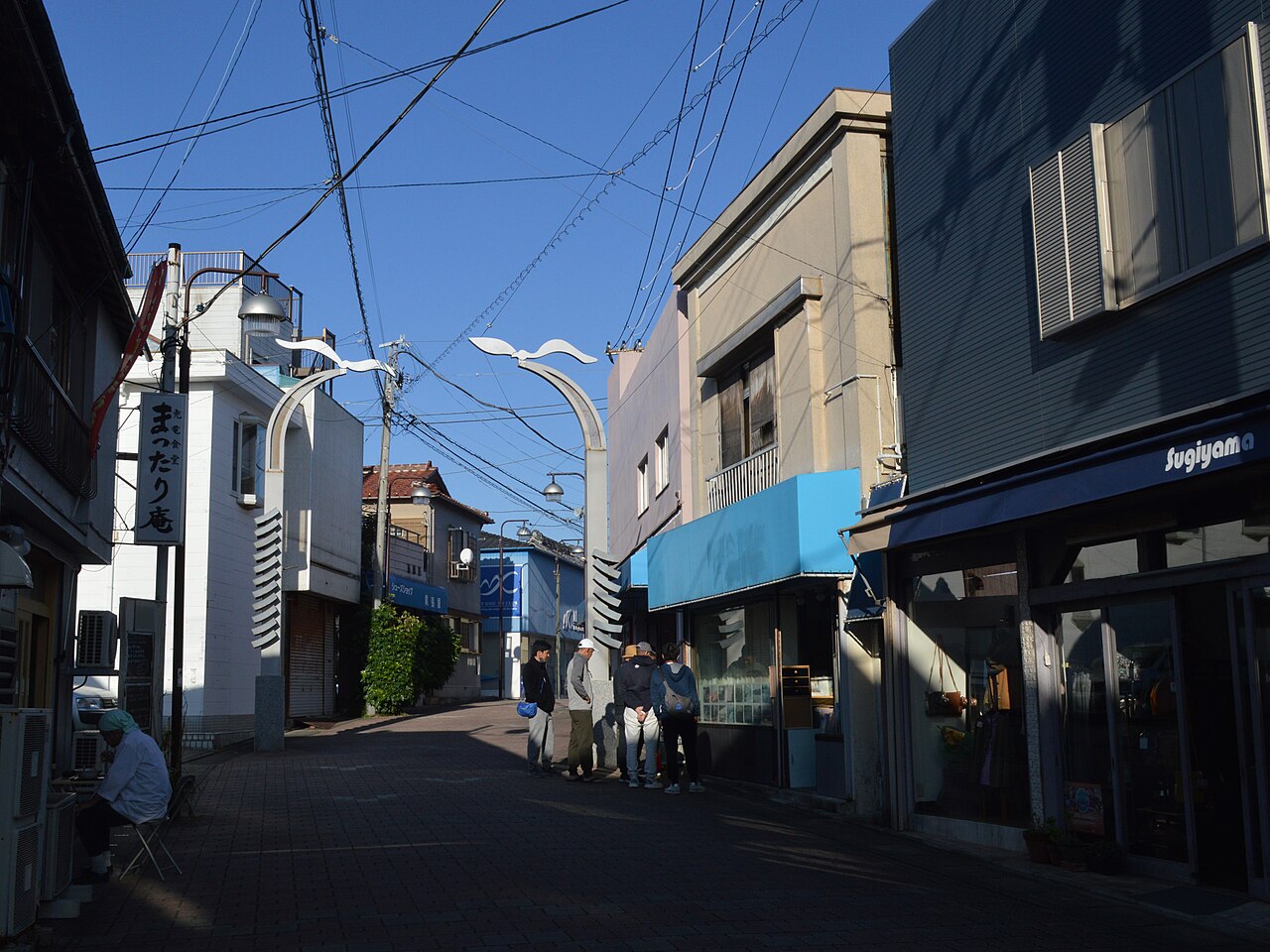
Misaki Shitamachi
4.3 km · straight line
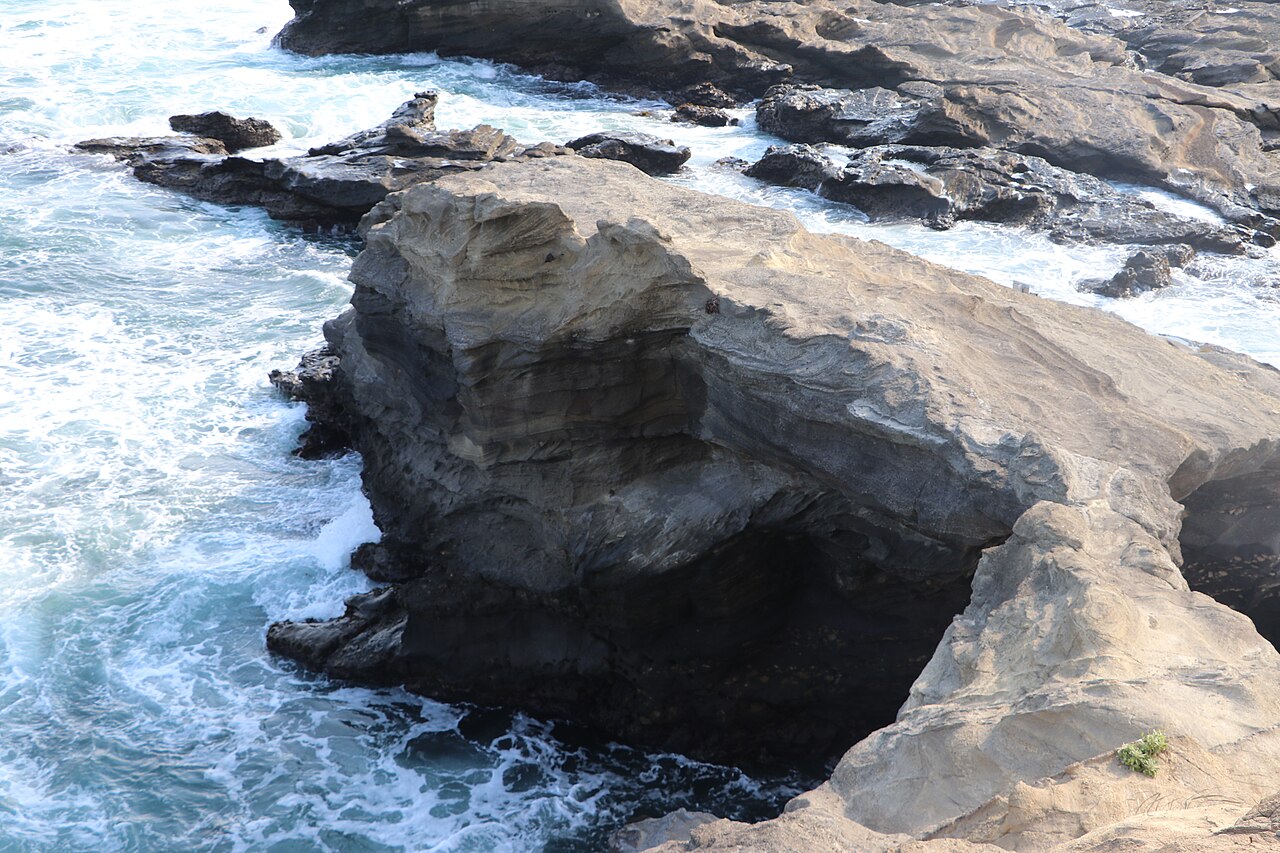 Osumi Akari / CC BY-SA 4.0
Nature · Kanagawa★
Umanose-domon
4.5 km · straight line
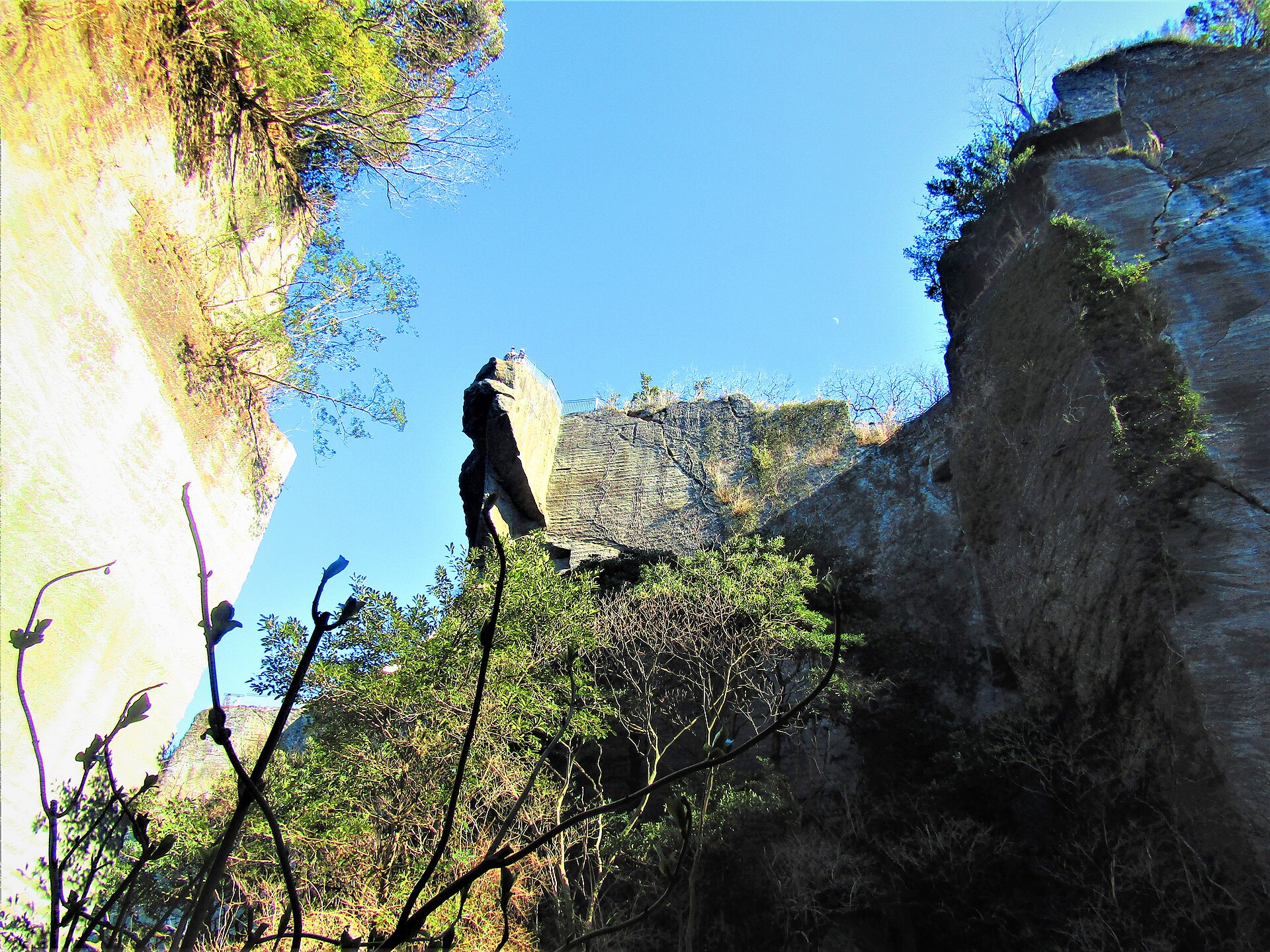 Dandy1022 / CC BY-SA 4.0
History · Chiba★★
Nokogiriyama Nihon-ji
15.3 km · straight line
Distances are straight lines on the map, not travel times.