Kanagawa · Kita-KamakuraNo.221★★★Open in map →
Engaku-ji
— the Zen mountain temple of Kita-Kamakura
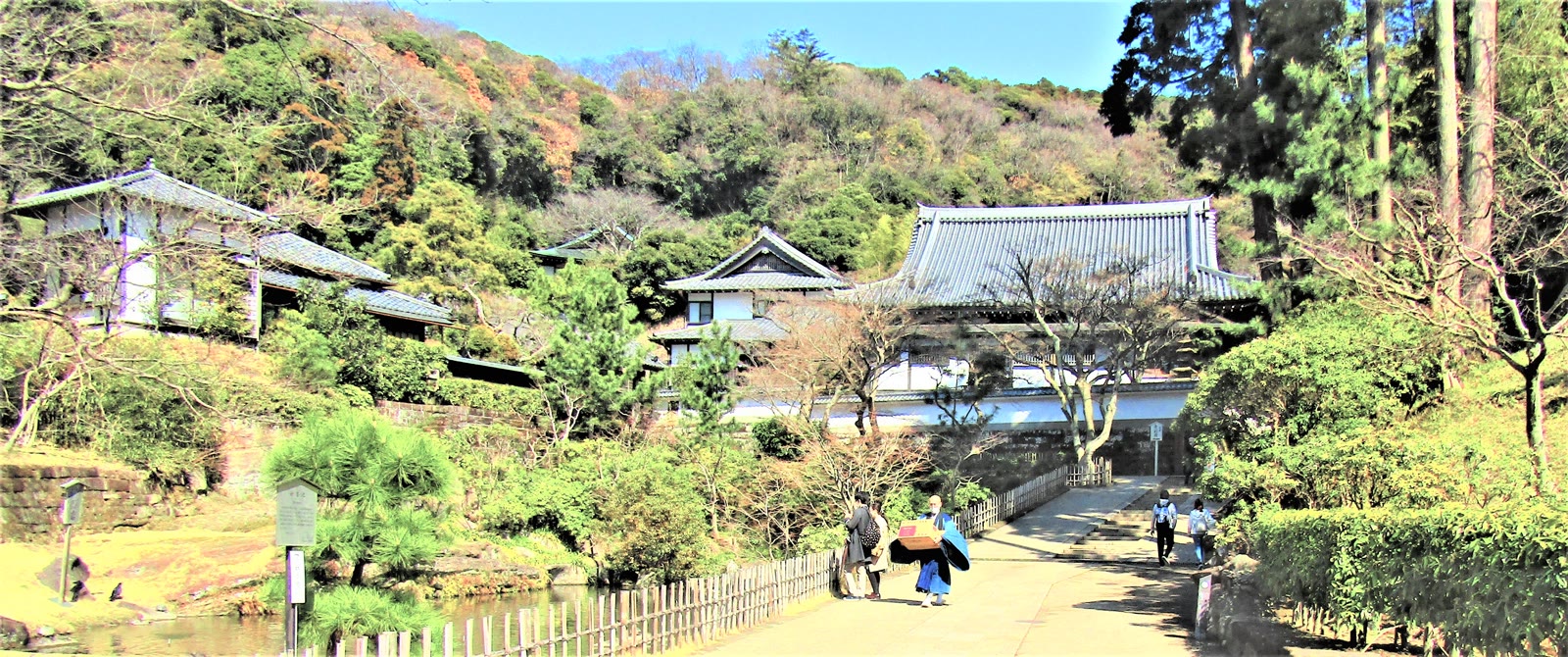
A Zen Buddhist temple founded in 1282 as a memorial to the soldiers who died in the Mongol invasion battles. It ranks second among Kamakura's Five Great Zen Mountains and holds two National Treasures — a 14th-century Song-dynasty reliquary hall and a large 1301 bronze bell. A 1-minute walk from Kita-Kamakura Station on the JR Yokosuka Line.
- FromTokyo Stn
- ~60 mintrain (JR Yokosuka Line)
- Get off atKita-Kamakura Station (JR Yokosuka Line)
- On foot
- Engaku-ji
Where it is
43 more notes in Kanagawa · open the map →What to look for — in walking order
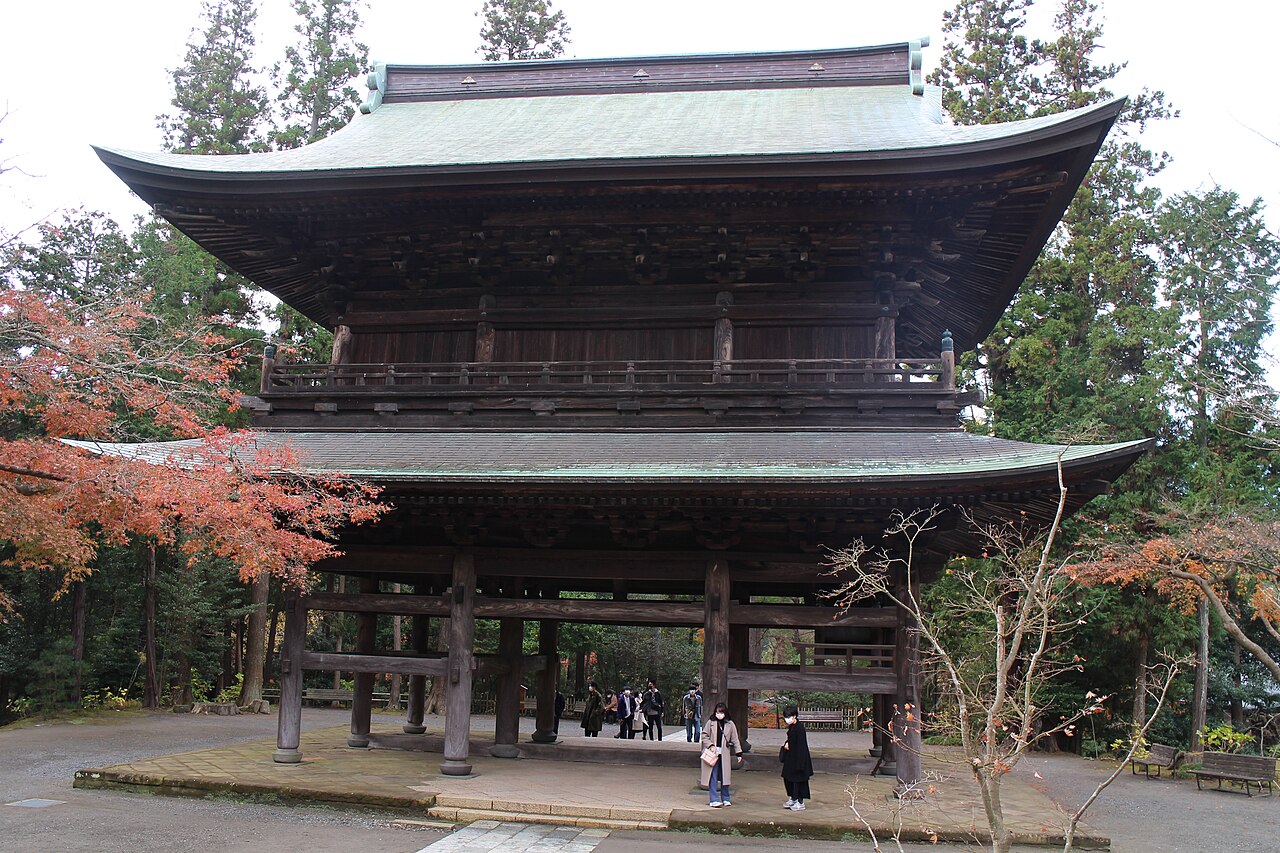
- Sanmon (main gate, 1783)the ceremonial entrance gate, the starting point for the path through the complex
- Butsuden (Buddha hall)the main worship hall, rebuilt in 1964, enshrining a wooden Shaka Nyorai Buddha
- National Treasure bell (Ogane, 1301)a 2.6-metre bronze bell on a forested hilltop above the compound; a teahouse beside it serves tea and sweets
- Shariden reliquary halla National Treasure building in the Song-dynasty Chinese architectural style; generally closed to visitors except on specified open days
How to actually get there
- Tokyo Station → Kita-Kamakura Station (JR Yokosuka Line, ~57 min).
- Station exit → Engaku-ji main gate (turn left, walk ~1 min).
- Main gate → Butsuden → National Treasure bell hilltop (follow main path up through the compound, ~10–15 min).
- JR Yokosuka Line from Tokyo Station
- From Tokyo Station, take the JR Yokosuka Line toward Kurihama or Zushi and get off at Kita-Kamakura Station (about 57 minutes). Turn left out of the station and walk about 1 minute; the main gate of Engaku-ji is directly on your right. Trains run approximately every 15–20 minutes.
- Return from Kita-Kamakura Station
- Walk back to Kita-Kamakura Station and take the JR Yokosuka Line back to Tokyo. Trains run frequently through the evening. From Kita-Kamakura you can also walk south (a little over 2 km) to Kamakura Station for a broader range of train options.
About the place
Engaku-ji was founded in 1282, one year after the second Mongol invasion attempt had been repelled. Regent Hojo Tokimune established the temple as a memorial to the soldiers who died on both sides of the battles — Japanese and Mongol alike — and invited the Chinese Zen master Mugaku Genkou to lead it. The temple became one of the most important centres of Zen practice in medieval Japan, second only to Kencho-ji among Kamakura's Five Mountain temples. The grounds extend along a wooded valley that absorbs the temple's 19 sub-temples; most are closed to the public, but the main path through the complex is meditative in itself. The temple is particular popular in late autumn when the maple trees around the buildings turn deep red and gold.
How to enjoy it
Enter from Kita-Kamakura Station (a 1-minute walk to the temple gate) and follow the main path through the compound. Walk up the wooded steps to the National Treasure bell first — the teahouse beside it is a quiet place for a cup of tea and views over the treetops — then descend to explore the Butsuden and the sub-temple gardens. The temple opens at 8:30 (closes 17:00 March–November, 16:30 December–February); admission is ¥500. Autumn foliage peaks in early December and is among the most beautiful in Kamakura.
Background & history
Engaku-ji was founded in 1282 by Regent Hojo Tokimune after the defeat of the second Mongol invasion, as a memorial for soldiers of both sides. The temple was led by the Chinese Zen master Mugaku Genkou and became the second-ranked temple among Kamakura's Five Mountains. Its two National Treasures are the Shariden reliquary hall (rare Song-dynasty architecture, circa 14th century) and the Ogane bell (cast 1301, 2.6 m).
Before you go
- Cash
- Admission is ¥500 for adults. IC cards (Suica, PASMO) work on the JR Yokosuka Line. The teahouse at the bell sells tea and Japanese sweets for cash. There are no ATMs inside the temple grounds.
- Good to know
- Open 8:30–17:00 (March to November) and 8:30–16:30 (December to February). Open every day. Autumn foliage (maple peak usually early December) and major Zen ceremony days can bring crowds.
- Another way
- From Shinjuku Station, the Shonan-Shinjuku Line (JR) reaches Kita-Kamakura without a change at Tokyo (about 55–60 minutes). From Yokohama Station the JR Yokosuka Line takes about 25 minutes.
- After you get off
- Kita-Kamakura Station exit leads directly to the main road; the main gate of Engaku-ji is a 1-minute walk from the ticket barrier.
Nearby notes
 David Baron / CC BY-SA 2.0
History · Kanagawa★
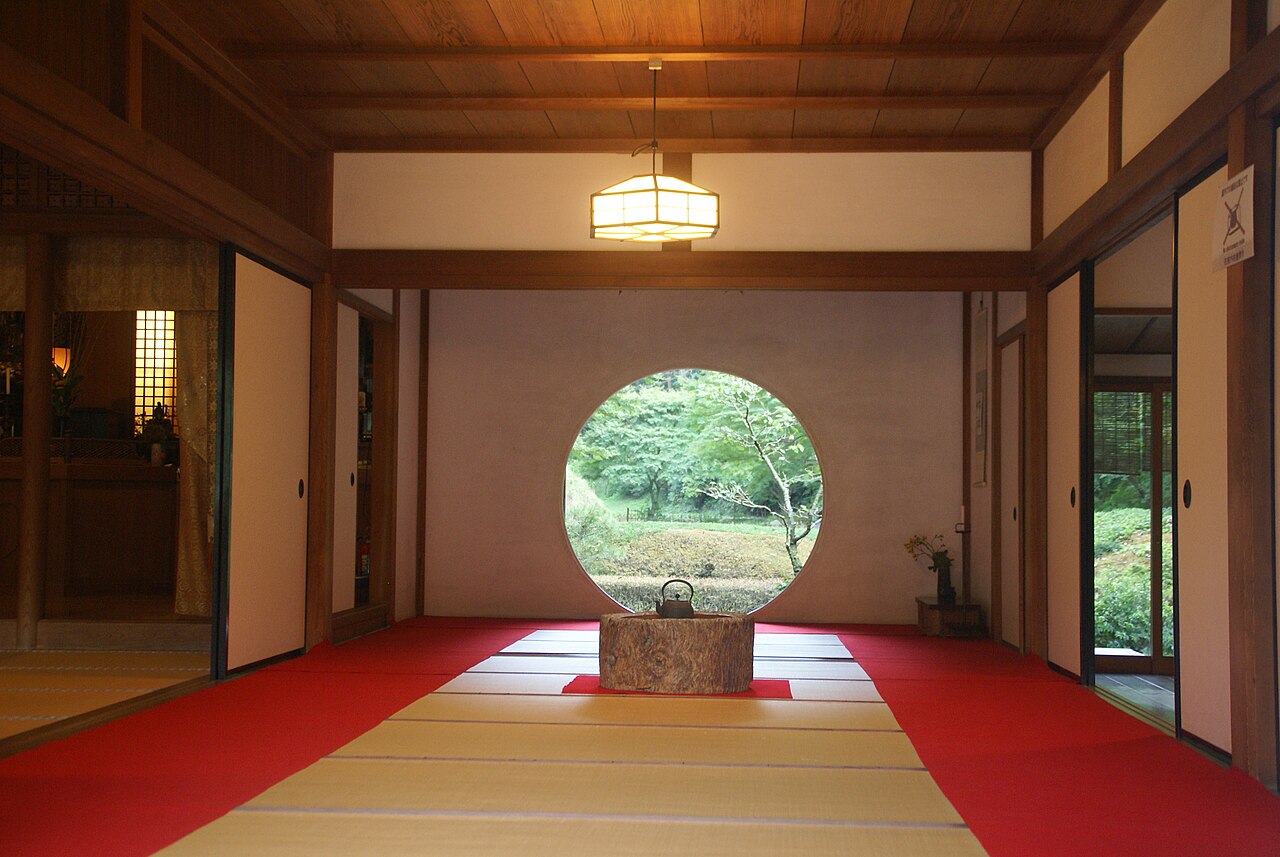
Meigetsuin
0.2 km · straight line
 Guilhem Vellut from Annecy, France / CC BY 2.0
History · Kanagawa★★★
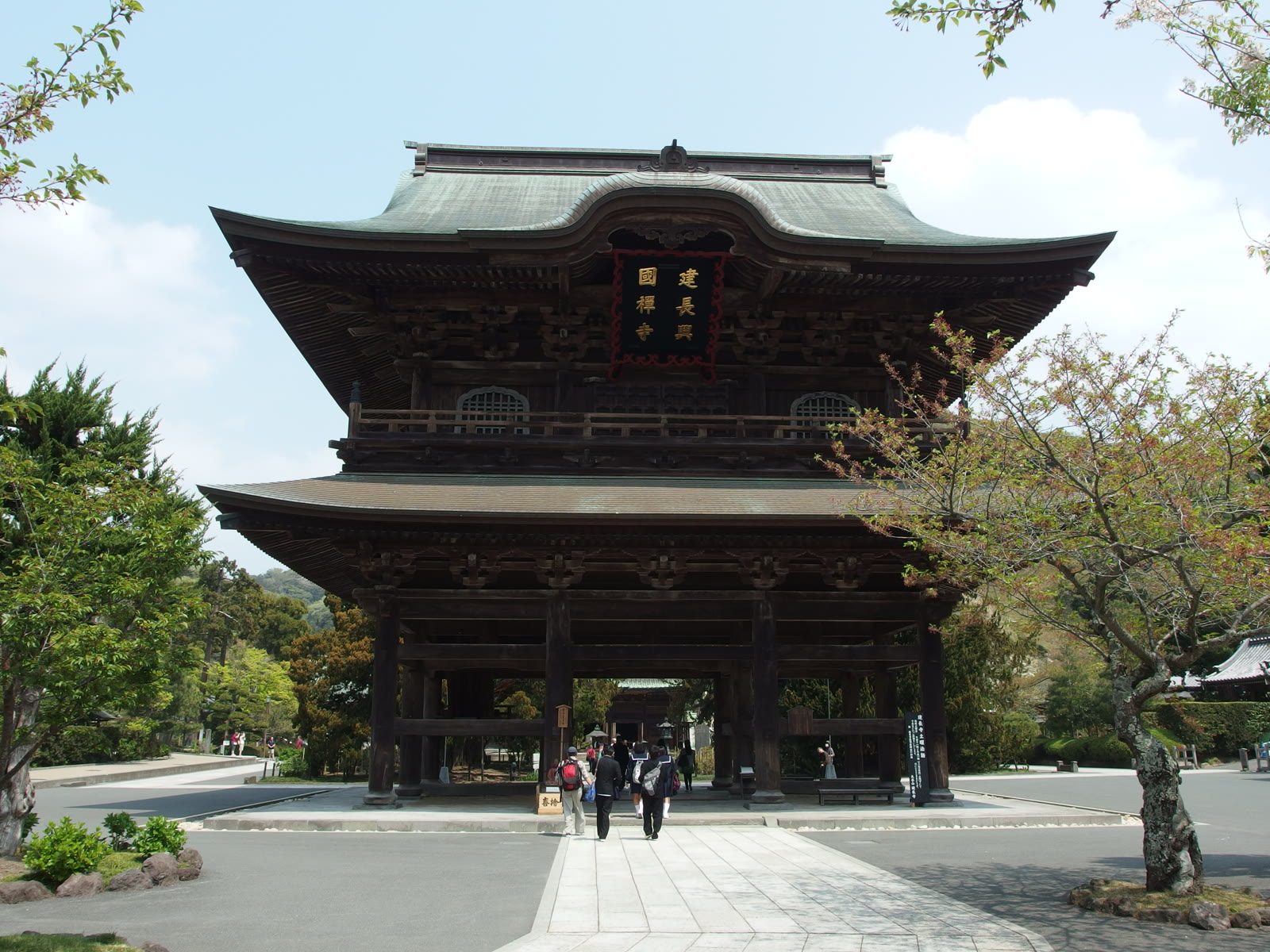
Kencho-ji
1.0 km · straight line
 Ocdp / CC0
History · Kanagawa★★
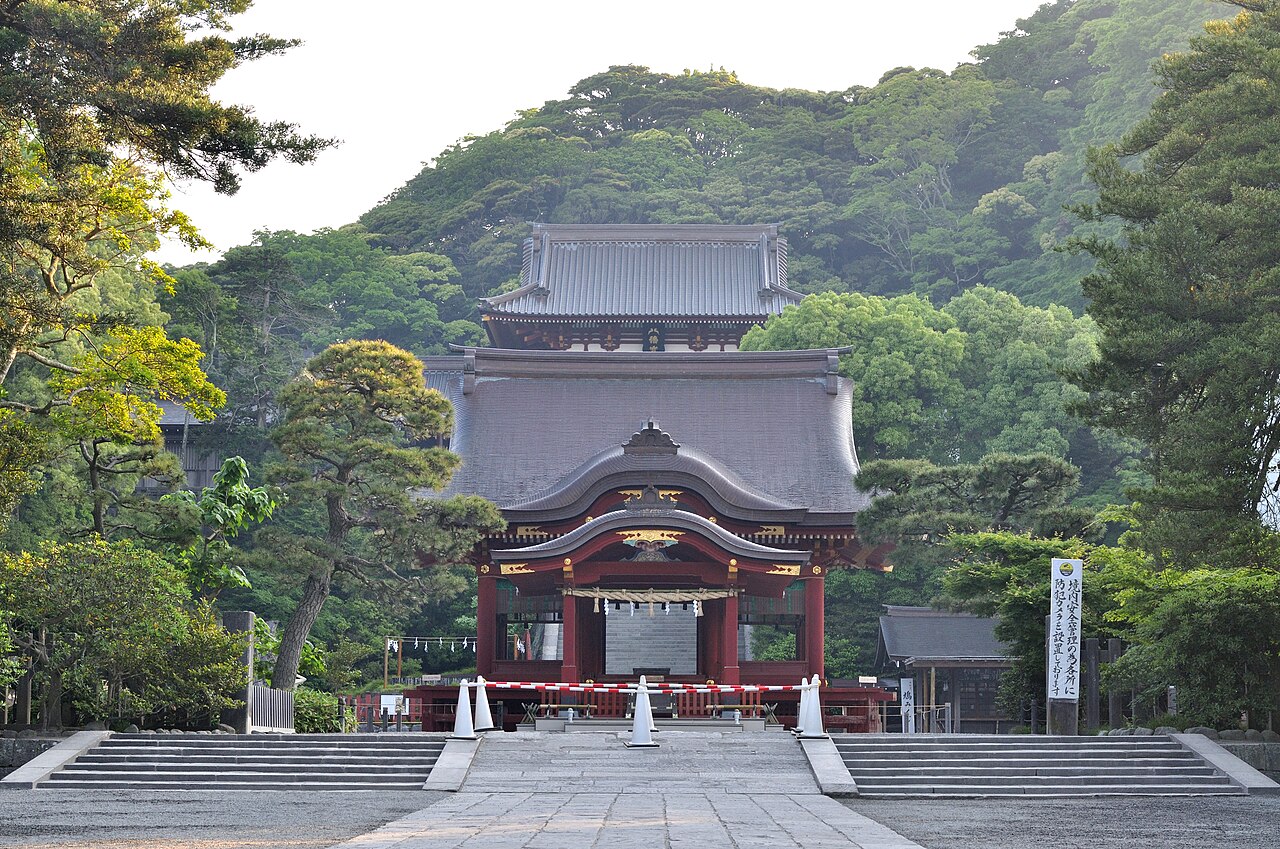
Tsurugaoka Hachimangu
1.5 km · straight line
 Davide Mauro / CC BY-SA 4.0
History · Kanagawa★
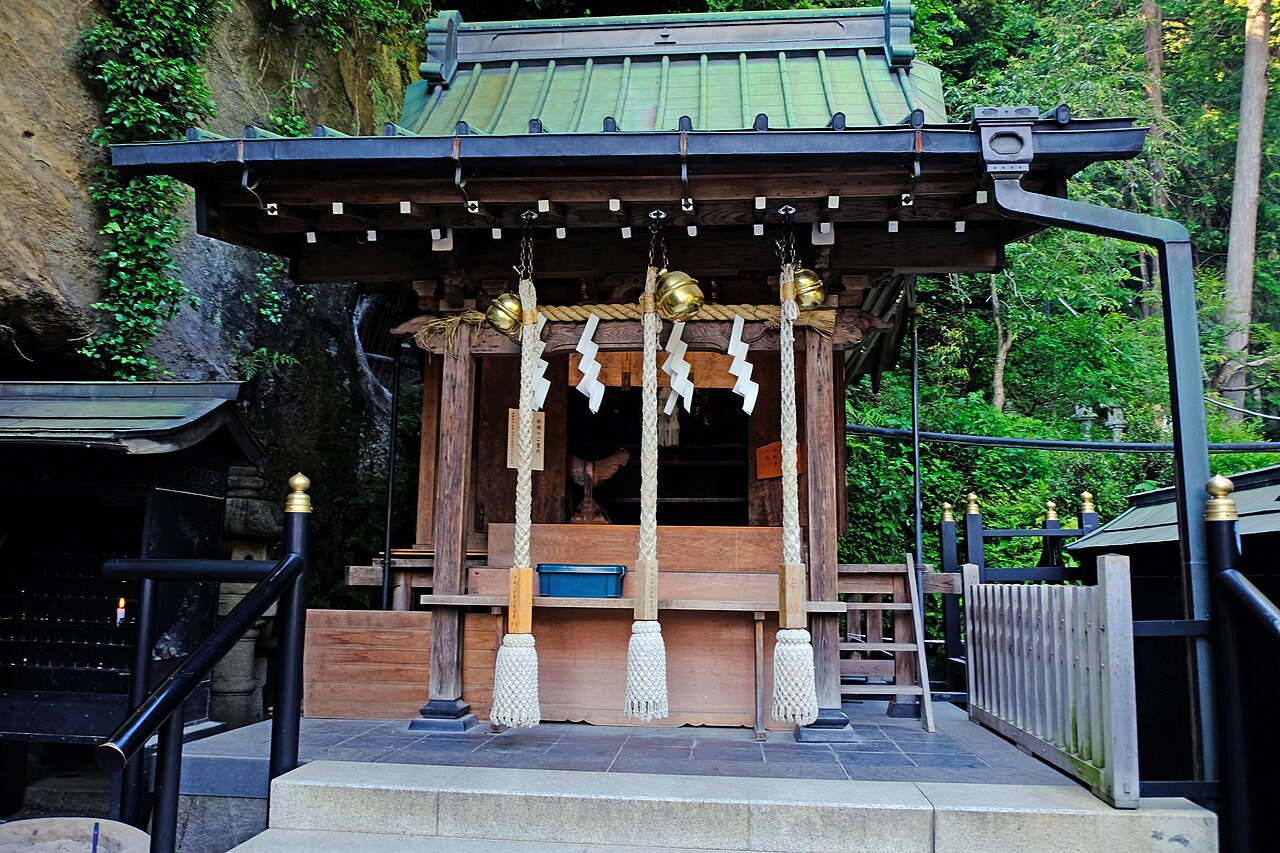
Zeniarai Benzaiten
1.6 km · straight line
On a curated routeKamakura on Foot →
Distances are straight lines on the map, not travel times.