Kanagawa · Kita-KamakuraNo.273★Open in map →
Meigetsuin
— the hydrangea temple of Kita-Kamakura
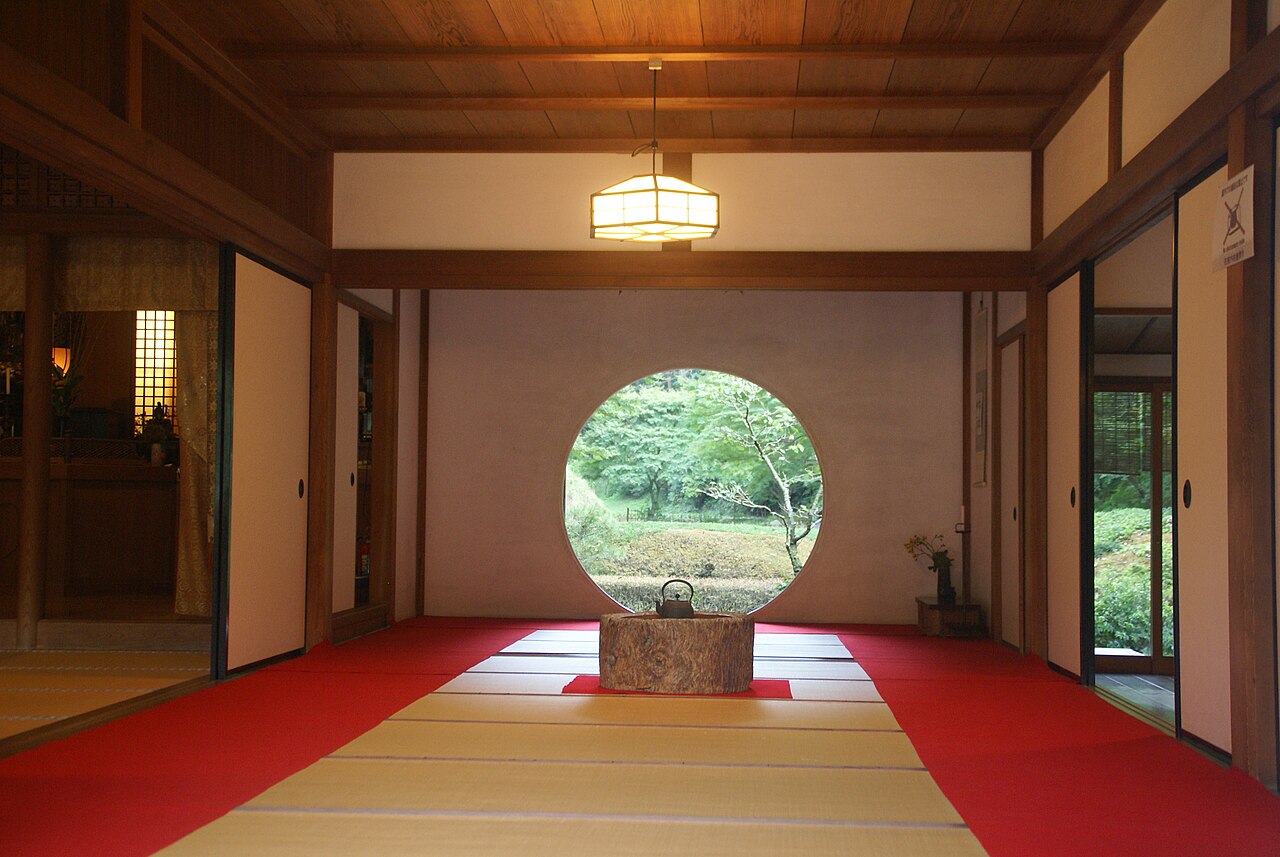
A Rinzai Zen temple in a wooded valley at Kita-Kamakura, known nationally as the hydrangea temple for the roughly 2,500 plants that colour its approach in June, and for the round Window of Enlightenment in its main hall.
- FromTokyo Stn
- ~65 mintrain + 10 min walk
- Get off atKita-Kamakura Station (JR Yokosuka Line)
- On foot
- Meigetsuin
Where it is
43 more notes in Kanagawa · open the map →What to look for
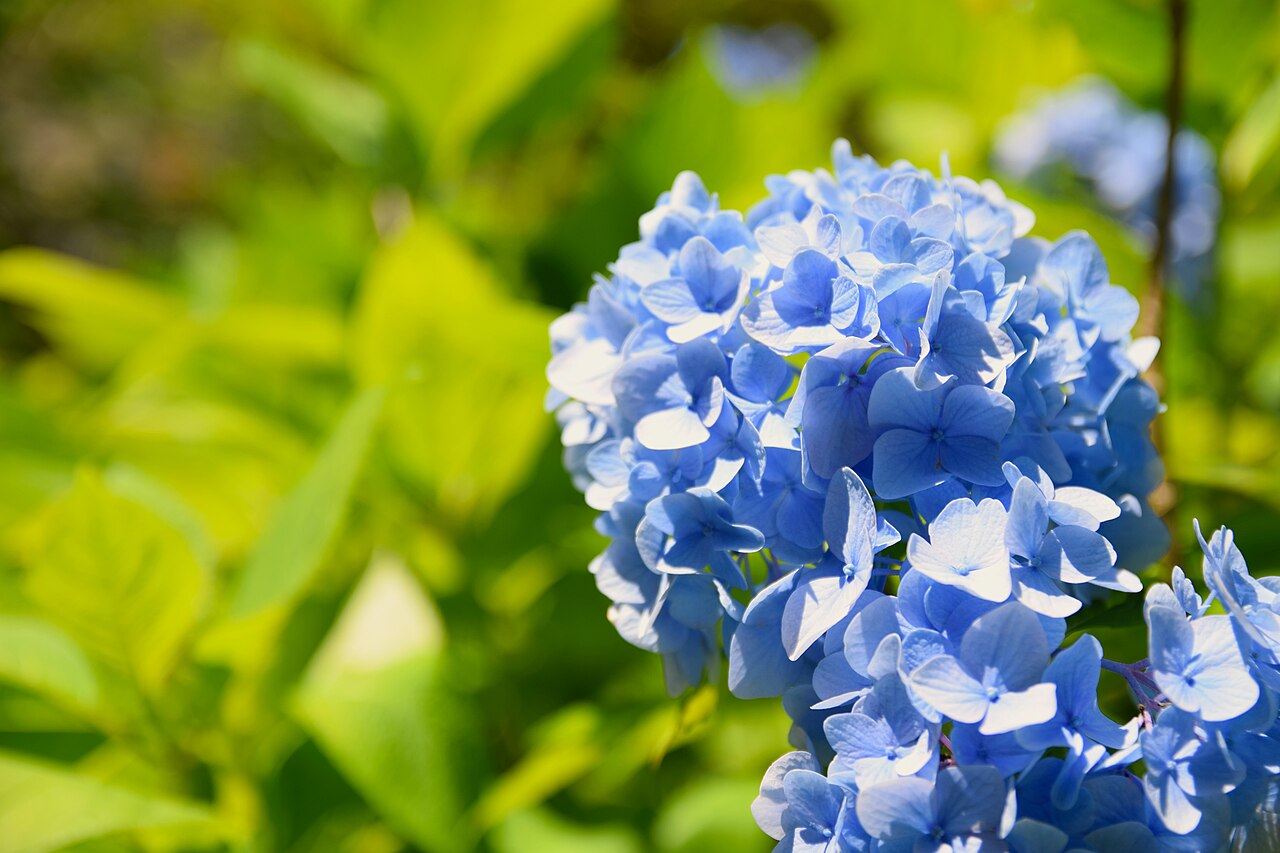
- The hydrangea approacha stone stairway walled on both sides by roughly 2,500 plants in the single tone known as Meigetsuin blue
- The Window of Enlightenmenta large round window cut into the main hall that frames the rear garden like a scroll painting
- The rear gardennormally closed, opening only in the June iris season and the autumn foliage season for an extra 500 yen
- The valley settinga wooded fold in the hills that keeps the grounds cool and shaded even in high summer
How to actually get there
- Tokyo Station → Kita-Kamakura Station (JR Yokosuka Line, direct, ~53 min).
- Kita-Kamakura Station → Meigetsuin (walk, ~10 min).
- JR Yokosuka Line, direct
- Tokyo Station →(JR Yokosuka Line, bound for Kurihama/Zushi, direct, ~53 min)→ Kita-Kamakura Station →(walk, ~10 min)→ Meigetsuin. Total ~65 min. Trains run roughly every 10-15 minutes, so no timetable planning is needed.
- Walk on to Kamakura instead of doubling back
- Rather than returning to Kita-Kamakura, walk south for about 25-30 minutes along the old road past Kenchoji to Kamakura Station, then take the JR Yokosuka Line back to Tokyo. The temple closes at 16:00 outside the June season, so there is plenty of daylight either way.
About the place
Meigetsuin sits in a wooded valley on the Kita-Kamakura side of the hills, a ten-minute walk from the station. It is a Rinzai Zen temple of the Kenchoji school, and it is known across Japan by a nickname rather than its name: ajisai-dera, the hydrangea temple. Roughly 2,500 hydrangea plants line the stone approach and the slopes around the halls, and because they are overwhelmingly a single variety, they open in one continuous tone that visitors call Meigetsuin blue. Mid-June is the peak. The other image the temple is known for is quieter — a large circular window cut into the main hall, called the Window of Enlightenment, that frames the rear garden like a hanging scroll.
How to enjoy it
Come in the first hour after opening, especially in June — this is a narrow site and the approach turns into a queue by mid-morning. If you are here in mid-June, pay the extra 500 yen for the rear garden while it is open, since most of the year you cannot. Then walk on toward Kamakura rather than back to the station: Engakuji is beside Kita-Kamakura Station and Kenchoji lies on the road south-east, so all three fit one morning.
Background & history
The temple traces its origin to Meigetsu-an, a hermitage founded in 1160. In the Kamakura period the site was reorganised as the larger temple Zenko-ji under Hojo Tokimune, with Meigetsuin standing as one of its subsidiary temples; Kanagawa's tourism records credit the Muromachi-period regional commander Uesugi Norikata with establishing Meigetsuin in the form the name now carries. Zenko-ji was dissolved during the Meiji era's reorganisation of Buddhist institutions, and Meigetsuin alone survived. What is left today is therefore a fragment of a much larger complex — which is why so compact a temple carries so long a history.
Before you go
- Cash
- IC cards (Suica / PASMO) work on the train. Admission is 500 yen for high school age and above and 300 yen for elementary and junior high students, and the rear garden — open only in the June iris season and the autumn foliage season — costs an extra 500 yen. Bring coins; the temple gate is not a place to be fumbling with notes in a queue.
- Good to know
- Open 9:00-16:00, with extended hours during the June hydrangea season — that June timetable is set each year, so confirm it on the day. The rear garden is closed for most of the year and opens only for the iris and autumn foliage seasons.
- Another way
- From the Kamakura side, walk north for about 25-30 minutes past Kenchoji, or take a bus toward Kita-Kamakura from Kamakura Station east exit.
- After you get off
- From Kita-Kamakura Station, take the exit on the Kamakura side and follow the old road south-east; the temple lane branches left after about 10 minutes on foot, on nearly level ground.
Nearby notes
 Dandy1022 / CC BY-SA 4.0
History · Kanagawa★★★
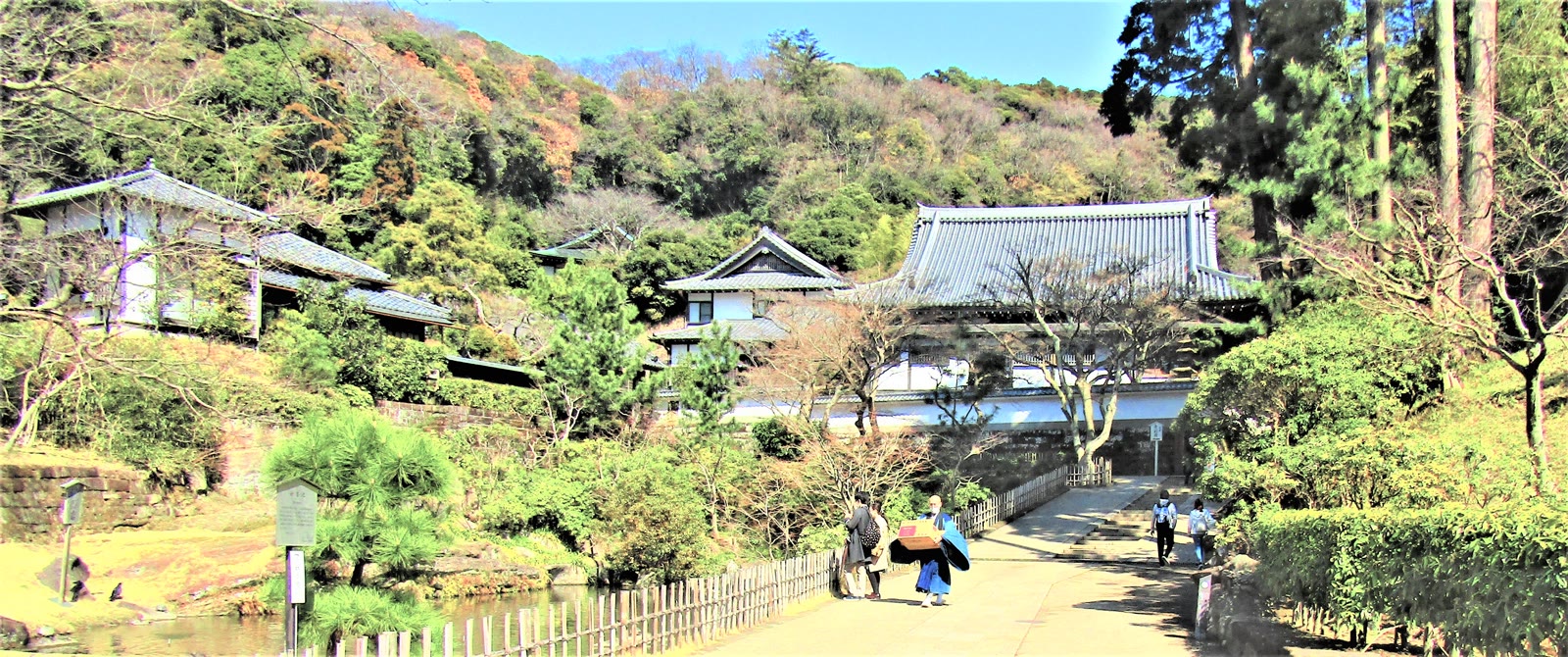
Engaku-ji
0.2 km · straight line
 Guilhem Vellut from Annecy, France / CC BY 2.0
History · Kanagawa★★★
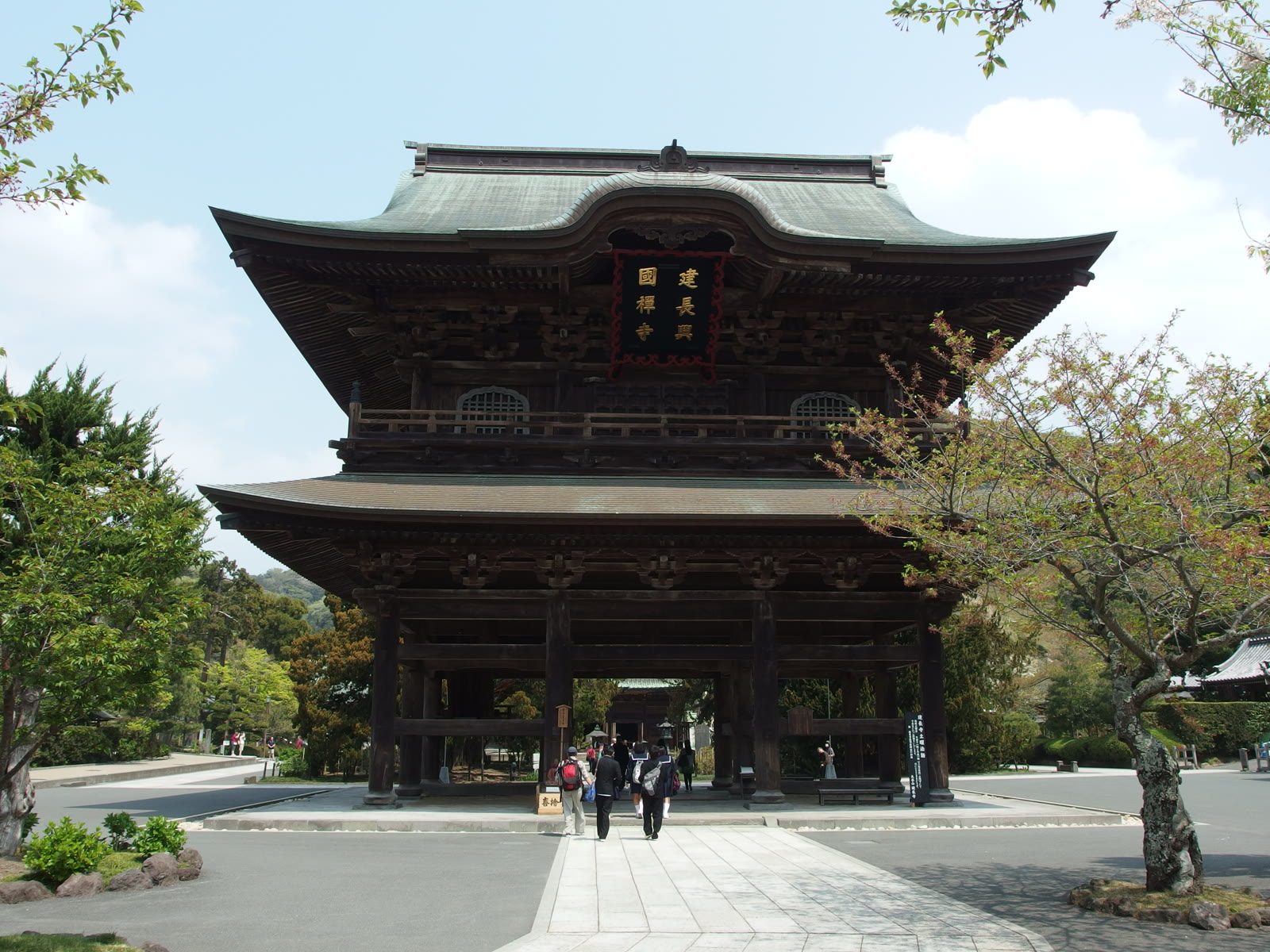
Kencho-ji
0.8 km · straight line
 Ocdp / CC0
History · Kanagawa★★
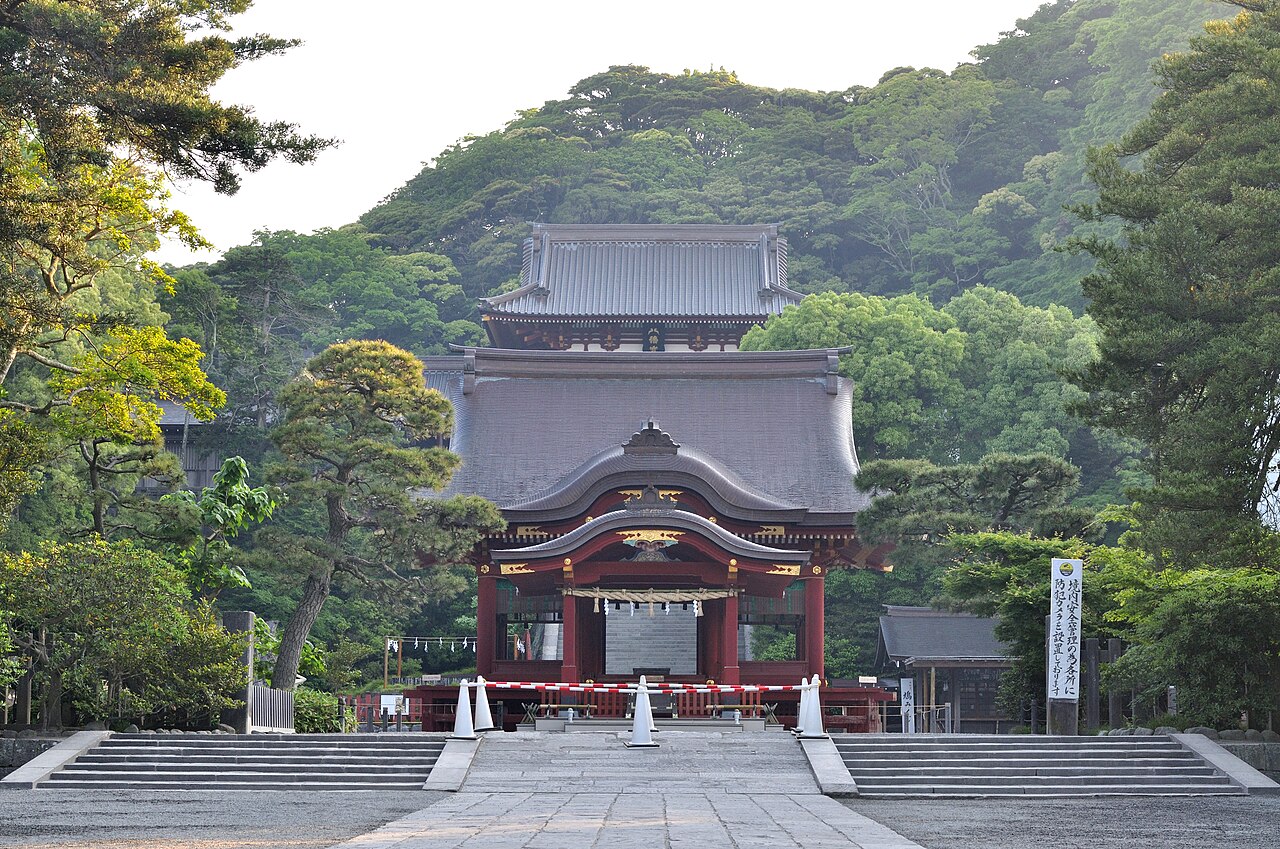
Tsurugaoka Hachimangu
1.4 km · straight line
 Davide Mauro / CC BY-SA 4.0
History · Kanagawa★
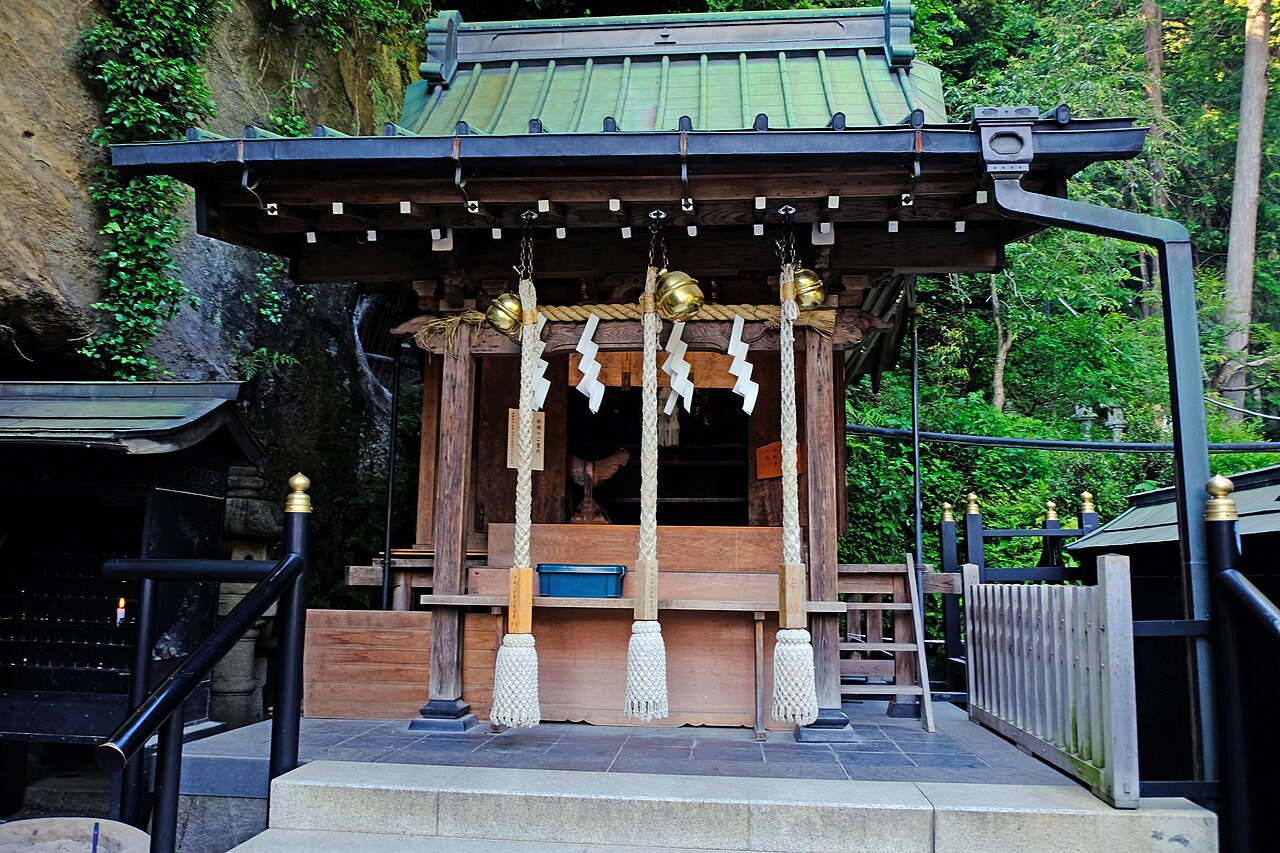
Zeniarai Benzaiten
1.6 km · straight line
Distances are straight lines on the map, not travel times.