Hyōgo · HimejiNo.339★★Open in map →
Engyō-ji on Mount Shosha
— the cliffside temple above Himeji
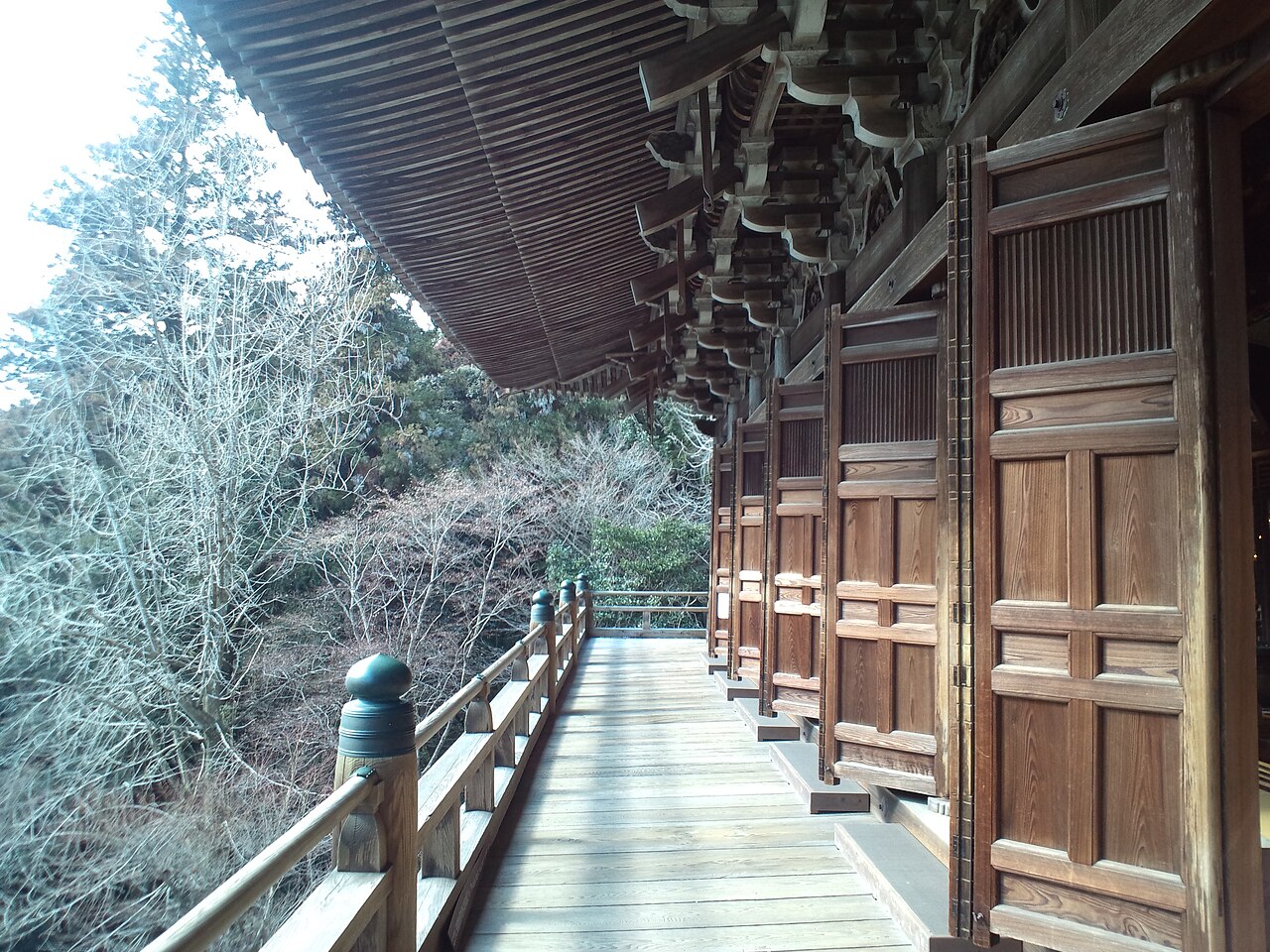
A Tendai temple founded in 966 on a 371 m mountain above Himeji, reached by ropeway. Its Mani-den hall is built on stilts against a rock face, and three vast wooden halls stand around a courtyard in the cedars.
- FromHimeji Stn
- ~45 minbus ~25 min + ropeway 4 min
- Get off atShosha Ropeway lower station (Shinki Bus, stand 8, Himeji Stn north exit)
- From there
- Engyō-ji on Mount Shosha
The sweet spot
Himeji is a one-sight city for most visitors, and that sight closes with the castle. Engyō-ji doubles the day and does it with a completely different register: no white plaster and tourist queues, but dark timber, cedar shade and mountain silence, forty-five minutes from the same station. It is also the largest temple on the Saikoku pilgrimage, so the architecture is on a scale that surprises people who came expecting a small mountain chapel.
Where it is
30 more notes in Hyogo · open the map →What to look for — in walking order
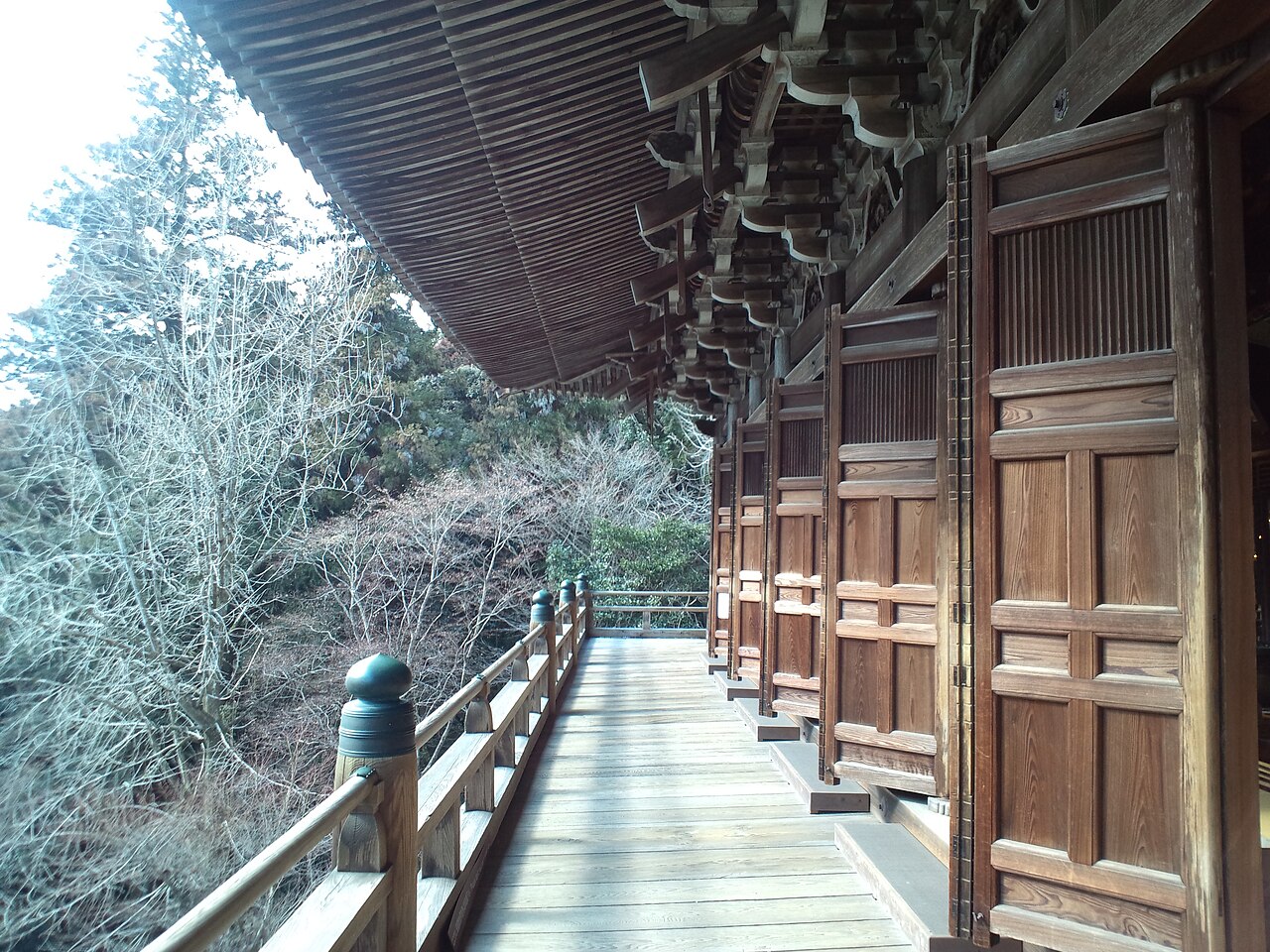
- Mani-denthe stage-built main hall on stilts against the rock face; rebuilt 1933 after fire, in the original form
- Jikidō (refectory)a two-storey hall nearly 40 m long, unusually large and rare for its type; Important Cultural Property, now displaying temple treasures
- Daikōdō and Jōgyōdōthe other two of the Mitsunodō trio, facing the Jikidō across the clearing where The Last Samurai was filmed
- Okunoin and Kaizandōthe founder's hall at the far end of the ridge, past most of the day visitors
How to actually get there
- Himeji Stn north exit, stand 8 → Shosha Ropeway terminus (Shinki Bus, ~25 min).
- Ropeway lower station → summit station (4 min; departures at :00 / :15 / :30 / :45).
- Summit station → Mani-den (forest walk ~20 min, or temple shuttle bus).
- Bus from Himeji station, then the ropeway
- Himeji Stn north exit → Shinki Bus from stand 8, bound for Shosha Ropeway, to the terminus (~25 min) → Mount Shosha Ropeway to the summit station (4 min, departures at :00, :15, :30 and :45) → walk ~20 min through the forest to the Mani-den, or take the temple shuttle bus. Himeji is on the Sanyō Shinkansen, about 30 min from Shin-Osaka.
- Ropeway down, then the same bus to Himeji
- Ropeway first departure up is 8:30 year-round; the last service down changes with the season and can be as early as the late afternoon on weekdays. Confirm the day's final descent at the lower station when you buy your ticket. The Shinki bus returns to Himeji station north exit.
About the place
You leave the castle crowds behind at Himeji station, take a bus to the edge of the city, and step into a four-minute ropeway that hauls you 371 metres up. At the top there is still a walk — about twenty minutes through cedar forest along a path lined with stone Kannon figures, or a shuttle bus if you would rather save your legs. Then the Mani-den appears: a hall on tall wooden stilts driven into the slope, its veranda projecting out over the rock, the same kake-zukuri technique as Kiyomizu-dera but with no city below, only trees. Further along the ridge is the Mitsunodō — three halls in a rough U around a clearing. The Daikōdō for lectures, the Jōgyōdō for walking meditation, and the Jikidō, a two-storey refectory nearly forty metres long that is rare enough as a building type to stop you where you stand. Tom Cruise's The Last Samurai was shot in that clearing in 2003, and it is easy to see why: nothing modern is visible from any angle.
How to enjoy it
Budget three hours from Himeji station and back, four if you walk both ways on the mountain instead of taking the shuttle. The forest walk from the ropeway to the Mani-den is part of the experience — stone Kannon figures line it and the crowd thins with every hundred metres. Autumn colour peaks in mid to late November and fresh green in May are the two best windows. Bring layers: the summit runs noticeably cooler than the city. The last ropeway down varies by season and is as early as 16:45 on some weekdays, so check the timetable before you go up — being stranded means a long descent on foot.
Background & history
Engyō-ji was founded in 966 by the monk Shōkū, who came to Mount Shosha seeking solitude and stayed to build a monastery. Under Tendai patronage it grew into one of western Japan's great training centres, earning the nickname 'the Mount Hiei of the west' after the Tendai head temple near Kyoto. It is the 27th temple on the Saikoku Kannon pilgrimage, a 33-temple circuit that has drawn walkers since the Heian period, and the largest of the route's temples. The Mani-den burned in 1921 and was rebuilt in 1933 in the original stage-built form; the three halls of the Mitsunodō are Important Cultural Properties dating in their present form from the Muromachi period.
Before you go
- Cash
- Ropeway ¥700 one way, ¥1,200 round trip for adults. Temple admission ¥800 for junior-high age and above, ¥500 for elementary school children; a combined ticket including the mountaintop shuttle bus is ¥1,300. IC cards (ICOCA / Suica) work on the bus; carry cash for the temple gate.
- Good to know
- Ropeway from 8:30 daily. Last descent varies by season — roughly 17:00 on weekdays and later on Sundays and holidays. Services suspend in strong wind or lightning, and close for annual inspection. Check mt-shosha.info before travelling.
- Another way
- There is a walking trail up Mount Shosha from the base for those who prefer to climb; allow about an hour and reasonable footwear. Himeji Castle and the adjacent Kōko-en garden fill the other half of the day.
- After you get off
- At Himeji Station leave by the NORTH exit (castle side) and find bus stand 8 — the route is signed 書写山ロープウェイ. Stay on to the last stop; the ropeway station is a short walk from the bus turnaround.
Nearby notes
 Anagoria / CC BY-SA 4.0
Nature · Hyogo★★
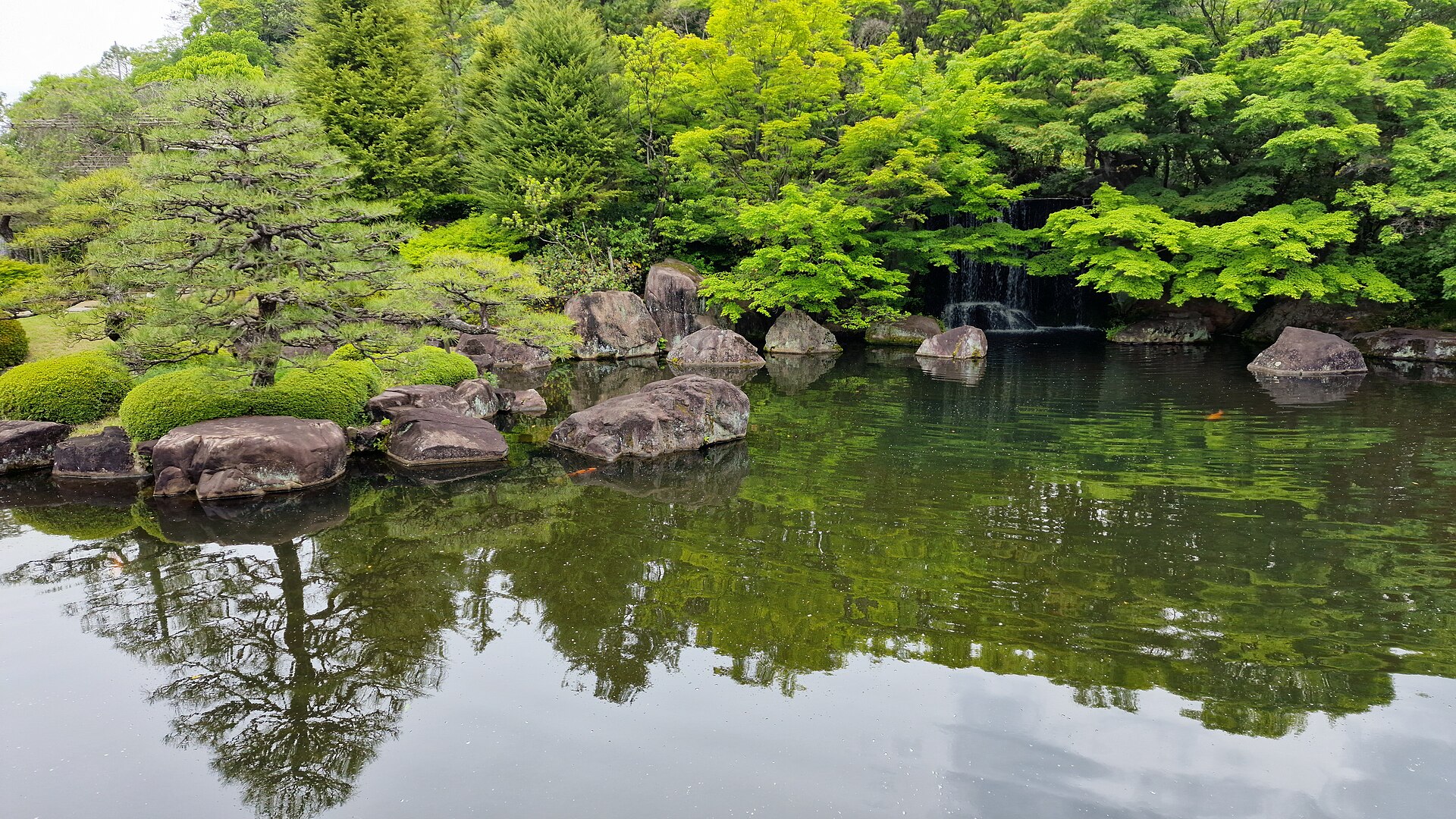
Koko-en Garden
6.6 km · straight line
 by ja:User:Reggaeman / Public domain
History · Hyogo★★★
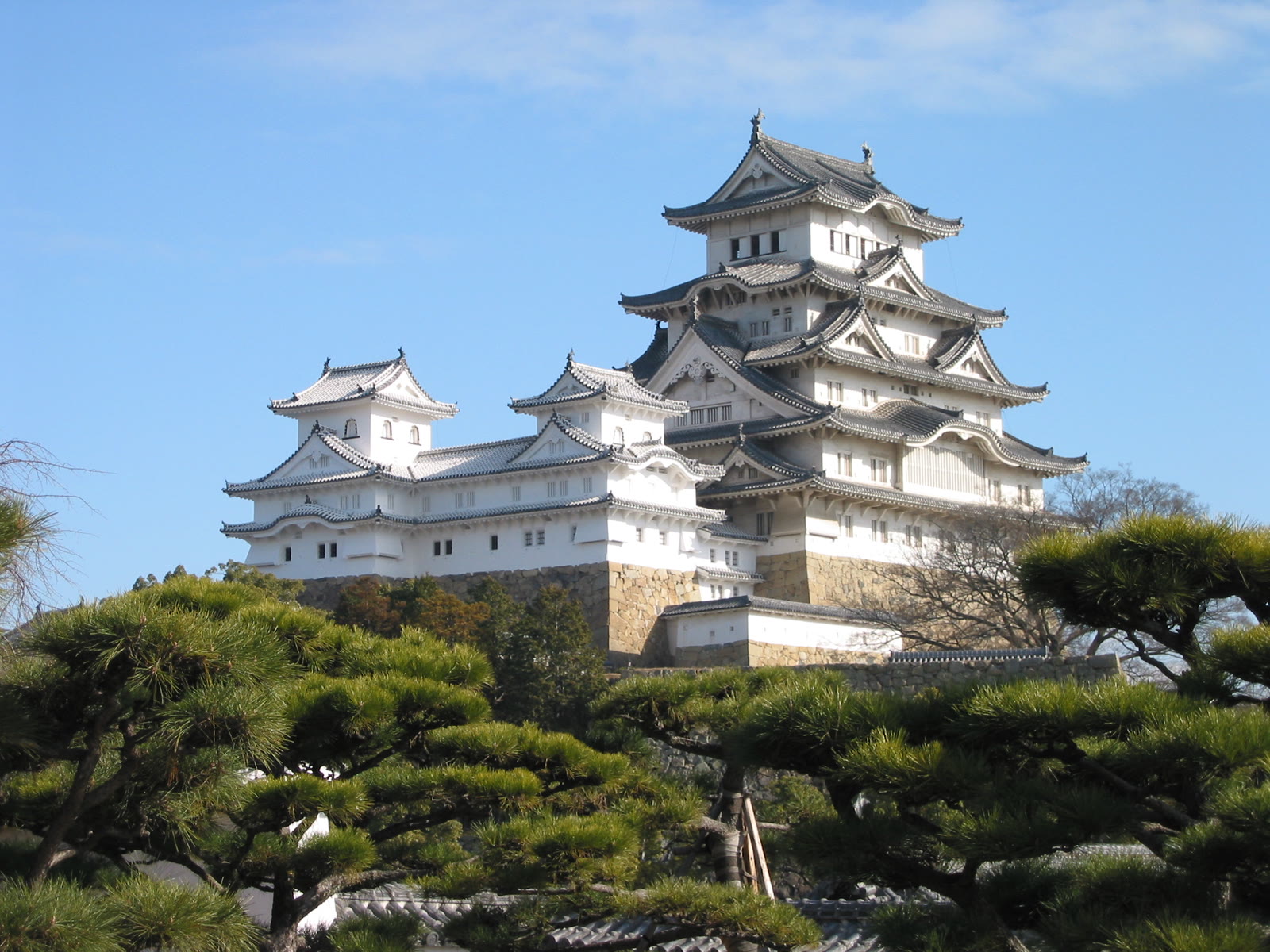
Himeji Castle
6.7 km · straight line
 Kropsoq / CC BY-SA 3.0
Food · Hyogo★★★
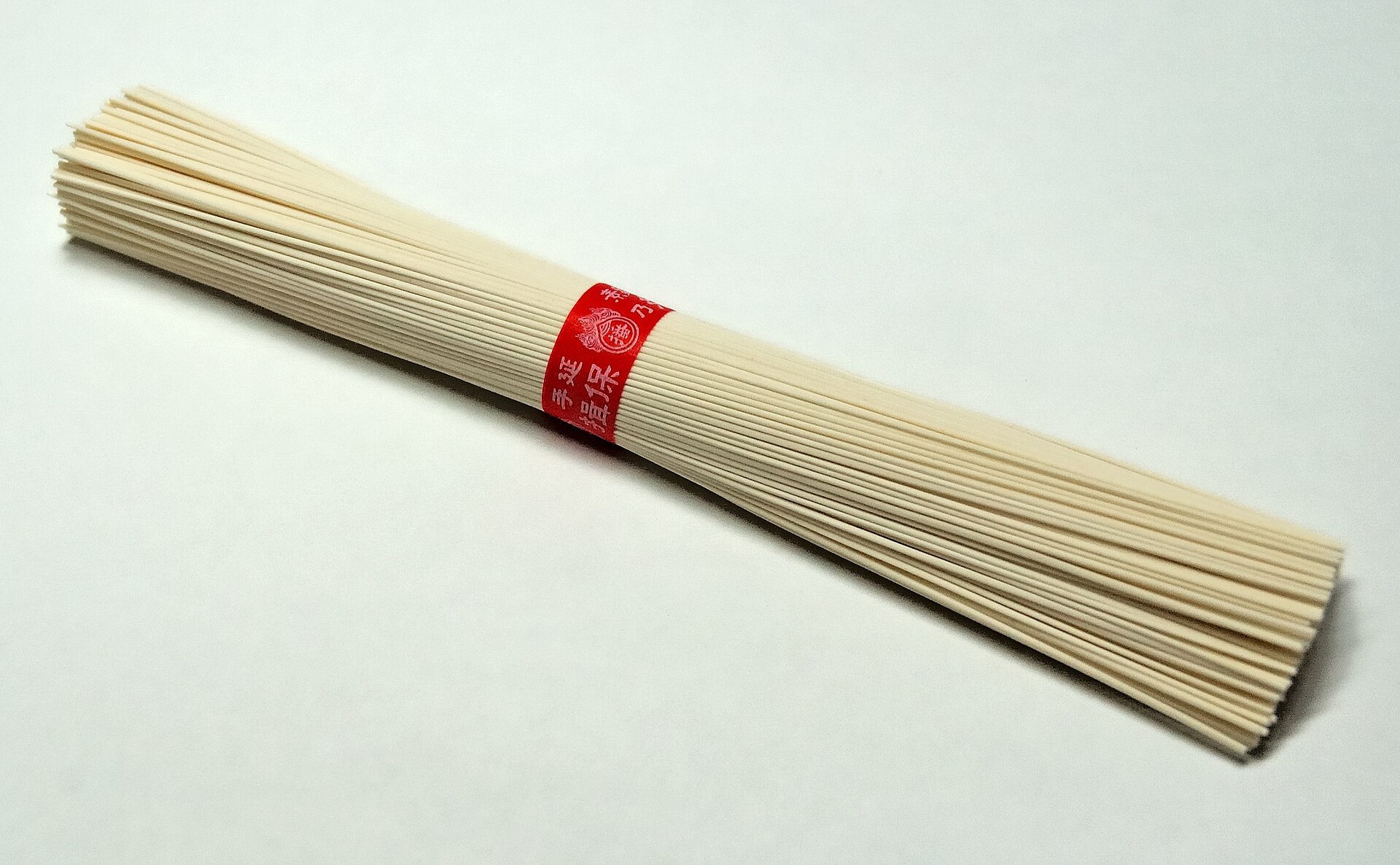
Ibonoito Somen
8.3 km · straight line
 663highland / CC BY 2.5
History · Hyogo★★
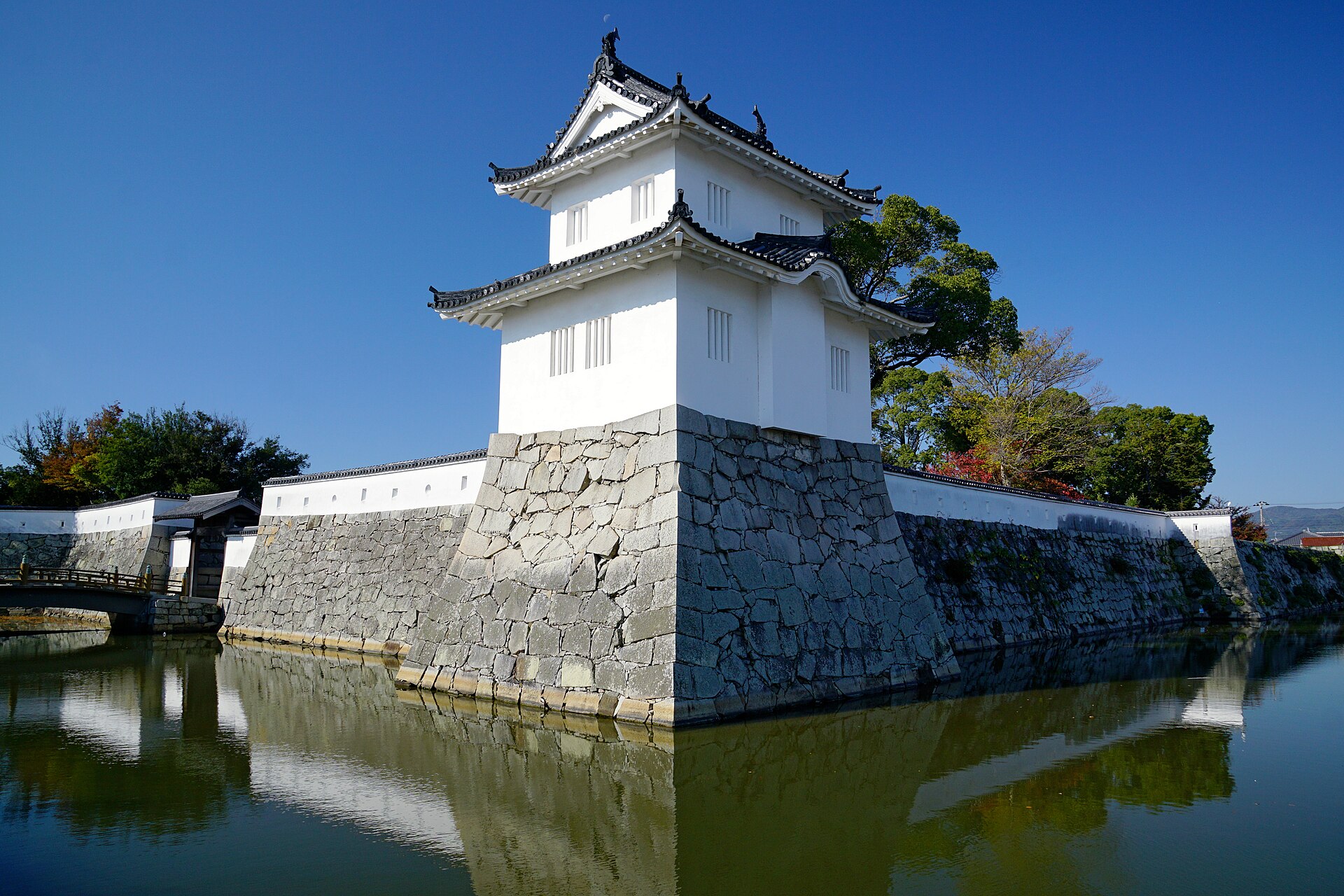
Ako Castle and Oishi Shrine
29.2 km · straight line
Distances are straight lines on the map, not travel times.