Himeji · Hyogo Pref.No.205★★★Open in map →
Himeji Castle
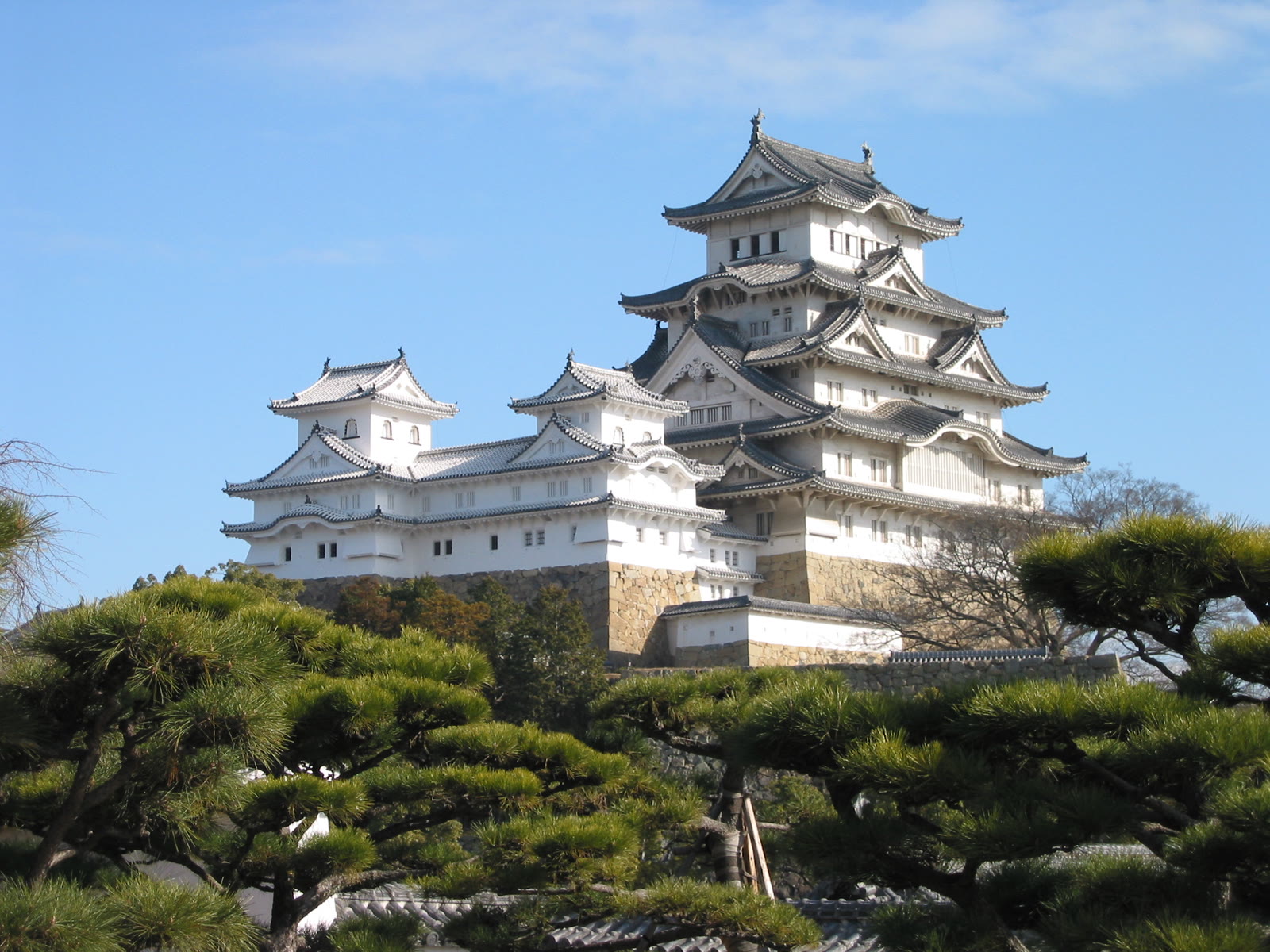
One of Japan's 12 castles with an original keep, built on a hill in central Himeji; UNESCO calls it the finest surviving example of early 17th-century Japanese castle architecture. The complex — a World Heritage Site since 1993, with a National Treasure keep — centres on a white-plastered main keep (five roofs outside, six floors plus a basement inside) surrounded by a maze of interconnected baileys, gates, and turrets.
- FromOsaka/Himeji (Shinkansen or Special Rapid)
- ~30 minJR (frequent)
- Get off atHimeji Station (JR Kobe Line / Sanyo Shinkansen)
- From there
- Himeji Castle
Where it is
30 more notes in Hyogo · open the map →What to look for — in walking order
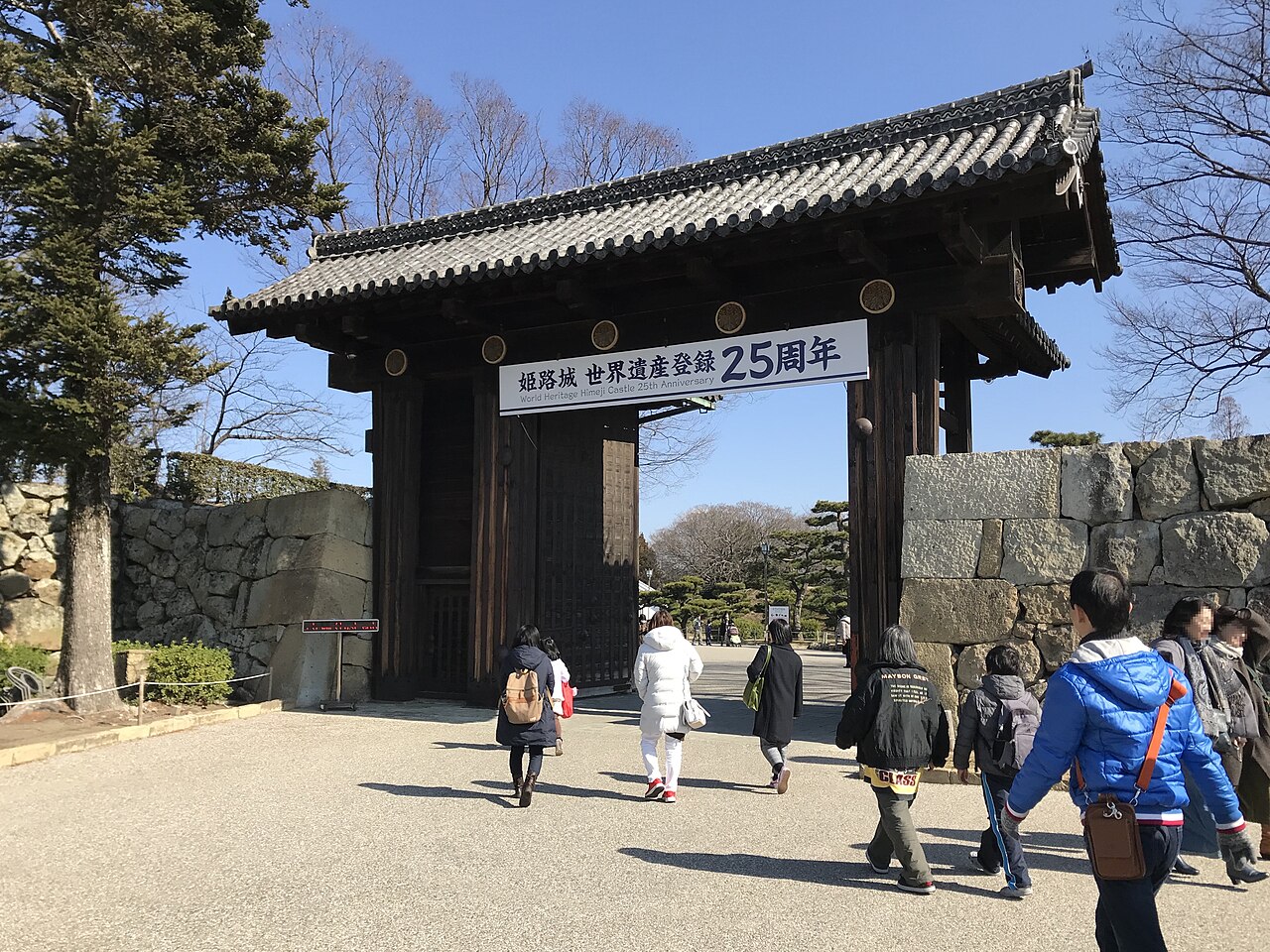
- Otemon Gate and Hishi-no-mon GateOtemon, the main gate at the end of Otemae-dori, opens onto the free San-no-maru lawn; the paid area starts at Hishi-no-mon, the largest gate in the castle. The keep stays in view but takes time to reach through the San-no-maru and Ni-no-maru baileys
- Ubaga-ishi and reused stonesan old millstone set into the wall on the north side of the Inui small keep; legend says a poor old woman gave it when Hideyoshi was short of stone. Gravestones and ancient stone coffins were also reused in the older walls — a detail that shows how pragmatic the construction was
- Main keep (Daitenshu)five roofs outside and six floors plus a basement inside, set on a stone base; the top floor gives views over central Himeji toward the sea
- Hyakken Roka (West Bailey long corridor)a roughly 240-metre roofed gallery in the West Bailey, lined with rooms for the ladies-in-waiting who served Princess Sen
How to actually get there
- Shin-Osaka → Himeji Station by Shinkansen (~30 min), or Osaka → Himeji by JR Special Rapid (~1 hr).
- North exit → walk straight north 15–20 min along Otemae-dori to Otemon, the castle's main gate.
- Enter through Otemon Gate → follow the zigzag inner approach to the main keep summit → return via Nishi-no-maru corridor.
- JR Shinkansen or JR Special Rapid to Himeji Station
- From Osaka (Shin-Osaka), the fastest option is the Shinkansen to Himeji (about 30 min by Sakura, Hikari or a Nozomi that stops there; Kodama usually about 35 min). On a tighter budget, the JR Special Rapid (Shinkaisoku) from Osaka Station takes about 55–60 minutes and runs frequently with no transfer. From Kyoto, the JR Special Rapid to Himeji takes about 1 hour 25 minutes. From Himeji Station north exit, walk straight north for 15–20 minutes along Otemae-dori, the main boulevard — the keep is visible at the far end.
- Return from Himeji Station (JR)
- JR trains back to Osaka (Special Rapid, ~55 min) or Kyoto (~1 hr 25 min) run frequently from Himeji Station all day. Shinkansen (from the same station, separate platforms) is faster to Shin-Kobe and Shin-Osaka but requires a reserved or unreserved Shinkansen ticket.
About the place
Himeji Castle stands on a low hill (Himeyama) and controls the flat plain between the Chugoku Mountains and the Seto Inland Sea, a strategic corridor that made this location militarily important for centuries. The main keep is famous for its white plaster coating — applied as fireproofing — and its complex roofline of stepped gables; the white walls are what earned the castle the nickname Shirasagi-jo, the White Heron Castle. The castle complex covers a large area with over eighty gates, turrets, and bailey walls still intact, the core dating from Ikeda Terumasa's rebuilding of 1601–1609 and the West Bailey from Honda Tadamasa's additions after 1617. Walking the inner grounds, especially the labyrinthine approach to the main keep, gives a clear sense of how the defenders designed the castle to confuse and slow any attackers.
How to enjoy it
Allow at least two hours: the official estimate for the whole paid area (the keep complex plus the West Bailey) is 1.5–2 hours, and at busy times there can be up to an hour's wait. One admission ticket covers both the main keep and the West Bailey corridor. The view from the keep's top floor is best in clear weather; the castle looks different in every season, and its roughly 1,000 cherry trees draw large crowds in spring. The approach straight from Himeji Station (a wide boulevard due north) frames the keep at the end and is worth the 15–20-minute walk rather than taking a bus.
Background & history
The site has been fortified since the 14th century, but the castle as it stands today was largely built between 1601 and 1609 by Ikeda Terumasa, a general rewarded by Tokugawa Ieyasu after the Battle of Sekigahara. In December 1993 Himeji Castle and the Buddhist monuments of Horyu-ji in Nara became Japan's first cultural World Heritage Sites. It is also a National Treasure. The castle buildings came through the July 1945 air raid that burned much of the city: the keep had been draped in black camouflage netting, and, according to a former army officer, an incendiary bomb that landed on its top floor failed to go off.
Before you go
- Cash
- Admission (one ticket covers the keep and the West Bailey): 2,500 yen for visitors 18 and over, 1,000 yen for Himeji residents, free for under-18s (rates revised 1 March 2026). Himeji Castle + Koko-en Garden combined ticket: 2,600 yen. IC cards accepted for JR trains. The ticket counter takes cash, credit cards, transit IC cards and QR payments such as PayPay, Alipay+ and WeChat Pay.
- Good to know
- The castle is closed on 29 and 30 December. Open 9:00 to 17:00 (last entry 16:00); the city notes hours can change by season, so check the official site before you go. Entry to the main keep is capped at 1,000 people per hour, so on busy days expect a queue at the keep entrance. Cherry blossom season (late March to mid-April) is very crowded.
- Another way
- The private Hanshin and Sanyo Electric Railway (私鉄・山陽電鉄) run a through Limited Express (Chokutsu Tokkyu) from Osaka-Umeda via Kobe-Sannomiya to Sanyo Himeji Station, right by JR Himeji Station. It takes about 1 hr 30 min from Umeda — roughly half an hour slower than the JR Special Rapid.
- After you get off
- From Himeji Station north exit, walk straight north along Otemae-dori, the wide main boulevard (about 1 km, 15–20 min), to Otemon, the castle's main gate. The keep is visible from the station at the end of the road.
Nearby notes
 Anagoria / CC BY-SA 4.0
Nature · Hyogo★★
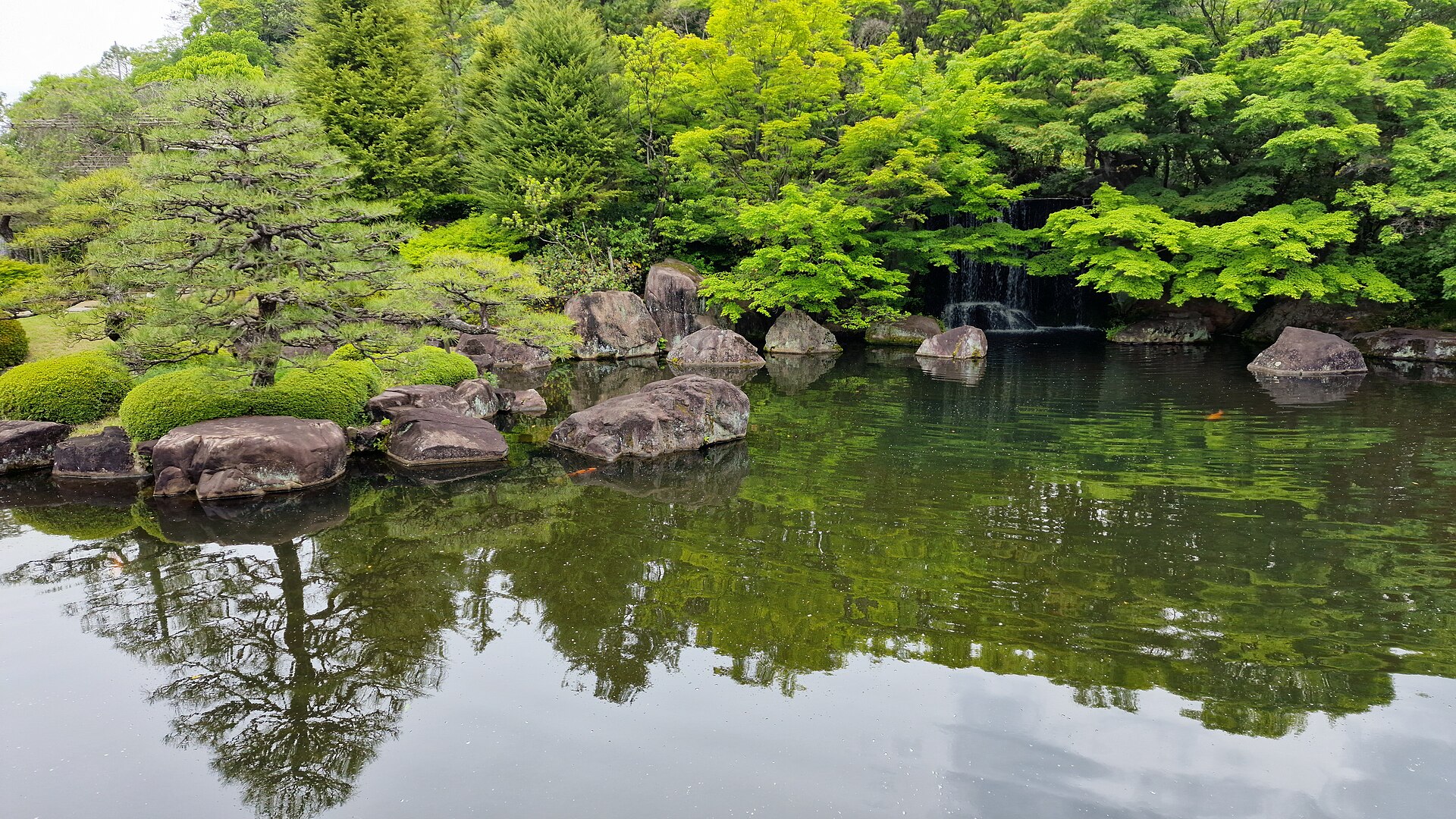
Koko-en Garden
0.4 km · straight line
 Yanajin33 / CC BY-SA 3.0
History · Hyogo★★
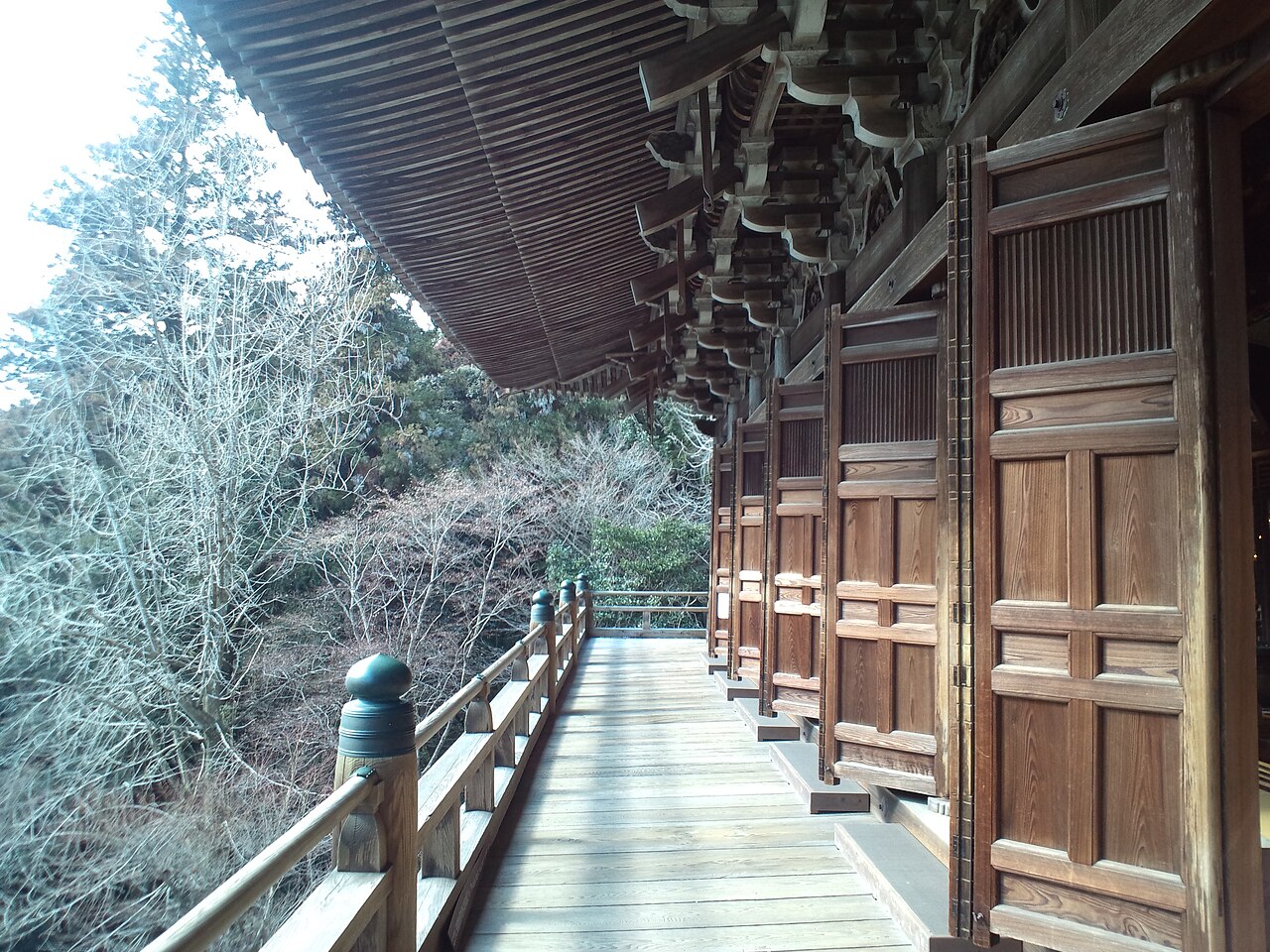
Engyō-ji on Mount Shosha
6.7 km · straight line
 Kropsoq / CC BY-SA 3.0
Food · Hyogo★★★
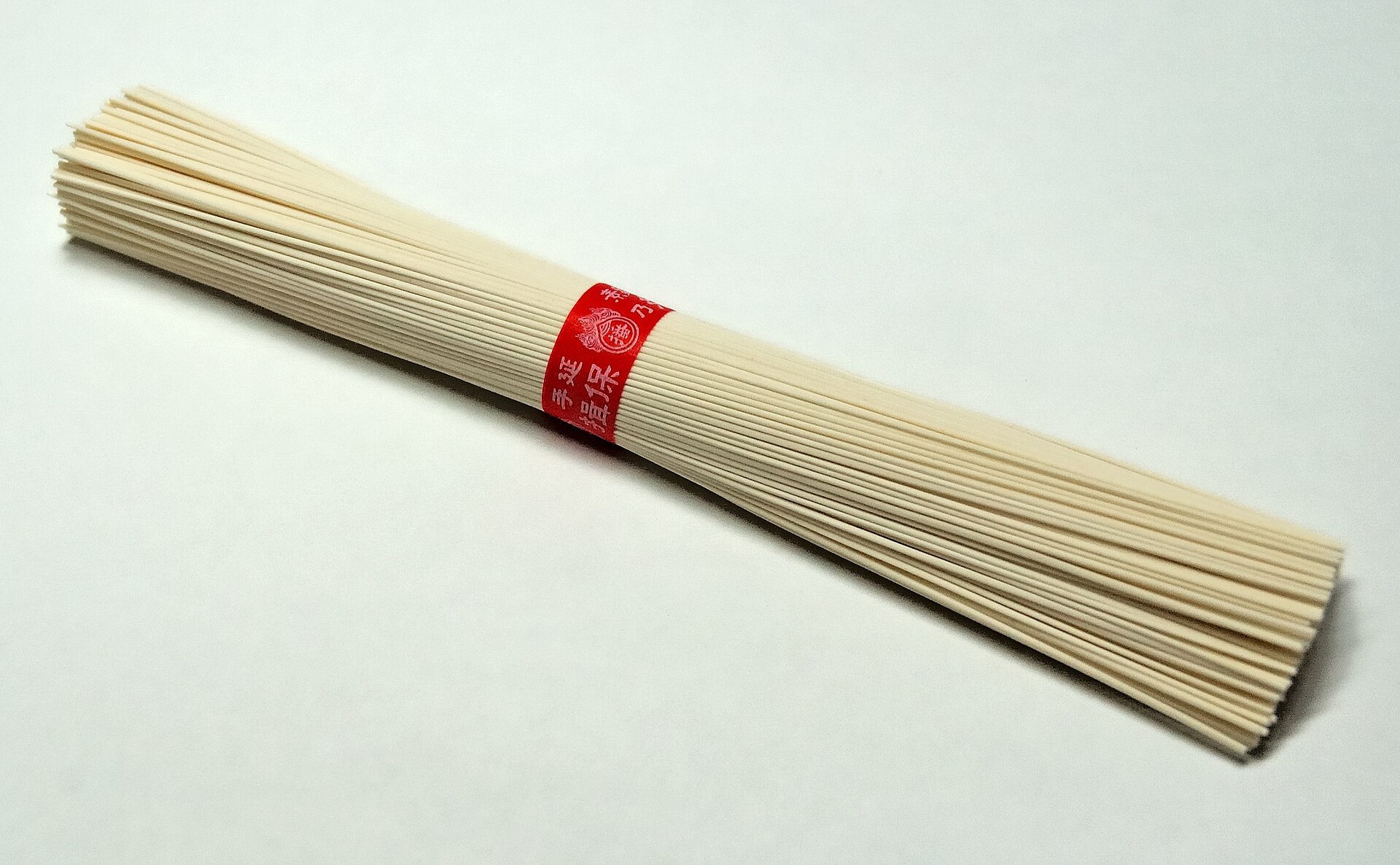
Ibonoito Somen
13.0 km · straight line
 663highland / CC BY 2.5
History · Hyogo★★
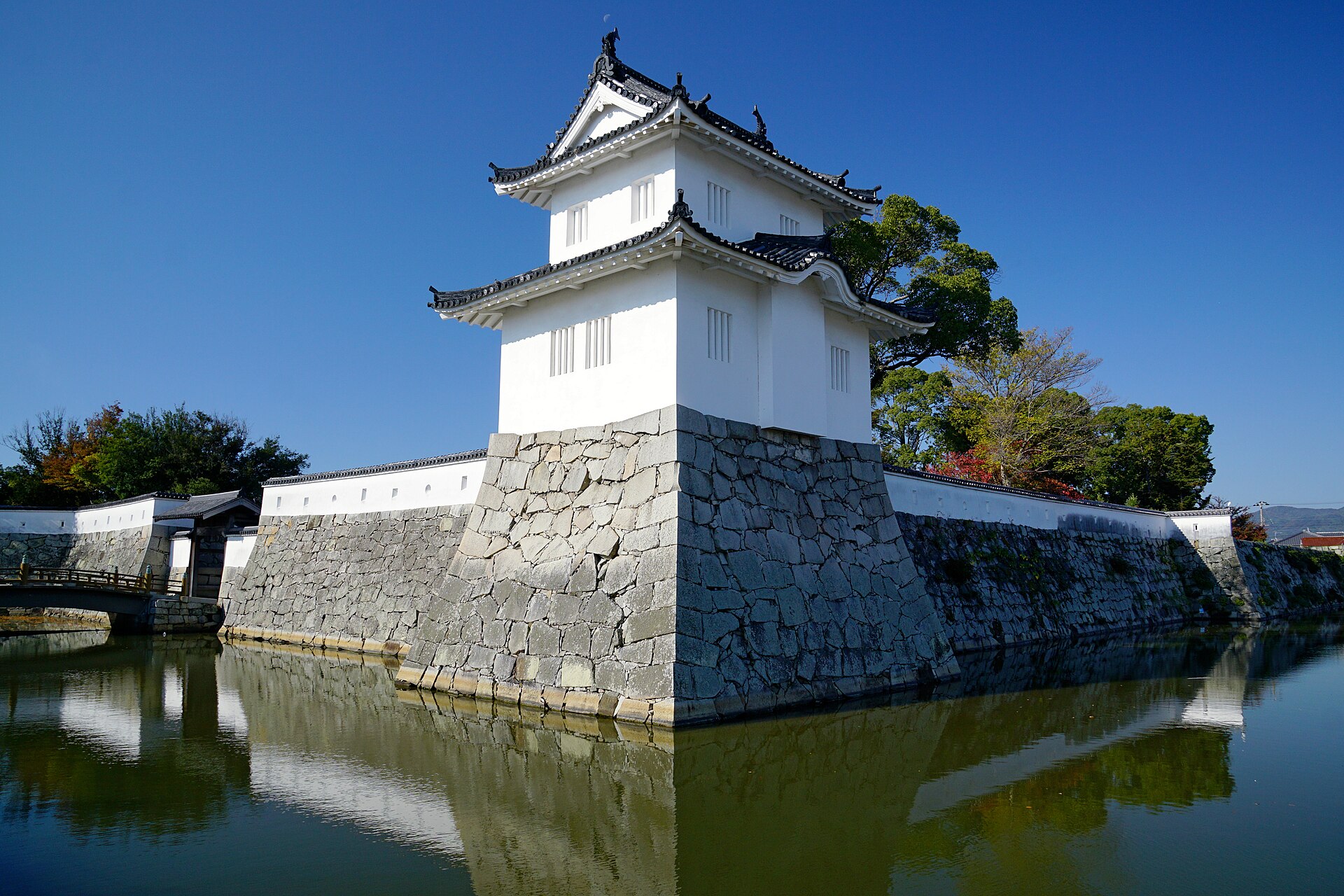
Ako Castle and Oishi Shrine
29.6 km · straight line
Distances are straight lines on the map, not travel times.