
Gunma · Mt. Haruna, TakasakiNo.286★Open in map →
Haruna Shrine
A mountain shrine on the slopes of Mt. Haruna in Takasaki, Gunma, founded in the reign of Emperor Yomei (585–587). Six of its buildings are National Important Cultural Properties, and the main hall is built against a towering rock that holds the deity inside it.
- FromTokyo Stn
- ~2 hrbus (~70 min from Takasaki)
- Get off atHaruna Jinja bus stop (Gunma Bus)
- On foot
- Haruna Shrine
The sweet spot
The approach — a stream, rock walls, giant cedars, and buildings appearing at intervals — does something Nikko's flat, crowded precinct cannot, and it is barely known outside Japan. The main hall built into a rock face is also structurally unusual: the deity is in the rock, not the building.
Where it is
20 more notes in Gunma · open the map →What to look for

- The rock approach (sando)about 15 minutes uphill from the bus stop, running beside a stream between rock faces and old cedars — the walk that makes the shrine what it is
- Migata-iwa and the main hallthe main hall is built against a rock rising straight up behind it, with the deity enshrined inside the rock rather than in the building; the hall complex was rebuilt in 1806
- Soryumon (twin dragon gate)one of the six nationally designated Important Cultural Properties in the precinct, carved with paired dragons
- Yatate-sugia National Natural Monument cedar, said to be where Takeda Shingen set an arrow and prayed for victory before attacking Minowa Castle
- Zuishinmon and Kokusoshafurther Important Cultural Property structures spaced along the approach, so the shrine arrives gradually rather than at one gate
How to actually get there
- Tokyo Station → Takasaki Station (Hokuriku / Joetsu Shinkansen, ~50 min).
- Takasaki Station west exit → Haruna Jinja bus stop (Gunma Bus toward Haruna-ko, ~1 hr 10 min).
- Haruna Jinja bus stop → main hall (walk up the rock approach, ~15 min).
- Shinkansen to Takasaki + Gunma Bus
- Tokyo Station →(Hokuriku or Joetsu Shinkansen, ~50 min)→ Takasaki Station. From the west exit, take the Gunma Bus bound for Haruna-ko (Lake Haruna), about 1 hour 10 minutes, and get off at the Haruna Jinja stop. From the stop it is about 15 minutes on foot up the approach to the main hall. Address: 849 Harunasan-machi, Takasaki, Gunma.
- Gunma Bus back to Takasaki, then Shinkansen
- From Haruna Jinja bus stop, take the Gunma Bus back down to Takasaki Station (~1 hr 10 min), then the Shinkansen to Tokyo (~50 min). Buses on this line are infrequent — photograph the timetable at the stop when you arrive so you know your last departure before you start walking up.
About the place
Haruna Shrine sits high on Mt. Haruna, and the walk in is the point. From the bus stop the approach runs about fifteen minutes up a mountain path beside a stream, passing between rock faces and under enormous cedars, with the sound of water never quite going away. The shrine buildings appear one by one along the way rather than all at once at the end — the Zuishinmon gate, the Kagura hall, the Soryumon 'twin dragon gate'. At the top, the main hall is built directly against Migata-iwa, a rock that rises straight up behind it; the deity is enshrined not in the building but deep inside the rock itself. Shrine tradition places the founding in the reign of Emperor Yomei, 585 to 587. Six of the structures — the main hall with its offering and worship halls, the Kokusosha and Gakuden, the Kagura hall and the Soryumon — are designated National Important Cultural Properties, the main hall complex having been rebuilt in 1806.
How to enjoy it
Do not rush the fifteen minutes from the bus stop — the approach is the experience, and it is worth stopping at each gate rather than heading straight for the main hall. Go in the morning if you can; the valley is narrow and the light reaches the path for a limited part of the day. Grounds are open 7:00 to 18:00, and 7:00 to 17:00 from November to March. Mt. Haruna and Lake Haruna are further up the same bus line, so the shrine combines naturally with the lake for a full day out of Takasaki.
Background & history
Shrine tradition dates the founding to the reign of Emperor Yomei, 585–587, which makes this one of the older recorded mountain shrines in the Kanto region. The current main hall, offering hall and worship hall were rebuilt in 1806, and together with the Kokusosha and Gakuden, the Kagura hall and the Soryumon gate, six structures carry National Important Cultural Property status. The Yatate-sugi, a cedar in the precinct designated a National Natural Monument, is tied to a Sengoku-period story: Takeda Shingen is said to have set an arrow into it and prayed for victory on his campaign against Minowa Castle. A four-year restoration of the main hall complex was completed in December 2025, so the newly restored buildings can be seen again; preservation work on the Kagura hall is scheduled to continue until the end of 2028.
Before you go
- Cash
- Bring cash for the bus, the shops on the approach and any goshuin seal. IC cards are fine for the Shinkansen but should not be relied on further up the mountain.
- Good to know
- Open 7:00–18:00; 7:00–17:00 from November to March. Preservation work on the Kagura hall is scheduled to run until the end of 2028, so that structure cannot be viewed during the works — check the shrine's official site for the current status before travelling. The approach is stone and can be slippery in rain or snow.
- Another way
- By car, take the Kan-etsu Expressway to Takasaki-Tamamura Smart IC or Shibukawa-Ikaho IC and drive up the mountain road. The same bus line continues to Lake Haruna above the shrine, so the two can be combined; the Ikaho Onsen area is on the far side of the mountain.
- After you get off
- From the Haruna Jinja bus stop, the approach starts at the entrance gate and climbs about 15 minutes beside the stream, passing the Zuishinmon, the Yatate-sugi and the Soryumon before reaching the main hall.
Nearby notes
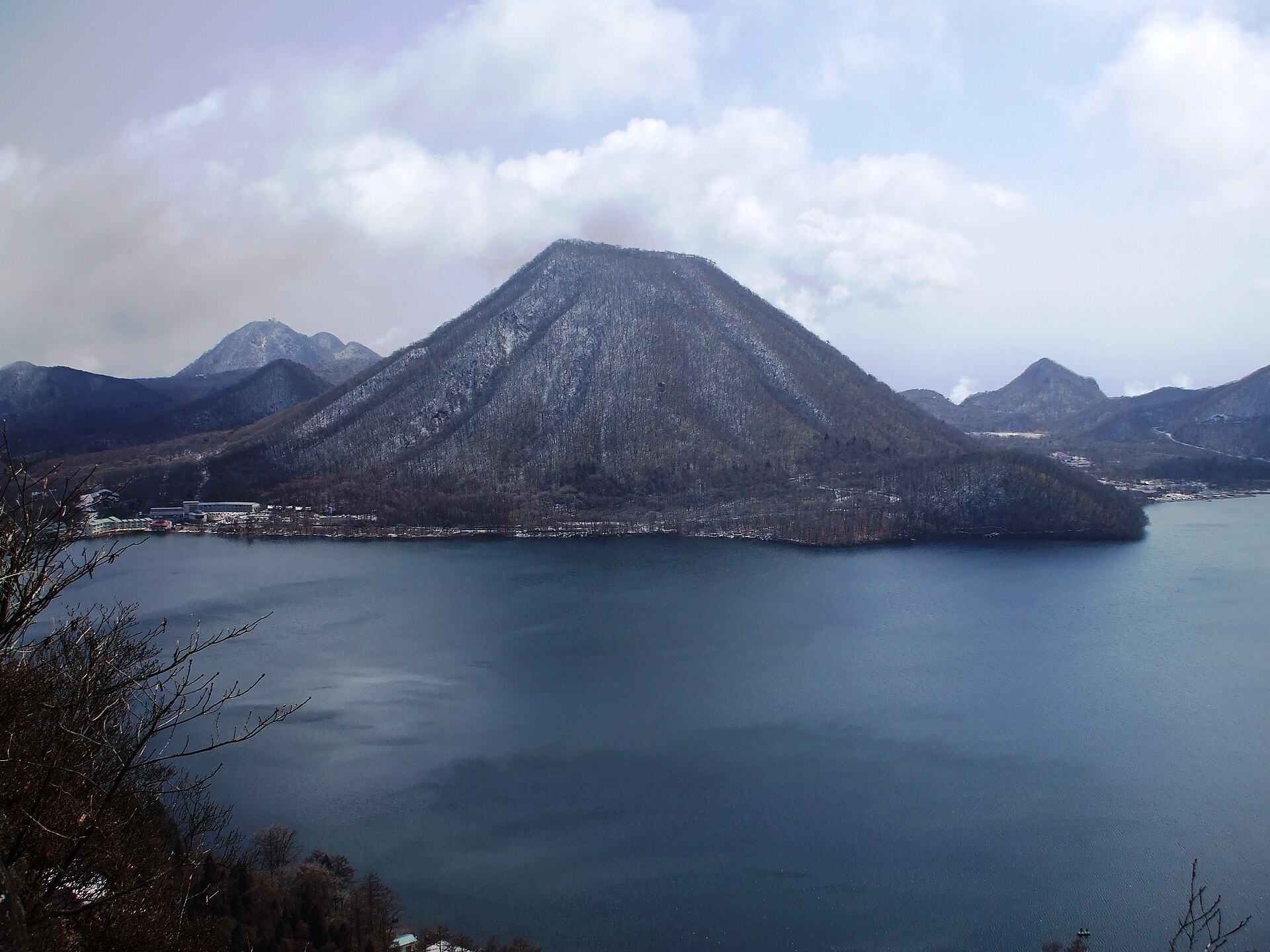 Mass Ave 975 / CC BY-SA 3.0
Nature · Gunma★★
Lake Haruna
2.3 km · straight line
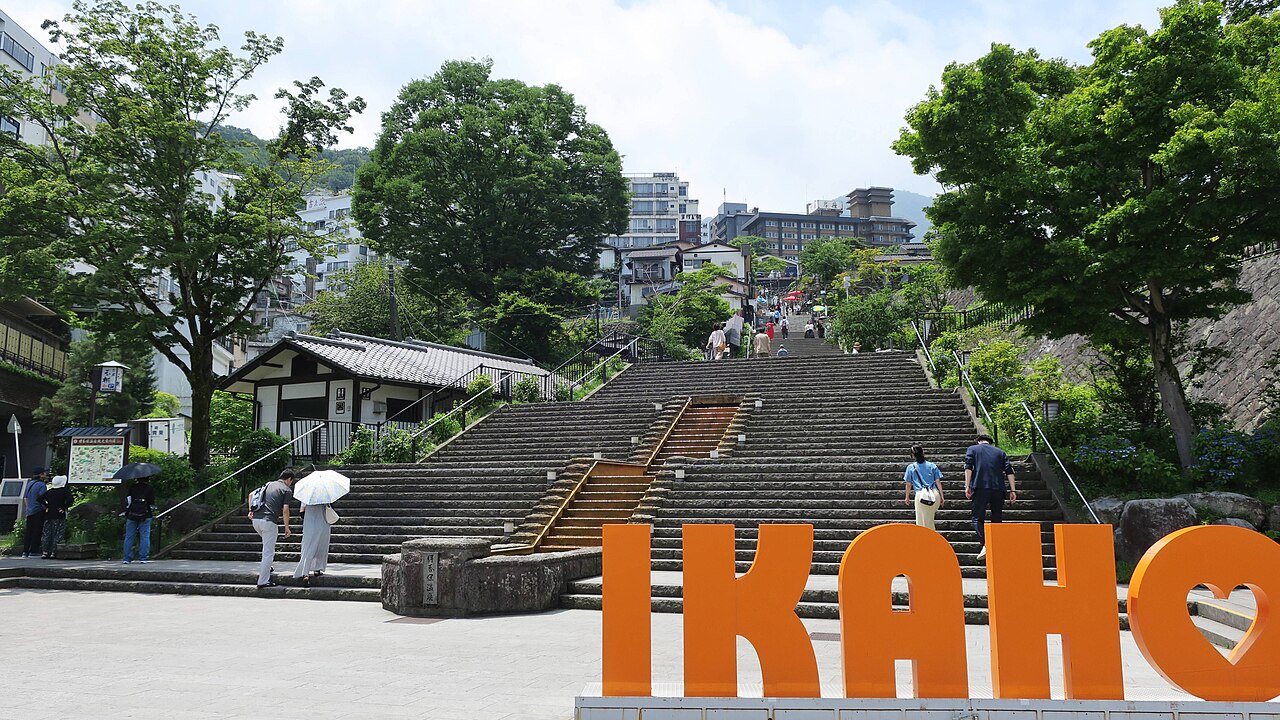 Qurren / CC BY-SA 4.0
Onsen · Gunma★
Ikaho Onsen's 365 stone steps
7.2 km · straight line
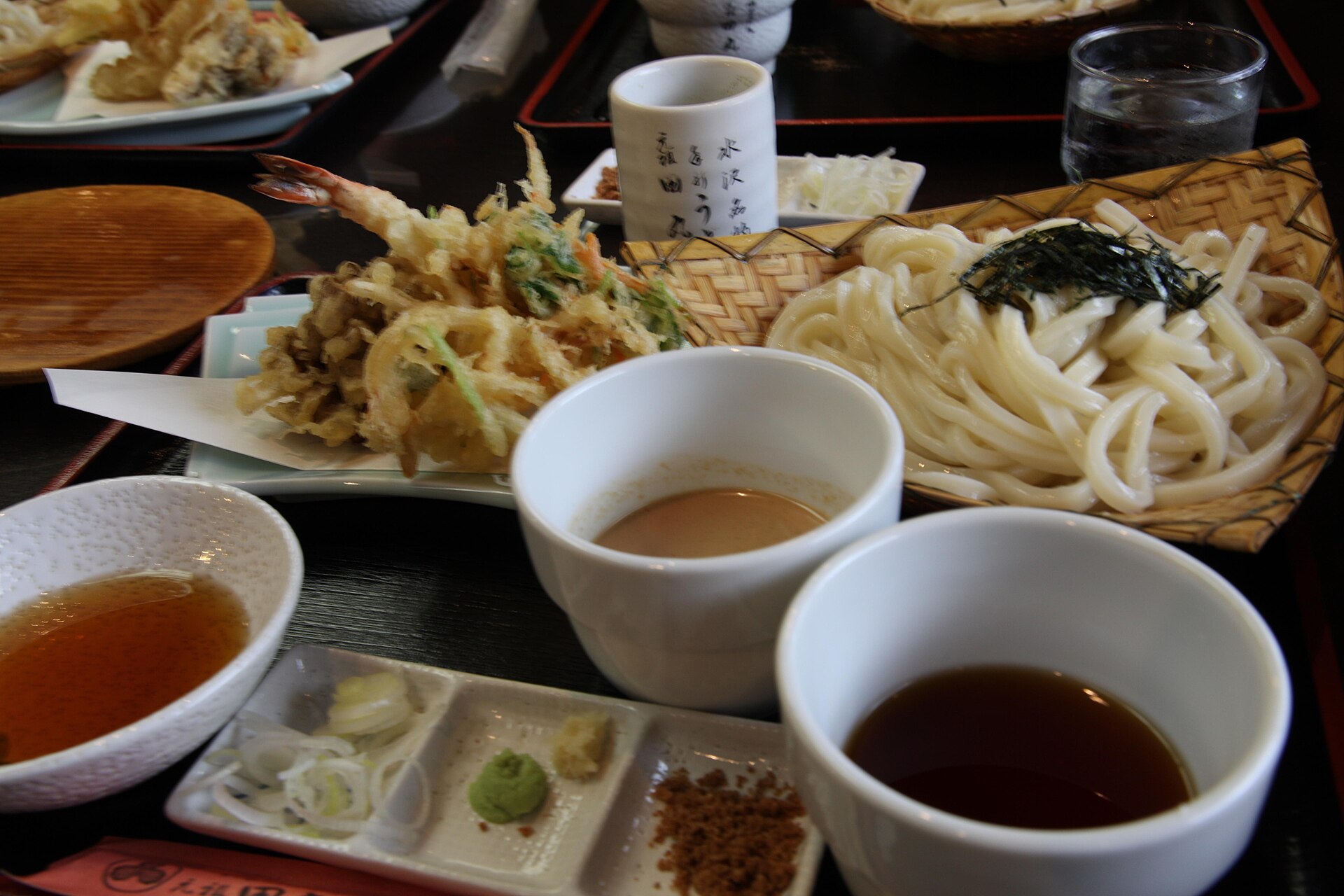 wakanmuri / CC BY 2.0
Food · Gunma★★
Mizusawa Udon
8.6 km · straight line
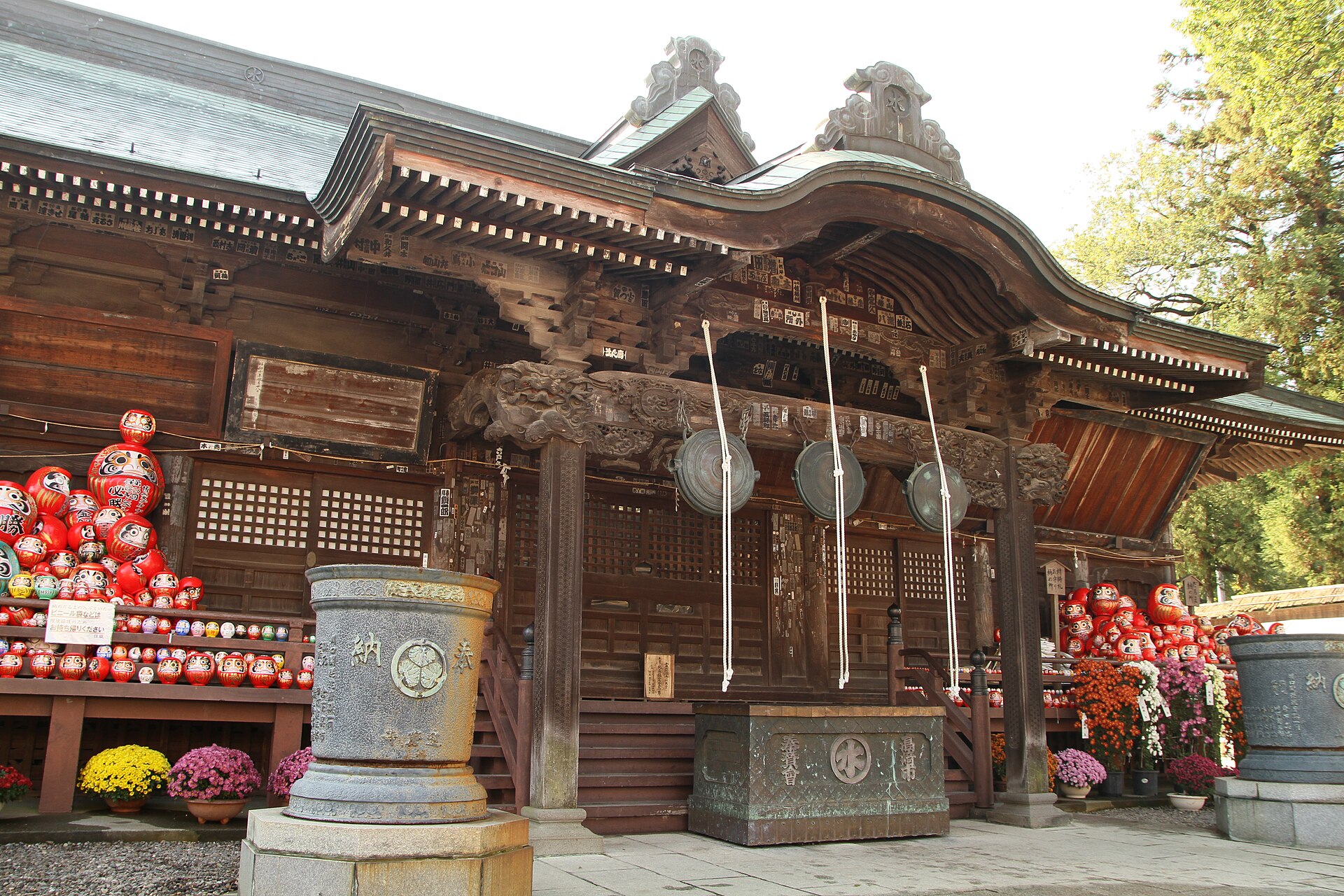 小池 隆 / CC BY 3.0
Craft · Gunma★★
Shorinzan Darumaji Temple
17.0 km · straight line
Distances are straight lines on the map, not travel times.