Gunma north · ShibukawaNo.291★Open in map →
Ikaho Onsen's 365 stone steps
— a hot-spring town built as one street
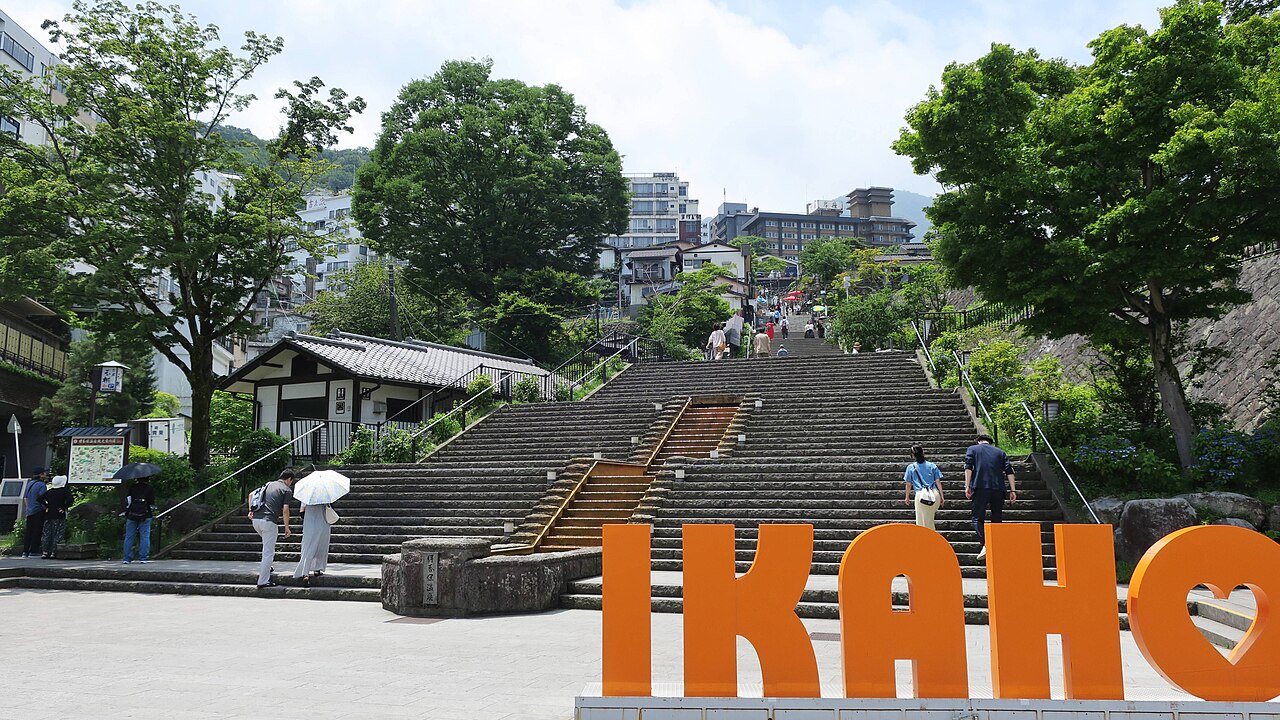
A Gunma hot-spring town whose main street is a 365-step stone staircase, planned in the late 1500s so one source could be shared along the slope, ending at a shrine to the gods of hot water and medicine.
- FromTokyo Stn
- ~2 hshinkansen + local + bus
- Get off atIkaho Onsen bus terminal
- On foot
- Ikaho Onsen's 365 stone steps
The sweet spot
Ikaho stands in the shadow of Kusatsu, Gunma's headline hot spring, and most itineraries through the prefecture stop at one onsen only. The stone street is also something you walk rather than book, so it rarely appears as a package-tour destination.
Where it is
20 more notes in Gunma · open the map →What to look for
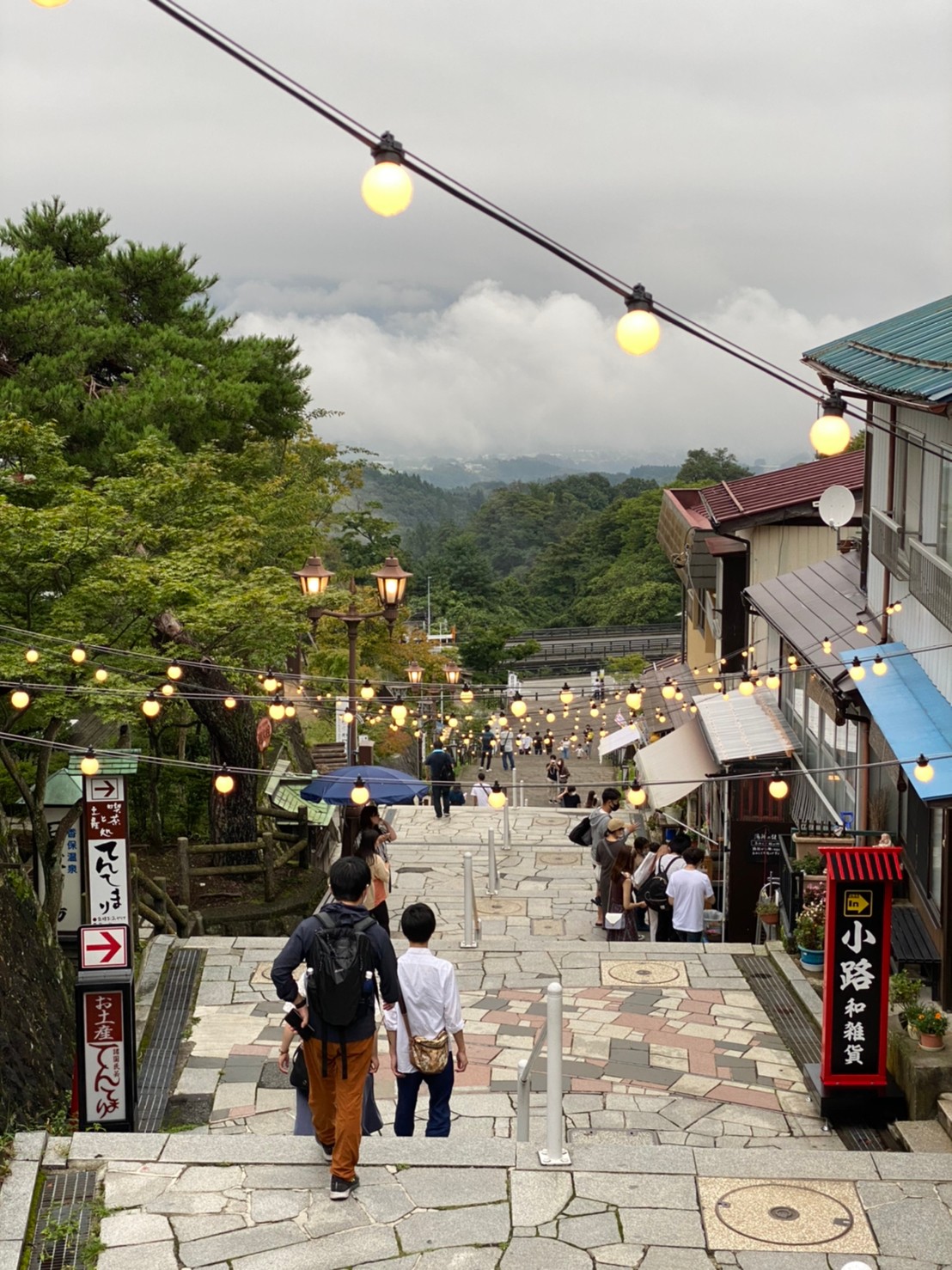
- The 365 stepsA 300-metre stone staircase that functions as the town's main street, shops and inns opening directly onto it.
- Komaguchi viewing pointsFour glass-covered openings in the steps where you can watch the hot-spring water running beneath the stone.
- Ikaho ShrineAt the top of the climb, a shrine to Onamuchi and Sukunahikona, deities of hot water and medicine, ranked third in the old province of Kozuke.
- Kajika BridgeA vermilion arched bridge above the town, known for new green in early summer and maples in autumn.
- Ikaho RopewayA four-minute ride up to Kaminoyama Park and its Bell of Hope, above the roofs of the town.
How to actually get there
- Tokyo Stn → Takasaki Stn (Joetsu/Hokuriku Shinkansen, ~50 min)
- Takasaki Stn → Shibukawa Stn (JR Joetsu Line, ~25 min)
- Shibukawa Stn → Ikaho Onsen (Kan-etsu Kotsu bus, ~25 min), then a short walk to the foot of the steps
- Shinkansen + JR local + bus
- Tokyo Stn →(Joetsu or Hokuriku Shinkansen, ~50 min)→ Takasaki Stn →(JR Joetsu Line, ~25 min)→ Shibukawa Stn →(Kan-etsu Kotsu bus bound for Ikaho Onsen, ~25 min)→ Ikaho Onsen terminal. About 2 hours in all including changes. The bus leaves from in front of Shibukawa Station and runs through the day, but check the posted times — service is not constant.
- Same route in reverse
- Buses back down to Shibukawa Station thin out in the evening, so note the last departure on the timetable at the terminal when you arrive. From Shibukawa the JR Joetsu Line runs to Takasaki for the shinkansen.
About the place
Ikaho's main street is not a street but a staircase. Three hundred and sixty-five stone steps climb about 300 metres up the hillside, with inns, bathhouses, sweet shops and old-fashioned arcades opening straight onto the treads on both sides. The layout dates from the end of the Sengoku period — roughly 440 years ago — when the slope was terraced under what the town describes as Japan's first planned hot-spring development, so that a single source above could be shared down the length of the settlement. The spring water still runs beneath the stone, and four glass-covered openings called komaguchi let you look down at it flowing under your feet. At the top the steps end at Ikaho Shrine, ranked third among the shrines of the old province of Kozuke, which enshrines deities of hot water and of medicine. The present count of 365 dates from a 2010 rebuild that extended the flight — one step for each day of the year.
How to enjoy it
Climb in the late afternoon, when the lanterns come on and the shops are still open, then keep going past the shrine to the source area for the drinking fountain and the covered viewing point over the Kogane-no-yu spring. Kajika Bridge is a short walk further uphill and is the best thing here in autumn. Two free footbaths on the steps make a good pause on the way back down, and the ropeway takes the effort out of the last stretch if your legs have had enough.
Background & history
The terracing of the slope is what makes Ikaho unusual: rather than growing outward from a spring, the town was set out along a single line so the hot water could be carried down the spine of the hill and drawn off at intervals by the lodgings on either side. That plumbing is still visible — the komaguchi viewing points show the source running beneath the treads. The water itself, iron-bearing and rust-brown, is called Kogane-no-yu, the golden bath; the source area above the town yields around 1,400 litres a minute and has a public drinking fountain beside it. From the Meiji era onward Ikaho drew writers and painters, and two of them, the novelist Tokutomi Roka and the artist-poet Takehisa Yumeji, are commemorated in museums here. The staircase is counted among Japan's three great flights of steps, alongside those at Yamadera in Yamagata and Konpira in Kagawa.
Before you go
- Cash
- Carry cash. The small bathhouses, sweet shops and game arcades along the steps are largely cash-only, and the day-use baths charge a few hundred yen at the door.
- Good to know
- The steps are a working street lined with operating inns. Keep to one side while people carry luggage up and down, and ask before photographing guests walking in yukata.
- Another way
- If you miss the bus, a taxi from Shibukawa Station covers the same route in roughly the same time.
- After you get off
- The Ikaho Onsen terminal sits at the lower end of the town. Walk a few minutes uphill and the foot of the stone steps opens in front of you; from there it is a continuous climb to the shrine.
Nearby notes
 wakanmuri / CC BY 2.0
Food · Gunma★★
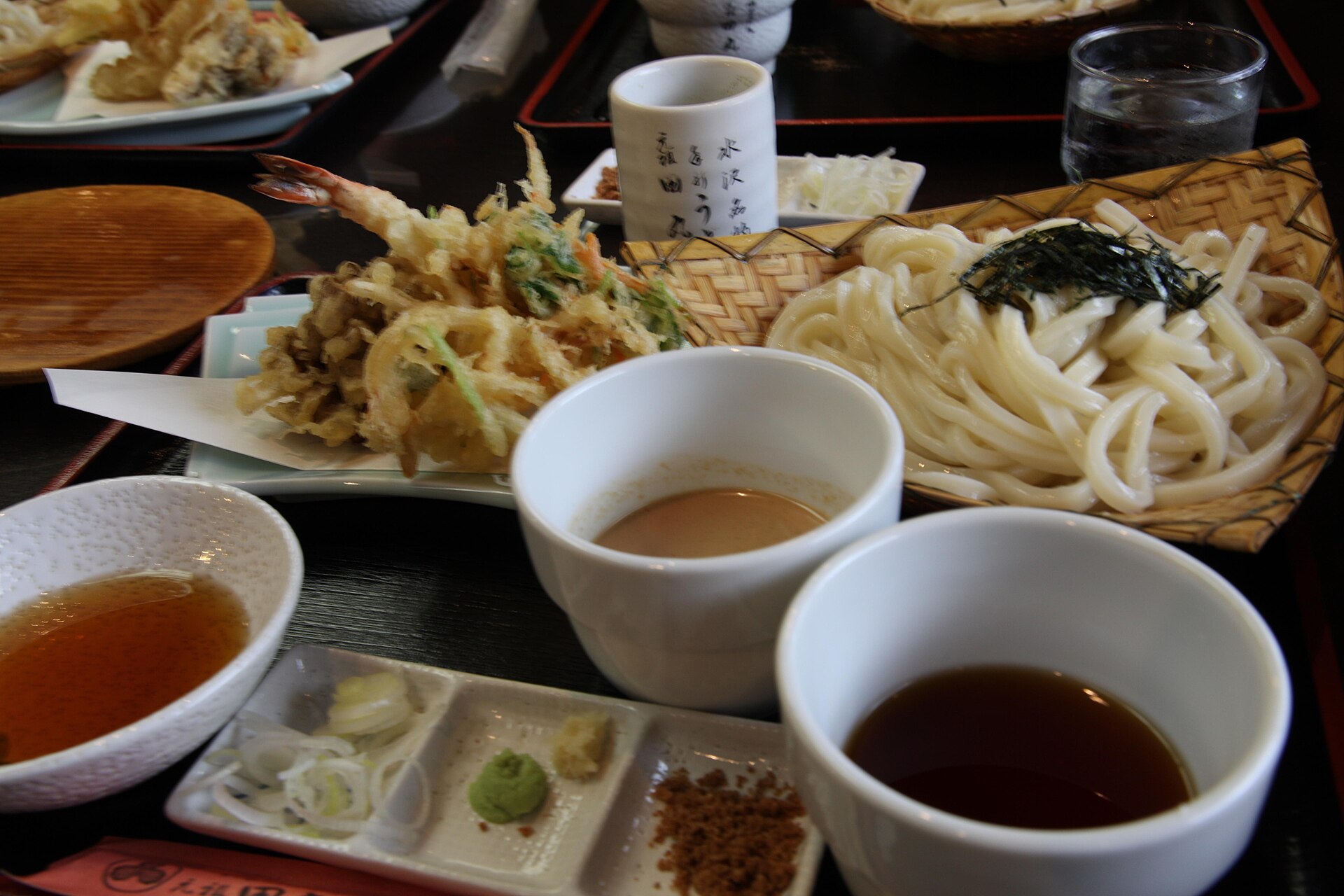
Mizusawa Udon
3.3 km · straight line
 Mass Ave 975 / CC BY-SA 3.0
Nature · Gunma★★
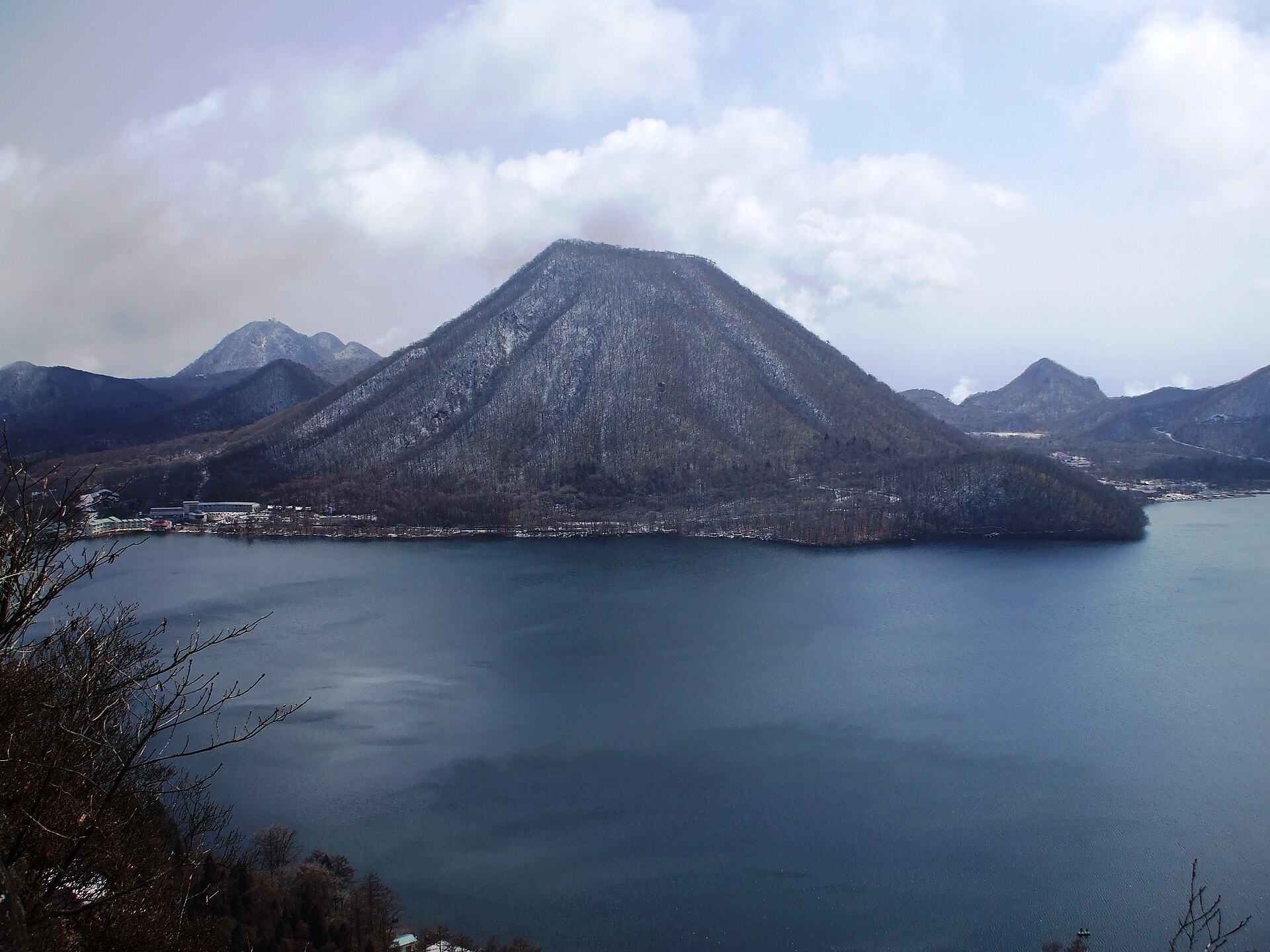
Lake Haruna
5.1 km · straight line
 TANAKA Juuyoh (田中十洋) / CC BY 2.0
History · Gunma★
Haruna Shrine
7.2 km · straight line
 小池 隆 / CC BY 3.0
Craft · Gunma★★
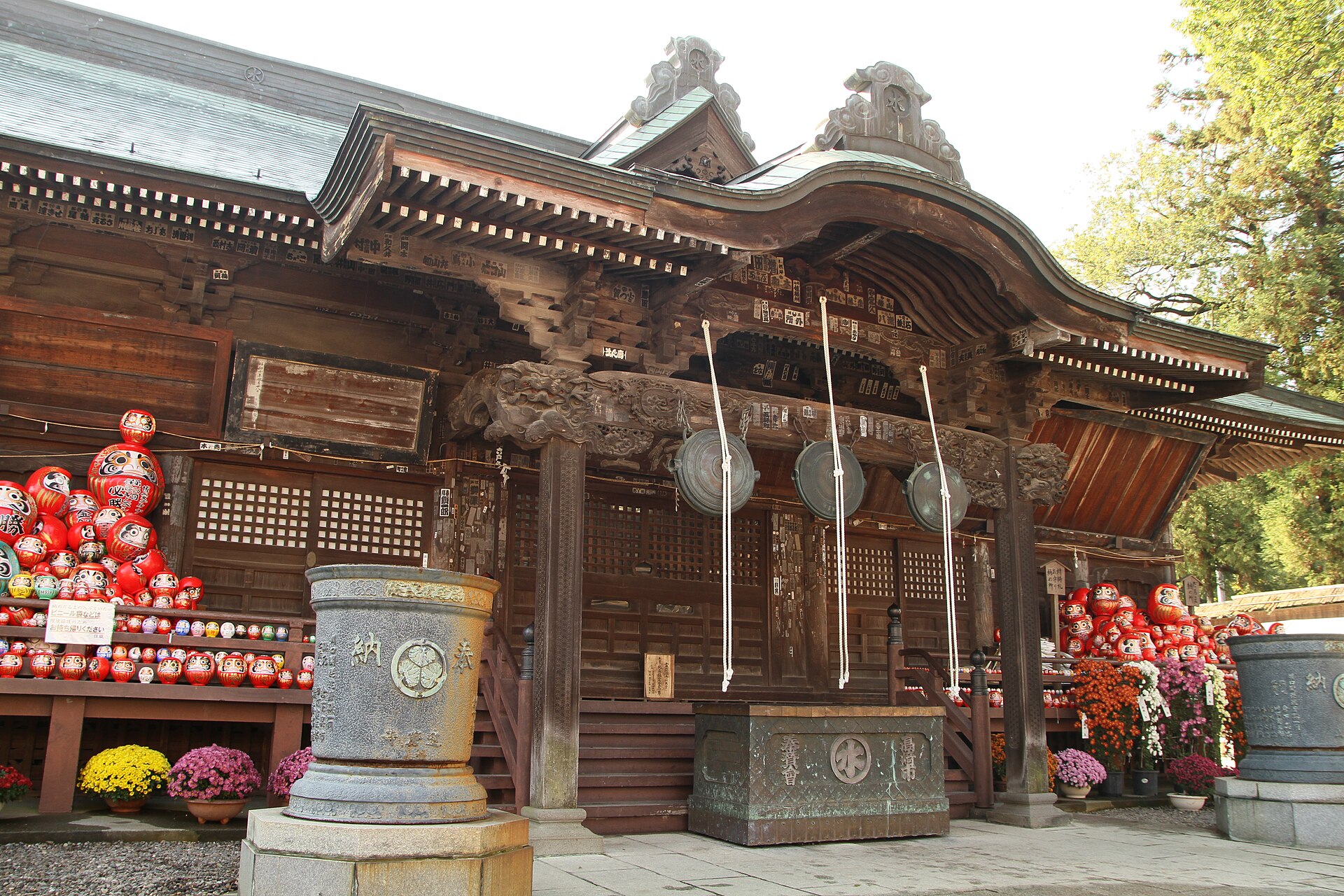
Shorinzan Darumaji Temple
18.9 km · straight line
Distances are straight lines on the map, not travel times.