Chichibu · UrayamaguchiNo.080★Open in map →
Hashidate Limestone Cave
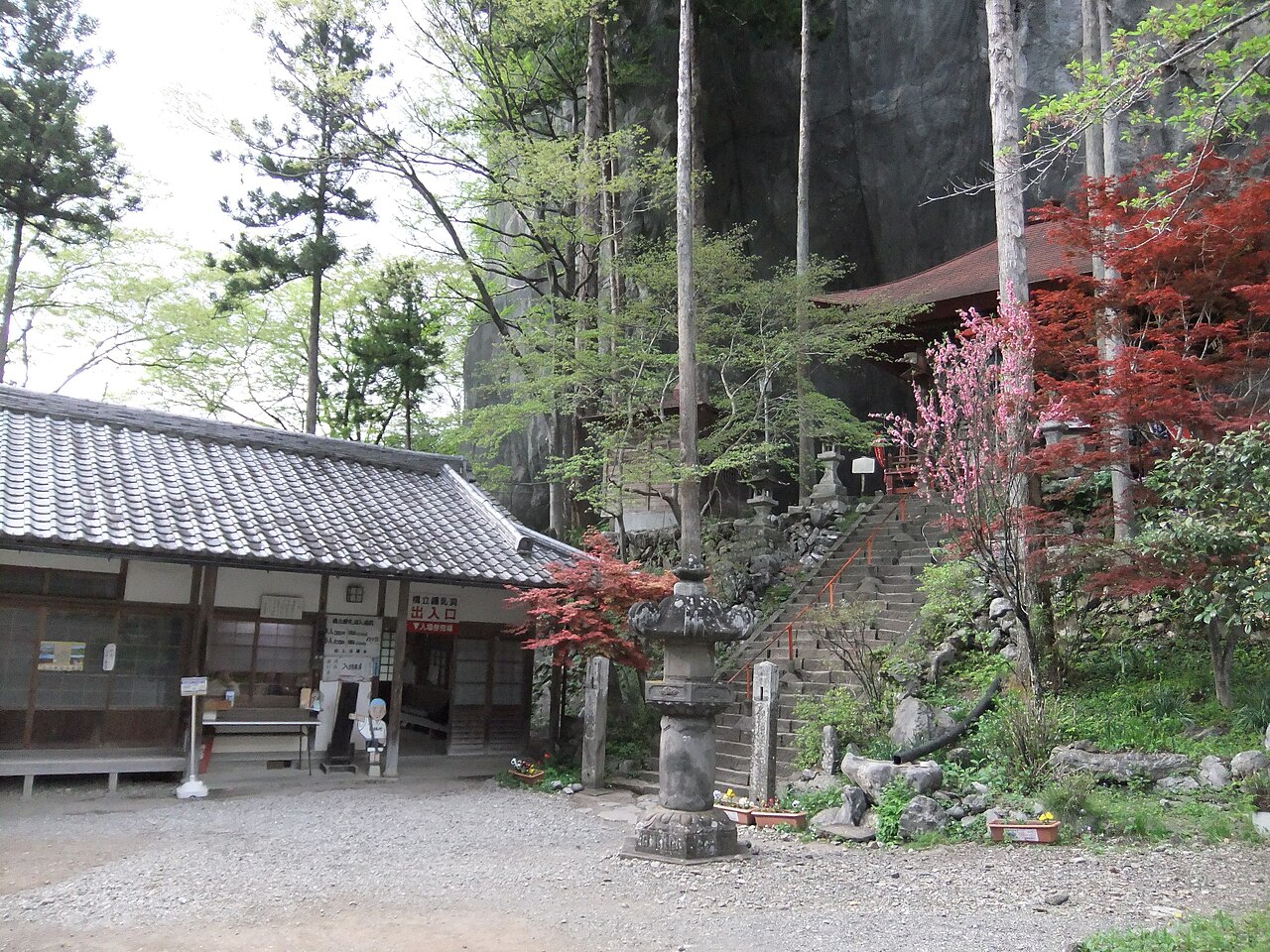
A rare vertical-shaft limestone cave in the Chichibu mountains, entered from behind Hashidate-do, the 28th temple of the Chichibu Kannon pilgrimage.
- FromSeibu-Chichibu Stn
- ~2 hr from Tokyotrain (infrequent) + 15-20 min walk
- Get off atUrayamaguchi Stn (Chichibu Railway)
- On foot
- Hashidate Limestone Cave
The sweet spot
Most day-trippers stop at the well-known spots of Nagatoro or Mitsumine and never ride the small single-track railway down to this tiny station. There is very little English information about it, the walk from the station is uphill and takes time, and the entrance sits behind a temple off the main tourist route.
Where it is
19 more notes in Saitama · open the map →What to look for — in walking order
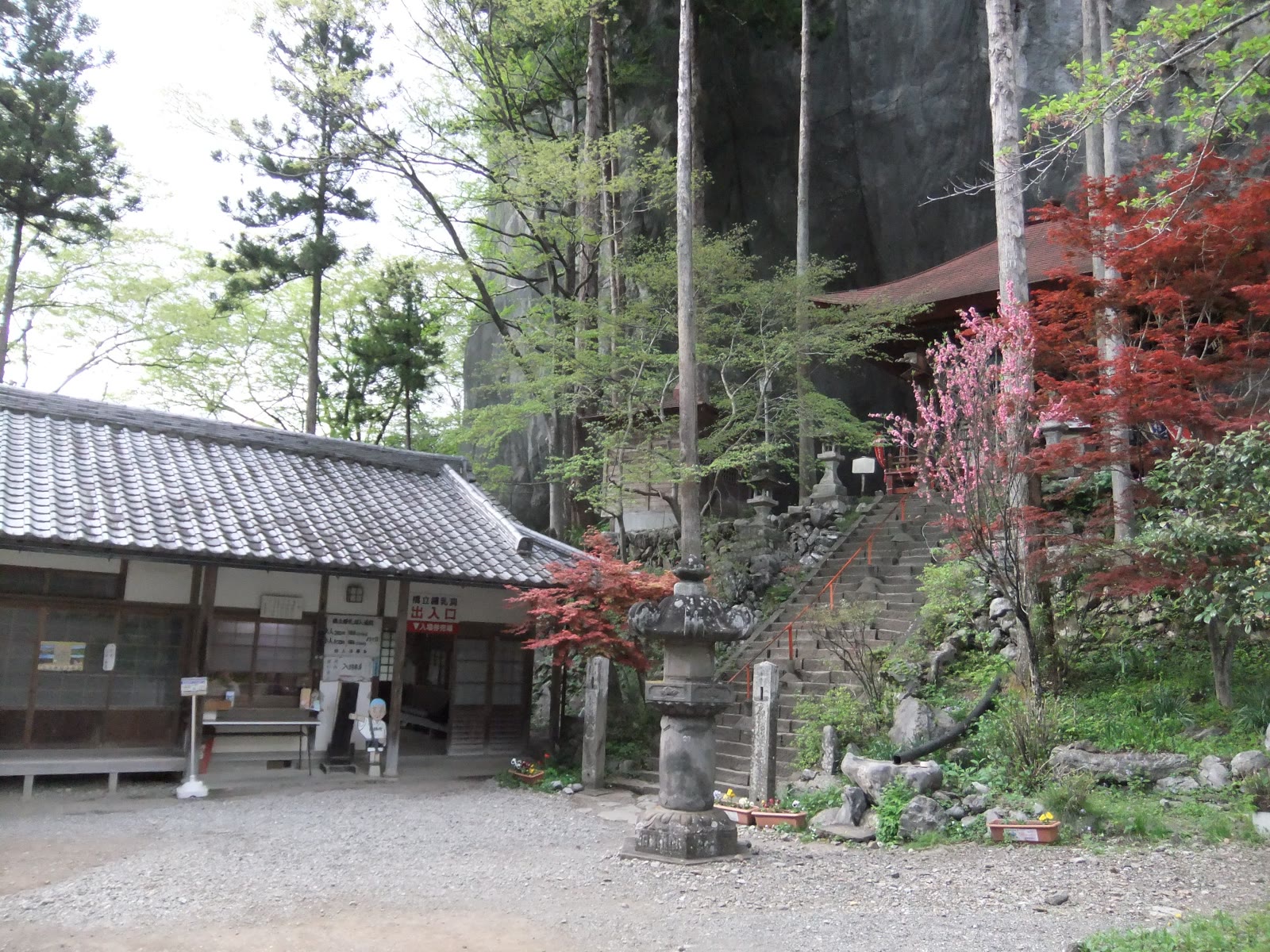
- Hashidate-do Templethe 28th temple of the Chichibu Kannon pilgrimage, standing above the cave entrance
- Mt. Buko cliffthe tall limestone face on the mountain's western side, at whose foot the cave opens
- Vertical-shaft routeover two-thirds of the cave is a vertical shaft climbed by stairs rather than walked on the level
- Limestone formationsstalactites, stalagmites and stone pillars built up into unusual shapes over geological time
How to actually get there
- Ikebukuro (Tokyo) → Seibu-Chichibu Stn (Seibu Laview limited express, ~80 min)
- Seibu-Chichibu Stn → Ohanabatake Stn (walk, ~5 min)
- Ohanabatake Stn → Urayamaguchi Stn (Chichibu Railway toward Mitsumineguchi, ~10 min)
- Urayamaguchi Stn → Hashidate-do temple and cave (walk uphill, ~15-20 min)
- Seibu Laview express + Chichibu Railway
- Ikebukuro in Tokyo →(Seibu Laview limited express, ~80 min)→ Seibu-Chichibu Stn → walk ~5 min to the nearby Ohanabatake Stn → Chichibu Railway toward Mitsumineguchi, get off at Urayamaguchi Stn (~10 min). Total from Tokyo about 2 hours. The Chichibu Railway branch runs only about once every 1 to 2 hours — check the day's timetable before you go.
- Return the same way
- Return by the same Chichibu Railway line and Seibu express. Trains on this branch are infrequent, so check the return times posted at Urayamaguchi Stn when you arrive rather than assuming a train will be waiting.
About the place
Hashidate Shonyudo is recorded as the only developed show cave in Saitama Prefecture. Its passage runs roughly 140 metres, but more than two-thirds of that is vertical shaft — so the route climbs upward on stairs rather than running level, a form rarely found in Japan. Inside, stalactites hanging from the ceiling, stalagmites rising from the floor and stone pillars have formed into the intricate patterns typical of limestone caves. The cave sits at the foot of a tall limestone cliff on the western side of Mt. Buko, and the entrance is behind Hashidate-do temple.
How to enjoy it
The cave is open roughly from 1 March to early December (hours 8:00–16:30). Because the route climbs wet stairs through vertical shafts, wear shoes with a solid grip and take your time. Pairing the cave with the temple above makes a natural short loop at the foot of Mt. Buko.
Background & history
The limestone here belongs to the same rock body that forms Mt. Buko, traced back to a coral reef that grew in a warm southern sea and was carried to the edge of the Asian continent by the slow movement of tectonic plates. The cave was designated a natural monument by Saitama Prefecture on 31 March 1936. At the base of the cliff, the Iwakage rock-shelter site preserves evidence of habitation stretching back to the early Jomon period.
Before you go
- Cash
- Cave admission is a small cash fee (about 200 yen for adults). Carry coins, as rural sites like this often do not take cards.
- Good to know
- The cave is open only from about March 1 to early December and may close after heavy rain; the passage is wet and steep.
- Another way
- A Seibu Kanko bus bound for Urayama-Tokiwabashi also runs from Seibu-Chichibu Stn; get off at the Urayamaguchi stop, then walk about 15 minutes.
- After you get off
- From Urayamaguchi Stn, follow the paved lane downhill and then uphill toward the temple, about 15 to 20 minutes on foot.
Nearby notes
 azzuriceo(https://www.flickr.com/photos/ / CC BY 2.0
Nature · Saitama★
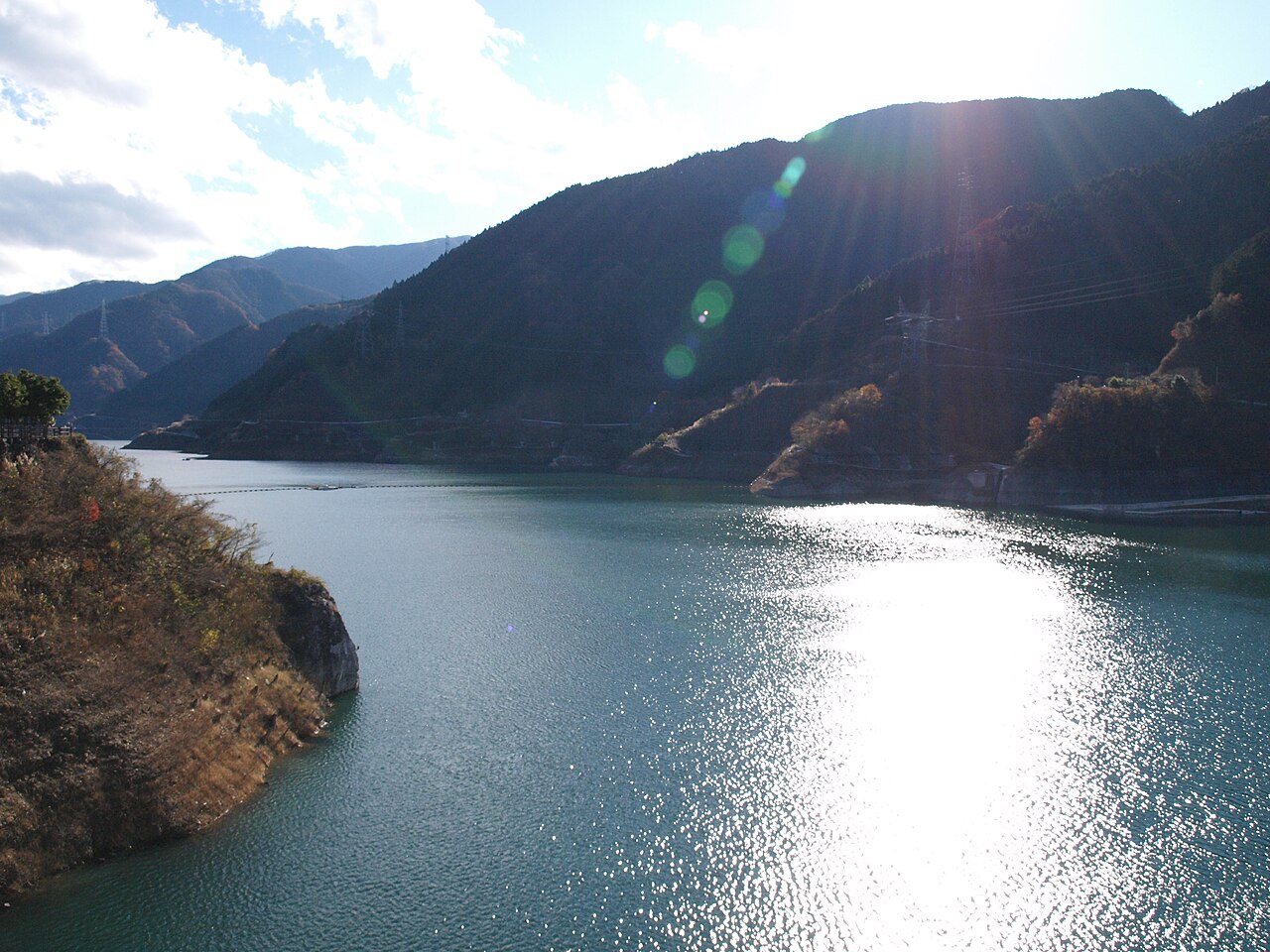
Urayama Dam & Chichibu Sakura Lake
1.1 km · straight line
 ちちびあん / CC BY-SA 4.0
History · Saitama★
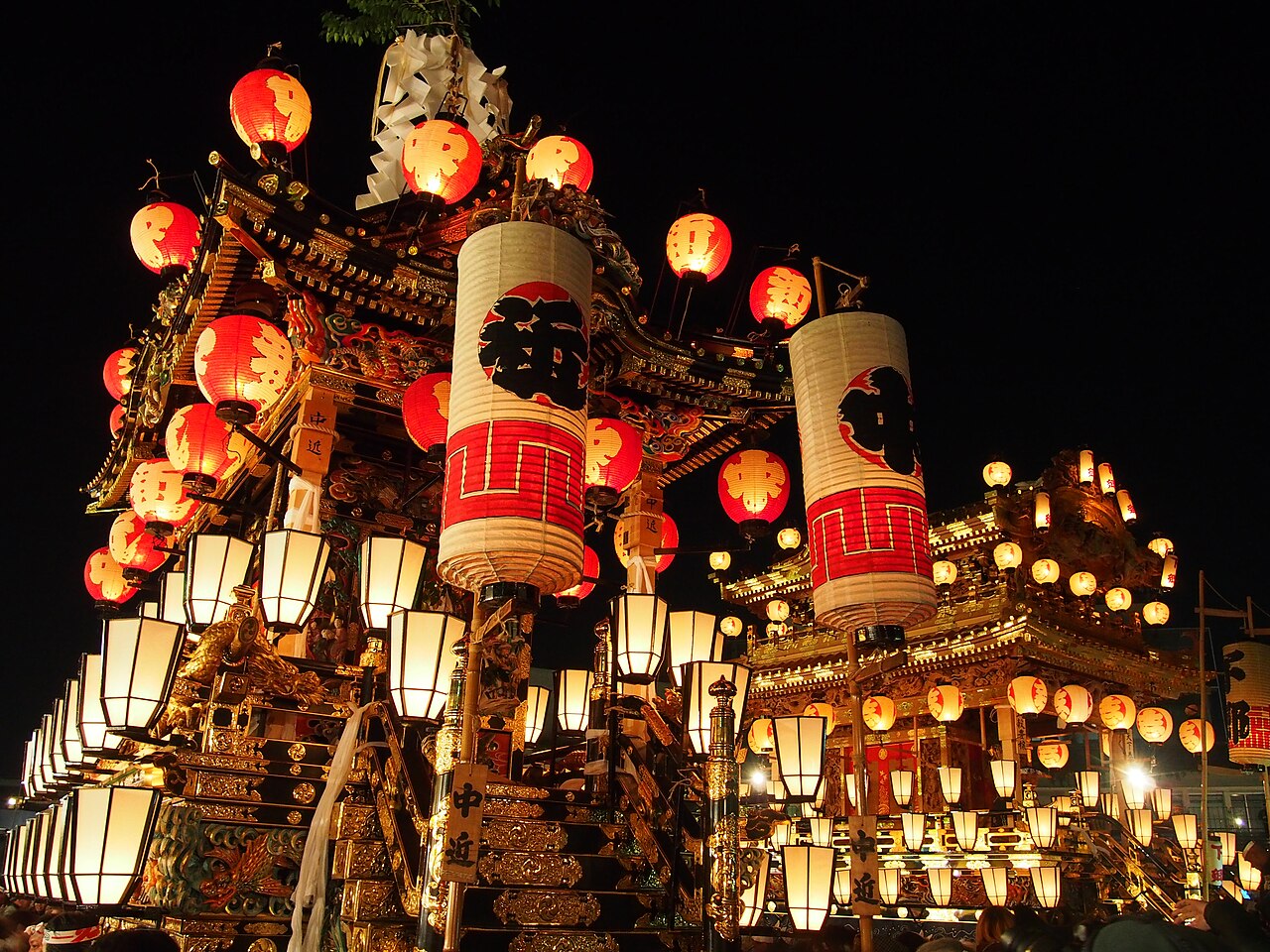
Banba-dori
4.5 km · straight line
 Bryanmackinnon / CC BY 4.0
History · Saitama★
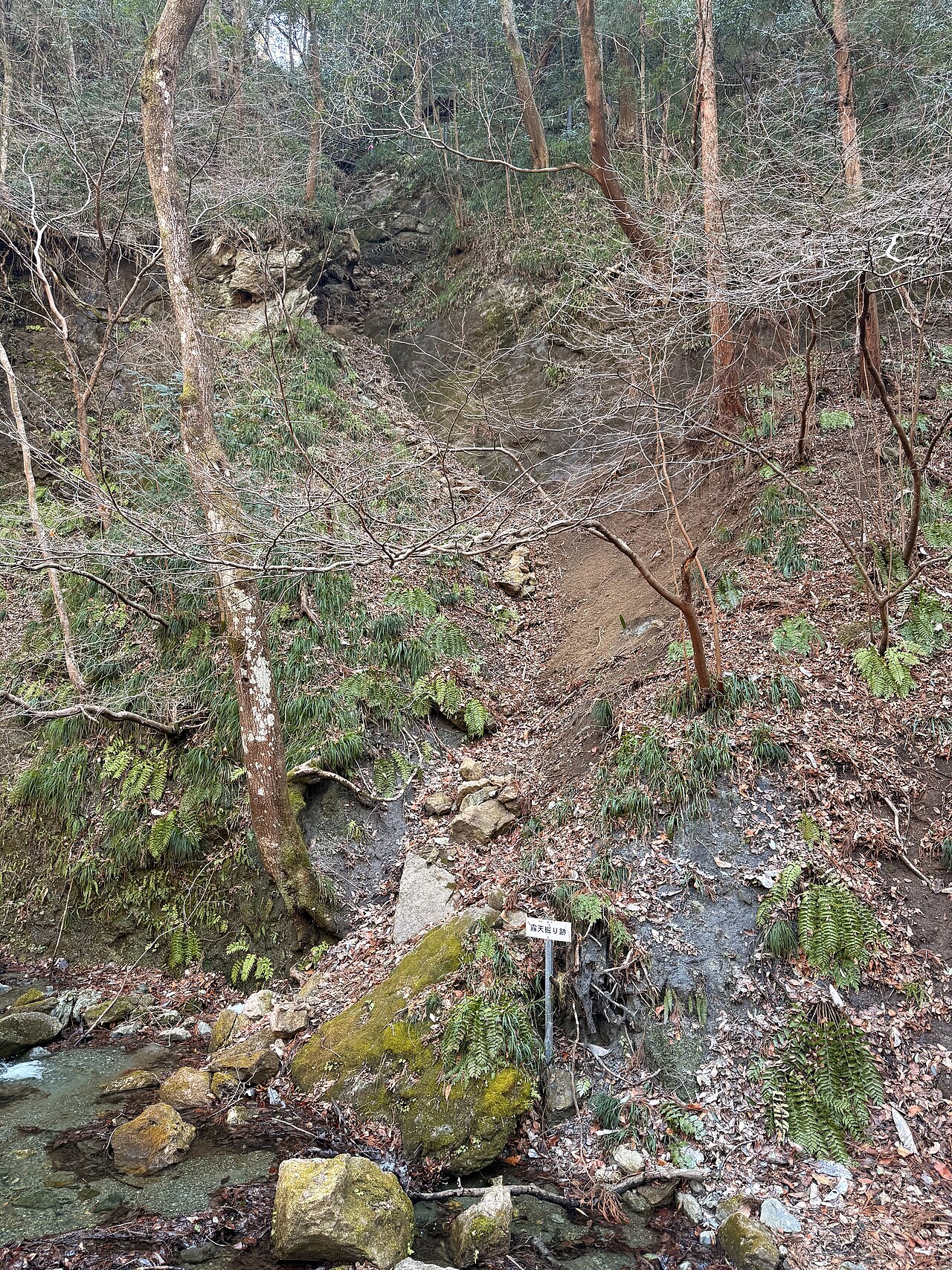
Wadō Ruins
10.6 km · straight line
 NY066 / CC BY-SA 3.0
Onsen · Saitama★
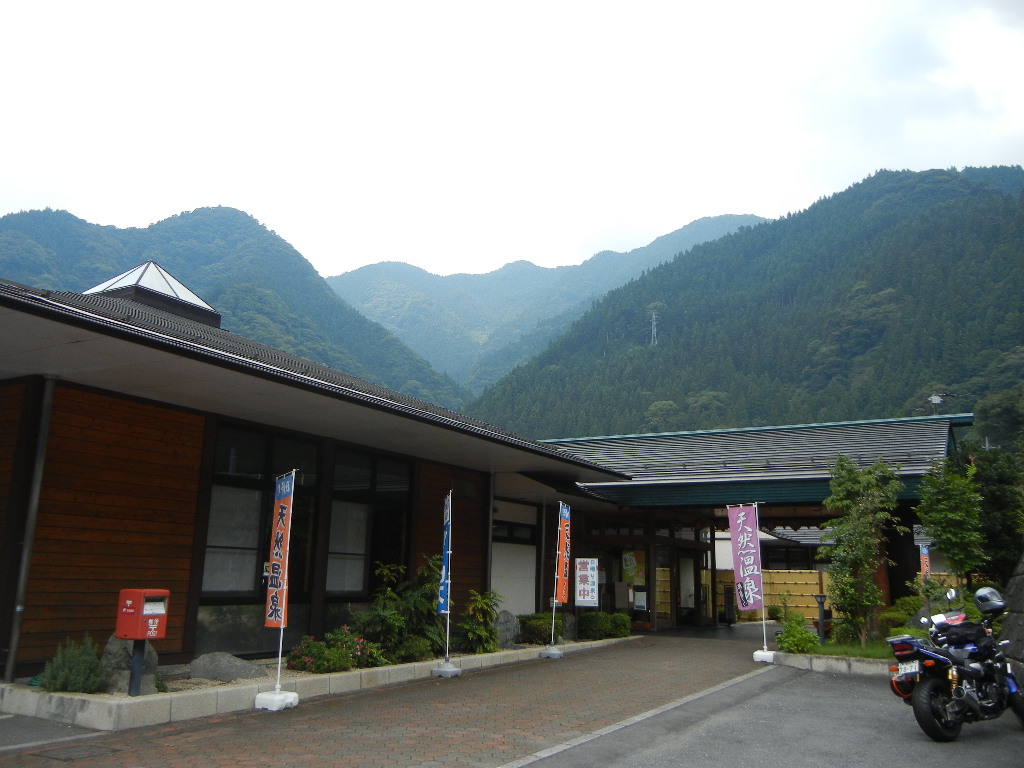
Otaki Onsen Yuyukan
11.1 km · straight line
Distances are straight lines on the map, not travel times.