Oga Peninsula · FunakawaNo.1066★★Open in map →
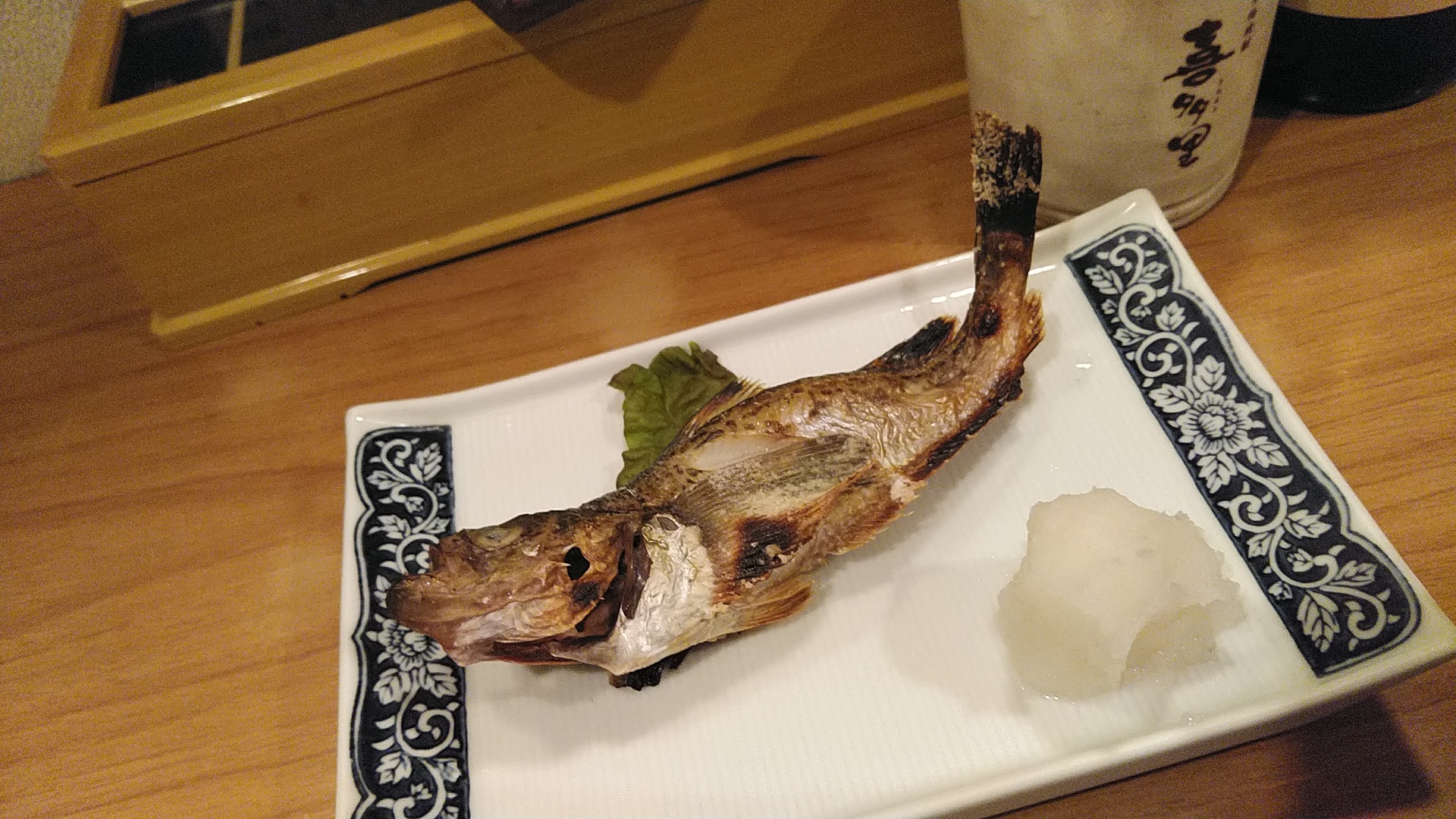
Hatahata Sandfish
— Akita's winter fish and the sauce it becomes
Akita's prefectural fish comes inshore for a few weeks of winter, and salted down it becomes shottsuru, the fish sauce the Oga peninsula is home to. The roadside station a few minutes' walk from the last stop on the Oga Line sells the peninsula's daily catch.
- FromAkita Station
- ~1 hrJR Oga Line, ~15 return runs a day
- Get off atOga Station (JR Oga Line)
- On foot
- Hatahata Sandfish
The sweet spot
Hatahata is not obscure in Akita. It is the prefectural fish, and no list of local food leaves it out. What is easy to miss is how narrow the season is and how coastal the source is. The fish runs inshore for only a few weeks, and outside that window a restaurant plate is likely to be frozen stock. The roadside station takes the landings from Oga's own ports each day, so what sits on the ice is the honest answer to what the sea is giving that week.
Where it is
34 more notes in Akita · open the map →What to look for — in walking order
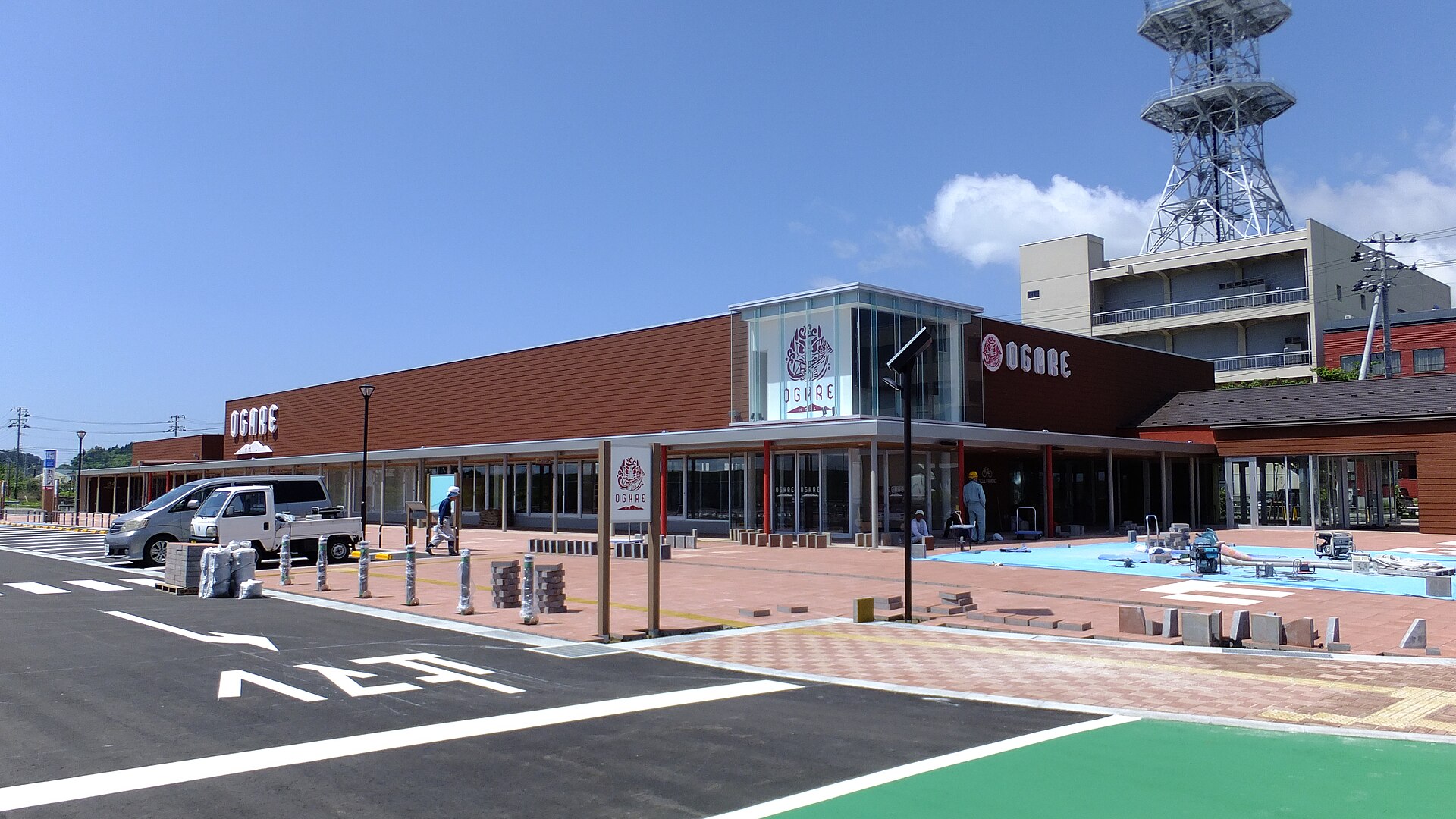
- The seafood countersthe day's landings from Oga's ports, many boxes stickered by the boat that brought them
- The prep roomstaff will clean and fillet what you buy, for a fee, and talk through how to cook it
- The produce cornervegetables picked the same morning by growers on the peninsula
- The shottsuru and preserved-goods shelvesfish sauce, dried and processed foods, crafts and namahage souvenirs in one aisle
- The restaurant and the snack countera dining room run on the site, with a gelato stand near the entrance
How to actually get there
- Tokyo → Akita Station (Akita Shinkansen Komachi, no change).
- Akita Station → Oga Station (JR Oga Line, about an hour, the end of the line).
- Walk about three minutes south to the roadside station and start at the seafood counters, then the prep room.
- Work back through the produce corner and the shottsuru shelves before the return train.
- JR Oga Line, direct from Akita Station
- Akita Station →(JR Oga Line, about an hour)→ Oga Station, the end of the line. The roadside station is about 200 m south of the station, roughly three minutes on foot, so there is no local transfer. Services run about fifteen return trips a day and open out into long gaps in the middle of the day, so read the timetable before you leave Akita.
- Back to Akita Station
- The same line runs back from Oga Station to Akita in about an hour. It is the only railway off the peninsula, so a missed train means a wait rather than a detour, and the evening runs are the thinnest of the day. Fix your return departure off the platform board as soon as you arrive.
About the place
Hatahata spends most of the year in deep water off the Japan Sea coast and appears inshore only to spawn, in the weeks when sleet and thunder come in off the sea. The name is an old word for the sound of thunder, and the fish carries a second one that means thunder fish. Females arrive holding a sticky mass of roe that Akita calls buriko, wanted for its texture as much as the flesh is wanted for taste. Salted and left in the barrel until the fish dissolves, then strained, the same catch becomes shottsuru — a fish sauce worked out when soy sauce was still a luxury, and used across the prefecture both as a seasoning and as the base of a winter pot. Oga is where it comes from.
How to enjoy it
The fish runs inshore from late November into December, and that is the only window when it is landed fresh here; outside it the shelves turn to dried, salted and processed forms. The seafood counters are restocked from the day's landings, so what is there depends on the morning rather than on the calendar. Trains on the Oga Line make about fifteen return runs a day, so build the visit around one of them rather than the other way round.
Background & history
Hatahata carried Akita households through winter for generations, to the point that people said the new year could not be met without it. Then the catch collapsed, and the fishermen of the prefecture chose to stop entirely: a full ban that held for three years, from 1992 to 1995. Fishing resumed under quotas, closed grounds and a shortened season, agreed with the neighbouring prefectures along the Japan Sea, and the stock came back. The roadside station itself is recent, opened in 2018 when the nearby station was rebuilt.
Before you go
- Cash
- There is no admission — this is a roadside station rather than a paid attraction, and you pay for what you buy. The prep room charges for cleaning and filleting; those rates and the restaurant's are posted on site, so read them there rather than planning around a figure. Card acceptance varies by counter, so carry some cash.
- Good to know
- This is exposed coast. Winter brings wind and sleet off the Japan Sea — the same weather that drives the fish inshore — and snow can slow both the road and the line. Opening hours shift with the season, so confirm them on the official site before you build a day around the hall.
- Another way
- By car the site sits on the road that runs around the peninsula, about half an hour from the Showa-Oga-Hanto interchange on the Akita Expressway and around an hour from Akita Airport. That is also the road to take if you want to carry on to Shinzan, where the namahage are kept.
- After you get off
- Oga Station is the terminus of the line, and the roadside station is about 200 m to the south. From the ticket gate it is roughly three minutes on level ground.
Nearby notes
 Douglas P Perkins / CC BY 3.0
Culture · Akita★★
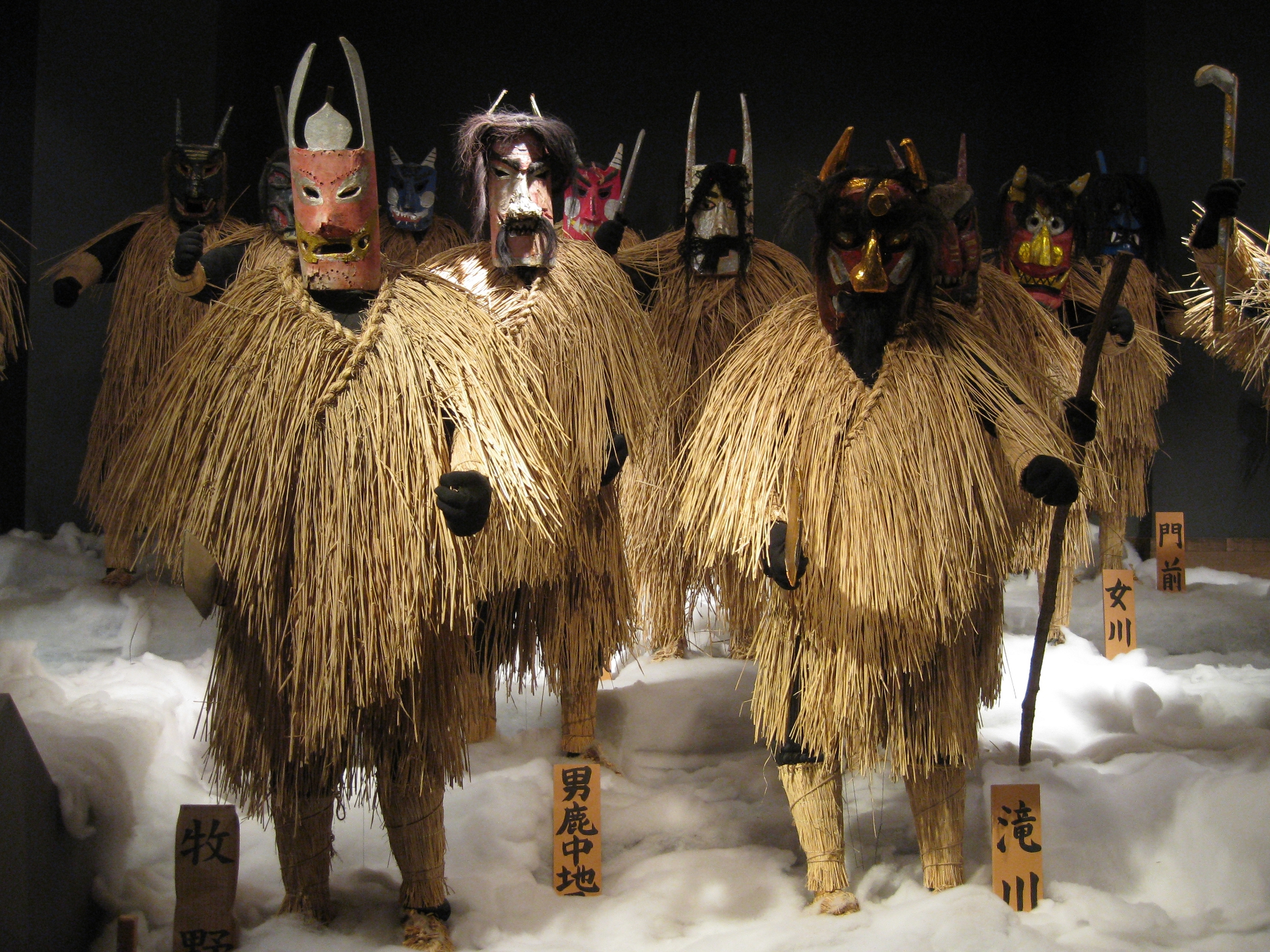
Namahage
8.7 km · straight line
 whiz0520 / CC BY 3.0
Culture · Akita★★
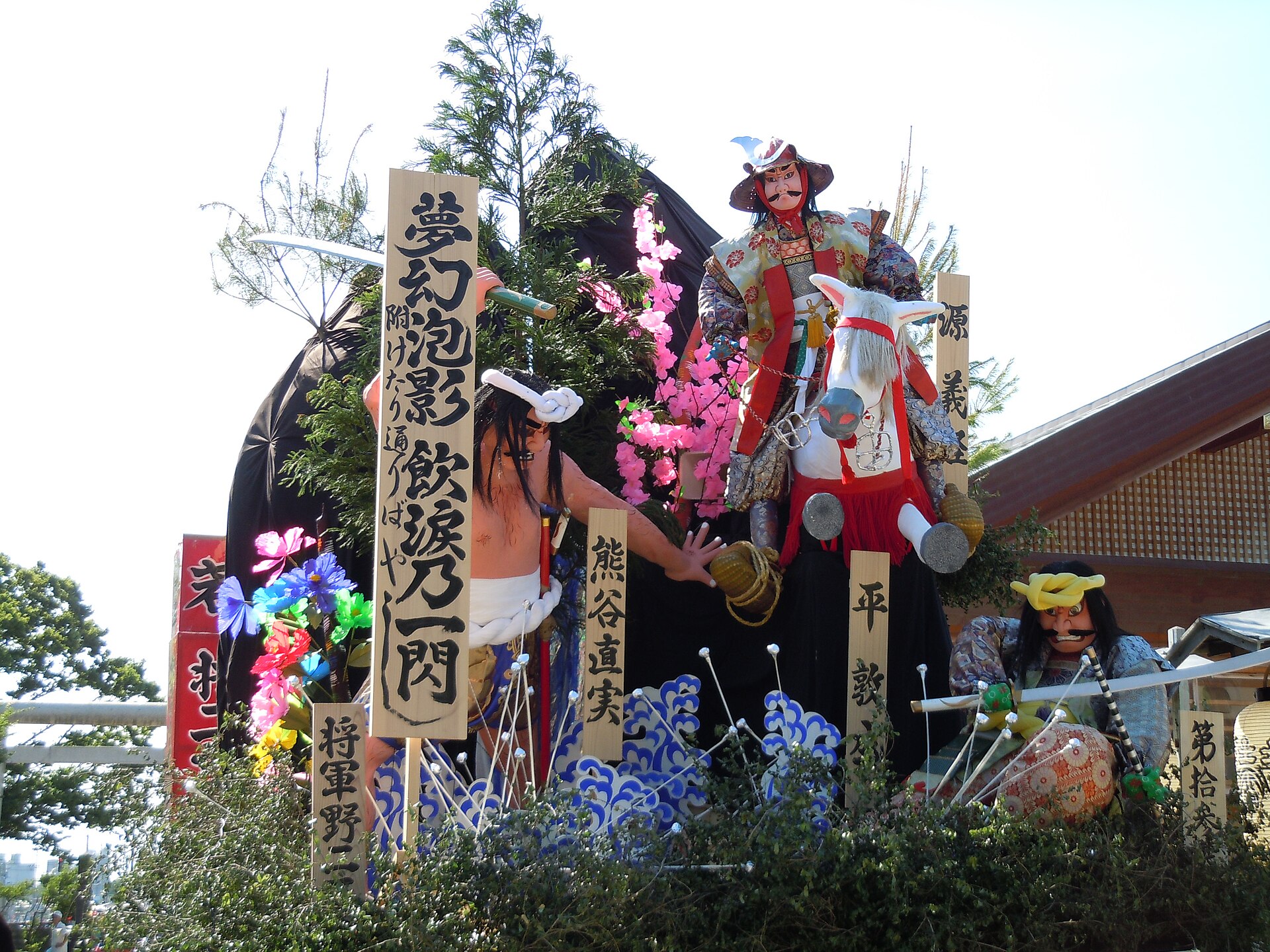
Tsuchizaki Minato Hikiyama Festival
23.5 km · straight line
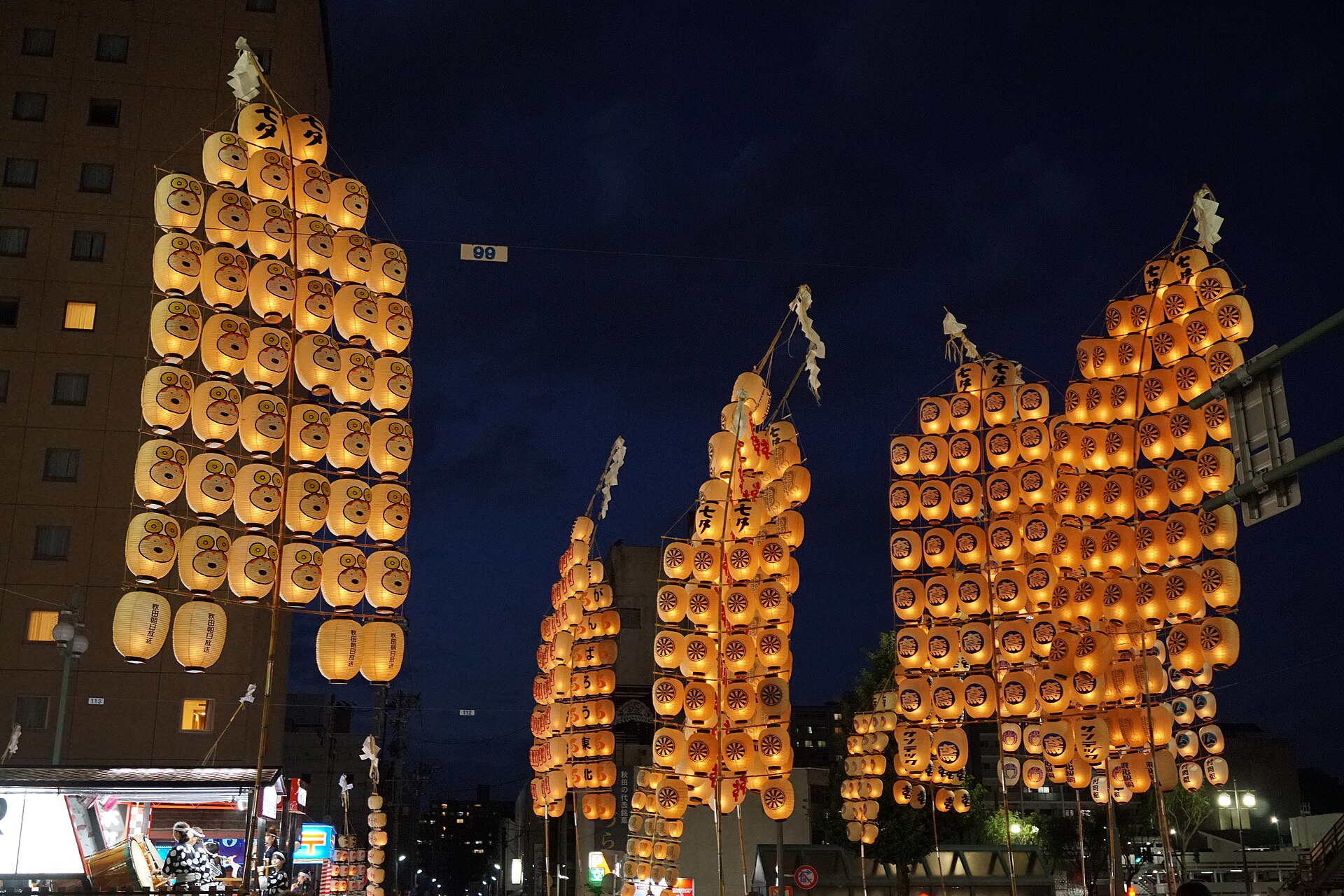 掬茶 / CC BY-SA 4.0
Culture · Akita★★★
Akita Kanto Festival
29.0 km · straight line
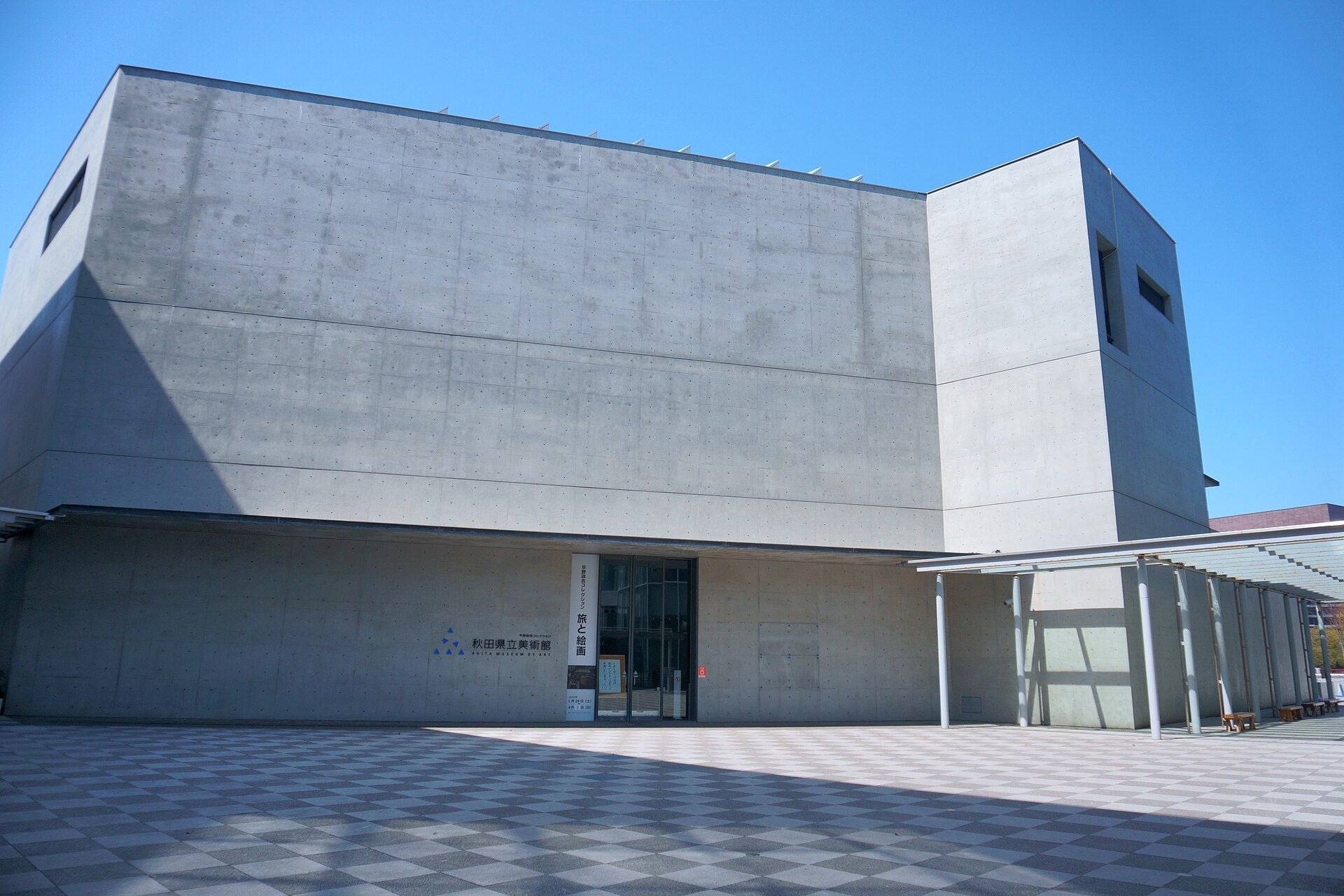 掬茶 / CC BY-SA 4.0
Culture · Akita★★
Akita Museum of Art
29.7 km · straight line
Distances are straight lines on the map, not travel times.