Ibaraki · AjigauraNo.962★★Open in map →
Hoshiimo
— Ibaraki's dried sweet potato and the coast it came from
Dried sweet potato is Ibaraki's winter staple, and the trade started on this coast at the beginning of the last century. At Ajigaura a shrine precinct holds a row of gold torii raised for the men who began it.
- FromKatsuta Station
- ~27 minMinato Line, 1-2 trains an hour
- Get off atAjigaura Station (Hitachinaka Seaside Railway Minato Line)
- On foot
- Hoshiimo
The sweet spot
This is not a hidden corner. The gold torii photograph well and the precinct draws people through the cold months. What the place gives you is position: you are standing on the strip of coast the whole trade came from, next to a memorial to one of the men who started it. Knowing that changes how the bagged snack reads.
Where it is
13 more notes in Ibaraki · open the map →What to look for — in walking order
- Ajigaura Stationthe Minato Line's last stop, its platform longer than the trains that use it
- Approach to Horide Shrinea stone torii and a name post standing under old evergreens
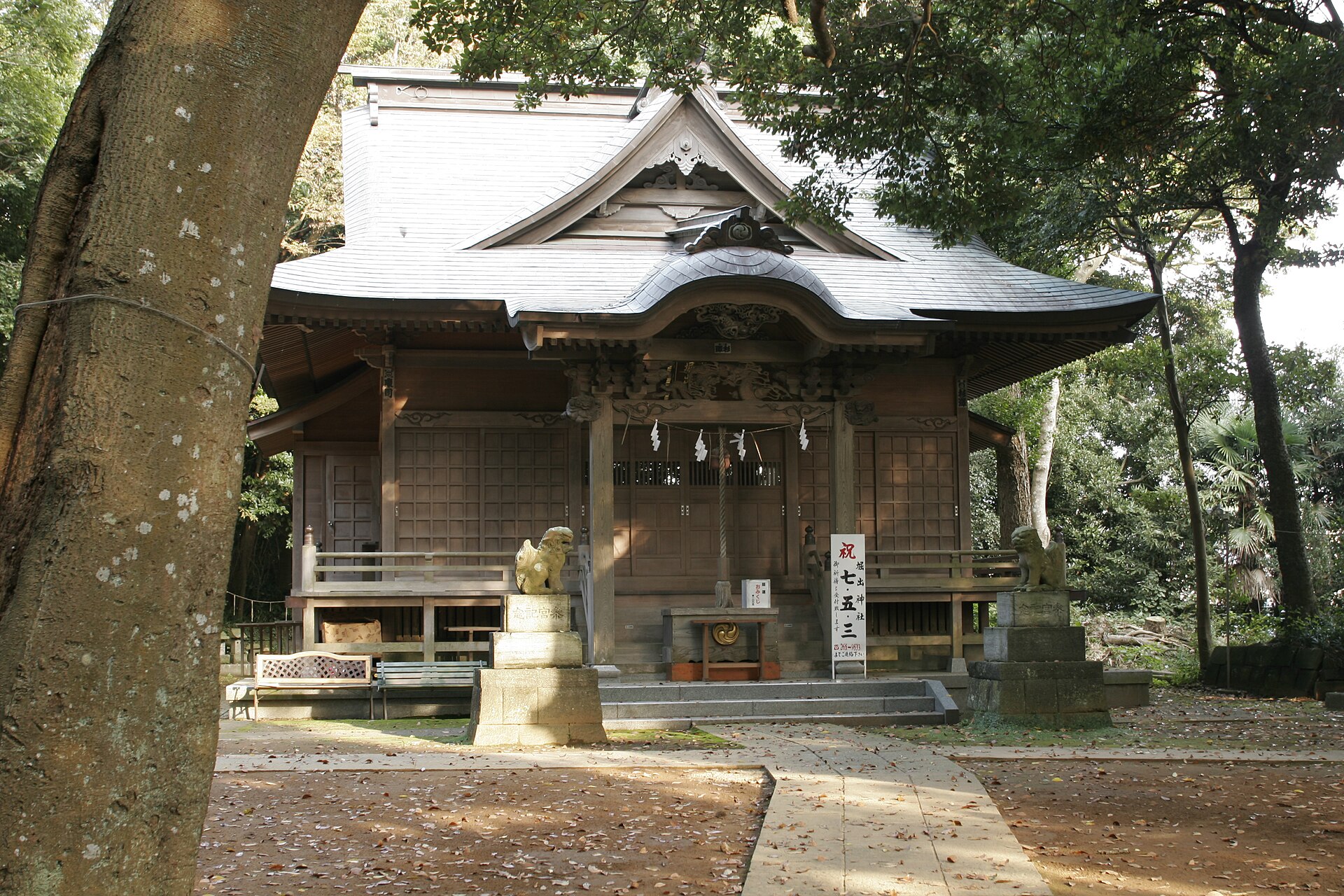
- Horide Shrinethe wooden hall at the end of the path, with a pair of stone guardian dogs
- Hoshiimo Shrinea row of gold-painted torii and a small hall inside the same precinct
- Bust of Koike Kichibeia memorial to the Ajigaura man who started making dried sweet potato
How to actually get there
- Katsuta Station → Ajigaura Station (Hitachinaka Seaside Railway Minato Line, about 27 minutes to the last stop).
- Ajigaura Station → the approach to Horide Shrine (a short walk east, under trees).
- Through the precinct to the wooden hall, then across to the gold torii of Hoshiimo Shrine.
- Beside that hall, find the bust of Koike Kichibei, the Ajigaura man who began the trade.
- Minato Line from Katsuta Station
- Katsuta is on the JR Joban Line and limited expresses from Tokyo stop there. Change to the Hitachinaka Seaside Railway and ride the Minato Line to its last stop, Ajigaura — about 27 minutes on the operator's timetable, with roughly one to two trains an hour through the day.
- Back from Ajigaura Station
- The same line runs to Katsuta and its JR connections. Services thin out in the evening, so read the platform timetable before you settle in anywhere.
About the place
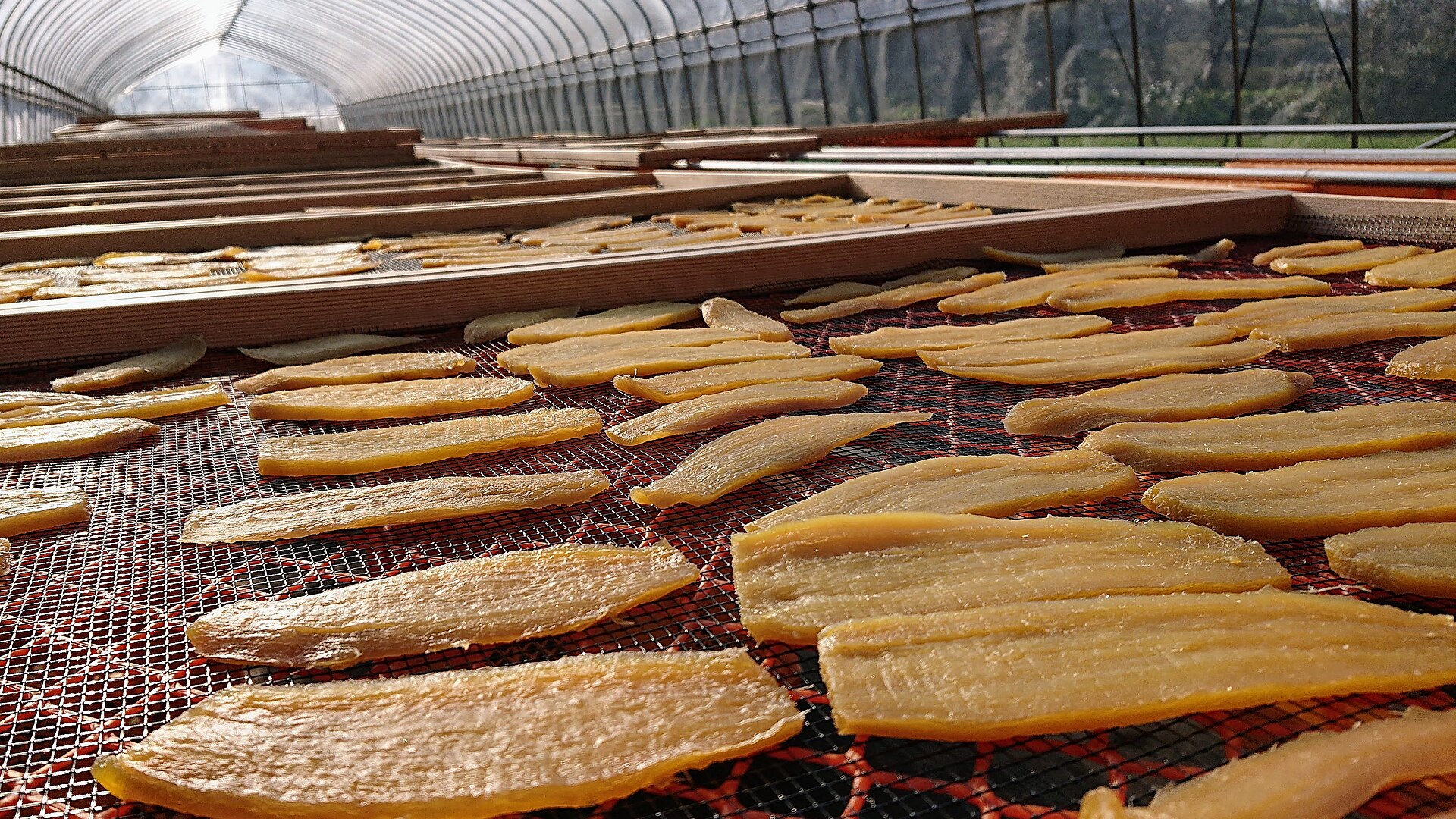
About 90 percent of Japan's hoshiimo is made in Ibaraki, and nearly all of that comes from one narrow band of coast: Hitachinaka, Tokai and Naka. The reason is local. Clear days run long here through the cold months, the wind off the Pacific carries salt, and the soil is a light volcanic loam that drains quickly. Steamed sweet potatoes are sliced and left on racks in the open air until the starch turns sweet. Flat sheets are called hiraboshi, whole roots dried without slicing are maruboshi, and small cut pieces are kakugiri. Ajigaura sits at the end of the Minato Line, in the middle of that band.
How to enjoy it
Hoshiimo is a winter food, and the prefecture marks January 10 as its day. Come in that season and shops across the city carry the year's new batch. Hitachinaka City posts its selling fairs and judging events on its own site, so look there before you fix a date.
Background & history
The method came from Shizuoka, where growers had already worked out how to steam and dry sweet potatoes. In 1908 two men on this coast took it up — a rice-cracker maker in the port town of Nakaminato and a merchant in Ajigaura — and production spread across the prefecture from there. Horide Shrine, which stands on this ground, dates from the 17th century and takes its name from objects dug out of the earth nearby; Tokugawa Mitsukuni of Mito gave it its sacred mirror. In 2019 a second, smaller shrine went up inside the same precinct for hoshiimo.
Before you go
- Cash
- The Minato Line publishes its fares in the operator's fare table. The shrine issues a sticker-style goshuin stamp at its office. Shops selling hoshiimo around the city each set their own payment methods, so carry cash as well.
- Good to know
- Hoshiimo is made in the cold months, and that is when the year's batch reaches the shops. The precinct is outdoors and the wind off the sea is strong in winter. Hours at the shrine office vary, so ask ahead if you want the stamp in person.
- Another way
- By car the nearest exit is the Hitachi Seaside Park interchange on the Higashi-Kanto Expressway, and the shrine keeps a lot for cars and for coaches. Coming from Mito, the change is still at Katsuta, the next station up the JR Joban Line.
- After you get off
- Leave Ajigaura Station and walk east, the way the coast lies. The stone torii and the name post stand under old evergreens, a couple of minutes along.
Nearby notes
 Tatsundo h / CC BY 2.5
Nature · Ibaraki★★★
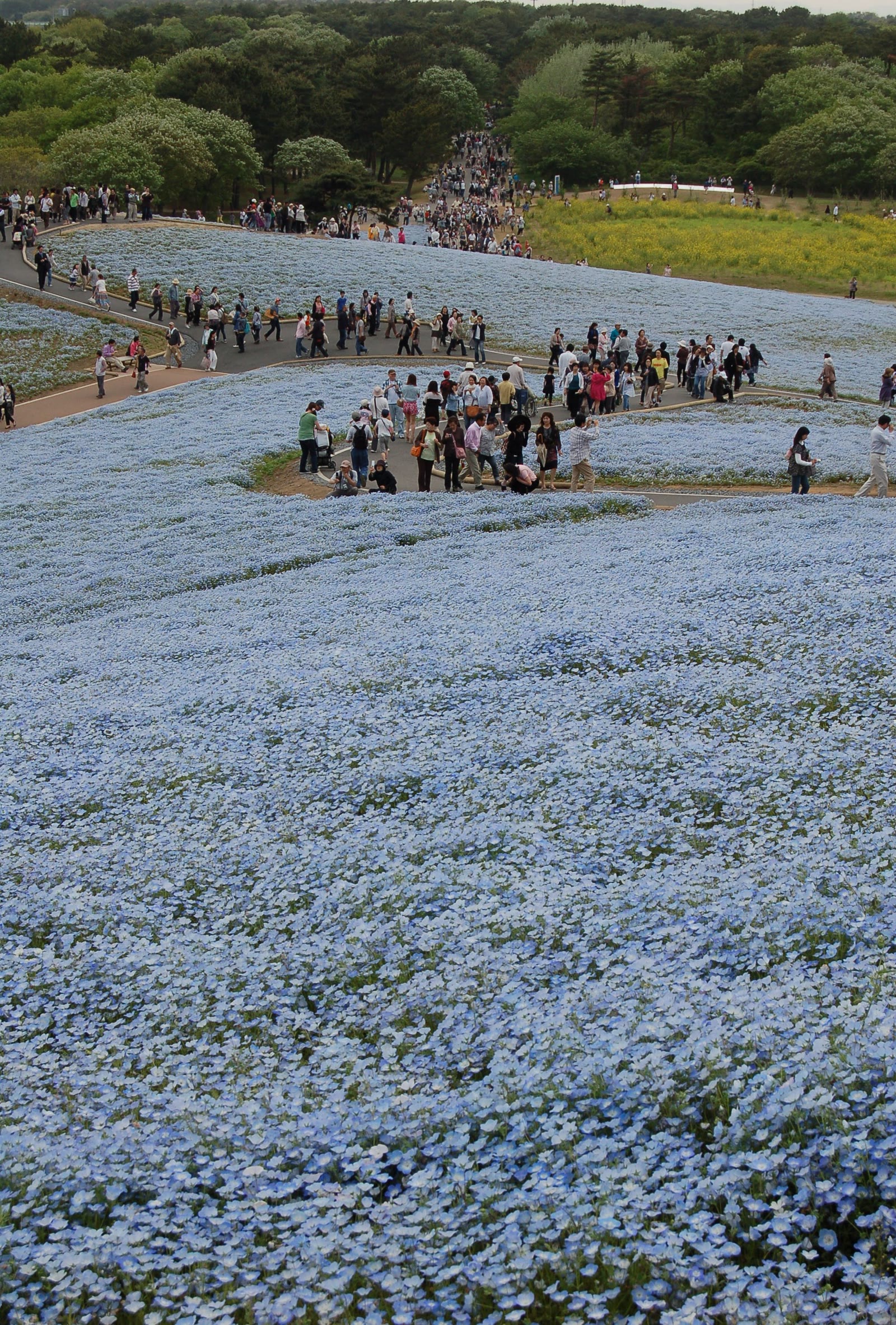
Hitachi Seaside Park
2.8 km · straight line
 Asturio Cantabrio / CC BY-SA 4.0
Food · Ibaraki★★
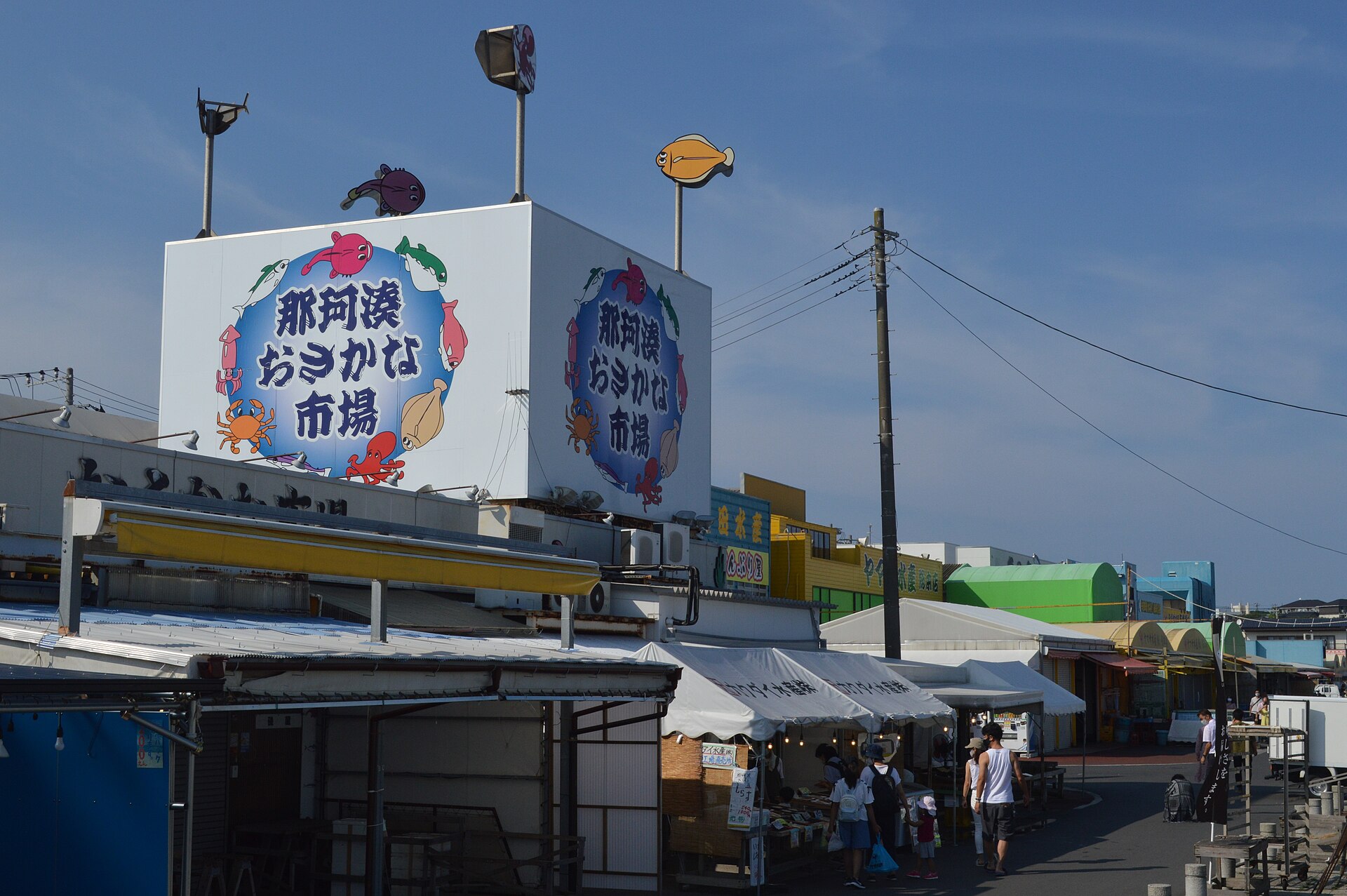
Ankou Nabe
5.1 km · straight line
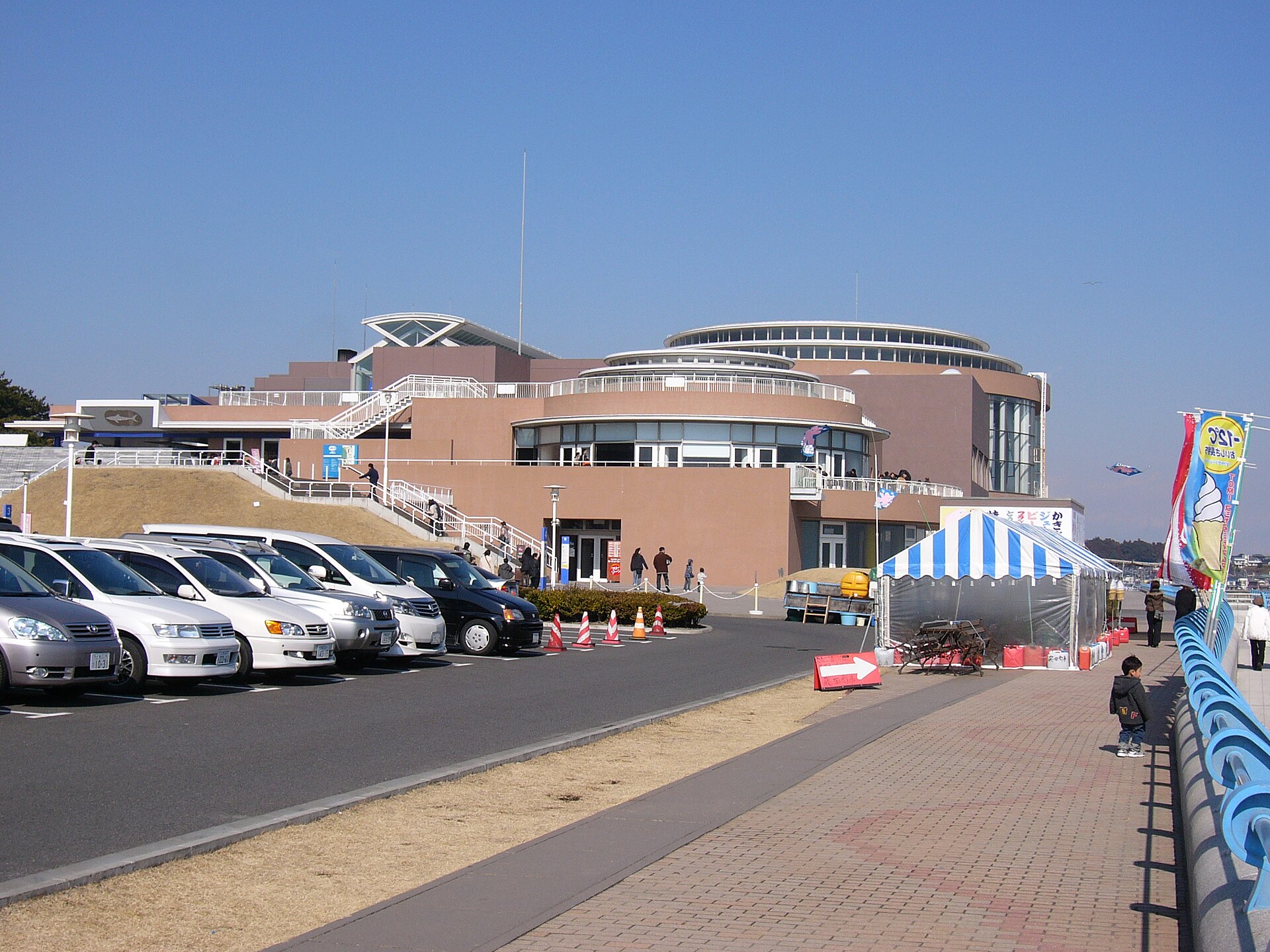 Y440 / CC BY-SA 3.0
Nature · Ibaraki★★
Aqua World Oarai Aquarium
5.8 km · straight line
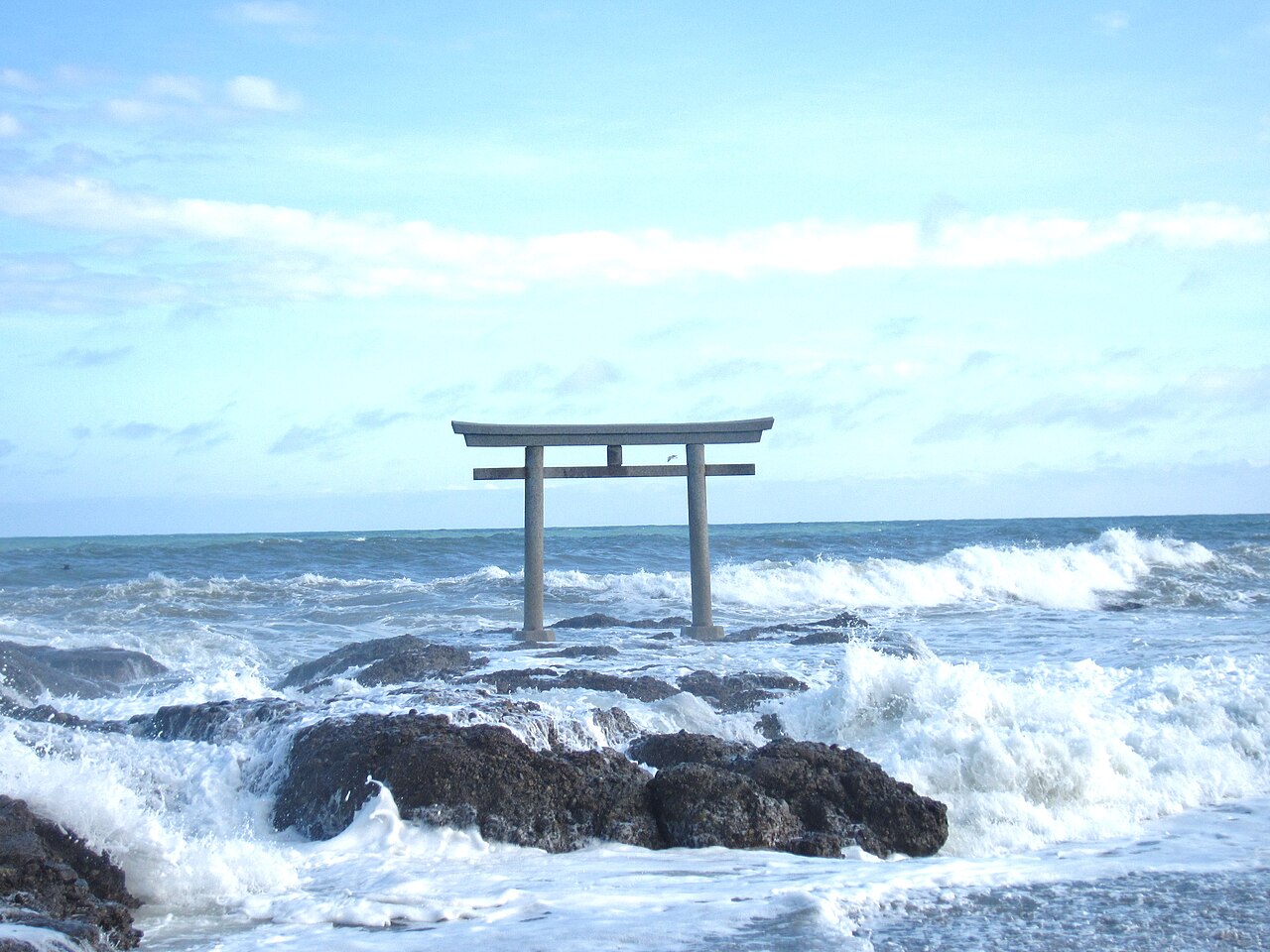 Saigen Jiro / Public domain
History · Ibaraki★★
Kamiiso-no-Torii
7.9 km · straight line
Distances are straight lines on the map, not travel times.