Ibaraki · HitachinakaNo.213★★★Open in map →
Hitachi Seaside Park
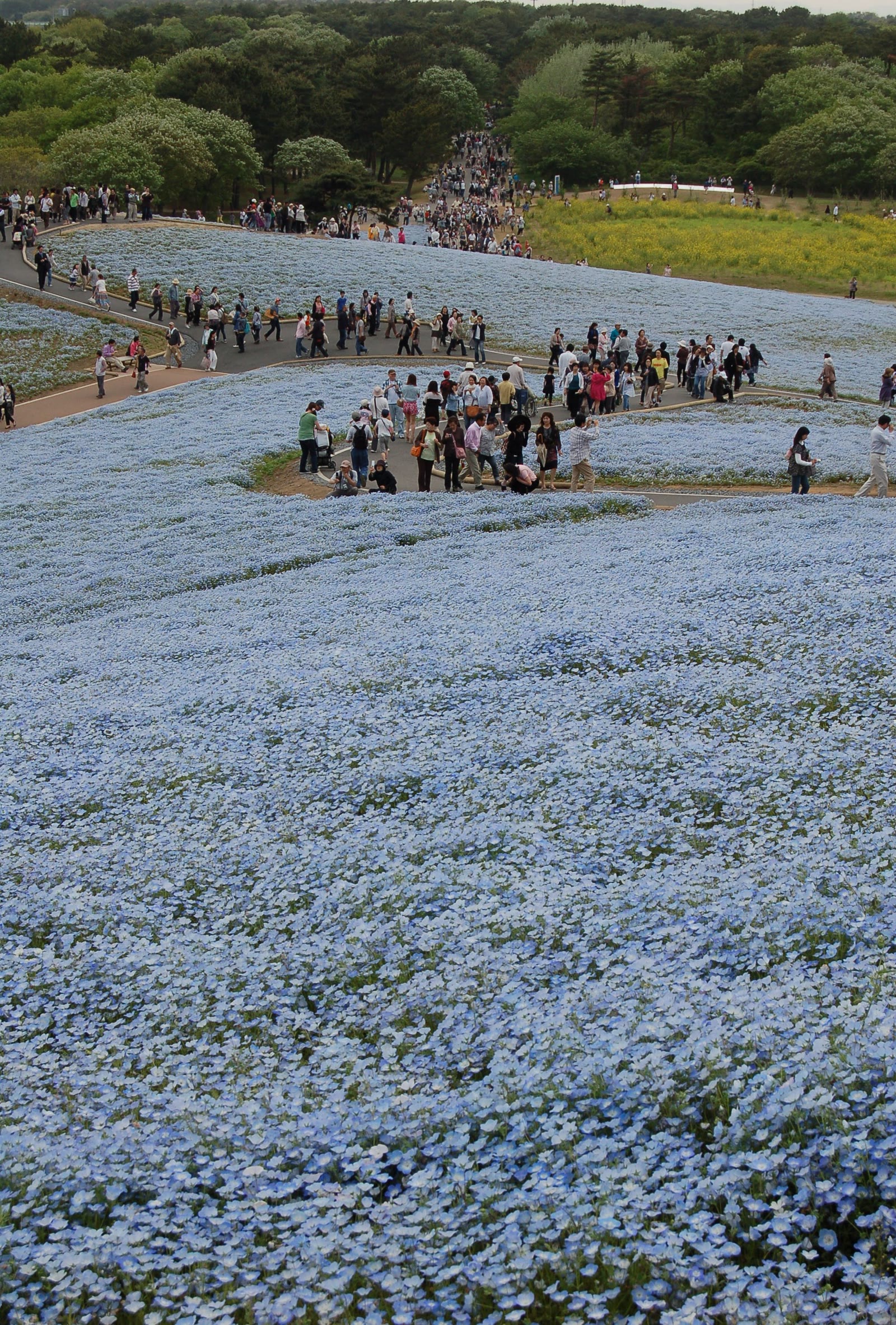
A 350-hectare national government park in Hitachinaka City, Ibaraki Prefecture, on the Pacific coast. Its Miharashi Hill is planted with roughly 5.3 million nemophila (baby-blue-eyes) flowers that turn the slope a solid blue from mid-April to early May — and in autumn the same hill shifts to crimson as 30,000 kochia bushes change colour.
- FromTokyo Stn
- ~120 minJR + shuttle bus (timed)
- Get off atKatsuta Station (JR Joban Line) + park shuttle
- From there
- Hitachi Seaside Park
Where it is
13 more notes in Ibaraki · open the map →What to look for — in walking order
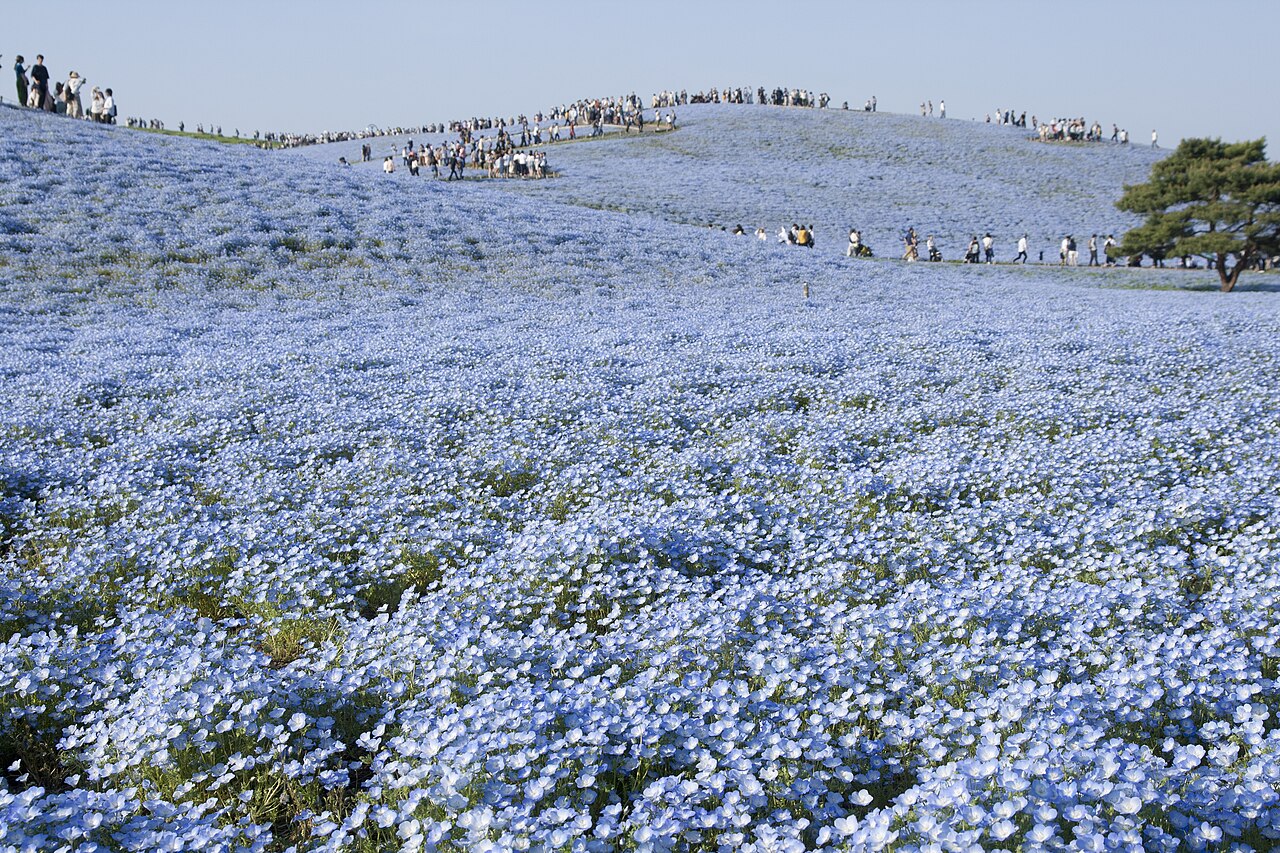
- Miharashi Hill (nemophila season, mid-Apr to early May)the hill blanketed in 5.3 million blue nemophila flowers; the Pacific Ocean is visible beyond
- Miharashi Hill (kochia season, late Sep to late Oct)the same hill, now covered in 30,000 crimson kochia bushes at full autumn colour
- Ferris wheel and cycling pathsa park Ferris wheel and flat cycling routes cover much of the grounds; bikes are available to rent
- Rose garden and tulip fieldsadditional seasonal plantings scattered across the park; tulips bloom in spring alongside the nemophila
How to actually get there
- Tokyo Station → Katsuta Station (JR Joban Line Limited Express 'Hitachi', ~75 min direct). Book or buy the limited-express supplement in advance during peak season.
- Katsuta Station East Exit → Hitachi Seaside Park West Gate or Seaside Gate (Ibaraki Kotsu shuttle bus, ~15 min). Check the bus timetable at hitachikaihin.jp.
- From the park gate, walk or cycle to Miharashi Hill (~10 min on foot from West Gate).
- JR Joban Line from Tokyo + Ibaraki Kotsu shuttle
- Tokyo Station →(JR Joban Line Limited Express 'Hitachi', ~75 min, direct)→ Katsuta Station. At Katsuta Station's East Exit, take the Ibaraki Kotsu bus bound for the park's 'Seaside Gate' or 'West Gate' (~15 min). Buses run in coordination with peak flower season — check the timetable at hitachikaihin.jp before visiting. Total about 90–100 minutes from Tokyo. The Limited Express (特急ひたち) requires a separate limited-express ticket in addition to the base fare; IC cards cover the base fare.
- Return bus from the park to Katsuta, then JR to Tokyo
- Take the return shuttle bus from the park entrance to Katsuta Station, then JR Joban Line Limited Express back to Tokyo. Bus frequency at the park is higher during peak flower season; check the last bus time when you arrive. From Katsuta, Limited Express trains back to Tokyo run until around 20:00.
About the place
Hitachi Seaside Park covers about 350 hectares along the Ibaraki coast north of Tokyo, on former US military land returned to Japan in 1973 and opened as a national government park in 1991. The park has cycling paths, a Ferris wheel, rose gardens, and seasonal plantings across several sections. The centrepiece that has made it internationally known is Miharashi Hill, a gentle hilltop planted entirely with nemophila — a small blue wildflower also called baby-blue-eyes. In peak bloom, roughly mid-April to early May, the hill is covered by an estimated 5.3 million plants, their flowers forming an unbroken blue carpet that merges visually with the sky and the Pacific Ocean beyond. The same hill is replanted each year; in late September to late October the nemophila planting is replaced by kochia (burning bush), about 30,000 rounded shrubs that go bright crimson in autumn. Both seasons have drawn large crowds of visitors from across Japan and internationally.
How to enjoy it
Nemophila peak is roughly 20 April to 5 May — the park posts daily bloom-condition updates on its official website (hitachikaihin.jp). Aim to arrive at opening (9:30) to beat the crowds, which peak from 10:00 onward during Golden Week. From Katsuta Station, take the Ibaraki Kotsu shuttle bus directly to the park's West Gate or Seaside Gate — the bus timetable is on the park site. Cycling is a good way to cover the full 350 hectares; rental bikes are available at the West Gate.
Background & history
The land that became Hitachi Seaside Park was used as a military training ground during the Second World War, first by the Imperial Japanese military and then by US forces after 1945 as part of the Katsuta Air Base. The land was returned to Japan in stages from the 1970s. The national government developed it as a general park; the current Hitachi Seaside Park was opened in 1991. The nemophila mass-planting on Miharashi Hill was developed and expanded over subsequent years into the large-scale seasonal spectacle it is today. The park is managed by the National Government Park Management Office under the Ministry of Land, Infrastructure, Transport and Tourism.
Before you go
- Cash
- Park admission is charged (currently 450 yen for adults on weekdays, 750 yen on weekends during the nemophila season; confirm current fees at hitachikaihin.jp). JR trains accept IC cards (Suica etc.); the limited-express supplement requires a separate ticket (can be purchased in advance or on the Suica app). The shuttle bus is a flat cash fare; have coins ready. Rental bikes in the park are a separate fee.
- Good to know
- The park is closed on most Tuesdays (open on public holidays; confirmed on the park calendar at hitachikaihin.jp). Nemophila peak is roughly mid-April to early May; exact timing varies by year and weather. The park becomes very crowded during Golden Week — arriving before 10:00 is strongly advisable.
- Another way
- From Ueno Station, local JR Joban Line trains reach Katsuta in about 110 minutes without a limited-express ticket — a cheaper option but significantly slower. Some tourists rent a car at Katsuta for more flexibility in touring the park.
- After you get off
- Katsuta Station East Exit: board the Ibaraki Kotsu shuttle bus to the park West Gate or Seaside Gate. Buses run directly; no transfer needed. From the park gates, Miharashi Hill is a short walk (about 10 minutes on foot from the West Gate).
Nearby notes
 ジョンドウ / CC BY-SA 4.0
Food · Ibaraki★★
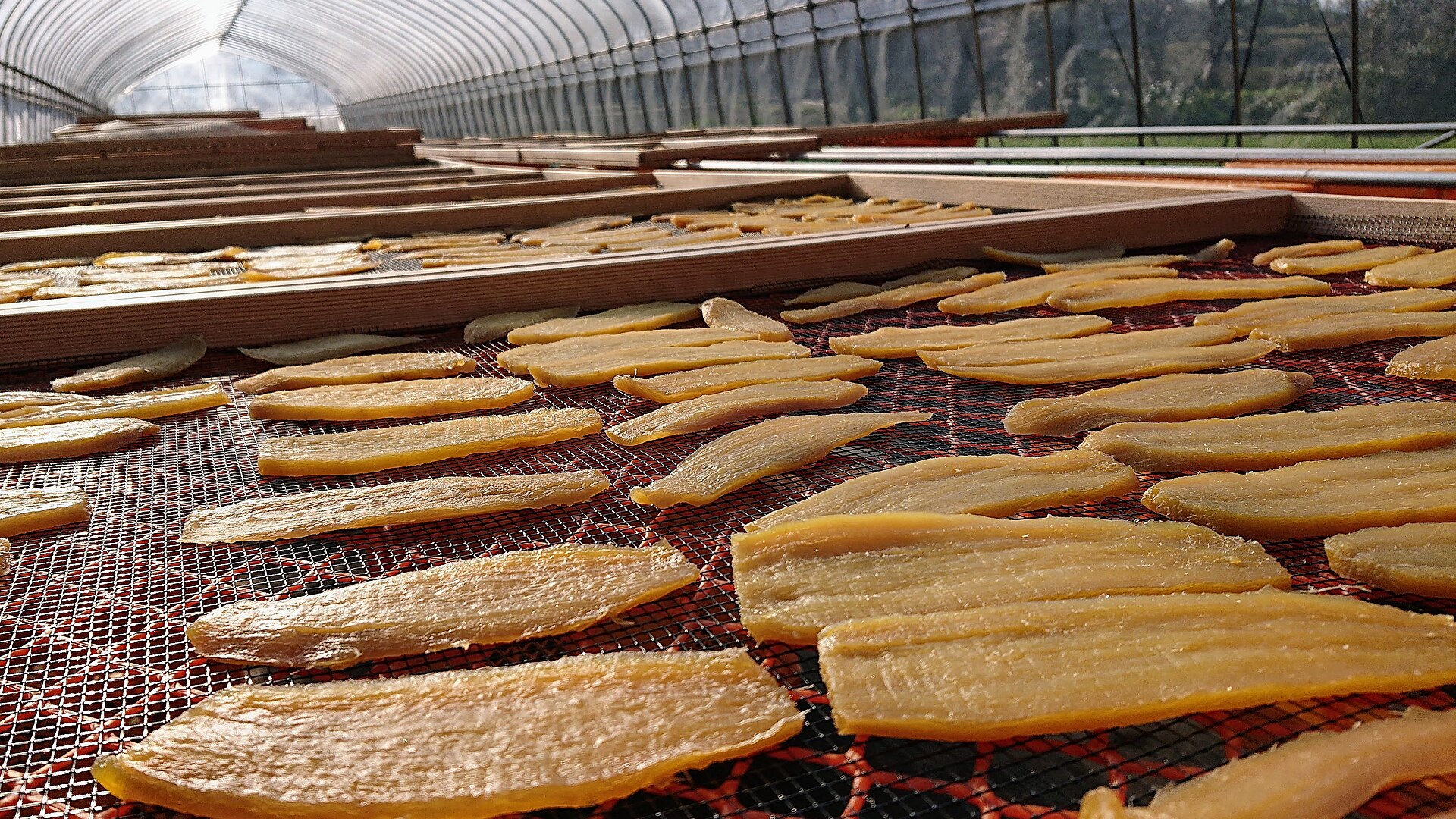
Hoshiimo
2.8 km · straight line
 Asturio Cantabrio / CC BY-SA 4.0
Food · Ibaraki★★
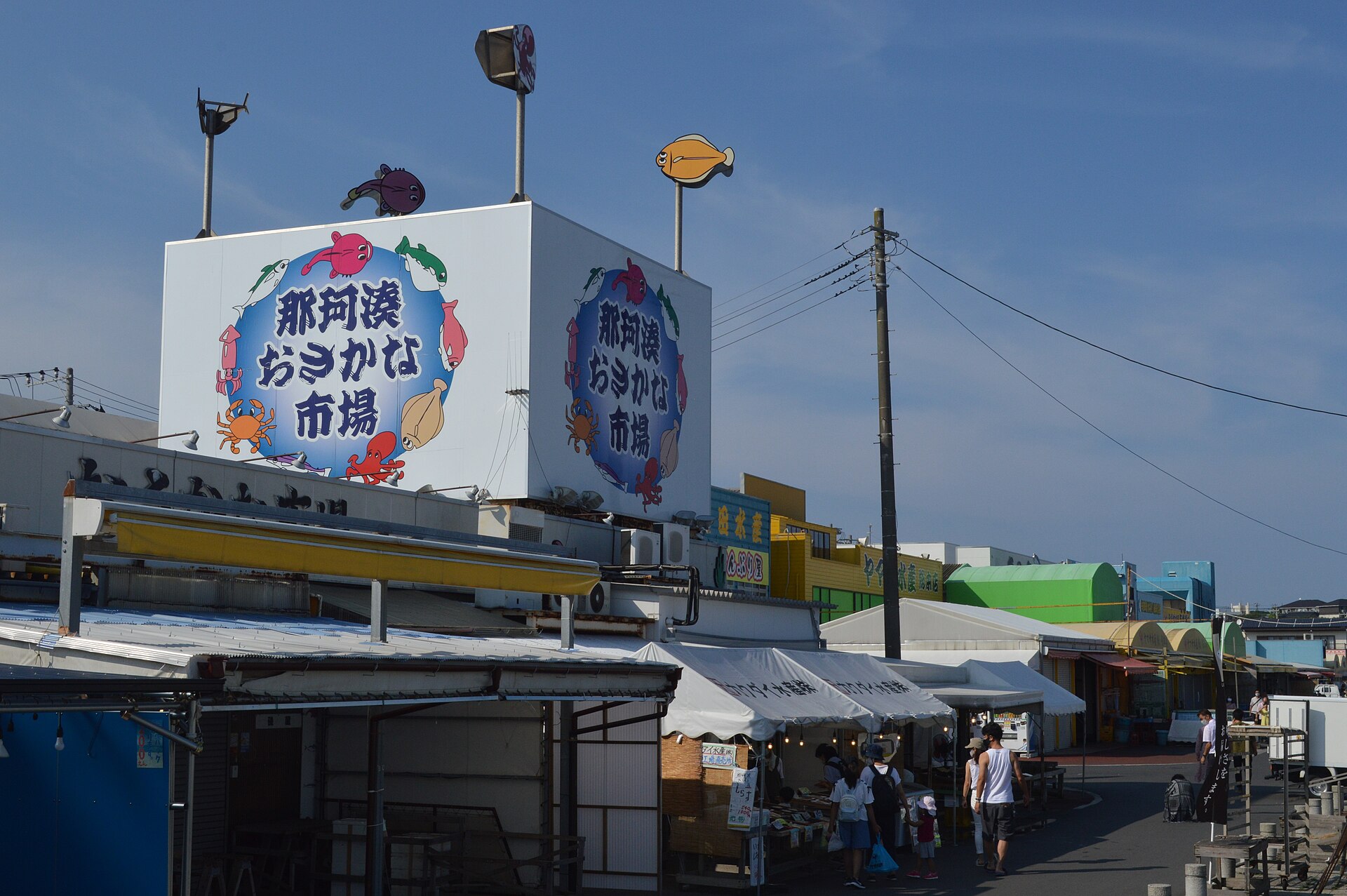
Ankou Nabe
7.4 km · straight line
 Y440 / CC BY-SA 3.0
Nature · Ibaraki★★
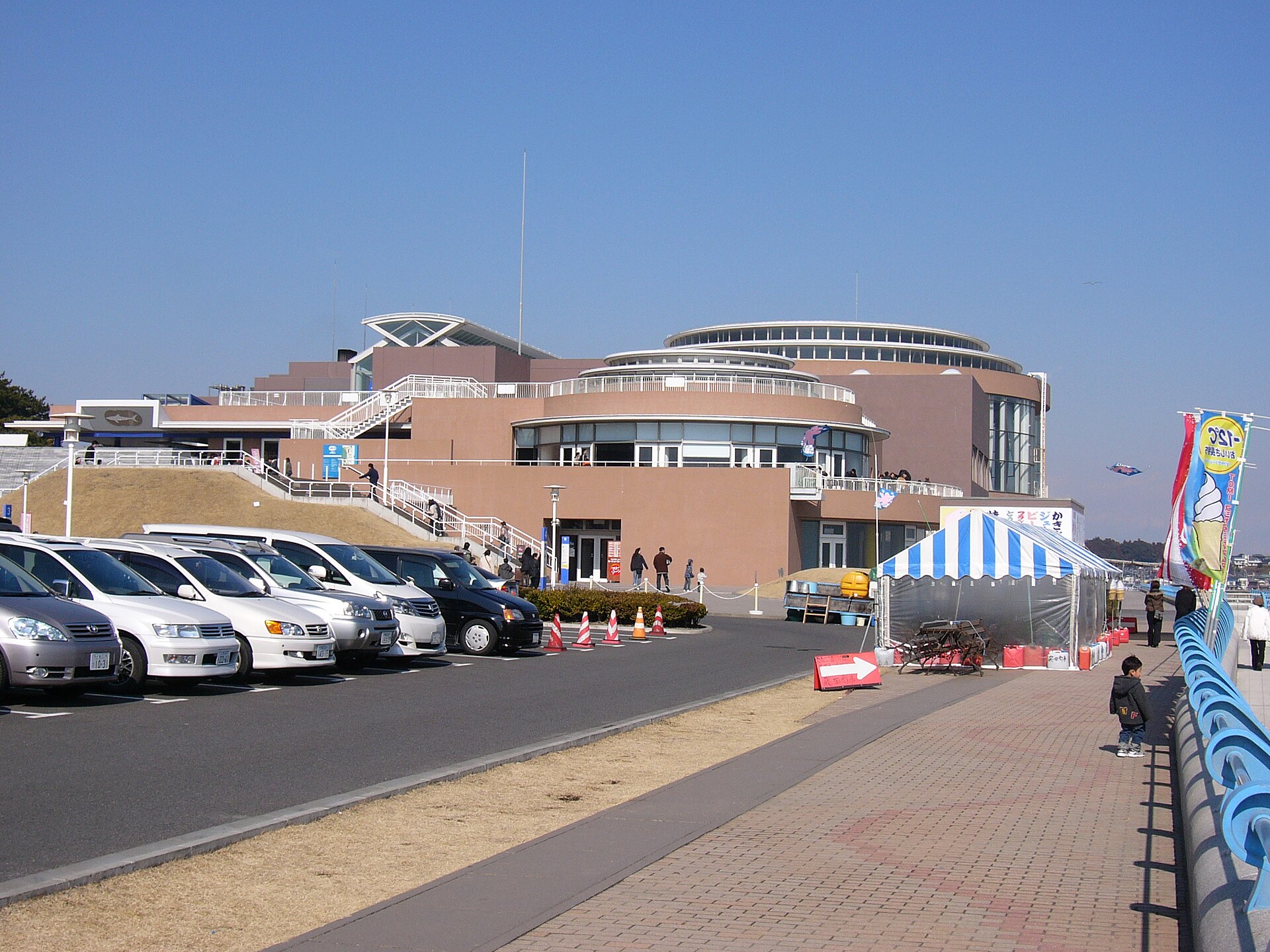
Aqua World Oarai Aquarium
8.1 km · straight line
 Saigen Jiro / Public domain
History · Ibaraki★★
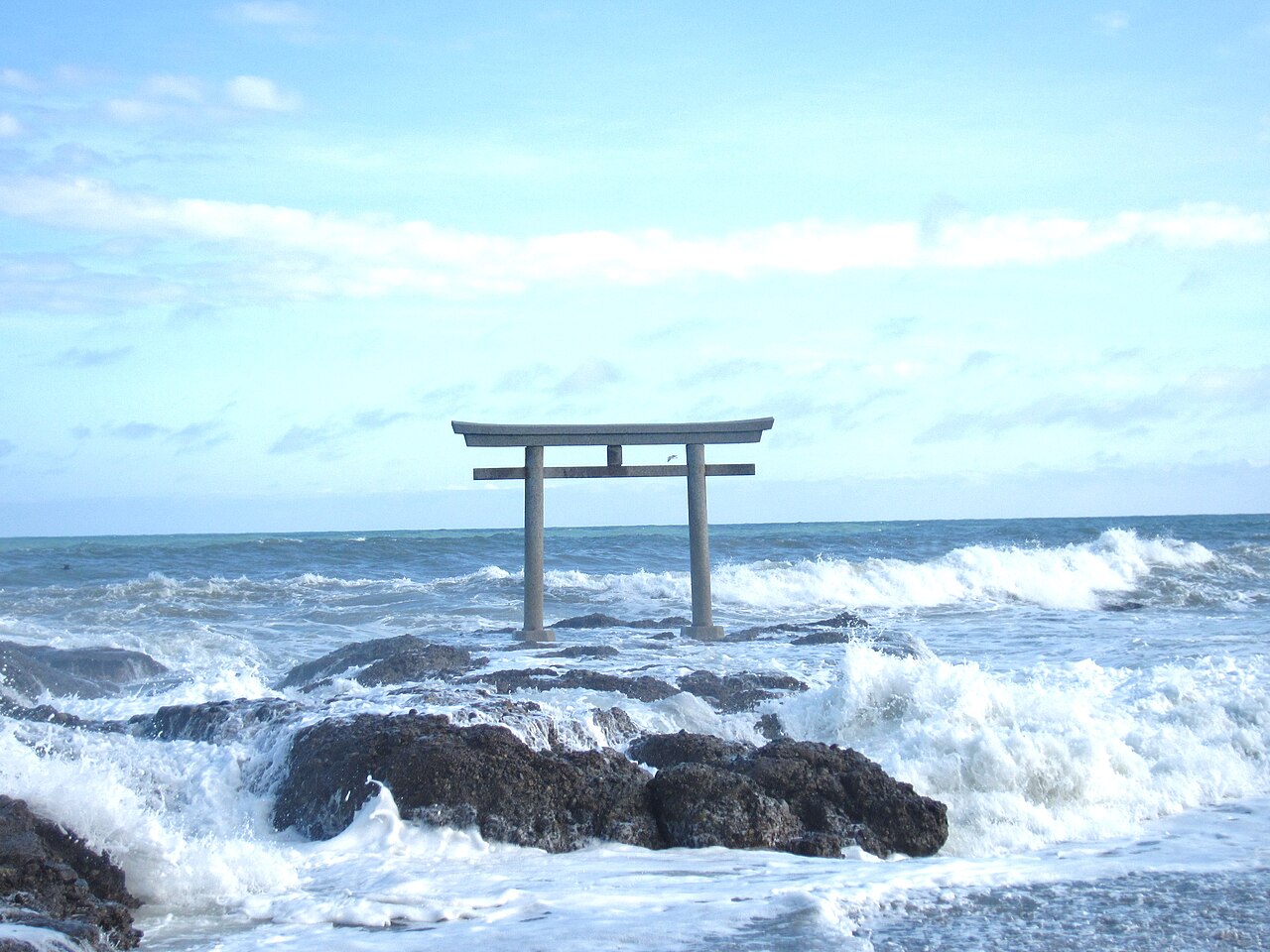
Kamiiso-no-Torii
10.2 km · straight line
Distances are straight lines on the map, not travel times.