Ibaraki · OaraiNo.370★★Open in map →
Kamiiso-no-Torii
— a gate standing where the waves break
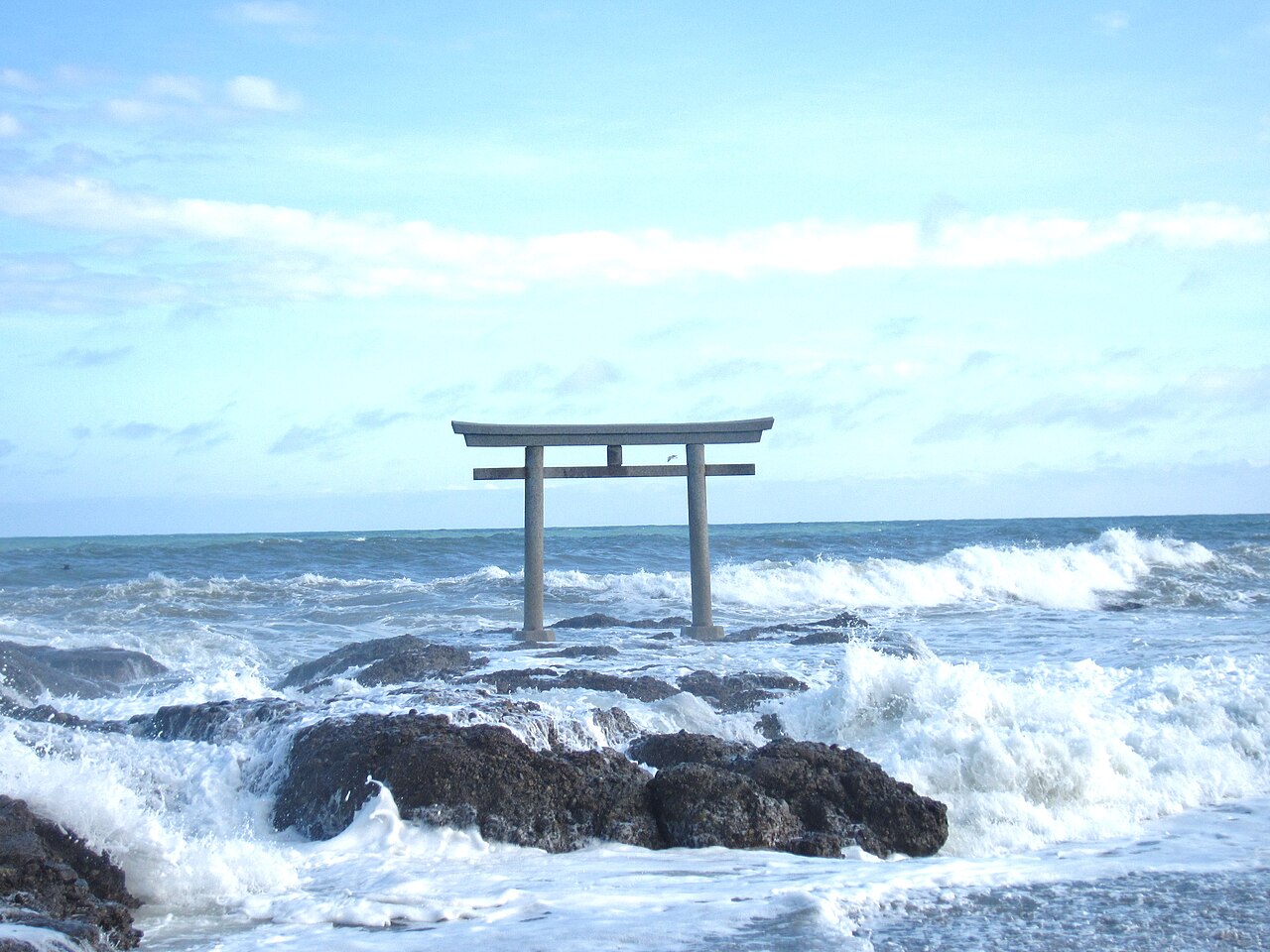
A shrine on the Pacific coast of Ibaraki, founded in 856 by tradition. Its symbol is the Kamiiso torii, a gate standing on a wave-washed reef below the shrine, positioned so that the sun rises directly through it.
- FromTokyo Stn
- ~2 hr 15 minsunrise through the torii
- Get off atOarai Station (Kashima Rinkai Railway)
- From there
- Kamiiso-no-Torii
The sweet spot
Foreign itineraries out of Tokyo run west and south — Hakone, Fuji, Kamakura — and almost never go north-east to the Pacific coast, so Ibaraki stays invisible despite being two hours away. This is also the rare Japanese sight built around sunrise rather than sunset or cherry blossom, which means it works in the dead of winter, when the air is clearest and the coast is empty.
Where it is
13 more notes in Ibaraki · open the map →What to look for — in walking order
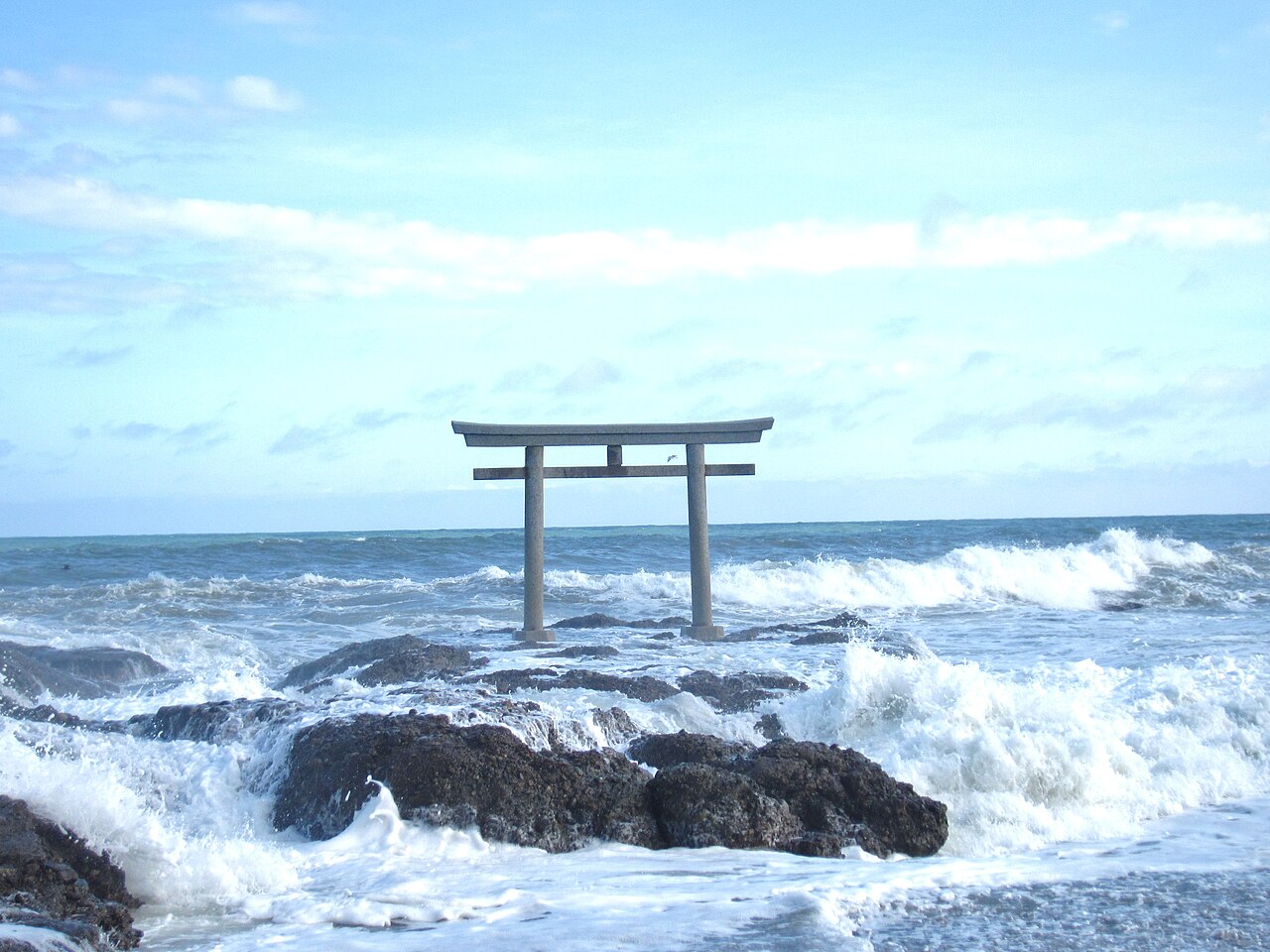
- Kamiiso toriithe gate on the reef below the shrine, marking where the deities are said to have landed — the sun rises through it
- The stone approach and gate housea steep flight of steps up the bluff to the vermilion zuishinmon, with the Pacific opening up behind you as you climb
- The Edo-period main hallrebuilt under the Mito Tokugawa lords and designated a prefectural cultural property, quiet compared to the rocks below
- The coast road belowthe shoreline in both directions is open rock and surf, and the light on it changes completely within the first hour of the day
How to actually get there
- Tokyo Station → Mito Station (JR Joban Line Limited Express 'Tokiwa', ~1 hr 10 min).
- Mito Station → Oarai Station (Kashima Rinkai Railway, ~15 min).
- Oarai Station → Oarai Isosaki Jinja-shita (Kaiyu-go loop bus, ~16 min), then a short walk.
- View the Kamiiso torii from the seawall first, then climb the stone steps to the shrine.
- Limited express to Mito, then the Rinkai line
- Tokyo Station →(JR Joban Line Limited Express 'Tokiwa', ~1 hr 10 min)→ Mito Station →(Kashima Rinkai Railway Oarai-Kashima Line, ~15 min)→ Oarai Station. From Oarai Station take the Kaiyu-go loop bus about 16 minutes to the Oarai Isosaki Jinja-shita stop, then a short walk. Walking from the station takes around 30 minutes.
- Same route in reverse
- Oarai Isosaki Jinja-shita → Oarai Station (Kaiyu-go loop bus, ~16 min) →(Kashima Rinkai Railway, ~15 min)→ Mito Station →(JR Joban Line Limited Express toward Shinagawa, ~1 hr 10 min)→ Tokyo Station. The loop bus does not run early in the morning, so a pre-dawn visit means a taxi from Oarai Station or an overnight stay nearby.
About the place
The shrine sits on a low bluff above the Pacific in Oarai, and the thing everyone comes for is not on the shrine grounds at all. Below the approach, out where the surf breaks, a reef of black rock holds a single torii gate. This is Kamiiso — the sacred rocks — and the shrine's own record places the arrival of its deities here in the twelfth month of 856, when Onamuchi-no-Mikoto and Sukunahikona-no-Mikoto were said to have descended onto the reef. The gate marks the landing point rather than an entrance to anything, which is why it stands in the sea with nothing behind it. Facing due east into open ocean, it does the one thing that has made it famous: the sun comes up through the gate. On a clear morning the water goes from black to steel to copper, spray breaks white across the base of the pillars, and for a few minutes the disc sits inside the frame. On New Year's Day priests go down to the rocks to greet the first sunrise of the year in a formal ceremony. Up the stone steps the shrine itself is quiet by comparison — a vermilion gate house and hall on the bluff, with the ocean visible between the trees.
How to enjoy it
This is a sunrise trip or it is only half a trip. The first train from Tokyo will not get you there before dawn, so either stay in Oarai or Mito the night before, or accept a mid-morning visit when the light is flat. Check the sunrise time and the tide: at high water the reef is more dramatic but the safe viewing spots are fewer. Stay on the seawall and the marked areas rather than climbing onto the rocks — waves come over them without warning. New Year's Day is spectacular and extremely crowded; any clear morning in winter gives you the same alignment with almost nobody there.
Background & history
According to the Nihon Montoku Tenno Jitsuroku, an official history of the Heian court, the deities Onamuchi-no-Mikoto and Sukunahikona-no-Mikoto descended at the Kamiiso rocks in the third year of Saiko, 856. The shrine was burned during the wars of the Sengoku period and lay ruined for a long time; its reconstruction was begun by Tokugawa Mitsukuni, the second lord of the Mito domain, and completed under his successor. Mitsukuni is also recorded as having praised the view at Kamiiso. The main hall, worship hall and gate house from that Edo-period rebuilding survive and are designated cultural properties of Ibaraki Prefecture. Oarai itself developed as a fishing and port town on the Pacific coast, and the shrine remains its principal landmark.
Before you go
- Cash
- The shrine is free to enter; goshuin seals and amulets are cash only at the office. IC cards (Suica / PASMO) work on the JR Joban Line, but the Kashima Rinkai Railway is a separate private operator — buy a paper ticket at Mito and carry cash for the loop bus.
- Good to know
- The grounds are open and the rocks are always accessible, but the shrine office keeps daytime hours, so goshuin and amulets need a normal-hours visit. New Year's Day draws very large crowds for the sunrise ceremony and local access is restricted. In rough weather the sea comes over the reef and the lower viewing area may be closed off.
- Another way
- By car it is about 10 minutes from the Oarai interchange on the Kita-Kanto Expressway, with parking beside the shrine — most domestic sunrise visitors drive. From Mito you can also reach Oarai by local bus. Combining with Aqua World Oarai or the ferry terminal makes a full day on the coast.
- After you get off
- From Oarai Station the shrine is east toward the sea. The Kamiiso torii is not inside the grounds: cross the coast road below the stone approach and view it from the seawall. The shrine buildings are at the top of the steps behind you.
Nearby notes
 Y440 / CC BY-SA 3.0
Nature · Ibaraki★★
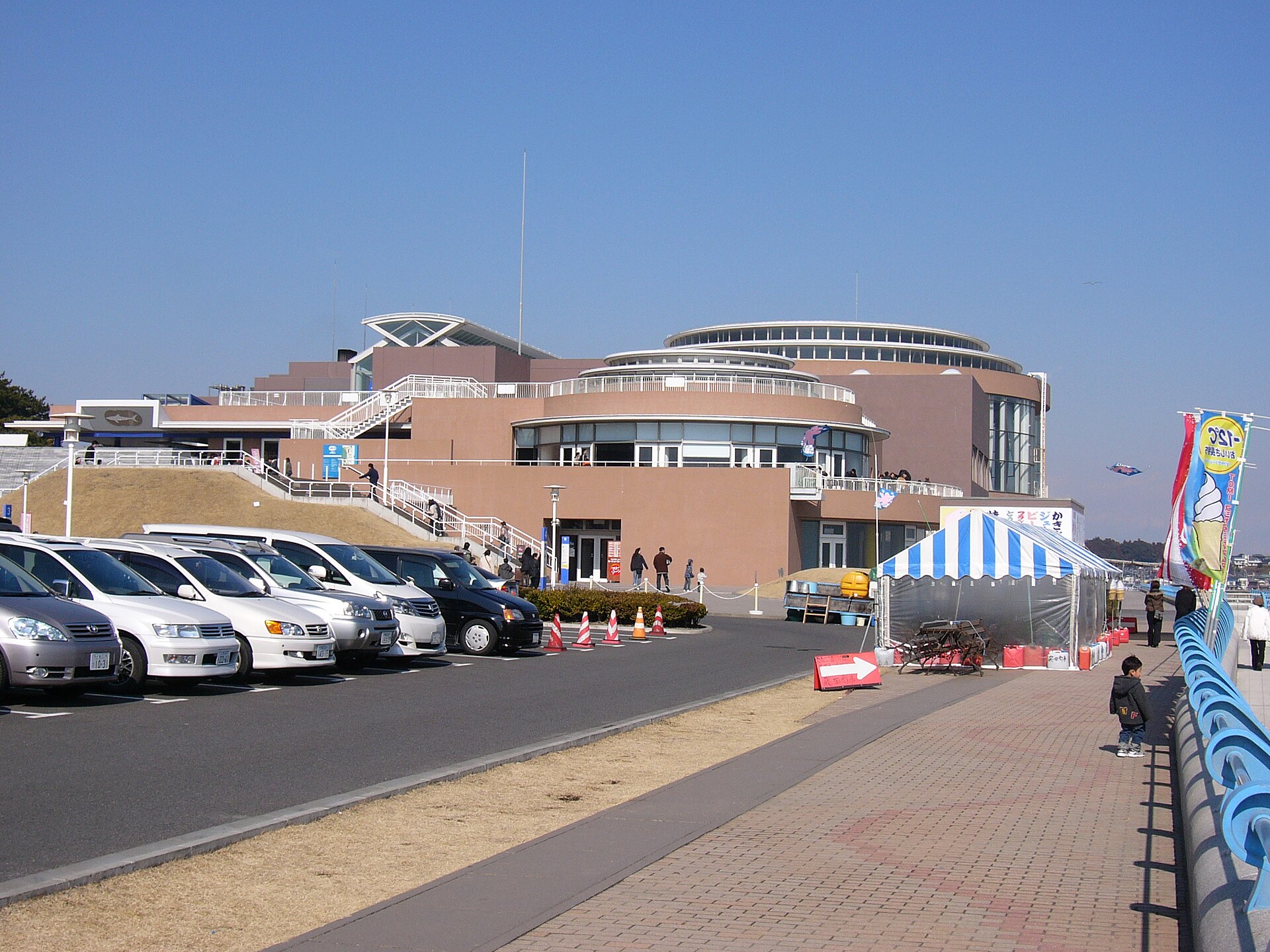
Aqua World Oarai Aquarium
2.1 km · straight line
 Asturio Cantabrio / CC BY-SA 4.0
Food · Ibaraki★★
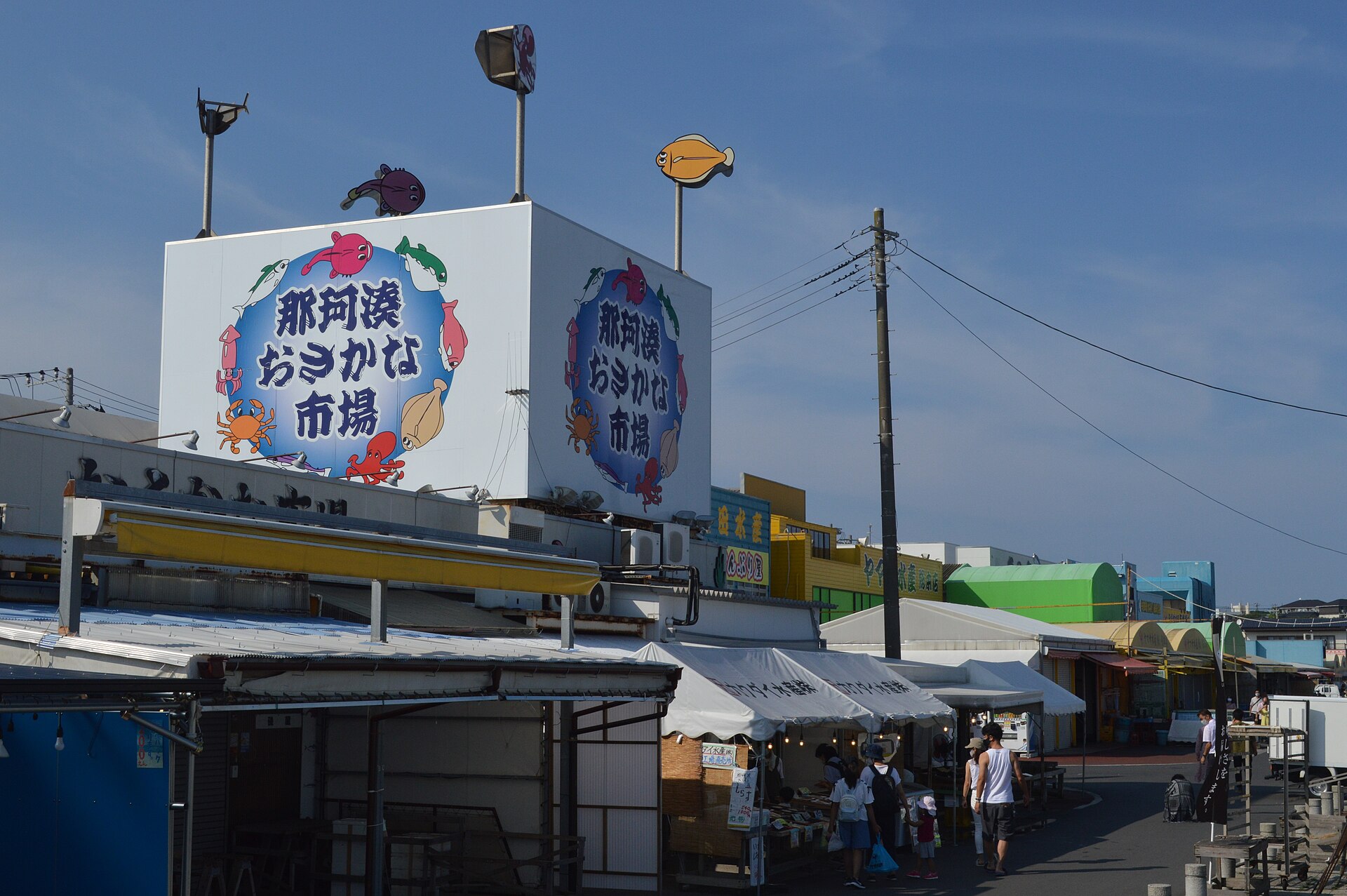
Ankou Nabe
2.8 km · straight line
 ジョンドウ / CC BY-SA 4.0
Food · Ibaraki★★
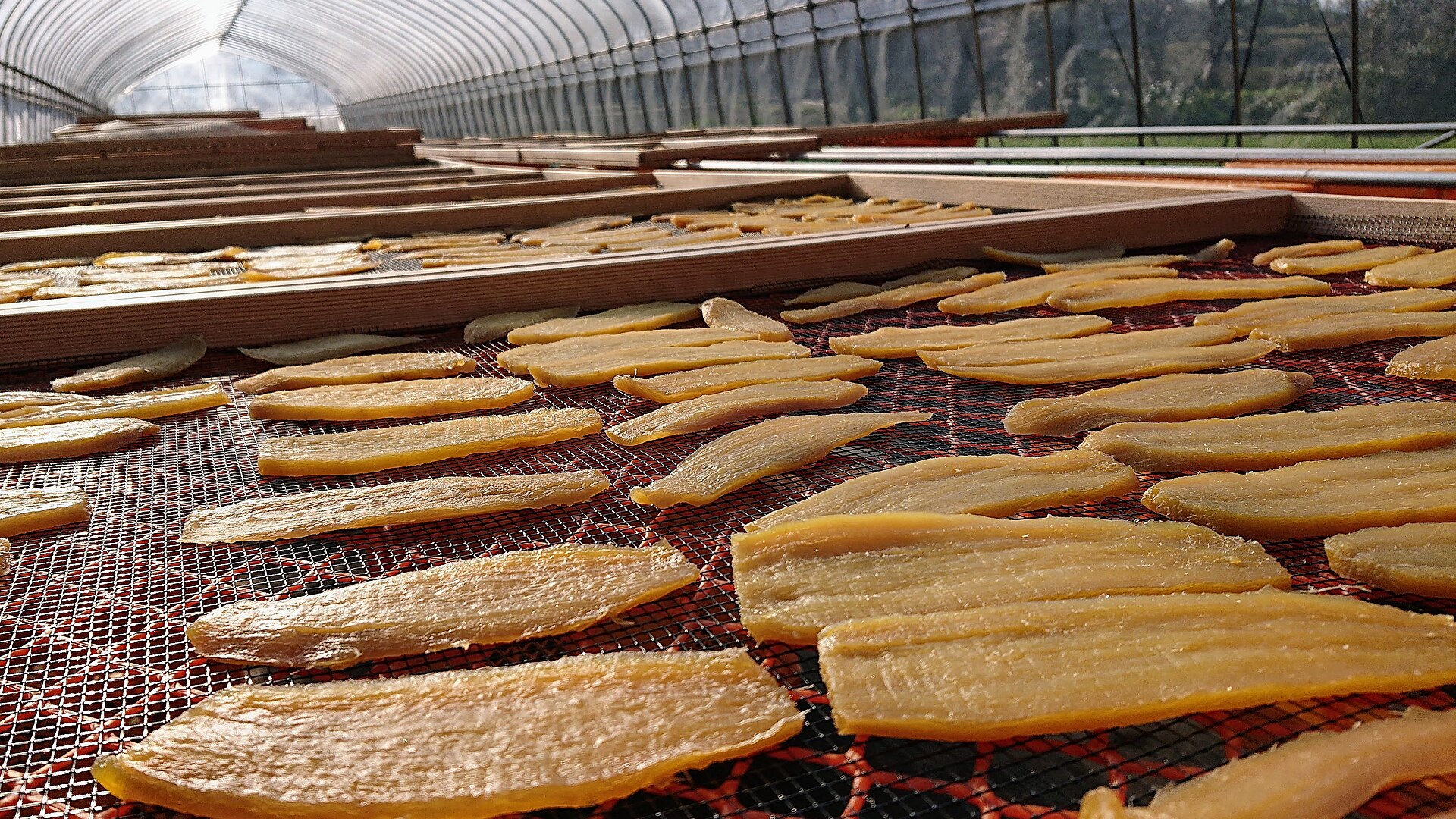
Hoshiimo
7.9 km · straight line
 Tatsundo h / CC BY 2.5
Nature · Ibaraki★★★
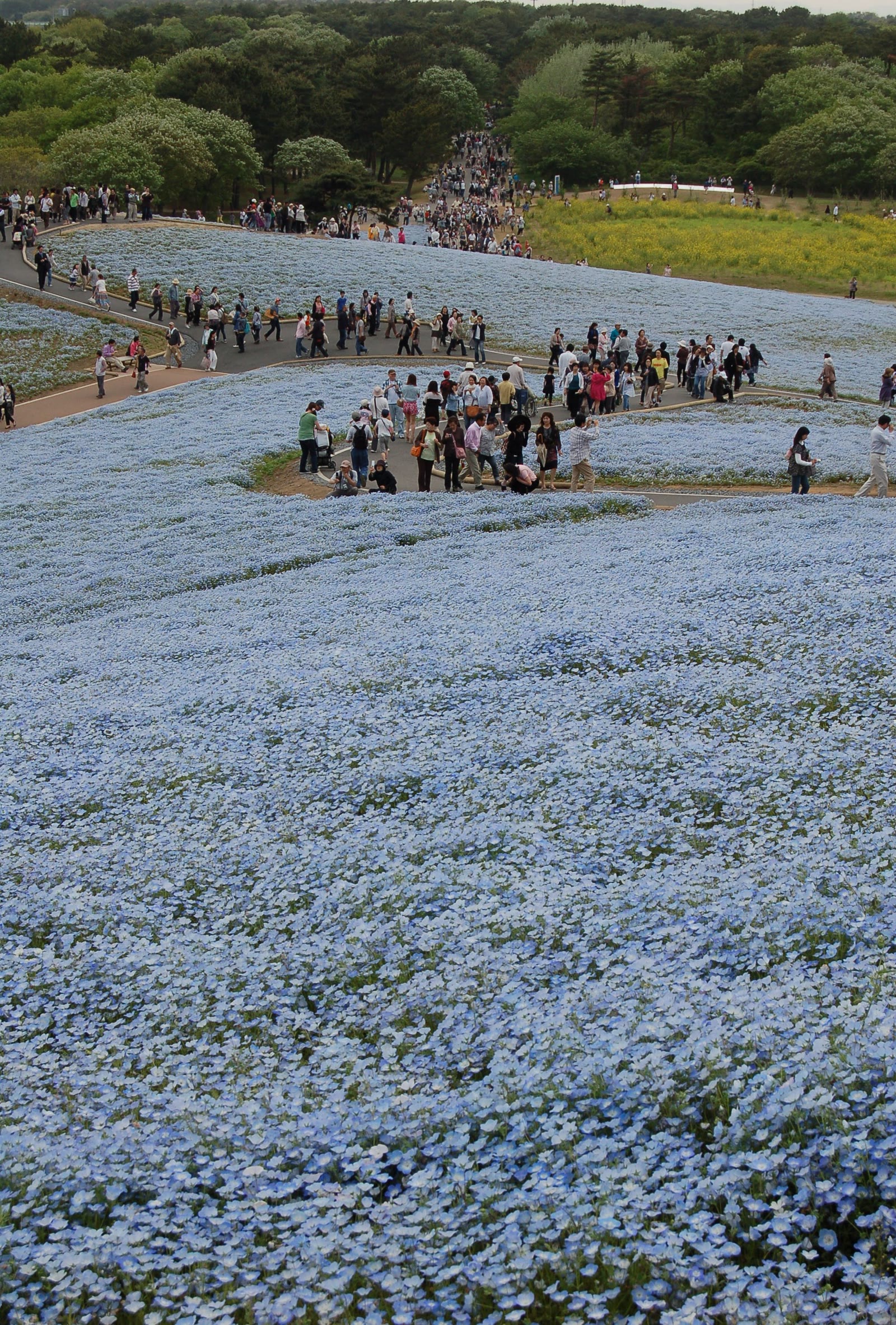
Hitachi Seaside Park
10.2 km · straight line
Distances are straight lines on the map, not travel times.