Tokyo · Chofu / JindaijiNo.151★Open in map →
Jindaiji Soba
— Chofu's temple-gate street of handmade noodles
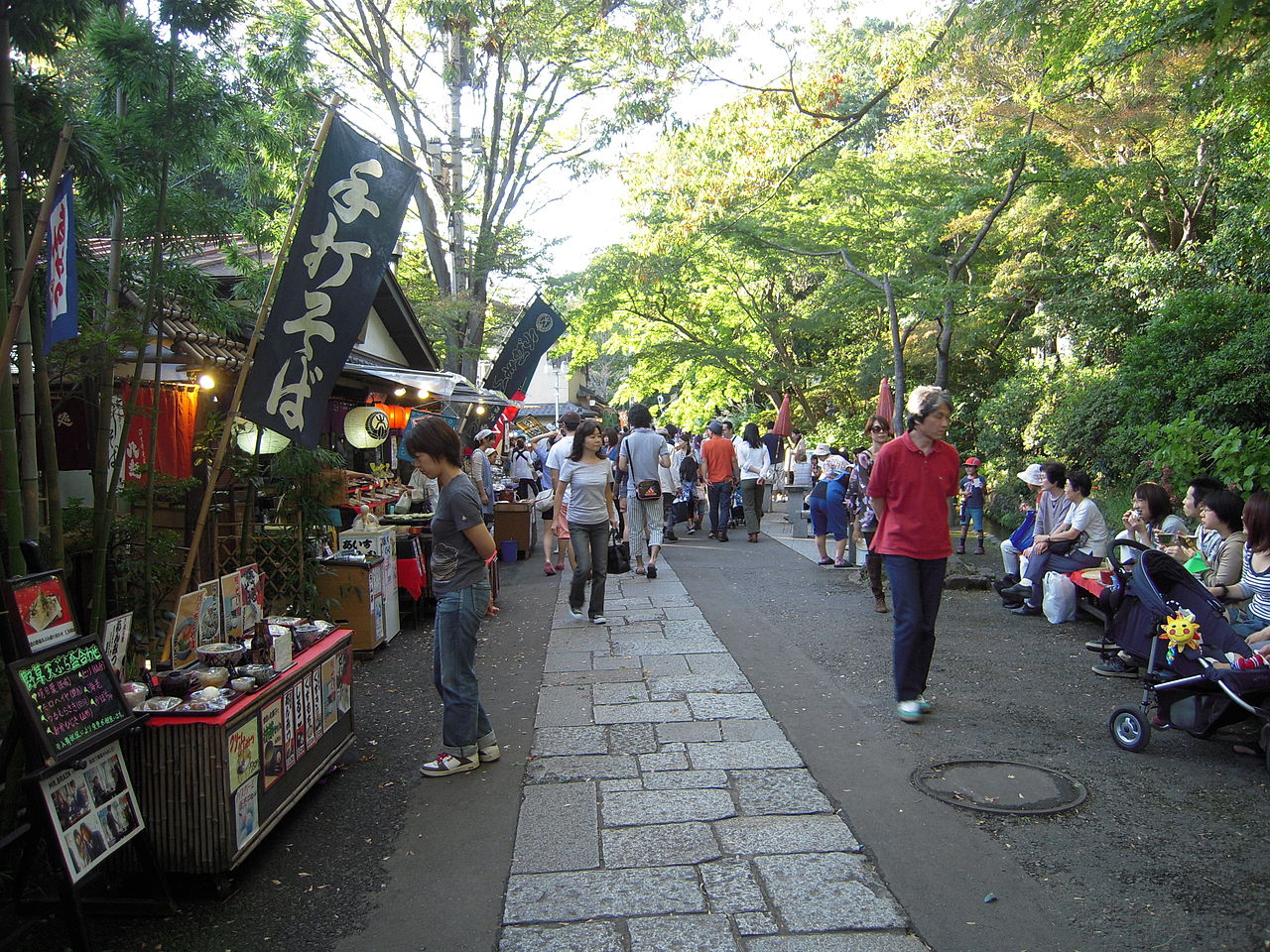
Around twenty handmade soba shops ring the gate of Jindaiji, a temple founded in 733 in western Tokyo. Spring water from the Musashino plateau has been used to make and rinse the noodles for centuries.
- FromShinjuku Stn
- ~35 minfrequent bus from Chofu Stn
- Get off atJindaiji bus stop (Keio Bus Cho-34)
- On foot
- Jindaiji Soba
The sweet spot
This is a residential suburb, not a stop on the usual Tokyo tourist route, so few foreign guides cover it and most visitors are locals. Reaching it needs a train plus a short bus, which keeps day-trip crowds thin on weekdays.
Where it is
77 more notes in Tokyo · open the map →What to look for — in walking order
- Jindaiji bus stop to temple gatethe stone-paved approach from the bus stop to the gate, with soba shops on both sides — about 1–2 minutes on foot
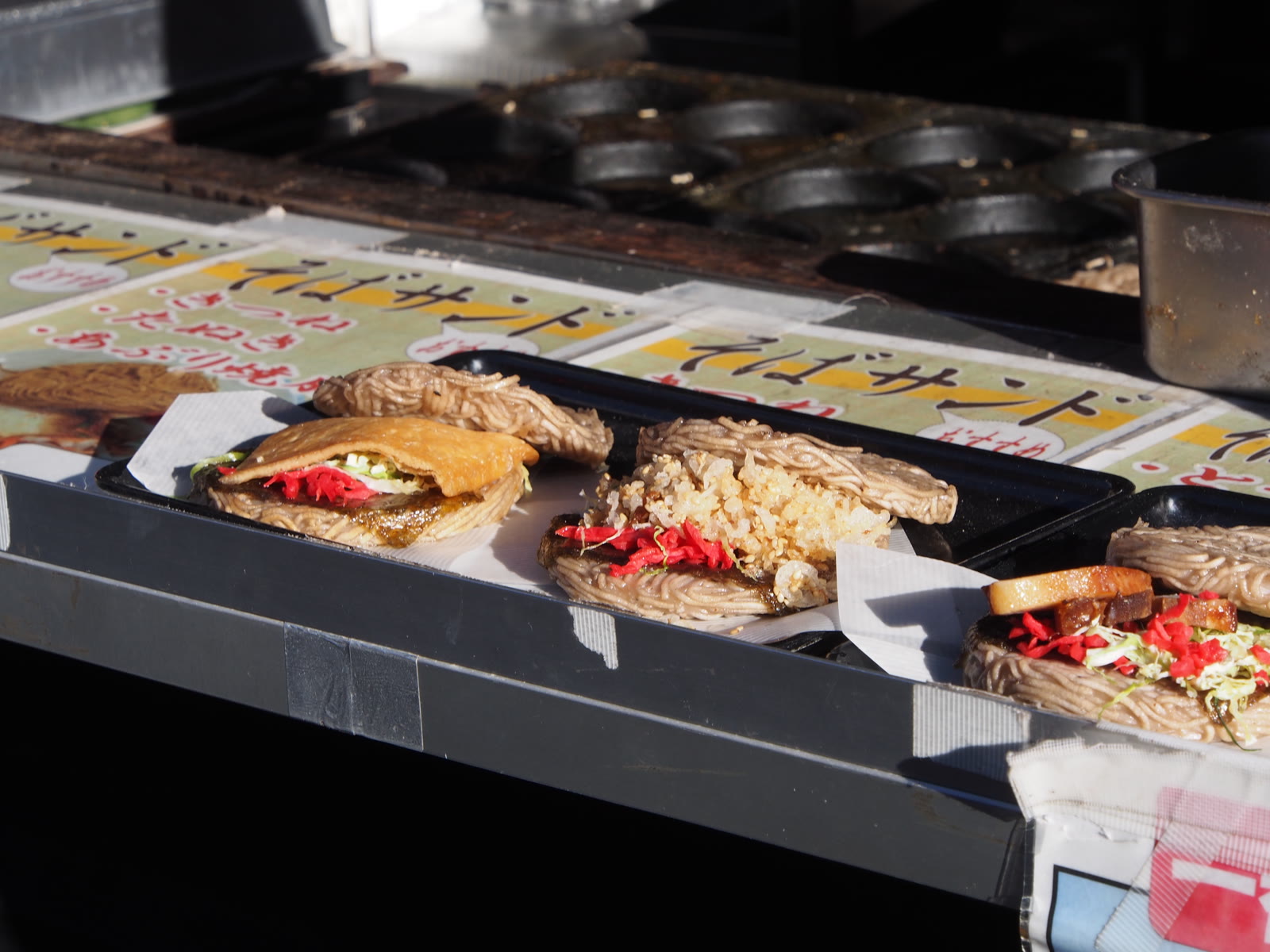
- Soba shop lanesaround twenty shops ringing the gate, most making buckwheat noodles by hand
- Jindaiji templefounded in 733; by local accounts the second-oldest temple in the Tokyo area after Sensoji
- Jindai Botanical Gardena large public garden next to the temple, with cherry, plum and roses through the seasons
How to actually get there
- Shinjuku Station → Chofu Station (Keio Line, Limited Express or Semi-Express, ~15-20 min)
- Chofu Station North Exit → Jindaiji (Keio Bus Cho-34, last stop, ~10-15 min)
- Jindaiji bus stop → temple gate and soba lanes (~1-2 min on foot)
- Keio Line to Chofu, then Keio Bus Cho-34 to Jindaiji
- Shinjuku Station →(Keio Line, Limited Express or Semi-Express, ~15-20 min)→ Chofu Station. At the North Exit bus rotary, take Keio Bus Cho-34 bound for Jindaiji →(bus, ~10-15 min)→ Jindaiji, the last stop. Total about 30-40 min. The Cho-34 bus runs often through the day, so no fixed timetable is needed.
- return the same way
- Take the Cho-34 bus back from Jindaiji to Chofu Station, then the Keio Line toward Shinjuku. Buses run through the day but end in the early evening — check the last departure at the bus stop when you arrive.
About the place
Jindaiji, in the Chofu district of western Tokyo, is one of the region's oldest temples, and the stone-paved lanes around its gate are famous for soba. About twenty shops line them, most serving handmade buckwheat noodles. The custom dates to the Edo period (1603–1868), when the plateau north of the temple grew buckwheat well; local tenant farmers offered the flour to the temple, and the temple in turn served soba to visitors. The area has abundant natural spring water from the Musashino plateau, long used to mill and rinse the noodles — a central reason the local soba earned its name. The neighboring Jindai Botanical Garden and an old waterwheel add to the walk.
How to enjoy it
Come on a weekday morning for quiet lanes, walk the temple approach, and pick one of the soba shops for a bowl. Pair it with the neighboring botanical garden — best in spring for blossoms and early summer for roses.
Background & history
Jindaiji is said to have been founded in 733, making it by local accounts the second-oldest temple in the Tokyo area after Sensoji. Its name is traced to Jinja Daio, a Buddhist water deity — reflecting the spring-water landscape and a long tradition of water worship here. Jindaiji soba grew from an Edo-period temple custom; during the Genroku era (1688–1704) it was praised and recommended to the shogunate and the daimyo (regional lords), which spread its reputation across the country. A shared waterwheel once stood here, remembered today by the small Jindaiji Waterwheel Museum.
Before you go
- Cash
- Many soba shops are cash-only, so carry cash. The botanical garden charges a small entry fee.
- Good to know
- Some shops close on Monday or Tuesday. Weekday mornings are quietest; spring and autumn weekends are busiest.
- Another way
- You can also come from Kichijoji Station on the JR Chuo Line: take Odakyu Bus Kichi-04 from the south exit, which reaches Jindaiji in about 25 minutes.
- After you get off
- From the Jindaiji bus stop, the temple gate and the soba lanes are right in front, about 1-2 minutes on foot.
Nearby notes
 illustration (AI-illustrated)
Culture · Tokyo★★★
Ghibli Museum
3.7 km · straight line
 ARandomName123 / CC BY-SA 4.0
Nature · Tokyo★★
Inokashira Park
4.3 km · straight line
 ja:利用者:Dddeco / CC BY-SA 3.0
Culture · Tokyo★★
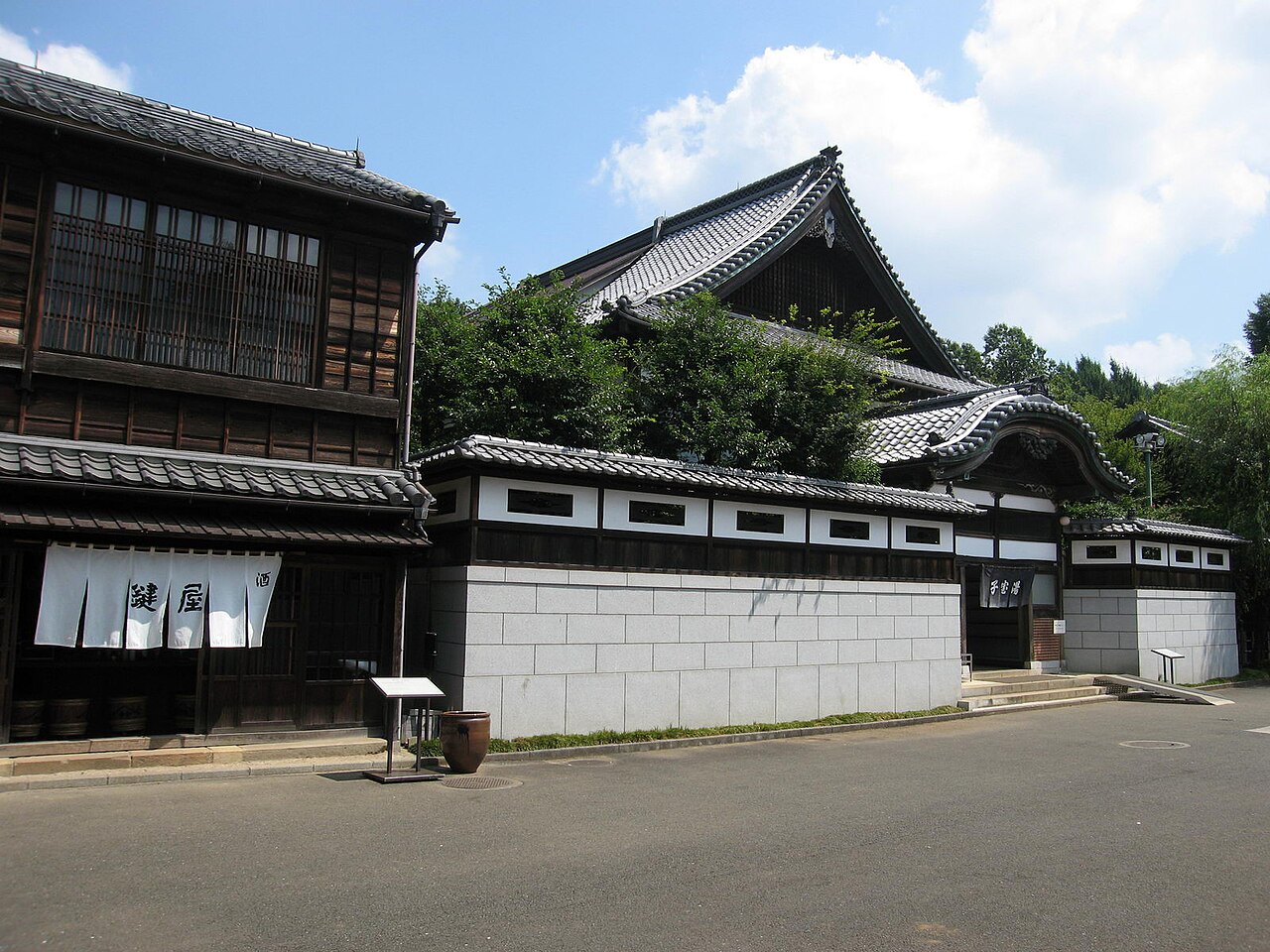
Edo-Tokyo Open Air Architectural Museum
6.3 km · straight line
 Aimaimyi / CC BY-SA 3.0
Entertainment · Kanagawa★★
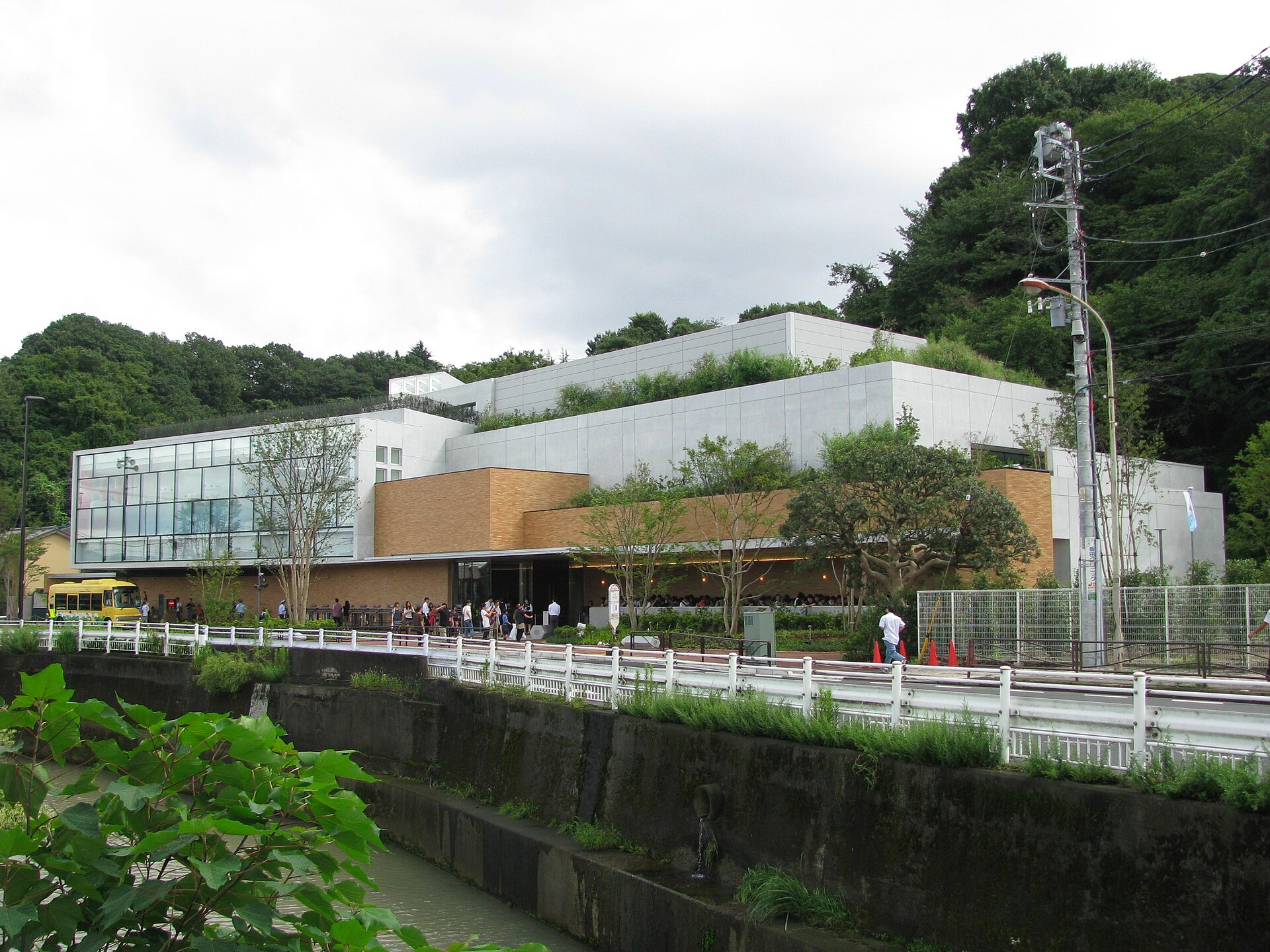
Fujiko F Fujio Museum
6.7 km · straight line
Distances are straight lines on the map, not travel times.