Ibaraki · MitoNo.211★★★Open in map →
Kairakuen
— one of Japan's three great gardens
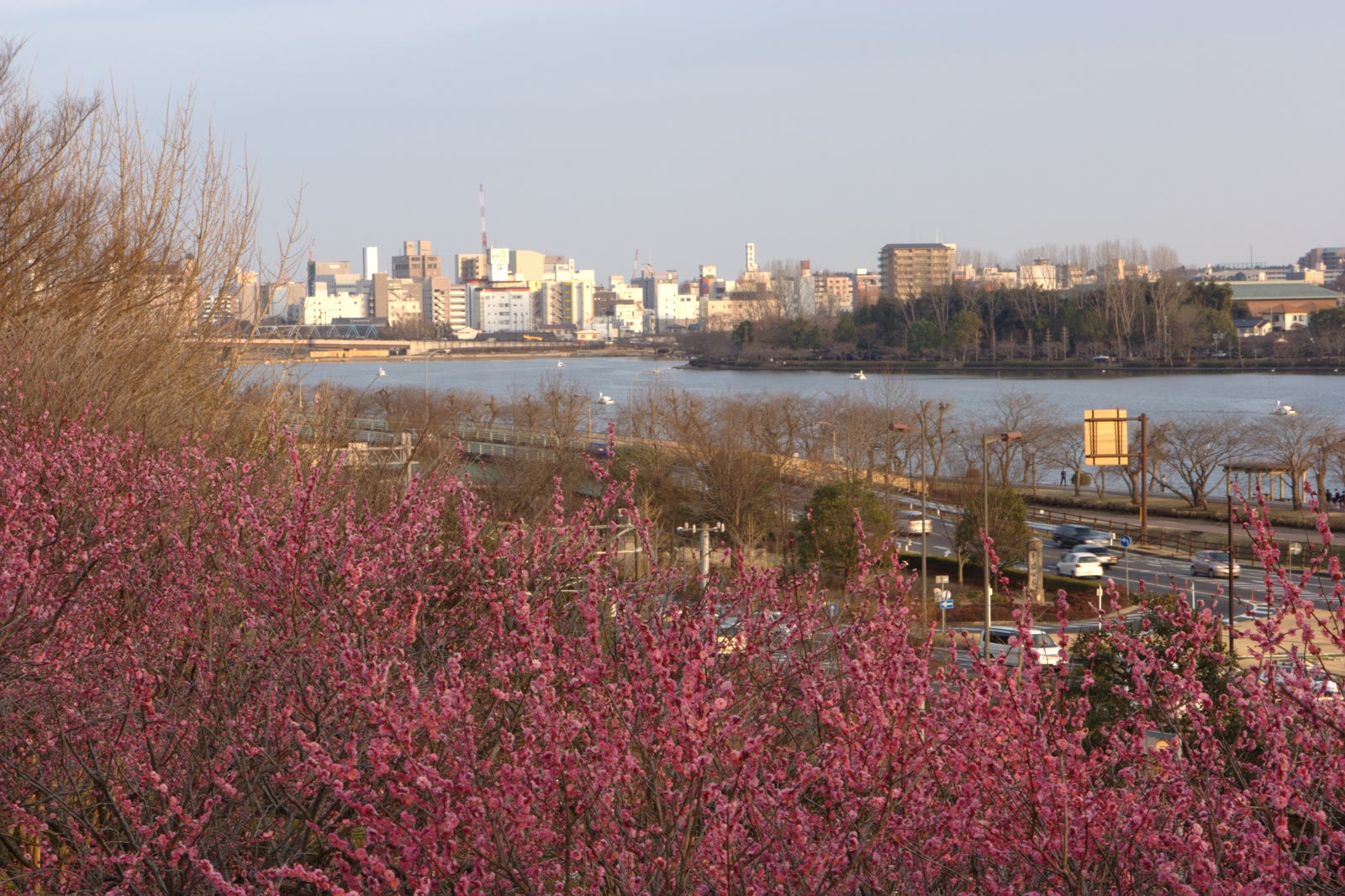
One of Japan's three great landscape gardens, established in 1842 by Tokugawa Nariaki, the lord of the Mito domain. Around 3,000 plum trees of about 100 varieties line the slopes above Lake Senba, drawing visitors each early spring for the Mito Plum Festival.
- FromTokyo Stn
- ~70 minLimited Express ~70 min
- Get off atMito Station (JR Joban Line, limited express Hitachi / Tokiwa)
- From there
- Kairakuen
Where it is
13 more notes in Ibaraki · open the map →What to look for — in walking order
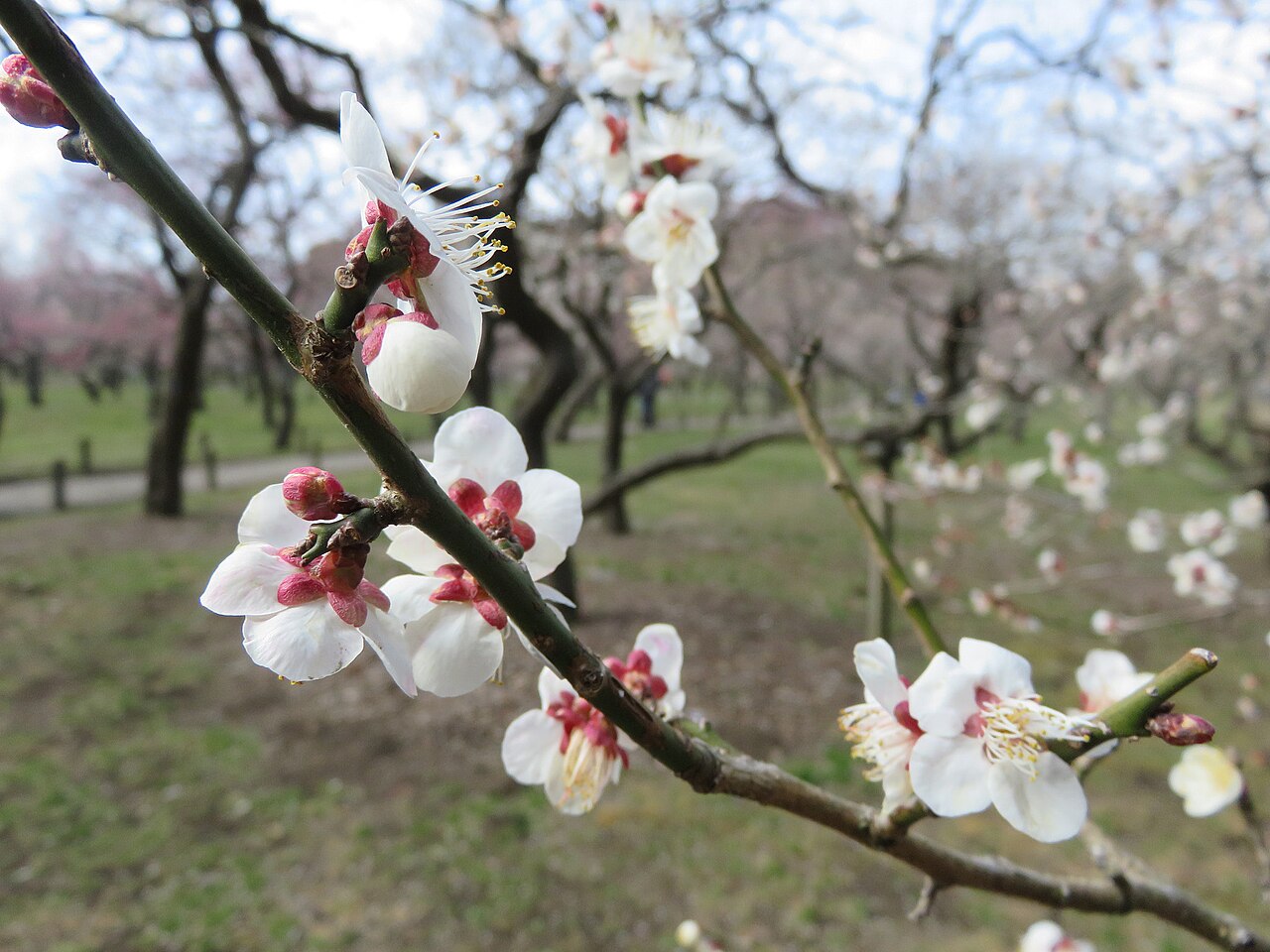
- Plum grove (bairin)roughly 3,000 plum trees of about 100 varieties, spread across the garden slope; bloom peaks late February to mid-March
- Kobuntei pavilionNariaki's two-storey thatched retreat house, 1841, with views over Lake Senba; separate admission for the interior
- Lake Senba viewthe lake visible from the garden's eastern edge; during the plum festival, a temporary station opens nearby on some days for arriving visitors
- Autumn foliage and moso bamboo grovea secondary draw outside plum season: the large bamboo grove and autumn colours on the same slopes
How to actually get there
- Tokyo Station → Mito Station (JR Limited Express Hitachi or Tokiwa, ~70 min).
- Mito Station north exit → bus to Kairakuen (~15 min, 270 yen) or walk the lakeside path (~25–30 min).
- Enter the garden; follow the plum-grove slope up toward Kobuntei pavilion.
- Tokyo Station → Mito Station (JR Limited Express)
- Take the JR Limited Express Hitachi or Tokiwa from Tokyo Station on the Joban Line to Mito Station (~70 min). Trains run regularly — check the timetable as some stop at intermediate stations. From Mito Station's north exit, take a Kanto Tetsudo bus bound for Kairakuen (~15 min, 270 yen one way). Alternatively, walk from Mito Station along the lakeside path (~25–30 min). During the Mito Plum Festival (roughly late February to late March), a temporary JR station (Kairakuen Station) opens near the garden's lakeshore entrance on weekends and holidays — northbound trains only, so the return journey requires a bus or taxi to Mito Station. Check whether it is in service on your date.
- Bus back to Mito Station, then JR Limited Express to Tokyo
- Return by bus from the Kairakuen stop to Mito Station, then take the JR Limited Express Hitachi or Tokiwa back to Tokyo. Trains require a reserved seat supplement; buy this at Mito Station before boarding or in advance. The last convenient limited express to Tokyo departs in the early evening — check the return time before you enter the garden.
About the place
Kairakuen was designed not as a private retreat but as a place for the people of the domain — its name means 'garden for sharing pleasure,' which distinguished it from the exclusive lord's gardens of the period. The grounds slope gently toward Lake Senba, with the plum trees spread across that hillside in loose, unmanicured drifts rather than formal rows. At the heart of the garden stands Kobuntei, the thatched-roof retreat house where Nariaki studied and held gatherings. The plums here are a broad mix of varieties, so the garden shows different tones and heights across several weeks in late February and March as each cultivar comes into bloom in sequence. Entry to the garden itself is free for most of the year; during the Mito Plum Festival, when the largest crowds arrive, a modest fee applies.
How to enjoy it
Go on a weekday in late February or early March for plum season — the garden is free before 9:00 am even during the festival, and the early light through the plum branches is worth setting out for. The bloom peaks at different times each year; check the Mito City tourism site or the Kairakuen official site before visiting. During the festival, a temporary station (Kairakuen Station on the JR Joban Line) opens near the garden's lakeshore entrance on weekends and holidays (northbound trains only — return to Mito Station by bus or taxi). Check whether it is running on your travel date.
Background & history
Tokugawa Nariaki, the ninth lord of the Mito domain (a branch of the Tokugawa family that never held the shogunate), opened the garden in 1842. Mito was known as a centre of scholarship in the late Edo period, and Nariaki used Kairakuen as a place for intellectual gatherings as well as recreation. Kobuntei, the garden's central pavilion, was built in 1841 in preparation. Kairakuen is grouped with Kenroku-en in Kanazawa and Koraku-en in Okayama as the 'Three Great Gardens of Japan' — a ranking that dates back to a Meiji-era guide and is now treated as official by all three sites.
Before you go
- Cash
- Garden entry is free for most of the year. During the Mito Plum Festival the admission is 320 yen for adults (free before 9:00 am and for Ibaraki residents). The Kobuntei pavilion interior has a separate admission. JR trains require a reserved seat supplement for the limited express, payable by IC card or at the ticket machine.
- Good to know
- The garden is open from 6:00 to 19:00 (February 20 to September 30) and 7:00 to 18:00 (October 1 to February 19). Plum peak shifts each year — can be as early as late February or as late as mid-March depending on the winter's temperatures.
- Another way
- Local JR trains (not limited express) also run to Mito Station and take about 2 hours from Tokyo, with no reserved seat requirement — an option if the limited express is full.
- After you get off
- Mito Station north exit → Kanto Tetsudo bus to Kairakuen stop (~15 min). During the Mito Plum Festival on weekends and holidays, check for the temporary JR Kairakuen Station near the garden's lakeshore entrance (northbound only; return by bus).
Nearby notes
 Miyuki Meinaka / CC BY-SA 4.0
History · Ibaraki★★
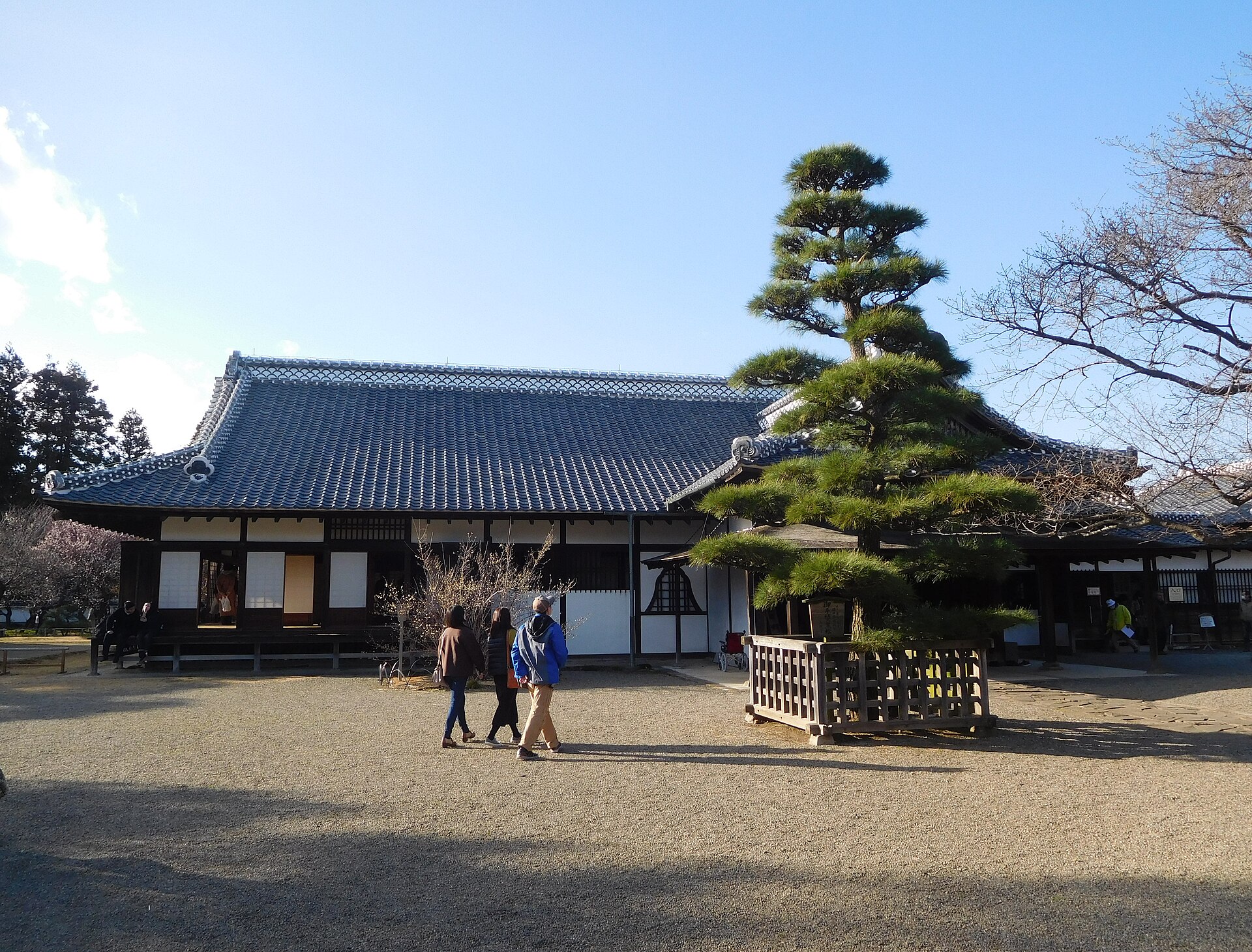
Kodokan Mito Domain School
1.9 km · straight line
 Asturio Cantabrio / CC BY-SA 4.0
Food · Ibaraki★★
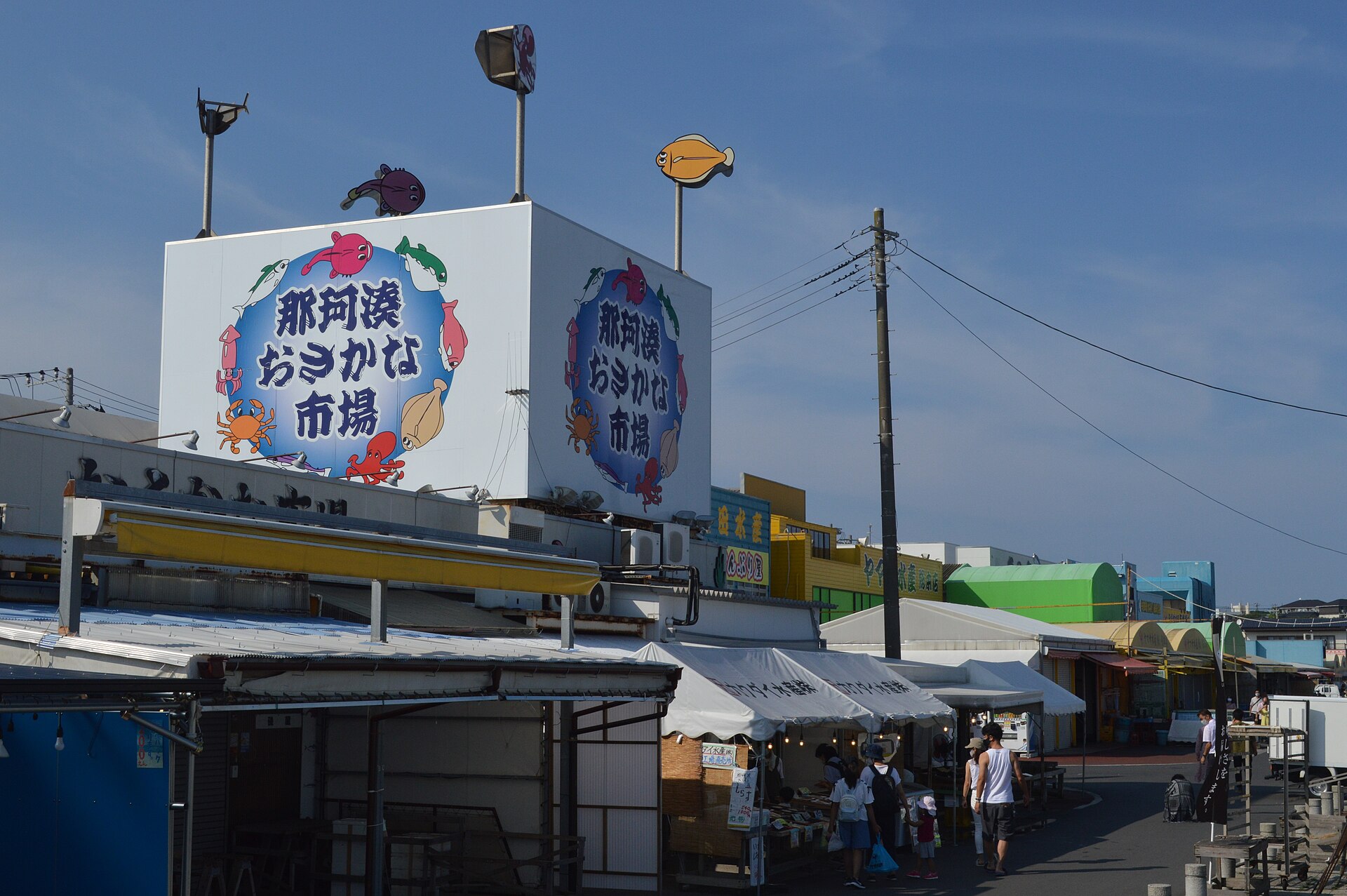
Ankou Nabe
12.9 km · straight line
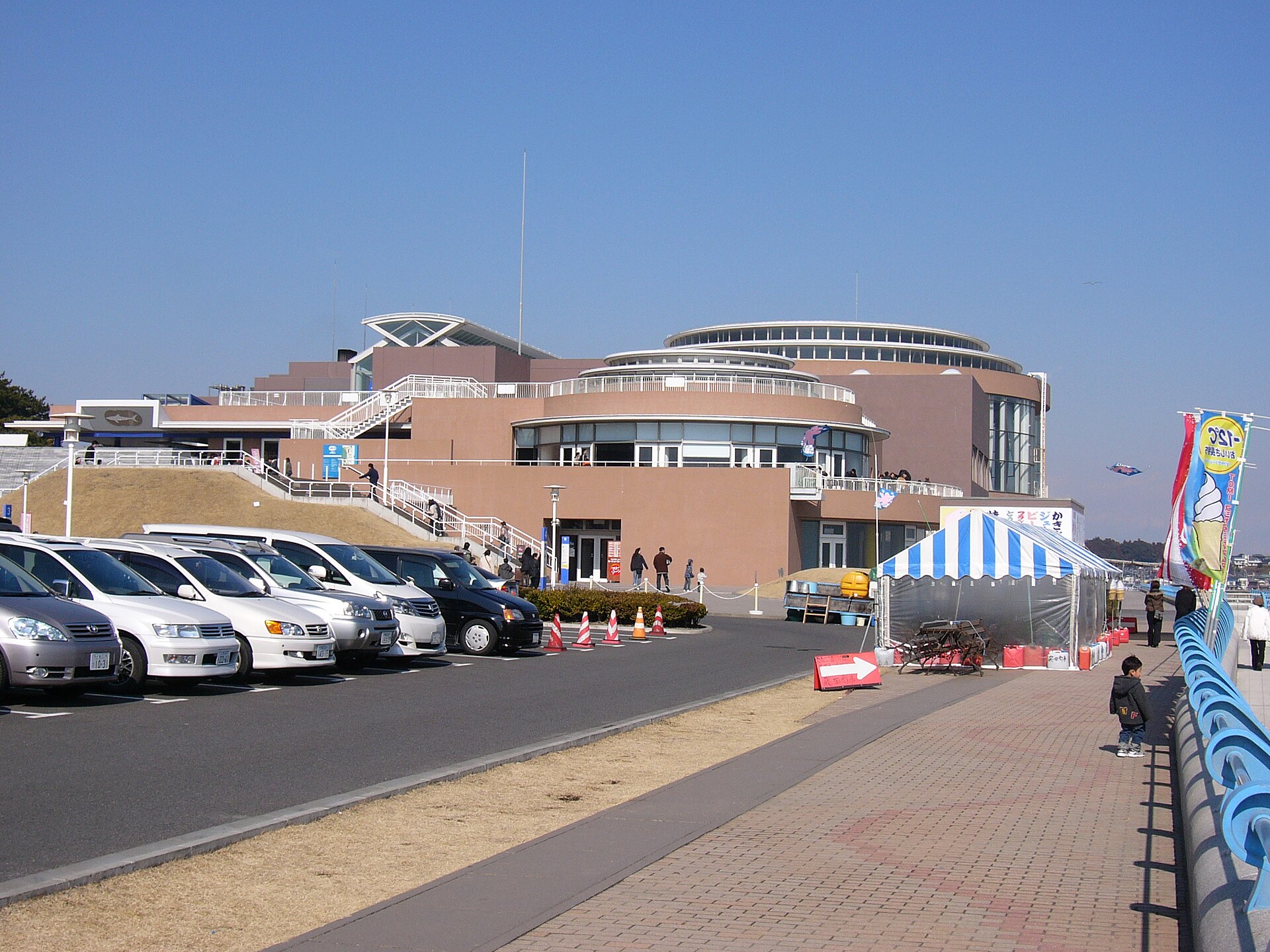 Y440 / CC BY-SA 3.0
Nature · Ibaraki★★
Aqua World Oarai Aquarium
13.1 km · straight line
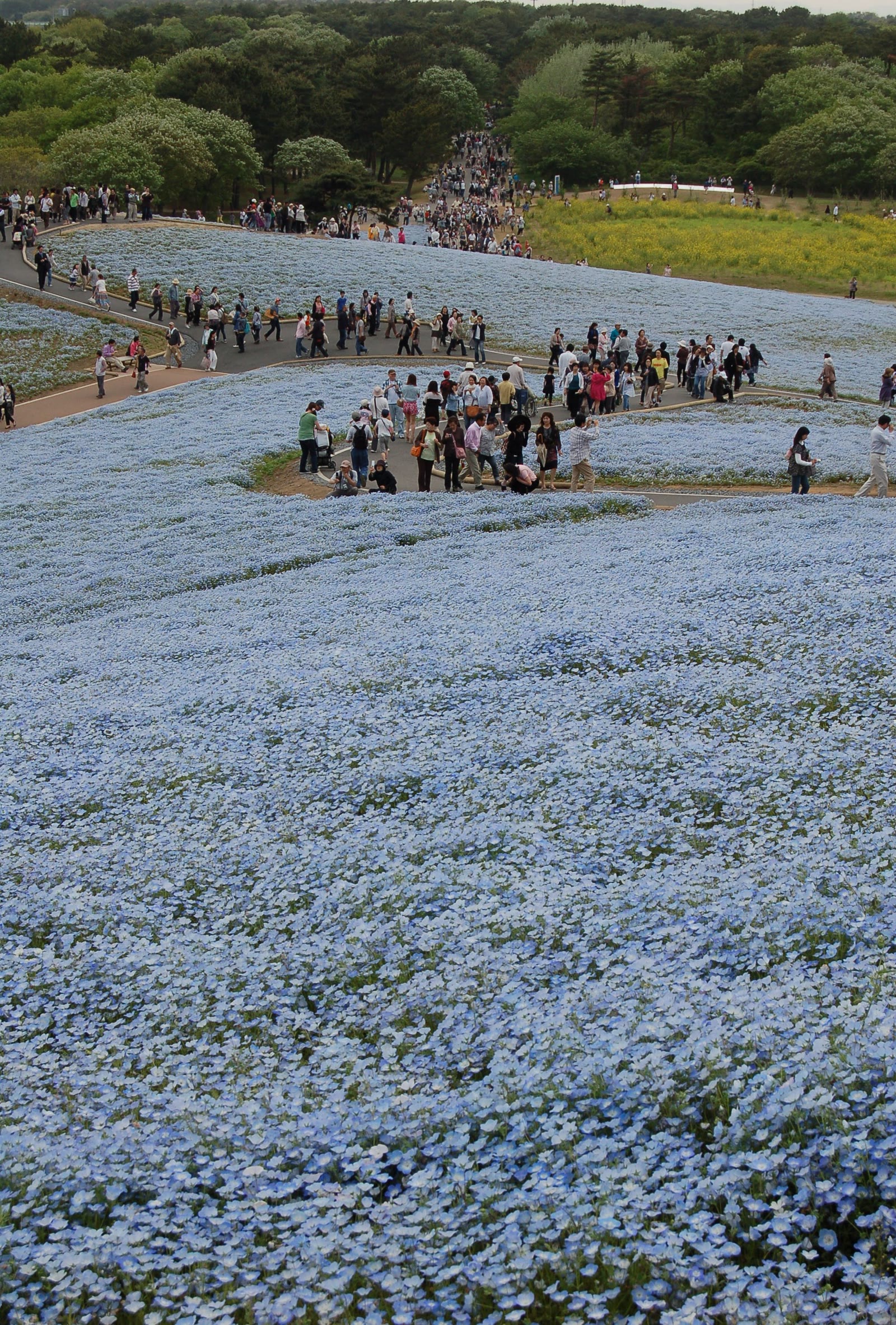 Tatsundo h / CC BY 2.5
Nature · Ibaraki★★★
Hitachi Seaside Park
13.4 km · straight line
Distances are straight lines on the map, not travel times.