Chiba · KatsuuraNo.150★Open in map →
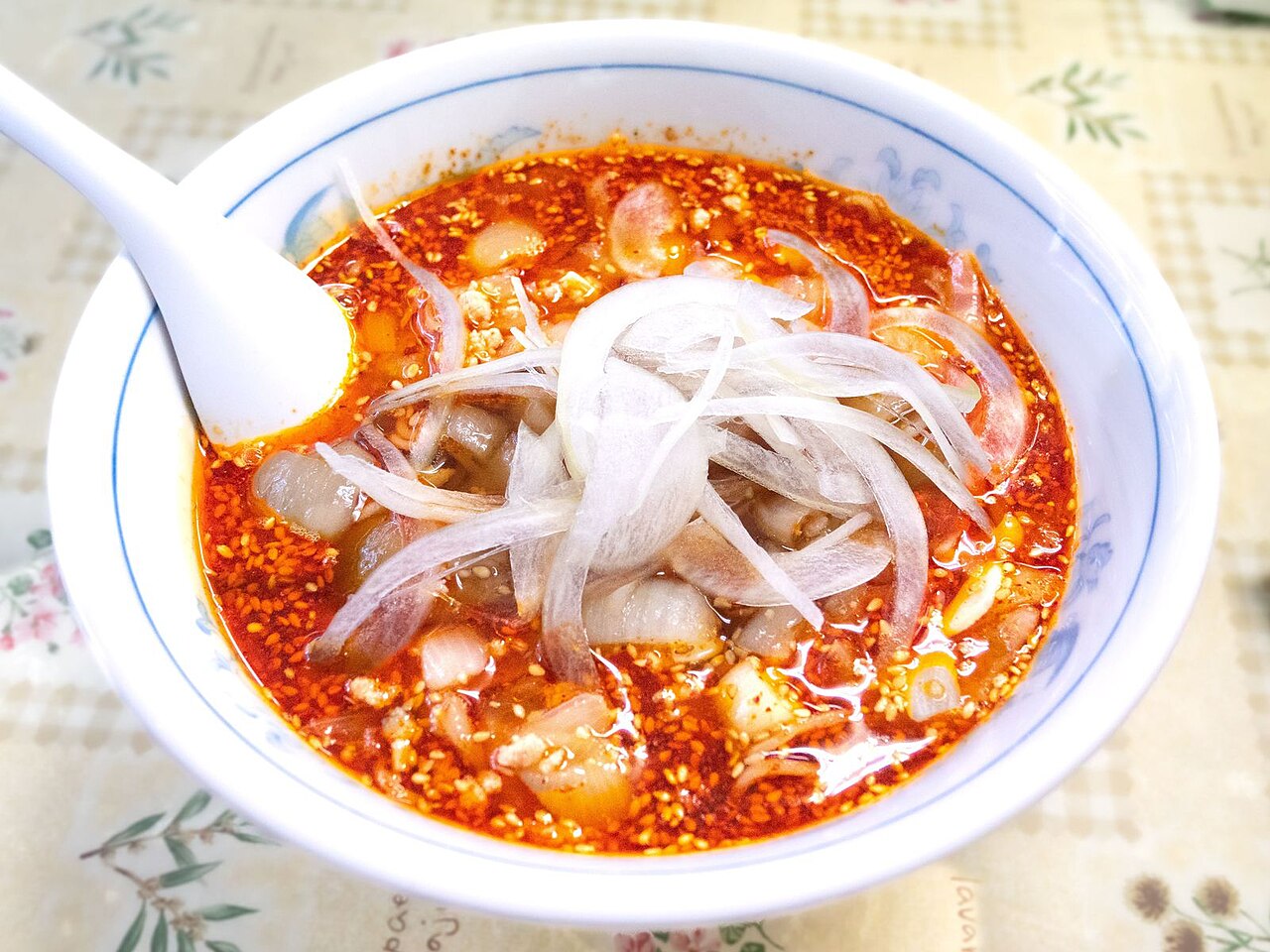
Katsuura Tantanmen
— Chiba's chili-oil ramen made for fishermen
A regional ramen from the Chiba fishing town of Katsuura, built on soy broth and chili oil — no sesame paste. The heat makes sense: it was made to warm fishermen and divers coming in from cold morning water.
- FromTokyo Stn
- ~90 mintrain ~12/day
- Get off atKatsuura Station (JR)
- From there
- Katsuura Tantanmen
The sweet spot
It is almost unknown outside Chiba Prefecture, and there is very little English-language information about it. Katsuura is a small Pacific-facing port town that sees few foreign visitors, so it stays off the usual tourist routes.
Where it is
50 more notes in Chiba · open the map →What to look for — in walking order
- Katsuura Station area shopsseveral certified shops within a 7–10 minute walk of the station
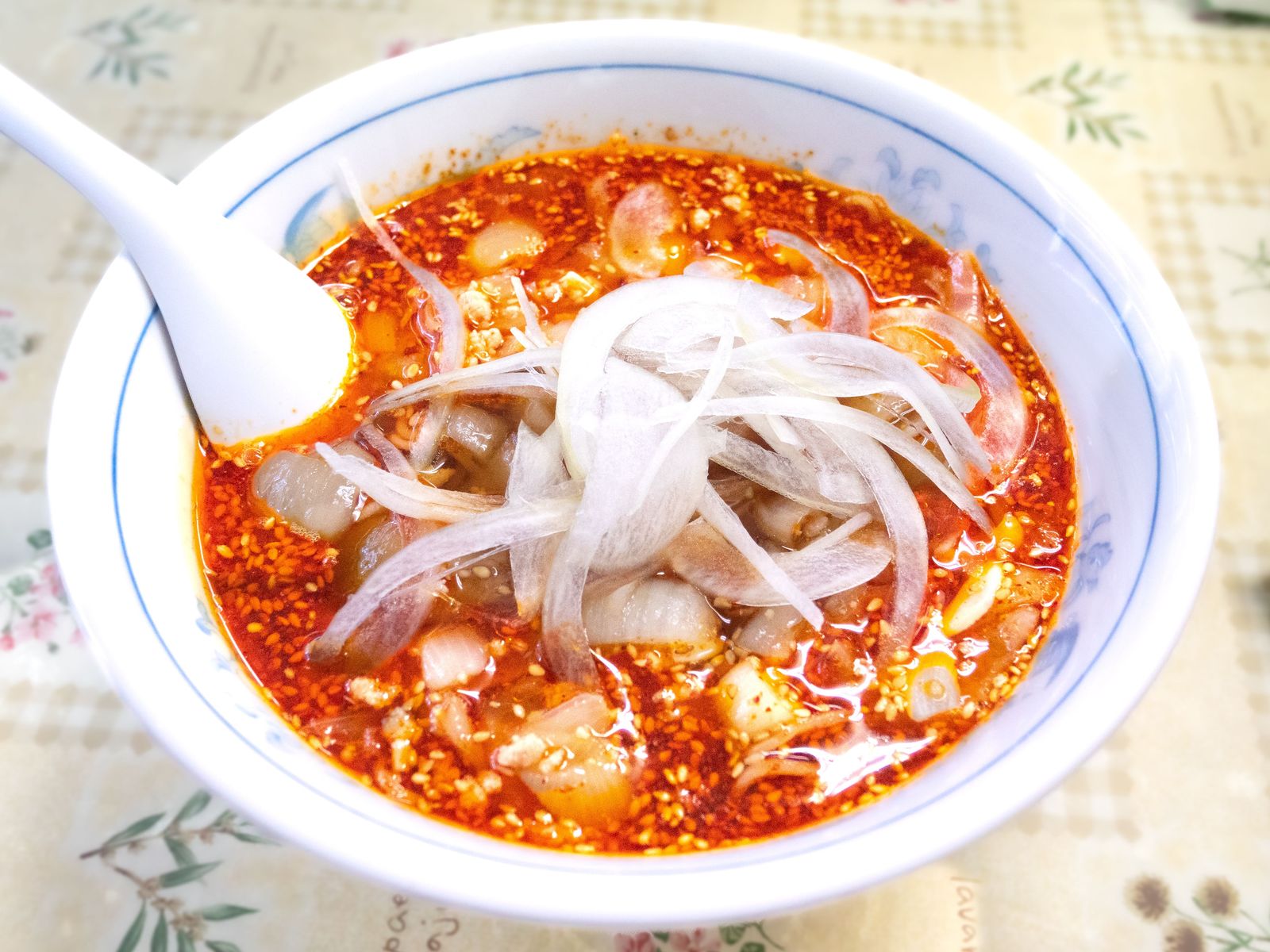
- Chili oil, no sesamethe defining rule set by the local business union that certifies the dish
- The Ezawa originthe diner where the dish was first made in 1954, now continued by its successor shop
- B-1 Gold Grand Prix, 2015top prize at Japan's national contest for regional local dishes
How to actually get there
- Tokyo Station → Katsuura Station (JR Wakashio limited express, ~90 min, no transfers).
- Katsuura Station → town-center shops (on foot, ~7–10 min).
- Look for shops marked 勝浦タンタンメン; any certified shop serves the dish.
- Wakashio limited express from Tokyo (no transfers)
- Tokyo Station →(JR Wakashio limited express, ~90 min, no transfers)→ Katsuura Station. The Wakashio runs about 12 times a day each way. At Tokyo Station it leaves from the deep-underground Keiyo Line platforms, a 10–15 minute walk from the other JR lines, so allow extra time to reach them.
- return by Wakashio
- The Wakashio runs back to Tokyo through the day but is not frequent, and the last one leaves in the evening. Check the day's last Tokyo-bound departure before you set out, and confirm the return time at Katsuura Station when you arrive.
About the place
Katsuura Tantanmen looks like the sesame-based dandan noodles served elsewhere in Japan, but it is built on a different idea. The broth is soy-based and slicked with chili oil, topped with minced pork and onion, and uses no sesame paste at all. The local Katsuura Tantanmen Business Union keeps the rule simple: chili oil is required, sesame paste is not. That heat — rather than a rich sesame body — is the whole point in a fishing town whose mornings belong to the sea. Around forty certified shops across Katsuura each serve their own version.
How to enjoy it
Try it on a cold day, when the chili-oil heat makes most sense. The broth and toppings vary from shop to shop, so tasting across a few certified shops is worth it. Several shops sit within walking distance of Katsuura Station, so you can start without a car.
Background & history
The dish is documented to have originated in 1954 at a diner called Ezawa in Katsuura, whose successor shop still serves it today. Katsuura is a fishing town, and the ramen is said to have caught on because chili-oil heat warmed the fishermen and the ama (women free-divers who harvest shellfish) after cold mornings at sea. Over the following decades it spread through the town and became its signature food. In 2015 it won the Gold Grand Prix at the B-1 Grand Prix, a national contest for regional local dishes held that year in Towada, Aomori, pushing it into wider national awareness.
Before you go
- Cash
- Small local ramen shops in rural Japan are often cash-only; carry enough cash to be safe.
- Good to know
- Many shops focus on lunch and close in the mid-afternoon, so aim to arrive around midday.
- Another way
- A cheaper, slower option: local trains from Chiba (Sobu Line to the Sotobo Line) reach Katsuura in about 2 hours.
- After you get off
- From Katsuura Station, several certified shops are a short walk (about 7–10 minutes) into the town. Note that the original Ezawa shop is not walkable — it is about 10 minutes north by car.
Nearby notes
 Asturio Cantabrio / CC BY-SA 4.0
Food · Chiba★★
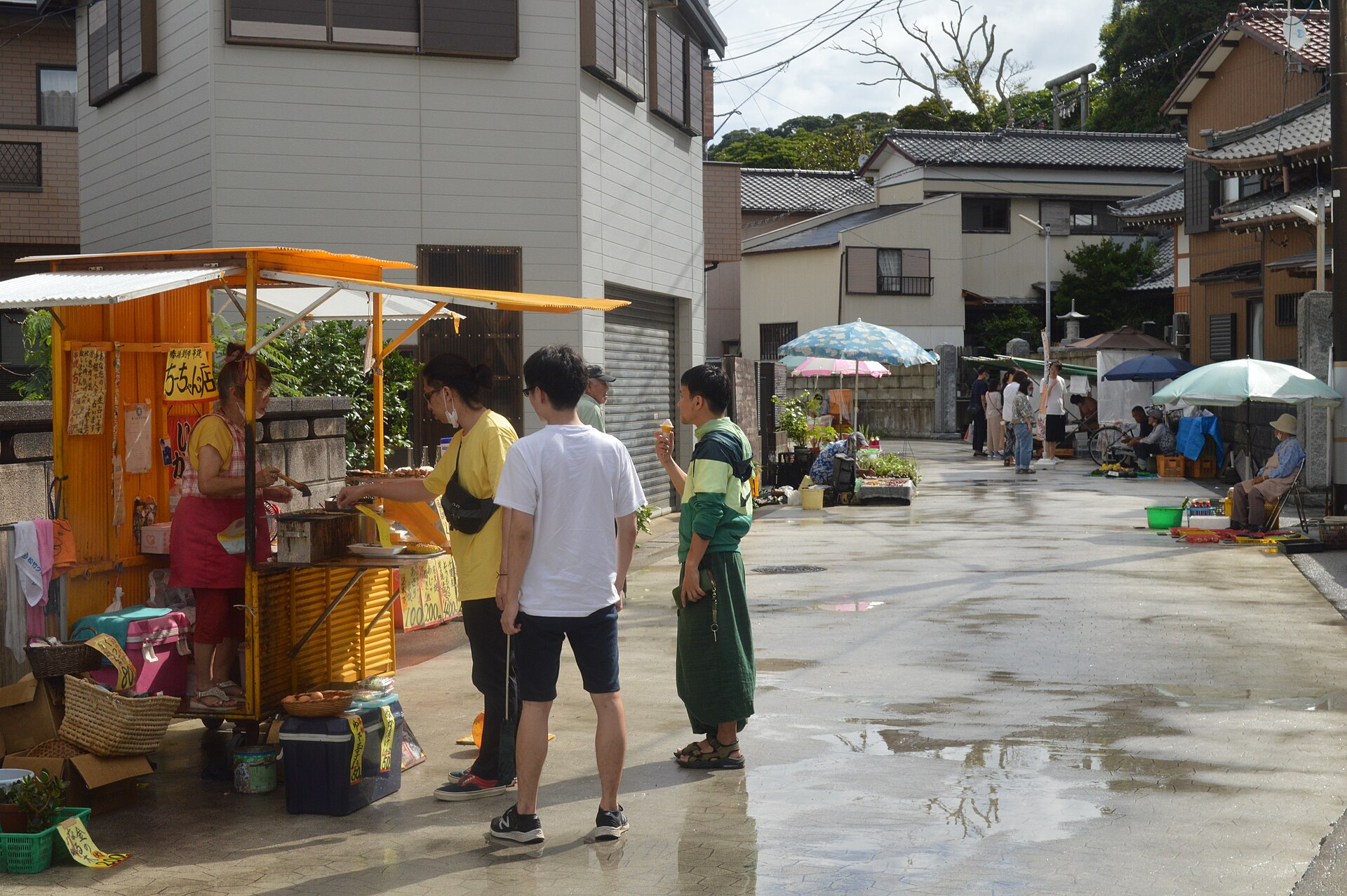
Katsuura Morning Market
0.6 km · straight line
 663highland / CC BY-SA 4.0
Nature · Chiba★
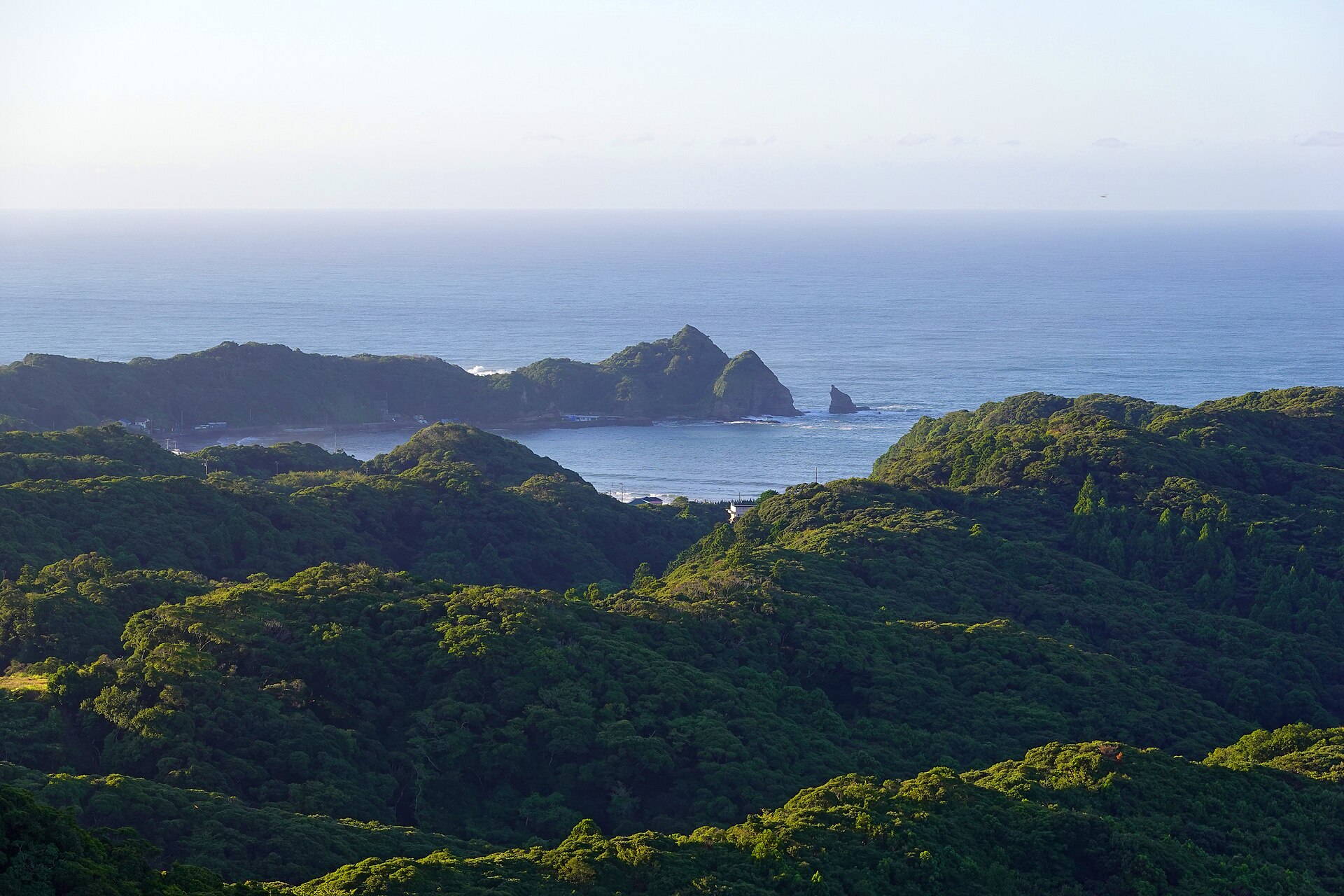
Ubara Risokyo
4.1 km · straight line
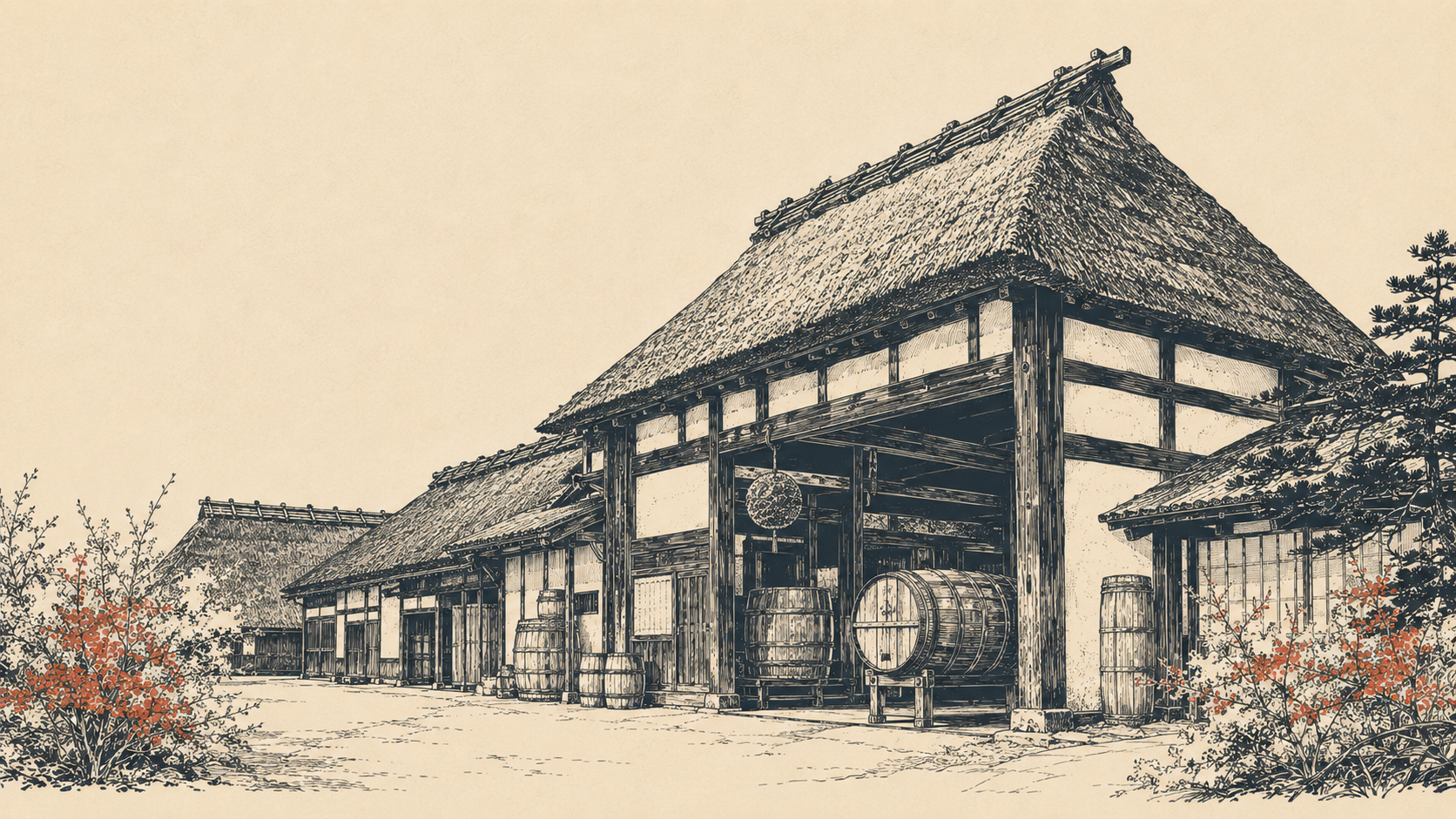 illustration (AI-illustrated)
Craft · Chiba★
Iwase Shuzo
5.9 km · straight line
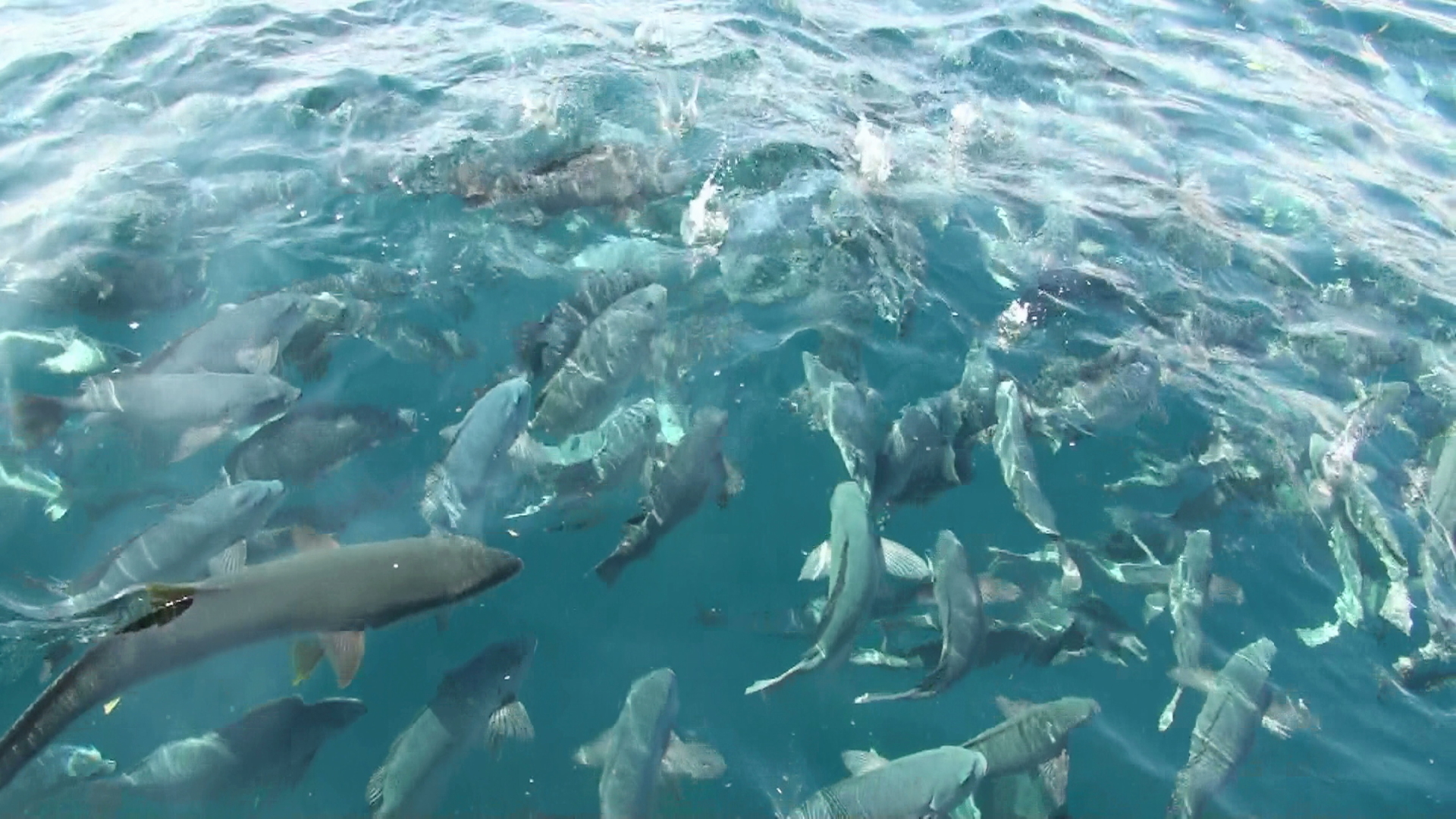 Sakaori / CC BY-SA 3.0
Nature · Chiba★★
Tainoura
11.1 km · straight line
Distances are straight lines on the map, not travel times.