Chiba east · OnjukuNo.110★Open in map →
Iwase Shuzo
— a sake brewery with galleon-timber beams
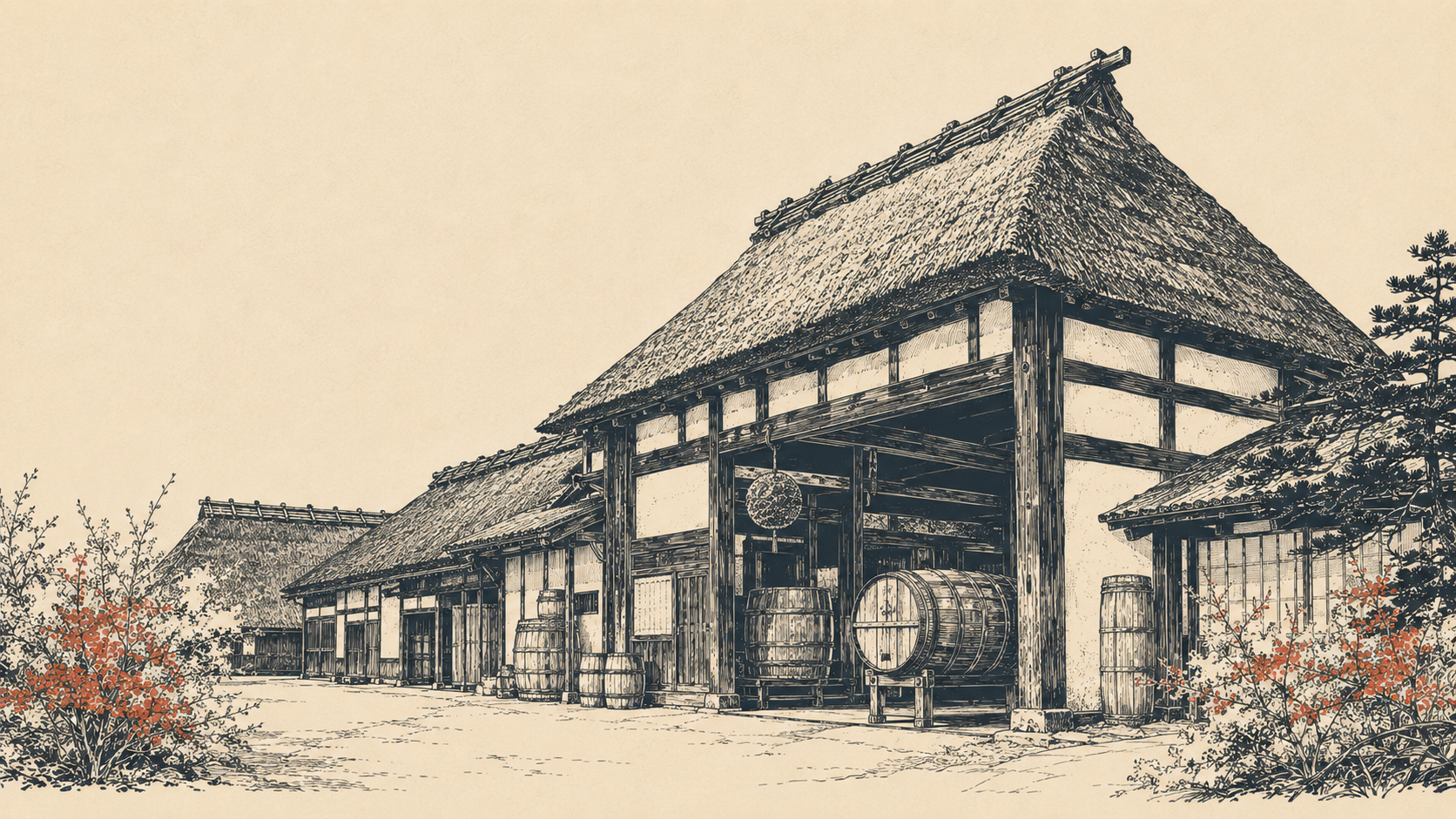
A family sake brewery in the seaside town of Onjuku, eastern Chiba, founded in 1723 — whose thatched main house has beams said to come from a Spanish galleon that wrecked nearby in 1609.
- FromTokyo Stn
- ~90 minexpress (about hourly)
- Get off atOnjuku Stn (Sotobo Line)
- On foot
- Iwase Shuzo
The sweet spot
Most visitors stop at the camel-and-desert monument on Onjuku's beach and leave; the working brewery a few streets inland has little English information and sits off the usual tourist path, so it stays quiet.
Where it is
50 more notes in Chiba · open the map →What to look for — in walking order
- Thatched main housethe brewery's historic building, whose beams are said to come from the 1609 Spanish galleon San Francisco
- Yamahai brewingmuch of the sake made in yamahai, a traditional slow-fermentation method
- Ultra-hard well waterwell water drawn through underground seashell layers, among the most mineral-rich in Japan
- Aged koshusake matured for years into a deep amber, mellow character
How to actually get there
- 1. Tokyo Station → Onjuku Station (Limited Express Wakashio, direct, ~80 min)
- 2. Onjuku Station → the brewery (on foot, ~700 m, ~10 min)
- 3. Return: Onjuku Station → Tokyo Station (Wakashio, ~80 min; check the evening timetable)
- Wakashio limited express (direct)
- Tokyo Station →(Limited Express Wakashio, direct, no transfer, ~80 min)→ Onjuku Station →(on foot, ~10 min, about 700 m)→ the brewery. Total ~90 min. The Wakashio departs from the Keiyo Line platform, which is underground and about a 15-minute walk from Tokyo Station's main concourse — allow extra time. It is a limited express, so you need a limited-express ticket in addition to the normal fare. Onjuku is served roughly once an hour; check the day's timetable before leaving.
- Return: same Wakashio line, thins out in the evening
- Return the same way: Wakashio limited express from Onjuku back toward Tokyo. Service is roughly hourly and thins out in the evening, so aim for a daytime train back and check return departure times at Onjuku Station when you arrive. A local alternative runs on the Sotobo Line via Chiba, but it is slower.
About the place
Iwase Shuzo has brewed its sake, sold under the label 'Iwanoi,' in Onjuku since 1723, marking its 300th anniversary in 2023. The brewery works largely in the yamahai method of fermentation — a traditional, slower process — and draws on well water so mineral-rich it ranks among Japan's hardest, giving its sake a firm, full-bodied character. It is also known for koshu, sake aged for years until it turns amber and mellow. What draws attention, though, is the main house: the brewery says the beams of its thatched-roof building were made from the mast of the San Francisco, a Spanish galleon that wrecked off Onjuku in 1609.
How to enjoy it
The brewery is open on weekdays (9:00–17:00, closed weekends and public holidays) and is about a ten-minute walk from Onjuku's JR station. Come for the story of the galleon beams and for the distinctive, mineral-driven local sake. Phone ahead if you hope to look inside or buy on-site, as visiting hours are not formally published.
Background & history
The wreck of the San Francisco is a documented historical event. In 1609 the galleon ran aground near Onjuku, and most of the 373 people aboard survived, helped ashore by local villagers and by ama, the local women free-divers. The rescue became an early point of contact between Japan and the Spanish world; among those saved was the departing governor of the Spanish Philippines. The brewery was founded in 1723 and is still run by the Iwase family, generation after generation, centred on that old thatched main house.
Before you go
- Cash
- Rural brewery shops are often cash-only, so carry cash and coins. This is general advice; payment methods are not published.
- Good to know
- It is a working brewery, open weekdays 9:00-17:00 and closed Saturdays, Sundays and public holidays. Visiting hours and whether tours are offered are not published — phone ahead if you hope to look inside or buy on-site.
- Another way
- The town is small and walkable, so a taxi from the station is usually not needed. By car it is about one hour from the Oomiya interchange on the Chiba-Togane Expressway.
- After you get off
- From Onjuku Station: about 700 m, a ~10-minute walk along the lane roughly following the rail line.
Nearby notes
 くろふね / CC BY 4.0
Food · Chiba★
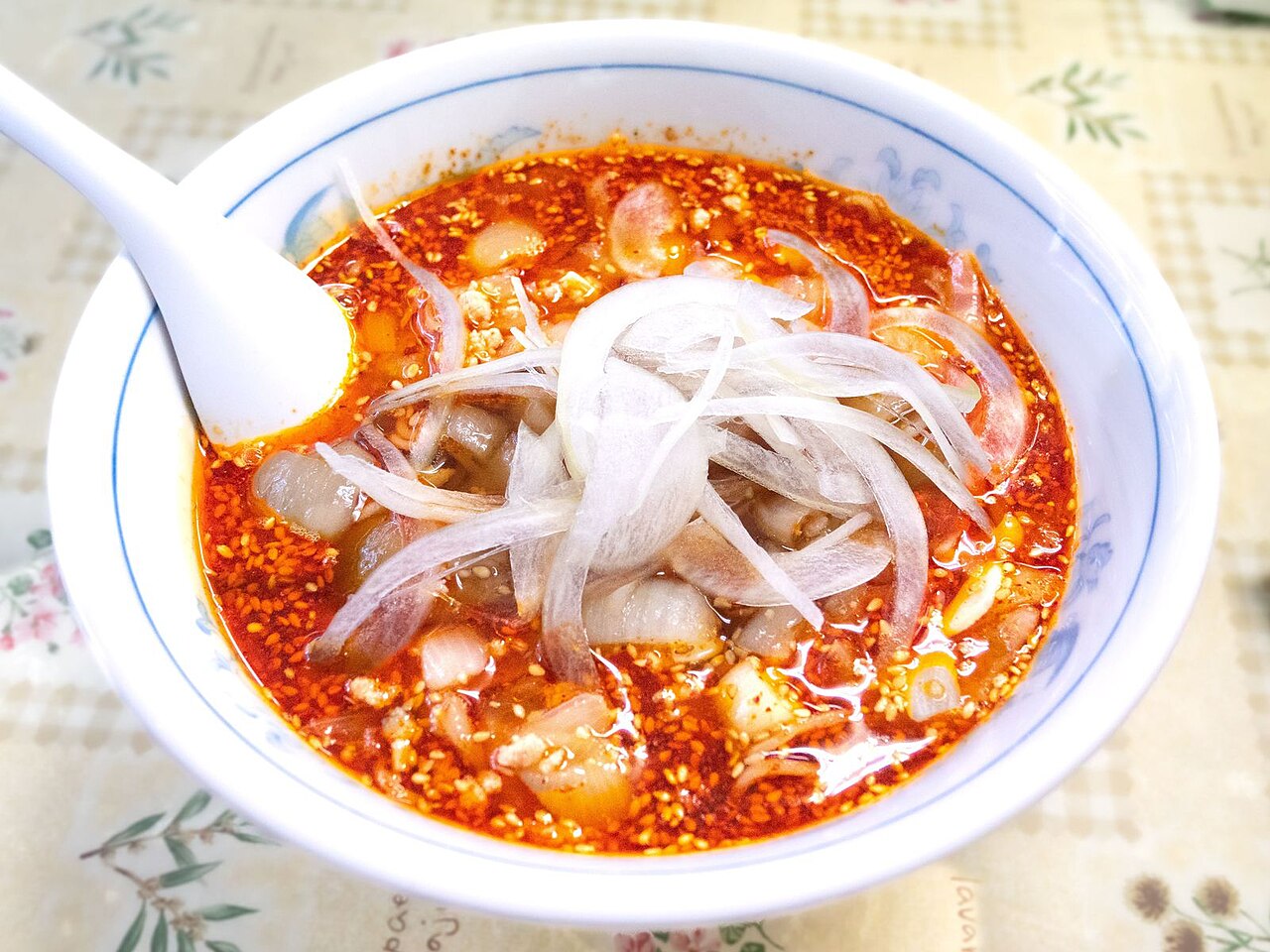
Katsuura Tantanmen
5.9 km · straight line
 Asturio Cantabrio / CC BY-SA 4.0
Food · Chiba★★
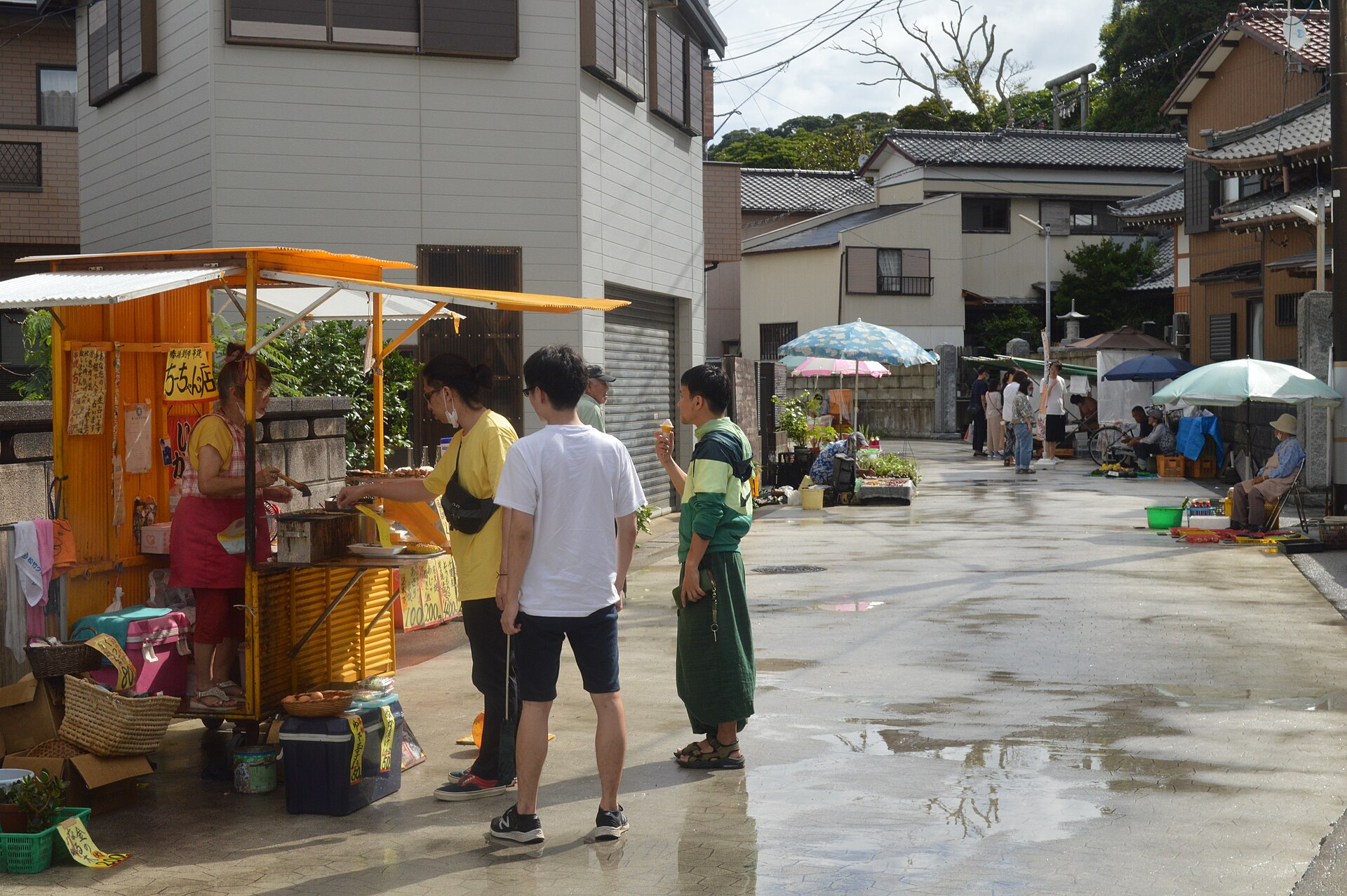
Katsuura Morning Market
6.0 km · straight line
 HEATFISHER1972 / CC BY-SA 4.0
Culture · Chiba★★
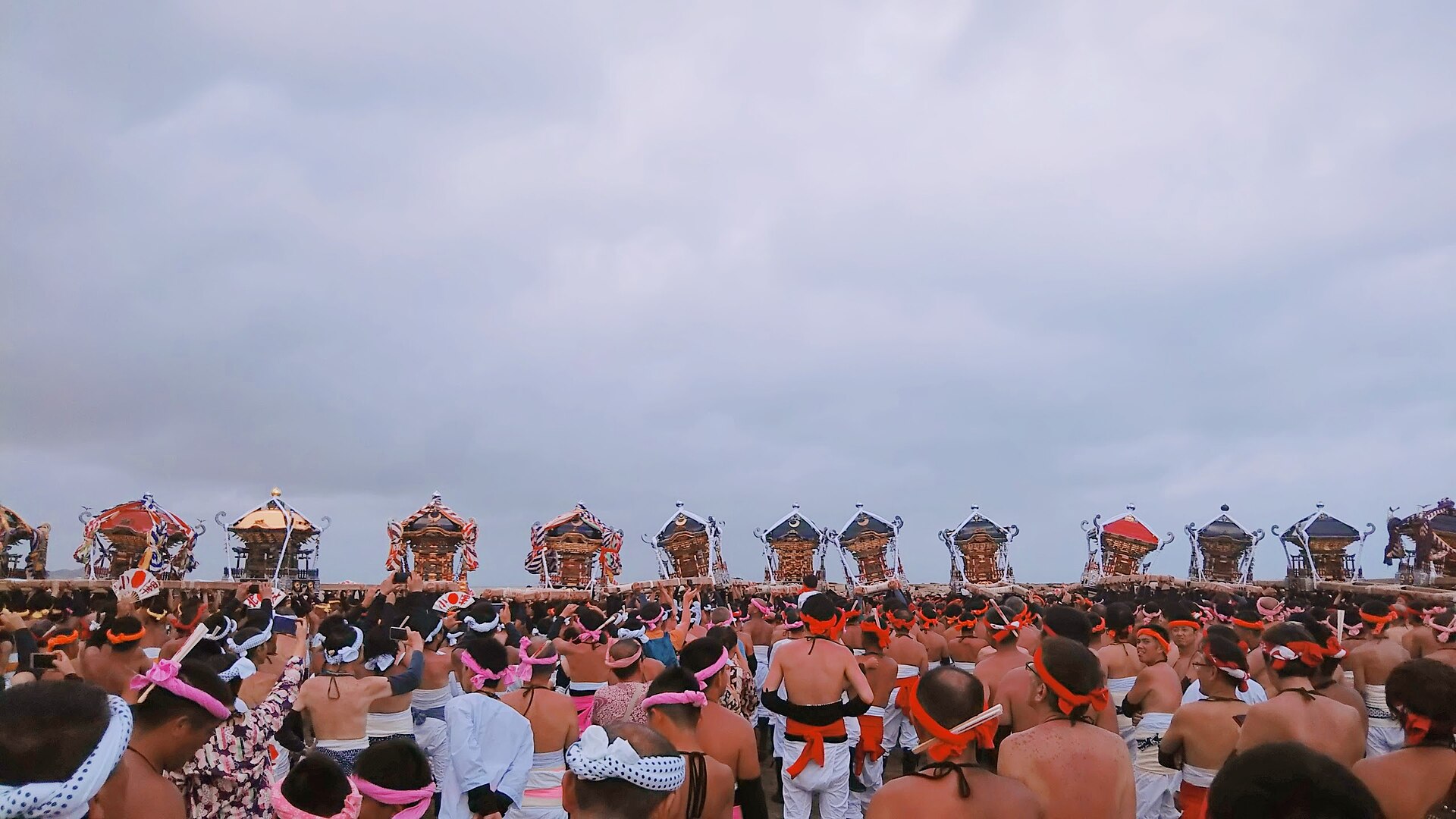
Ohara Hadaka Matsuri
8.7 km · straight line
 663highland / CC BY-SA 4.0
Nature · Chiba★
Ubara Risokyo
9.9 km · straight line
Distances are straight lines on the map, not travel times.