Tajima · KinosakiNo.152★★Open in map →
Kinosaki Onsen
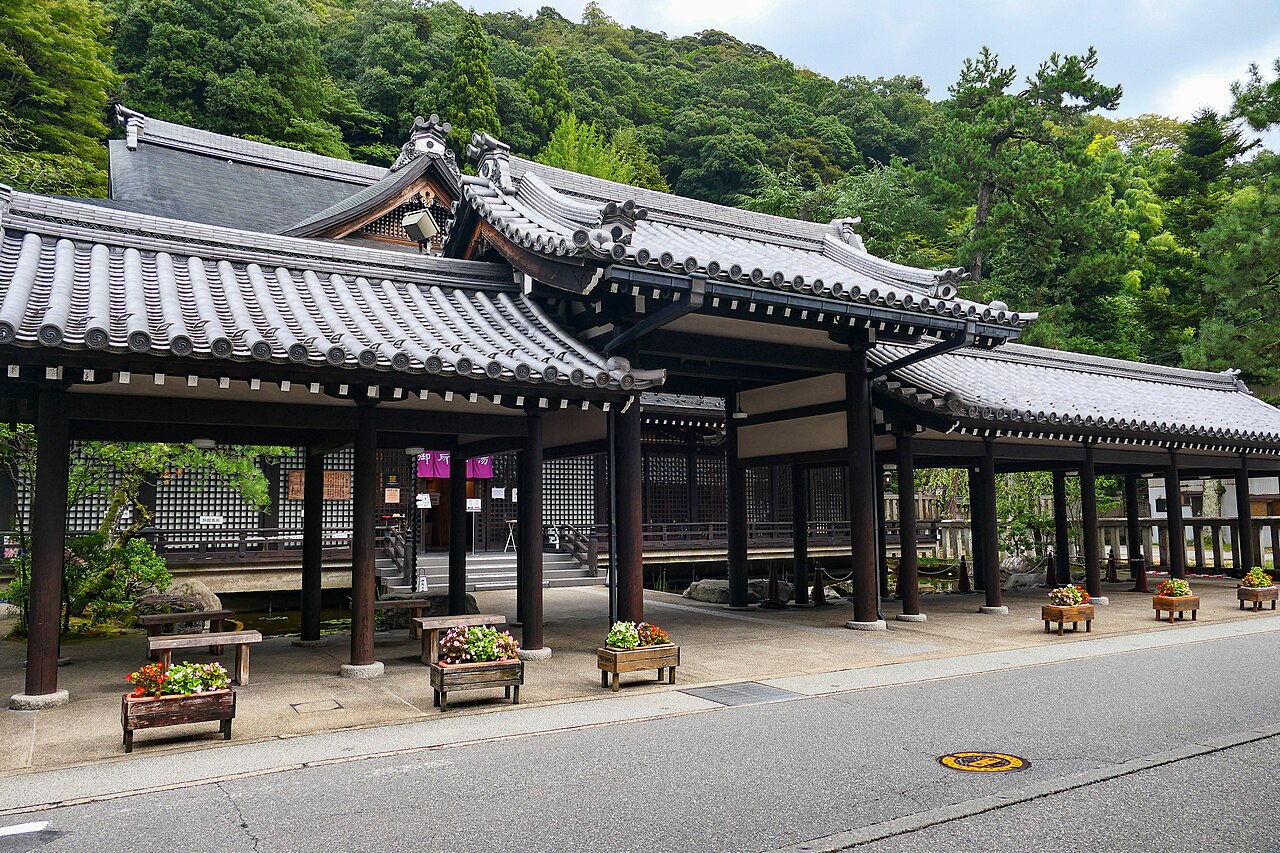
Seven public bathhouses stand along a willow-lined canal in Toyooka, Hyogo. The town's idea is a century old: check in to your inn, pull on a yukata and wooden sandals, and walk between one bathhouse and the next.
- FromOsaka Stn
- ~2 hr 40 minexpress (reserve seat)
- Get off atKinosaki Onsen Station
- On foot
- Kinosaki Onsen
The sweet spot
This is a well-known hot-spring town, not a hidden spot. It is included as a classic worth doing the local way: bathhouse to bathhouse on foot rather than staying in one inn's private bath.
Where it is
30 more notes in Hyogo · open the map →What to look for — in walking order
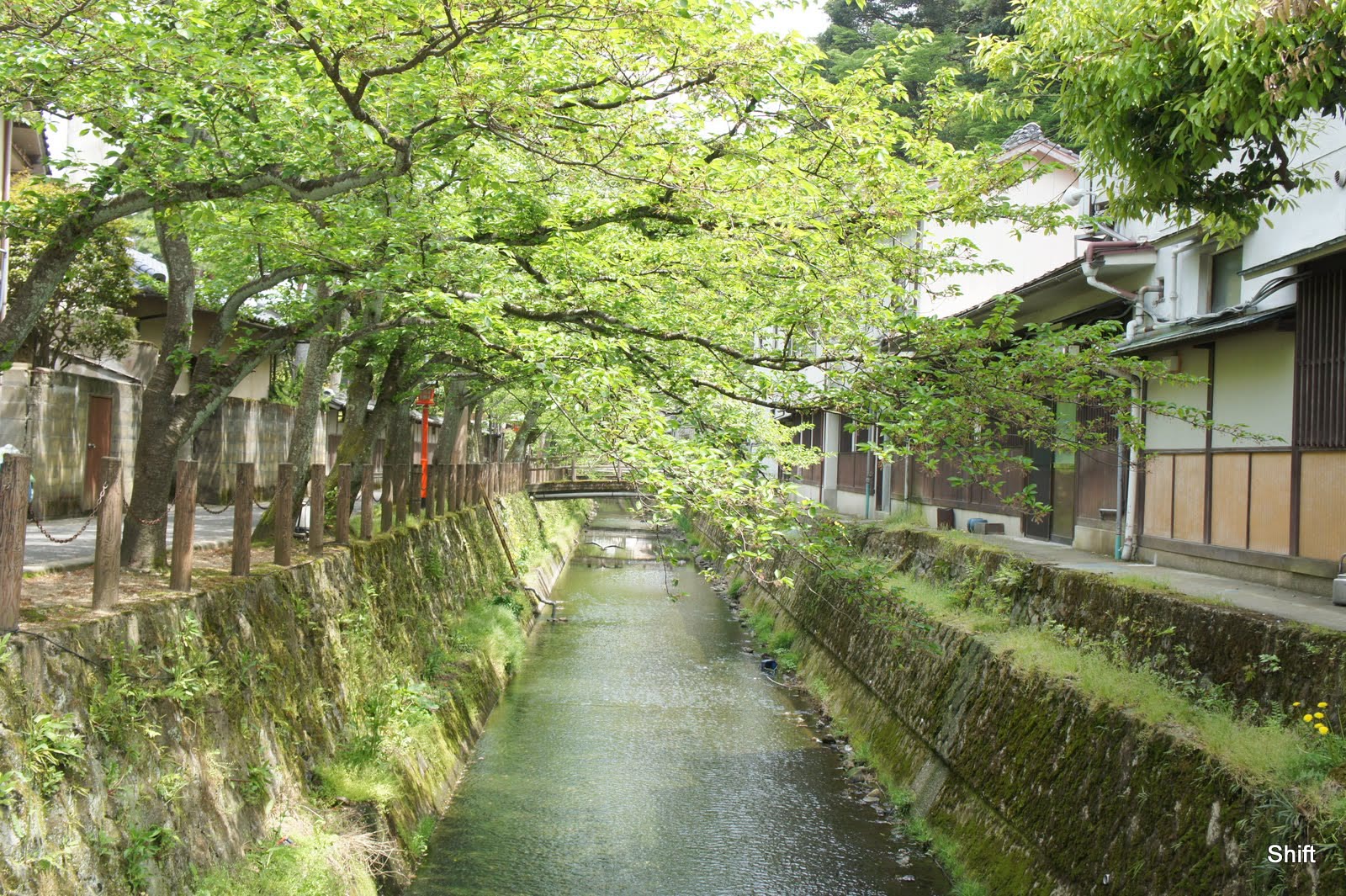
- Canal street from the stationthe willow-lined Otani River canal begins a short walk from Kinosaki Onsen Station
- Ichinoyu's cave baththe town's celebrated bathhouse, with a bath set into natural rock behind an Edo-period-style facade
- Goshonoyu and the remaining bathsfive more open bathhouses along the canal, each with its own character and legend
- Yukata-and-geta walkthe sotoyu-meguri custom of strolling between baths in the robes and wooden sandals the inns provide
How to actually get there
- Osaka Station → Kinosaki Onsen Station (JR Limited Express Kounotori, ~2 hr 40 min; reserve a seat).
- If your train ends at Fukuchiyama, change there to a Kinosaki or Hashidate express for the final stretch.
- From Kinosaki Onsen Station, it is a short walk to the canal street where the bathhouses begin.
- Limited Express from Osaka (direct)
- Osaka Station →(JR Limited Express Kounotori, ~2 hr 40 min)→ Kinosaki Onsen Station. Some trains run direct; others terminate at Fukuchiyama, where you change to a Kinosaki or Hashidate express for the last stretch. Only about six Kounotori a day run all the way through, mostly in the morning, so an early start is easier. A seat reservation is required on these limited express trains — reserve before boarding. From Kyoto, the Limited Express Kinosaki runs direct in about 2 hr 20 min.
- Same limited express back toward Osaka or Kyoto
- Return on the same JR limited express line toward Fukuchiyama, then Osaka or Kyoto. Direct through-trains thin out later in the day and afternoon services often need a change at Fukuchiyama, so check the day's return times at the station when you arrive and reserve your seat. Do not count on a late-night departure.
About the place
Kinosaki Onsen is built around shared public bathhouses rather than private baths inside each inn. Guests check in, change into a yukata (a light cotton robe) and geta (wooden sandals), and walk the canal-side street from one bathhouse to another. The town calls this sotoyu-meguri — a tour of the outdoor public baths. There are seven in all: Ichinoyu, Goshonoyu, Jizoyu, Yanagiyu, Mandarayu, Kounoyu and Satonoyu. Satonoyu has been closed for long-term renovation since March 2024, so six are currently operating. Each has its own character and origin legend. The setting is the Otani River, a canal lined with willow trees and small arched bridges, flanked by traditional wooden inns.
How to enjoy it
Stay overnight at a local inn so you can pull on a yukata and geta and walk the canal between baths in the evening, when the street lanterns are lit and the wooden sandals echo on the stone. Plan your circuit around the six bathhouses currently open — Satonoyu remains closed for renovation.
Background & history
Each bathhouse carries its own founding legend: Kounoyu is tied to a story of an injured oriental stork that healed its leg in the spring water, while Ichinoyu was praised as a first-rate cure by an Edo-period physician. The town's literary fame owes much to novelist Naoya Shiga, who came to Kinosaki in 1913 to recuperate after being struck by a train in Tokyo. That stay became his short story 'At Kinosaki' (Kinosaki nite), published in 1917 and long regarded as a model of the Japanese I-novel — a confessional style of autobiographical fiction.
Before you go
- Cash
- Each bathhouse charges an entry fee at its own counter; carry some cash, as small facilities may not take cards. On the JR trains you can tap an IC card (Suica or ICOCA) for the base fare, but limited express seats must be reserved and paid for separately.
- Good to know
- One of the seven bathhouses, Satonoyu, has been closed for renovation since March 2024 with no confirmed reopening date, so plan around six baths, not seven. Each bathhouse keeps its own opening hours and rest days — check the current times before you set out.
- Another way
- You do not have to stay overnight to bathe. Day visitors can also use the public bathhouses, though a yukata robe is not included and must be rented separately if you want one.
- After you get off
- From Kinosaki Onsen Station the canal street begins a short walk away. The bathhouses are spread along it on foot; the farthest one, Kounoyu, is roughly a 15 to 25 minute walk from the station.
Nearby notes
 Samchan91 / CC BY-SA 4.0
Nature · Hyogo★★
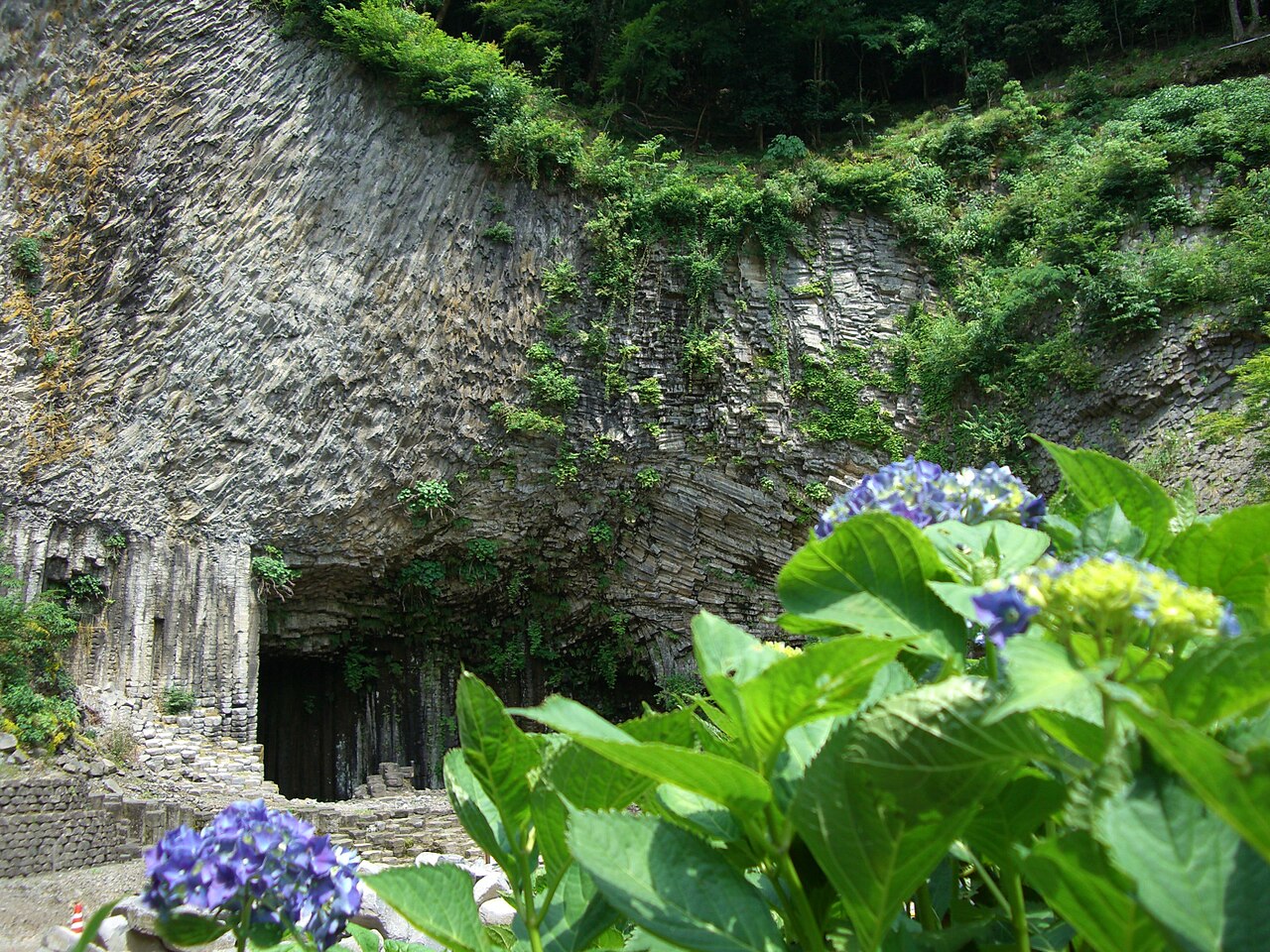
Genbudō
4.2 km · straight line
 Samchan91 / CC BY-SA 4.0
Food · Hyogo★★
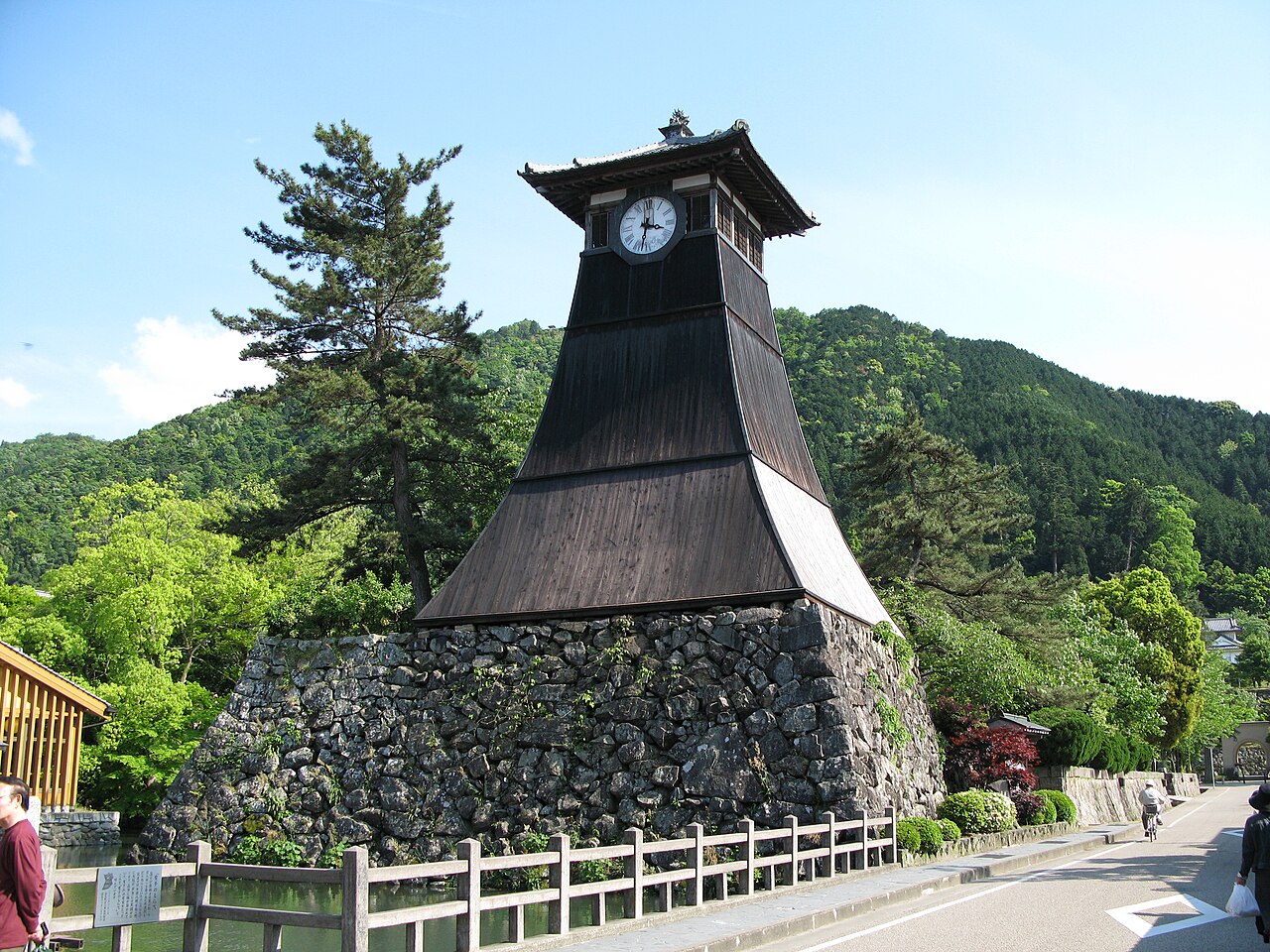
Izushi castle town
19.0 km · straight line
 Cheng-en Cheng / CC BY-SA 2.0
History · Hyogo★★
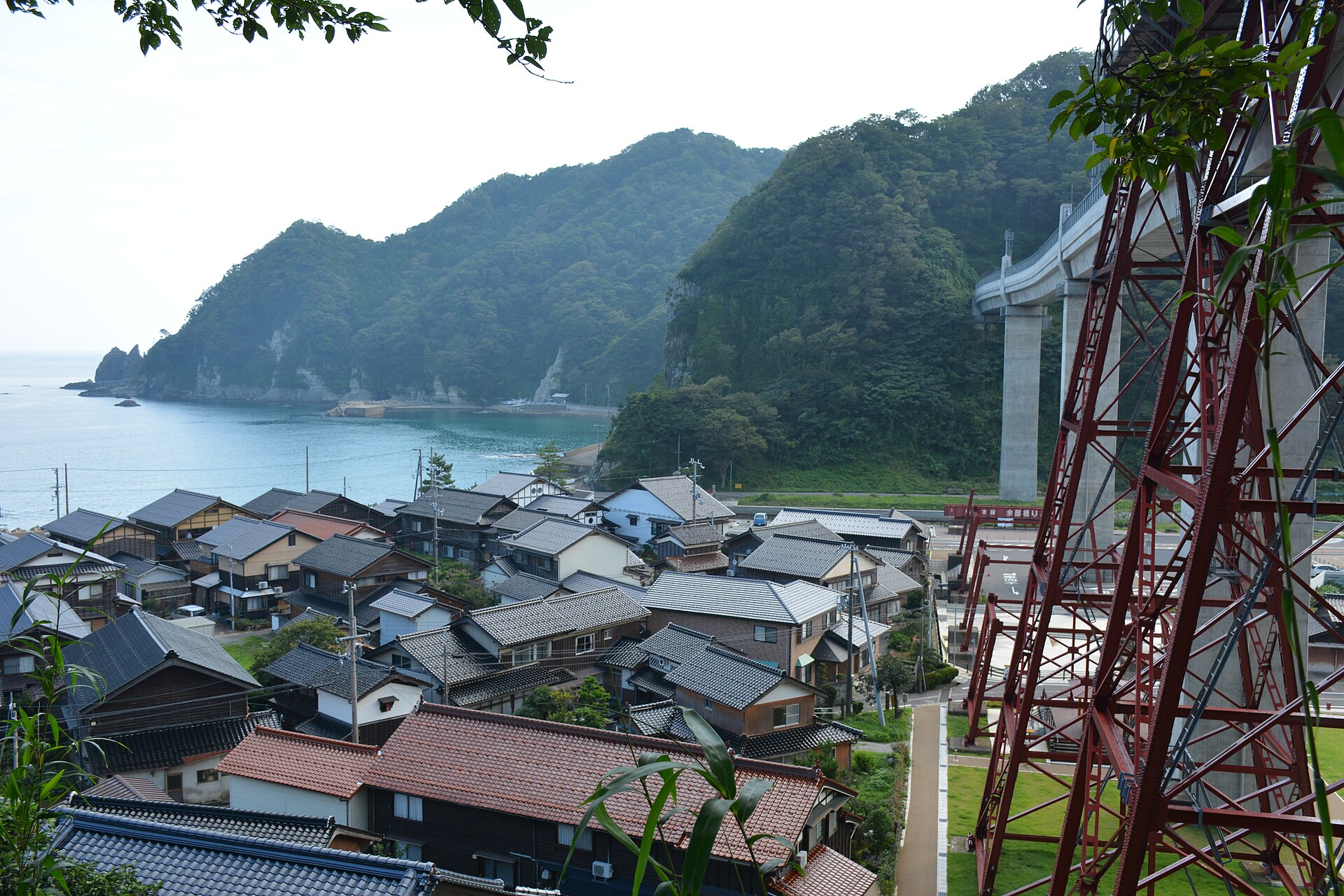
Amarube Sky Station
22.6 km · straight line
 At by At / CC BY-SA 3.0
Craft · Kyoto★
Chirimen Kaido
29.0 km · straight line
Distances are straight lines on the map, not travel times.