Tokyo Central · ChiyodaNo.316★★Open in map →
Kokyo Gaien and Nijubashi
— the free plaza before the Imperial Palace
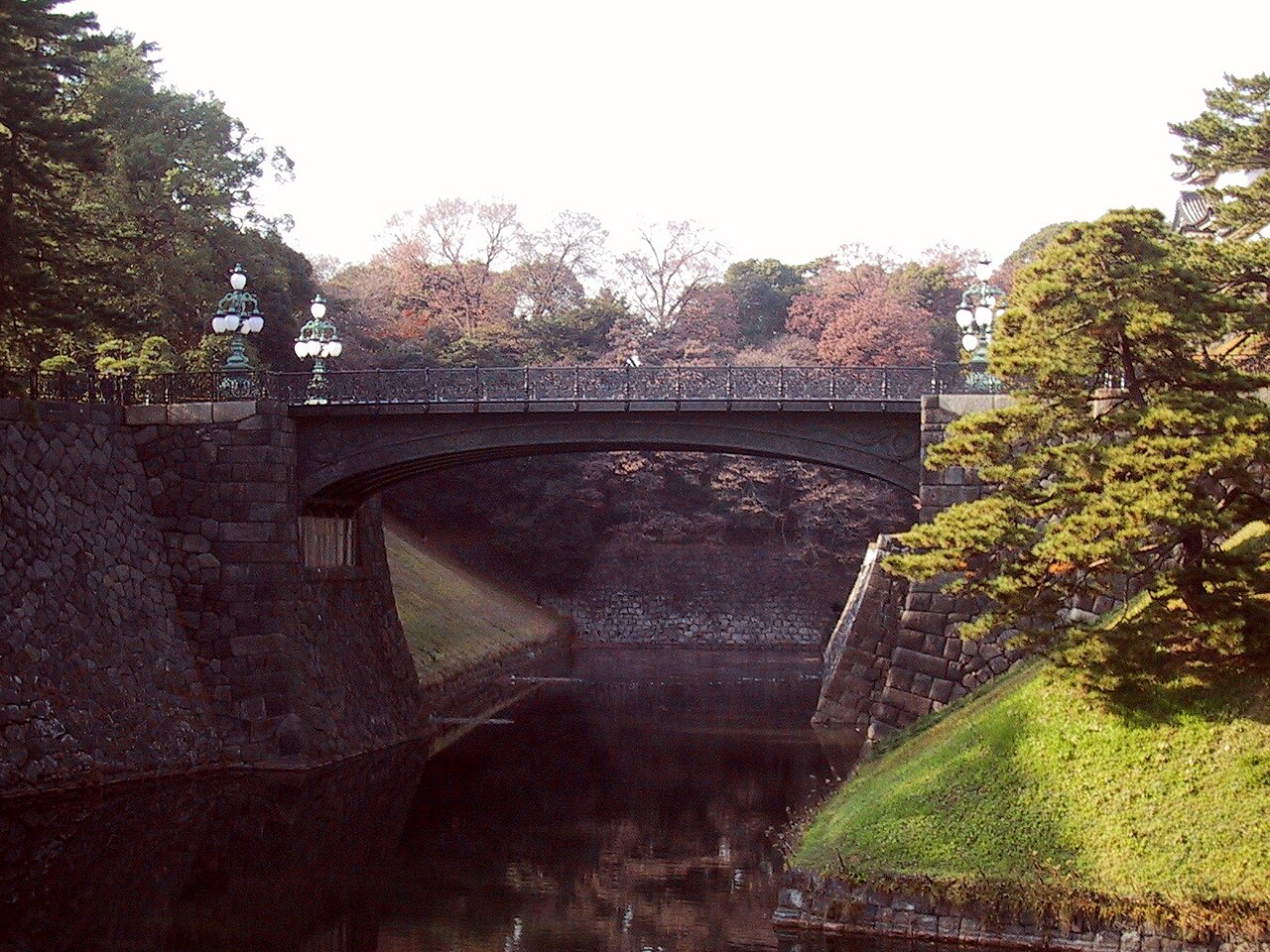
Kokyo Gaien National Garden is the free public plaza directly outside the Imperial Palace's main gate in central Tokyo — gravel grounds, black pines and the Edo Castle moat, with the classic view of the Nijubashi bridges.
- FromTokyo Stn
- ~10 minMetro (very frequent)
- Get off atNijubashimae Station (Tokyo Metro Chiyoda Line)
- On foot
- Kokyo Gaien and Nijubashi
The sweet spot
Tour groups arrive by coach, take the bridge photograph, and leave within twenty minutes. Before about nine in the morning the coaches have not come, the gravel is empty, and low sun rakes across the pines and the water — the same view, a completely different experience.
Where it is
77 more notes in Tokyo · open the map →What to look for — in walking order
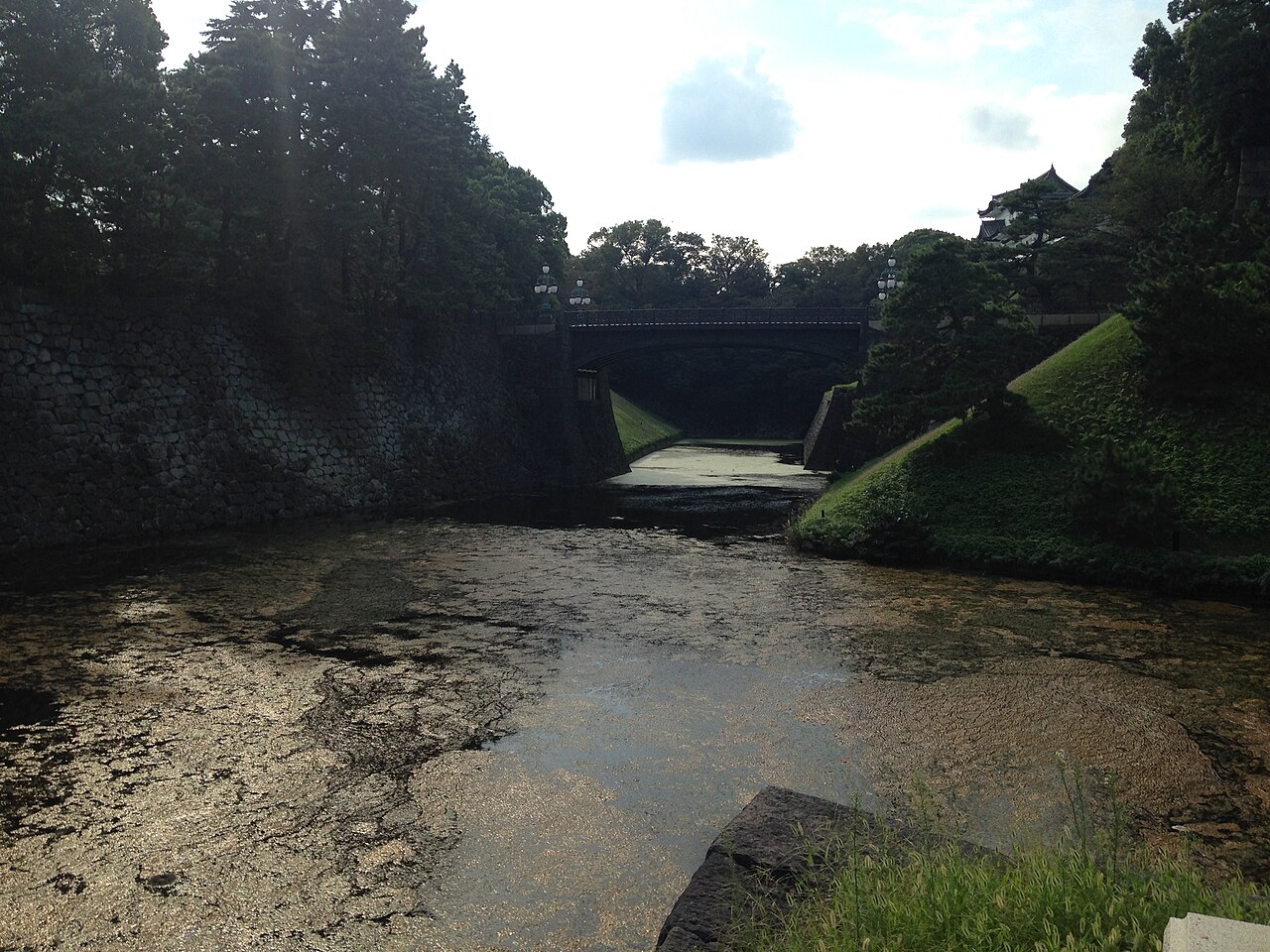
- The Nijubashi viewthe arched stone bridge with the iron bridge behind and above it, framed by the moat and the Fushimi turret
- The black pine plainhundreds of pines pruned individually across open gravel — a landscape with no real equivalent elsewhere in Tokyo
- The Kusunoki Masashige statuea bronze equestrian statue of the 14th-century commander, at the southern end of the plaza
- Sakuradamon gatea surviving Edo Castle gate at the southwest corner, a 10-minute walk along the moat
How to actually get there
- Tokyo Stn → Otemachi Stn (walk) → Nijubashimae Stn (Tokyo Metro Chiyoda Line, 1 stop, ~2 min).
- Exit 2, cross to the plaza and walk west across the gravel (~5 min).
- Stop at the moat edge opposite the main gate for the Nijubashi view; the Kusunoki Masashige statue is a short walk south.
- Metro Chiyoda Line one stop, or walk from Tokyo Stn
- From Tokyo Stn, walk to Otemachi Stn and take the Tokyo Metro Chiyoda Line one stop to Nijubashimae Stn (~2 min), then walk about 5 minutes west to the plaza. Total about 10 minutes. Alternatively, walk the whole way from Tokyo Station's Marunouchi Central Exit — a straight 15 minutes down Gyoko-dori avenue, which is the better approach on a clear morning.
- Back to Tokyo Stn, or on to the East Gardens
- Retrace the walk to Tokyo Station, or continue north along the moat about 15 minutes to the Otemon gate of the Imperial Palace East Gardens, which is a separate, also free, area inside the old castle.
About the place
Kokyo Gaien is a national garden managed by the Ministry of the Environment, occupying the ground immediately outside the palace's main gate. It reads less like a park than like a stage set: wide gravel, a low horizon of black pines pruned into deliberate shapes, and behind them the stone ramparts and water of what was Edo Castle. Walk to the far end and the view arrives — the arched stone bridge in front, the iron bridge set behind and above it, together known as Nijubashi, 'double bridge'. The bridges themselves are inside the palace and not open, but the view across the moat is free and unrestricted, and it has been the standard image of the Imperial Palace for well over a century.
How to enjoy it
Arrive before nine. The plaza is always open, the coaches have not arrived, and the low light makes the pines and the water do all the work. Allow 40 minutes to cross the gravel slowly rather than heading straight for the bridge. From here you can walk north along the moat to the Imperial Palace East Gardens for the inside of the old castle, or south to Sakuradamon and Hibiya Park — the whole moat circuit is flat and free.
Background & history
The land was part of Edo Castle, the seat of the Tokugawa shoguns until 1867, and held the residences of senior retainers. After the imperial court moved to Tokyo the buildings were cleared and the ground was laid out as an open plaza before the palace. It opened to the public as a national garden after the Second World War and is now managed by the Ministry of the Environment. The name Nijubashi comes from the pairing of the stone bridge at the front and the iron bridge behind it at the main gate.
Before you go
- Cash
- Entry is free and there is no ticket or gate. There are toilets and a rest house in the grounds, but no shops on the plaza itself — buy drinks at Tokyo Station or the Marunouchi buildings before you walk over.
- Good to know
- There is no shade on the gravel, so midsummer midday is punishing. The bridges and the inner palace are closed to the public except on two special open days a year; the outer plaza itself is open at all times.
- Another way
- Yurakucho, Hibiya and Sakuradamon stations are all within a 10-minute walk of different corners of the plaza, so you can approach from whichever line suits your day.
- After you get off
- From Nijubashimae Station exit 2, cross the road and the plaza opens directly in front of you; walk about 5 minutes across the gravel toward the moat for the bridge view.
Nearby notes
 AMANO Jun-ichi / CC BY 3.0
History · Tokyo★★
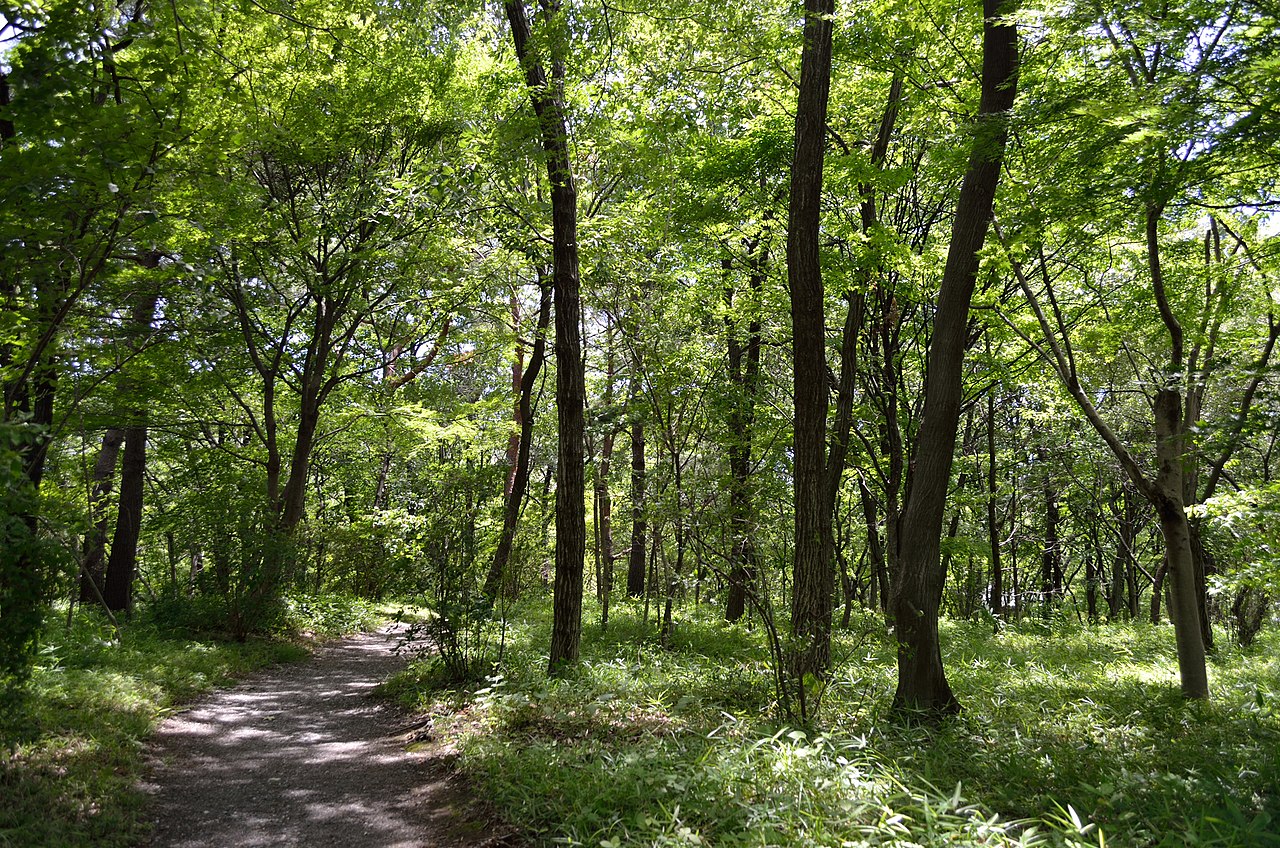
Imperial Palace East Gardens
0.8 km · straight line
 Kakidai / CC BY-SA 4.0
Culture · Tokyo★★
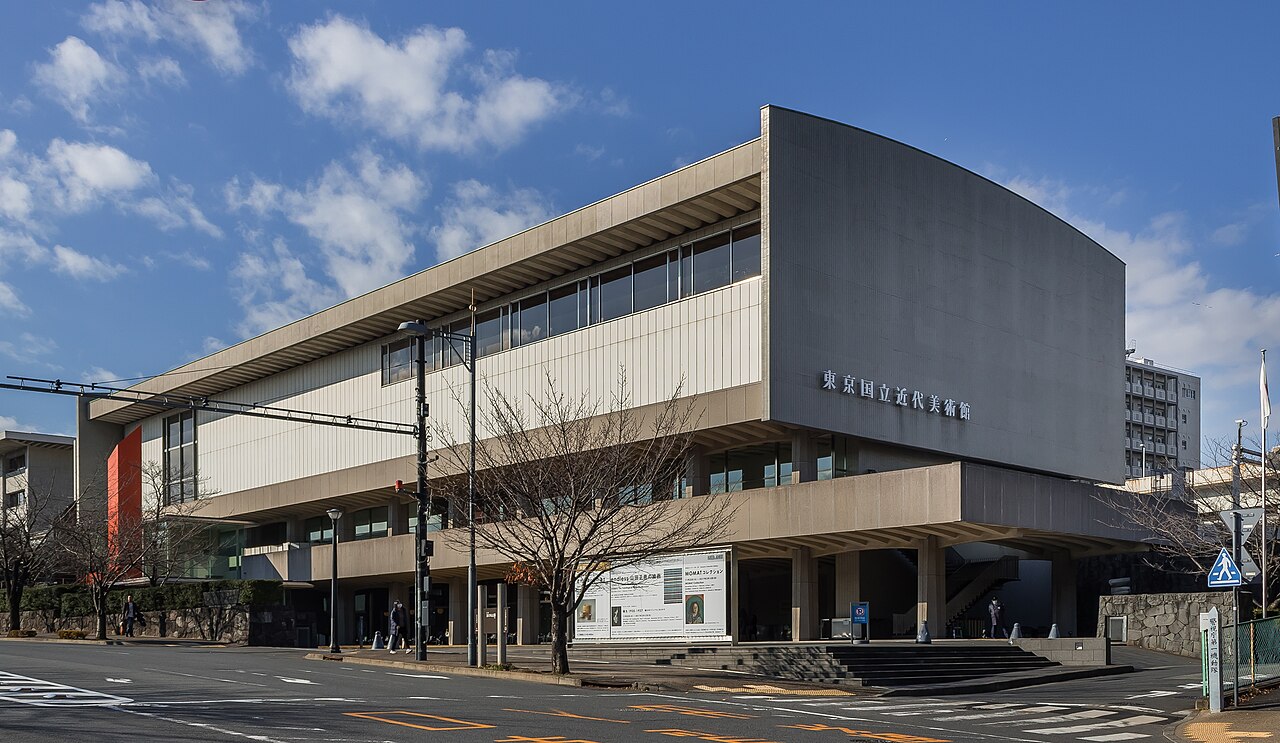
The National Museum of Modern Art
1.2 km · straight line
 / CC BY-SA 3.0
History · Tokyo★★★
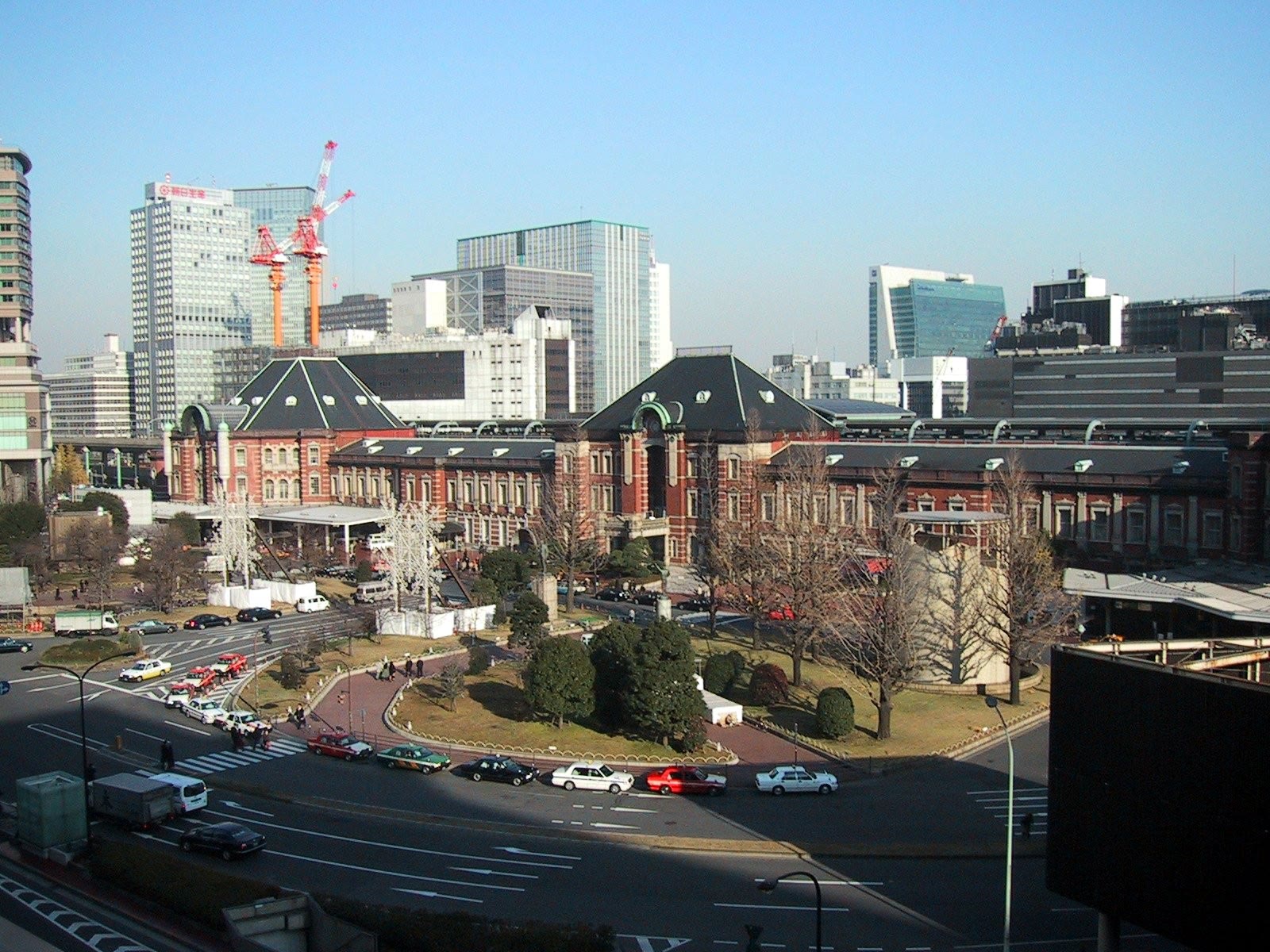
Tokyo Station
1.2 km · straight line
 Eddy Milfort from Sydney, Australia / CC BY-SA 2.0
Local life · Tokyo★★★
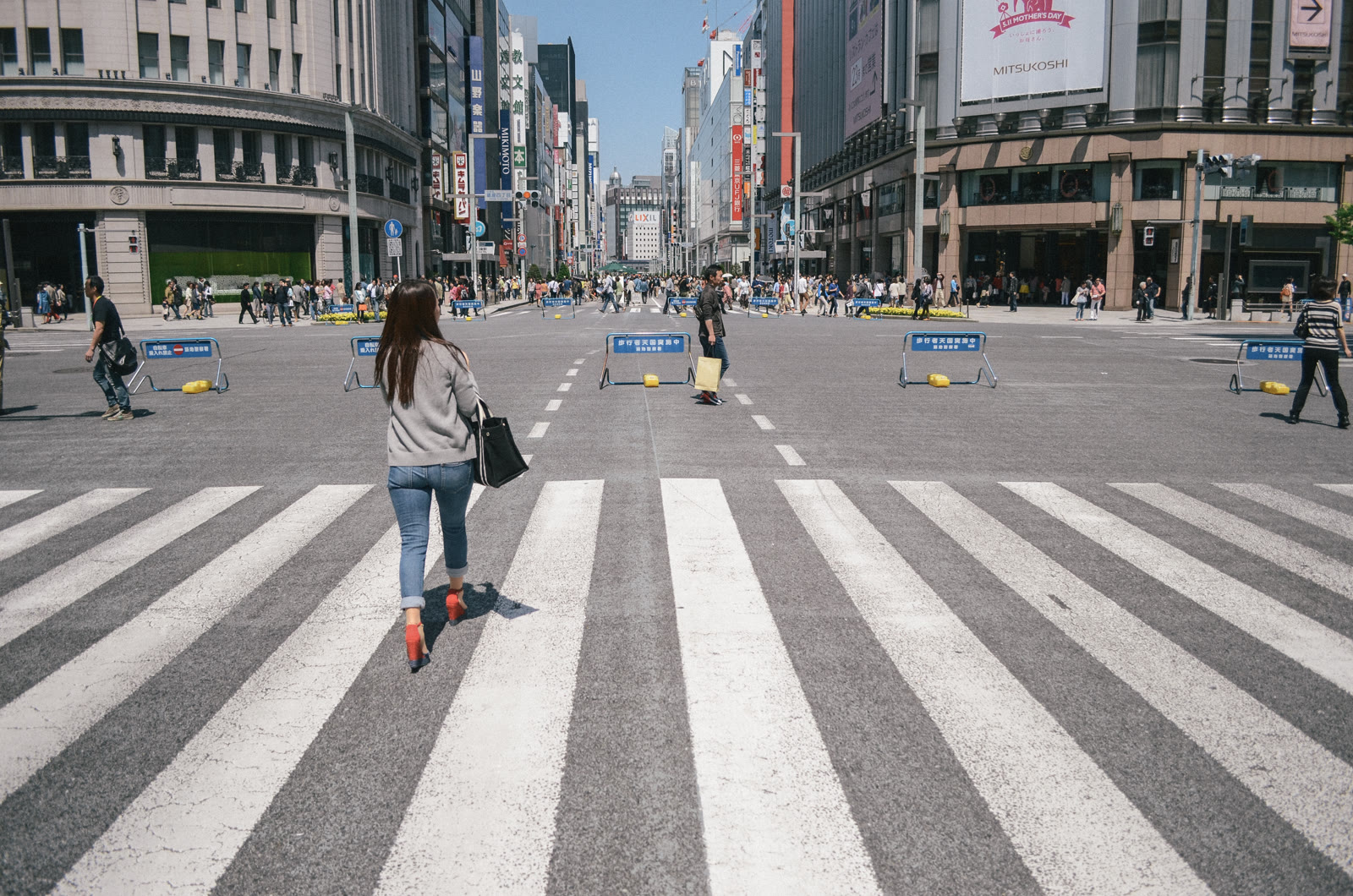
Ginza
1.4 km · straight line
Distances are straight lines on the map, not travel times.