Tokyo · GinzaNo.396★★★Open in map →
Ginza
— the silver mint turned shopping street
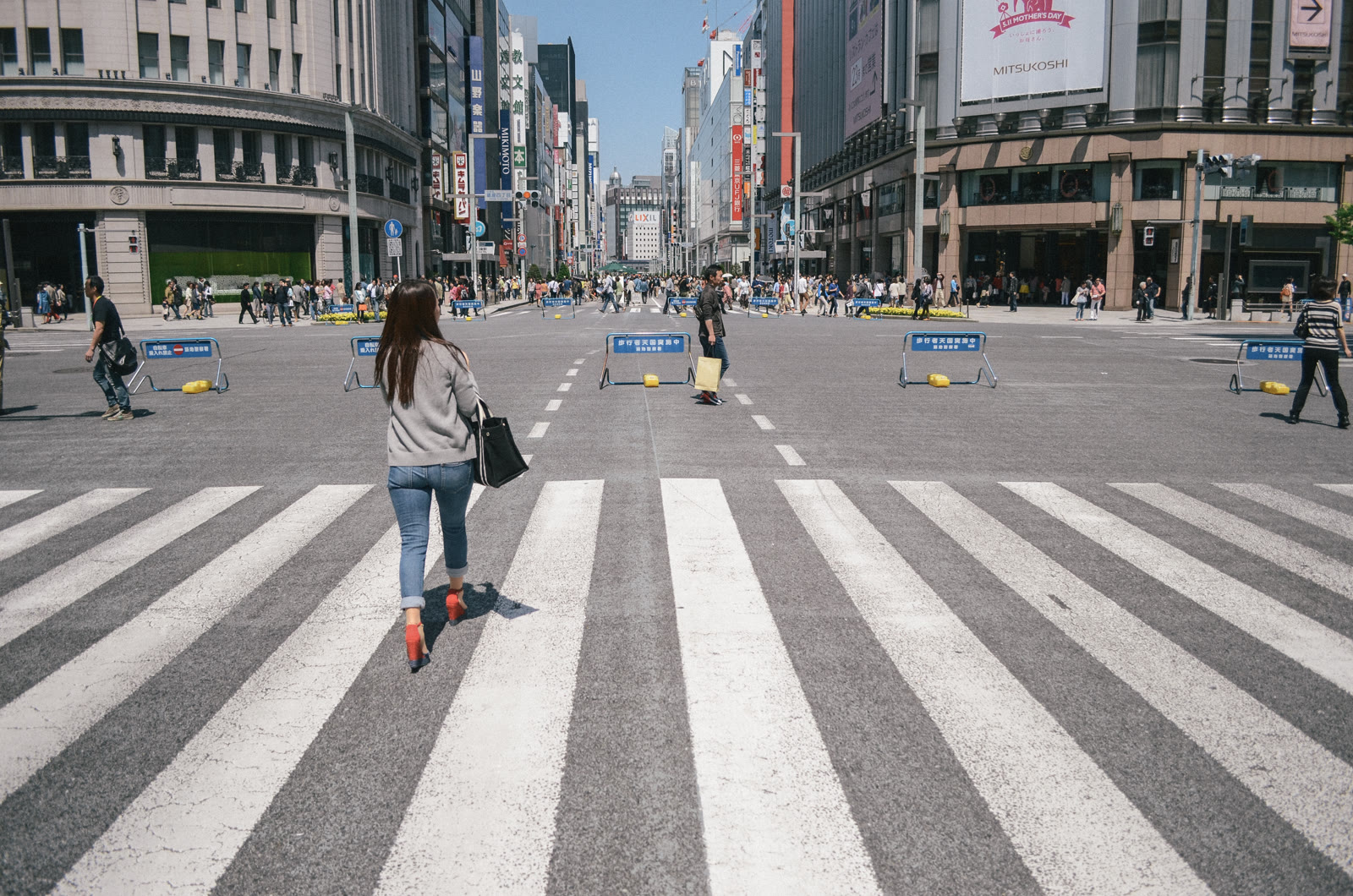
Tokyo's luxury retail district, built on the site of a shogunal silver mint. On weekend and holiday afternoons the main avenue, Chuo-dori, closes to cars and becomes a pedestrian street.
- FromTokyo Stn
- ~15 minTokyo Metro, doorstep
- Get off atGinza Station (Ginza, Marunouchi, Hibiya lines)
- On foot
- Ginza
Where it is
77 more notes in Tokyo · open the map →What to look for — in walking order
- Ginza 4-chome crossing and the Wako clock towerthe district's central junction, with the 1932 clock tower that survived the war and now functions as Ginza's landmark
- Chuo-dori under hokotenon weekend and holiday afternoons the avenue closes to cars and chairs appear in the road; the only time you can stand in the middle of it
- The gallery floorsJapan's densest cluster of commercial art galleries, mostly small rooms on upper floors, nearly all free to enter and rarely visited by tourists
- Department store food hallsthe basement food floors of the big stores, where the packaging is the point and single pieces of fruit carry three-figure prices
How to actually get there
- Tokyo Stn → Ginza Stn (Tokyo Metro Marunouchi Line, ~3 min).
- Exit at the 4-chome crossing → Wako clock tower → walk Chuo-dori.
- Detour into the upper-floor galleries, then a department store basement food hall on the way out.
- Tokyo Stn → Ginza Stn (Tokyo Metro Marunouchi Line)
- From Tokyo Station take the Tokyo Metro Marunouchi Line two stops to Ginza Station, about 3 minutes. The station exits directly onto Chuo-dori at the 4-chome crossing. Walking from Tokyo Station takes about 15 minutes through Yurakucho and is pleasant in good weather.
- Ginza Stn → Tokyo Stn
- Reverse on the Marunouchi Line, or walk to JR Yurakucho Station, one stop from Tokyo on the Yamanote Line. Ginza Station is served by three metro lines, so most Tokyo destinations are reachable without a transfer.
About the place
Ginza takes its name from the ginza — the silver mint — that the shogunate moved here in 1612; the gold equivalent, the kinza, sat where the Bank of Japan stands today. The mint is long gone but the name outlived it. The district burned in 1872 and was rebuilt as Japan's first Western-style brick quarter under the English engineer Thomas Waters, which set its character as the place where Japan tried out the new and the imported. That is still what it does: department stores, flagship boutiques, and the clock tower of the Wako building at the Ginza 4-chome crossing, which is the image most people carry of the district. On weekend and holiday afternoons Chuo-dori closes to traffic and people walk down the middle of the road, an arrangement running since 1970 that turns an expensive street into a free one. The part visitors most often miss is that Ginza has the densest concentration of commercial art galleries in Japan, most of them small, most on upper floors, and almost all free to walk into.
How to enjoy it
Come on a Saturday or Sunday afternoon for the hokoten, when the street belongs to people rather than cars; times shift with the season, so check the day's hours. Ginza is expensive to shop in and free to walk in — the galleries and the department store basements cost nothing and are the more interesting half. The Kabukiza theatre is a few minutes east if you want a single act of kabuki, and Tsukiji outer market is a fifteen-minute walk beyond it, which makes a natural morning-to-afternoon line: market, theatre, then Ginza as the street empties of cars.
Background & history
The shogunate relocated its silver mint to this reclaimed marshland in 1612, giving the district its name. After the great fire of 1872 the Meiji government rebuilt Ginza in brick to designs by the English engineer Thomas Waters, creating a gas-lit Western streetscape intended as a showcase of modernisation; almost none of that brickwork survived the 1923 earthquake and the war. The district rebuilt again each time as Japan's premier retail address. The pedestrian arrangement on Chuo-dori, known as hokoten, began in 1970 as part of a wider Tokyo experiment in closing shopping streets to cars, and Ginza's is the one that stuck.
Before you go
- Cash
- Walking, the galleries and the hokoten cost nothing. Department stores and boutiques take cards and IC payment as a matter of course. Carry a little cash for small galleries and older coffee shops.
- Good to know
- The pedestrian hours on Chuo-dori apply to weekends and public holidays only, run in the afternoon, and are cancelled in bad weather — confirm on the day rather than assuming. Galleries usually close on Sundays or Mondays, so the hokoten day and the gallery day do not always coincide.
- Another way
- JR Yurakucho Station is a 5-minute walk from the 4-chome crossing and is on the Yamanote Line. The Hibiya and Asakusa lines reach Higashi-Ginza, which puts you next to the Kabukiza.
- After you get off
- Ginza Station exits open directly onto the 4-chome crossing. Take exit A2 or A4 for the Wako clock tower side.
Nearby notes
 Tak1701d / Public Domain
Culture · Tokyo★★★
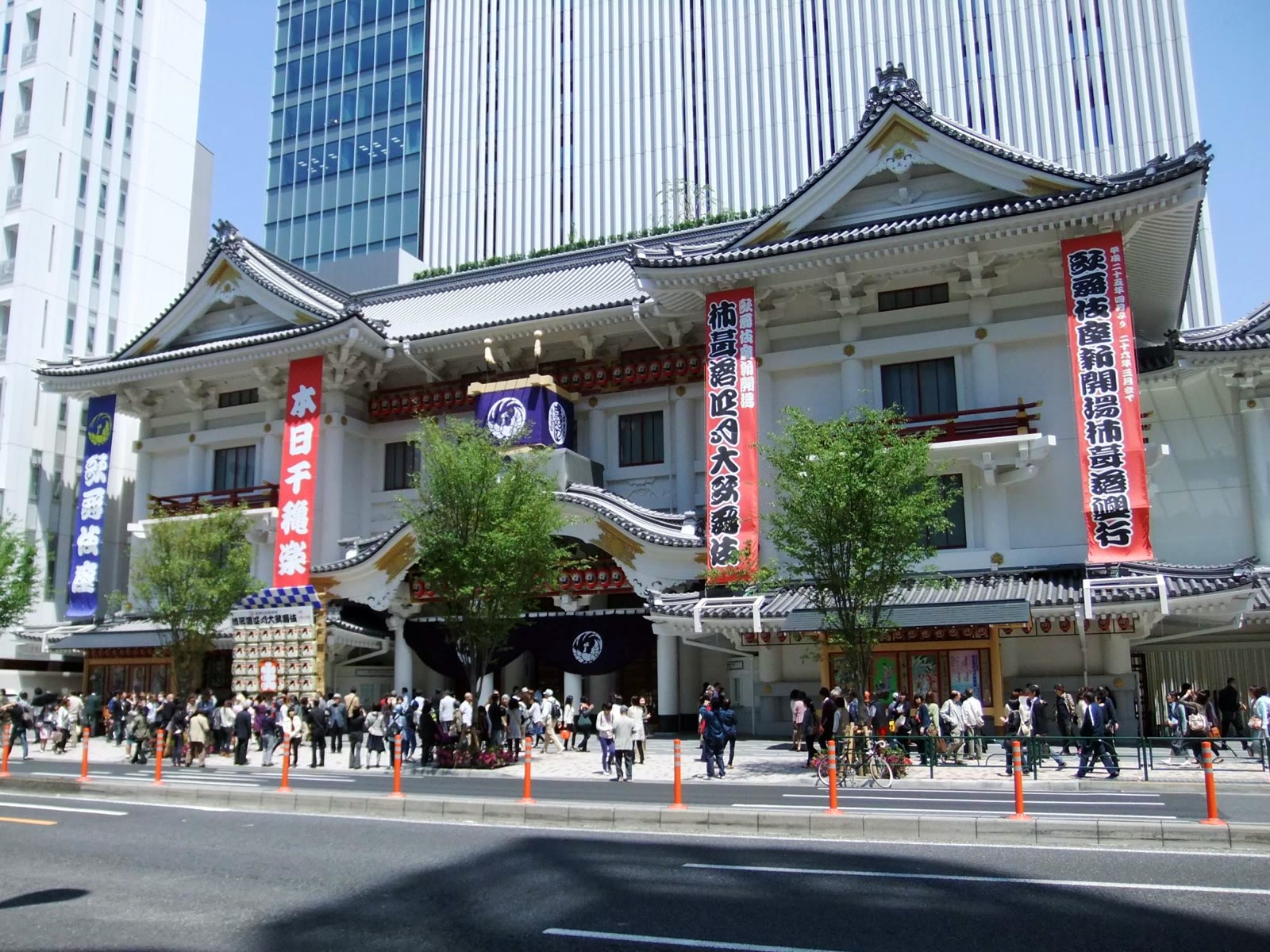
Kabuki-za Theatre
0.3 km · straight line
 Aimaimyi / CC BY-SA 3.0
Food · Tokyo★★★
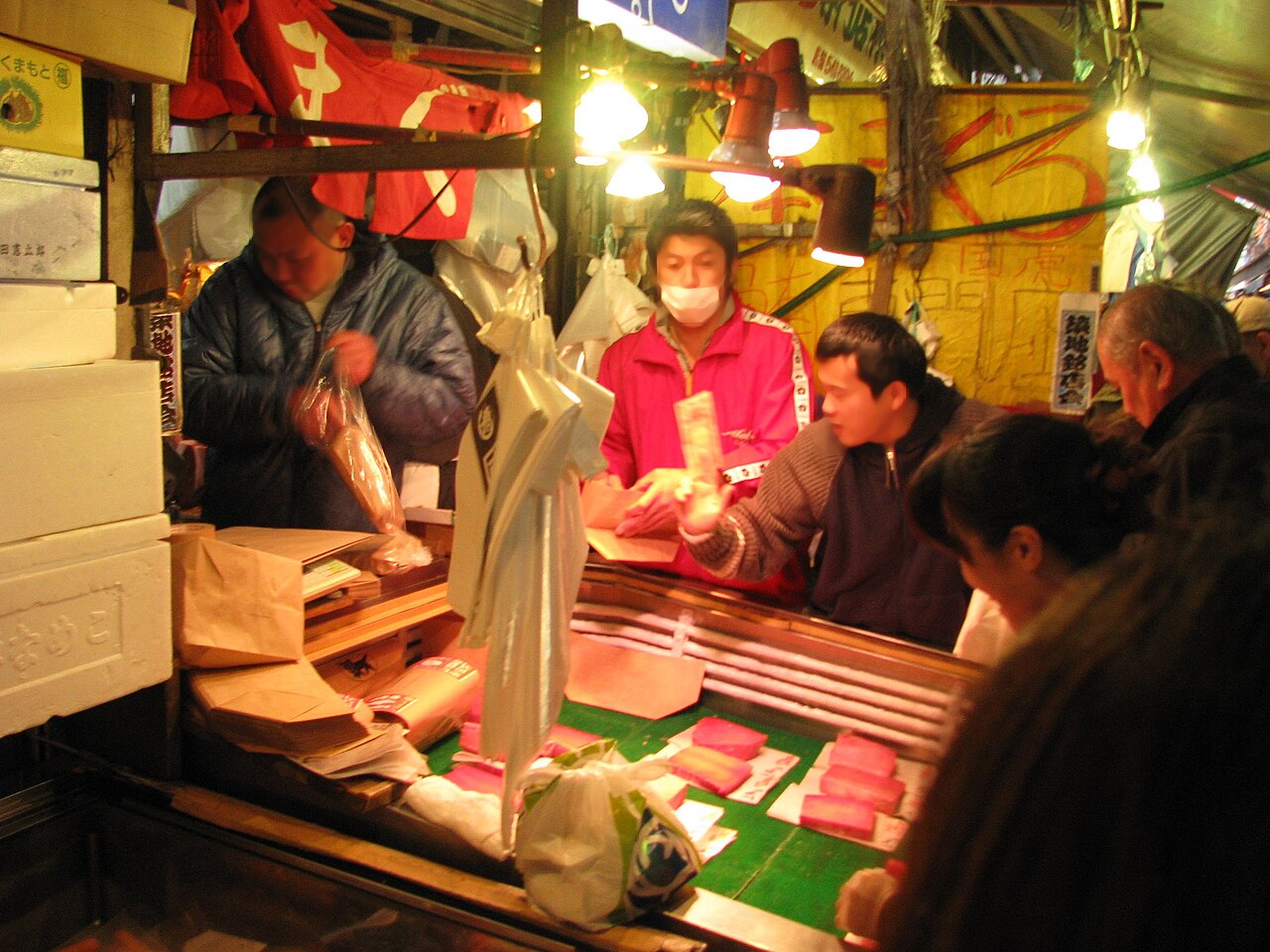
Tsukiji Outer Market
0.8 km · straight line
 Kakidai / CC BY-SA 4.0
History · Tokyo★★
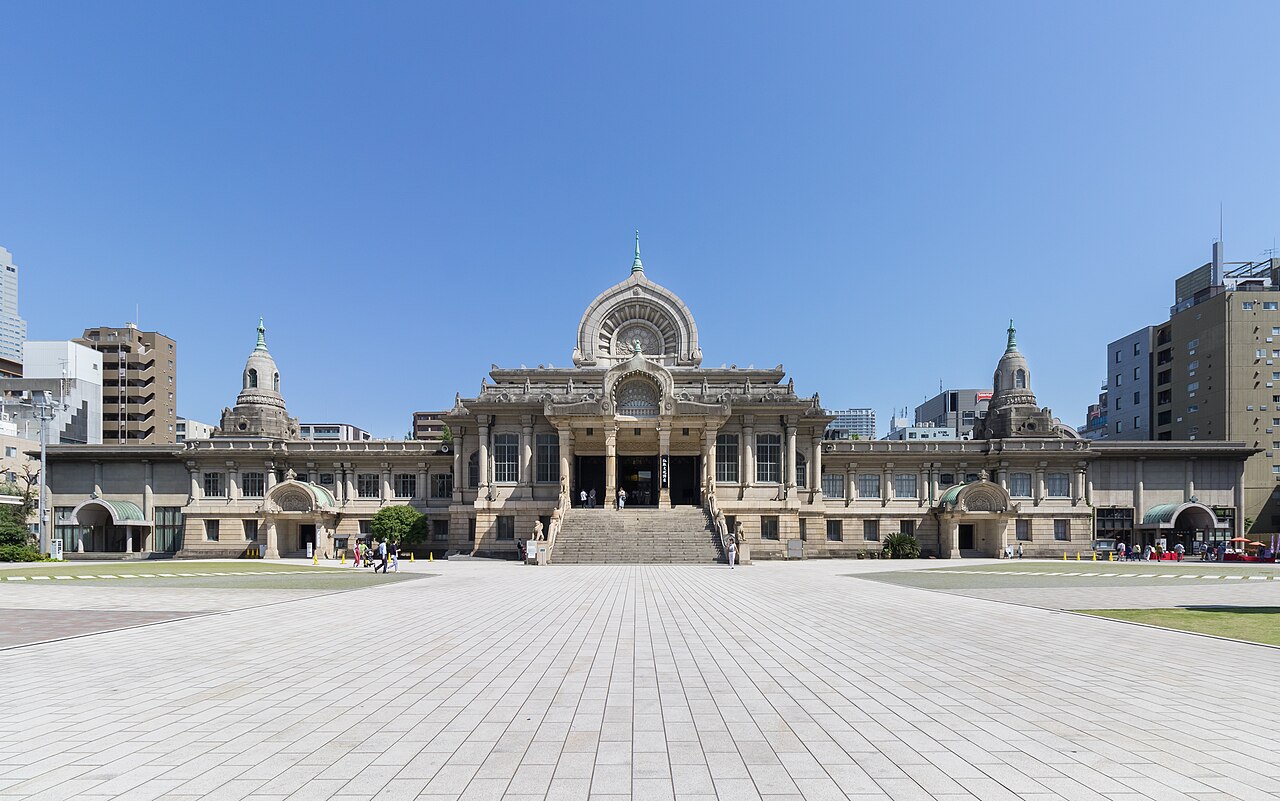
Tsukiji Hongwanji
0.8 km · straight line
 / CC BY-SA 3.0
History · Tokyo★★★
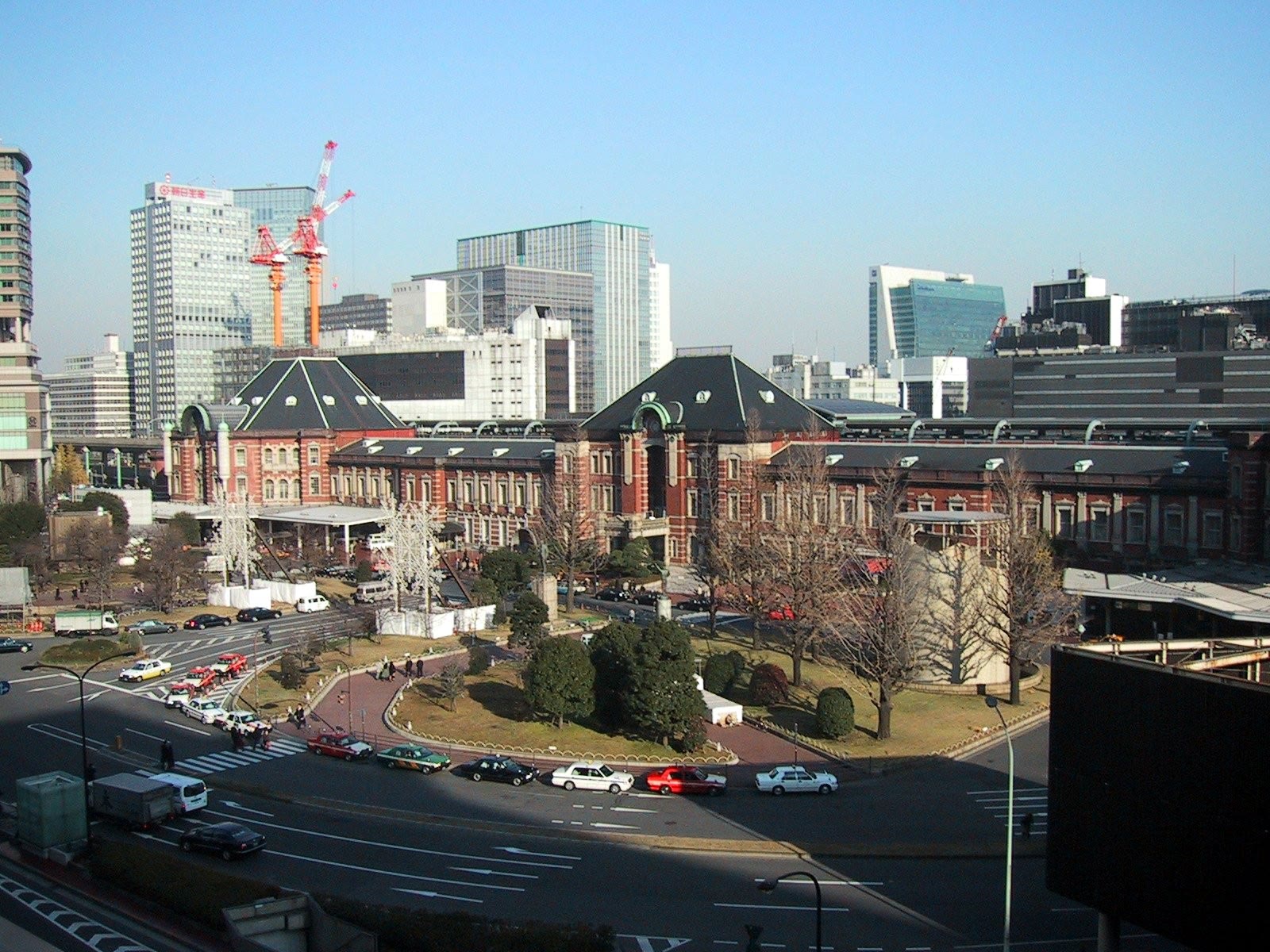
Tokyo Station
1.1 km · straight line
Distances are straight lines on the map, not travel times.