Tokyo Central · TsukijiNo.142★★★Open in map →
Tsukiji Outer Market
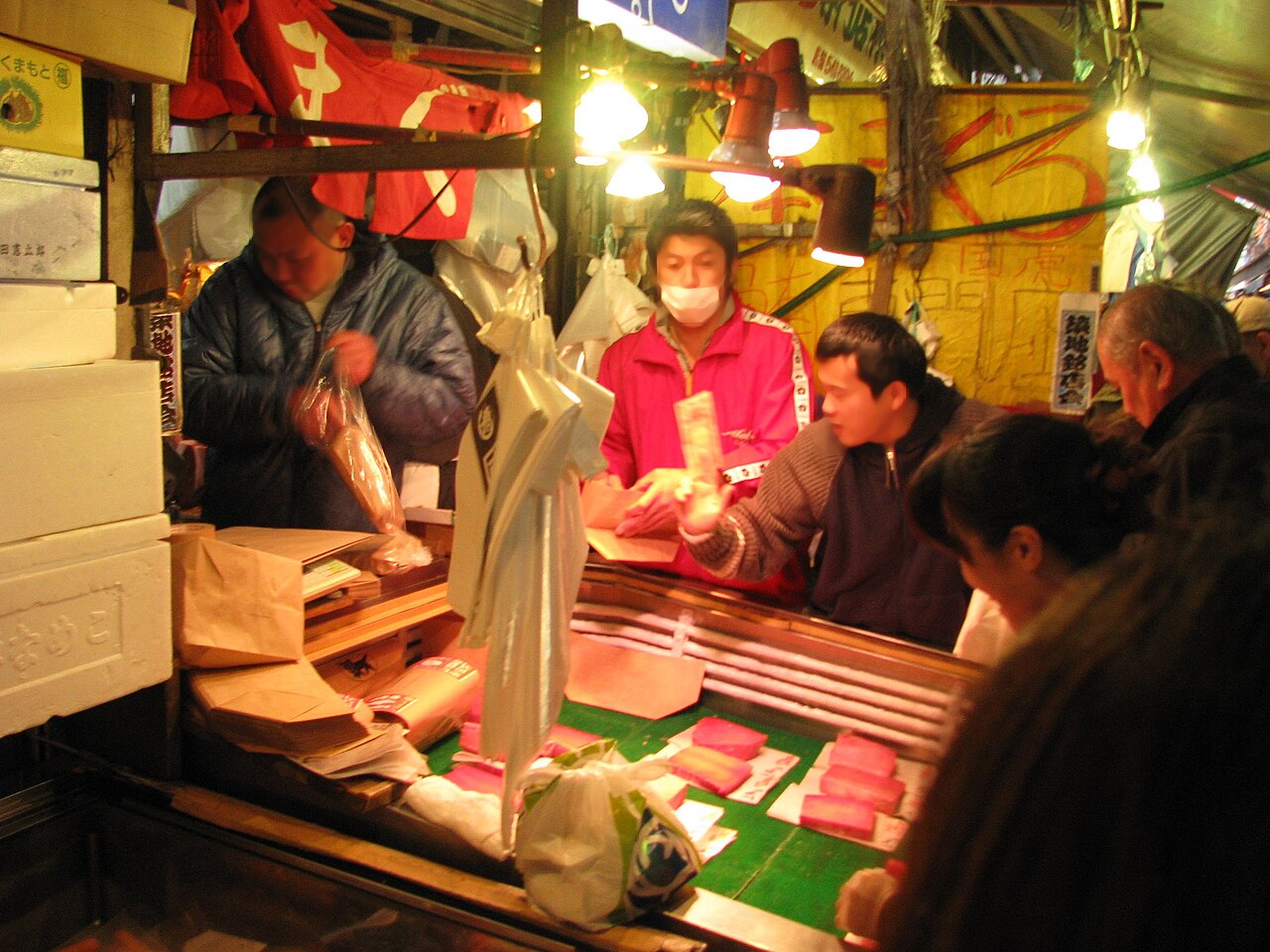
A dense grid of roughly 460 food and kitchenware shops in central Tokyo. When the wholesale fish auctions moved out in 2018, this retail-and-restaurant quarter stayed put.
- FromTokyo Stn
- ~15-20 minmetro (frequent)
- Get off atTsukiji Station (Tokyo Metro Hibiya Line)
- On foot
- Tsukiji Outer Market
Where it is
77 more notes in Tokyo · open the map →What to look for — in walking order
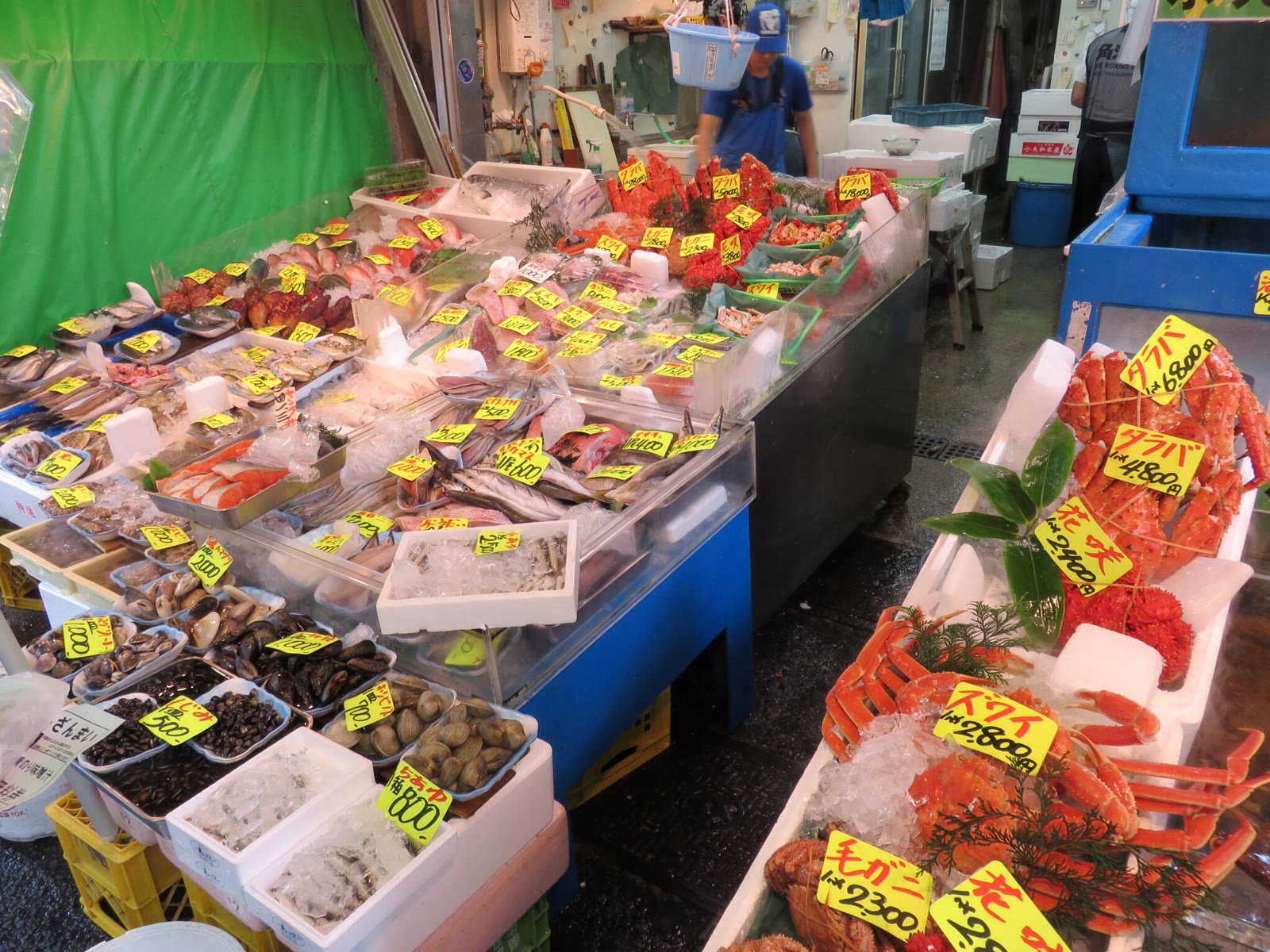
- Back alleyswhere specialist stalls cluster — step off the main lane to reach them
- Fresh seafood stallstuna, uni, ikura and other catch sold retail across the market
- Ready-to-eat street foodtamagoyaki, grilled seafood, rice bowls and sushi to eat on the spot
- Sushi knives and kitchenwarespecialist cutlery shops and cookware stores that supply professional kitchens
- Dried goods and seasoningsdried seafood, pickles, seaweed and Japanese seasonings from long-running specialist shops
How to actually get there
- Tokyo Station → Ginza Station (Tokyo Metro Marunouchi Line, ~3 min).
- Ginza Station → Tsukiji Station (change to Tokyo Metro Hibiya Line, ~3 min).
- Tsukiji Station → Tsukiji Outer Market (walk, ~1 min on flat streets).
- At the market, turn into the back alleys rather than the main street for the specialist stalls.
- Tokyo Metro: Marunouchi Line + Hibiya Line
- Tokyo Station →(Marunouchi Line, ~3 min)→ Ginza Station → change to →(Hibiya Line, ~3 min)→ Tsukiji Station → about a 1-minute walk to the market. Total about 15-20 min including the transfer and walk. Trains run every few minutes, so no timetable check is needed.
- Return: same lines, all day
- Return the same way: Tsukiji Station (Hibiya Line) back toward Ginza and Tokyo Station. Trains run frequently from early morning until just after midnight, so there is no last-connection worry during the day.
About the place
The Tsukiji Outer Market is a compact warren of specialist shops and small restaurants in Chuo, central Tokyo, with roughly 460 stalls selling fresh seafood, tuna, vegetables, dried foods, pickles, seasonings, kitchen knives and cookware alongside sushi counters, donburi, tamagoyaki (rolled Japanese omelette) and ramen. In October 2018 the famous wholesale market and its tuna auctions relocated to Toyosu, but the outer market — which had always been the part open to the general public — carried on in place. Locals call it "Tokyo's kitchen," and it still serves both professional food buyers and visitors. Some buildings here are more than 80 years old.
How to enjoy it
Most shops open around 5:00 and start winding down by early afternoon, so come in the morning. Around 9:00 is comfortable for browsing, once the early trade rush by professional buyers eases. Tour groups cluster from mid-morning — arriving earlier makes the market feel like a different place. Hours and closing days vary by shop; much of the market is quiet on Sundays and some Wednesdays, so check tsukiji.or.jp before you go. Many individual stalls take cash only.
Background & history
The market moved to the Tsukiji site after the 1923 Great Kanto Earthquake destroyed the earlier fish market at Nihonbashi, and began operations here in 1935. For decades the inner wholesale market was among the most famous of its kind in the world. When the wholesale operation shifted to Toyosu in late 2018, the outer market's shops and eateries — which had always faced the public — remained.
Before you go
- Cash
- You can tap an IC card (a rechargeable transit card such as Suica or PASMO) on the metro. Many individual stalls take cash only, so carry Japanese yen, including coins.
- Good to know
- Closed on most Sundays; some vendors also close on Wednesdays. Check the closure calendar on the official site (tsukiji.or.jp) before you go, as dates vary month to month.
- Another way
- Alternate entry: the Toei Oedo Line to Tsukijishijo Station, also about a 1-minute walk. Higashi-ginza Station (Hibiya Line / Toei Asakusa Line) is about a 5-minute walk.
- After you get off
- From Tsukiji Station, follow the signs toward the outer market; it is about a 1-minute walk on flat streets to the main market lane.
Nearby notes
 Kakidai / CC BY-SA 4.0
History · Tokyo★★
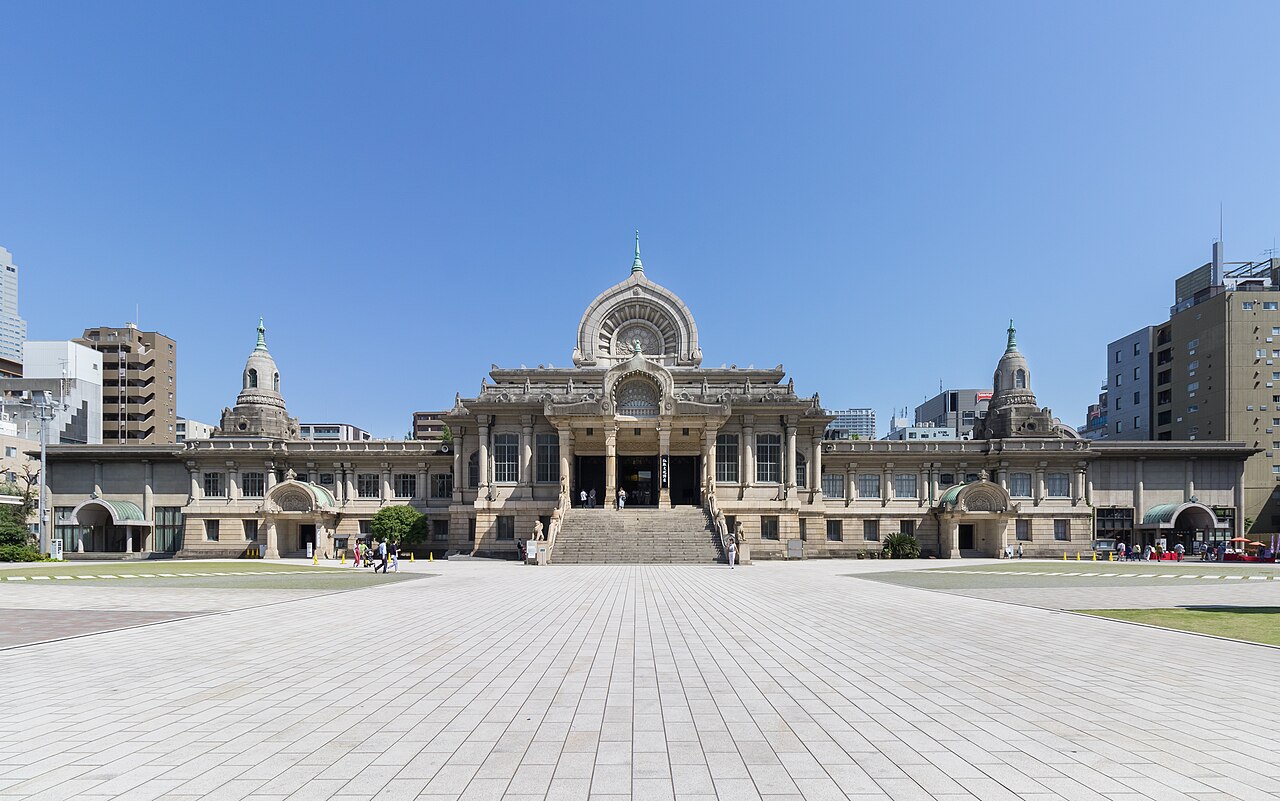
Tsukiji Hongwanji
0.1 km · straight line
 Tak1701d / Public Domain
Culture · Tokyo★★★
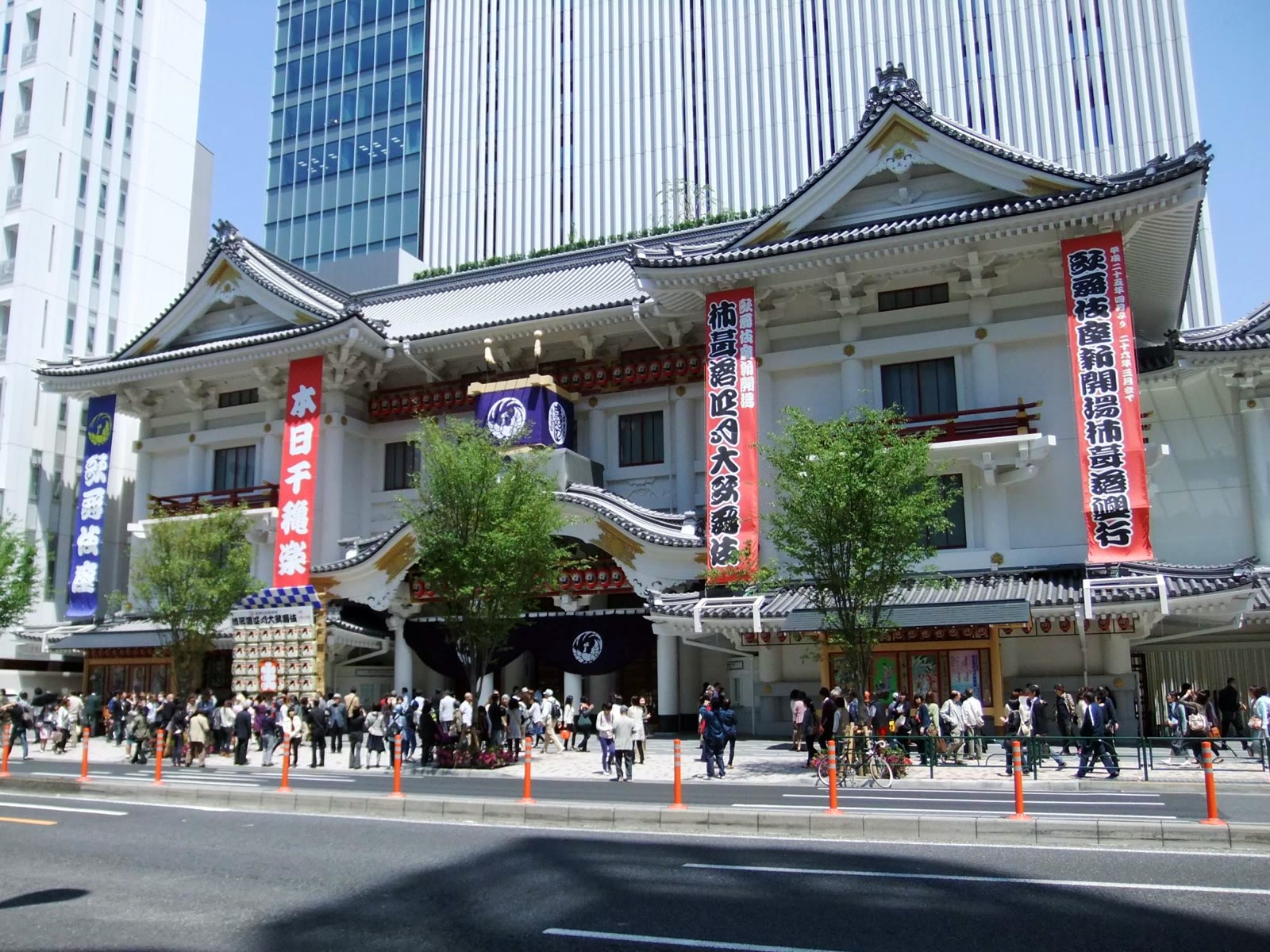
Kabuki-za Theatre
0.5 km · straight line
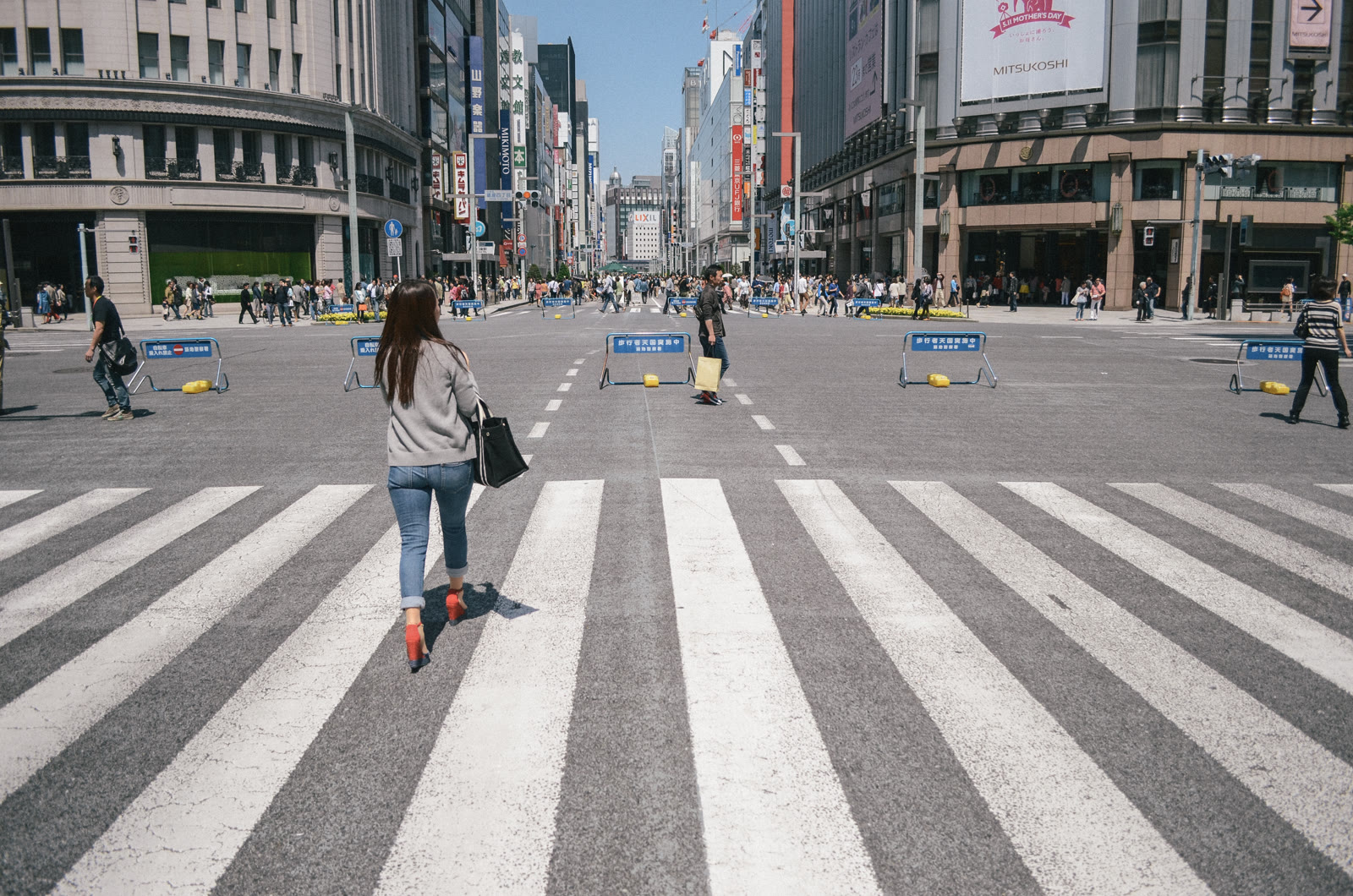 Eddy Milfort from Sydney, Australia / CC BY-SA 2.0
Local life · Tokyo★★★
Ginza
0.8 km · straight line
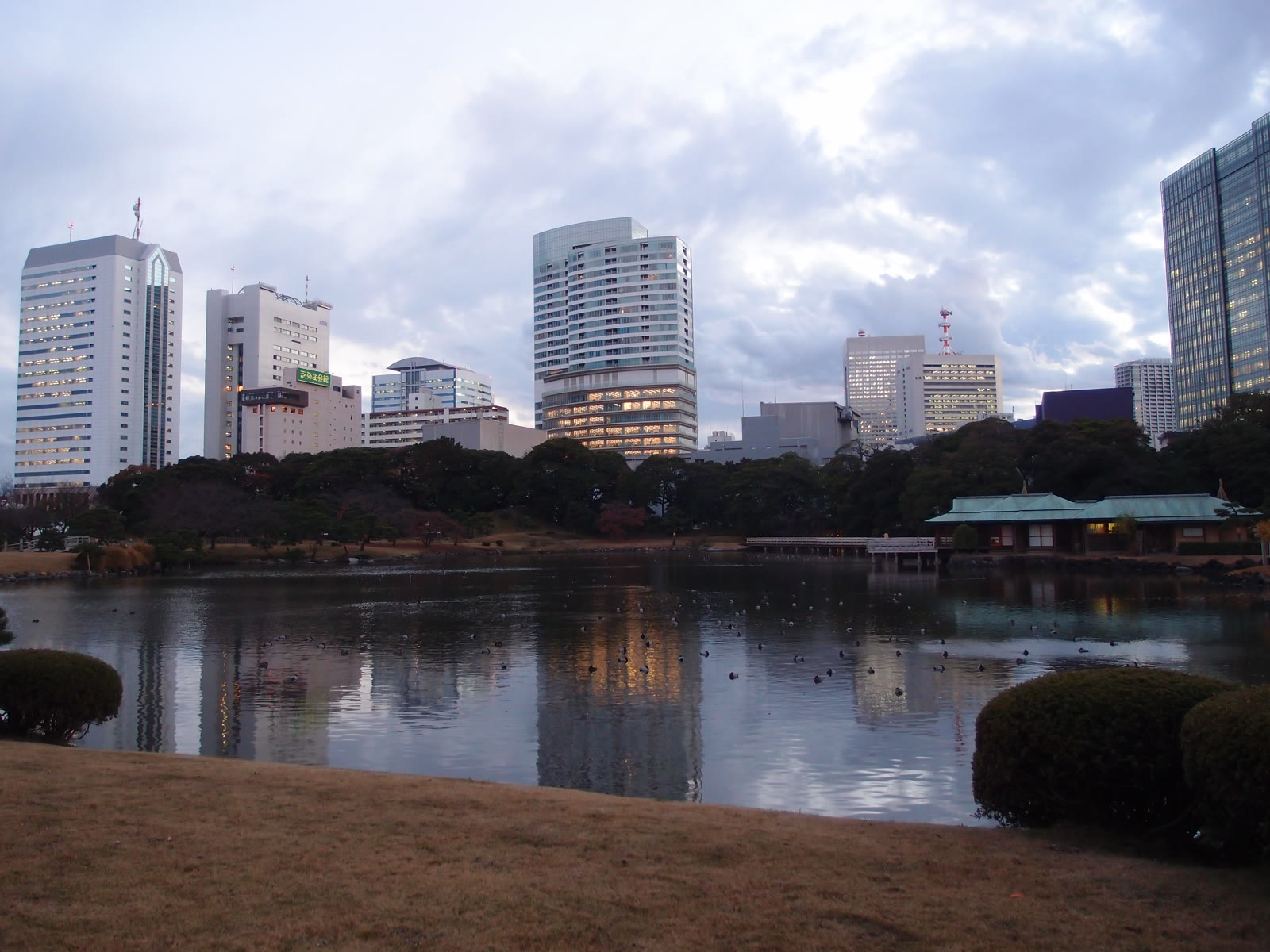 Guilhem Vellut from Annecy, France / CC BY 2.0
Nature · Tokyo★★★
Hama-rikyu Gardens
0.9 km · straight line
Distances are straight lines on the map, not travel times.