Tokyo · GinzaNo.228★★★Open in map →
Kabuki-za Theatre
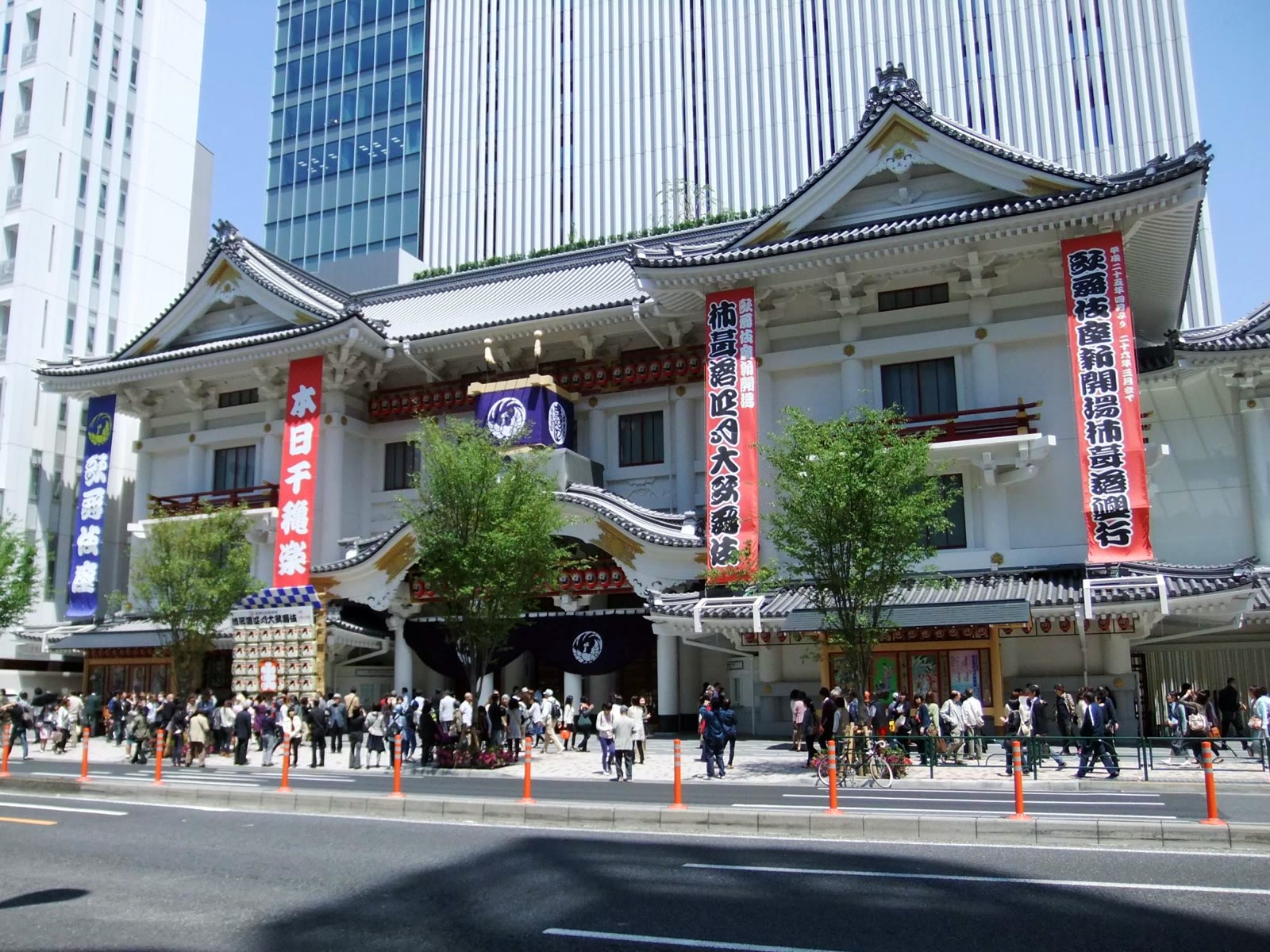
Japan's principal Kabuki theatre, in Ginza since 1889 and rebuilt in its current form in 2013. Single-act tickets at around 1,000–2,500 yen are sold on the day, making one hour of Kabuki accessible without advance planning.
- FromShinjuku Stn
- ~10 minmetro (frequent)
- Get off atHigashi-Ginza Station (Tokyo Metro Hibiya Line / Toei Asakusa Line, Exit 3)
- On foot
- Kabuki-za Theatre
Where it is
77 more notes in Tokyo · open the map →What to look for — in walking order
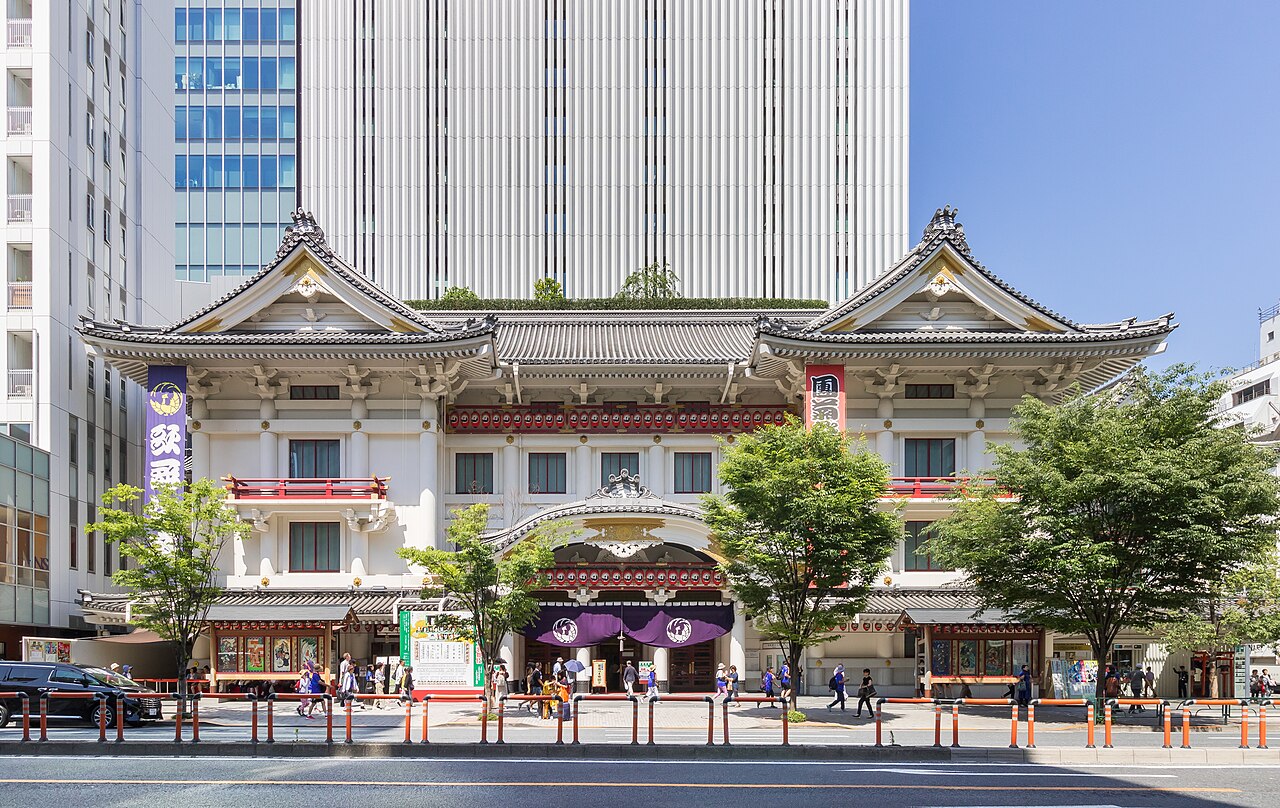
- Kabuki-za facade and gatethe five-storey tiled gable of the 2013 building, designed to recall the pre-war architectural style; best viewed from the Harumi-dori crossing
- Single-act balcony (hitomaku-miseki)the 4th-floor gallery (90 seats + 60 standing) where same-day single-act tickets give access — a focused, affordable way to watch one act
- Kabukiza Tower 5F gallery (Kisaragi)a free-to-enter gallery space in the tower connected to the theatre; no performance ticket required
- Rooftop garden (top of the theatre building)a small garden on the theatre roof accessible to ticket holders; visible from the exterior
How to actually get there
- Shinjuku Station → Ginza Station (Tokyo Metro Marunouchi Line, ~10 min)
- Ginza Station → Higashi-Ginza Station (Hibiya Line, 1 stop, ~2 min)
- Exit 3 → basement passage → Kabuki-za lobby (single-act counter or advance ticket gate)
- Shinjuku Stn →(Tokyo Metro Marunouchi Line)→ Ginza Stn →(Hibiya Line)→ Higashi-Ginza Stn (Exit 3), ~10 min total
- From Shinjuku Station, take the Tokyo Metro Marunouchi Line to Ginza Station (about 10 min). Transfer to the Hibiya Line one stop to Higashi-Ginza Station (about 2 min). Use Exit 3, which connects via basement passage directly to the Kabuki-za. Total about 12–15 min. The Toei Asakusa Line also serves Higashi-Ginza Station.
- Return from Higashi-Ginza Station (basement access from theatre)
- Return to Higashi-Ginza Station via the basement passage under the Kabuki-za. From there the Hibiya Line runs back to Ginza (1 stop) and onwards across the city; the Asakusa Line connects to Shinagawa and Asakusa.
About the place
Kabuki-za is the principal Kabuki theatre in Japan, located in the Ginza 4-chome block in Chuo ward, Tokyo. The first Kabuki-za opened on this site in 1889; the current building is the fifth incarnation, rebuilt after the 1923 Kanto earthquake, wartime damage, and subsequent renovations, and reopened in April 2013. It was designed to preserve the pre-war facade style — the distinctive two-storey gate with tiled gabled rooflines — while incorporating modern stage technology and facilities inside. Kabuki is a classical Japanese performing art combining elaborate costumes, stylised movement, and spoken narrative; a full day programme typically runs five or more acts over four or more hours. For visitors who do not want to commit to the full programme, the theatre sells a limited number of single-act tickets (hitomaku-miseki) for around 1,000 to 2,500 yen on the day of performance, giving access to the top-level balcony (4th floor, 90 seats plus 60 standing) for one act of about one hour.
How to enjoy it
For a single act, go to the theatre on the day and join the queue for hitomaku-miseki (single-act) tickets, usually sold 30 minutes to 2 hours before each act begins. There are about 90 seats plus 60 standing places available per act, at around 1,000 to 2,500 yen depending on the act (prices for each month are listed on kabukiweb.net). Bring earphones: English audio guide receivers (earphone guides) can be hired at the counter inside. For the full programme, book advance tickets through the Kabuki-za official website or major ticketing agents, and arrive before the opening act to see the full audience in formal attire.
Background & history
Kabuki as a theatrical form began in Kyoto in the early 17th century and moved to Edo (now Tokyo) within decades. The Kabuki-za became the leading venue after its founding in 1889, and despite repeated rebuilding it has occupied the same site without interruption. The current 2013 building is referred to in Kabuki circles as 'Kabukiza V'. A basement passage connects the theatre directly to Higashi-Ginza Station on the Tokyo Metro Hibiya Line, making it one of the most accessible traditional arts venues in the country.
Before you go
- Cash
- Single-act tickets (hitomaku-miseki): around 1,000 to 2,500 yen depending on the act, sold on the day at the single-act counter. Full-programme tickets: generally 3,000 to 20,000 yen depending on seat; advance booking is recommended and available via the official site. English audio guide rental (earphone guide) is available inside. IC transit cards work on all connecting lines.
- Good to know
- The Kabuki-za holds approximately 25 days of performances per month on most months; some months the theatre is dark for maintenance or special runs. Check the monthly programme on the official site (kabukiza.co.jp) before visiting.
- Another way
- Ginza Station (Tokyo Metro Ginza, Hibiya, and Marunouchi lines) is about a 5-minute walk if you prefer to arrive at street level rather than via the basement passage.
- After you get off
- From Higashi-Ginza Station Exit 3, follow the basement passage directly into the Kabuki-za lobby.
Nearby notes
 Eddy Milfort from Sydney, Australia / CC BY-SA 2.0
Local life · Tokyo★★★
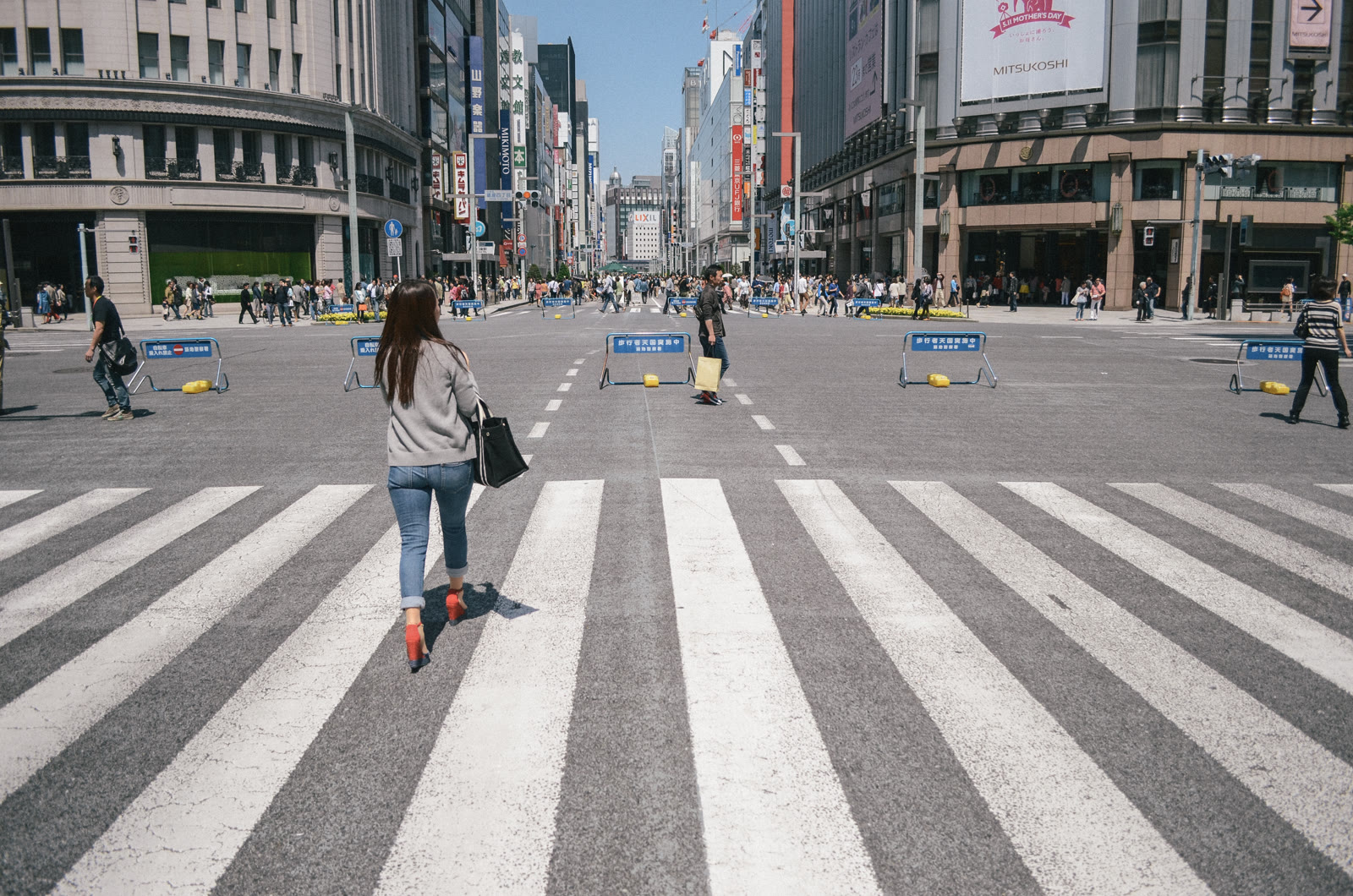
Ginza
0.3 km · straight line
 Kakidai / CC BY-SA 4.0
History · Tokyo★★
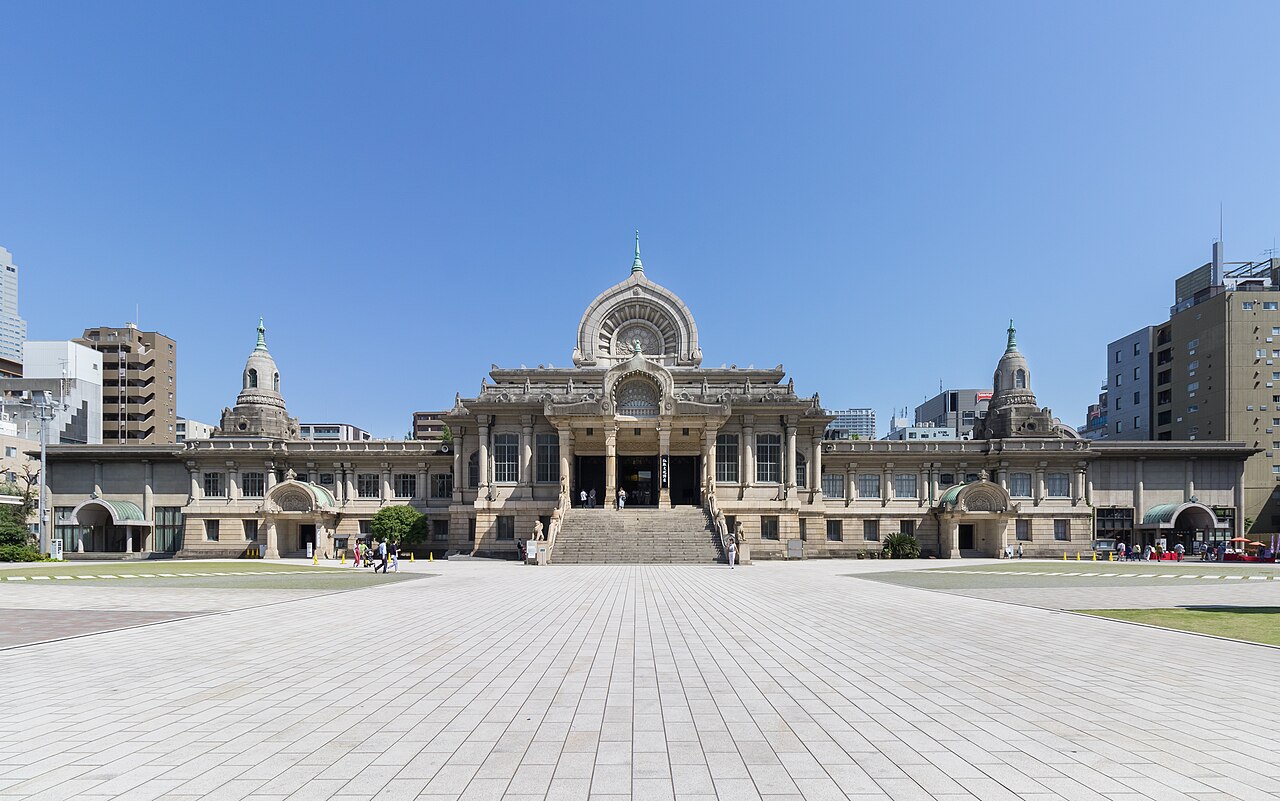
Tsukiji Hongwanji
0.5 km · straight line
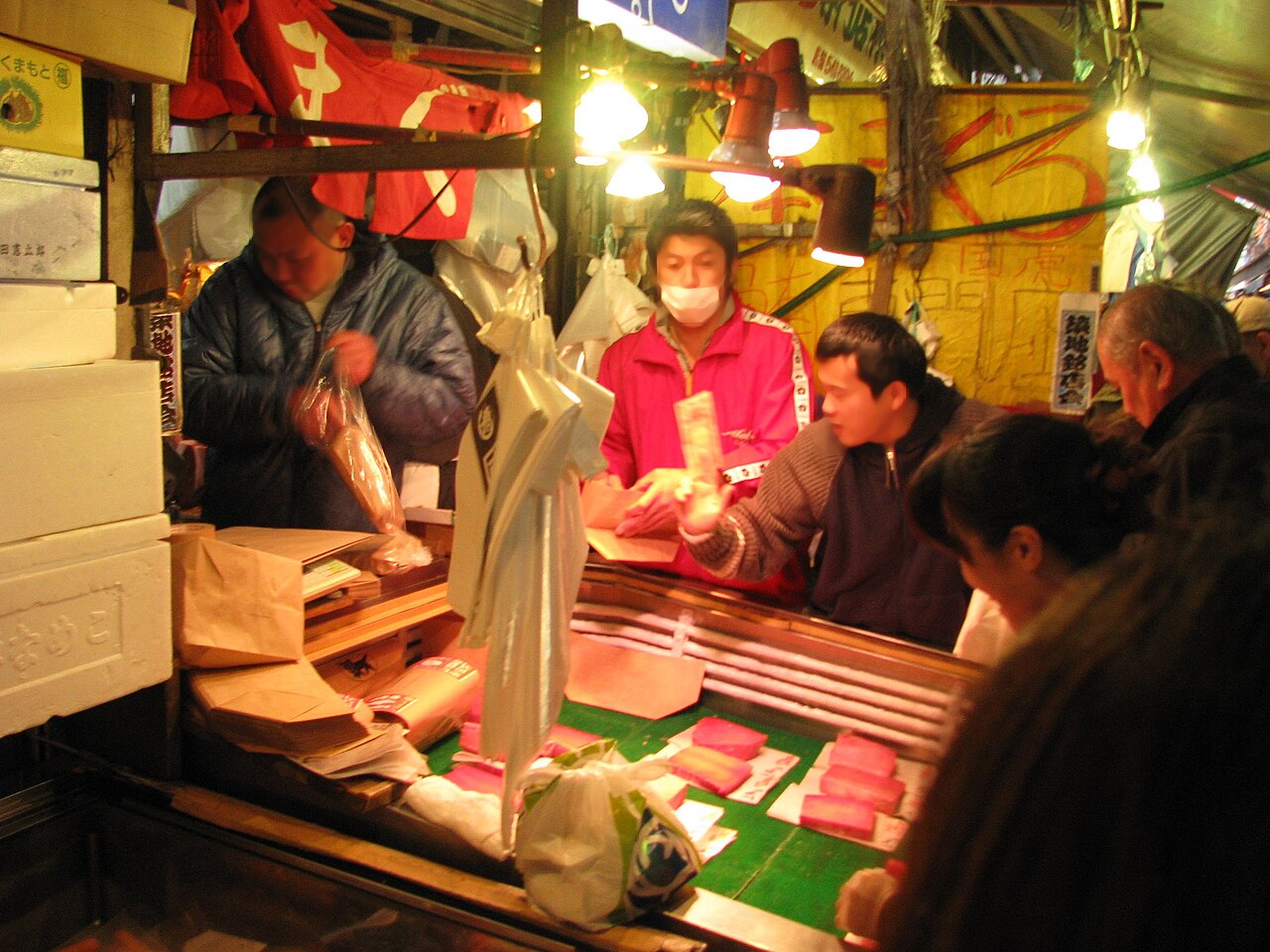 Aimaimyi / CC BY-SA 3.0
Food · Tokyo★★★
Tsukiji Outer Market
0.5 km · straight line
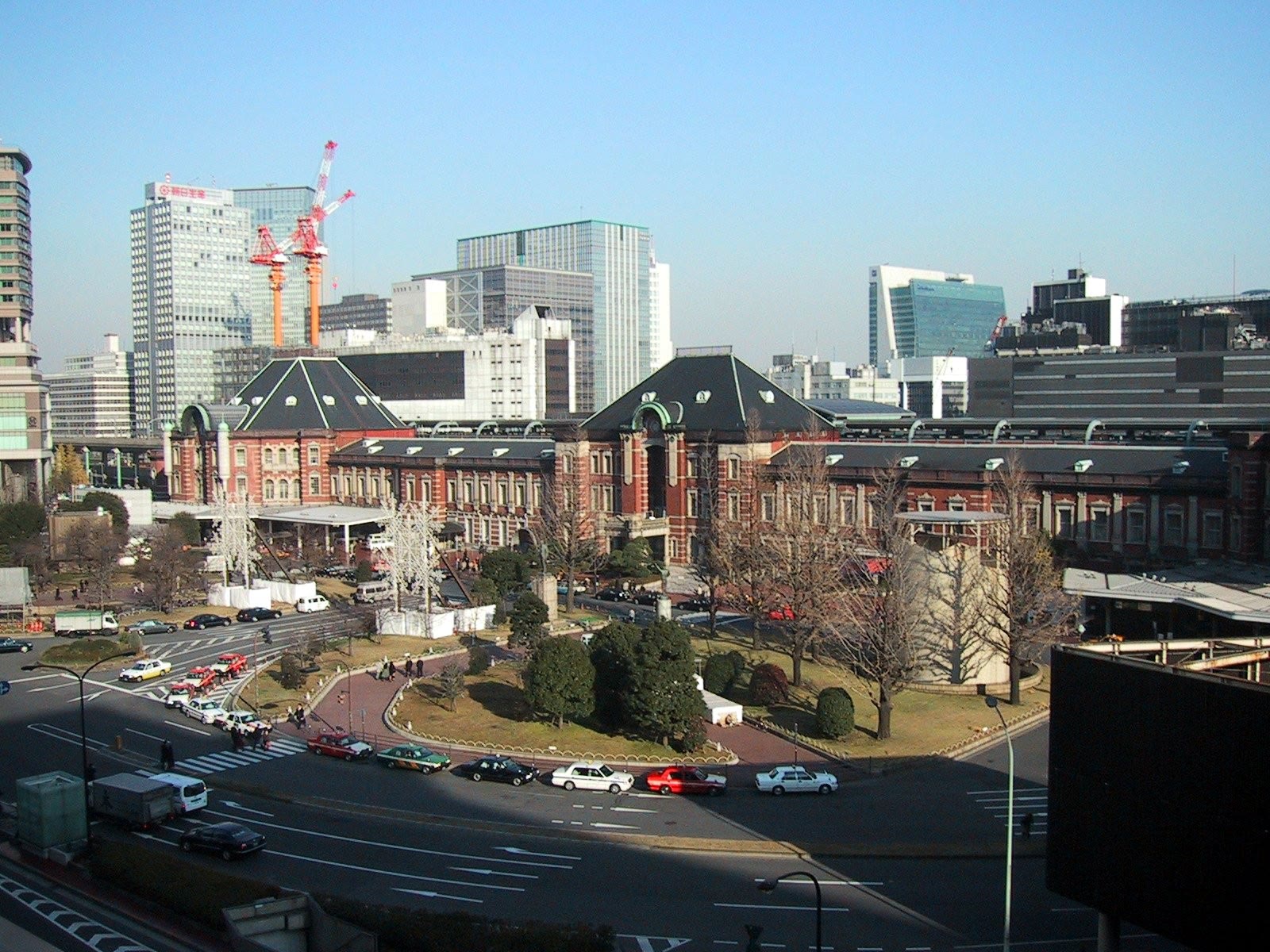 / CC BY-SA 3.0
History · Tokyo★★★
Tokyo Station
1.2 km · straight line
Distances are straight lines on the map, not travel times.