Tokyo Central · TsukijiNo.351★★Open in map →
Tsukiji Hongwanji
— a temple built in ancient Indian style
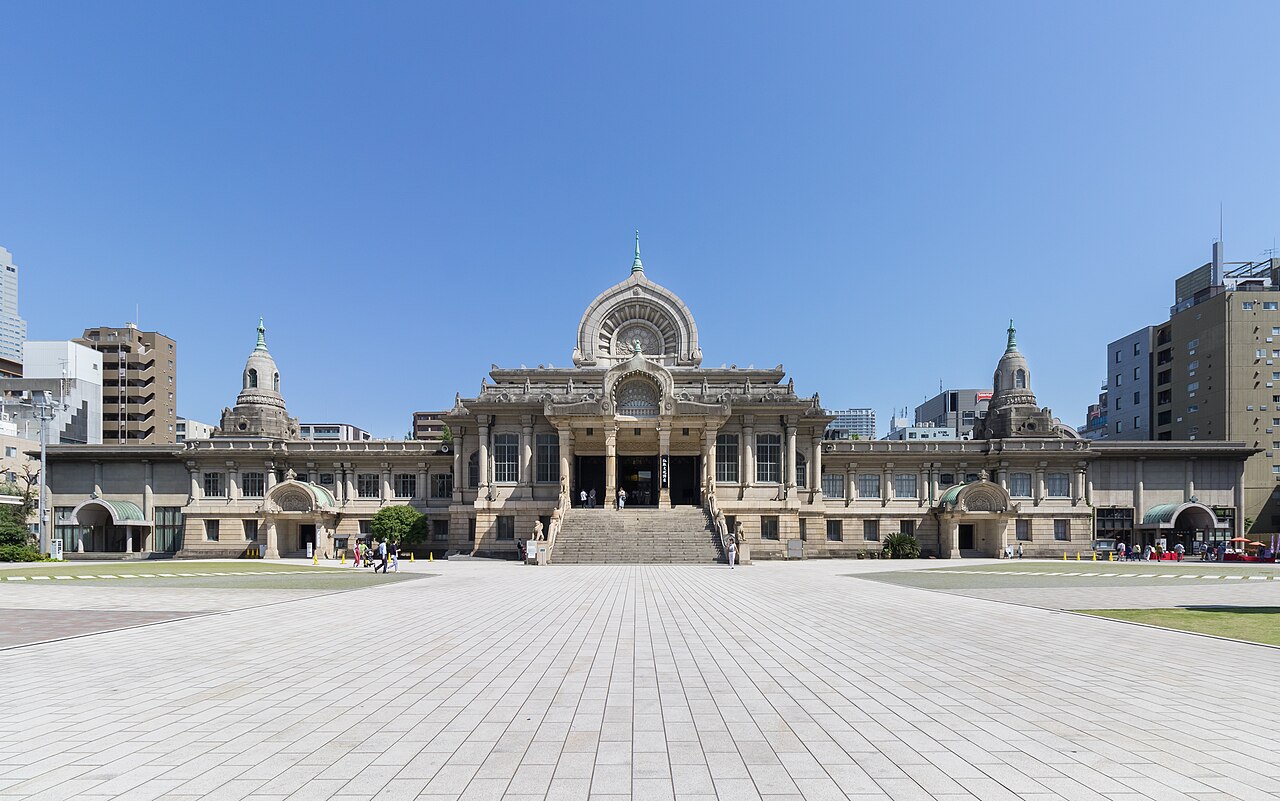
A Jodo Shinshu temple in Tokyo's Tsukiji district whose main hall was rebuilt in the 1930s in ancient Indian Buddhist style — stone domes, carved animals, stained glass and a pipe organ. Free to enter, open from early morning, one minute from Tsukiji Station.
- FromTokyo Stn
- ~15 minmetro (Hibiya), 1 min walk
- Get off atTsukiji Station (Tokyo Metro Hibiya Line, H-11)
- On foot
- Tsukiji Hongwanji
The sweet spot
Nearly every temple a first-time visitor sees in Japan speaks the same wooden vocabulary. This one deliberately does not, and the reason is documented rather than ornamental: the architect argued that a Japanese temple could legitimately be built in the style of the country Buddhism came from. It stands a minute from one of Tokyo's most-walked food streets, is free, and opens at 6:00 — so the effort required to see it is close to zero, which is exactly why so many people miss it.
Where it is
77 more notes in Tokyo · open the map →What to look for — in walking order
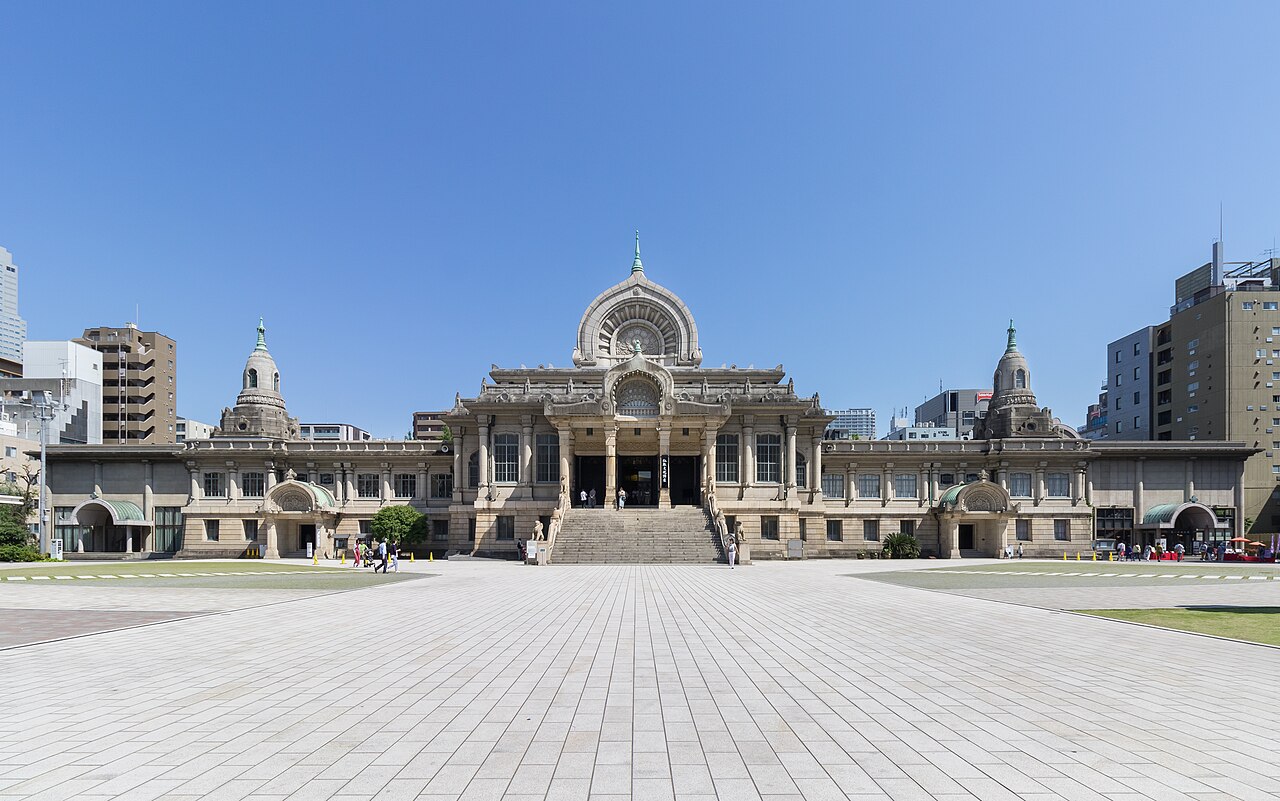
- The stone facade and central domeThe exterior reads as South Asian rather than Japanese: a wide symmetrical stone front, a dome above the entrance, rounded arch windows. Photograph it from across Shin-Ohashi-dori, where the full width fits into one frame without cropping the wings.
- The carved animals on the stairs and columnsA lion, an elephant, a horse, a cow, a monkey and a winged mythical creature are worked into the entrance stairway and the capitals. They are small and easy to miss — look at the ends of the stair balustrades and up at the column tops as you climb.
- The main hall interiorBehind the Indian-style shell sits an orthodox Jodo Shinshu altar in gilded wood. The contrast is the whole point of the building. Stained glass sits above the entrance and a pipe organ faces the hall from the rear gallery — an unusual sight above a Japanese Buddhist altar.
- The eighteen-dish breakfast at the Info CentreThe cafe in the Info Centre beside the main hall serves a breakfast set of eighteen small dishes, the number chosen for the eighteenth vow of Amida Buddha, which is central to Jodo Shinshu teaching. It opens in the morning and queues form on weekends.
How to actually get there
- Tokyo Station → Ginza Station (Tokyo Metro Marunouchi Line, ~3 min).
- Ginza Station → Tsukiji Station (change to Tokyo Metro Hibiya Line, ~3 min).
- Tsukiji Station Exit 1 → Tsukiji Hongwanji main steps (walk, under 1 min, flat).
- Tokyo Station → Ginza → Tsukiji Station
- Tokyo Station →(Tokyo Metro Marunouchi Line, ~3 min)→ Ginza Station → change →(Hibiya Line, ~3 min)→ Tsukiji Station. Exit 1 comes up on Shin-Ohashi-dori directly in front of the temple's stone facade. About 15 minutes in total including the transfer and walk. Trains run every few minutes, so no timetable check is needed.
- Return from Tsukiji Station
- The Hibiya Line runs back through Ginza toward Tokyo Station, Akihabara and Ueno. Services run from early morning until just after midnight, so a daytime visit carries no last-train concern.
About the place
Tsukiji Hongwanji is the Tokyo temple of the Jodo Shinshu Hongwanji-ha school, whose head temple is Nishi Hongwanji in Kyoto. It was founded in 1617, lost to fire, and rebuilt on ground reclaimed from Tokyo Bay — the district name Tsukiji literally means 'built land'. The hall standing today was completed in the 1930s to a design by Chuta Ito, an architectural historian at Tokyo Imperial University who had travelled across Asia tracing Buddhism back toward its origins. Rather than rebuild in the familiar wooden temple idiom, he gave a Japanese congregation a stone building modelled on ancient Indian Buddhist architecture: a domed roof, a broad symmetrical stone face, rounded arch windows. Step inside and the argument completes itself — the altar is orthodox Jodo Shinshu, gilded and Kyoto-made, while the hall around it holds stained glass and a Western pipe organ. Ito also worked animals into the fabric of the building. A lion, an elephant, a horse, a cow, a monkey and a winged mythical beast sit along the entrance stairs and columns, a signature of his practice that most visitors walk straight past.
How to enjoy it
The main hall opens far earlier than any museum in Tokyo, and the first hours are the quietest, with a morning service held inside daily. That makes the natural pairing obvious: the Tsukiji Outer Market is one minute away, its shops open around 5:00 and are comfortable to browse from about 9:00, so an early temple visit and a mid-morning market walk fit together without either feeling rushed. Free lunchtime pipe organ recitals are held on a monthly schedule — check the official site for the current dates. Shoes stay on inside the main hall, and photography of the interior is permitted with the usual restraint during services.
Background & history
The temple was established in 1617 as the Edo outpost of Kyoto's Nishi Hongwanji. When the Great Fire of Meireki destroyed it in 1657, the congregation was refused permission to rebuild on the original site and was granted marshland in the bay instead; followers reclaimed the ground themselves, and the district took its name — Tsukiji, 'built land' — from that work. The wooden hall that stood there for centuries burned in the fires following the Great Kanto Earthquake of 1923. Chuta Ito's stone replacement, completed in the 1930s, was later designated a National Important Cultural Property.
Before you go
- Cash
- Entry to the grounds and the main hall is free. The Info Centre cafe and shop accept cards and IC payment. Offerings and small goods inside the hall are cash.
- Good to know
- The main hall is open daily, from early morning to late afternoon; the Info Centre building keeps shorter hours. Memorial services and ceremonies are held regularly and may restrict access to parts of the hall — the official site posts the day's schedule.
- Another way
- Toei Oedo Line Tsukijishijo Station is about a 5-minute walk. Higashi-ginza Station (Hibiya Line / Toei Asakusa Line) is also about 5 minutes on foot, convenient if you are already in Ginza.
- After you get off
- From Tsukiji Station Exit 1 the temple is directly ahead across the plaza — under a minute, entirely flat, with the stone facade visible the whole way.
Nearby notes
 Aimaimyi / CC BY-SA 3.0
Food · Tokyo★★★
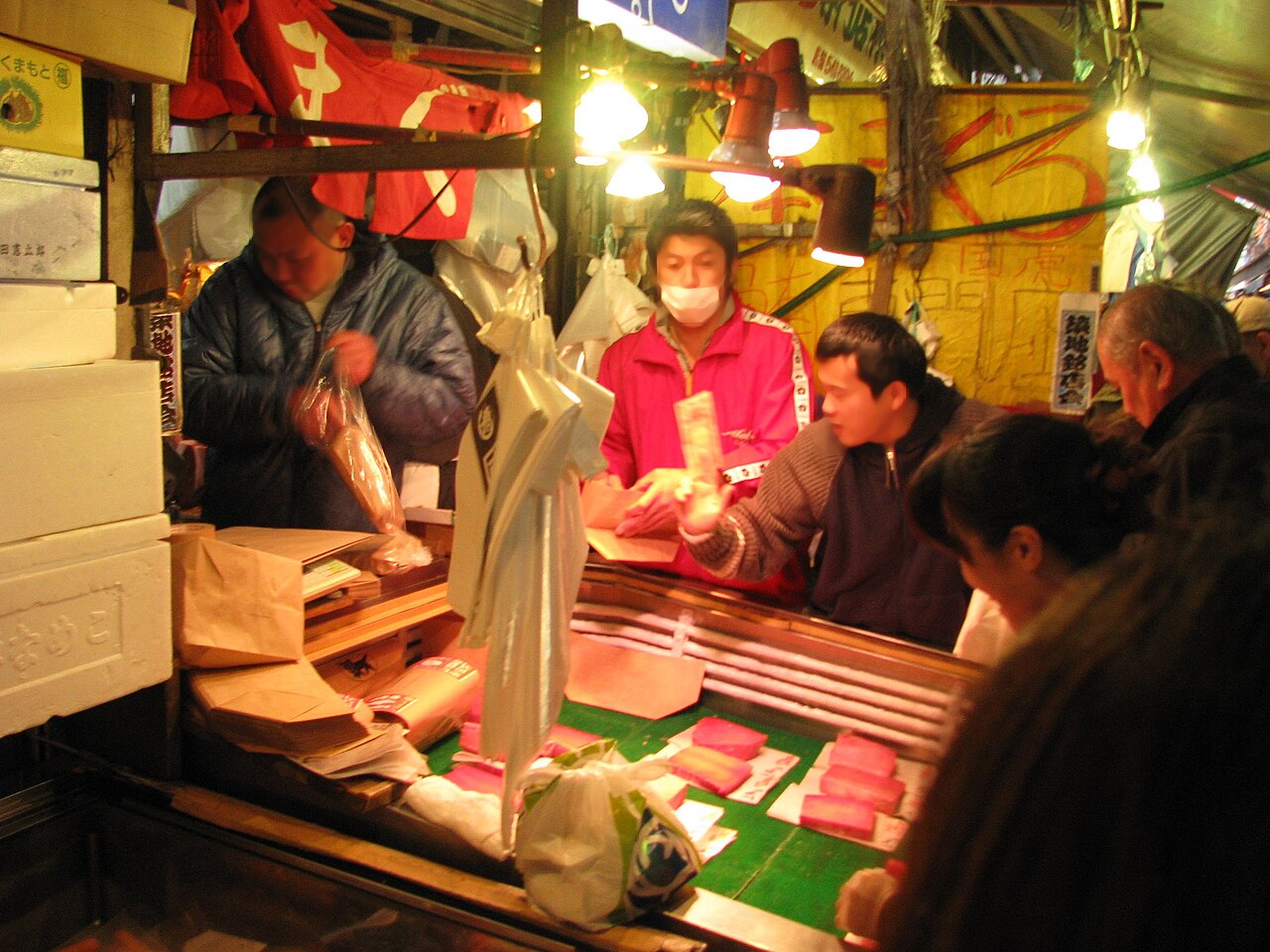
Tsukiji Outer Market
0.1 km · straight line
 Tak1701d / Public Domain
Culture · Tokyo★★★
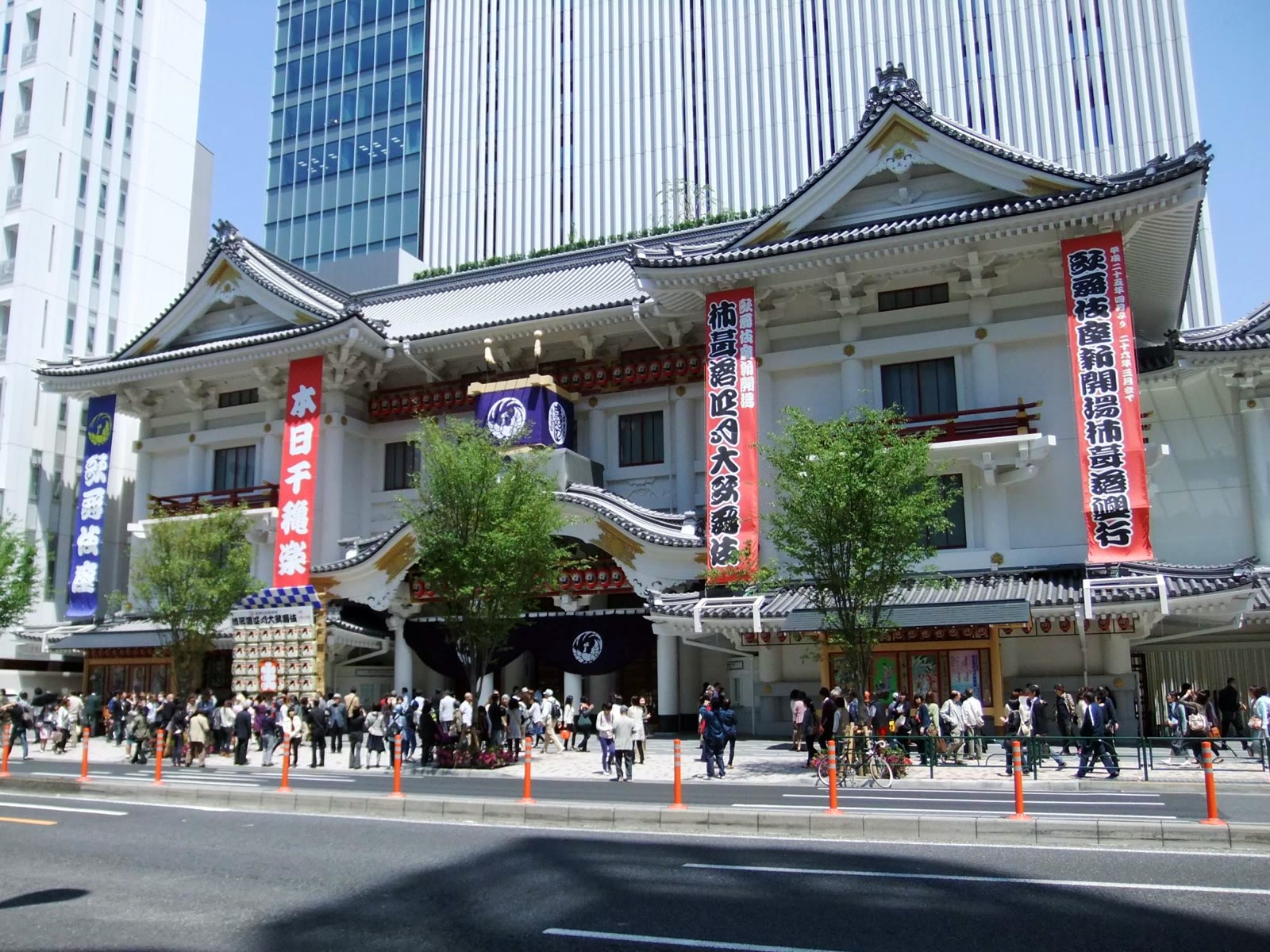
Kabuki-za Theatre
0.5 km · straight line
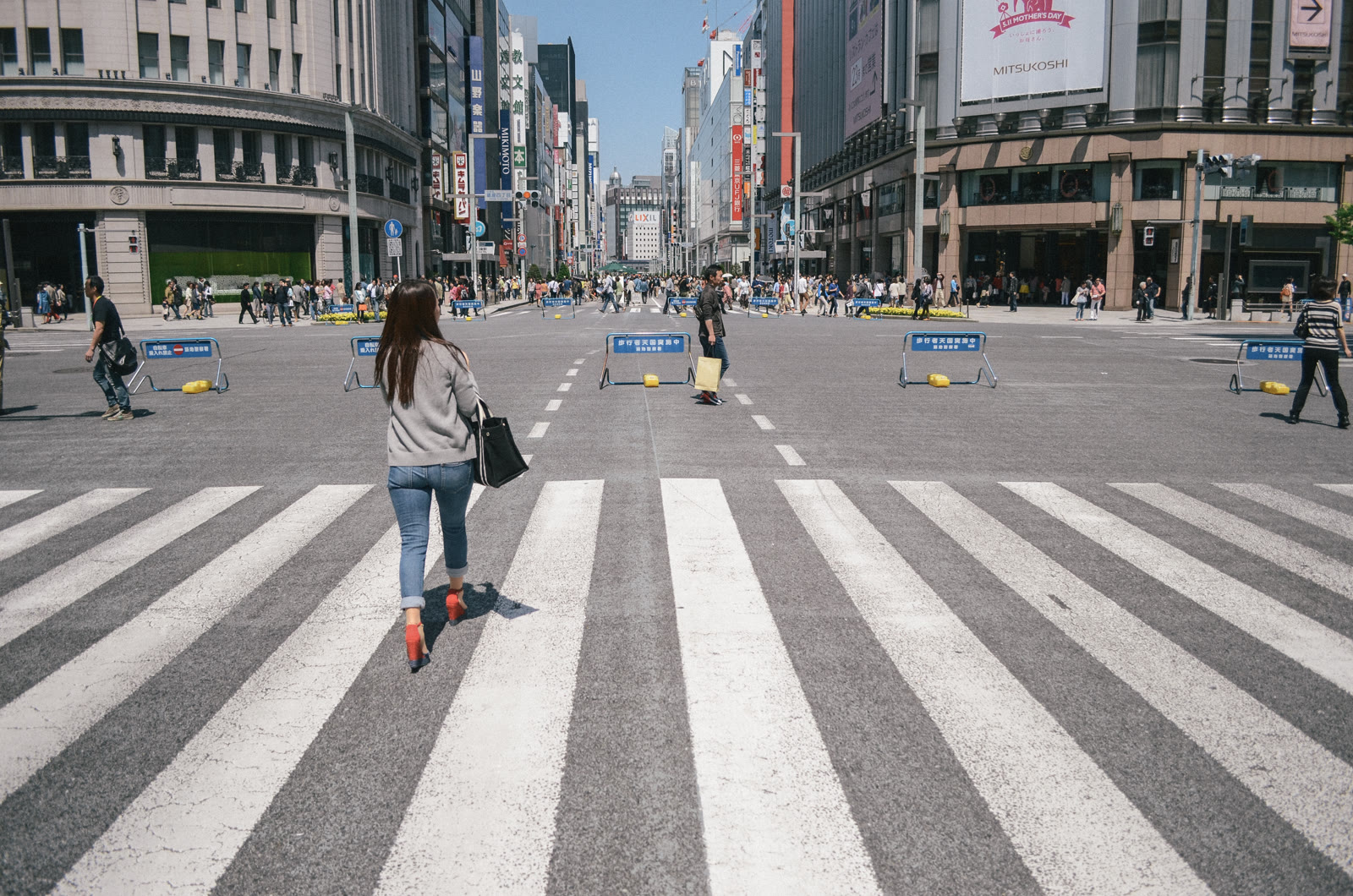 Eddy Milfort from Sydney, Australia / CC BY-SA 2.0
Local life · Tokyo★★★
Ginza
0.8 km · straight line
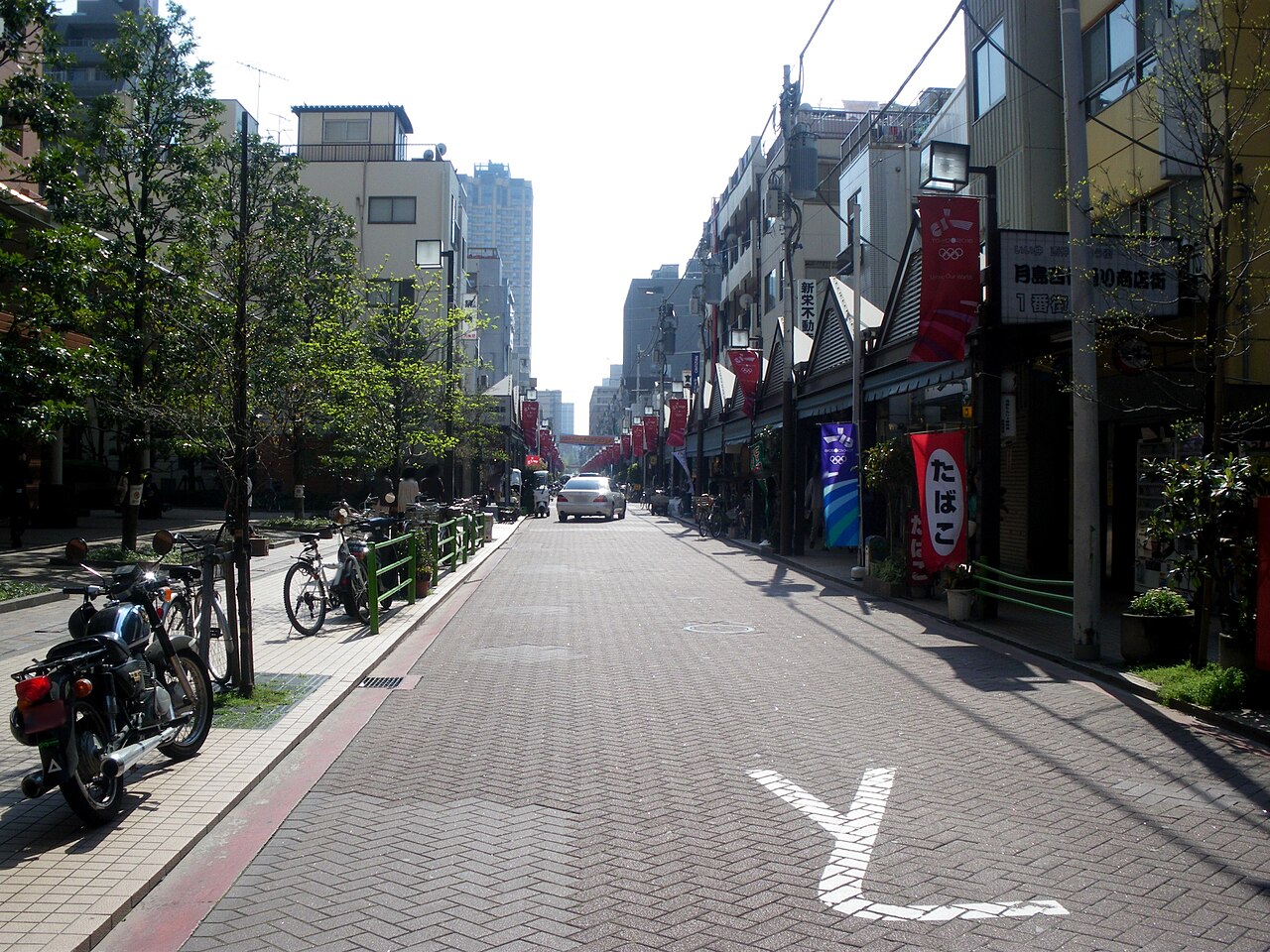 User:Kentin / CC BY-SA 3.0
Food · Tokyo★★
Tsukishima Monja Street
0.9 km · straight line
Distances are straight lines on the map, not travel times.