Wakayama · ShinguNo.233★★★Open in map →
Kumano Hayatama Taisha
— one of the three Sanzan pilgrimage shrines
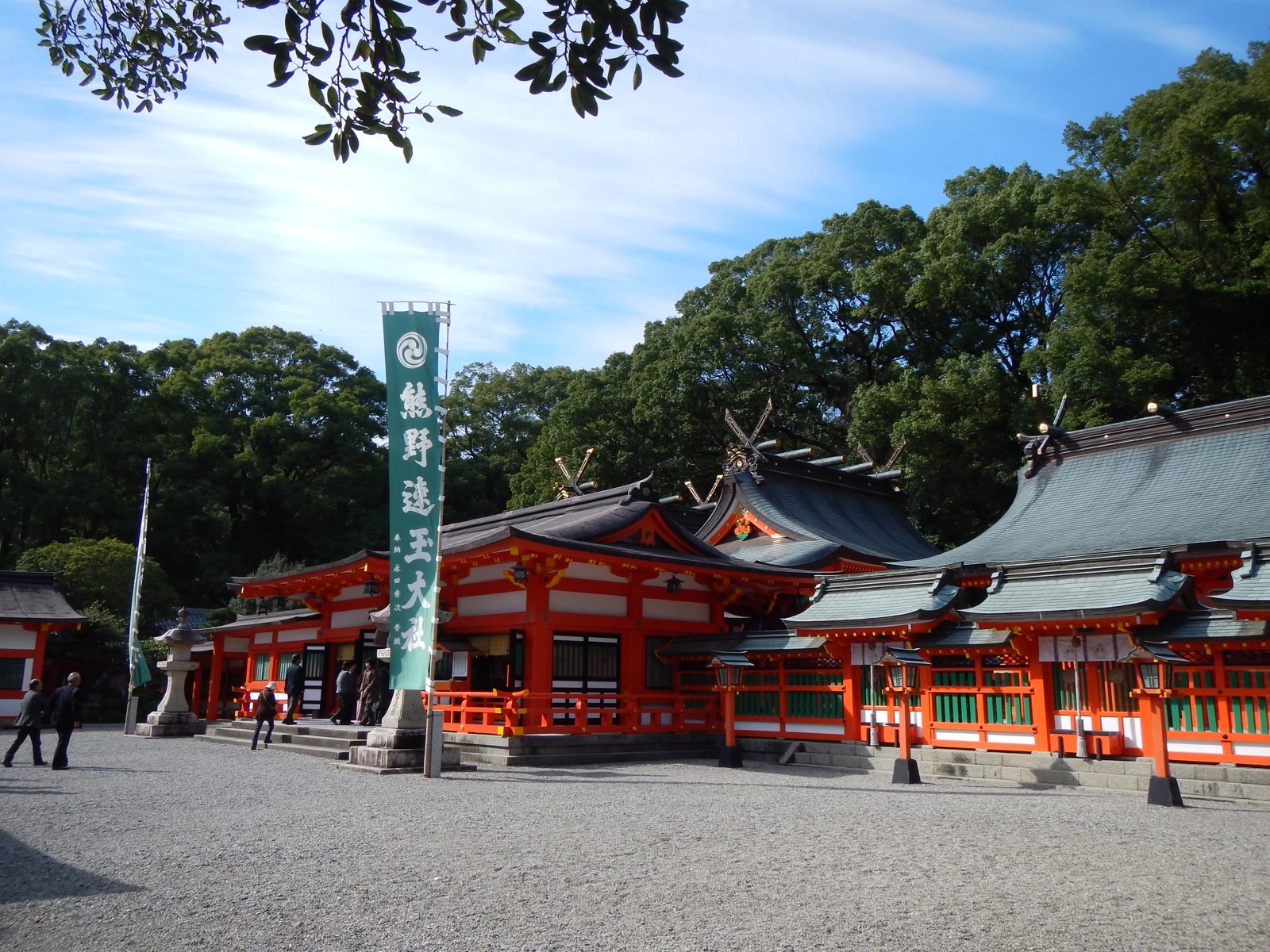
One of the three sacred Kumano shrines designated a UNESCO World Heritage Site, Hayatama Taisha stands at the mouth of the Shingu River and shelters a nagi tree more than a thousand years old.
- FromShin-Osaka Stn
- ~3 hrlimited express train
- Get off atShingu Station (JR Kisei Line / Limited Express Kuroshio)
- From there
- Kumano Hayatama Taisha
Where it is
21 more notes in Wakayama · open the map →What to look for — in walking order
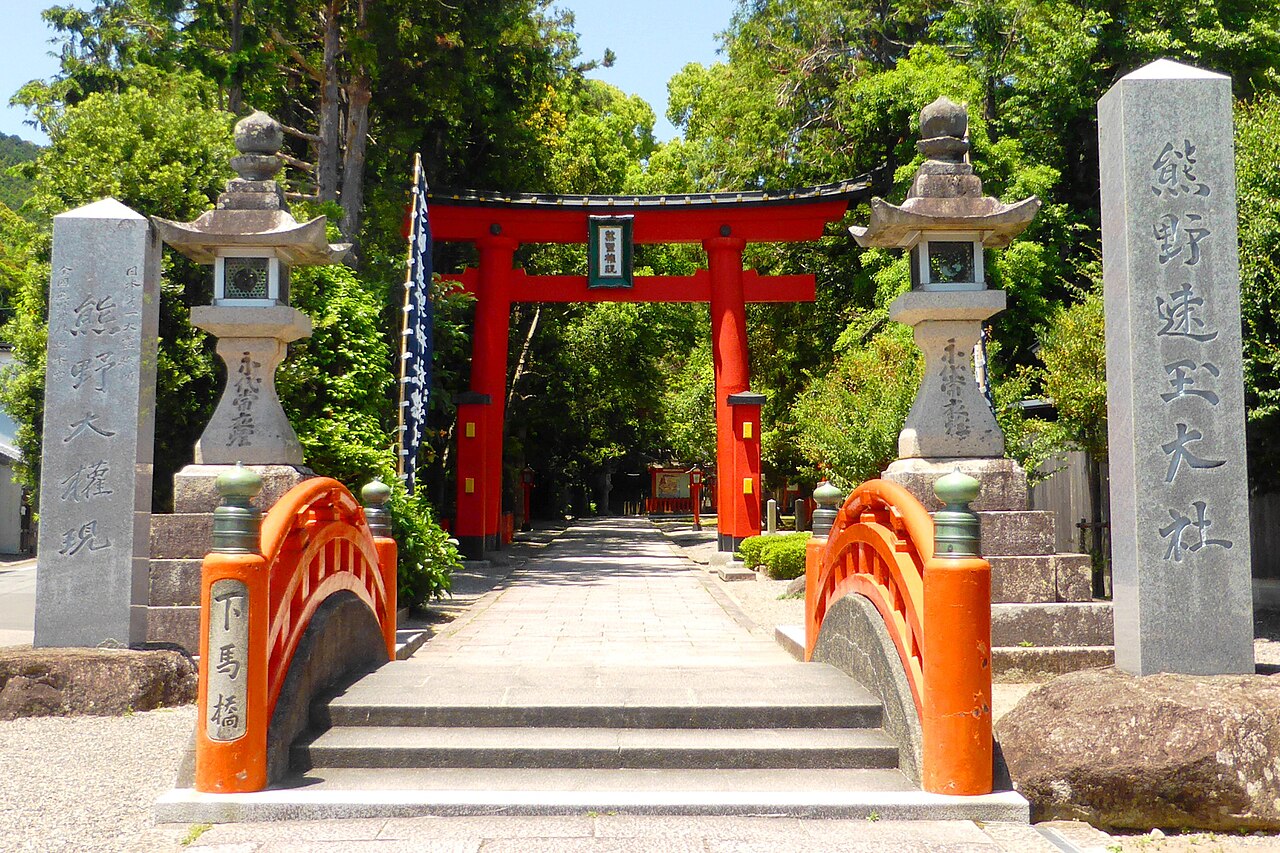
- Main shrine approach and torii gatethe tree-lined path that frames the first view of the vermilion shrine buildings
- Main hall complex (Honden)the principal shrine structures in Gongen-zukuri style, painted in deep vermilion
- Sacred nagi treea National Natural Monument planted in 1159; nagi leaves are sold as talismans for strong bonds
- Hayatama Treasure Museumholds over 500 national treasures and important cultural properties associated with the shrine
How to actually get there
- Shin-Osaka Stn → Shingu Stn (JR Limited Express Kuroshio, ~3 hr; reserve seats).
- Shingu Stn → Kumano Hayatama Taisha (walk northwest ~15 min).
- Tour the main hall, sacred nagi tree, and (optionally) the Treasure Museum.
- Limited Express Kuroshio direct to Shingu, then walk
- Shin-Osaka Station → (JR Limited Express Kuroshio, Kisei Line direction, ~3 hr to ~3.5 hr) → Shingu Station → walk northwest approximately 15 minutes along the main road toward the Shingu River to Hayatama Taisha. Trains run several times daily; reserve seats in advance. From Kyoto, take the Thunderbird express to Shin-Osaka first, then transfer.
- Same limited express from Shingu
- Return to Shingu Station on foot (15 min) and take the Limited Express Kuroshio back toward Shin-Osaka. Check timetables on JR West (westjr.co.jp) before travelling — Kuroshio trains are not continuous and gaps of 1–2 hours exist.
About the place
Hayatama Taisha sits at the southern end of the Kii Peninsula, where the Shingu River meets the Pacific. It is one of the three Kumano Sanzan shrines — together with Hongu Taisha and Nachi Taisha — that have drawn pilgrims along the Kumano Kodo routes for over a thousand years. The approach leads through a grove of trees to the vermilion shrine buildings, and in the courtyard stands the sacred nagi tree: a species whose tough, hard-to-tear leaves symbolise the enduring bonds between people, making the tree an object of particular reverence. The shrine holds over 500 national treasures and important cultural properties in its Hayatama Treasure Museum.
How to enjoy it
The shrine grounds are open and free to enter. Allow at least an hour to walk the approach, visit the main hall, and spend time near the nagi tree — the courtyard is calm and shaded even in summer. The treasure museum requires a separate admission. Shingu City also offers Kamikura Shrine, a steep stone-staircase climb to a large sacred boulder with views over the town and coast — a strenuous but memorable extension on the same day. The Limited Express Kuroshio from Shin-Osaka takes about three hours to Shingu; confirm seats in advance.
Background & history
In 2004 the Kumano pilgrimage network was inscribed as a UNESCO World Heritage Site. Hayatama Taisha enshrines Kumano Hayatama no Mikoto; records of imperial pilgrimage date to the Heian period. The sacred nagi tree is a designated National Natural Monument of Japan, planted in 1159 by Taira no Shigemori.
Before you go
- Cash
- IC transport cards valid on the Osaka–Shingu local portion but NOT for limited express reserved seats — buy a combined ticket (乗車券+特急券) or use a Japan Rail Pass. Shrine grounds: free. Treasure museum: small admission fee.
- Good to know
- Shrine grounds open daily. Treasure museum hours vary — check the official website (kumanohayatama.jp). Avoid the Kamikura Shrine stone staircase (about 500 rough steps) if mobility is a concern.
- Another way
- From Nachi (Kumano Nachi Taisha area), local buses connect to Shingu in about 30–40 minutes, making a two-shrine day possible with careful planning. Kamikura Shrine (the sacred boulder site above the city) is a 10-minute walk from Shingu Station and a worthwhile addition.
- After you get off
- Shingu Station is the arrival point. From the station, walk northwest about 15 minutes following the main road toward the Shingu River; the shrine's torii gate and approach are clearly visible.
Nearby notes
 Nekosuki / CC BY-SA 4.0
History · Wakayama★★★
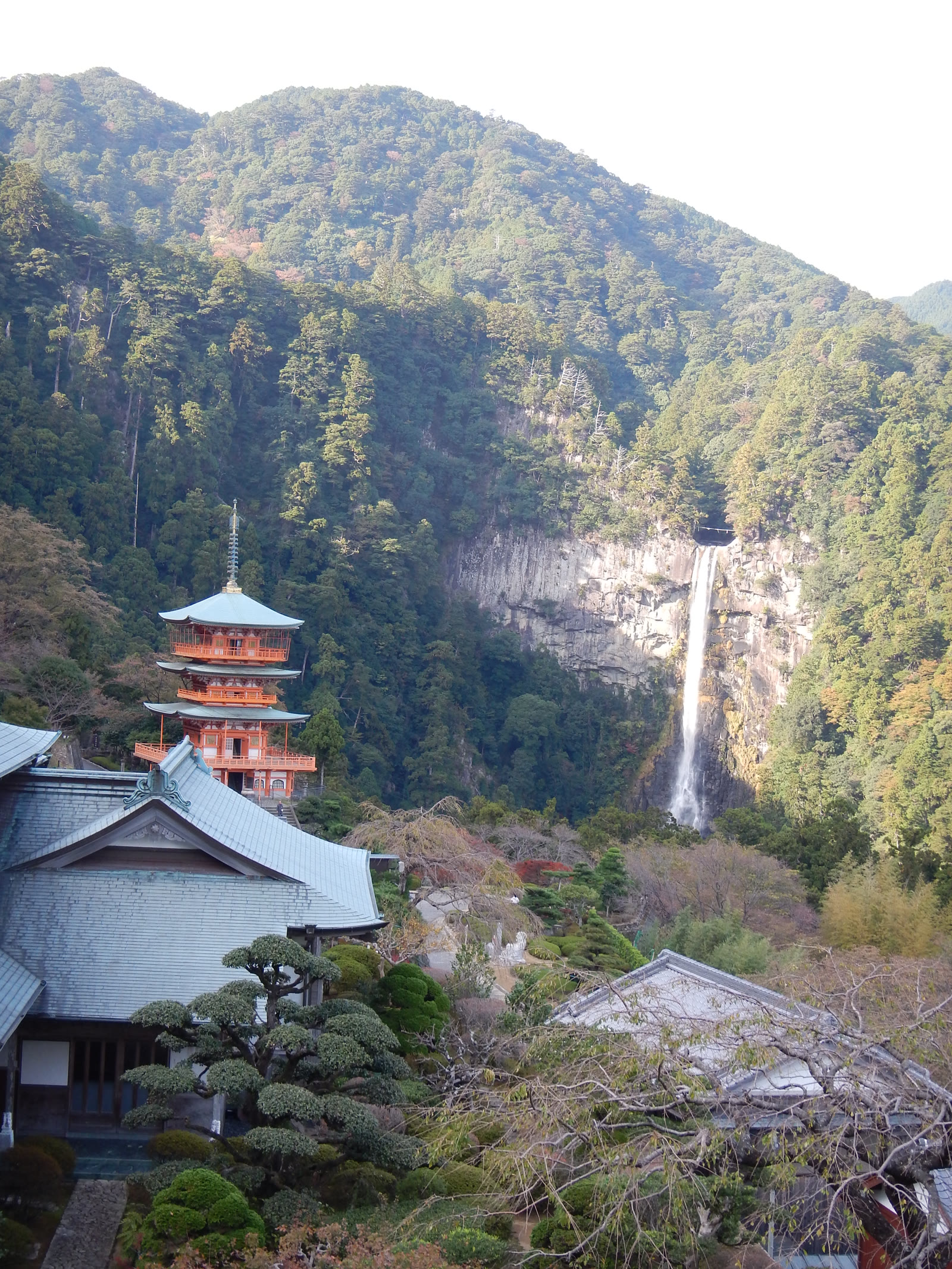
Kumano Nachi Taisha
11.1 km · straight line
 663highland / CC BY 2.5
Onsen · Wakayama★★
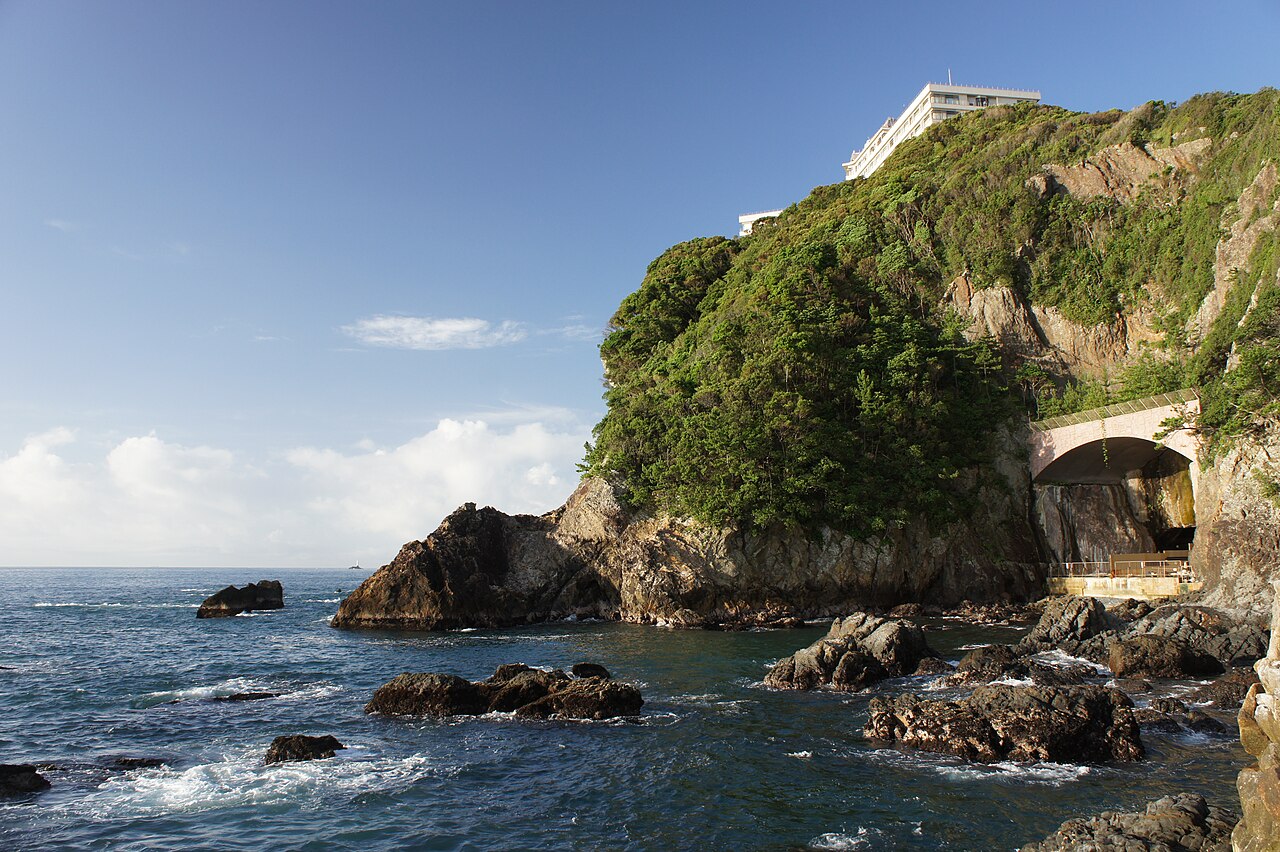
Bokido
12.3 km · straight line
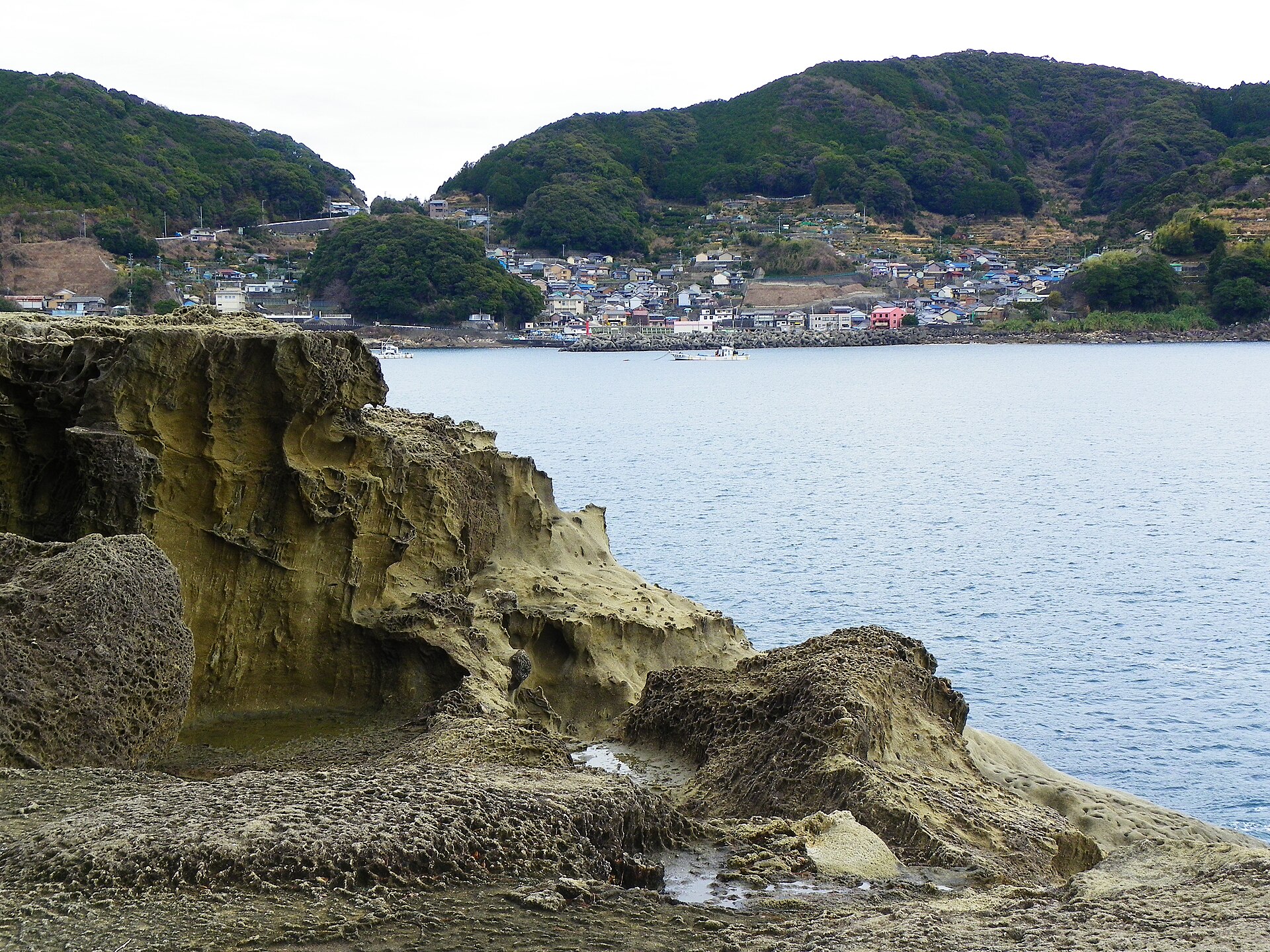 玄史生 / CC BY-SA 3.0
Nature · Mie★★
Onigajo and Shishiiwa
21.5 km · straight line
 Utudanuki / CC BY-SA 3.0
History · Wakayama★★★
Kumano Hongu Taisha
22.8 km · straight line
Distances are straight lines on the map, not travel times.