Wakayama · Tanabe / HonguNo.188★★★Open in map →
Kumano Hongu Taisha
— the head shrine of the Kodo pilgrimage
The head shrine of Japan's more than 3,000 Kumano shrines, in Tanabe, Wakayama, at the spiritual terminus of the Kumano Kodo pilgrimage routes. The shrine and its ancient road network are registered as a UNESCO World Heritage Site.
- FromShin-Osaka Stn
- ~4 hrs 30 minJR + bus (infrequent)
- Get off atKumano Hongu Taisha bus stop (Kumano Kotsu bus from Shingu Station)
- From there
- Kumano Hongu Taisha
Where it is
21 more notes in Wakayama · open the map →What to look for — in walking order
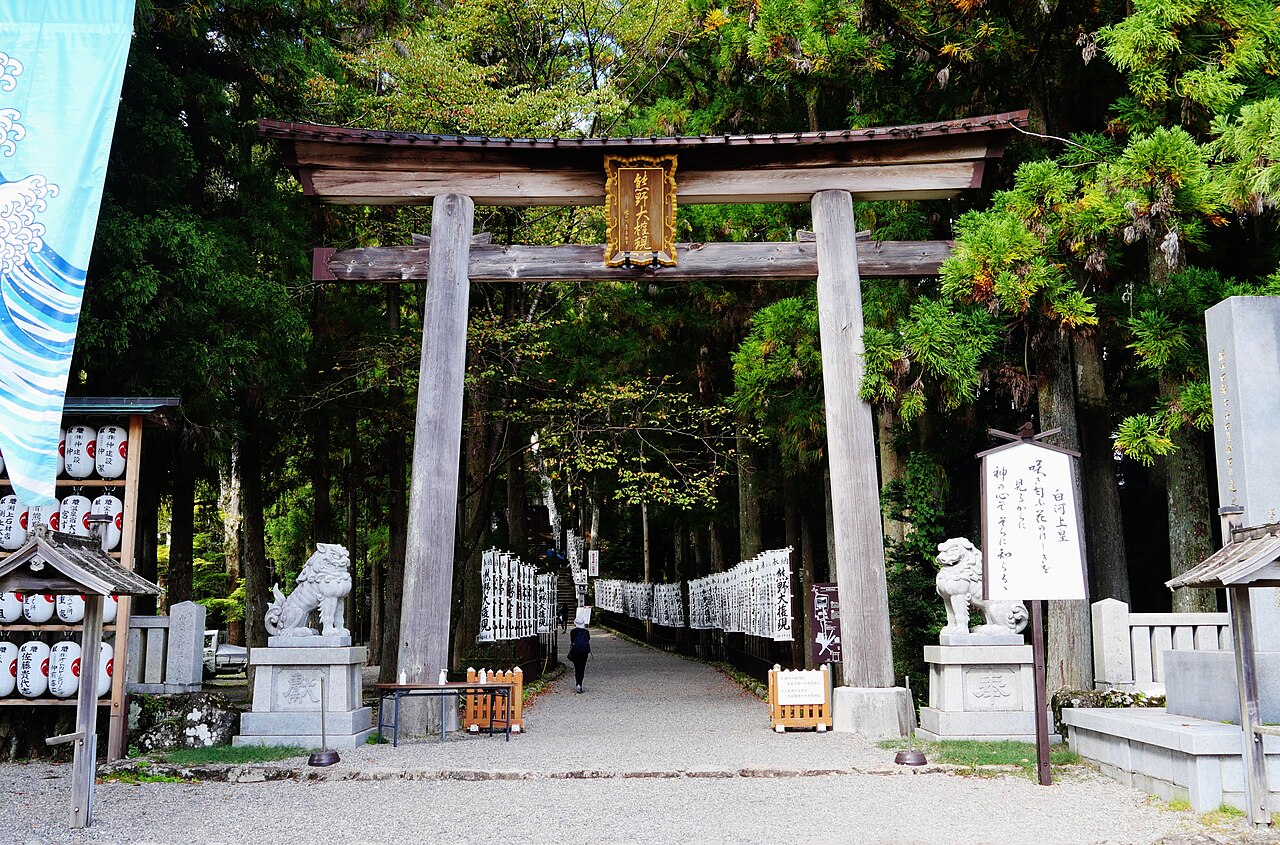
- Main shrine gate and compoundthe cedar-shaded hillside approach to the four main sanctuaries, reached by a stone stairway from the road
- Oyunoharathe original shrine site on the river sandbank, a 5-minute walk south; the largest torii gate in the world (33.9 m) marks the entrance
- The Kumano Kodo arrival pointstone path sections of the Nakahechi and Kohechi routes converge near the shrine, making this the formal terminus of the pilgrimage
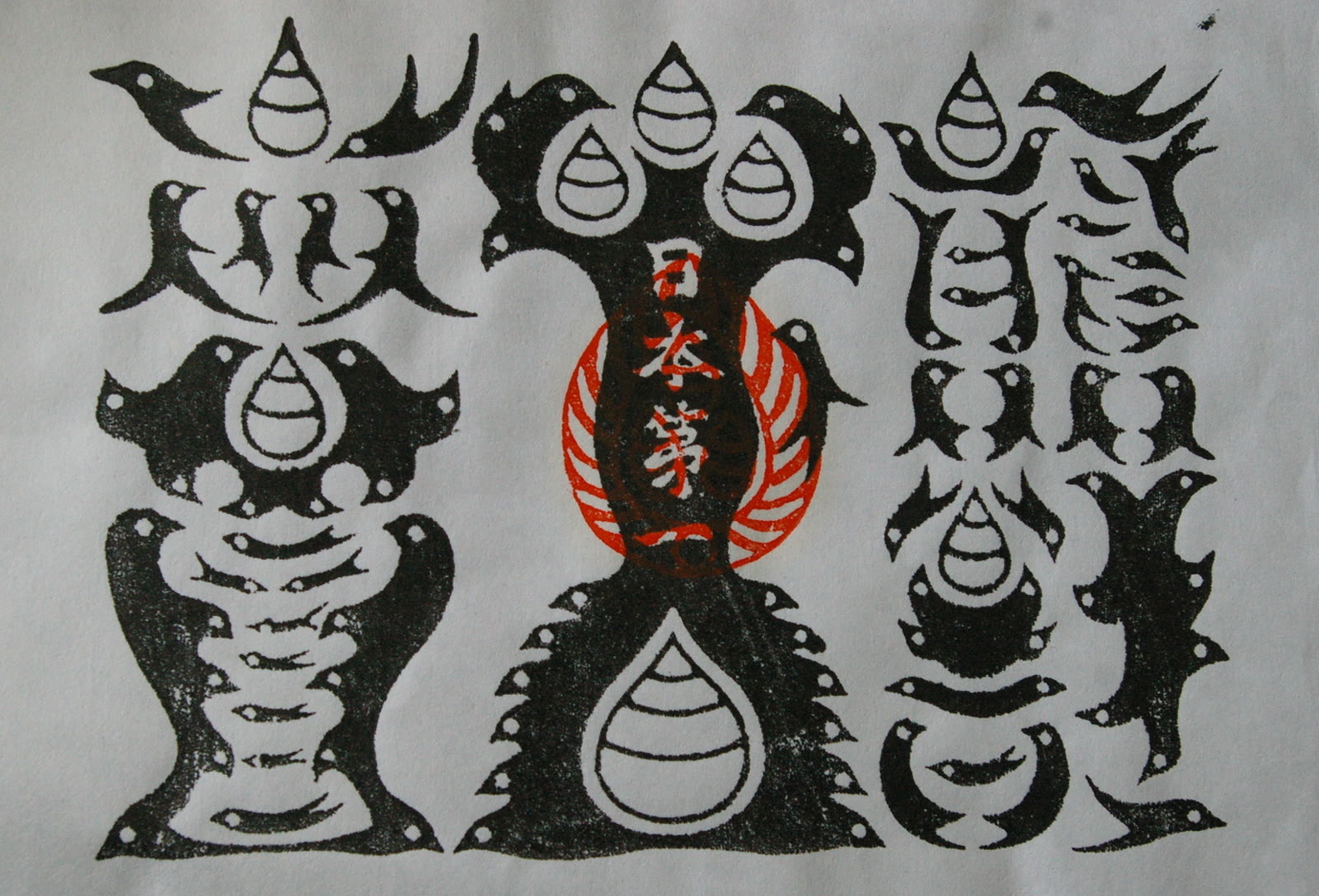
- Yatagarasu emblemsthree-legged crow imagery throughout the shrine complex, the divine guide who led Emperor Jimmu through the Kumano mountains
How to actually get there
- Shin-Osaka Station → Shingu Station (JR Kisei Line Limited Express Kuroshio, ~3 hrs 30 min). Reserve seat in advance.
- Shingu Station → Kumano Hongu Taisha bus stop (Kumano Kotsu bus, ~75–80 min, roughly hourly). Cash only — confirm return timetable on arrival.
- Bus stop → main shrine gate (walk ~5 min) → stone steps to sanctuaries → Oyunohara great torii (walk south ~5 min).
- JR Kisei Line Limited Express Kuroshio to Shingu → Kumano Kotsu bus to Hongu
- Shin-Osaka Station →(JR Kisei Line Limited Express Kuroshio, ~3 hrs 30 min)→ Shingu Station →(Kumano Kotsu bus for Hongu Taisha, ~75–80 min)→ Kumano Hongu Taisha bus stop. Total about 4 hrs 30 min. Buses from Shingu run roughly once per hour (confirm at tb-kumano.jp); the one-way bus fare is approximately 1,560 yen. The JR Limited Express requires a reserved-seat supplement — book in advance at JR stations or jr-odekake.net. IC cards work on the JR train but not the bus; bring cash for the bus.
- Return bus from Kumano Hongu Taisha to Shingu Station
- Take the Kumano Kotsu bus from Kumano Hongu Taisha bus stop to Shingu Station (~75–80 min), then the JR Kisei Line Limited Express Kuroshio back to Shin-Osaka (~3 hrs 30 min). Bus departures from Hongu are infrequent — check the timetable at the bus stop when you arrive and plan your departure around it. The last bus in the evening may be earlier than expected.
About the place
Kumano Hongu Taisha stands in a forested valley where the Kumano River and the Otonashi River meet, at what has been the goal of Japan's most celebrated pilgrimage for over a thousand years. The shrine is the head of more than 3,000 Kumano shrines across Japan and enshrines Ketsumimiko-no-Okami, one of the principal Kumano deities. The original shrine buildings stood on Oyunohara, a river sandbank below the present site, until a catastrophic flood in 1889 destroyed much of the complex; the surviving structures were relocated to the present hillside. Today Oyunohara — a gravel clearing at the river confluence — is marked by the largest torii gate in the world: 33.9 metres tall, erected in 2000, visible from the approach road. The shrine draws visitors who have walked the Kumano Kodo routes — some for spiritual reasons, some for the UNESCO badge, some simply for the deep mountain road — and the atmosphere at the main gate reflects that long history of arrival.
How to enjoy it
Walk from the bus stop to the main shrine gate (about 5 minutes), climb the stone steps to the main sanctuaries, and then walk south along the river to Oyunohara to stand before the great torii gate. Allow about two hours at a relaxed pace for both sites. The approach is lined with giant cedar trees and quiet teahouse stalls. If you have walked part of the Kumano Kodo, arriving at the main gate on foot from the pilgrimage trail gives the visit a weight the bus journey does not.
Background & history
The earliest written references to Kumano Hongu Taisha appear in documents from the 9th century, though the shrine's origins are understood to predate that substantially. Through the Heian period (794–1185), successive emperors made pilgrimage to Kumano — the retired Emperor Go-Shirakawa made the journey more than thirty times — establishing Kumano worship at the highest levels of the court. The three Kumano Grand Shrines (Hongu, Hayatama, and Nachi), together with their connecting mountain roads, were designated a UNESCO World Heritage Site in 2004 as the 'Sacred Sites and Pilgrimage Routes in the Kii Mountain Range.' The iconic three-legged crow, Yatagarasu, is the divine messenger of the Kumano deities and is used as the emblem of the Japan Football Association.
Before you go
- Cash
- Shrine entry is free. The Kumano Kotsu bus requires cash (approximately 1,560 yen one way from Shingu). The JR Limited Express requires a reserved-seat supplement in addition to the basic fare; book in advance. Bring cash for the bus and for food stalls near the shrine.
- Good to know
- The shrine grounds are open year-round. The area is remote — there are very few transport options after dark. Allow enough time to catch the last bus back to Shingu before planning your departure. Some visitors overnight in Hongu at one of the traditional guesthouses (shukubo) near the shrine.
- Another way
- From the Kii-Tanabe or Shirahama direction, take the JR Kisei Line to Kii-Tanabe Station and then a Meiko Bus toward Hongu Taisha (~2 hrs). This approach also gives access to the Nakahechi starting points of the Kumano Kodo walk.
- After you get off
- Kumano Hongu Taisha bus stop (Kumano Kotsu bus from Shingu): from the bus stop, walk about 5 minutes along the cedar-lined approach road to the stone steps of the main shrine gate.
Nearby notes
 Miya.m / CC BY-SA 3.0
Onsen · Wakayama★★
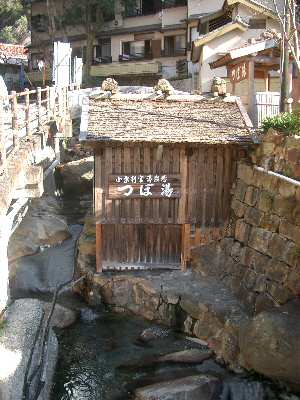
Tsuboyu at Yunomine
1.9 km · straight line
 Nekosuki / CC BY-SA 4.0
History · Wakayama★★★
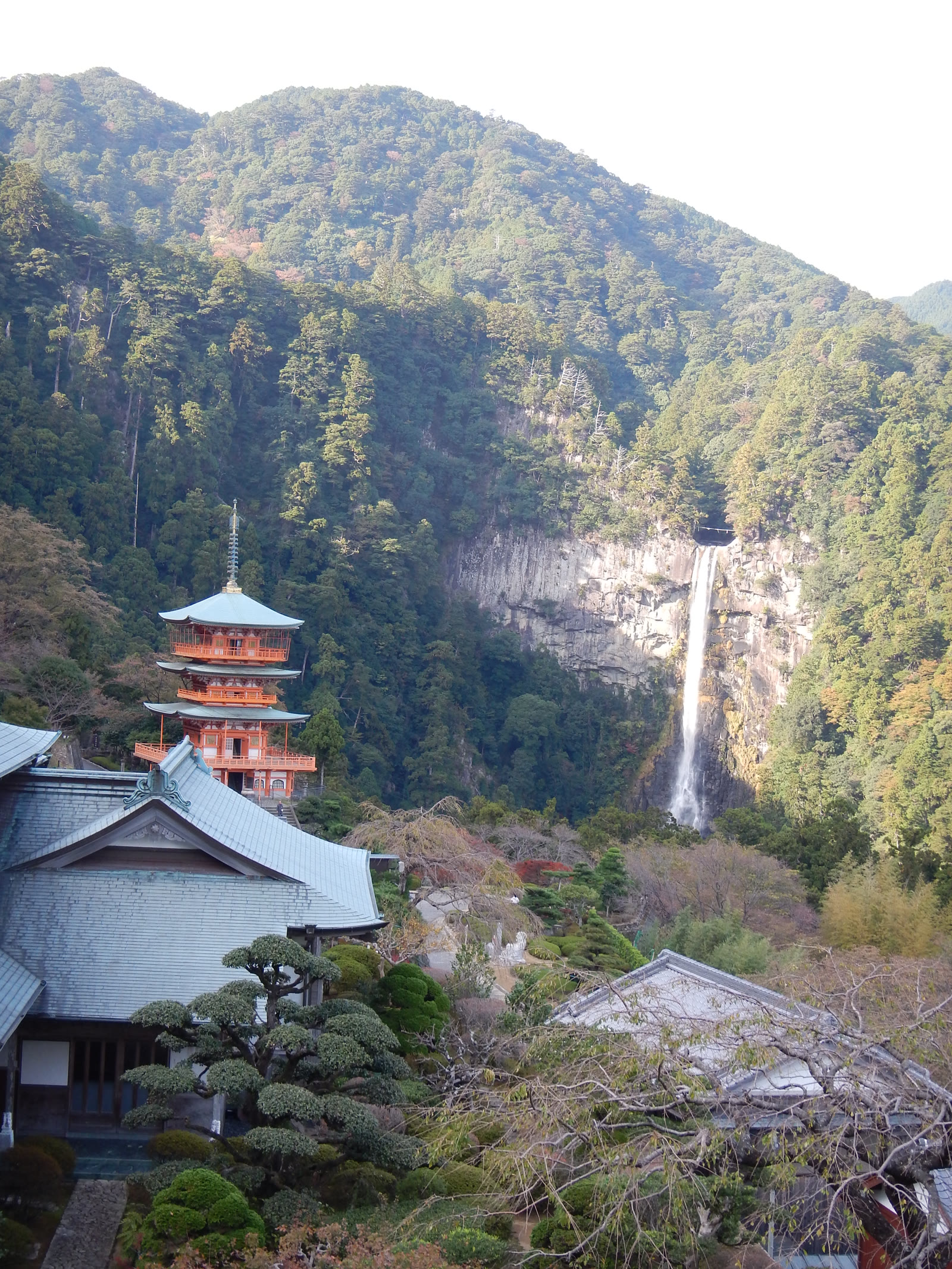
Kumano Nachi Taisha
21.9 km · straight line
 Nekosuki / CC BY-SA 4.0
History · Wakayama★★★
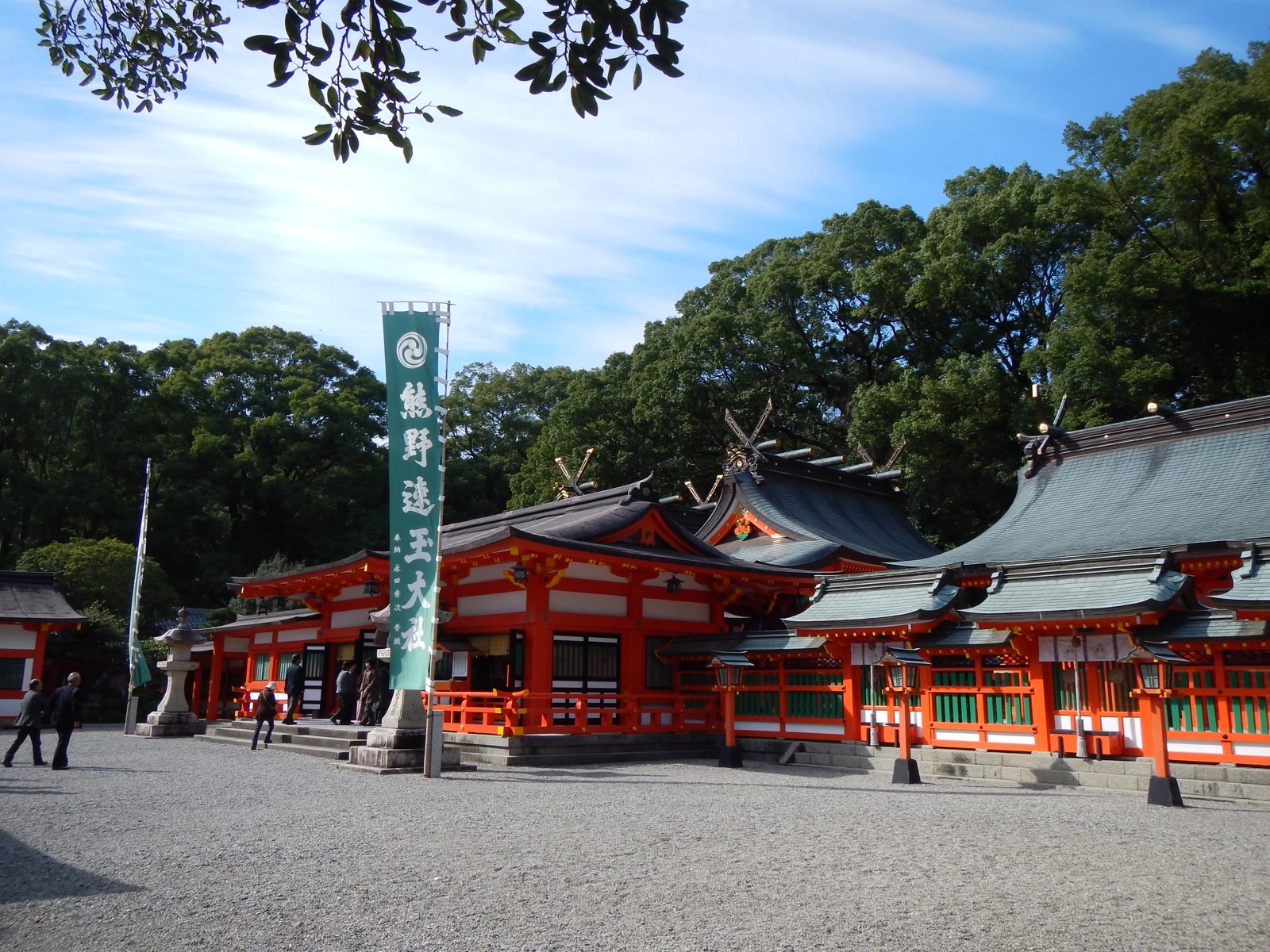
Kumano Hayatama Taisha
22.8 km · straight line
 Dokudami / CC BY-SA 4.0
Onsen · Wakayama★★
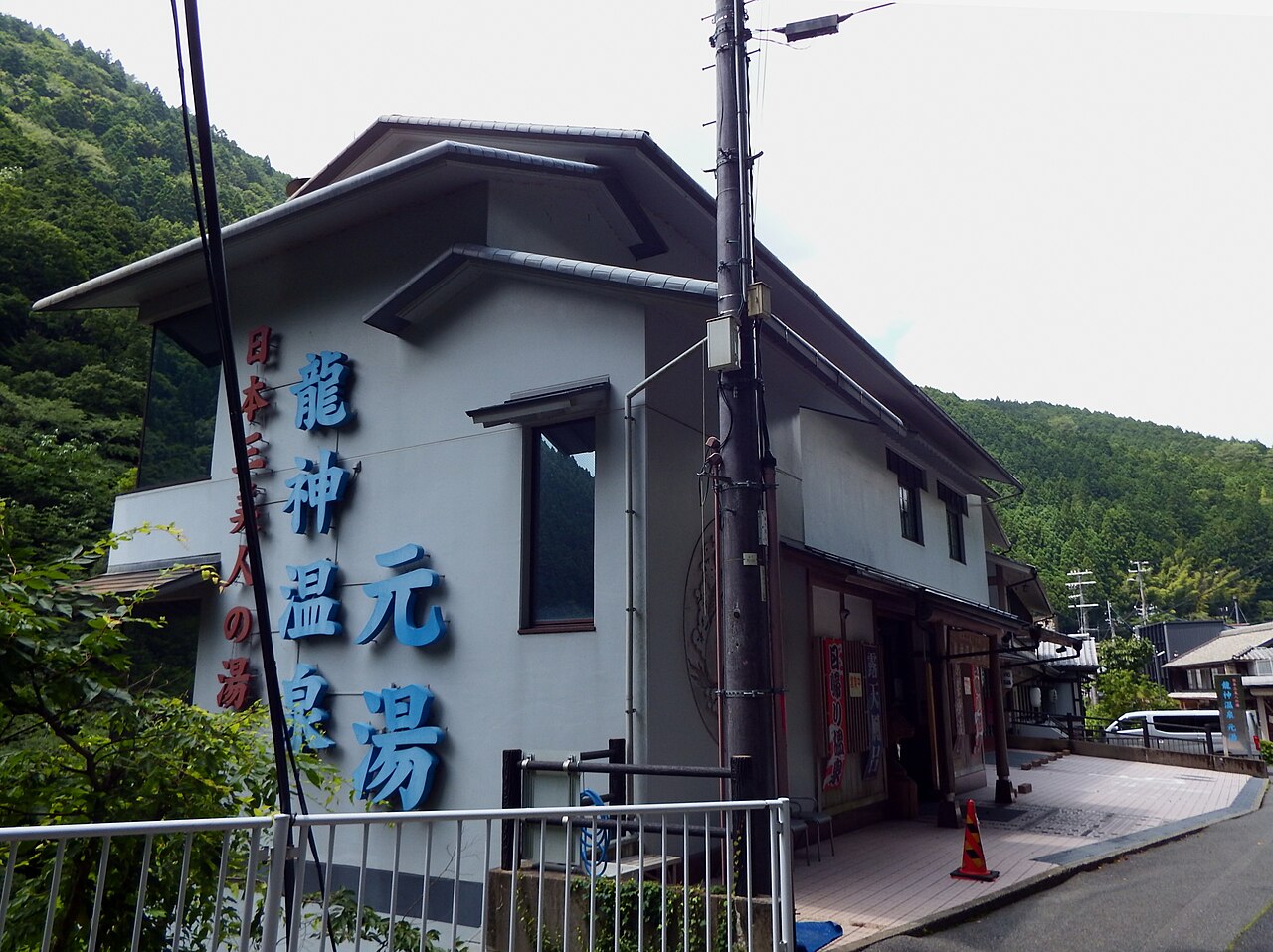
Ryujin Onsen
23.5 km · straight line
Distances are straight lines on the map, not travel times.