Wakayama · Kumano · YunomineNo.345★★Open in map →
Tsuboyu at Yunomine
— the only World Heritage bath you can enter
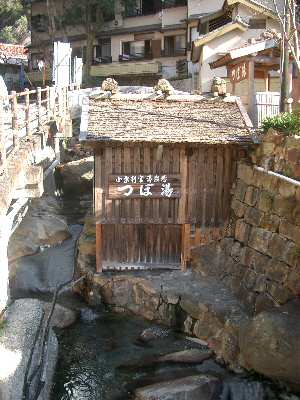
A tiny rock-cut hot spring bath in a wooden hut over the creek at Yunomine, in the mountains behind Kumano Hongu Taisha — inscribed within the Kumano World Heritage site and still in daily use.
- FromShin-Osaka
- ~2 minexpress + bus (infrequent)
- Get off atYunomine Onsen bus stop (Ryujin bus from Kii-Tanabe)
- On foot
- Tsuboyu at Yunomine
The sweet spot
Most visitors to Kumano see the three grand shrines and move on, because Yunomine adds an overnight to an already long journey. That filter is exactly why the bath still feels like a working part of the pilgrimage rather than an attraction — you queue with people who have just walked in off the Kodo.
Where it is
21 more notes in Wakayama · open the map →What to look for — in walking order
- Tsuboyu itselfa two-person bath cut into the natural rock of the creek bed, roofed by a small wooden hut and used by rotation
- The public bathhousethe village bathhouse on the lane where you take your numbered ticket and wash before entering Tsuboyu
- The yutsutsu springa boiling source beside the creek where visitors cook eggs and vegetables in string nets sold at the shop
- The hamlet and the creeka few dozen buildings in a narrow valley with steam rising off the water down the middle of the lane
How to actually get there
- Shin-Osaka → Kii-Tanabe Stn (JR Limited Express Kuroshio, ~2 hr).
- Kii-Tanabe Stn → Yunomine Onsen stop (Ryujin bus, Nakahechi route, ~1 hr 50 min, only a few a day).
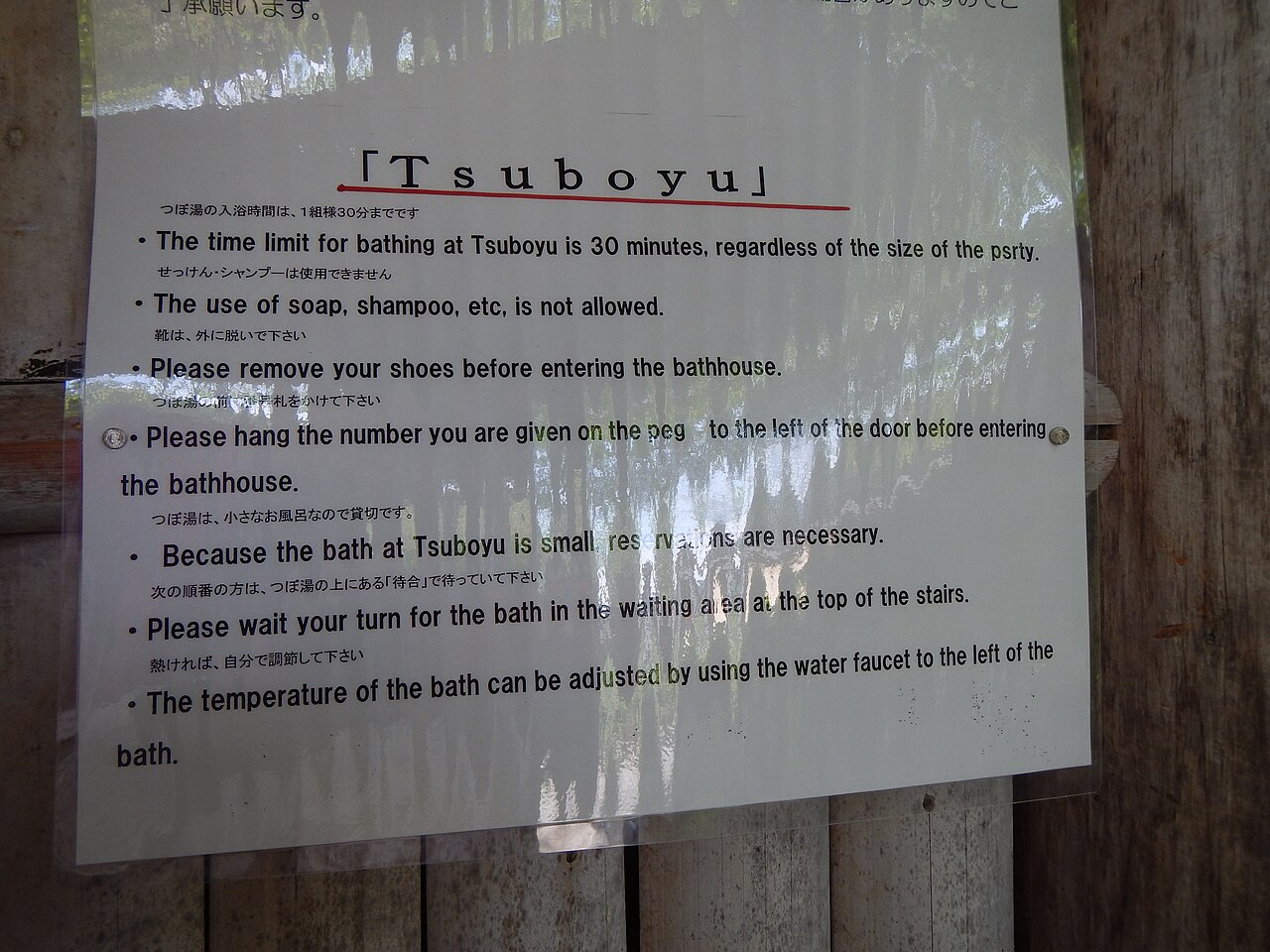
- Take a numbered ticket at the public bathhouse counter, then cross to the hut in the creek when your turn comes (~30 min slot).
- Shin-Osaka → Kii-Tanabe → Yunomine Onsen (express + bus)
- From Shin-Osaka take the JR Kisei Line Limited Express Kuroshio to Kii-Tanabe Station (about 2 hours). Outside the station, board the Ryujin bus on the Nakahechi route toward Hongu Taisha-mae and ride to the Yunomine Onsen stop — about 1 hour 50 minutes. Buses are infrequent, on the order of a handful a day, so check the timetable before you commit to the day. Total travel time is around 4 hours each way, which makes this an overnight trip rather than a day trip.
- Return bus to Kii-Tanabe, then the Kuroshio express
- Take the Ryujin bus back down the Nakahechi route to Kii-Tanabe and the Limited Express Kuroshio to Shin-Osaka. Departures from Yunomine are few and the last one is earlier than you would expect — confirm the return times at the bus stop the moment you arrive. From Shingu on the coast, the Kumano Kotsu bus is the alternative exit, useful if you are continuing east toward Nagoya.
About the place
Yunomine is a hamlet of a few dozen buildings in a narrow valley behind Kumano Hongu Taisha, with a scalding creek running down its middle. Pilgrims walking the Kumano Kodo have stopped here for centuries to perform yugori — ritual purification in hot water — before presenting themselves at the great shrine. Tsuboyu is where they did it: a bath cut into the natural rock of the streambed, roofed over with a small wooden hut you reach by a plank bridge. It holds two people at a squeeze. When the Kumano pilgrimage routes were inscribed as World Heritage in 2004, Tsuboyu was included inside the boundary — and because it is still an operating bath, it became the only World Heritage site in the world that visitors can get into. Use is by rotation: you take a numbered ticket at the public bathhouse counter across the lane, wait your turn, and get the hut to yourself for about thirty minutes. The water is said to change colour seven times a day.
How to enjoy it
Treat this as an overnight, not a day trip — the bus journey is long and the last departures are early. Staying in one of the small ryokan in the hamlet also means you can take a Tsuboyu slot early in the morning, when the hut is quietest and the steam sits in the valley. Buy a net of eggs at the shop and cook them at the yutsutsu spring while you wait for your turn; it is what everyone here does. Combine with Kumano Hongu Taisha, about 15 minutes away by bus, and with Kawayu Onsen, where you dig your own bath in the river gravel. If you are walking the Kumano Kodo, Yunomine sits naturally at the end of a day on the Nakahechi route.
Background & history
Yunomine is described as one of the oldest hot spring settlements in Japan, and its role in the Kumano pilgrimage is documented across centuries: pilgrims who had walked the Kumano Kodo bathed here as a rite of purification before the final approach to Kumano Hongu Taisha. Tsuboyu is also bound up with the legend of Oguri Hangan, a warrior said to have been restored to life by these waters — a story retold in medieval performance and still part of the village's identity. In 2004 the Sacred Sites and Pilgrimage Routes in the Kii Mountain Range were inscribed on the UNESCO World Heritage list, and the bath fell inside the inscribed area.
Before you go
- Cash
- Bathing is charged at the public bathhouse counter, in cash — there is no card payment and no ATM in the hamlet. Bring enough cash for the bath, meals and any lodging. The Ryujin bus takes cash; confirm whether IC cards are accepted before boarding.
- Good to know
- Tsuboyu holds two people at most and is used by rotation, so at busy times you may wait an hour or more for your slot. No soap or shampoo may be used in the bath — the water drains straight into the stream. The water is genuinely hot, and there is cold water on hand to temper it. Wash at the public bathhouse across the lane first.
- Another way
- From Shingu Station on the Pacific coast, the Kumano Kotsu bus reaches Yunomine via Hongu in about 1 hour 40 minutes — the better route if you are arriving from Nagoya or continuing along the coast. Yunomine and Kawayu Onsen are a few minutes apart by bus and are usually done together.
- After you get off
- From the Yunomine Onsen bus stop, walk down into the hamlet; the public bathhouse is on the lane and Tsuboyu's small wooden hut stands in the creek just below it, reached by a short plank bridge.
Nearby notes
 Utudanuki / CC BY-SA 3.0
History · Wakayama★★★
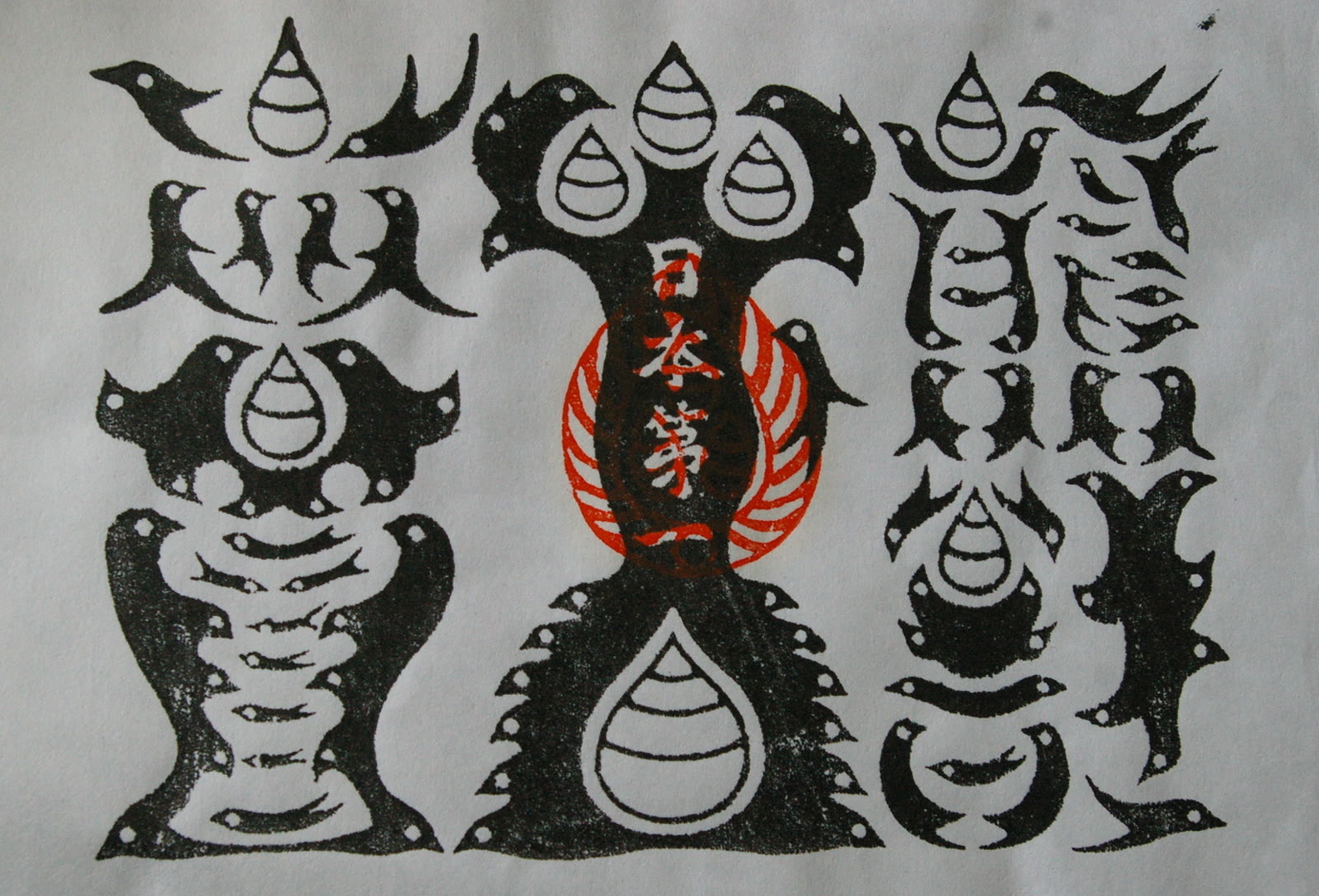
Kumano Hongu Taisha
1.9 km · straight line
 Nekosuki / CC BY-SA 4.0
History · Wakayama★★★
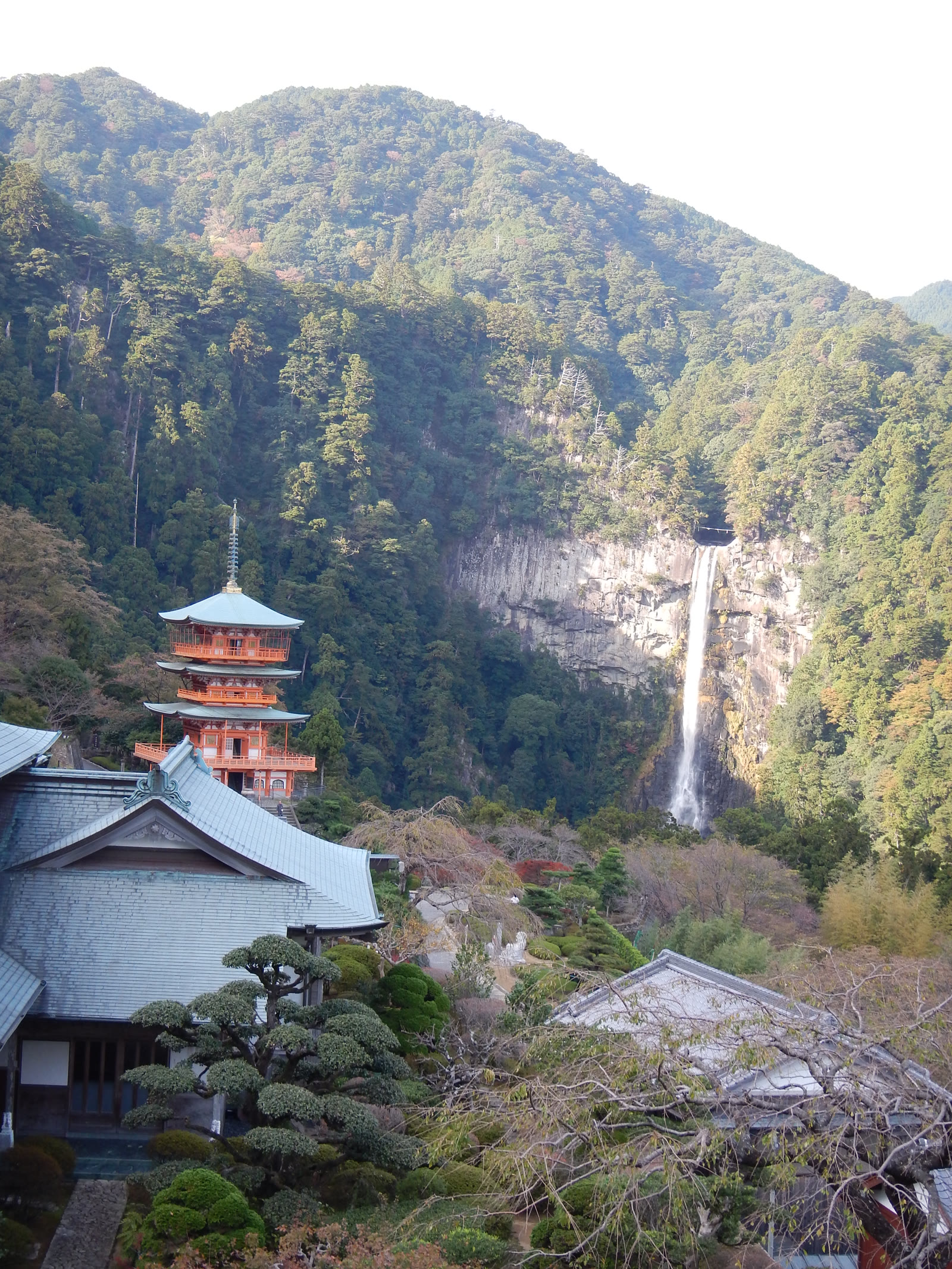
Kumano Nachi Taisha
21.7 km · straight line
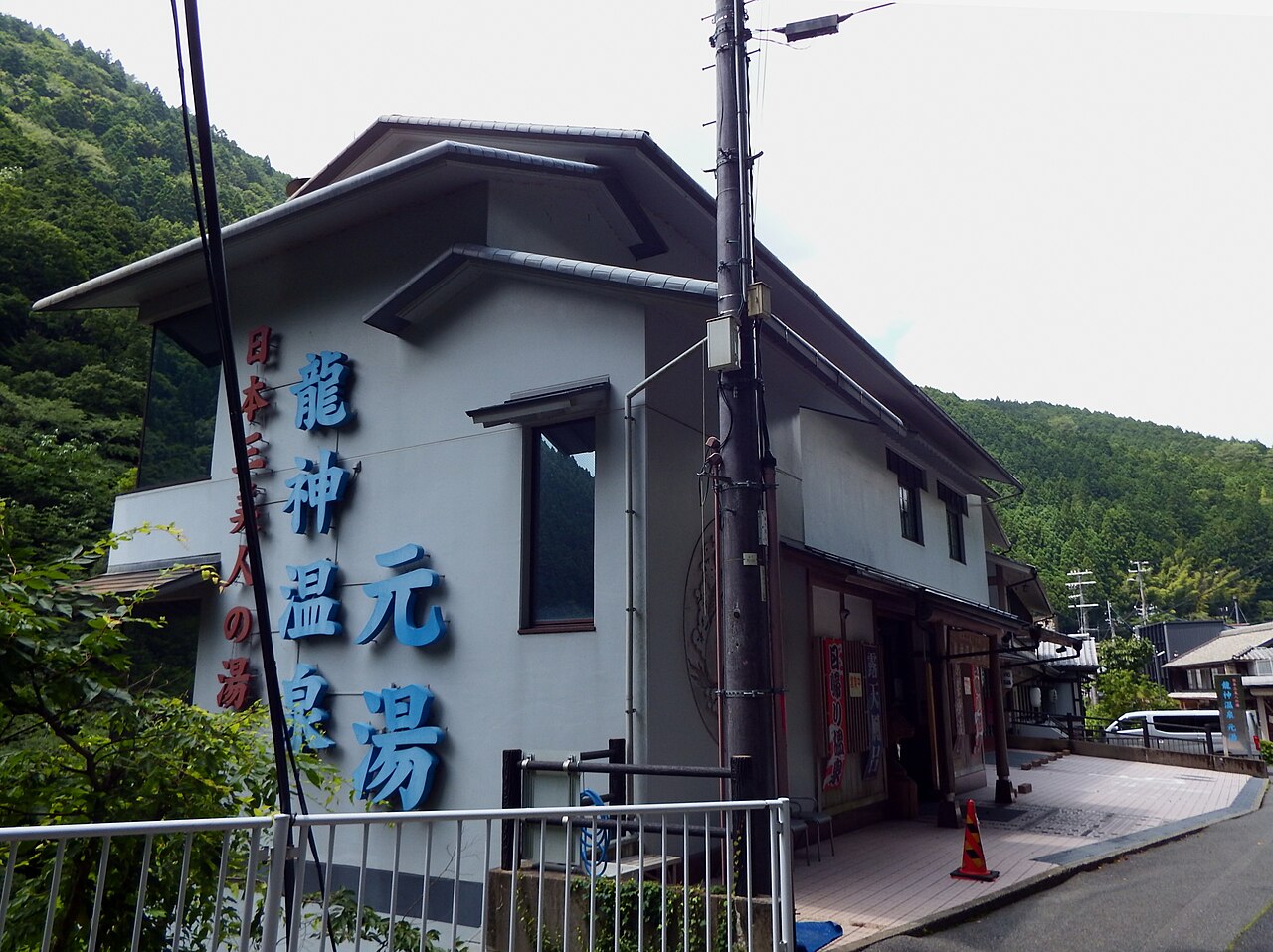 Dokudami / CC BY-SA 4.0
Onsen · Wakayama★★
Ryujin Onsen
22.9 km · straight line
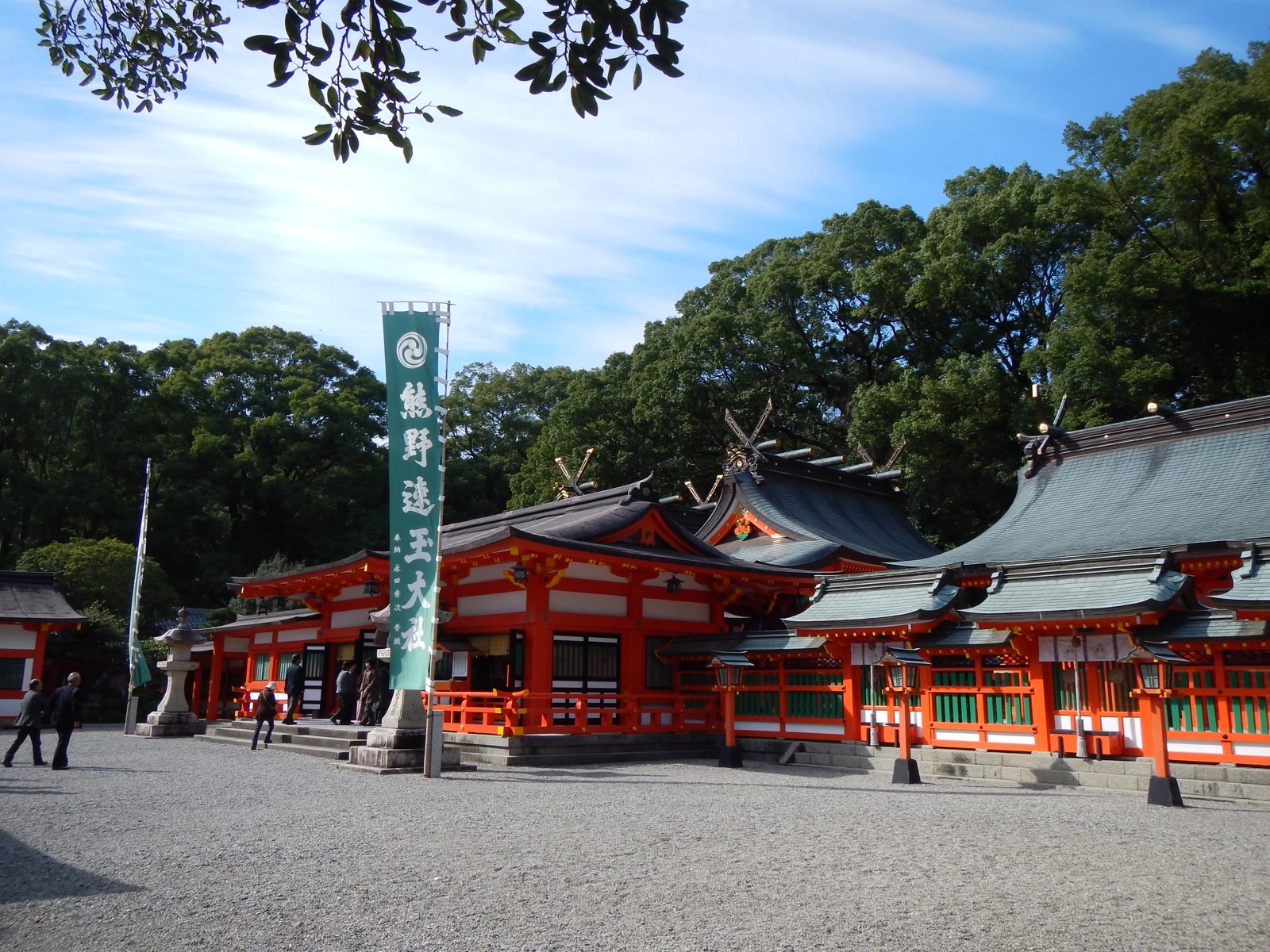 Nekosuki / CC BY-SA 4.0
History · Wakayama★★★
Kumano Hayatama Taisha
23.5 km · straight line
Distances are straight lines on the map, not travel times.