North Tochigi · Nasu TownNo.284★Open in map →
The Nasu Highlands
A highland resort spread across the slopes of the Nasu volcanoes in northern Tochigi, with hot springs first found in the seventh century, hiking on Mt. Chausu, and a scatter of museums, farms and animal parks below.
- FromTokyo Stn
- ~2 hr 10 minshinkansen + bus (~hourly)
- Get off atNasu Yumoto bus stop (Kanto Bus)
- From there
- The Nasu Highlands
The sweet spot
Nasu is a Shinkansen stop and yet almost absent from foreign itineraries, which default to Hakone for the same combination of volcano, ropeway and hot spring. The scale is different: an actual 1,915 m peak you can stand on, and a spring tradition running back to the seventh century.
Where it is
16 more notes in Tochigi · open the map →What to look for
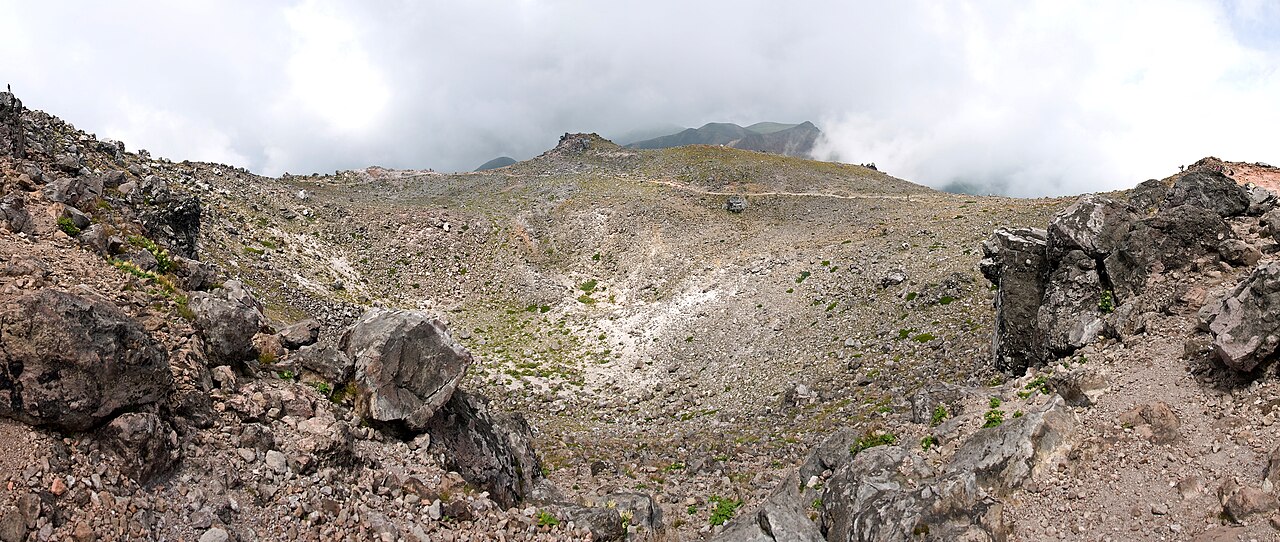
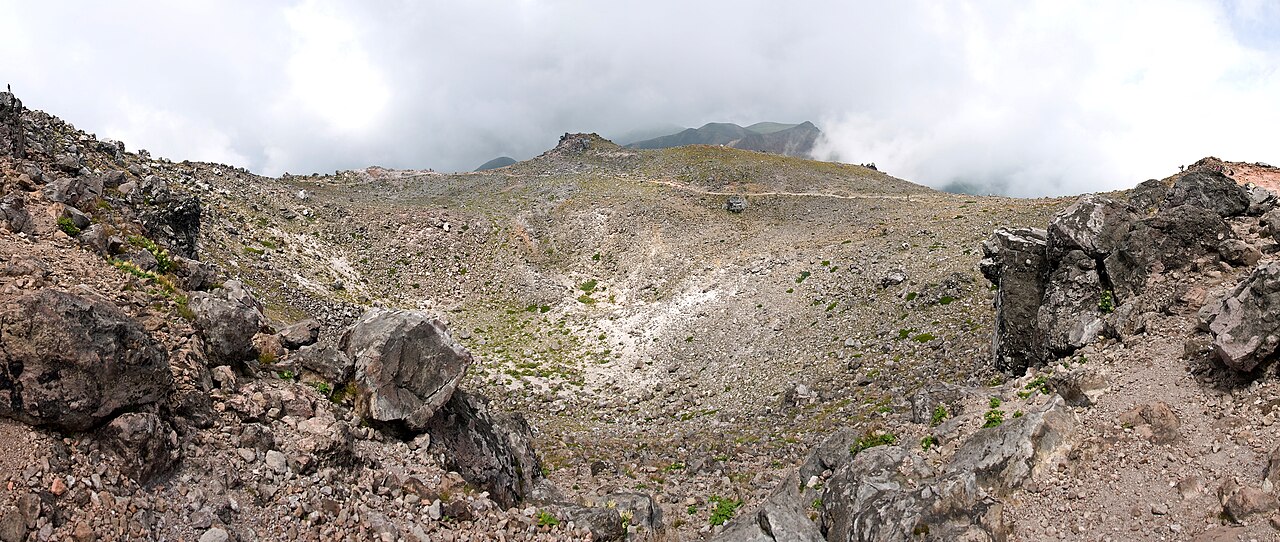
- Mt. Chausu (Chausudake)the highest peak of the Nasu range at 1,915 m and an active volcano; the ropeway reaches the ninth station and the summit is about 50 minutes further on foot
- Mugen Jigoku fumaroles'Infinite Hell', a steaming vent field on the mountain reached by a path of about 40 minutes
- Nasu Nature Study Patha 7.6 km loop trail through the highland forest, passing Omaru Onsen, with tunnels of blooming azaleas in spring
- Yahata Azalea Parka 1.6 km loop of about 30 minutes through a hillside azalea field, largely on boardwalk
- Nasu Yumoto Onsenthe old hot spring village halfway up the mountain, and the centre of the resort
- Museums and farms belowNasu Animal Kingdom, Nasu Safari Park, the Nasu Stained Glass Museum and Minamigaoka Farm are all on the lower slopes
How to actually get there
- Tokyo Station → Nasushiobara Station (Tohoku Shinkansen, ~70–75 min).
- Nasushiobara Station west exit → Nasu Yumoto (Kanto Bus, ~50 min) or Nasu Ropeway (~75–80 min, April–November).
- Ropeway upper station → Mt. Chausu summit (on foot, ~50 min).
- Tohoku Shinkansen + Kanto Bus
- Tokyo Station →(Tohoku Shinkansen, ~70–75 min)→ Nasushiobara Station. From the west exit, take the Kanto Bus toward Nasu Yumoto / Nasu Ropeway. Nasu Yumoto is about 50 minutes (around ¥1,170); from April to November most buses continue to the Nasu Ropeway, about 75–80 minutes (around ¥1,640). Buses run roughly hourly.
- Kanto Bus back to Nasushiobara, then Shinkansen
- Take the Kanto Bus down from Nasu Yumoto or the ropeway to Nasushiobara Station (50–80 min), then the Tohoku Shinkansen to Tokyo (~70–75 min). Buses down thin out in the late afternoon, so check the last departure at the stop when you arrive — this is the single thing most likely to go wrong on a day trip.
About the place
The Nasu Highlands sit on the flanks of the Nasu mountain range in the far north of Tochigi, and the whole area is a single mountain read from bottom to top. At the base are pastures, museums and animal parks; halfway up is Yumoto, the old hot spring village that gives the area its name; above that the trees thin out and the bare volcanic cone of Mt. Chausu — at 1,915 metres the highest peak of the range — stands with steam still rising from its side. Hot springs were first discovered here in the seventh century, and the local tourism association now marks the resort's roughly 1,400 years of continuous bathing. What makes Nasu unusual among Japanese highland resorts is how little you have to choose: a ropeway takes you to the ninth station of an active volcano in minutes, boardwalk nature trails run through azalea fields below, and the same day can end in a farm cafe or a museum. It has been the Japanese summer-escape template since long before it was a foreign destination.
How to enjoy it
Work top to bottom. Take the early bus from Nasushiobara up to the ropeway, do the volcano while the air is clearest, then come down to Yumoto for the baths in the afternoon and finish at a farm or museum on the lower slopes. The nature study path is the better choice if the summit is closed for wind — it is a full 7.6 km loop and does not need the ropeway. Much of the boardwalk network is passable in a wheelchair, and many accommodations keep pumps and patch kits for cyclists.
Background & history
The hot springs of Nasu were discovered in the seventh century, making this one of the older documented bathing areas in eastern Japan, and the village of Yumoto grew up around the source halfway up the mountain. Mt. Chausu is an active volcano and its fumaroles have shaped both the landscape and the local spring chemistry for as long as records exist. In the modern era the highlands became a summer retreat for people escaping the heat of the plain, and the range of facilities — museums, farms, ski slopes, golf courses, campgrounds — accumulated over the twentieth century around that seasonal habit. The area today lies within a national park, and much of the trail network has been rebuilt with boardwalks.
Before you go
- Cash
- IC cards work on the Shinkansen and at the station, but carry cash for the Kanto Bus and for the smaller ryokan, farm stands and bath houses on the mountain. The ropeway is a separate paid ticket.
- Good to know
- Mt. Chausu is an active volcano: the ropeway suspends operation in high wind, and trail sections can be closed on volcanic advisories. The ropeway generally does not run in the deep winter months, and buses to the ropeway operate roughly April to November. Check the day's status before committing to the summit.
- Another way
- Kuroiso Station (JR Utsunomiya Line) is also served by buses into the highlands and is the cheaper approach if you are not using the Shinkansen. A rental car is the most flexible option, since the museums and farms are spread over a wide area and bus links between them are limited. Rental bicycles are available in the resort.
- After you get off
- Nasu Yumoto is the village itself — the baths and inns are within a few minutes of the bus stop. From the ropeway's lower station the cable car takes you to the ninth station, and the summit is about 50 minutes further on foot; allow around 3.5 hours to walk the whole way back down to the parking lot.
Nearby notes
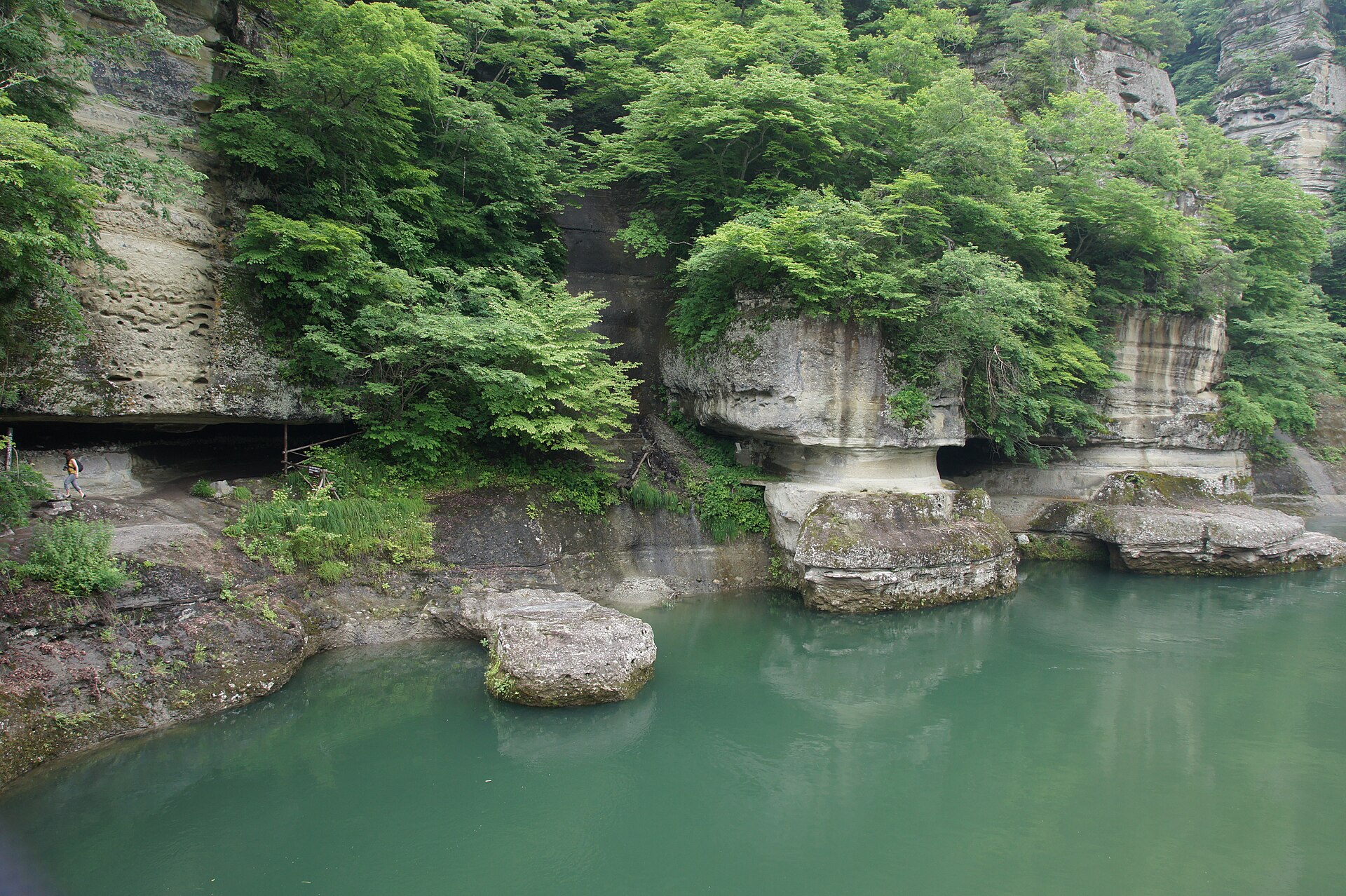 Kohei Fujii / CC BY-SA 2.0
Nature · Fukushima★★
To-no-Hetsuri Cliffs
17.7 km · straight line
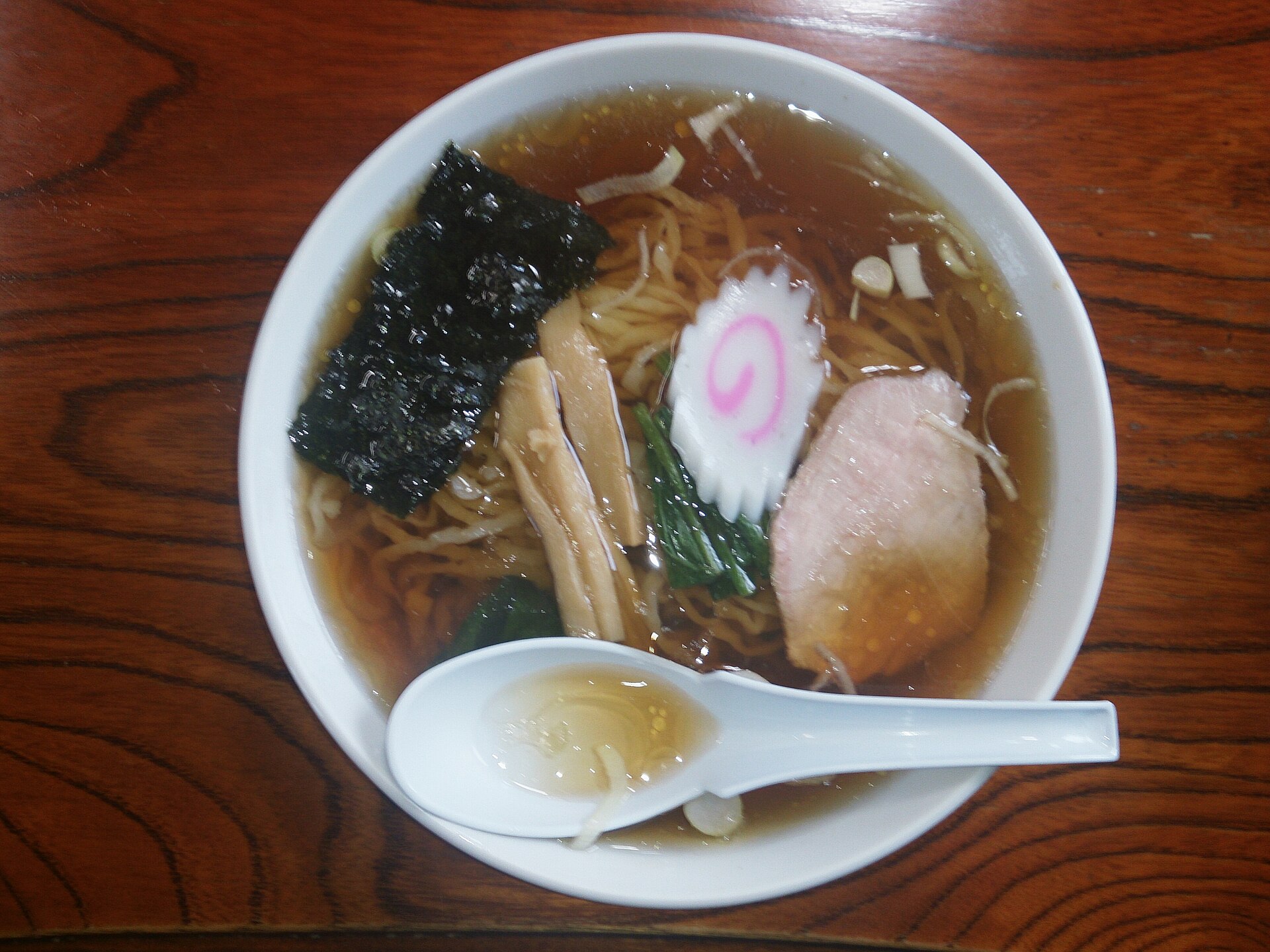 Nyfgye / CC BY-SA 4.0
Food · Fukushima★★
Shirakawa Ramen
21.4 km · straight line
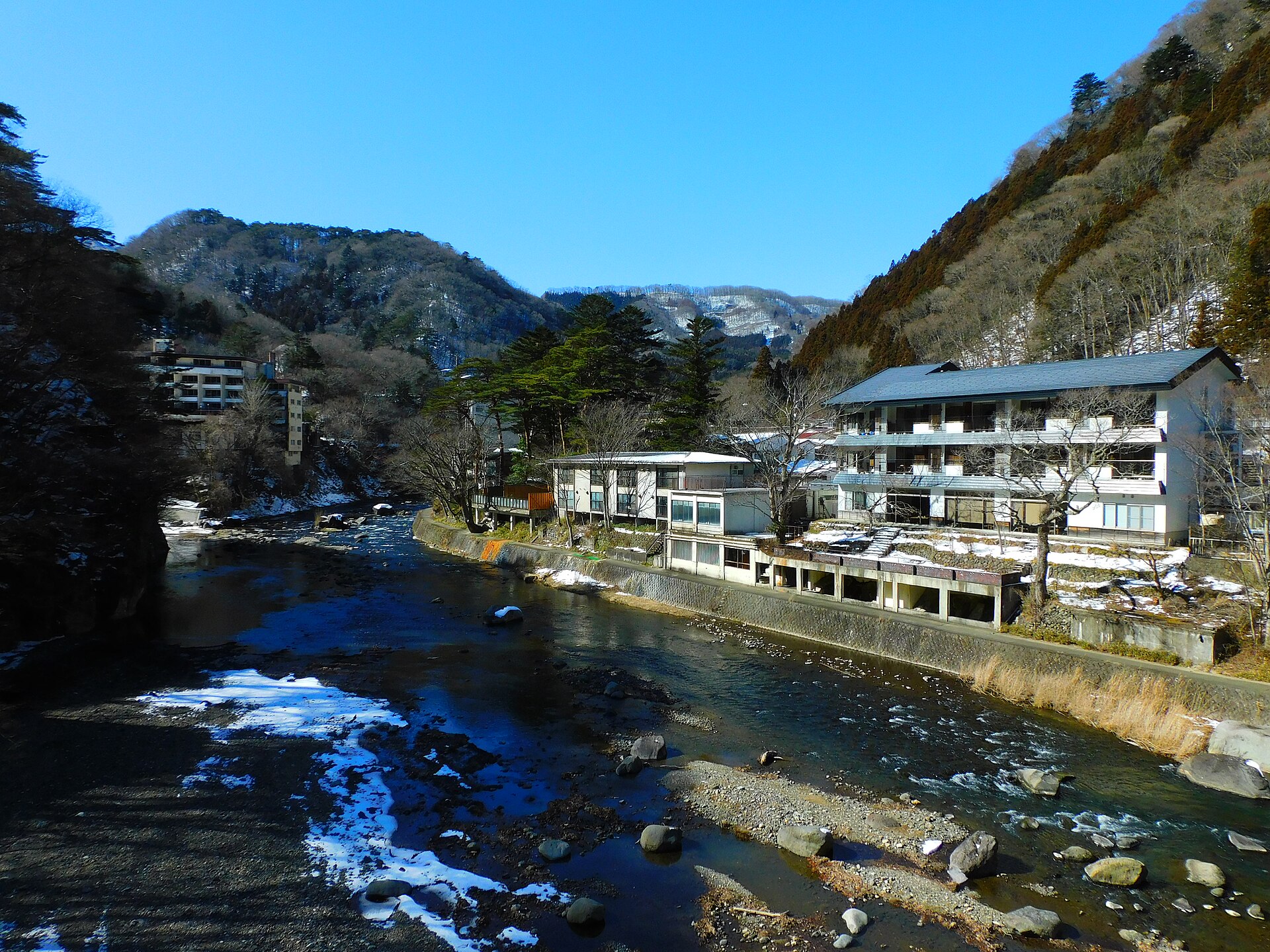 Miyuki Meinaka / CC BY-SA 4.0
Onsen · Tochigi★★
Shiobara Onsen
21.6 km · straight line
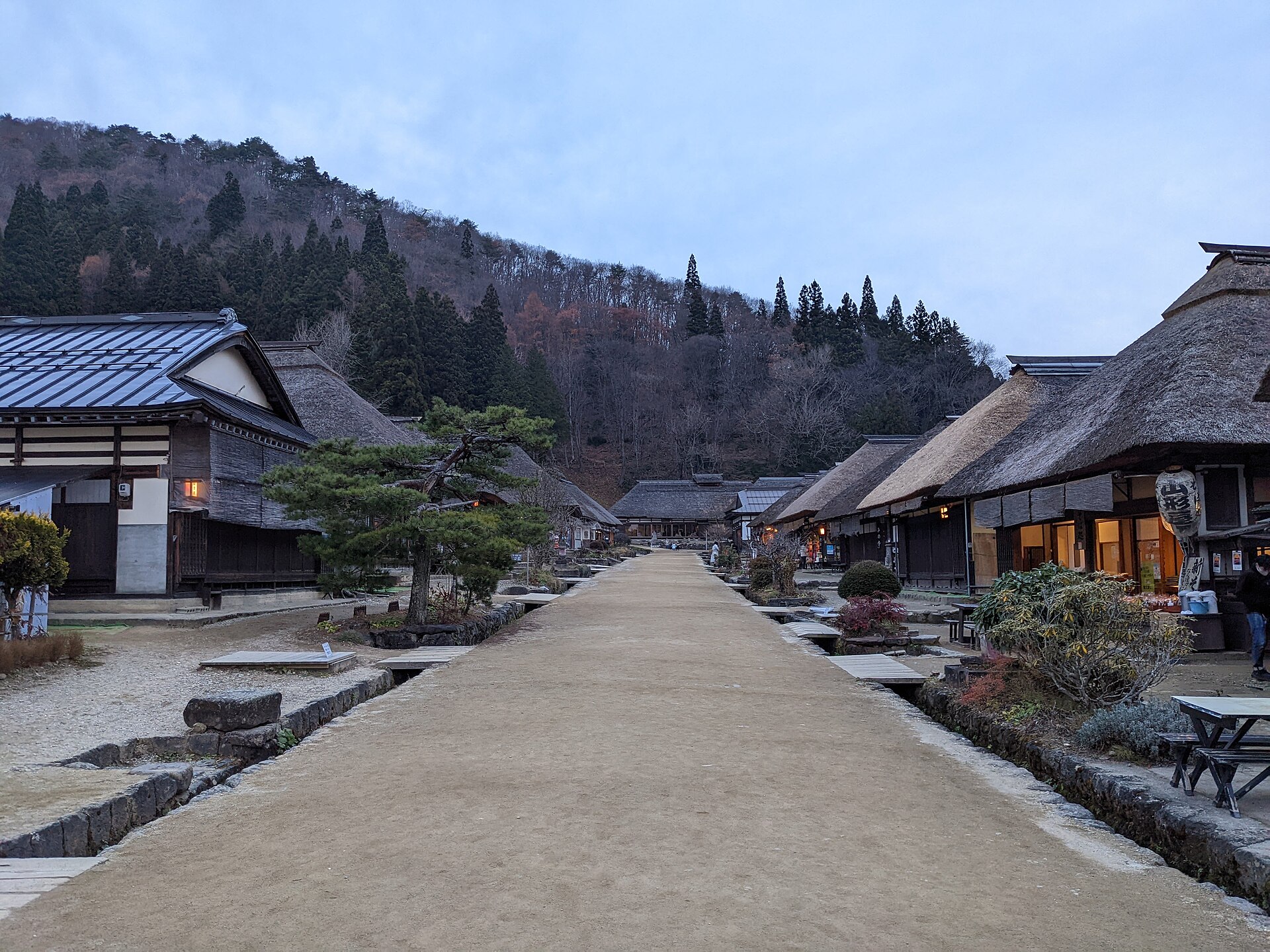 Bernie Ongewe / CC BY-SA 4.0
History · Fukushima★★★
Ouchi-juku
25.4 km · straight line
Distances are straight lines on the map, not travel times.