Central Kyoto · NakagyoNo.125★★Open in map →
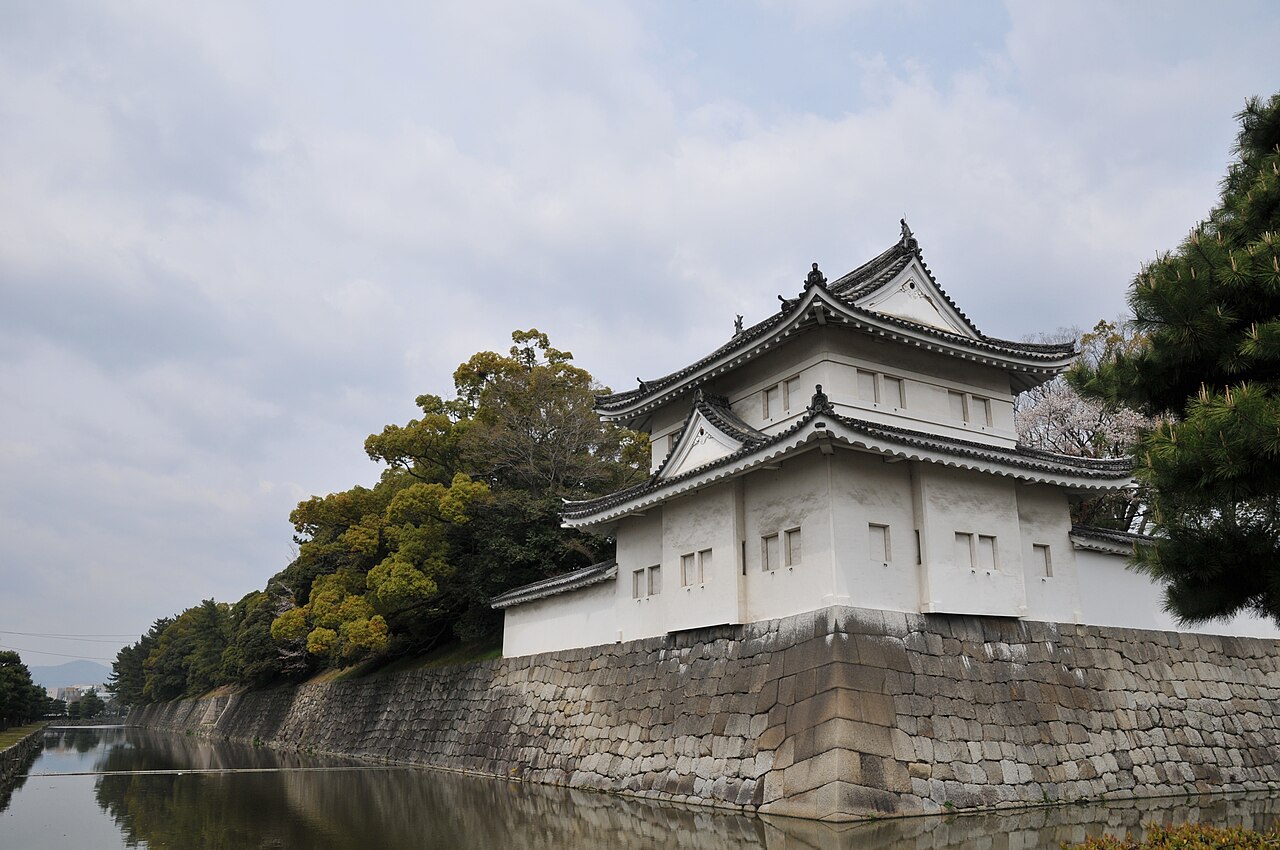
Nijo Castle
A UNESCO World Heritage castle in central Kyoto, built for the first Tokugawa shogun. Its Ninomaru Palace is a National Treasure, with corridors that chirp underfoot as you walk.
- FromKyoto Stn
- ~15 minsubway (frequent)
- Get off atNijojo-mae Station (Tozai Line)
- On foot
- Nijo Castle
Where it is
90 more notes in Kyoto · open the map →What to look for — in walking order
- East Gatethe main entrance from Horikawa-dori, where tickets are purchased
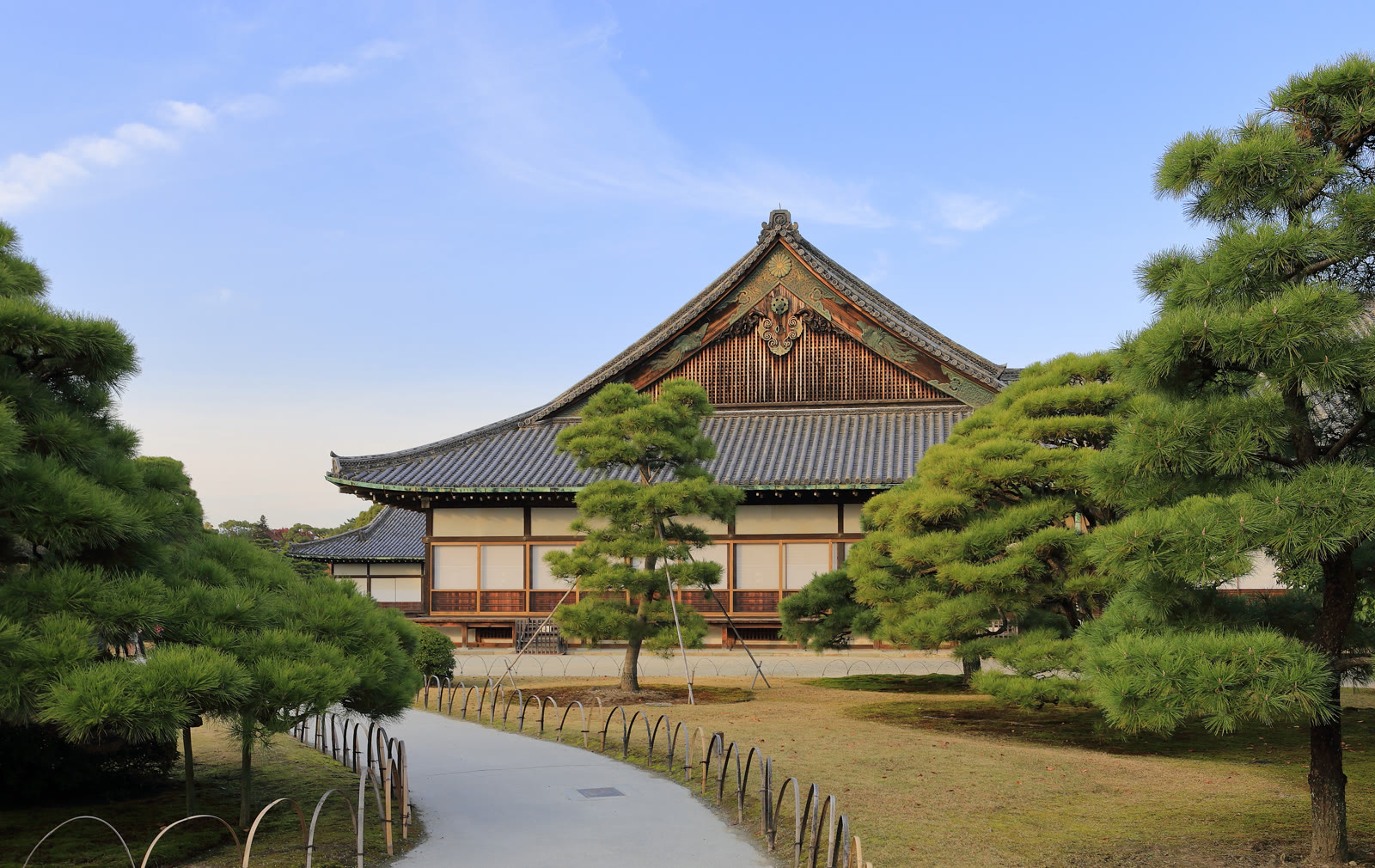
- Ninomaru Palacea National Treasure of six connected buildings, a rare surviving fortified palace
- Nightingale floorscorridors that chirp underfoot as metal clamps move against nails beneath the boards
- Kano school paintingsover 3,600 wall paintings inside the palace, 1,016 of them named Important Cultural Properties
How to actually get there
- Kyoto Station → Karasuma-Oike Station (subway Karasuma Line, ~6 min).
- Karasuma-Oike Station → Nijojo-mae Station (transfer to subway Tozai Line, 1 stop, ~2 min).
- Nijojo-mae Station → East Gate entrance (walk along Horikawa-dori, ~2 min); buy the combined grounds + palace ticket (1,300 yen).
- Enter the Ninomaru Palace at opening and walk the nightingale-floor corridors while the sound is still your own.
- Kyoto Stn → Karasuma Line → transfer at Karasuma-Oike → Tozai Line → Nijojo-mae
- Kyoto Station →(subway Karasuma Line, ~6 min)→ Karasuma-Oike Station →(transfer to subway Tozai Line, 1 stop, ~2 min)→ Nijojo-mae Station. Total about 15 min, 260 yen. Trains run every few minutes all day, so no timetable check is needed.
- Return by the same subway route
- From Nijojo-mae Station, take the Tozai Line one stop to Karasuma-Oike, then transfer to the Karasuma Line for Kyoto Station (about 15 min). Subways run frequently until late evening.
About the place
Nijo Castle served as the Kyoto residence of the Tokugawa shoguns, military rulers who governed Japan for over 250 years. At its heart is the Ninomaru Palace — six connected buildings in the shoin-zukuri style of formal reception rooms, one of the rarest surviving fortified palaces in Japan. Its corridors are laid with uguisubari, or nightingale floors, which chirp softly as you walk; the sound comes from metal clamps shifting against nails beneath the floorboards. The palace rooms are also lined with wall paintings by artists of the Kano school, the leading painting workshop of the age.
How to enjoy it
Official hours are 8:45 to 17:00 (last entry 16:00). Combined admission for the grounds and Ninomaru Palace is 1,300 yen for adults. Arriving near opening means the palace corridors are less crowded — and the nightingale floors sound one footstep at a time, the way they were built to. Check the official site for seasonal closure dates before you go.
Background & history
Tokugawa Ieyasu, the first shogun of the Edo period, ordered the castle built in 1601; his Kyoto residence was completed around 1603. His grandson Iemitsu greatly expanded and decorated the compound by 1626, ahead of a visit by Emperor Go-Mizunoo. In 1867, in the Ninomaru Palace, the last shogun Yoshinobu announced the return of governing power to the imperial court — an act that ended the Edo period. The castle was inscribed as a UNESCO World Heritage Site in 1994.
Before you go
- Cash
- IC cards (such as Suica or ICOCA prepaid transit cards) work on the subway. Castle admission (1,300 yen for adults, grounds plus Ninomaru Palace) can be paid by IC card or cash at the gate. The separate Honmaru Palace needs an advance reservation.
- Good to know
- Closed December 29 to 31. The Ninomaru Palace also closes on some Tuesdays in January, July, August, and December. Last entry is 16:00. Check the official site for the exact day before you go.
- Another way
- Kyoto City Buses 9 and 50 also run from near Kyoto Station and stop at the Nijojo-mae bus stop in front of the castle (about 15 to 20 min, 230 yen), but the subway is faster.
- After you get off
- From Nijojo-mae Station, exit and you see the castle moat at once; the East Gate entrance is about a 2-minute walk along Horikawa-dori street.
Nearby notes
 Kento Ikeda / CC BY 2.0
Culture · Kyoto★★
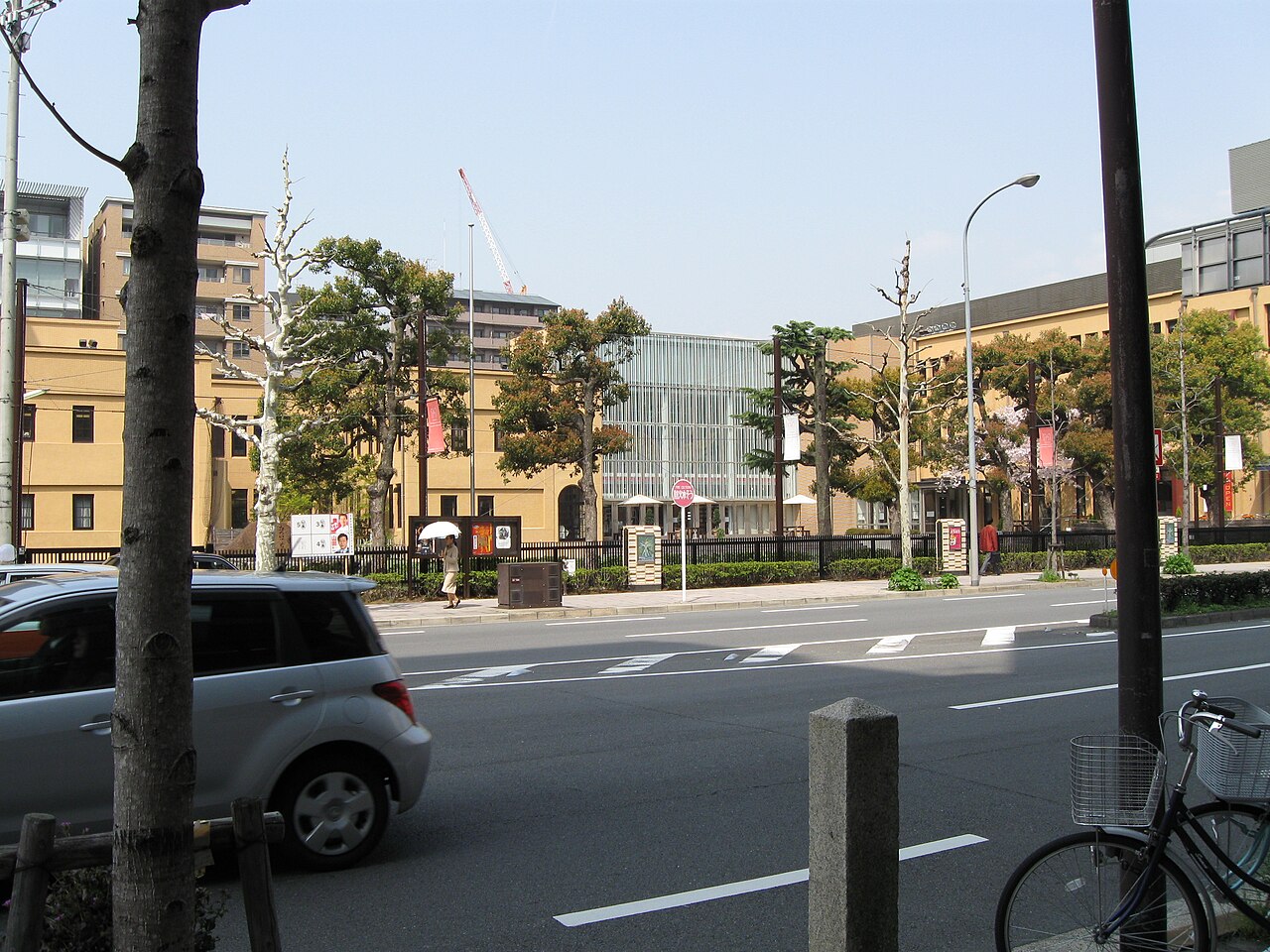
Kyoto International Manga Museum
1.1 km · straight line
 Lundariokn45 / CC BY-SA 4.0
Craft · Kyoto★★★
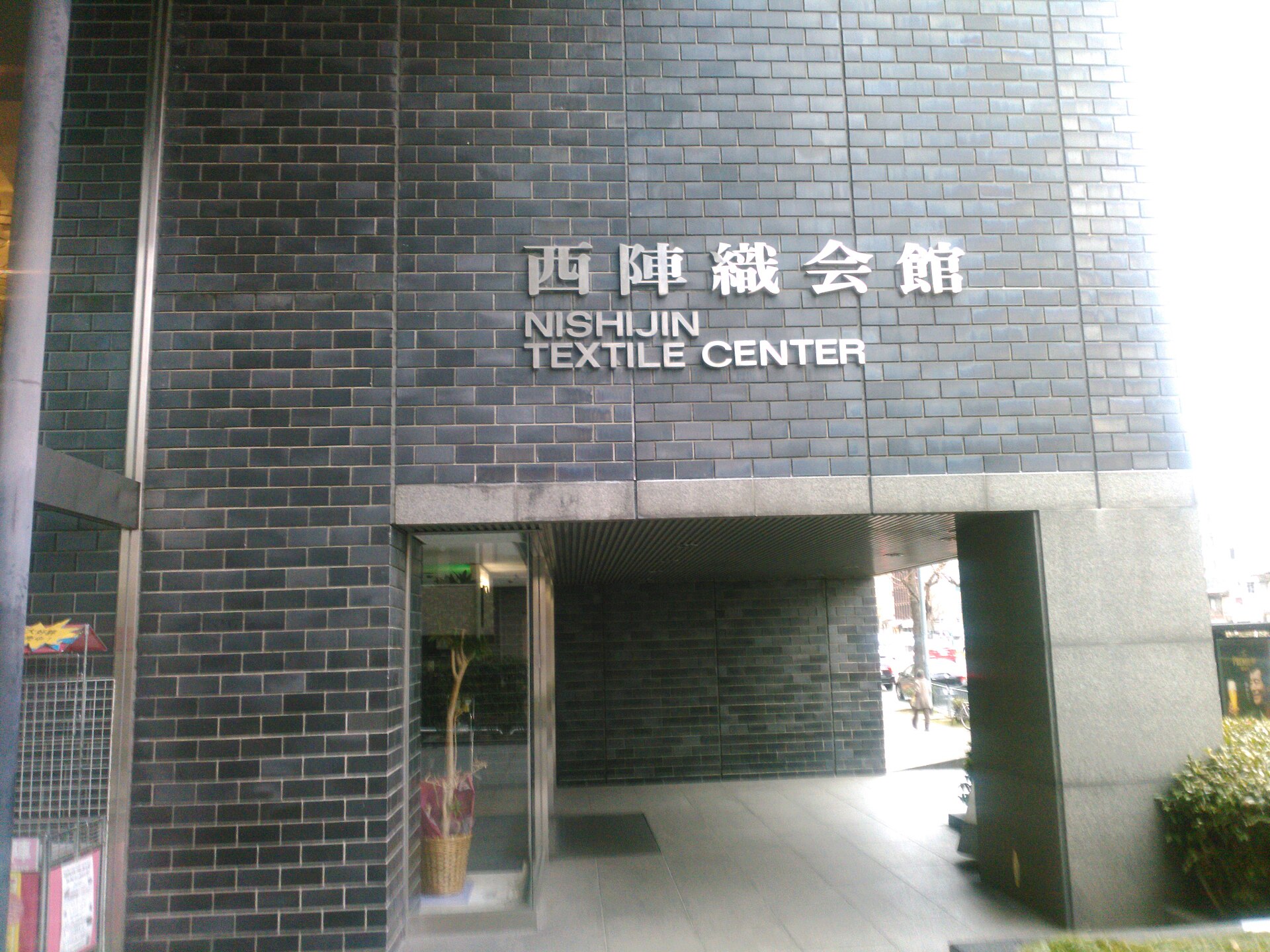
Nishijin-ori
1.7 km · straight line
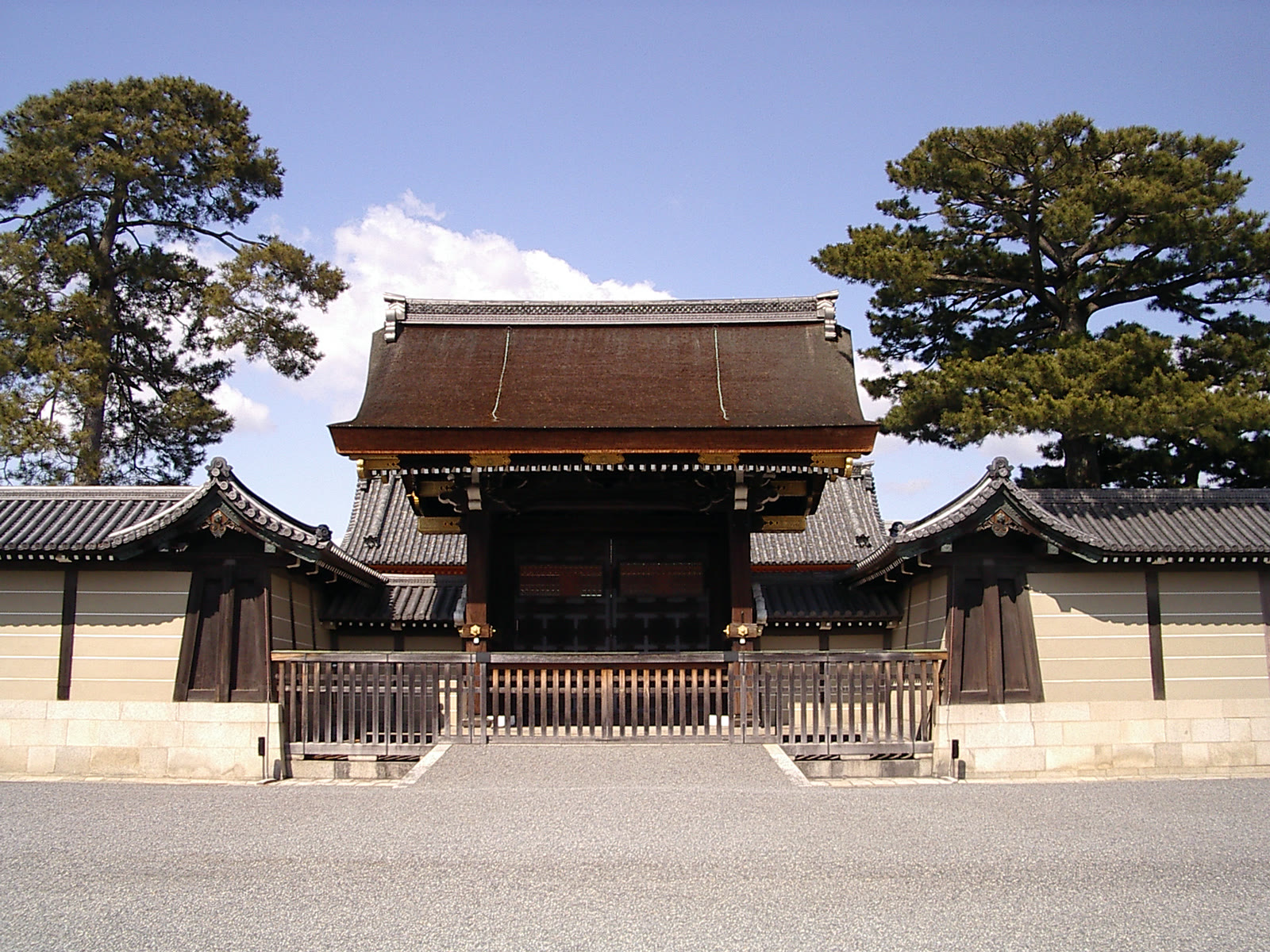 moja / CC BY-SA 3.0
History · Kyoto★★★
Kyoto Imperial Palace & Gyoen
1.8 km · straight line
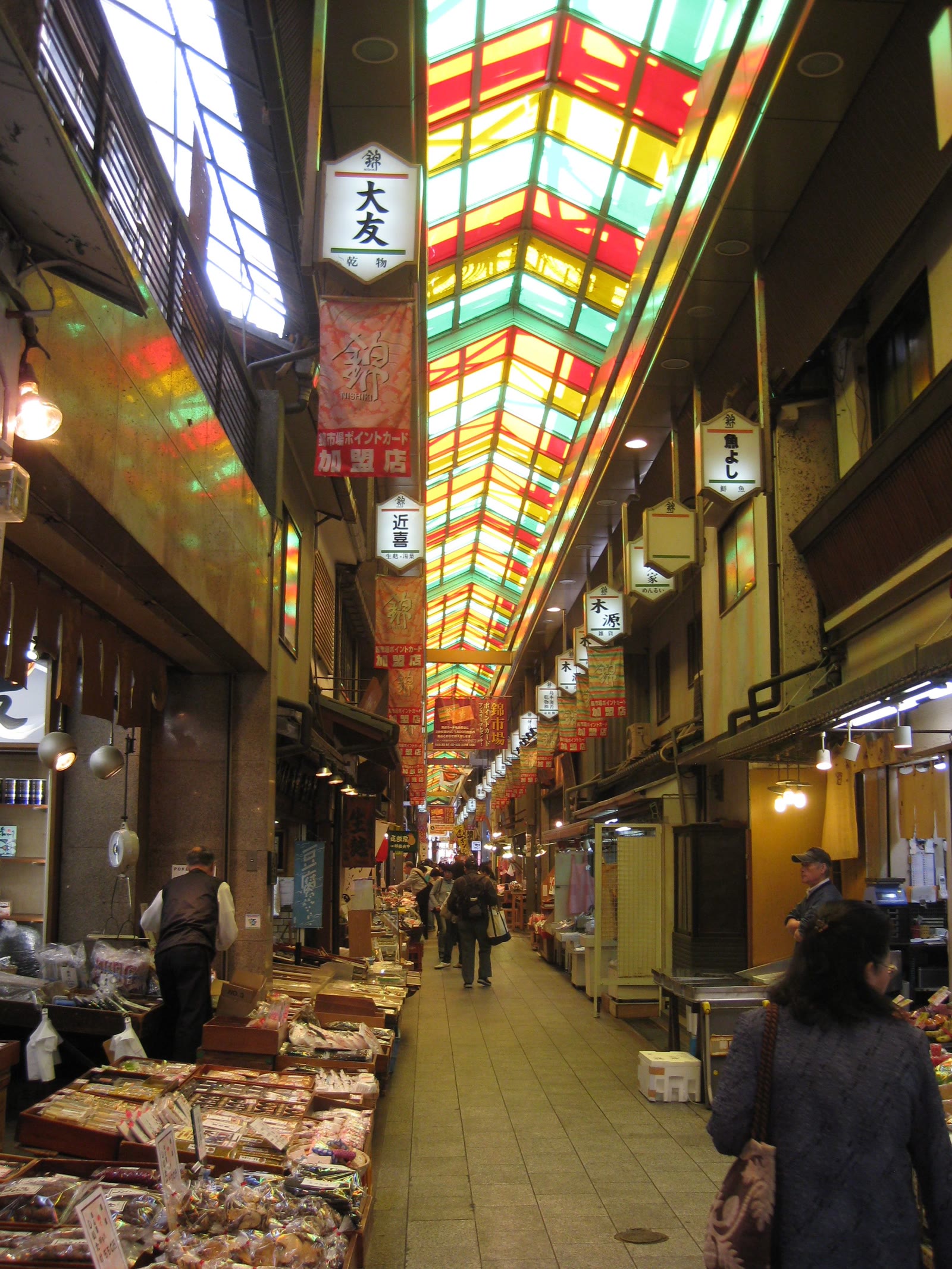 Pitan / CC BY-SA 3.0
Food · Kyoto★★★
Nishiki Market
1.9 km · straight line
Distances are straight lines on the map, not travel times.