Chiba south · Kyonan / Mt. NokogiriNo.103★Open in map →
Sharikido
— the stone-haulers' trail up Mt. Nokogiri
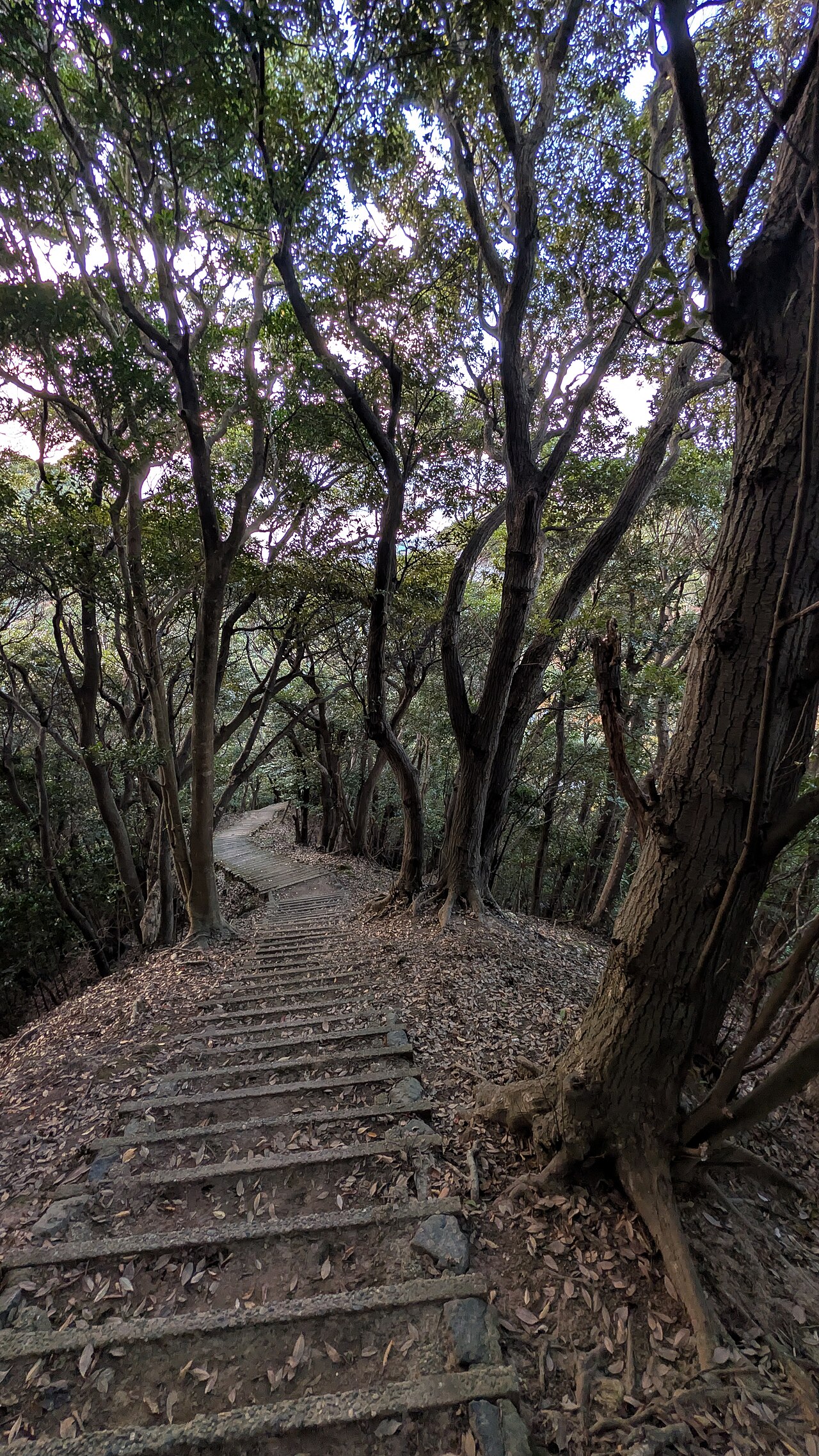
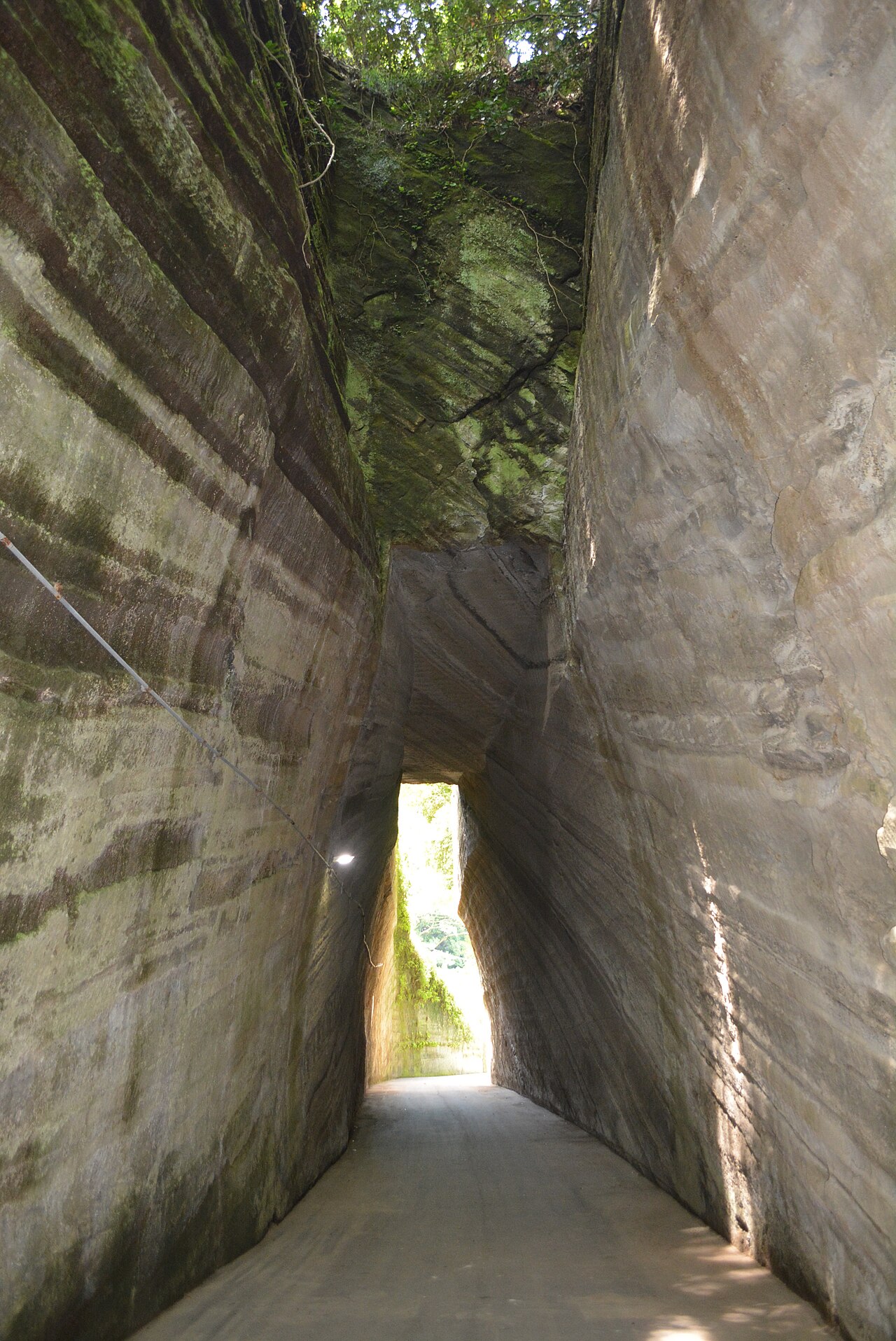
A stone-paved former quarry path on Mt. Nokogiri named for the shariki — mostly women — who once hauled cut stone blocks down by handcart. Cart grooves and sheer vertical rock walls survive along the route.
- FromTokyo Stn
- ~2 hrtrain (infrequent) + walk
- Get off atJR Hamakanaya Stn
- On foot
- Sharikido
The sweet spot
Most visitors reach the cliff overlook by the paid toll road or the ropeway, so few walk the old hauling path. The trailhead sits inland from the fishing port with little signage in English, and the route takes real effort on foot, so it stays quiet.
Where it is
50 more notes in Chiba · open the map →What to look for — in walking order
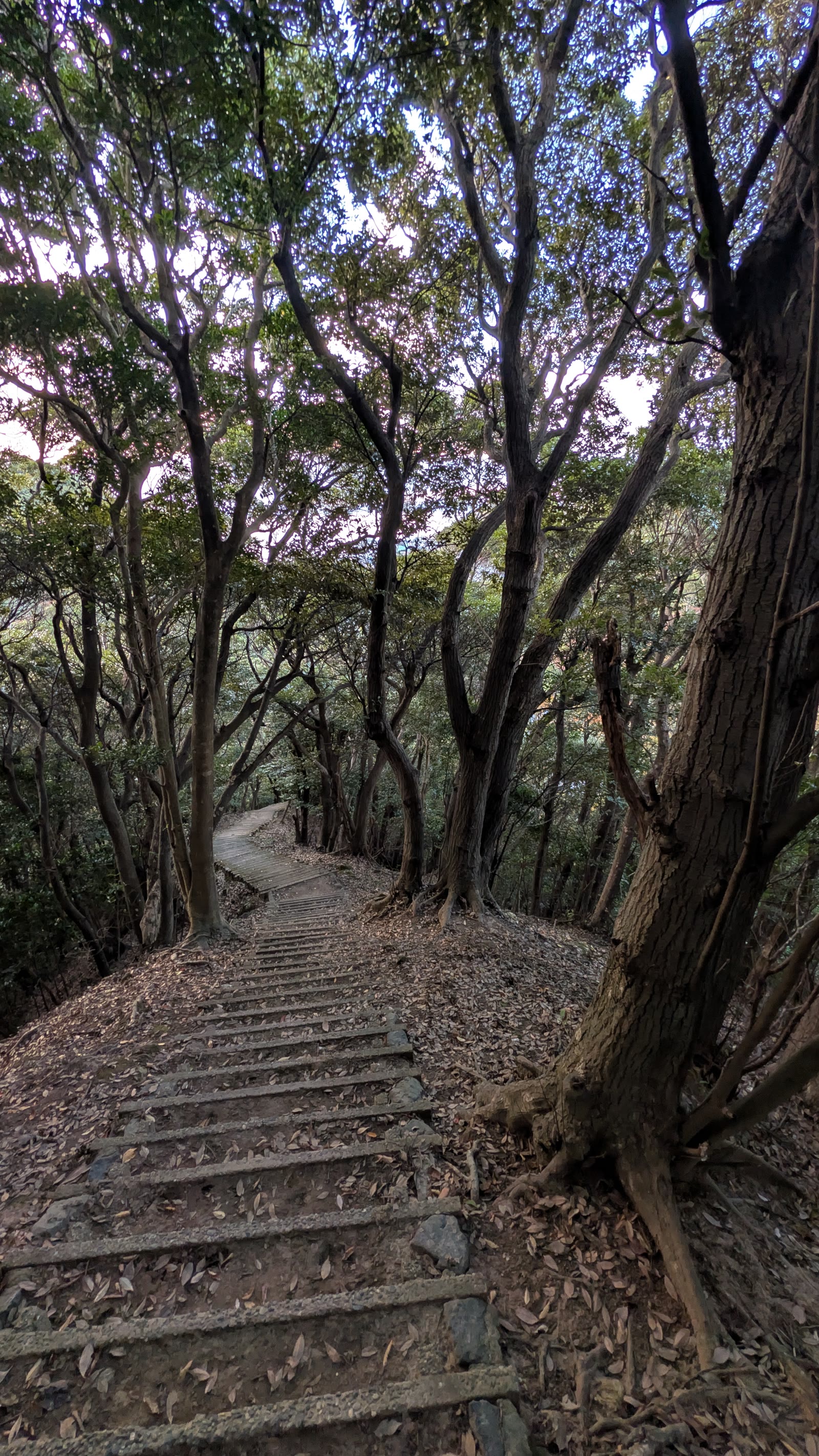
- Trailhead~10-min walk inland from Hamakanaya Station where the stone-paved hauling path begins
- Cart grooves in the stonebrake marks and ruts worn into the paved path by the haulers' handcarts
- Vertical cut wallssheer rock faces left where blocks of Boshu stone were quarried away
- Link to Nihon-ji templethe trail connects upward to the grounds of Nihon-ji, a historic Buddhist temple near the ridge
How to actually get there
- Tokyo Stn → Chiba Stn (JR Sobu Rapid line, ~40 min)
- Chiba Stn → Hamakanaya Stn (JR Uchibo line, ~85 min)
- Hamakanaya Stn → Sharikido trailhead (on foot, ~10 min)
- JR train + short walk
- Tokyo Stn →(JR Sobu Rapid line to Chiba, ~40 min)→ Chiba Stn →(JR Uchibo line to Hamakanaya, ~85 min)→ Hamakanaya Stn, then ~10 min on foot to the trailhead. Total about 2 hours. Uchibo line trains run only about once an hour, so check the day's timetable before leaving.
- Return the same way
- The Uchibo line back toward Tokyo runs only about once an hour and services thin out in the evening, so check the return times posted at Hamakanaya station when you arrive and don't leave the descent too late.
About the place
Mt. Nokogiri, a 329-meter peak on Chiba's Boso Peninsula, was worked for building stone for generations. The Sharikido is one of the routes down which cut blocks were moved. Workers loaded the blocks onto wooden handcarts and eased them down the steep slope, dragging back to brake against the grade. Most of these haulers were women, and local accounts say they typically made the round trip several times a day. The stone-paved surface still shows grooves and ruts worn by the carts, and the trail climbs between the sheer vertical walls left where rock was cut away. It eventually joins the paths leading to Nihon-ji, a historic Buddhist temple near the ridge.
How to enjoy it
Walk it as an uphill route from the quarry base, reading the cart grooves and cut walls along the way, then continue up to the Nihon-ji temple grounds and the ridgetop views over southern Chiba and Tokyo Bay. Wear proper walking shoes — the stone steps and steep grade demand grip. The Nihon-ji grounds charge a small entry fee; carry cash.
Background & history
The stone quarried here is Boshu-ishi, a workable, fire-resistant tuffaceous sandstone. It was used for building stone, everyday kamado (clay cooking stoves), braziers, and stone lanterns, and went into harbor works and coastal fortifications around Tokyo Bay through Japan's modernization. Quarrying was by hand until mechanized saws arrived in 1958, sharply raising daily output. Demand later fell as Otani stone from Tochigi and concrete took over, and quarrying on the mountain ended in 1985. Mt. Nokogiri and its quarry landscape are now a candidate region for Japan Heritage status.
Before you go
- Cash
- The Nihon-ji temple grounds near the top charge a small entry fee; rural spots often take cash only, so carry coins.
- Good to know
- This is a real mountain trail, and the stone steps get slippery when wet, so wear proper walking shoes, not smooth trainers.
- Another way
- If your legs are tired, the Nokogiriyama Ropeway from near Hamakanaya station carries you up to the summit area without the climb.
- After you get off
- From Hamakanaya station, walk inland about 10 minutes, following the signs for the Sharikido / Nokogiriyama trail, to reach the trailhead where the cut-stone path begins.
Nearby notes
 Dandy1022 / CC BY-SA 4.0
History · Chiba★★
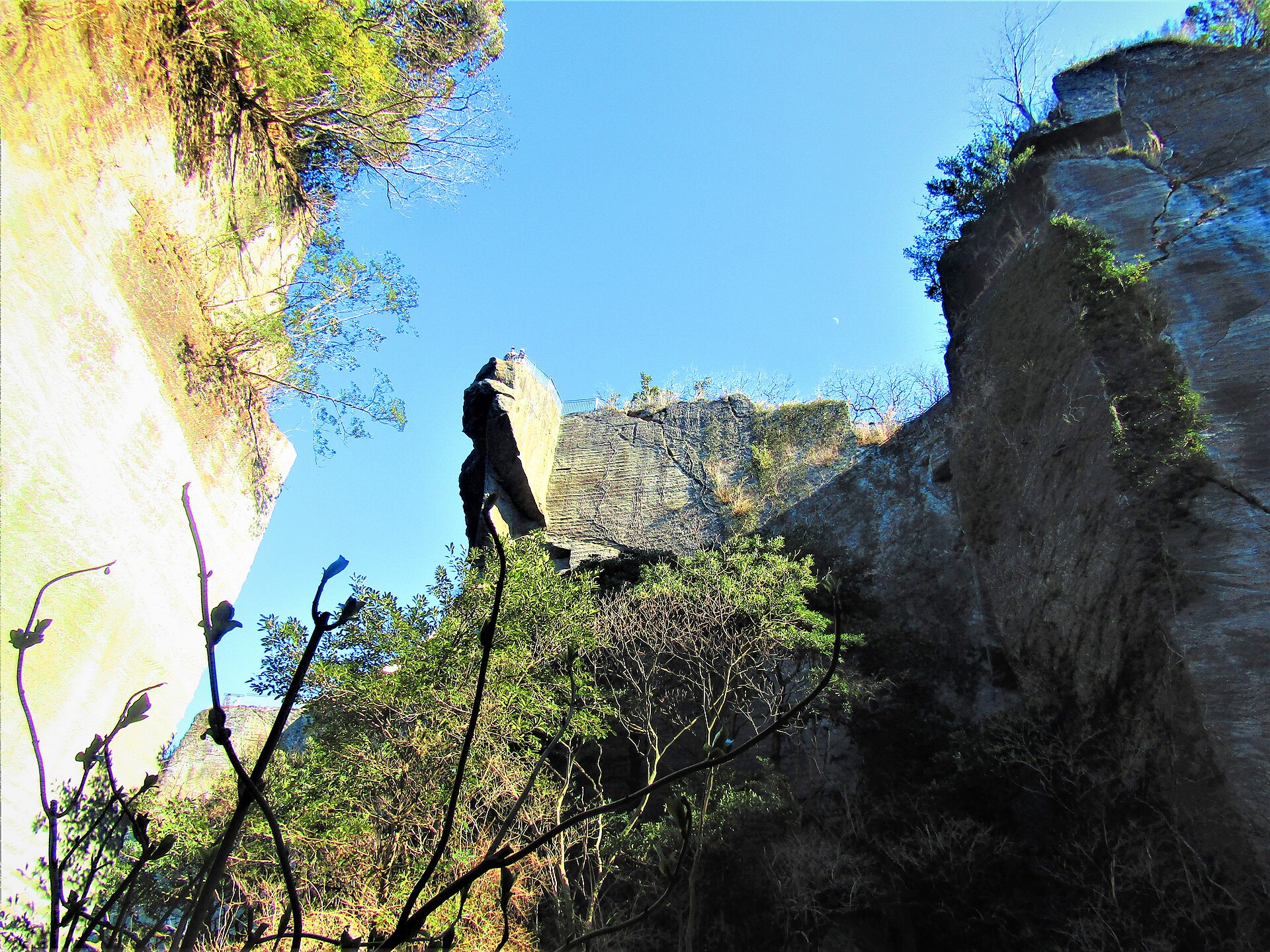
Nokogiriyama Nihon-ji
0.9 km · straight line
 くろふね / CC BY-SA 4.0
Nature · Chiba★
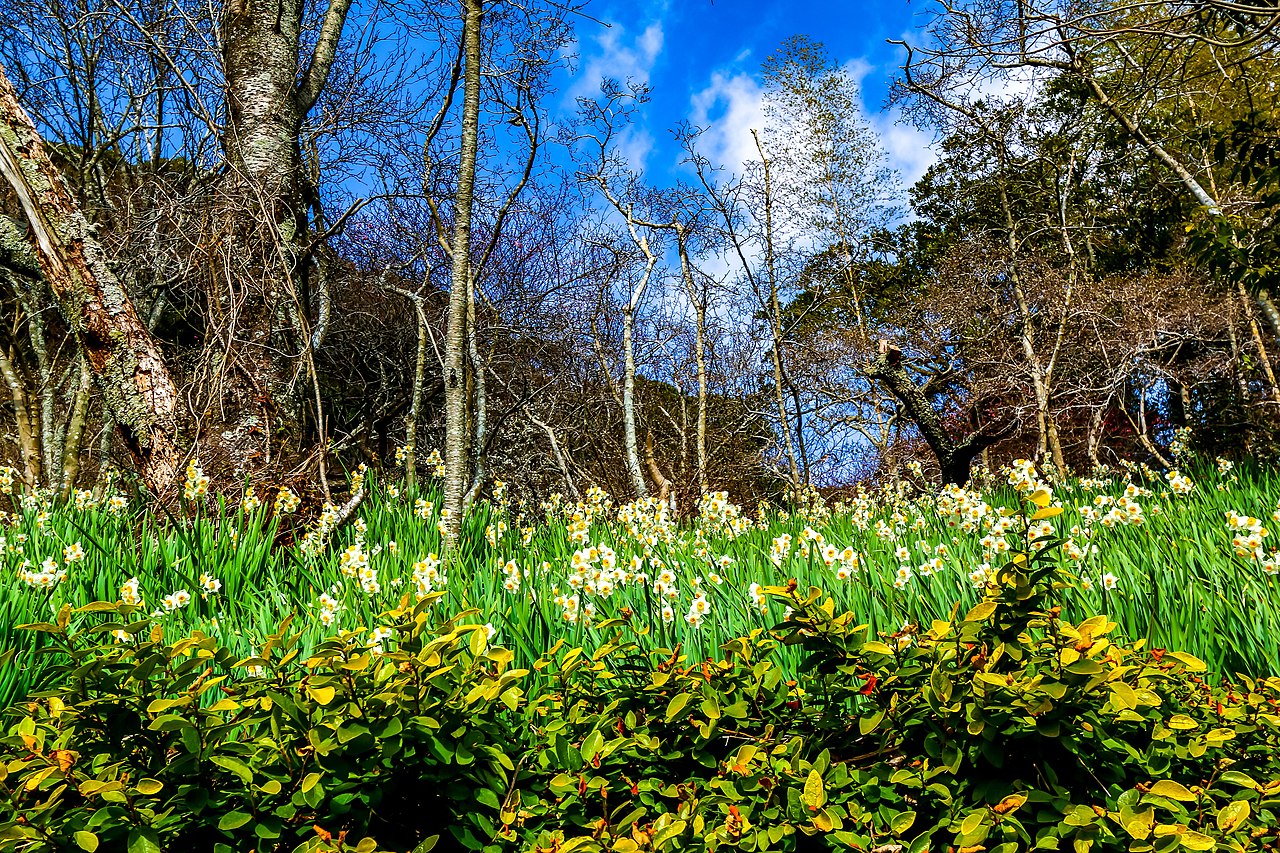
Ezuki Narcissus Road
2.9 km · straight line
 Katorisi / CC BY-SA 4.0
History · Chiba★
Torozaka Daishi Tunnel
4.3 km · straight line
 zenkota / CC BY-SA 3.0
Craft · Chiba★★
Boshu Uchiwa Fans
8.3 km · straight line
Distances are straight lines on the map, not travel times.