Northwest Saga · ImariNo.527★★Open in map →
Okawachiyama
— Imari's walled valley of Nabeshima porcelain kilns
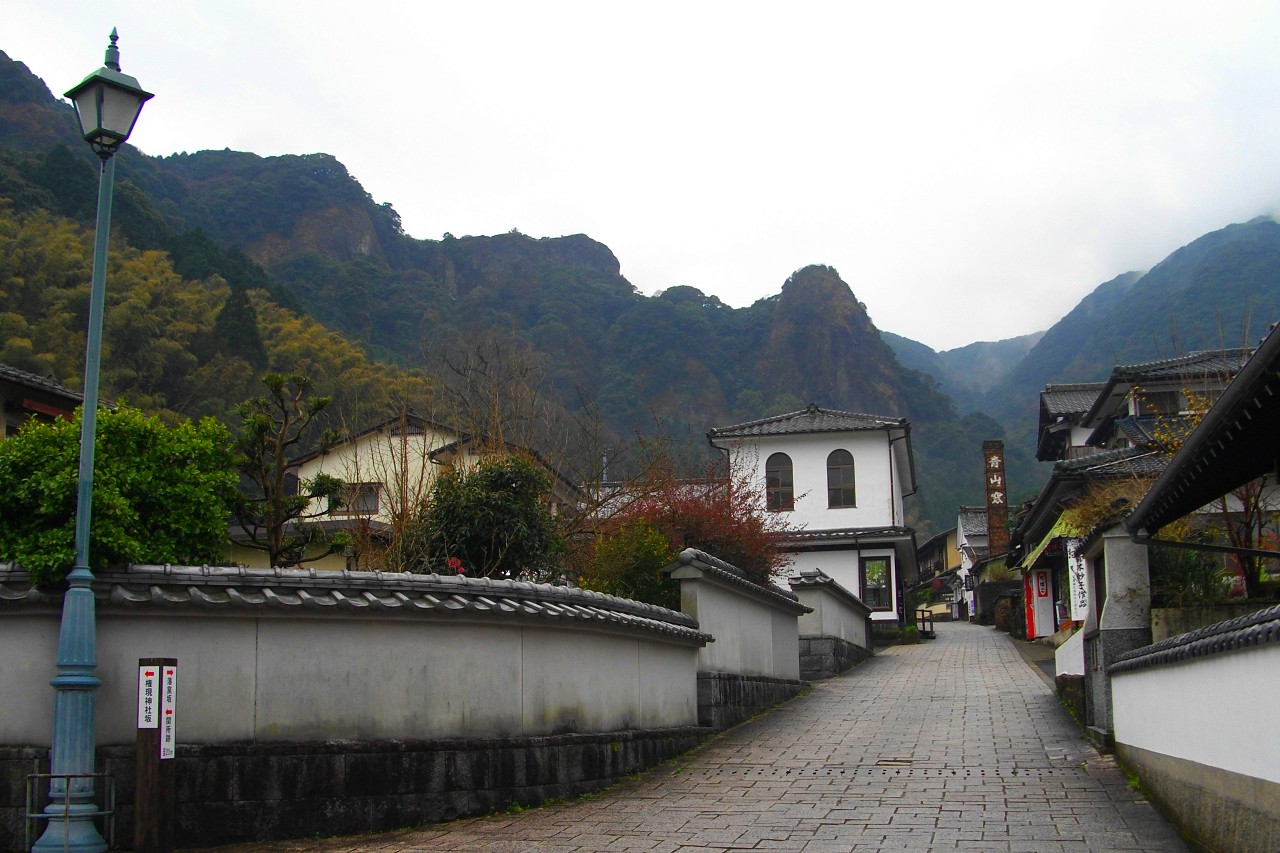
A porcelain village at the closed head of a valley south of Imari. The Saga domain fired its finest ware here behind a barrier gate, and the kilns lining the lane today descend from that workshop.
- FromHakata Station
- Rail via Arita + busJR and Matsuura Railway, then bus
- Get off atImari Station (Matsuura Railway / JR Chikuhi Line)
- From there
- Okawachiyama
The sweet spot
This is not an undiscovered place. The prefecture lists it, buses climb to it, and it fills for the summer wind bells and the autumn festival. It is thin on people the rest of the year for a simpler reason: the road stops at the head of the valley. Nobody passes through Okawachiyama. You go there.
Where it is
14 more notes in Saga · open the map →What to look for — in walking order
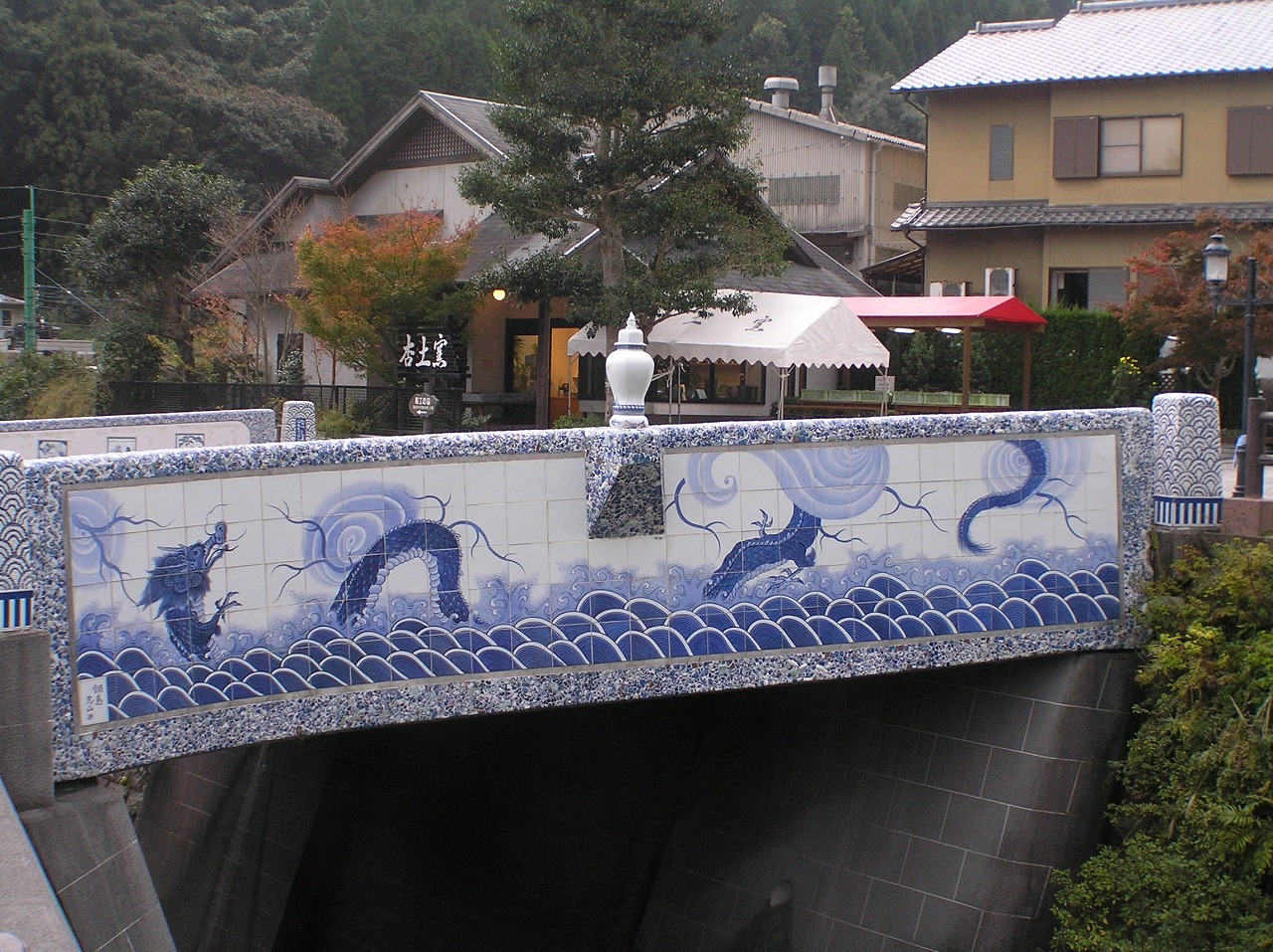
- Nabeshima-hanyo bridgethe entrance bridge, its parapet faced in blue-and-white porcelain panels and set with a jar
- Nabeshima-hanyo parka reconstructed climbing kiln and water-powered stone crusher, with old kiln sites on the slope
- Toko bridgea stone arch across the stream, on the path between the kiln park and the barrier site
- Barrier gate sitethe checkpoint where the domain controlled every entry to the valley, on the old alignment
- The kiln streetthe lane of working potteries, each with its own shop front and its own house style
How to actually get there
- Hakata Station → Arita (JR), then Arita → Imari Station (Matsuura Railway).
- Imari Station → Okawachiyama (bus up the valley, or taxi).
- Kiln association hall → Nabeshima-hanyo bridge → the kiln park (walk up the lane).
- Kiln park → the barrier gate site → the kiln street (loop back down to the hall).
- Rail to Imari via Arita, then a bus up the valley
- From Hakata, take the JR line toward Arita and change there to the Matsuura Railway for Imari; the other way round is via Karatsu on the Chikuhi Line. Buses run from Imari Station up to Okawachiyama, and a taxi is the fallback. The last stretch is a slow climb between hills.
- Back down the valley to Imari
- The same bus runs back down to Imari Station, where the Matsuura Railway and the JR Chikuhi Line both begin. Buses into a dead-end valley are not frequent, so note the last departure when you arrive rather than when you want to leave. The kiln association's hall at the entrance is the place to check.
About the place
Okawachiyama lies at the head of a narrow valley south of Imari, closed on three sides by steep, broken rock. The geography was the point. The Saga domain kept its official kiln up here and set a barrier across the single road in, so that the potters and their methods did not leave. What they made never went on sale — Nabeshima ware was fired for the shogun's house and for gifts between lords, to a standard that owed nothing to the market. Around thirty kilns work the valley now, and their shops open straight onto the lane.
How to enjoy it
Drift rather than plan. The kilns set their own opening days, and the pleasure is going in and out of them along one lane. Wind bells are hung through the valley across the summer, and the kiln festivals fall in Golden Week and in the first five days of November, when everything opens together. Between those, the climb to the old kiln sites is the quietest part of the visit.
Background & history
Hizen had become Japan's porcelain country by the seventeenth century, and the domain moved its own workshop into this valley to hold its best work apart from the trade. Underglaze painting and firing were done here while the enamelling was finished at Arita, so no single place held the whole method, and the gate controlled who passed. The arrangement ended in 1871, when the abolition of the domains took the patron away. The Nabeshima line survived because the Imaizumi Imaemon house carried the techniques on, and the kilns here date their present work from that recovery.
Before you go
- Cash
- The valley costs nothing to walk, and the car park is free except on event days, when a charge applies. The kilns are shops as much as workshops, and porcelain is what you will be carrying home, so bring cash as well as a card and think about packing before you buy.
- Good to know
- Each kiln keeps its own hours and rest days, so drifting works better here than a fixed list. The valley is narrow and holds rain; the stone lane and the steps up to the old kiln sites turn slick, and the light goes early behind the ridges.
- Another way
- By car, the valley is reached from the Nagasaki Expressway at Takeo-Kitagata or from the Nishi-Kyushu Expressway at Imari-Higashi-Fusomeki, and there is a large car park at the entrance. Pairing Okawachiyama with Arita, on the same rail line, turns the trip out here into one porcelain day rather than two.
- After you get off
- From Imari Station take the bus up the valley and get off at the top of the line. The lane past the kiln association's hall is where the walk starts, and the porcelain-panelled bridge is the first thing you cross.
Nearby notes
 Pekachu / CC BY-SA 4.0
Craft · Saga★★
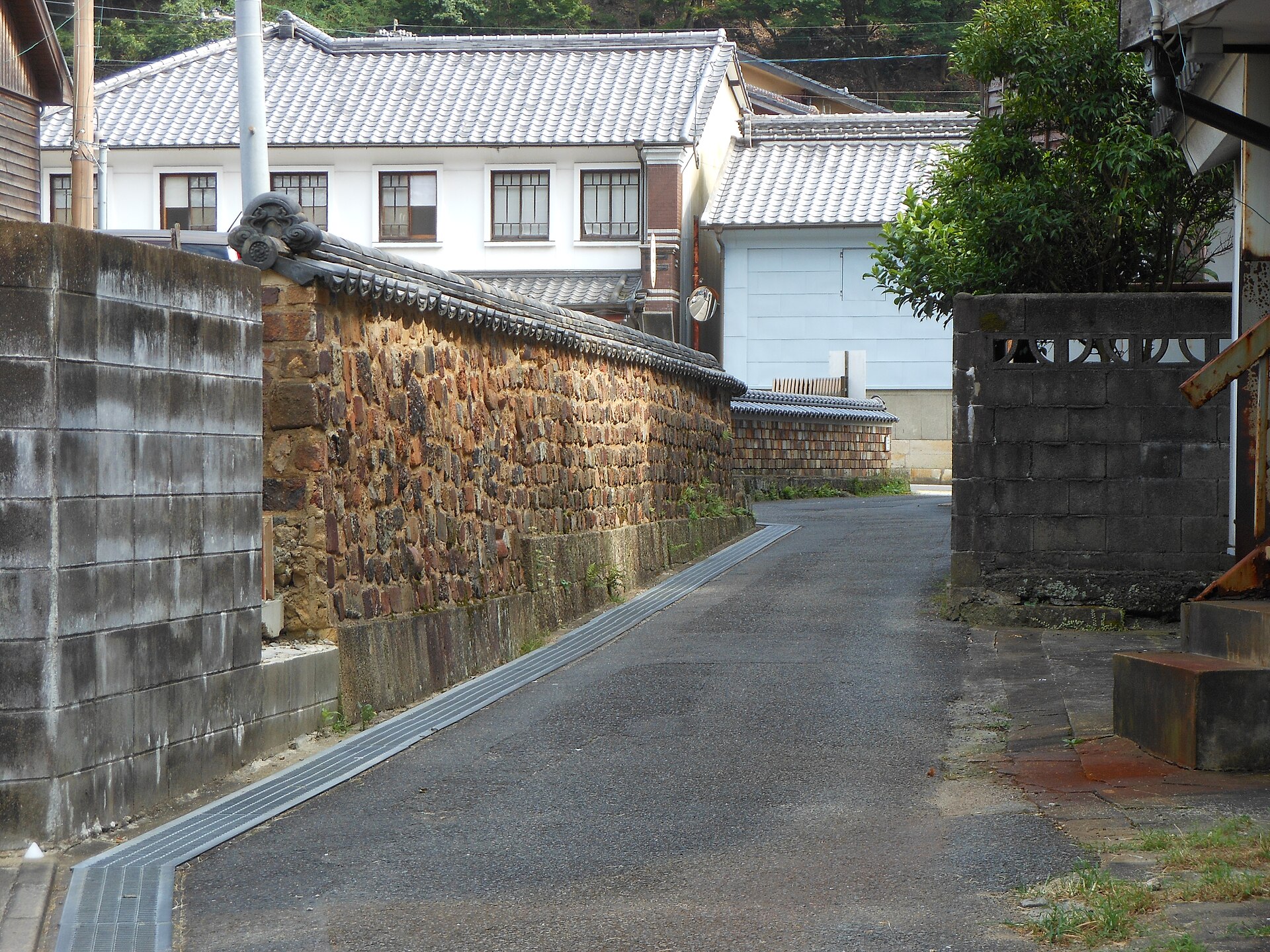
Arita Porcelain Town
5.1 km · straight line
 STA3816 / CC BY-SA 4.0
Craft · Nagasaki★★
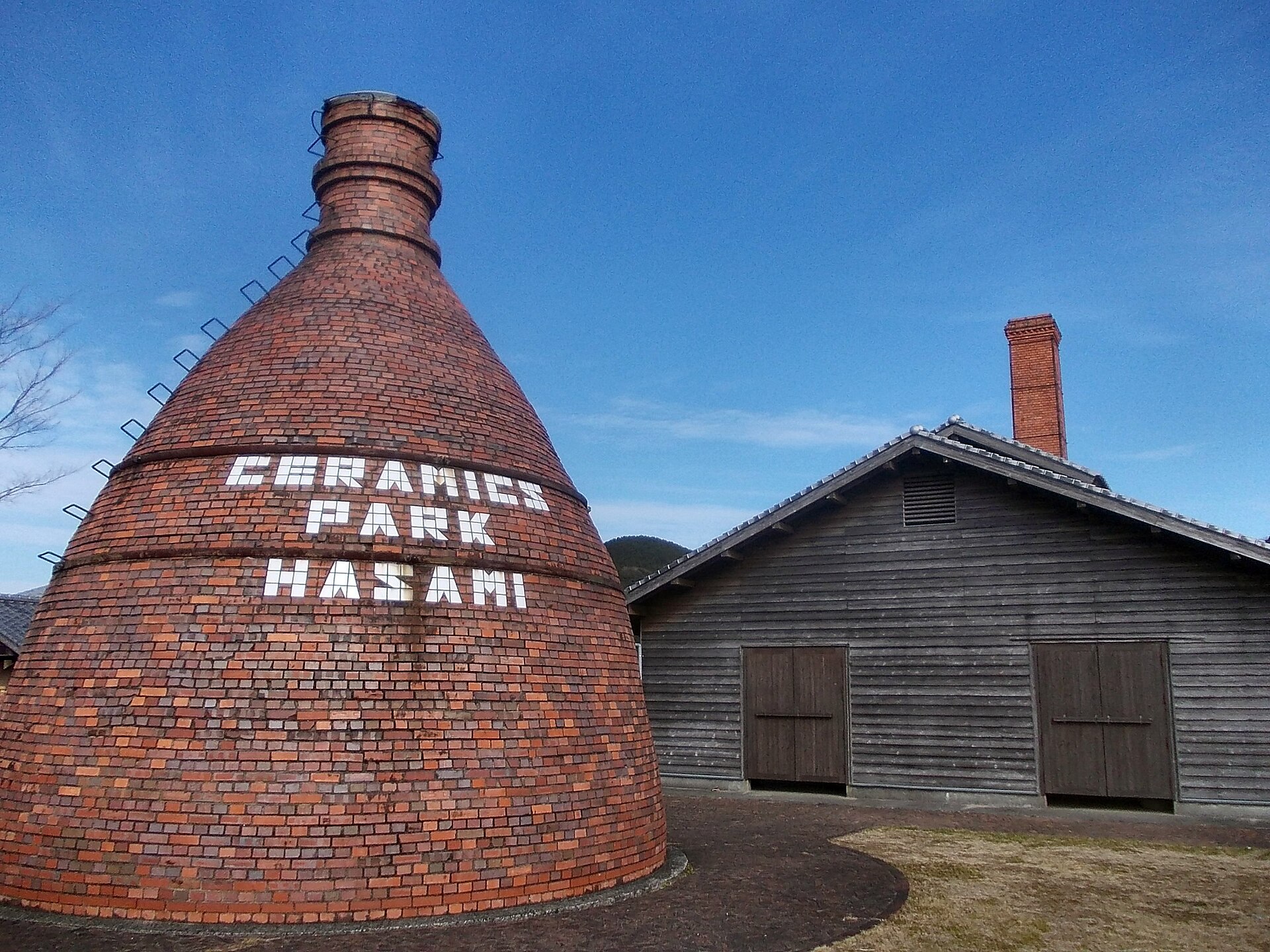
Hasami Porcelain Town
10.4 km · straight line
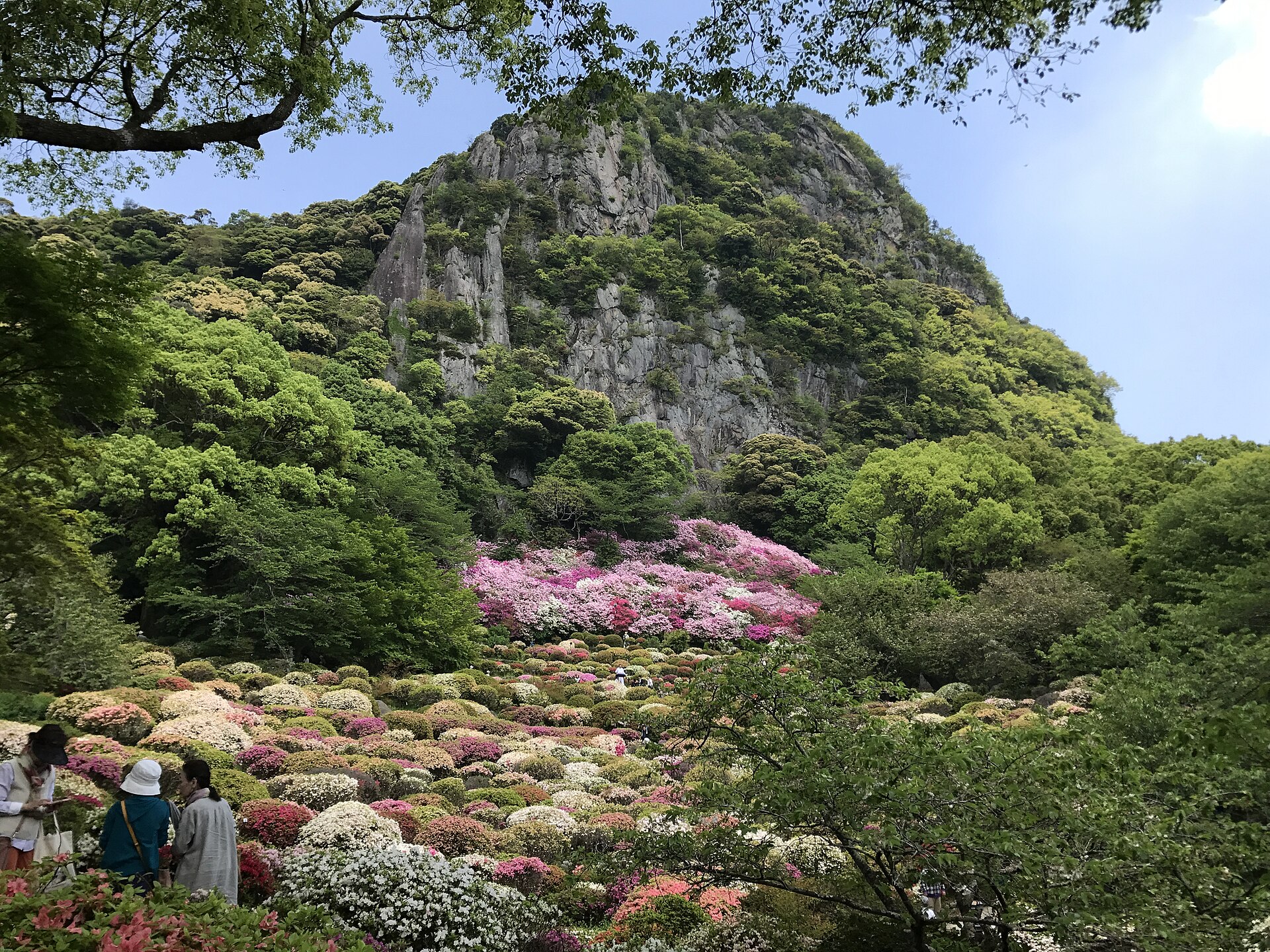 そらみみ / CC BY-SA 4.0
Nature · Saga★★★
Mifuneyama Rakuen
13.1 km · straight line
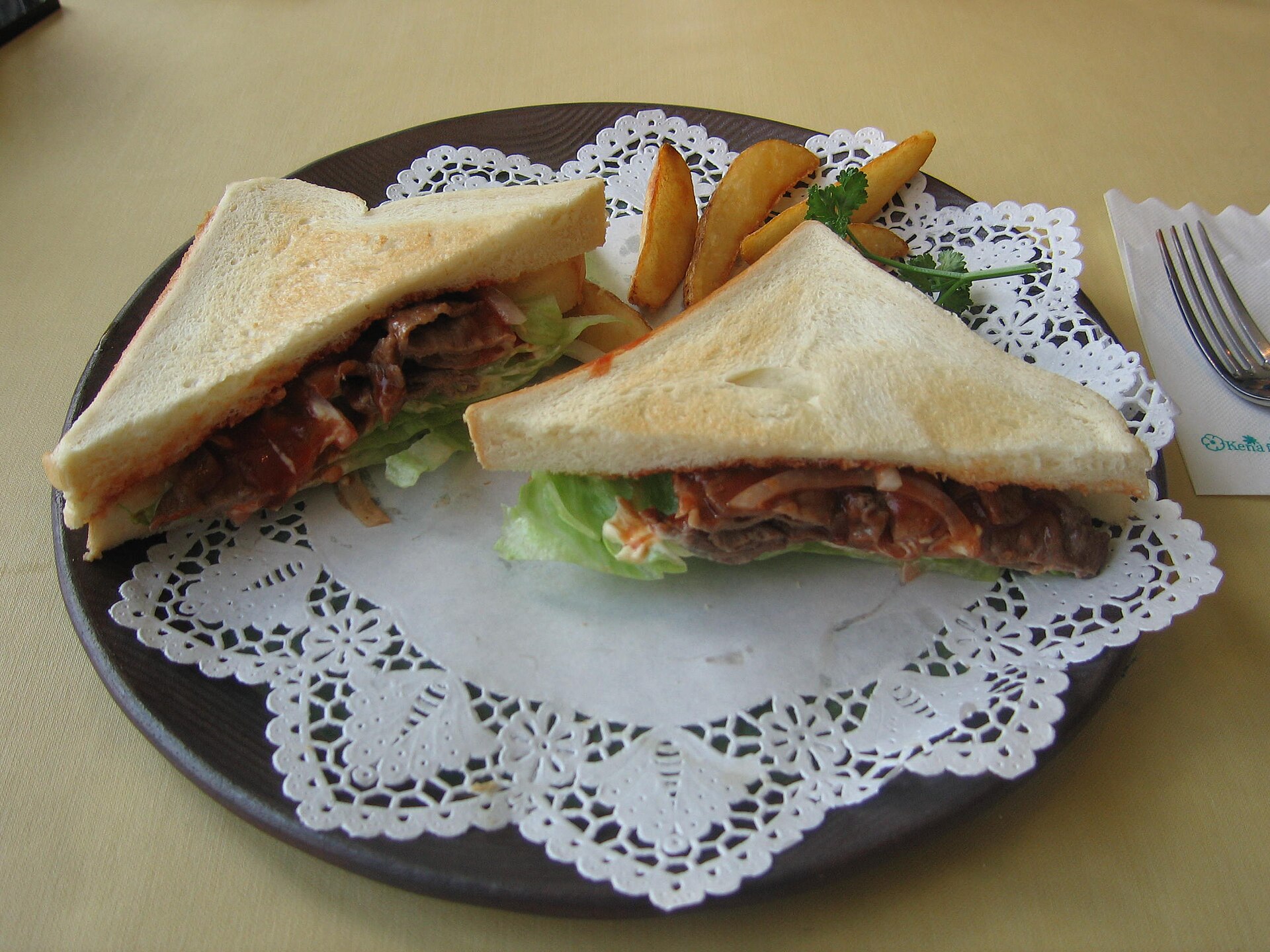 Shacho0822 / CC BY-SA 3.0
Food · Nagasaki★★
Sasebo Burger
17.3 km · straight line
Distances are straight lines on the map, not travel times.