Hokkaido · OtaruNo.1003★★★Open in map →
Otaru Glass
— lamps and fishing floats turned craft
Glassmaking in Otaru started with oil lamps and herring-net floats, not with art. A city museum inside a Meiji stone warehouse holds the shipping and fishery half of that story, a short walk from the canal and the craft street.
- FromSapporo Station
- ~35 minJR rapid from Sapporo
- Get off atOtaru Station (JR Hakodate Line)
- From there
- Otaru Glass
Where it is
102 more notes in Hokkaido · open the map →What to look for — in walking order
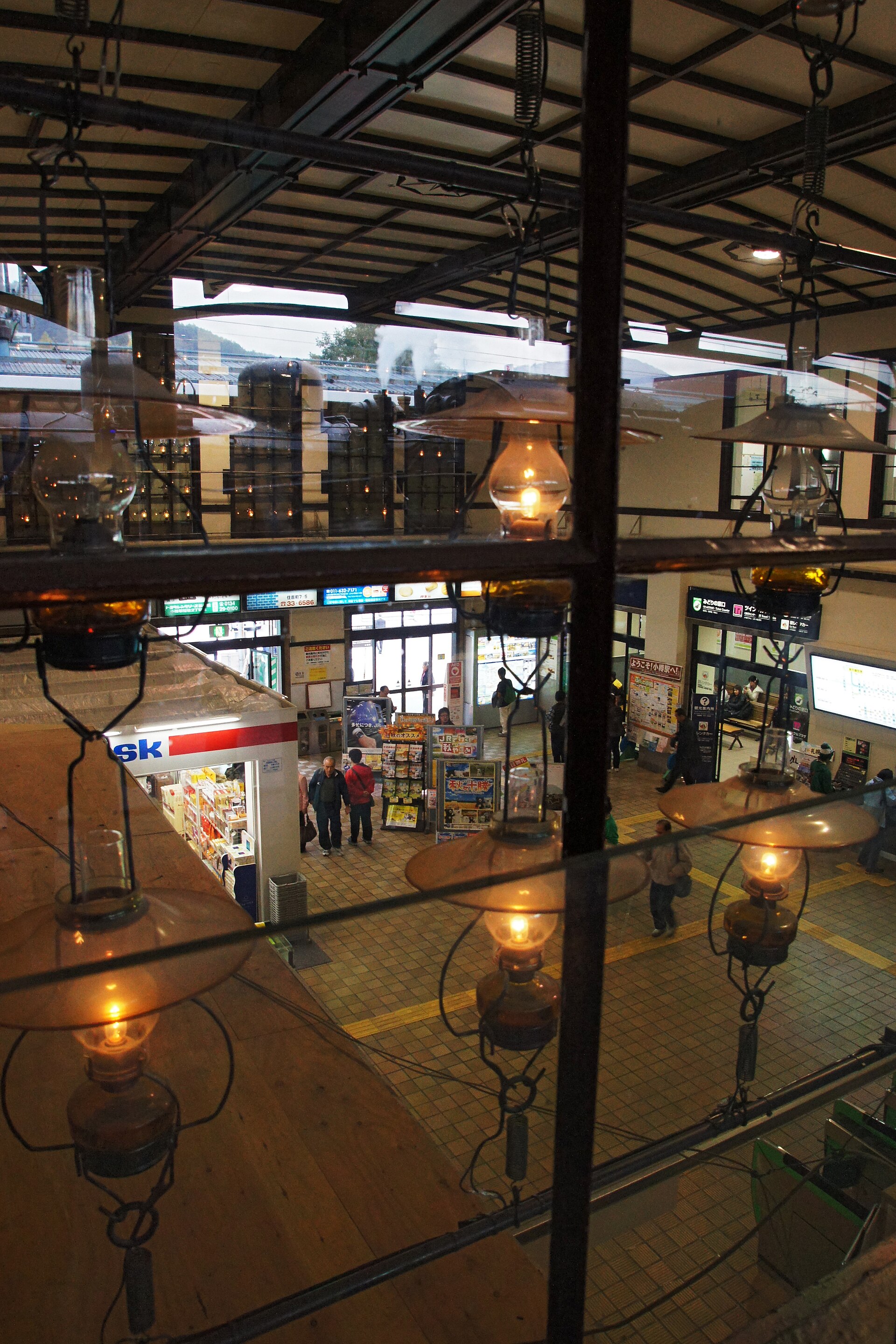
- Lamps at Otaru Station333 glass oil lamps hung above the concourse and platforms, given to the station by a local glassworks
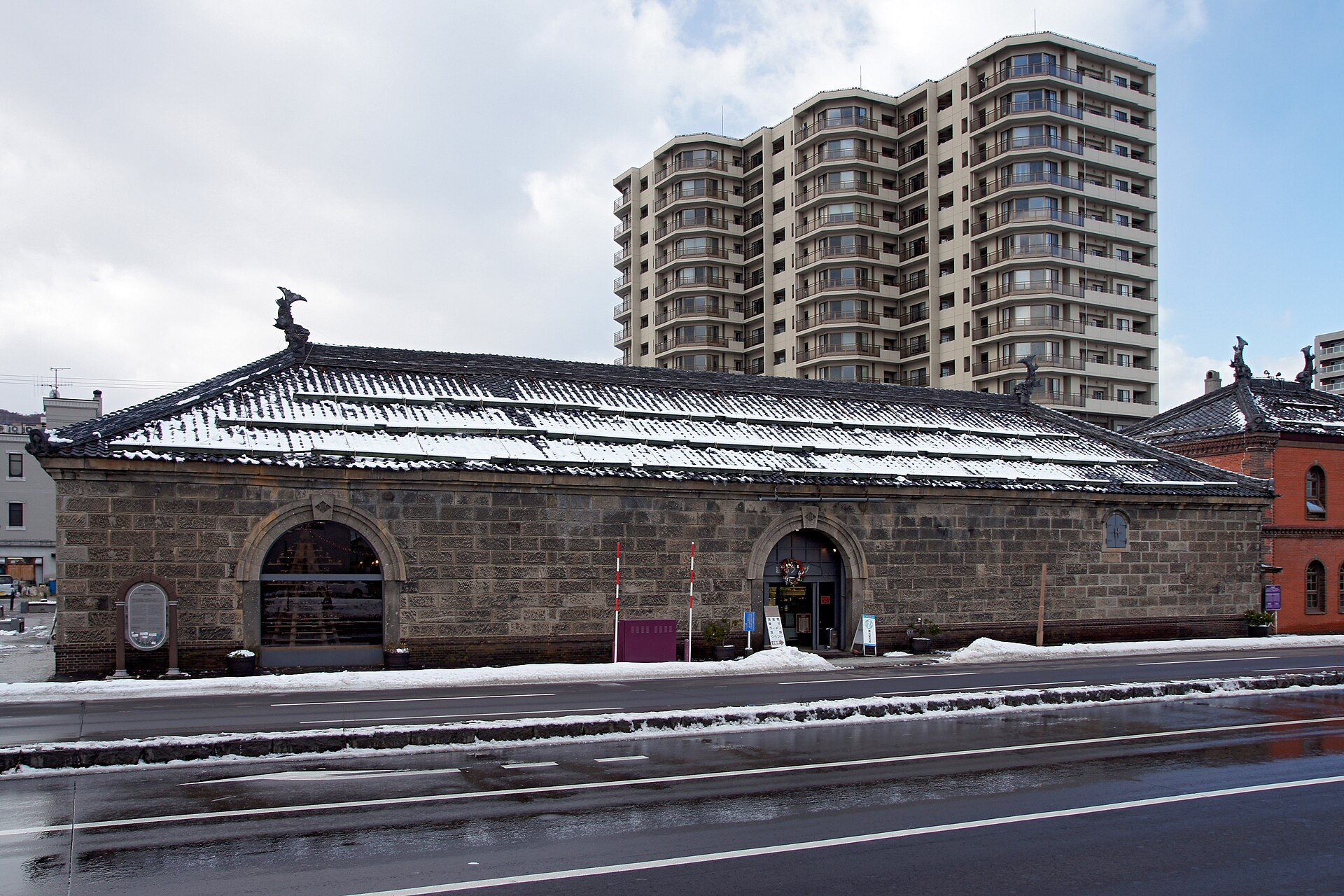
- Former Otaru Warehousea Meiji stone-and-timber warehouse with tiled roofs and shachi figures, designated by the city
- The museum's first galleryrecords of the northern trading ships and of the herring fishery the glass floats served
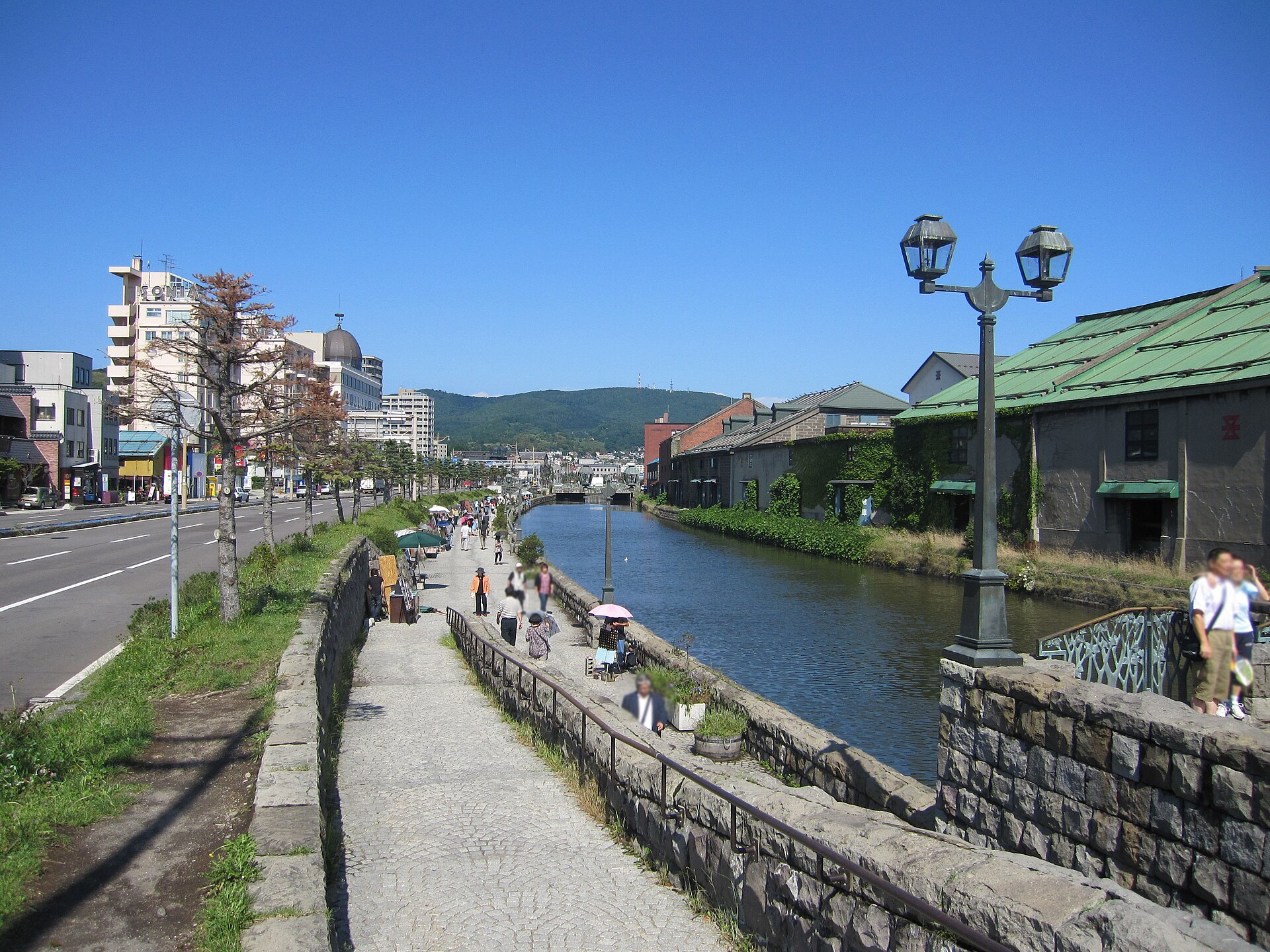
- Stone warehouses along the canalthe working frontage the district was built for, now a walking route
- Sakaimachi-dorithe merchant street south of the canal where the glass workshops and shops are concentrated
How to actually get there
- Sapporo Station → Otaru Station (JR Hakodate Line, rapid about 35 min).
- Otaru Station → the canal-side road (walk downhill about ten minutes), pausing under the station lamps on the way out.
- Former Otaru Warehouse → the museum's first gallery, for the trading-ship and herring records.
- Canal frontage → Sakaimachi-dori, where the glass workshops and shops are concentrated.
- JR Hakodate Line, direct from Sapporo
- Sapporo Station →(JR Hakodate Line, rapid Airport service about 35 min; local trains run nearer fifty)→ Otaru Station. Rapid services run through the day, so there is no timetable to plan around. The station is the top of a slope and the warehouse district sits at the bottom of it.
- Return from Otaru Station
- Trains back to Sapporo leave from the same platforms and run frequently into the evening. The last departure is well before midnight, so check the board if you stay for the lamps along the canal. Seats fill on winter weekends, when the town draws day trippers.
About the place
Otaru grew as the port through which Hokkaido was opened, and its glassworks grew with the harbour rather than out of any art tradition. Electricity reached the island slowly, so glass oil lamps were ordinary household equipment. Out on the water the herring fishery needed floats, and blown glass spheres were turned out in quantity for the nets. When wiring spread and the herring stopped coming, the furnaces moved to tableware, beads and ornaments. The stone warehouse district along the canal was built for that same trade, and it is where the sequence is easiest to read.
How to enjoy it
Take the museum first and the street second, so the shop windows read as the tail end of an industry rather than as a gift aisle. Late afternoon into dusk is when the lamps do the most work, at the station and along the canal alike. Winter suits the material, since the flames carry further against snow.
Background & history
The warehouse that houses the museum was raised between 1890 and 1894 in the wood-framed stone construction the port favoured, and the city designated it a historic building in 1985. Herring drove the harbour economy through the Meiji and Taisho eras, and the glass floats were blown for those nets. The present station building dates from 1934 and is a registered tangible cultural property, one of the few reinforced-concrete stations of its period still standing.
Before you go
- Cash
- The canal, the warehouse frontage and the merchant street cost nothing to walk. The city museum charges admission and the current rate is listed on the Otaru City site. Carry some cash for the museum; the station handles tickets by machine or transport IC card.
- Good to know
- The museum closes over the New Year, and the city site lists the current days and hours. From December the slope down from the station and the stone paving beside the canal turn slippery, and the canal walk has no shelter from wind off the harbour.
- Another way
- If you are driving, come in on Route 5 and use the paid car parks around the canal district; the museum also lists a free car park of its own. Coming from the west, the same line continues towards Yoichi and Kutchan, so the town works as a stop on a longer coastal run.
- After you get off
- From the ticket gates at Otaru Station, walk straight downhill towards the harbour for about ten minutes. The stone warehouse holding the museum stands on the road that runs along the canal, and the merchant street begins a few minutes further south.
Nearby notes
 Sho Horiuchi / CC BY-SA 3.0
History · Hokkaido★★★
Otaru Canal
1.0 km · straight line
 663highland / CC BY 2.5
Food · Hokkaido★★
Nikka Whisky Yoichi Distillery
17.5 km · straight line
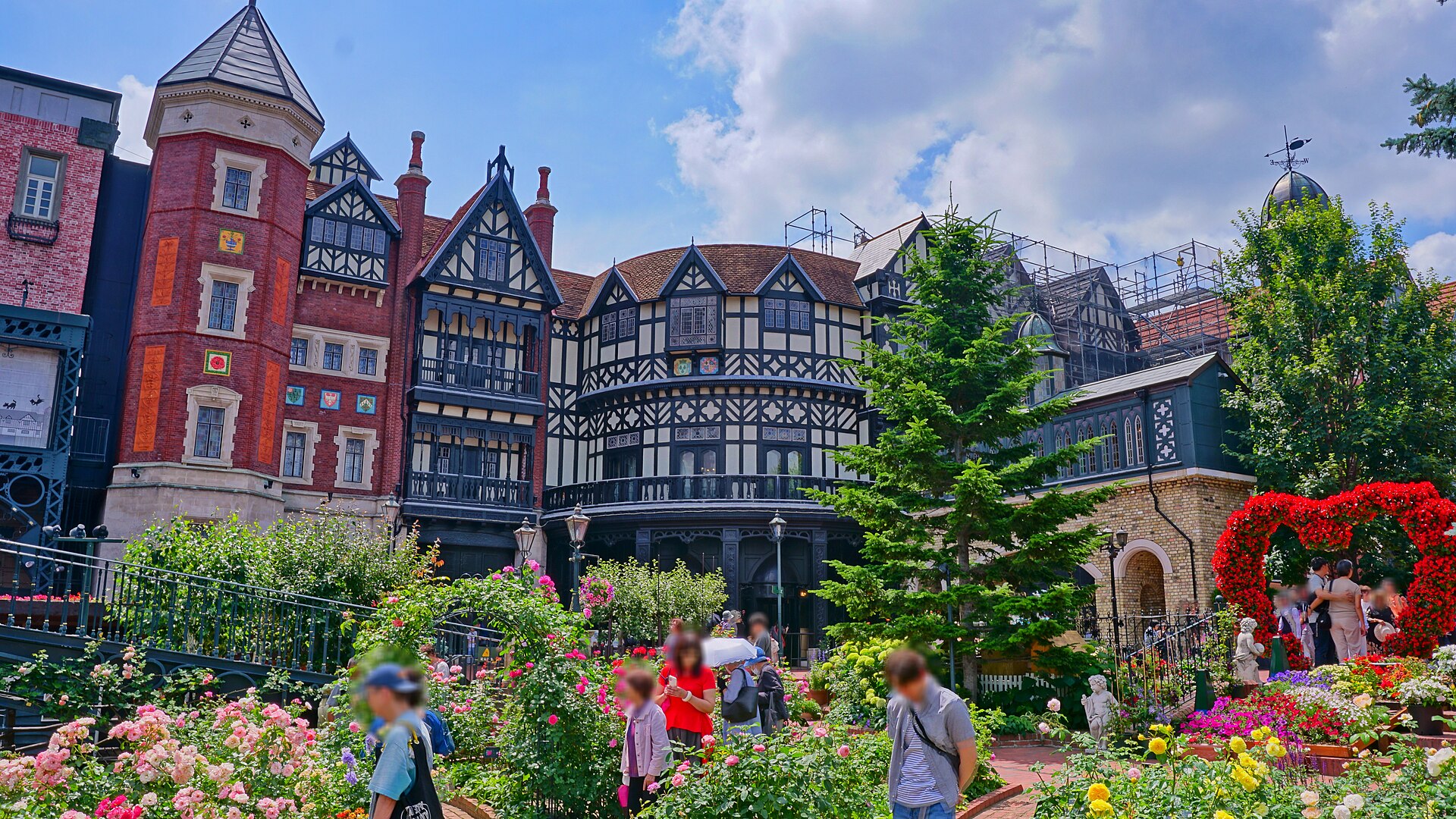 掬茶 / CC BY-SA 4.0
Food · Hokkaido★★★
Shiroi Koibito Park
24.3 km · straight line
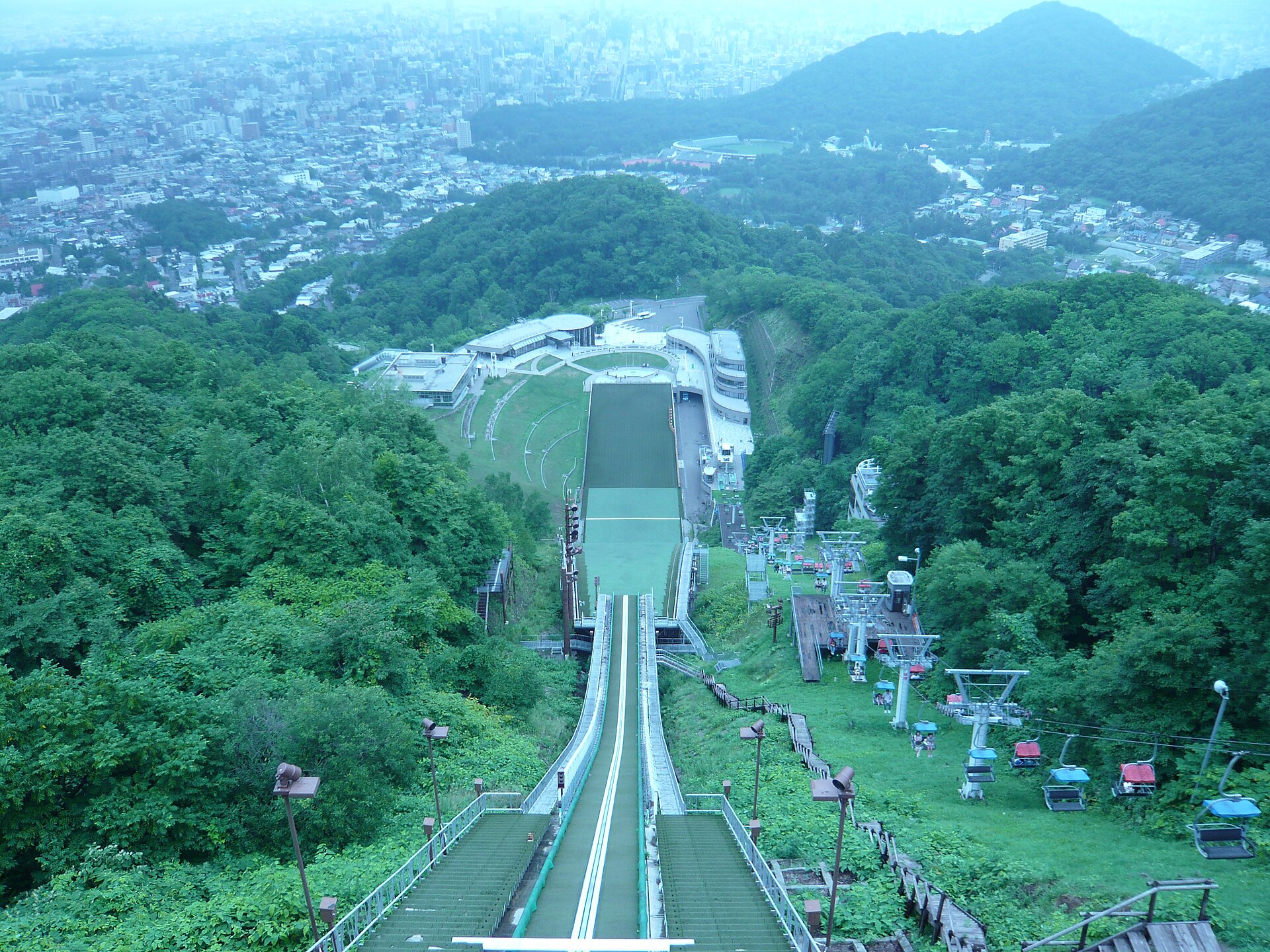 hfordsa / CC BY-SA 2.0
Entertainment · Hokkaido★★
Okurayama Ski Jump Stadium
27.7 km · straight line
Distances are straight lines on the map, not travel times.