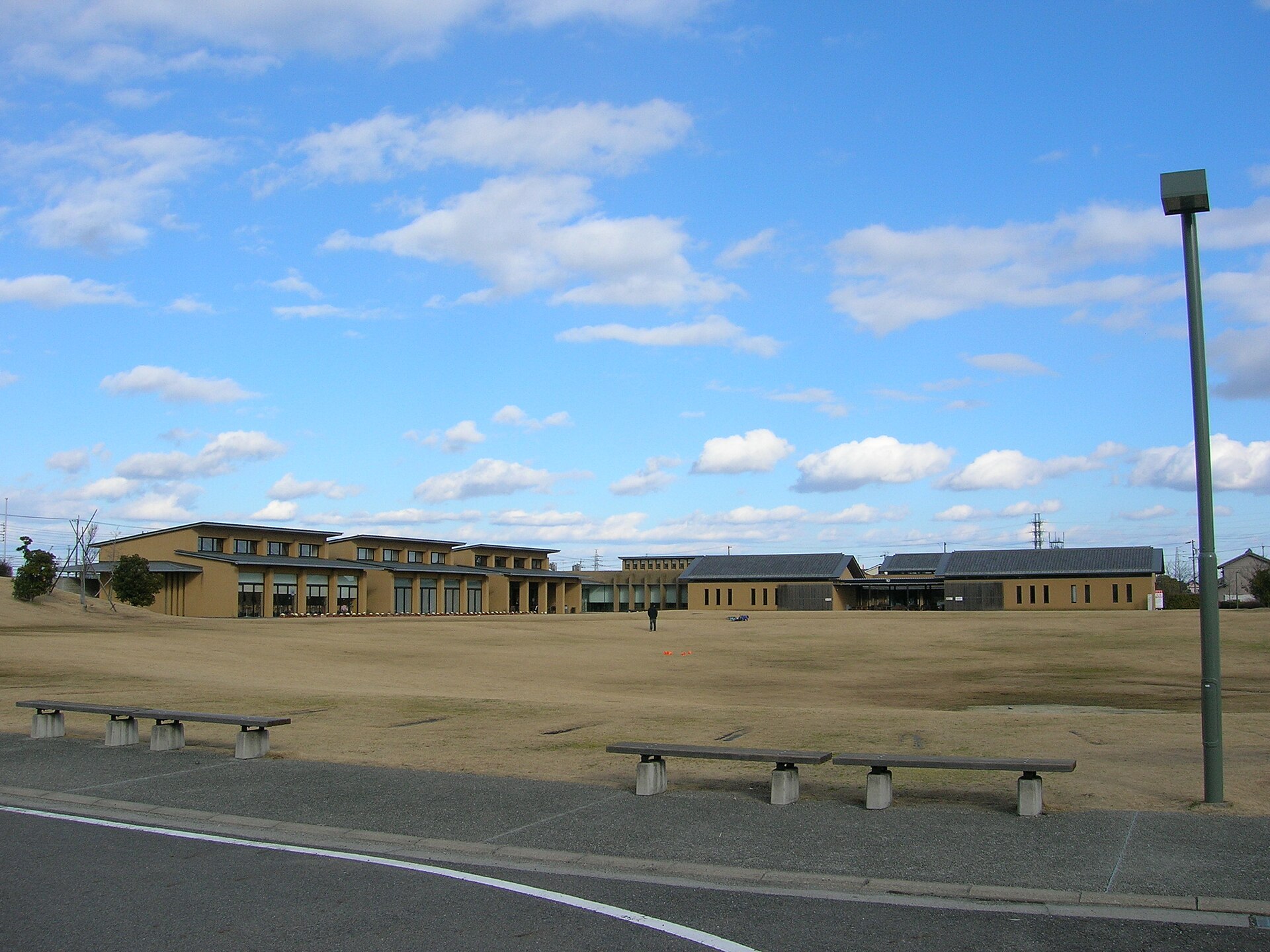
West Aichi · AmaNo.1073★★Open in map →
Owari Cloisonne
— Aichi's silver-wired enamel craft
Enamel fired onto a copper or silver base, with every outline laid in fine silver wire. West of Nagoya, in the Ama town that the ware is named after, a municipal museum puts the whole sequence of workshops on view and lets visitors fire a piece.
- FromNagoya Station
- Train + 25 min walkMeitetsu Tsushima Line
- Get off atShippo Station (Meitetsu Tsushima Line)
- From there
- Owari Cloisonne
The sweet spot
This is less a hidden place than an off-axis one. The craft itself is well known, but its home ground is a farming district reached by a local line and a walk, so it sits away from the route most visitors take through Nagoya.
Where it is
27 more notes in Aichi · open the map →What to look for — in walking order
- Exhibition roomspermanent and temporary rooms holding finished enamel work alongside the tools used to make it
- The working studiosseparate rooms for the metal base, wire and painting, enamel, the kiln and the final grinding
- Hands-on studiothe workshop where visitors finish a small piece of their own under guidance
- Fureai Hirobathe open plaza beside the museum, free to walk without going in
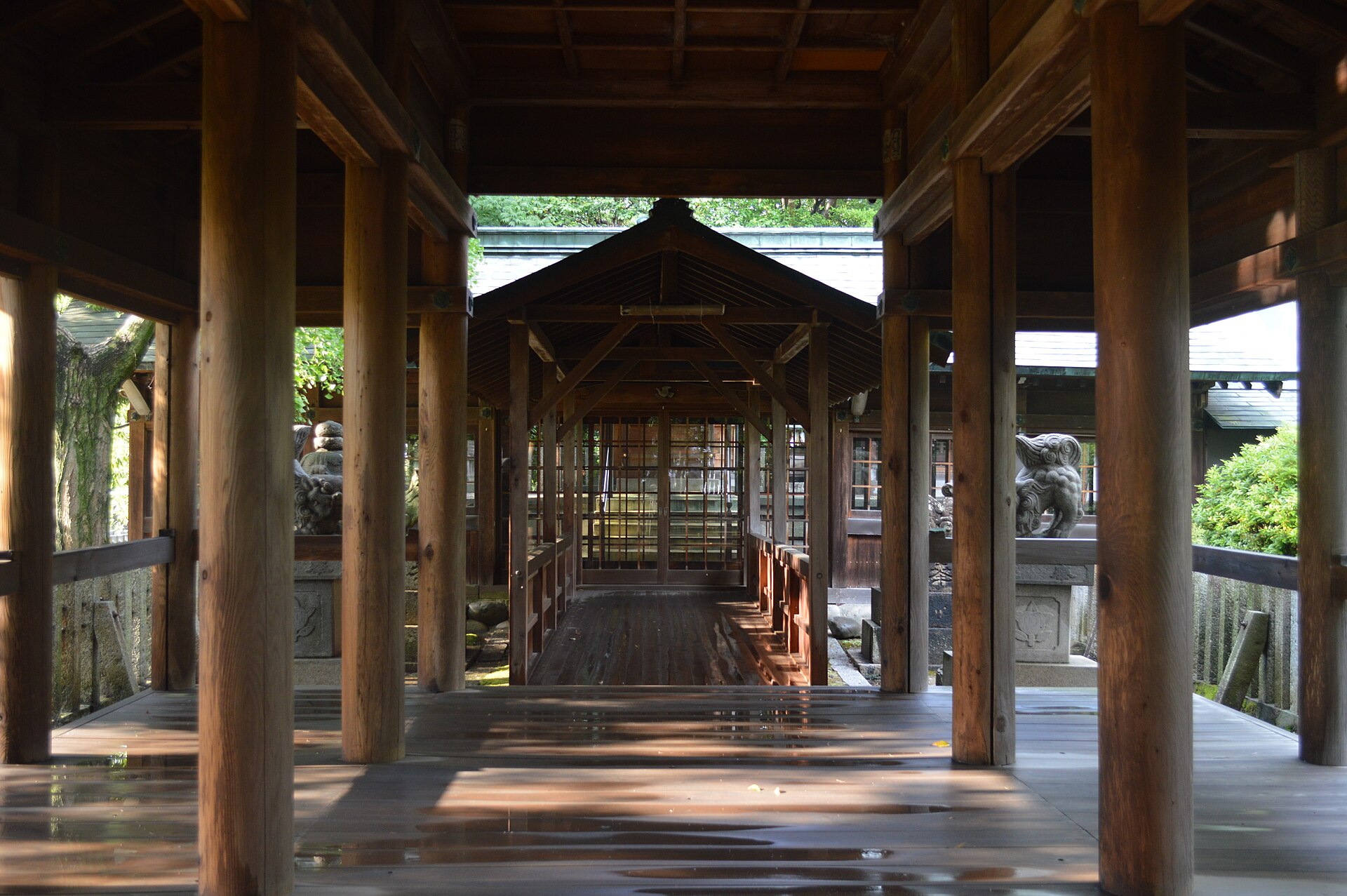
- Hachiman Shrine, Toshimathe neighbourhood shrine holding the stones that record the craft's start here
How to actually get there
- Meitetsu Nagoya Station → Shippo Station (Meitetsu Tsushima Line).
- Shippo Station → Shippo Art Village (walk about 25 minutes south-southwest).
- Take the exhibition rooms first, then the studios where each stage of the craft is done.
- Return from Shippo Station, or walk about 15 minutes to the Yasumatsu bus stop for a bus back to Nagoya Station.
- Meitetsu Tsushima Line from Meitetsu Nagoya
- From Meitetsu Nagoya Station take a Tsushima Line train to Shippo Station, a small unstaffed stop. From there the museum is about a 25-minute walk south-southwest. Trains on the line run through the day, so no timetable planning is needed.
- Return from Shippo Station
- Walk back north to Shippo Station and take a Tsushima Line train toward Meitetsu Nagoya. No staff are on duty there, so sort out your fare before you board. If you stay into the evening, check the last departure on the platform board.
About the place
Owari cloisonne is built on a metal base of copper or silver. Flat silver wire is bent to the outline of the design and stood on that base. Glassy enamel is packed into each cell the wire encloses, fired, then ground back until the surface is level and the lines read clean. That wired method, yusen-shippo, is the technique Owari is known for. The craft is still worked in Ama and Nagoya, and the Ama neighbourhood of Toshima is where it took hold — the town takes its name from the ware.
How to enjoy it
The museum runs from nine in the morning to five in the afternoon, and shuts on Mondays and on the first weekday after a public holiday. Take the exhibition rooms before the studios: once you have seen the finished pieces, watching the silver wire go down makes sense. If you want to make something, ask at the desk as you arrive rather than on the way out.
Background & history
The method was worked out in the Tempo era (1830–1844), when Kaji Tsunekichi of Owari province studied an enamelled plate landed from a Dutch ship and reconstructed how it was made. Production gathered in Toshima, in what is now the city of Ama, and Meiji-era Owari enamel was exported heavily to Europe and America. Japan designated Owari shippo a traditional craft on 5 April 1995. At Hachiman Shrine in Toshima stand a stone recording the craft's beginning here and another honouring Hayashi Shogoro.
Before you go
- Cash
- Admission and the hands-on studio are priced by the museum and the rates change, so check the official site before you go. Shippo Station is unstaffed and fares are handled at the machines.
- Good to know
- The museum closes on Mondays, on the first weekday after a public holiday, and over the new year. The route from the station is a flat walk on local streets, so allow the full time in bad weather.
- Another way
- From the Meitetsu Bus Center at Nagoya Station, take a Tsushima Line bus and get off at Yasumatsu, about 15 minutes on foot from the museum. By car it is roughly 10 km west of Nagoya Station, about 20 minutes. A taxi from Kida Station on the same rail line takes about 5 minutes.
- After you get off
- Leave Shippo Station heading south-southwest and follow the local streets through the Toshima neighbourhood to reach Shippo Art Village.
Nearby notes
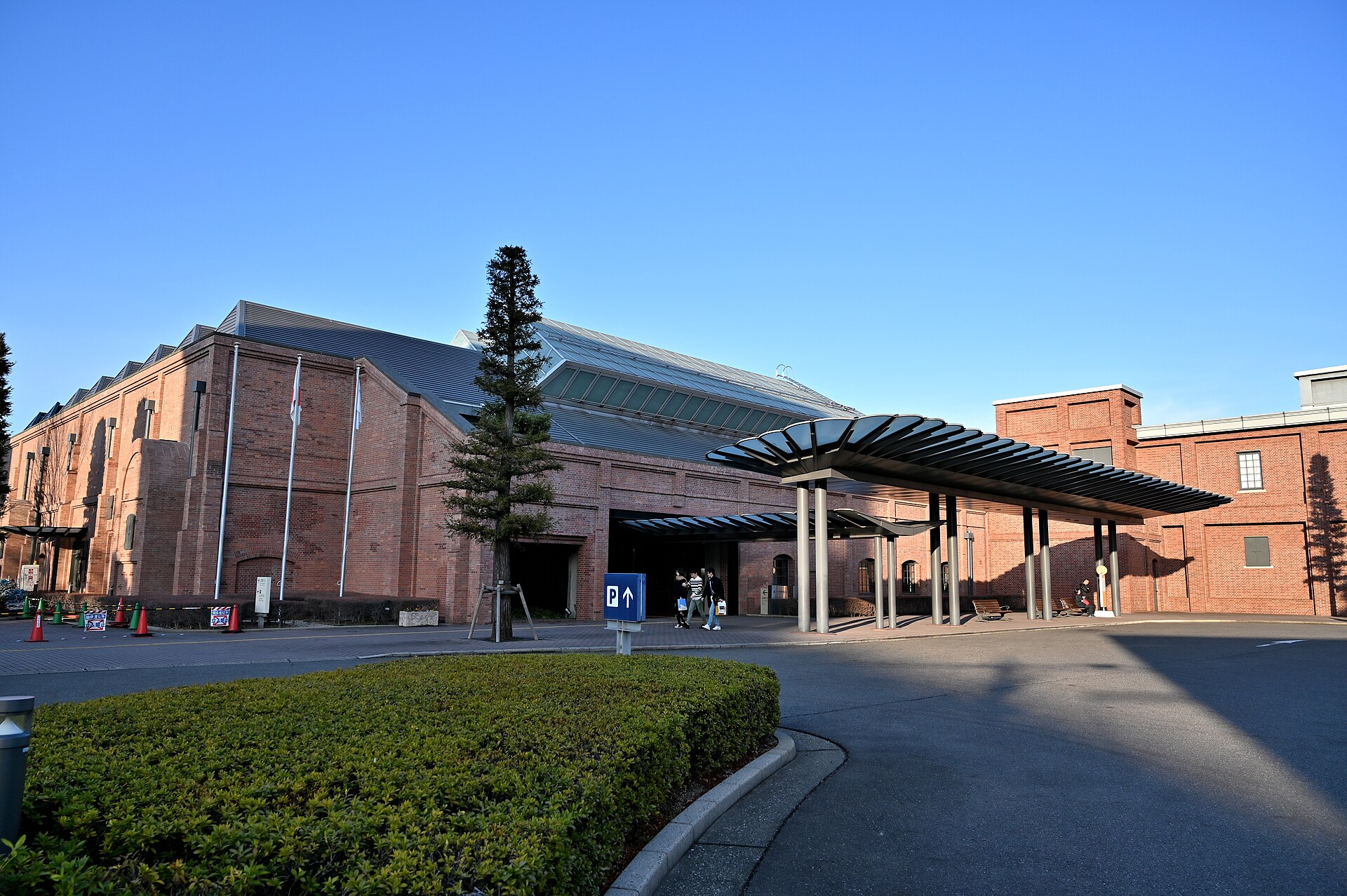 Bariston / CC BY-SA 4.0
Culture · Aichi★★★
Toyota Commemorative Museum of Industry and Technology
7.0 km · straight line
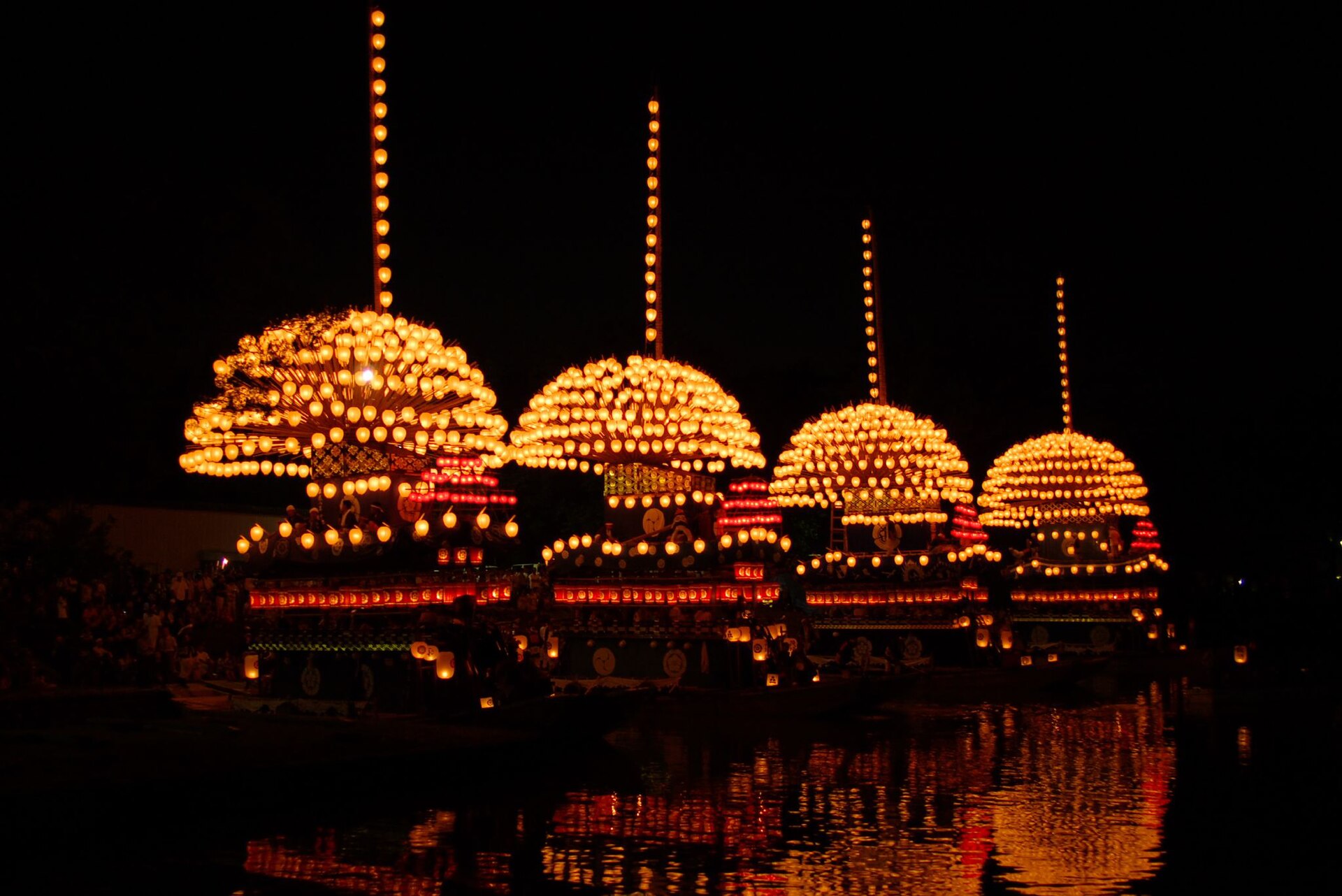 tsuda / CC BY-SA 2.0
Culture · Aichi★★
Owari Tsushima Tenno Festival
7.3 km · straight line
 岩佐 栄三 / CC0
Food · Aichi★★
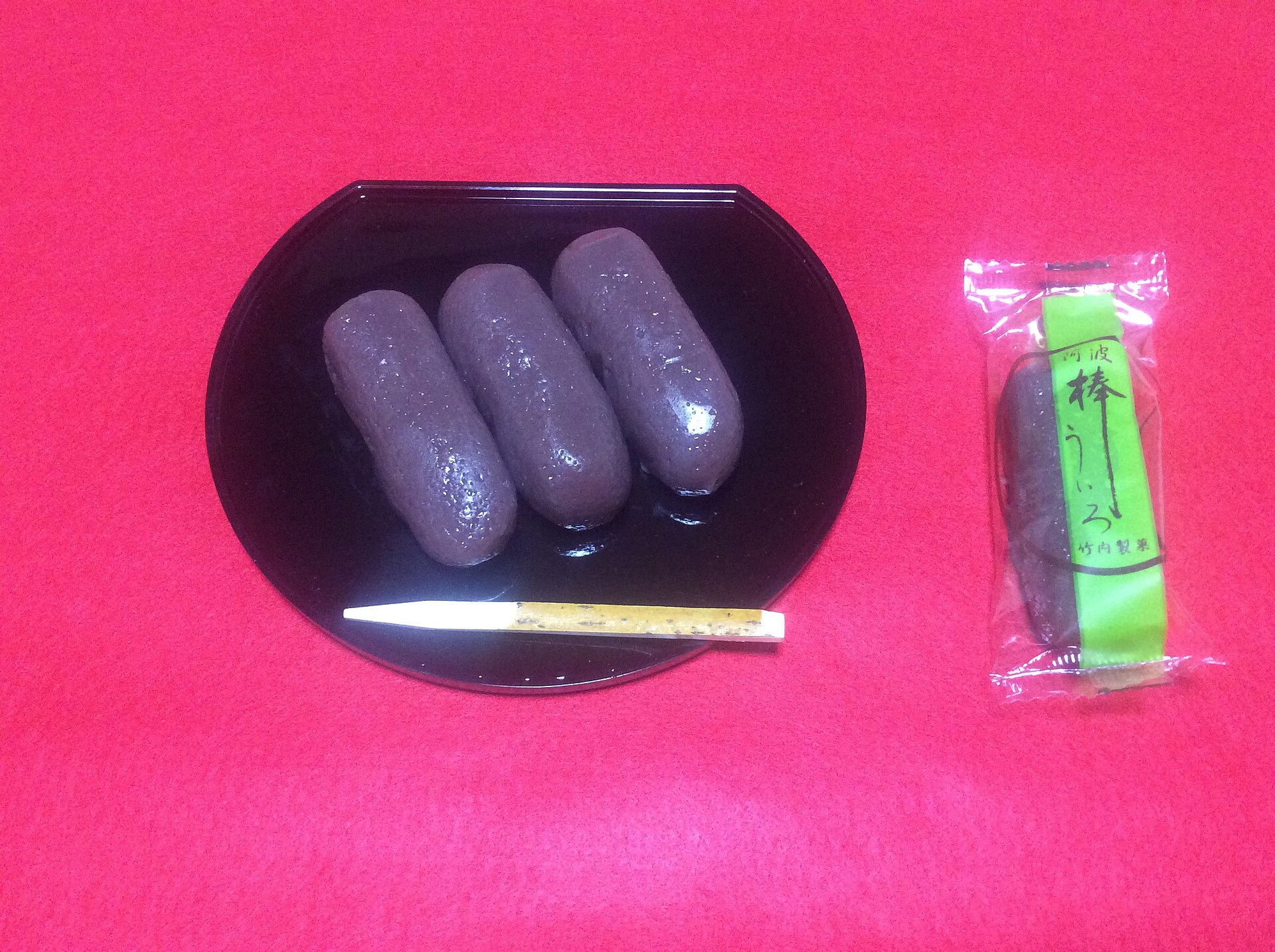
Nagoya Uiro
7.5 km · straight line
 Kos88 / CC BY-SA 4.0
Food · Aichi★★★
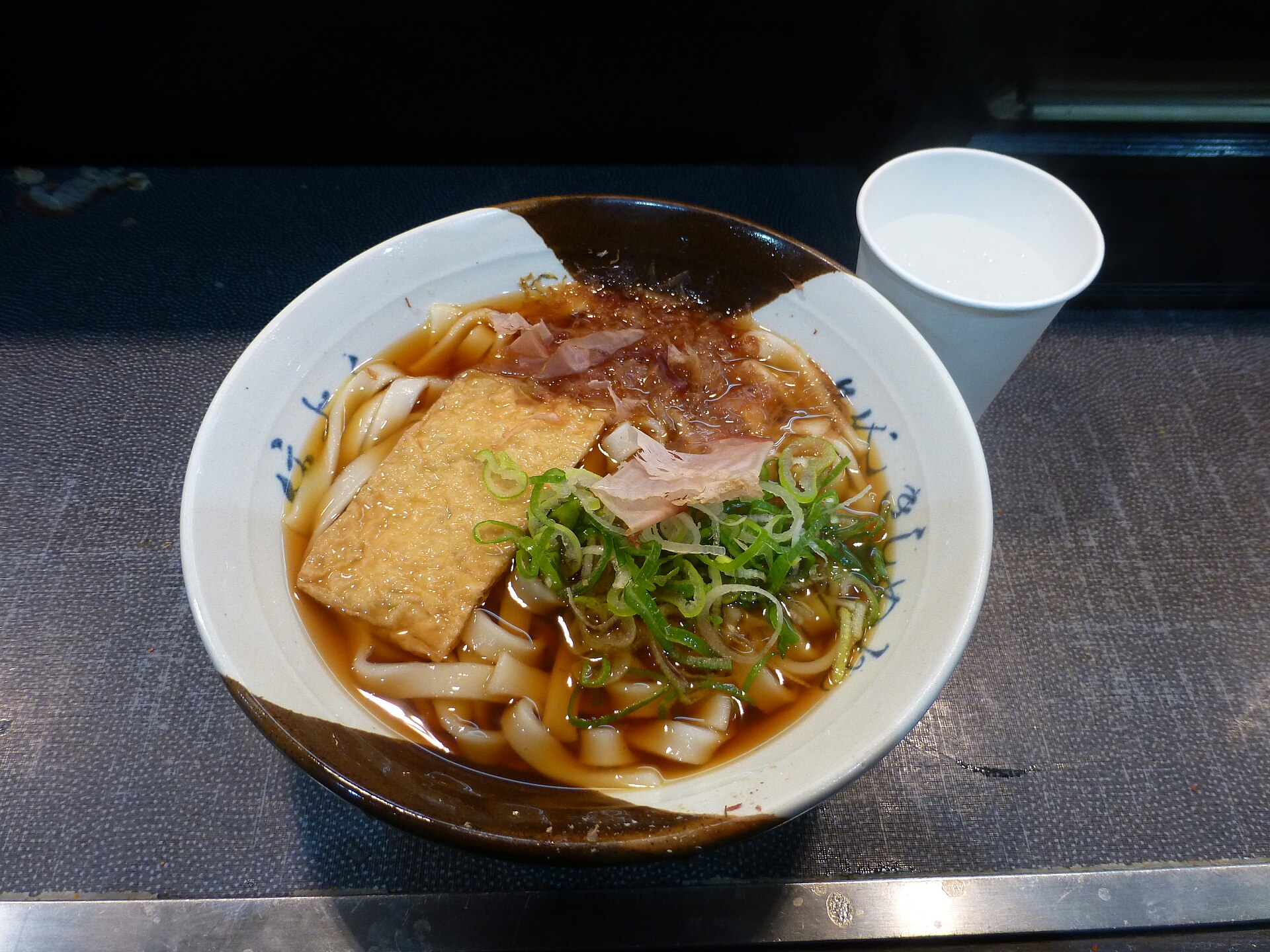
Kishimen
7.7 km · straight line
Distances are straight lines on the map, not travel times.