West Kyoto · MatsuoNo.252★★★Open in map →
Saiho-ji Temple
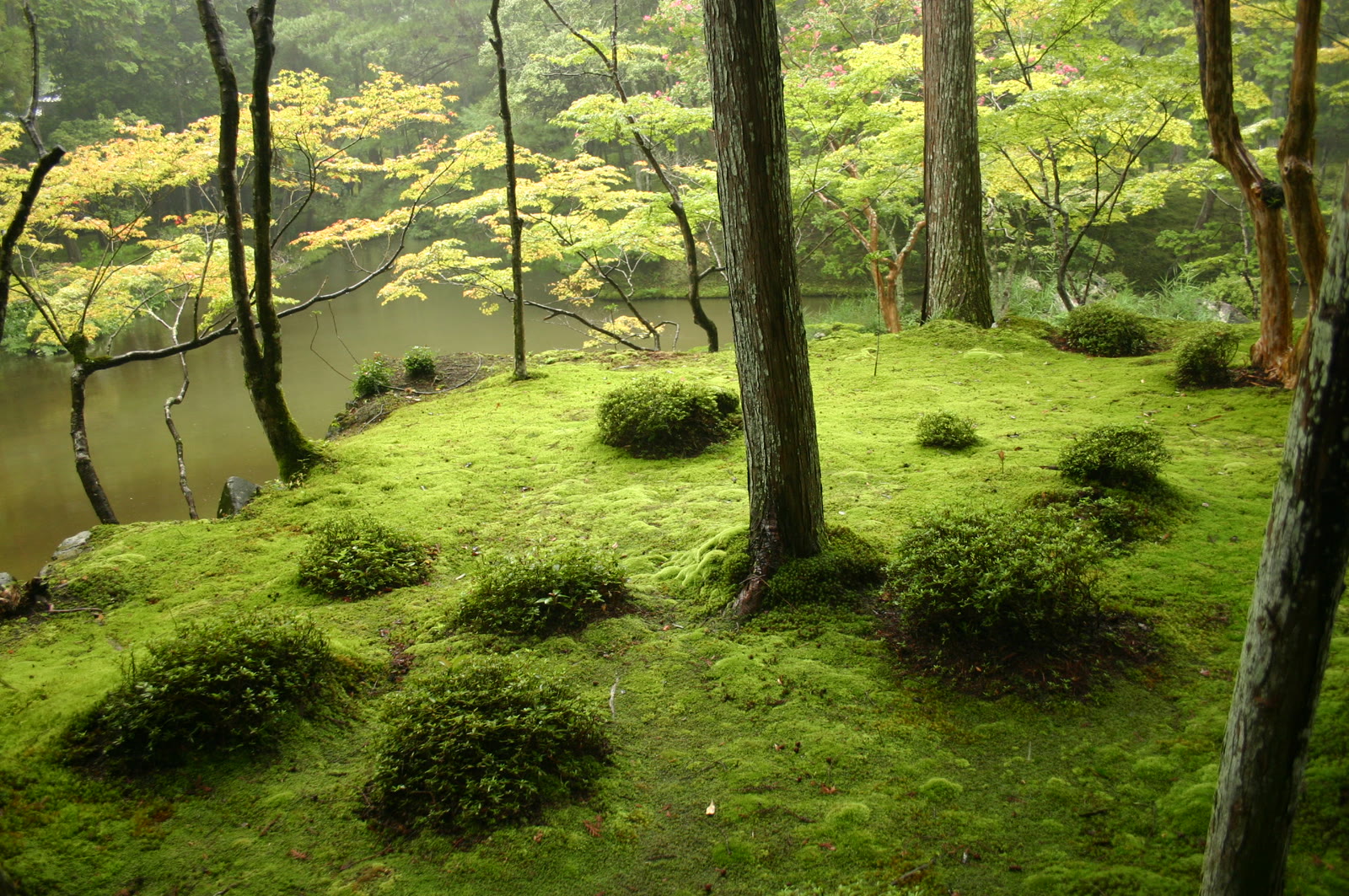
A UNESCO World Heritage garden temple in western Kyoto, carpeted by over 120 species of moss around a strolling pond. Entry is by advance reservation only, and each visit includes a sutra-chanting session before the garden walk.
- FromKyoto Stn
- ~60 minbus ~60 min
- Get off atKokedera-Suzumushidera (Kyoto Bus 73)
- On foot
- Saiho-ji Temple
Where it is
90 more notes in Kyoto · open the map →What to look for — in walking order
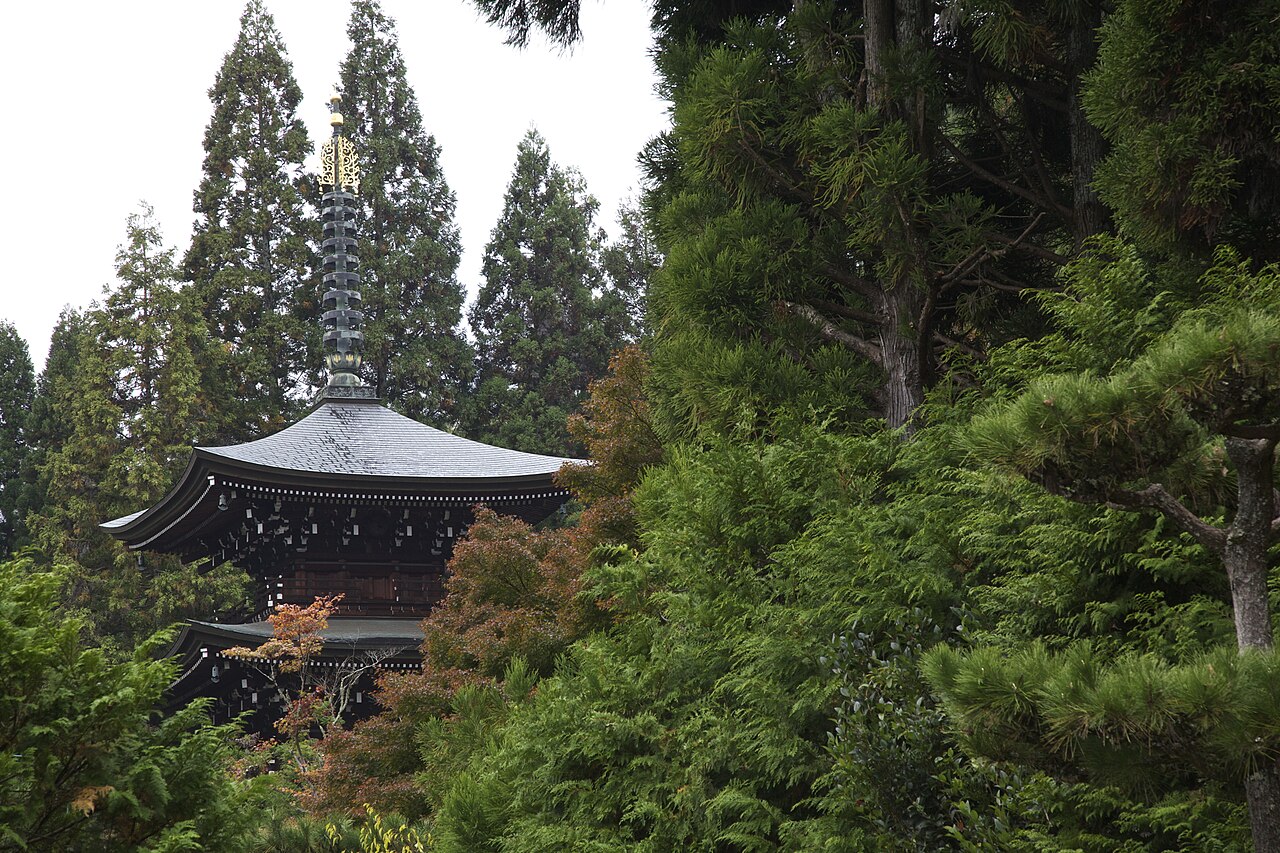
- Upper pond (Ogonchi)the main upper pond, whose banks are carpeted with moss of many shades of green
- Moss carpet pathsstone-edged paths winding through the garden, the moss extending unbroken around roots and rocks
- Totenki rock groupinga dry-landscape rock arrangement on the upper slope, one of the oldest surviving examples of this style in Japan
- Shonantei teahousea historic teahouse on the upper level associated with Muso Soseki
How to actually get there
- Kyoto Station → Kyoto Bus 73 westbound → Kokedera-Suzumushidera stop (~60 min).
- Walk west from the bus stop ~3 min → temple reception gate.
- Sutra session in main hall → begin self-paced moss garden walk.
- Kyoto Bus 73 from Kyoto Station
- Kyoto Station Bus Terminal (stop B3 or as signed) → Kyoto Bus 73 westbound → Kokedera-Suzumushidera stop → walk west about 3 minutes to the temple gate. Bus journey about 60 minutes, service roughly every 30-60 minutes. Check the Kyoto Bus timetable in advance.
- Return Bus 73 to Kyoto Station
- Return to the Kokedera-Suzumushidera stop and take Bus 73 eastbound back to Kyoto Station. Check the return timetable before visiting as frequency is limited.
About the place
Saiho-ji, known throughout Japan as Kokedera (Moss Temple), occupies a quiet valley in western Kyoto. The garden Zen master Muso Soseki designed in 1339 has over the centuries grown an extraordinary layer of natural moss — more than 120 species — that covers the ground, roots, stones and lanterns in a continuous, almost luminous green. The reservation-only system, in place since 1977, is not a mere inconvenience: it keeps the garden at a handful of visitors at any time, which is why the moss survives at all. Entry begins with a sutra-chanting ceremony in the main hall, then the garden path opens.
How to enjoy it
Advance reservation is required by all visitors; the temple accepts online reservations from 2 months to the day before your intended visit, or by postcard up to 1 month in advance. Visitors aged 12 and under are not admitted (this age restriction has been in effect since 2019). Each visit begins with a guided sutra-chanting session in the main hall before entering the garden. A suggested donation (not a fixed admission fee; check saihoji-kokedera.com for current arrangements) is collected. The garden walk that follows is self-paced within the allotted time.
Background & history
Saiho-ji's origins are traditionally traced to the monk Gyoki in the eighth century, though little of that early history survives. The garden as it exists today was created from 1339 by the Zen master Muso Soseki, who redesigned the entire site around a pond garden on two levels. Muso Soseki was one of the most influential garden designers of the medieval period; he also designed the garden at Tenryu-ji. Over the following centuries the moss spread naturally to cover the garden floor, creating the dense green carpet that gives the temple its popular name. Saiho-ji was included in the UNESCO World Heritage designation for the Historic Monuments of Ancient Kyoto in 1994.
Before you go
- Cash
- City Bus fare is flat-rate; IC cards (ICOCA, Suica) accepted. The temple donation/admission is paid on site (check saihoji-kokedera.com for current amounts). Bring some cash.
- Good to know
- Advance reservation is mandatory; walk-in entry is not possible. Visitors must be 12 or older. The garden is maintained rain or shine; moss is vivid after rain but paths can be slippery.
- Another way
- Some visitors combine the visit with nearby Suzumushi-dera Temple (also famous, also reached from the same bus stop) or Arashiyama (about 20 minutes by bus).
- After you get off
- The Kokedera-Suzumushidera bus stop is about a 3-minute walk east of the temple gate. Walk west from the stop.
Nearby notes
 Hyppolyte de Saint-Rambert / CC BY 4.0
Nature · Kyoto★
Arashiyama Monkey Park Iwatayama
2.2 km · straight line
 dres2222 / CC BY-SA 3.0
Nature · Kyoto★★★
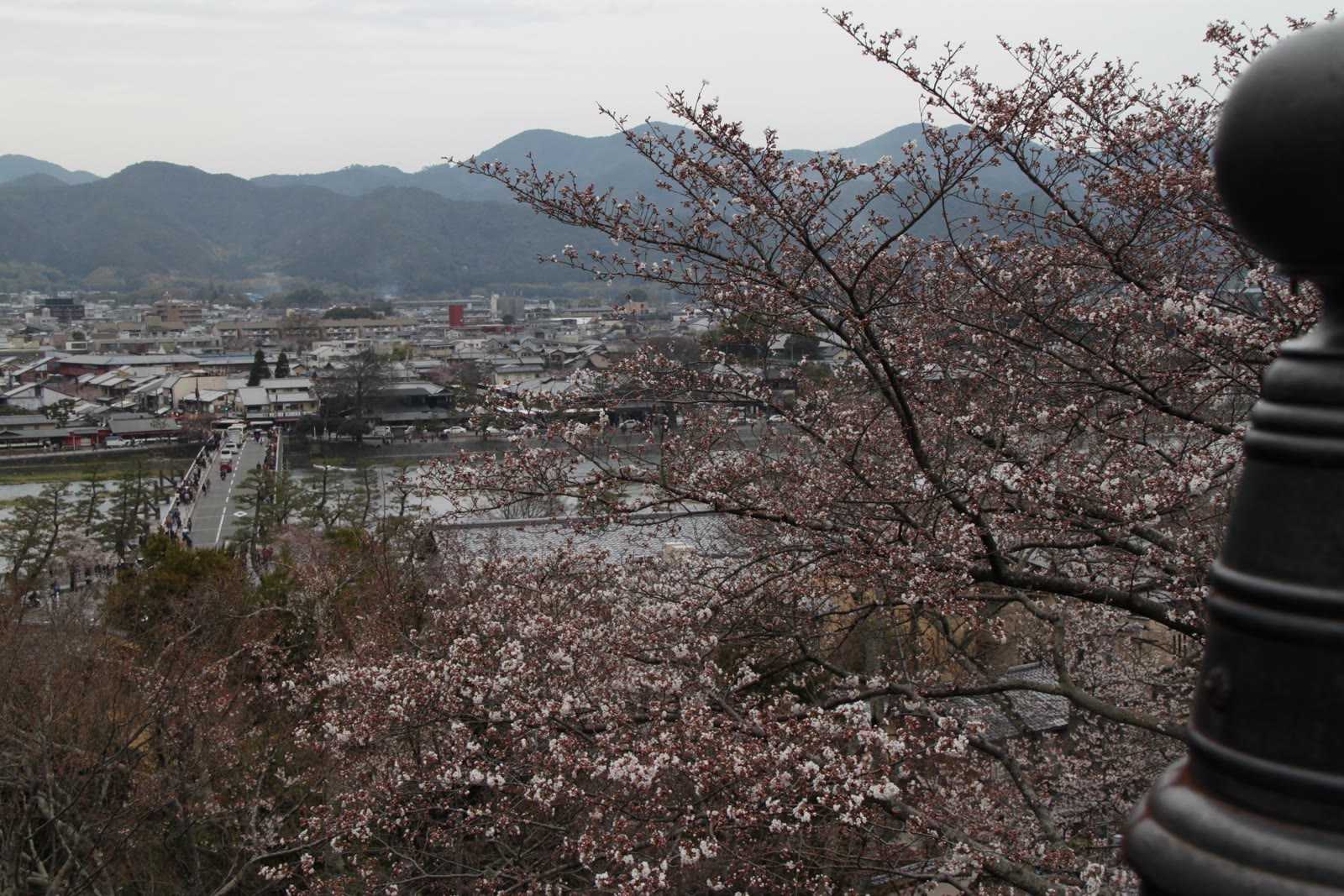
Togetsukyo Bridge
2.3 km · straight line
 osakaosaka / CC BY-SA 3.0
History · Kyoto★★★
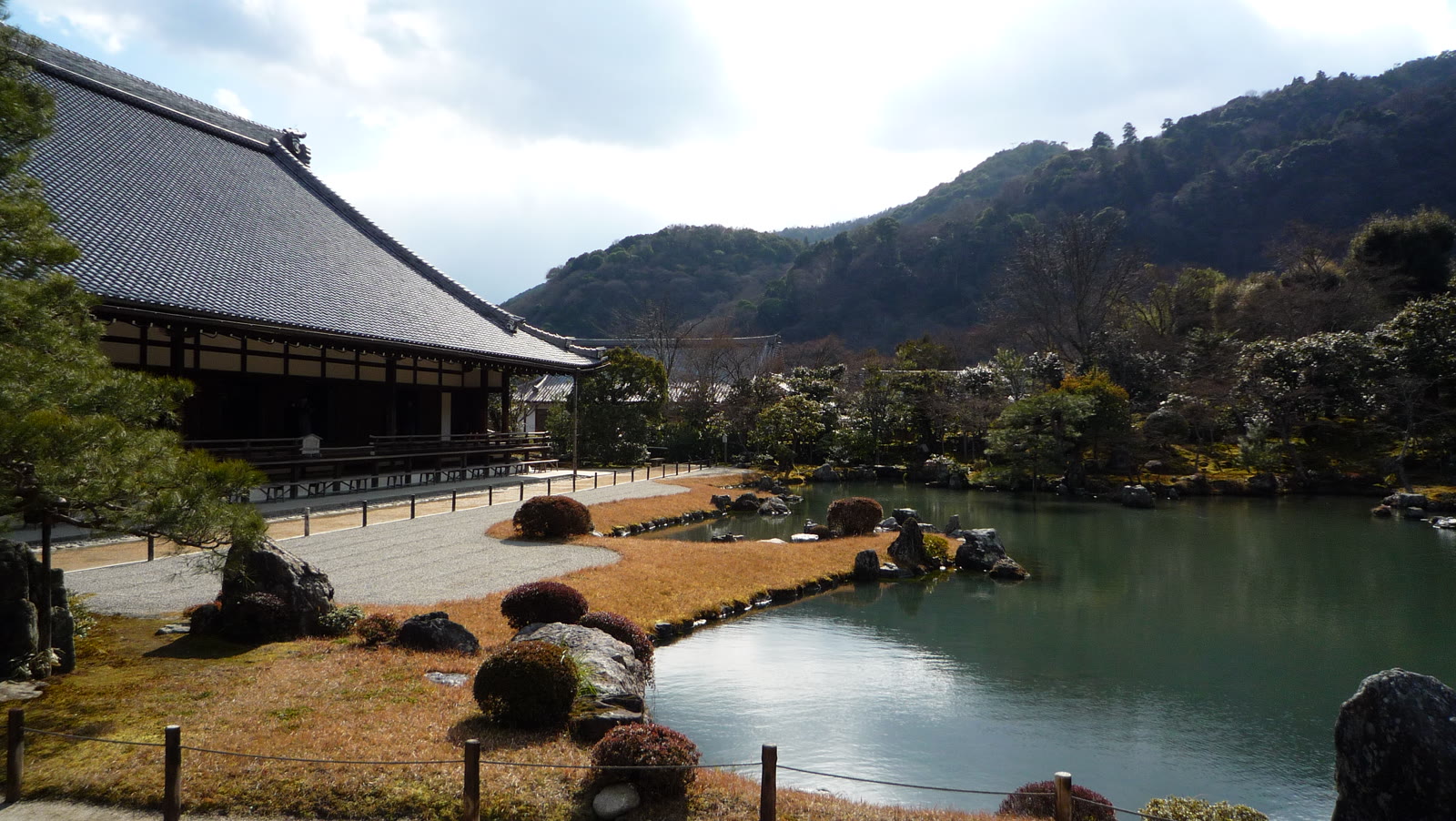
Tenryu-ji
2.8 km · straight line
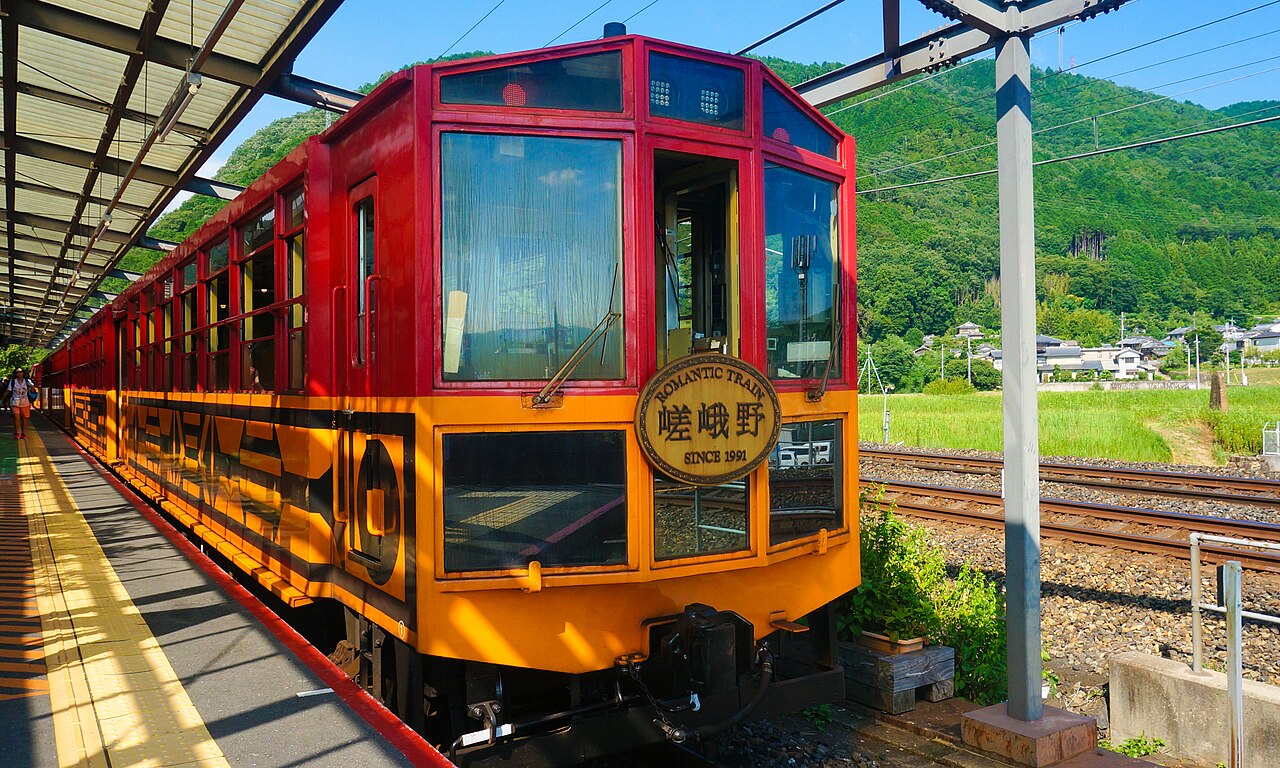 Streetdeck / CC BY-SA 4.0
Nature · Kyoto★
Sagano Romantic Train
2.9 km · straight line
Distances are straight lines on the map, not travel times.