West Saga · UreshinoNo.531★★Open in map →
Shiotatsu
— Ureshino's river-port town on the old Nagasaki Road
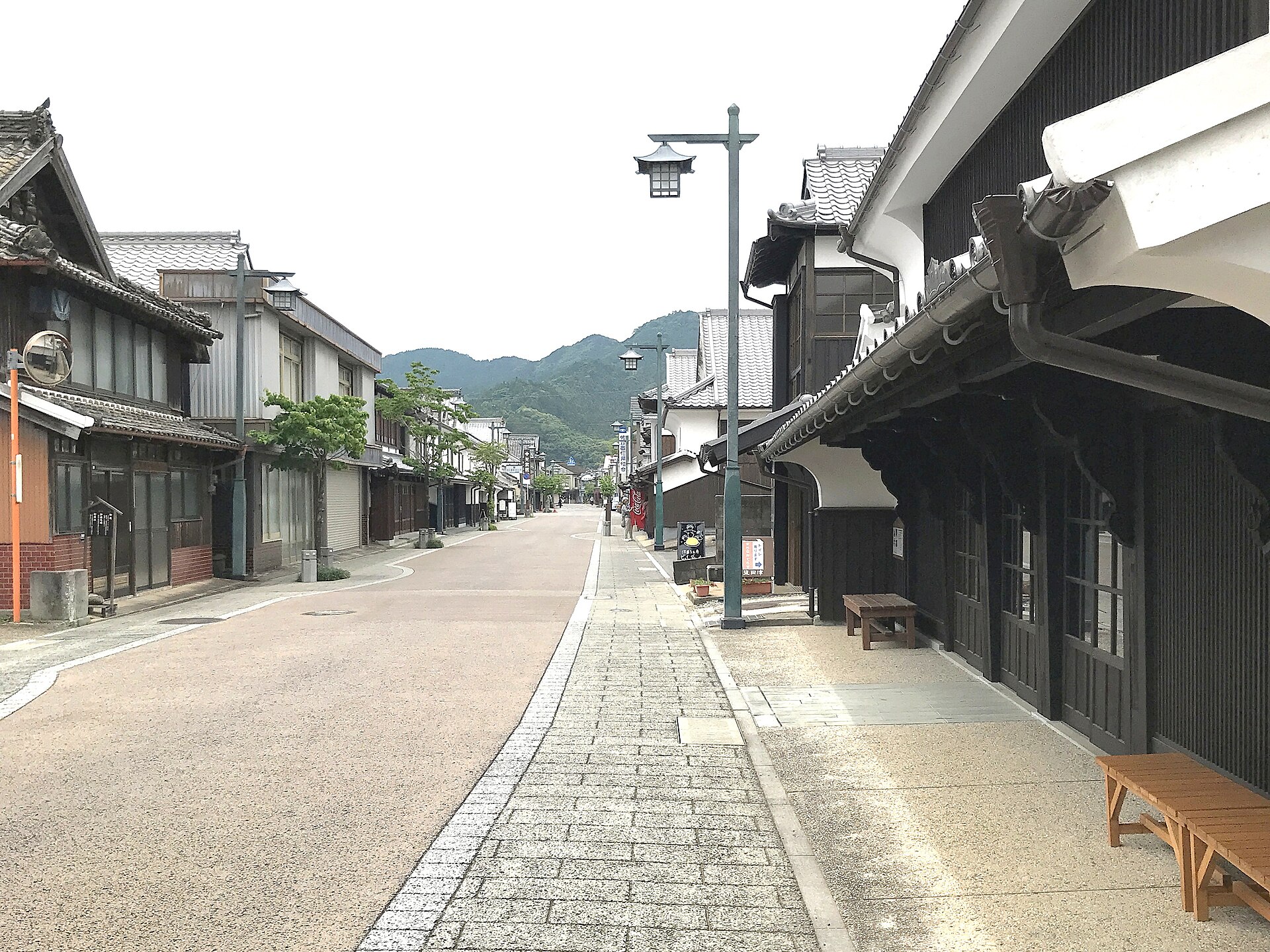
A merchant town in Ureshino where the Nagasaki Road ran beside a port that worked on the Ariake tide. White igura-zukuri townhouses line the old highway, and stone steps fall from the embankment to the water behind them.
- FromHakata Station
- Express + short transferJR express, then bus or taxi
- Get off atHizen-Kashima Station (JR Nagasaki Line)
- From there
- Shiotatsu
The sweet spot
Nothing here is undocumented. Shiotatsu is a nationally designated district with a preservation society and an information hall on the street. It is simply off the rails — the nearest station sits in the next city, and most people who come to Ureshino are heading for the hot spring. The street stays calm because it is still somebody's address.
Where it is
14 more notes in Saga · open the map →What to look for — in walking order
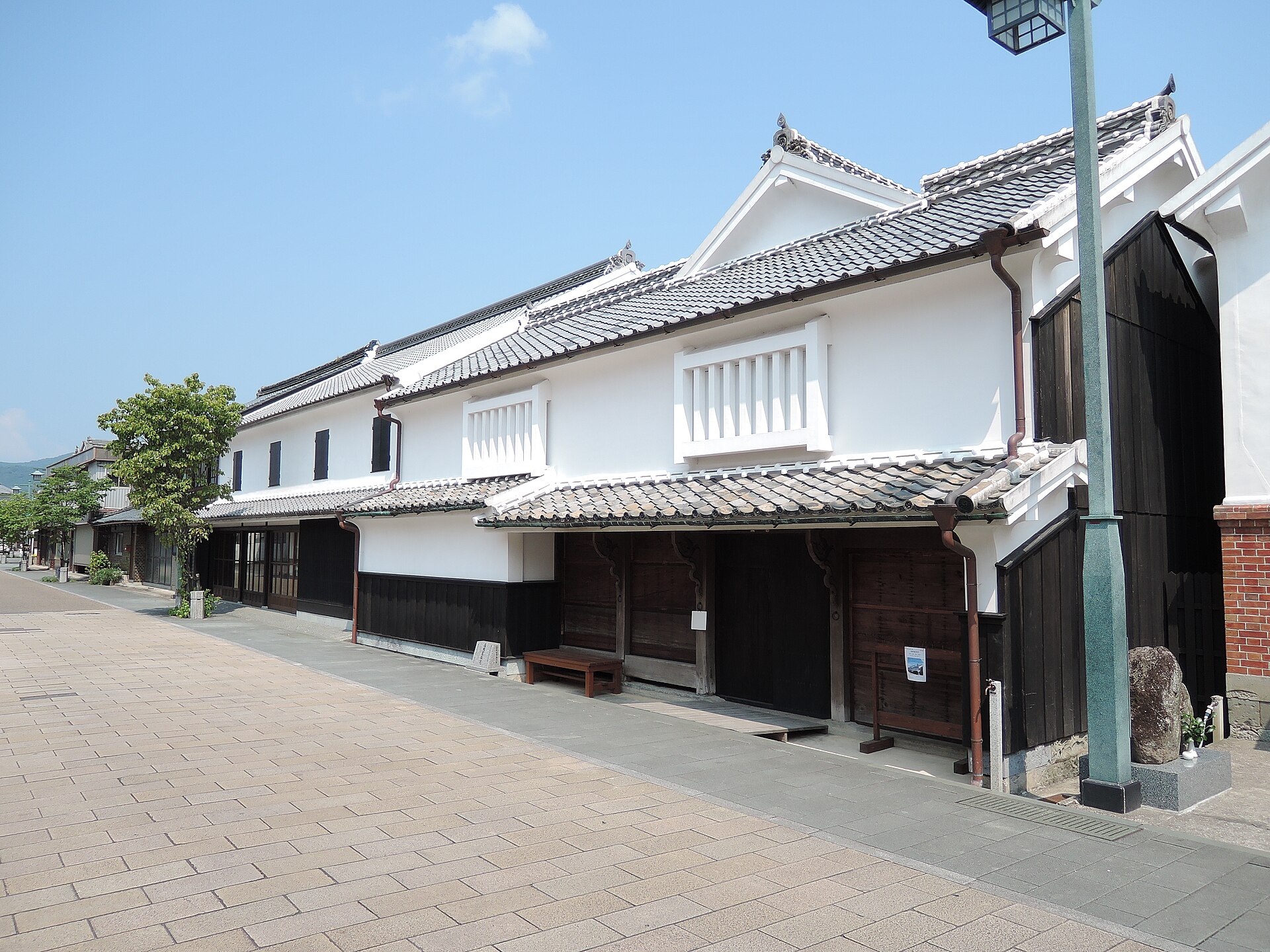
- Nishioka Residencethe large igura-zukuri house of a river-shipping merchant, an Important Cultural Property
- Sugimitsu Toki-tena second big plastered townhouse with its storehouses, on the national register of cultural properties
- Machinami exchange hallthe old inspection office, now the information point, beside a thatched former merchant house
- The river embankmenta continuous stone wall with steps and washing places, and the bases of a Showa-era unloading crane
- Stonework of the Shiota masonsNio guardians at the temple gate and Ebisu figures standing about the streets, all cut locally
How to actually get there
- Hakata Station → Hizen-Kashima Station (JR Nagasaki Line limited express).
- Hizen-Kashima Station → central Shiota (bus or taxi west on Route 498).
- Old Nagasaki Road → the merchant street (past the Nishioka Residence and Sugimitsu Toki-ten).
- Merchant street → the riverside (drop one block to the stone embankment and the crane bases).
- JR Nagasaki Line to Hizen-Kashima, then west by road
- From Hakata, take a JR limited express down the Nagasaki Line to Hizen-Kashima. The district lies west of the station along Route 498, over the city boundary in Ureshino, and the last leg is by bus or taxi from the forecourt. Hizen-Kashima is the closer railhead for central Shiota, nearer than Ureshino-Onsen on the shinkansen.
- Back east to Hizen-Kashima
- Return the way you came, by bus or taxi to Hizen-Kashima, then the limited express to Hakata or a local train on toward Nagasaki. Services in this valley thin out through the evening, so settle your return before you start walking, and ask at the information hall on the street if you are unsure.
About the place
Shiotatsu stands on the Shiota River in Ureshino, at the point where the Nagasaki Road crossed a port that ran on the tide. Ariake Bay pushes its water a long way inland, so boats could come up on the flood and leave on the ebb, taking rice and ceramics out and bringing in the Amakusa pottery stone the Hizen kilns were built on. Merchants along the highway put up igura-zukuri townhouses — thick white plaster, tiled roofs, deep frontages. The district reads as three landscapes: the wide merchant street, the stone embankment down at the water, and a tighter lane of small houses under the hill.
How to enjoy it
Daylight is what this town wants: the white fronts and deep eaves only separate out when there is light on them, and the riverside stonework disappears in shadow. Ask at the information hall which houses are open that day before you fix a route. Then walk the highway once in each direction, because the street shows a different face coming back.
Background & history
Shiota served both as a stop on the Nagasaki Road and as the shipping point for the country behind it, and the two roles built one town. A fire in 1789 burnt through the place, and the rebuilding introduced the fireproof igura-zukuri form that now sets the character of the street. River trade held on into the twentieth century until bridges and the railway took the cargo away, and the merchants' houses turned into homes. The district was selected as an Important Preservation District for Groups of Traditional Buildings in 2005.
Before you go
- Cash
- Walking the street costs nothing. Opening arrangements for the individual houses are handled locally and change, so ask at the information hall in the old inspection office rather than turning up expecting a ticket desk, and carry cash for anything you buy.
- Good to know
- This is a lived-in town, and the houses along the highway are private except where they are opened. The stone steps down to the river are slippery after rain, and the Shiota basin floods easily — a heavy-rain warning is the one condition that ends the walk.
- Another way
- Ureshino-Onsen on the Nishi-Kyushu Shinkansen is the other rail approach, further out but sensible if you are pairing the town with the hot spring. By car, Route 498 reaches the district from Kashima on one side and Takeo on the other, and there is a visitors' car park at the townscape.
- After you get off
- Hizen-Kashima Station has a bus stop and a taxi rank outside the building. Take either west on Route 498 toward the Ureshino city office at Shiota, get down on the old highway in the town centre, and the preserved street runs on from there with the river one block behind it.
Nearby notes
 そらみみ / CC BY-SA 4.0
Food · Saga★★
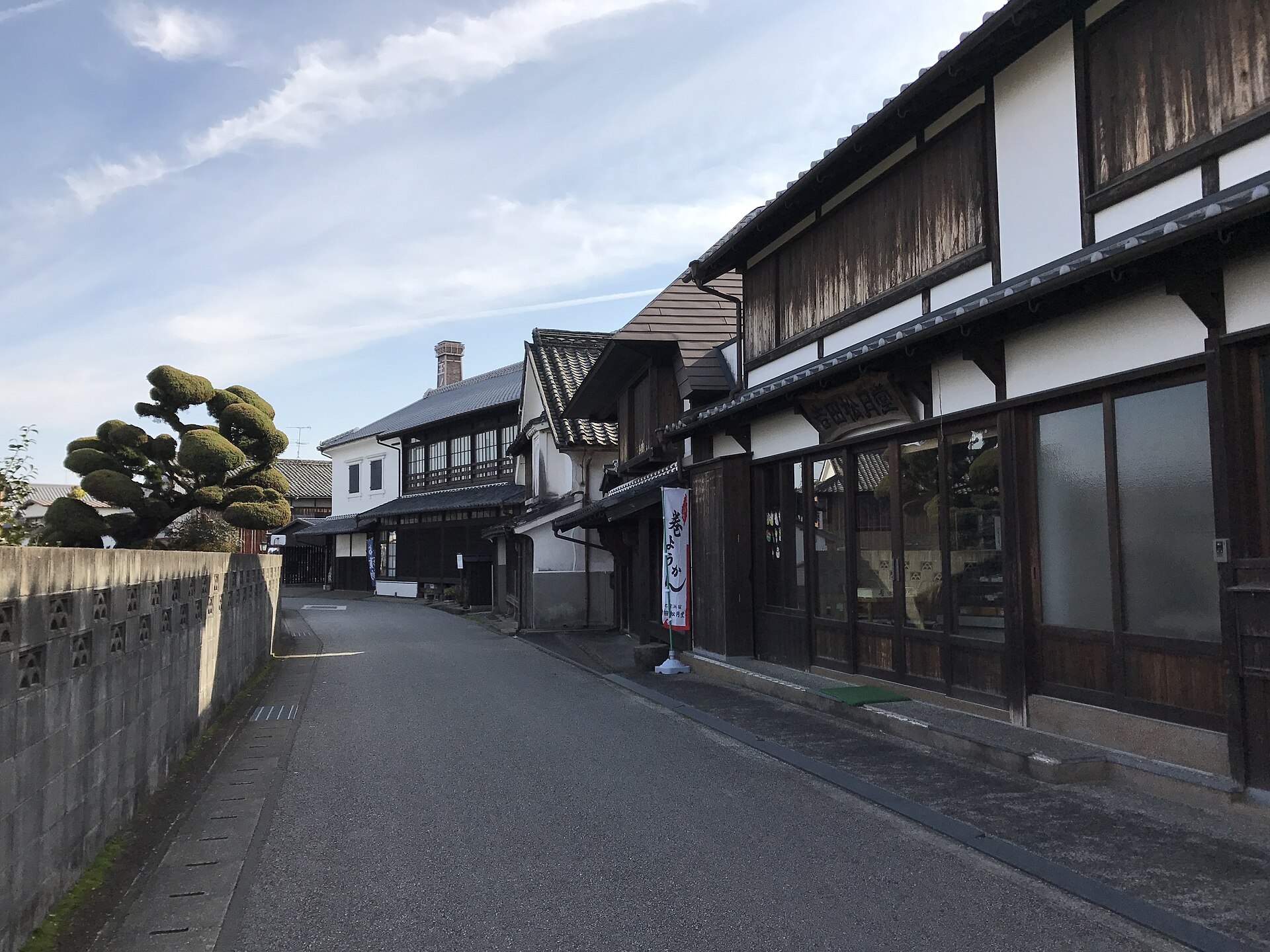
Hizen Hamashuku Sakagura-dori
6.7 km · straight line
 そらみみ / CC BY-SA 4.0
Nature · Saga★★★
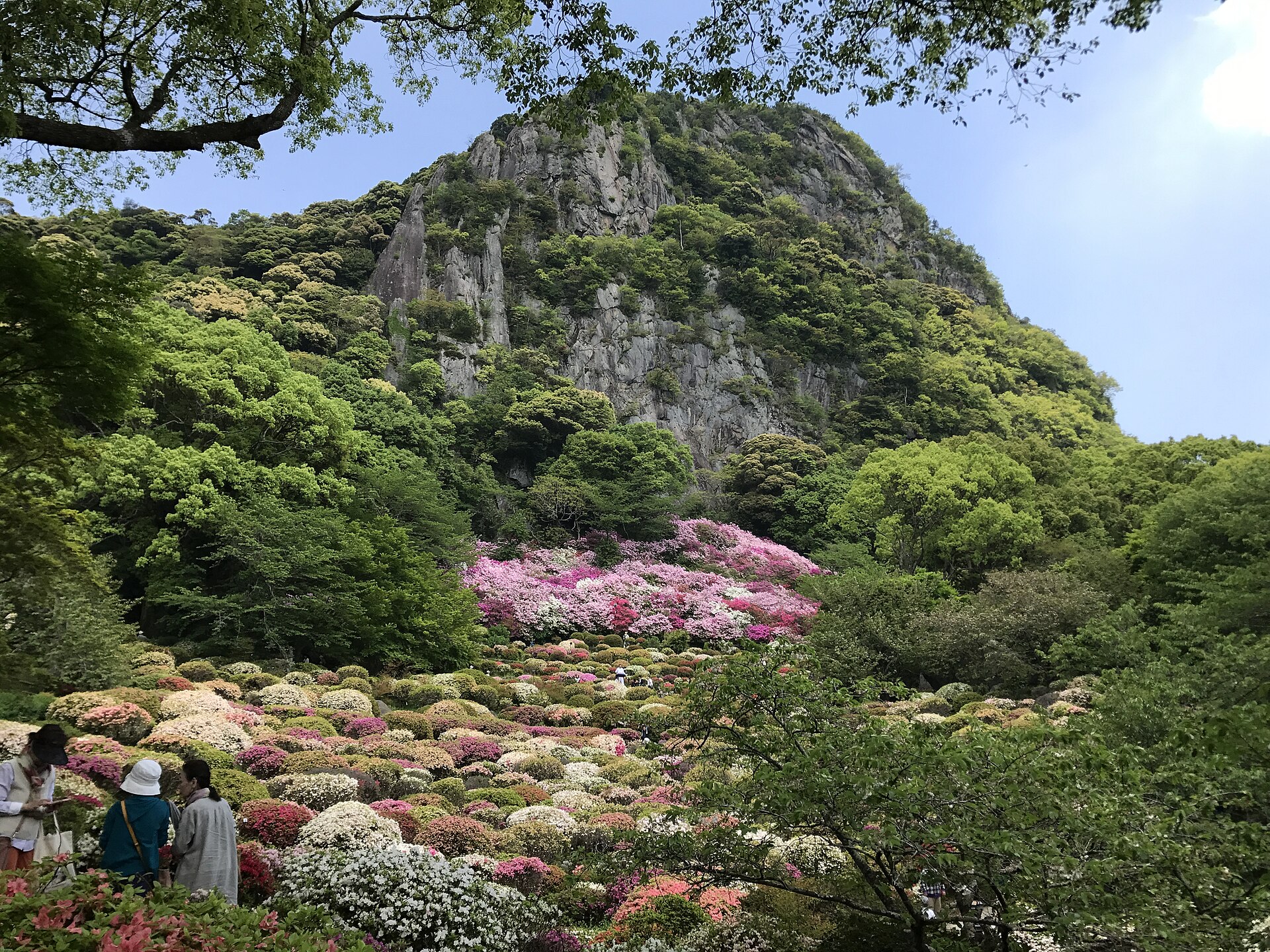
Mifuneyama Rakuen
6.9 km · straight line
 JNN360 / CC BY-SA 4.0
History · Saga★★★
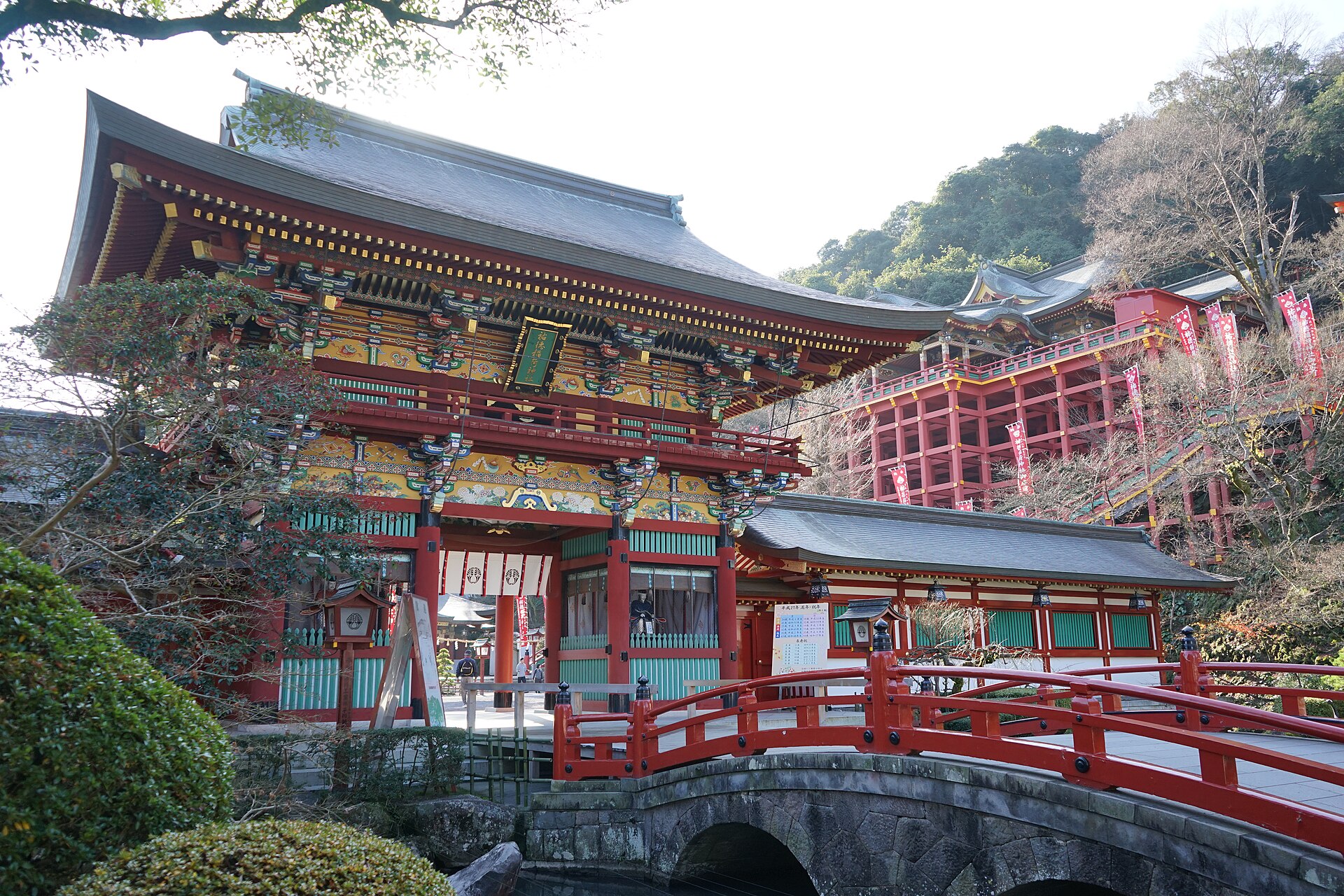
Yutoku Inari Shrine
7.8 km · straight line
 STA3816 / CC BY-SA 4.0
Onsen · Saga★★
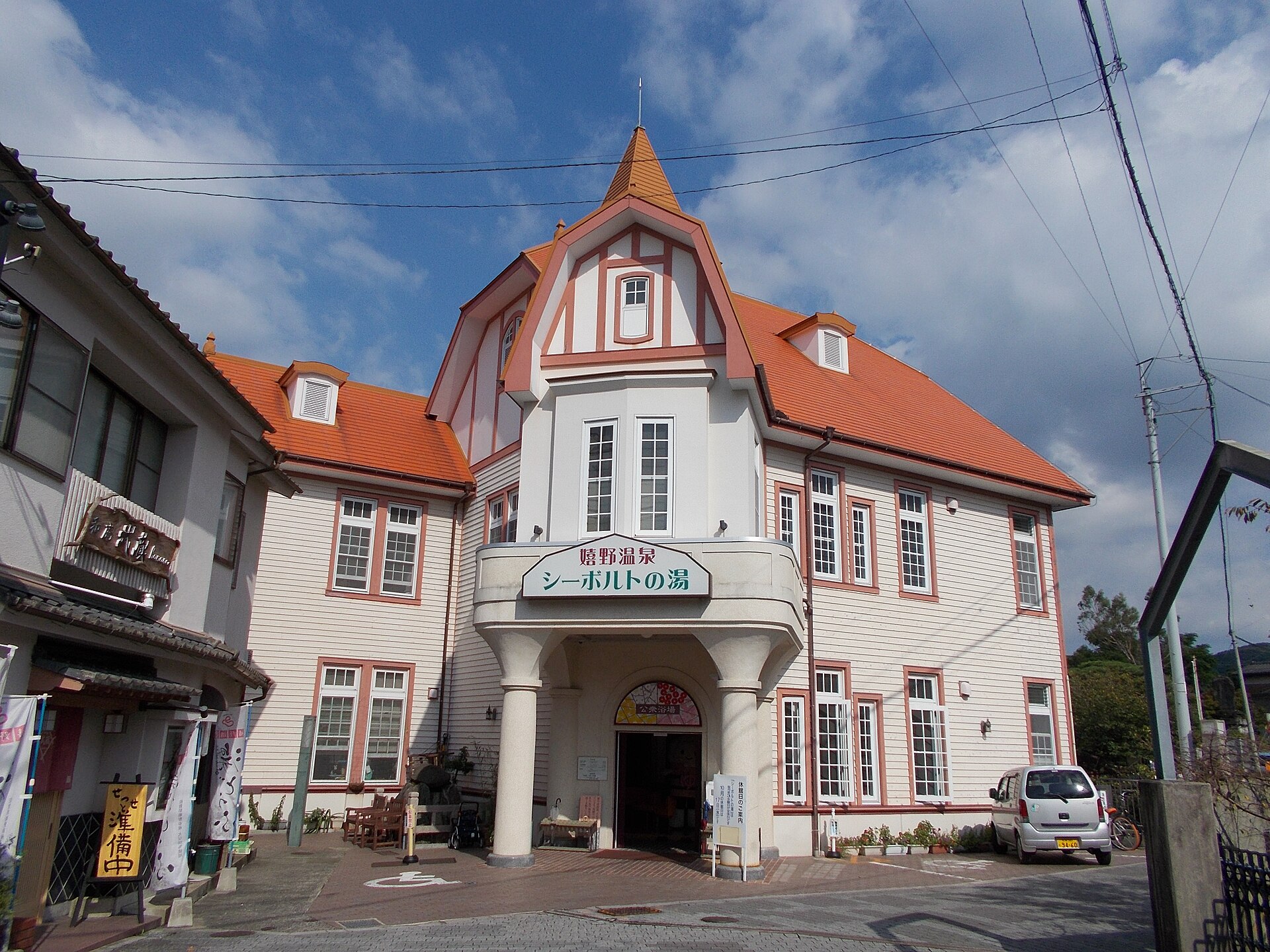
Ureshino Onsen
7.9 km · straight line
Distances are straight lines on the map, not travel times.