West Saga · Ureshino OnsenNo.537★★Open in map →
Ureshino Onsen
— Saga's skin-softening hot spring town
A hot-spring town in a valley in southwestern Saga, on the old Nagasaki Kaido. The water is a bicarbonate spring with a soft, slippery feel, there is a municipal bathhouse on the main street, and the same water is used to cook the local tofu.
- FromTakeo-Onsen Station
- ~30 minShinkansen or JR bus, ~30 min
- Get off atUreshino-Onsen Station (Nishi-Kyushu Shinkansen)
- From there
- Ureshino Onsen
The sweet spot
Ureshino is a named hot-spring town, and since the Shinkansen opened it has a station of its own, so it is not obscure. What makes it easy rather than crowded is that the day-visitor side is fully built out. A public bathhouse, a row of inns selling single entries, tea shops and tofu restaurants all sit within a few streets, so an afternoon works as well as an overnight stay.
Where it is
14 more notes in Saga · open the map →What to look for — in walking order
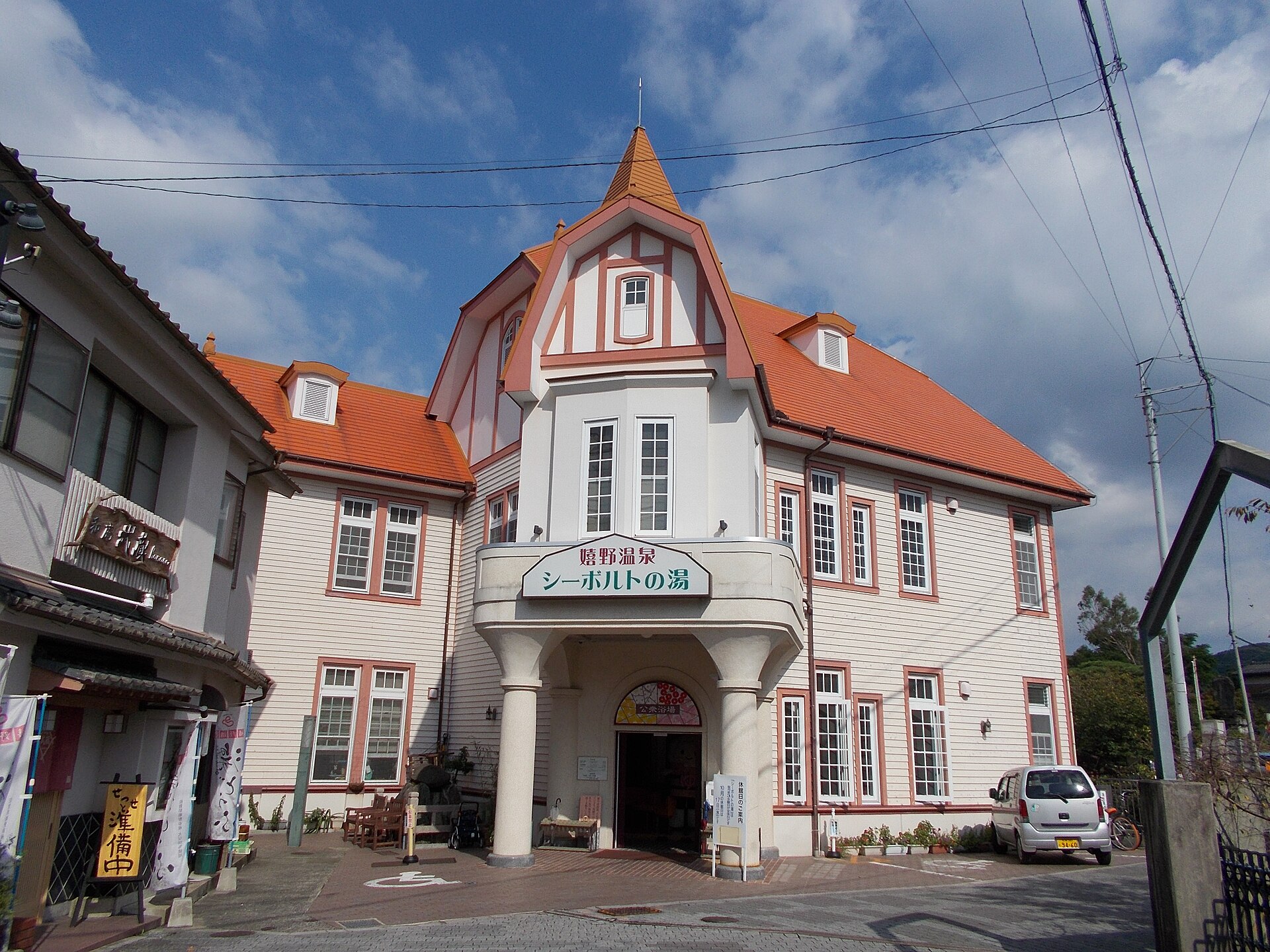
- Siebold-no-Yuthe municipal bathhouse on the main street, a two-storey timber building in Taisho style
- Ureshino Onsen Park, across the waterthe park facing the bathhouse from the opposite bank, a short crossing away
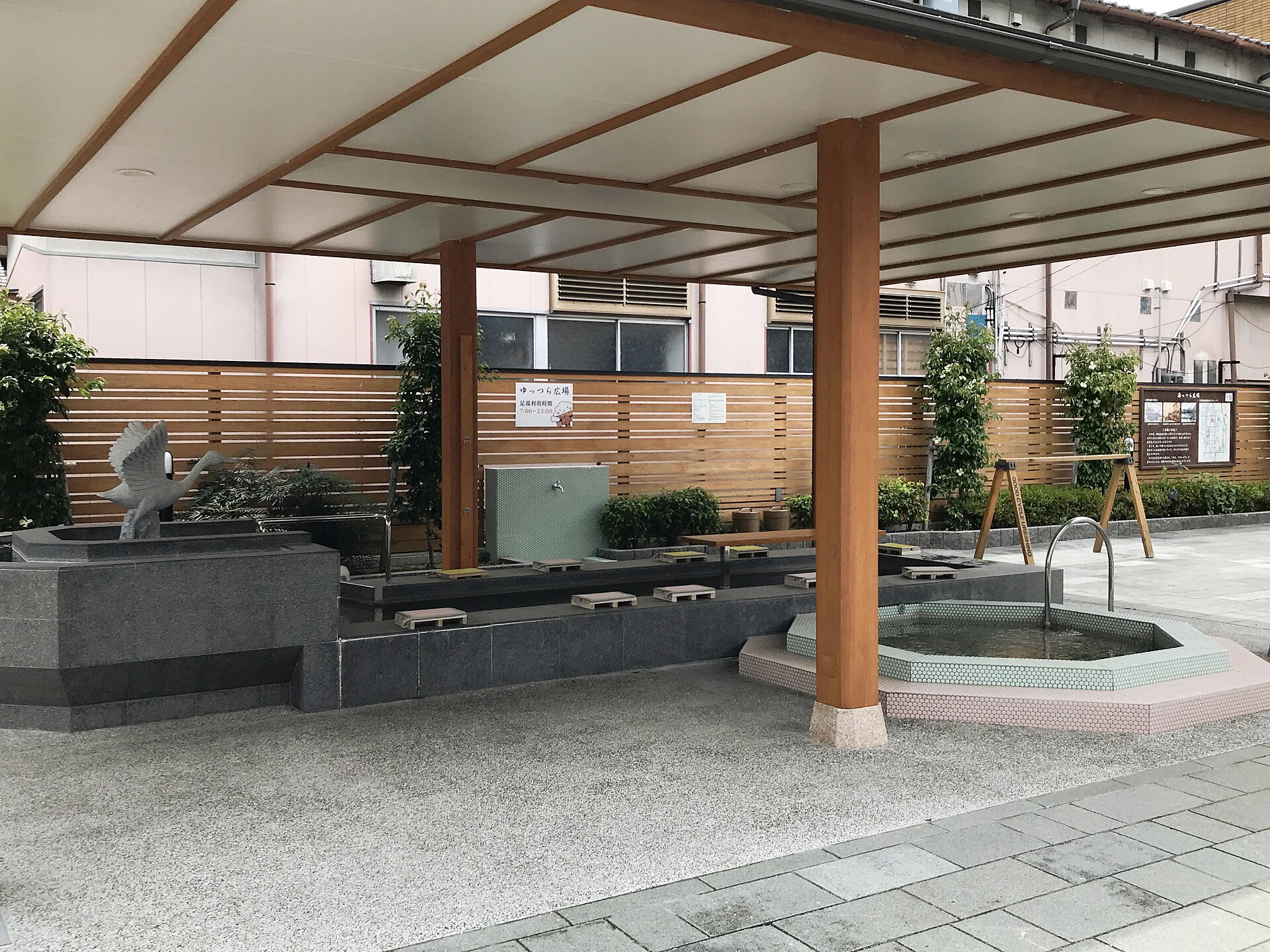
- The footbath on the main streetan open ashiyu fed by the same spring, free to sit at with your shoes off
- The yudofu restaurantstofu simmered in the spring water until it clouds, served along the same street
- The tea shopsUreshino tea from the hills behind the town, sold and poured in the town centre
How to actually get there
- Hakata → Takeo-Onsen (JR limited express, about an hour).
- Takeo-Onsen → Ureshino Onsen (JR bus, about thirty minutes), or one Shinkansen stop to Ureshino-Onsen Station.
- If you came by Shinkansen: station → town centre (about five minutes by taxi).
- Bathe at Siebold-no-Yu on the main street, then eat the onsen yudofu nearby.
- Change at Takeo-Onsen
- Takeo-Onsen is where the limited expresses from Hakata, about an hour away, hand over to the Nishi-Kyushu Shinkansen. From there a JR bus runs directly into the onsen town in about thirty minutes, or the Shinkansen takes one stop to Ureshino-Onsen Station. The bus puts you in the middle of the town; the train leaves a short taxi ride at the end.
- Return the same way through Takeo-Onsen
- Both the bus and the Shinkansen run back to Takeo-Onsen, where the limited expresses continue to Hakata. Buses use the Ureshino bus centre in the middle of the town, a few minutes on foot from the bathhouse. Evening services thin out, so read the last departure before settling into a long bath.
About the place
Ureshino sits in a valley in southwestern Saga, on the line of the old Nagasaki Kaido, with its inns gathered along one main street. The spring is classed as a sodium bicarbonate and chloride water, and it has the soft, slightly slippery feel that gives the town its reputation; Saga's tourism office groups it with Hinokami in Shimane and Kizuregawa in Tochigi as one of the three springs for the skin. The town is built for day visitors as much as for overnight ones. A municipal bathhouse stands in the middle of it, and a long list of ryokan sell single entries to their baths. The hills immediately behind are planted with Ureshino tea, and the same spring water is used in the kitchens to simmer tofu until it clouds and softens.
How to enjoy it
Siebold-no-Yu opens at 6:00 and takes its last entry at 21:30, so a bath before breakfast is possible without staying the night, and so is one after dinner. Private baths are booked by the hour rather than queued for. Tofu is served through the day and the tea shops keep ordinary shop hours, so even an afternoon arrival covers bath, tofu and tea in that order.
Background & history
The spring is old enough to appear in the Hizen no Kuni Fudoki, the provincial gazetteer compiled in the Nara period, which records a hot water in the east that cures people's illnesses. The place name is traced to a legend of Empress Jingu, who is said to have watched a crane rise from the water and exclaimed at the sight, and the exclamation stuck. In the Edo period Ureshino was a post town on the Nagasaki Kaido, the road that carried Dutch traders and their goods inland from Nagasaki. The public bathhouse takes its name from the physician Philipp Franz von Siebold, who travelled that road, and it reopened in 2010 in the form of the Taisho-era bathhouse that once stood here.
Before you go
- Cash
- Siebold-no-Yu charges 450 yen for adults and 220 yen for children. A private bath can be reserved at 2,500 yen for fifty minutes for up to five people, plus bathing tax. Day-use rates at the ryokan are set individually. Small tea and tofu shops are easier with cash.
- Good to know
- Siebold-no-Yu closes on the third Wednesday of each month, moving to the following day when that Wednesday is a public holiday. Ryokan day-bathing hours are set by each inn and are shorter than the public bathhouse's, so confirm before building a plan around one of them.
- Another way
- The Kyushu-go express bus runs from Fukuoka Airport to the Ureshino bus centre in about an hour and twenty minutes, which skips the change at Takeo-Onsen altogether and is worth checking if you are landing rather than arriving by rail.
- After you get off
- Ureshino-Onsen Station stands about 1.5 km northeast of the bathhouse, up out of the valley. A taxi covers it in about five minutes; on foot it is a walk of roughly twenty-five minutes, downhill on the way in.
Nearby notes
 Peka / CC BY-SA 4.0
Local life · Saga★★
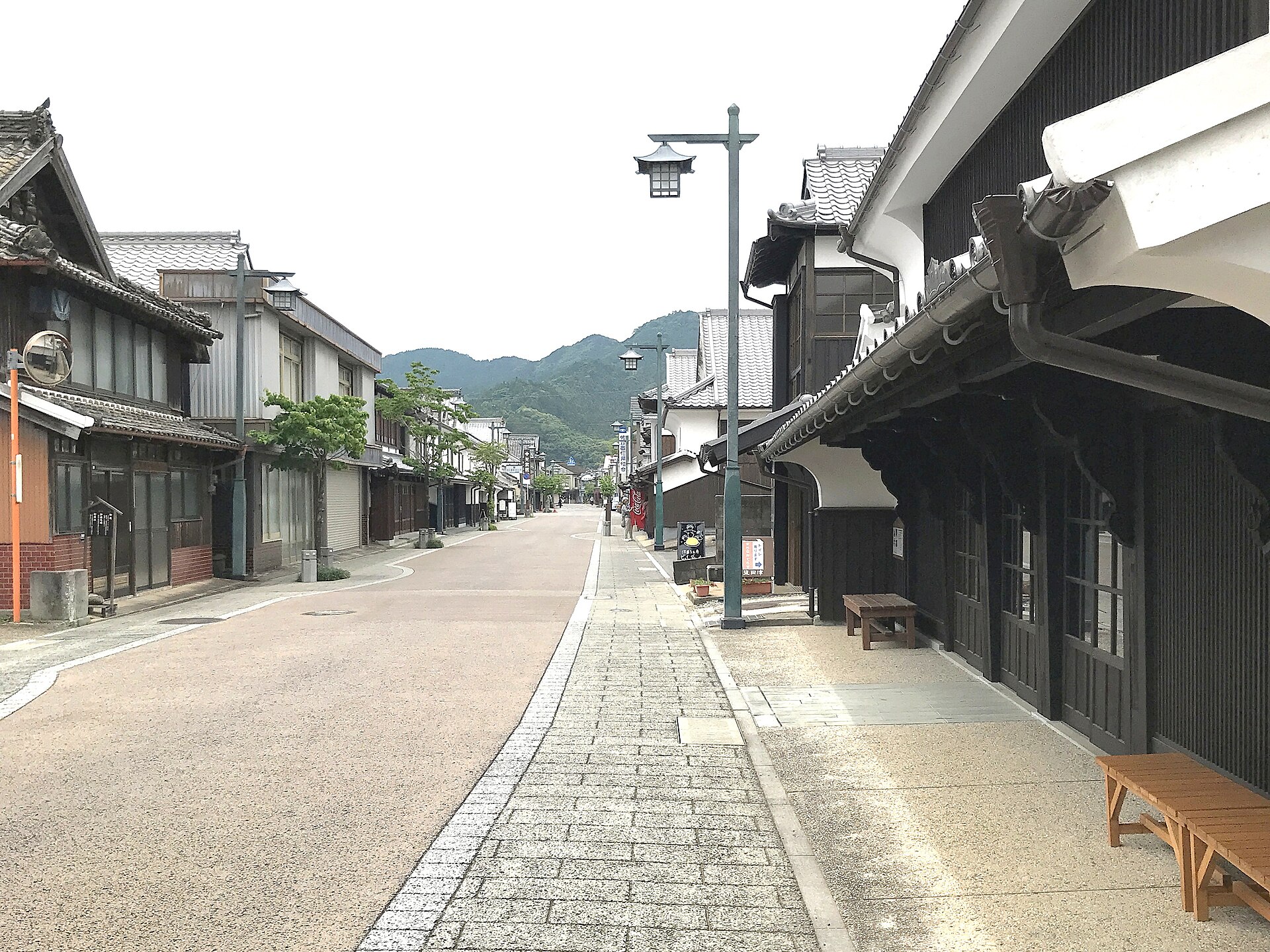
Shiotatsu
7.9 km · straight line
 STA3816 / CC BY-SA 4.0
Craft · Nagasaki★★
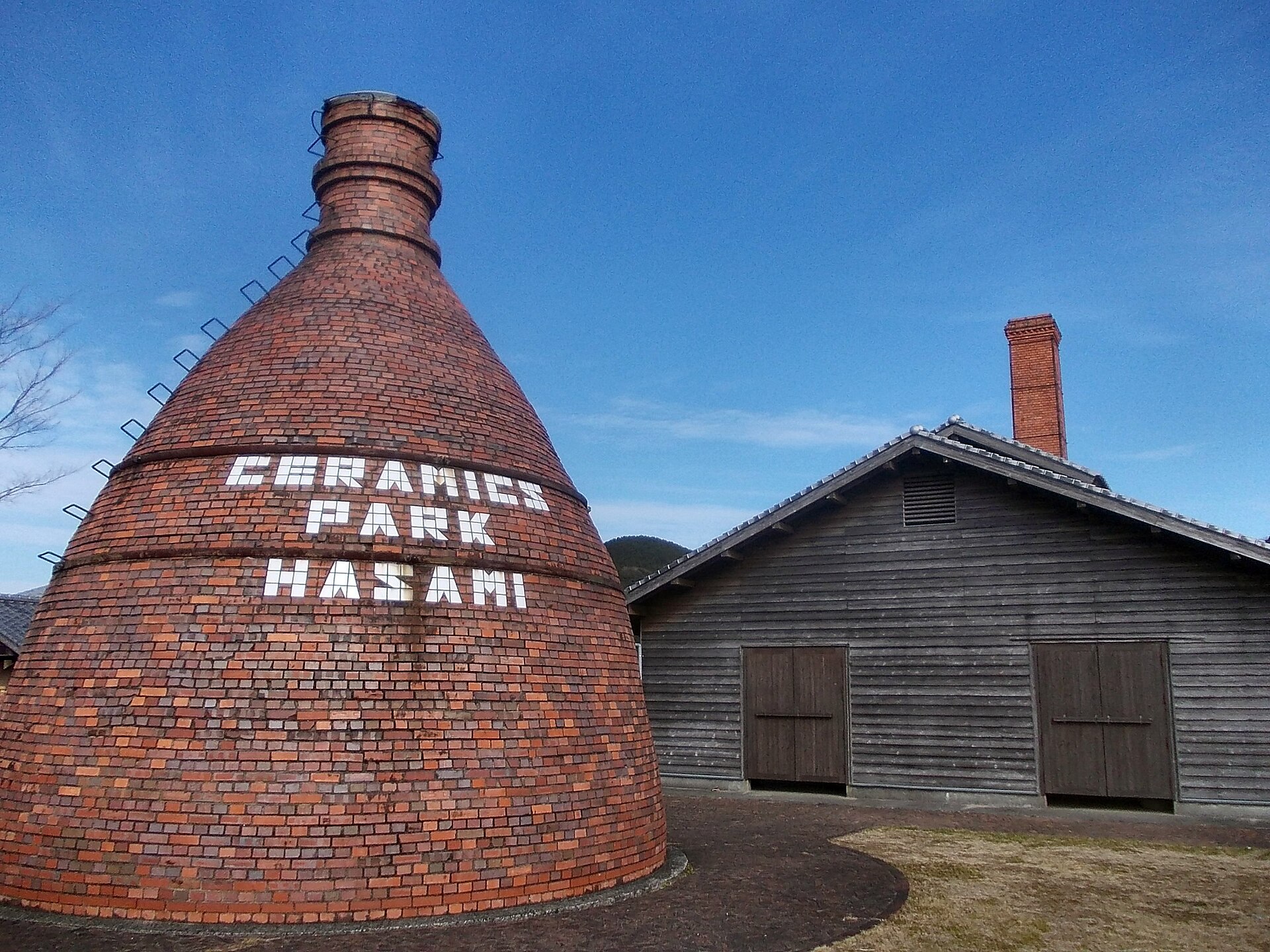
Hasami Porcelain Town
8.6 km · straight line
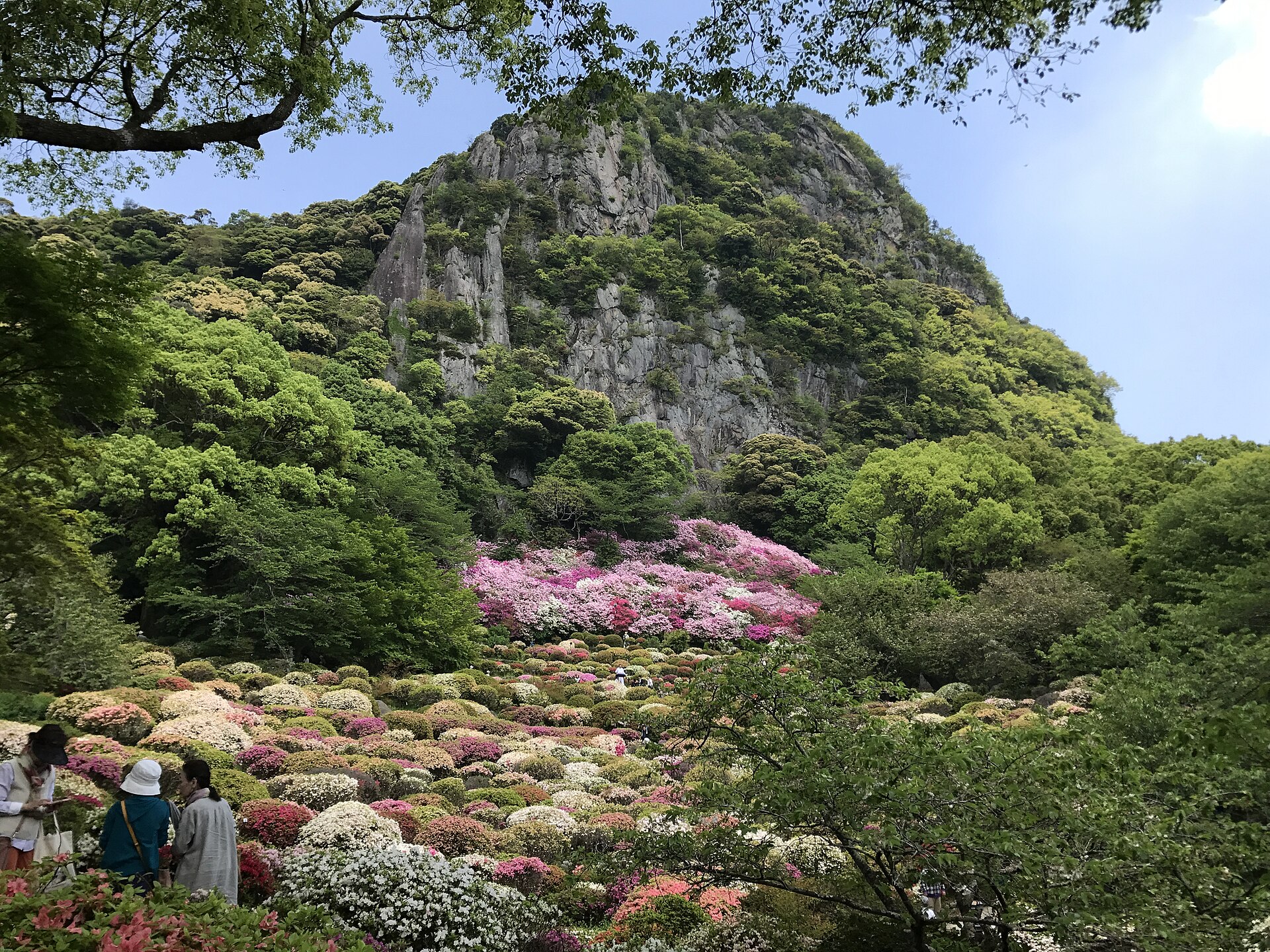 そらみみ / CC BY-SA 4.0
Nature · Saga★★★
Mifuneyama Rakuen
9.9 km · straight line
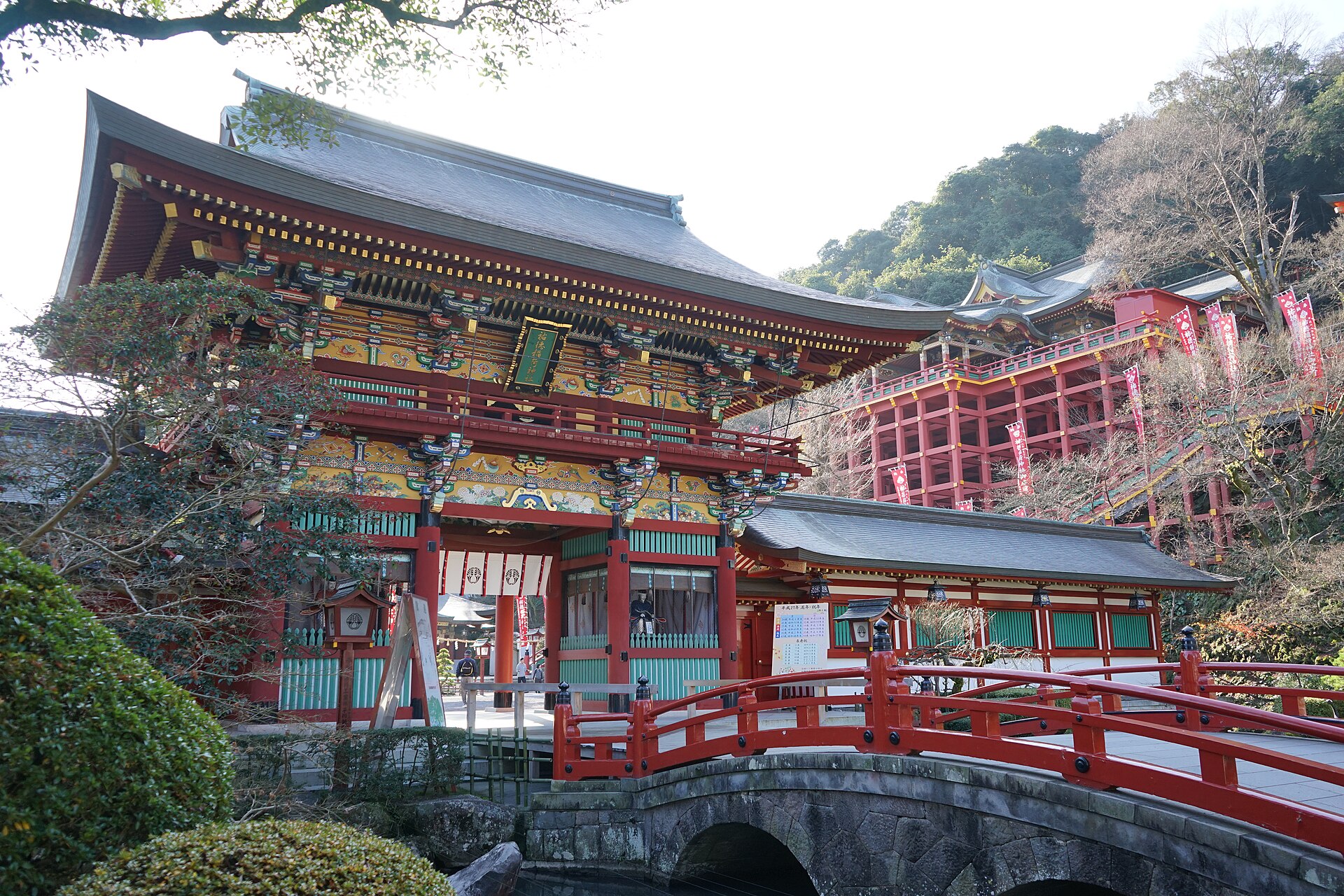 JNN360 / CC BY-SA 4.0
History · Saga★★★
Yutoku Inari Shrine
11.7 km · straight line
Distances are straight lines on the map, not travel times.