Yamanashi · Kofu and KaiNo.285★Open in map →
Shosenkyo
— the granite gorge above Kofu
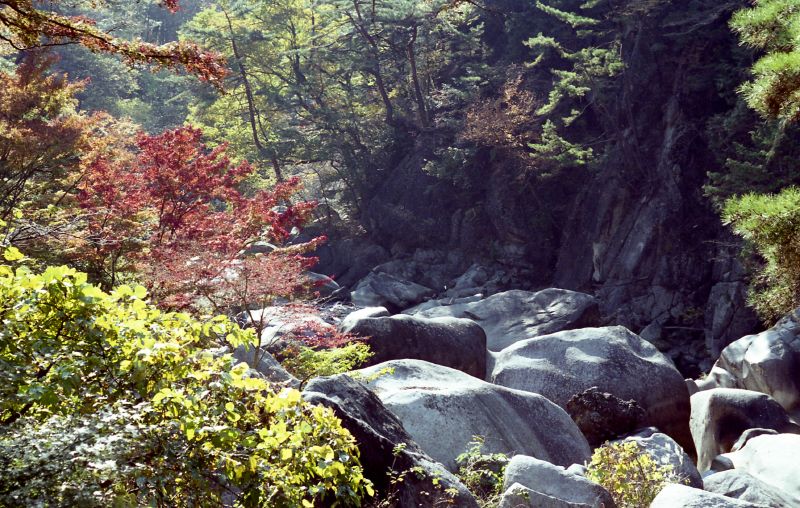
A gorge of weathered granite cliffs and strange rock forms in the hills above Kofu, Yamanashi. A nationally designated Special Place of Scenic Beauty, with the 180 m pillar of Kakuenpo and the 30 m Senga Falls at its head.
- FromShinjuku Stn
- ~2 hr 30 mintrain + bus (50 min from Kofu)
- Get off atShosenkyo Takiue bus stop
- On foot
- Shosenkyo
The sweet spot
Yamanashi's foreign traffic runs almost entirely to the Fuji Five Lakes, and the gorge on the other side of Kofu is a completely different landscape — vertical granite rather than a lake and a cone. It also carries the top national scenic designation, which fewer than a hundred places in Japan hold.
Where it is
18 more notes in Yamanashi · open the map →What to look for
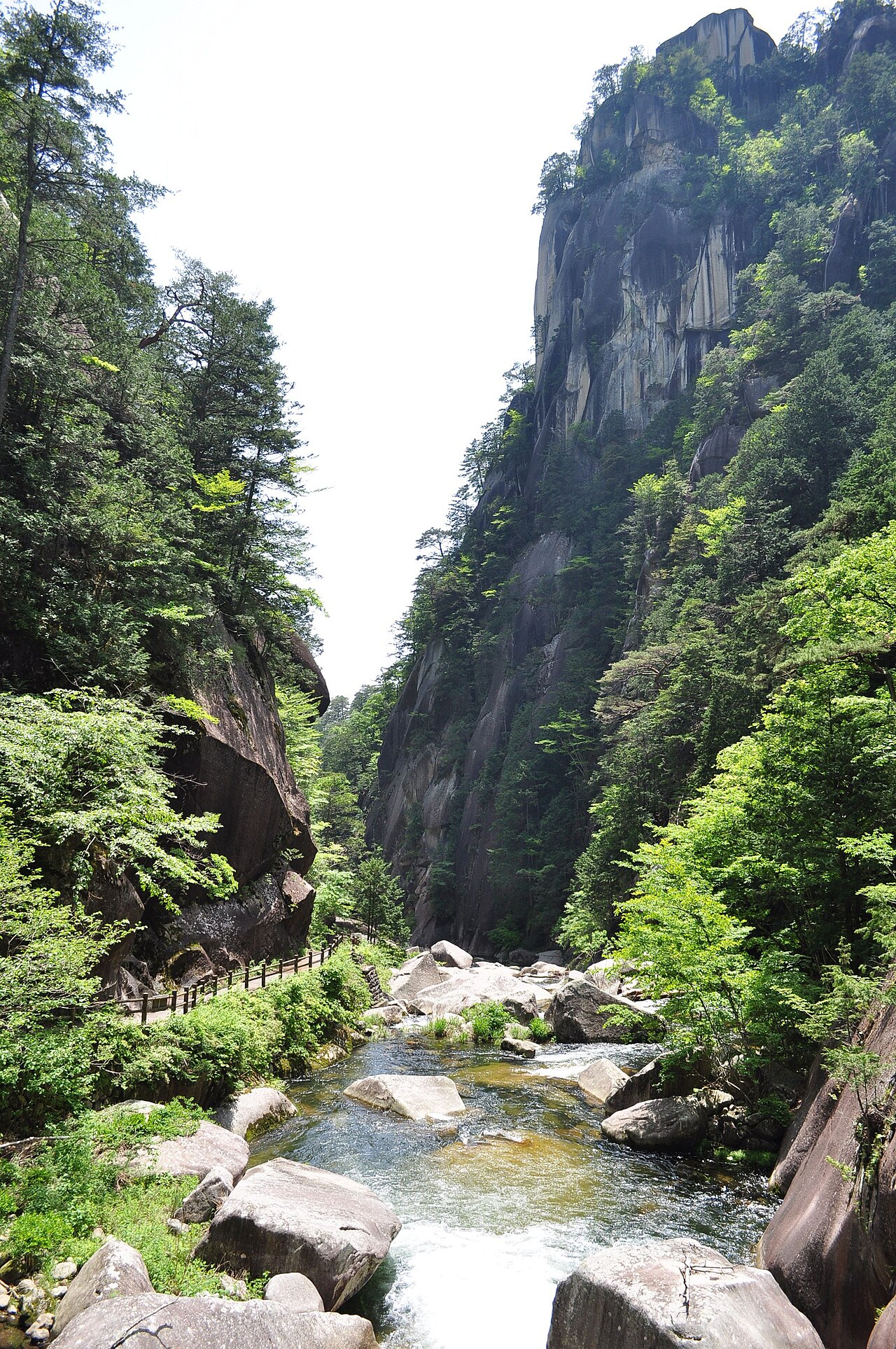
- Kakuenpoa granite pillar rising about 180 m, weathered out of the surrounding rock; named after the monk Kakuen, a disciple of Takuan, who trained at its summit
- Senga Fallsa 30 m fall at the head of the gorge below Kakuenpo, formed along a fault and still cutting into the granite
- Ishimona natural arch of enormous granite blocks — look closely and the tip does not quite touch the rock beside it
- Nagatoro Bridgecompleted in 1925, the oldest concrete arch road bridge in Yamanashi and a certified Civil Engineering Heritage since 2012; it marks the lower entrance to the gorge
- Tenkorina designated natural monument of Yamanashi Prefecture: stamp your foot on the ground here and it resonates like a drum
- Itajiki Gorge Otakia 30 m waterfall in the neighbouring Itajiki valley, for anyone with time to go further
How to actually get there
- Shinjuku Station → Kofu Station (JR Chuo Line limited express, ~90 min).
- Kofu Station → Shosenkyo Takiue bus stop (Yamanashi Kotsu bus, ~50 min).
- Shosenkyo Takiue → Senga Falls → Kakuenpo → Ishimon (walk down the gorge path).
- Limited express to Kofu + Yamanashi Kotsu bus
- Shinjuku Station →(JR Chuo Line limited express 'Azusa' / 'Kaiji', ~90 min)→ Kofu Station. From the station bus terminal, take the bus toward Shosenkyo, about 50 minutes to the Shosenkyo Takiue stop, which is right at the top of the gorge by Senga Falls. Buses are not frequent — check the timetable before you commit to a return time.
- Bus back to Kofu, then limited express to Shinjuku
- Return from Shosenkyo Takiue by bus to Kofu Station (~50 min), then the JR Chuo Line limited express to Shinjuku (~90 min). Service reduces significantly outside the autumn season, and the last bus down is early — confirm it at the stop on arrival.
About the place
Shosenkyo runs up into the mountains behind Kofu, in the Chichibu-Tama-Kai National Park, and the whole gorge is one long lesson in what water does to granite. The river has stripped the softer rock away and left the hard cores standing: sheer walls, isolated pinnacles, and a natural arch called Ishimon whose tip is very slightly separated from the rock beside it. The centrepiece is Kakuenpo, a granite pillar rising about 180 metres straight up, named for the monk Kakuen — a disciple of the Zen master Takuan — who is said to have practised at its summit. At the innermost end of the gorge, at the foot of Kakuenpo, Senga Falls drops 30 metres down a fault line, cutting into the granite face as it goes. The gorge won first place in the national scenic-spot poll in the ravine category and second in the Heisei Hyakkei list of a hundred landscapes, and it is designated a Special Place of Scenic Beauty — the highest national scenic classification. Autumn colour runs from mid-October to late November.
How to enjoy it
The easy version is to ride the bus all the way to Shosenkyo Takiue, walk straight down to Senga Falls, and work back through Ishimon and Kakuenpo at your own pace. The better version is to get off lower down at the gorge entrance and walk up — the road follows the river the whole way, so the rock formations arrive in sequence rather than all at once. Autumn colour peaks mid-October to late November and the buses fill accordingly; a weekday visit is a different place from a November Sunday.
Background & history
The gorge is carved out of a granite mass that has been weathered and eroded by the river over a long period, leaving the columns and cliff faces visible today; Senga Falls was formed where crustal movement produced a fault across the rock. The valley has been a place of religious practice as well as a scenic route — the name Kakuenpo records a monk who trained on top of the pillar. Modern access dates from the early twentieth century: Nagatoro Bridge at the mouth of the gorge was completed in 1925, is the oldest concrete arch road bridge in Yamanashi Prefecture, and was certified as a Civil Engineering Heritage in 2012. Downstream lies the Arakawa Dam, a rockfill dam holding 10.8 million tons of water.
Before you go
- Cash
- IC cards work on JR, but bring cash for the local bus and for the shops along the gorge. Entry to the gorge itself is free; the ropeway and some individual facilities charge separately. Parking at the gorge takes about 300 cars and 50 buses if you drive.
- Good to know
- Free to walk at any time, but the path is on rock beside a river — it is slippery after rain and unlit after dark. Peak autumn colour is mid-October to late November, when both the road and the buses are congested.
- Another way
- Get off lower down at the Shosenkyo entrance and walk the gorge upstream to Senga Falls, which is the classic way to see it in sequence. By car, take the Chuo Expressway to Kofu-Showa IC and drive up; the main parking is near the top of the gorge. The Itajiki valley next door is reachable only by car.
- After you get off
- Shosenkyo Takiue bus stop is directly at the upper end of the gorge — Senga Falls is a short walk down from it, with Kakuenpo and Ishimon further down the path.
Nearby notes
 Σ64 / CC BY 3.0
Onsen · Yamanashi★★
Hottarakashi Onsen
9.1 km · straight line
 Σ64 / CC BY 3.0
Food · Yamanashi★★★
Kikyo Shingen Mochi
14.3 km · straight line
 Asturio Cantabrio / CC BY-SA 4.0
Food · Yamanashi★★
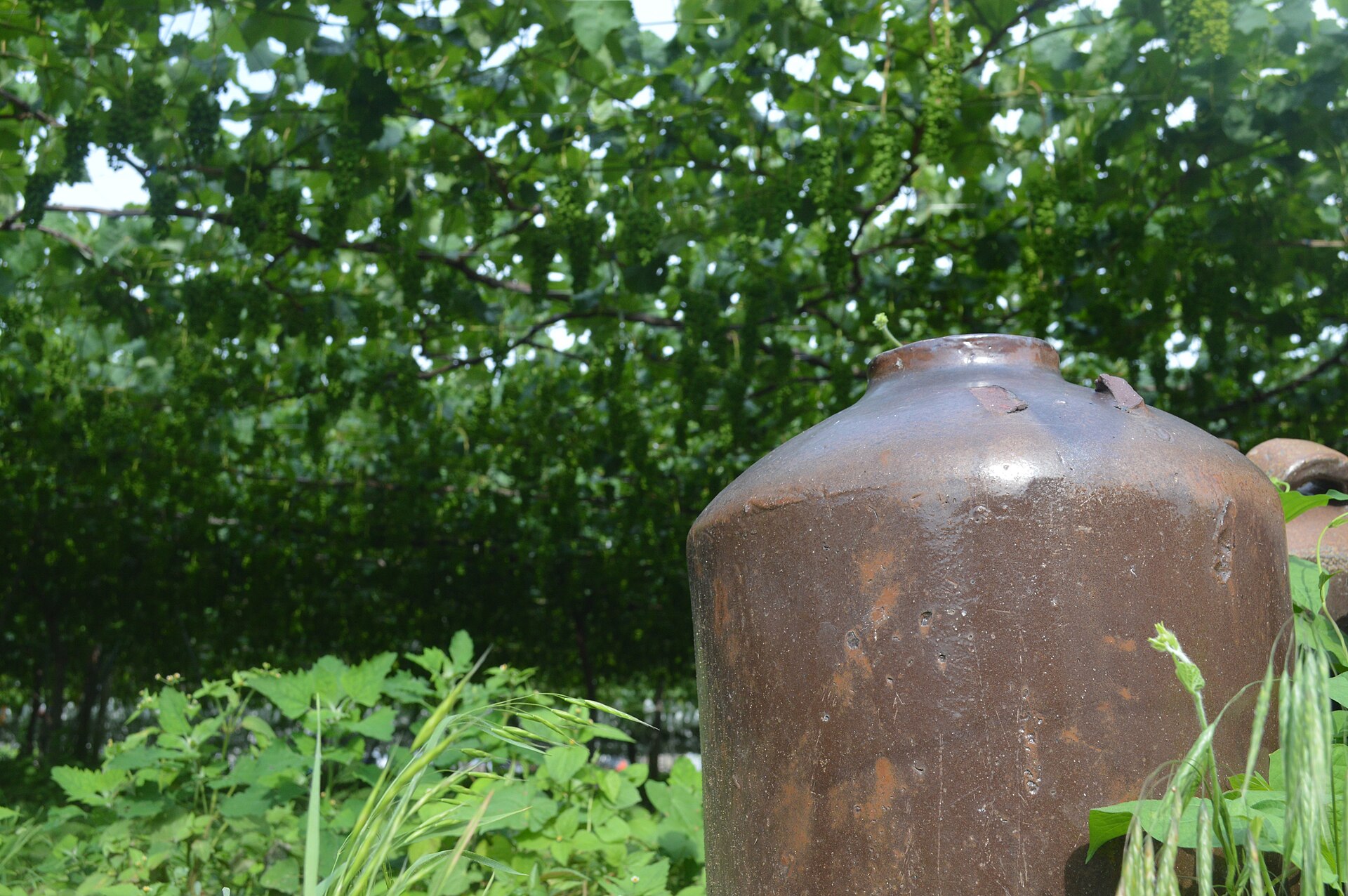
Koshu Wine
17.5 km · straight line
 663highland / CC BY-SA 4.0
Entertainment · Yamanashi★★
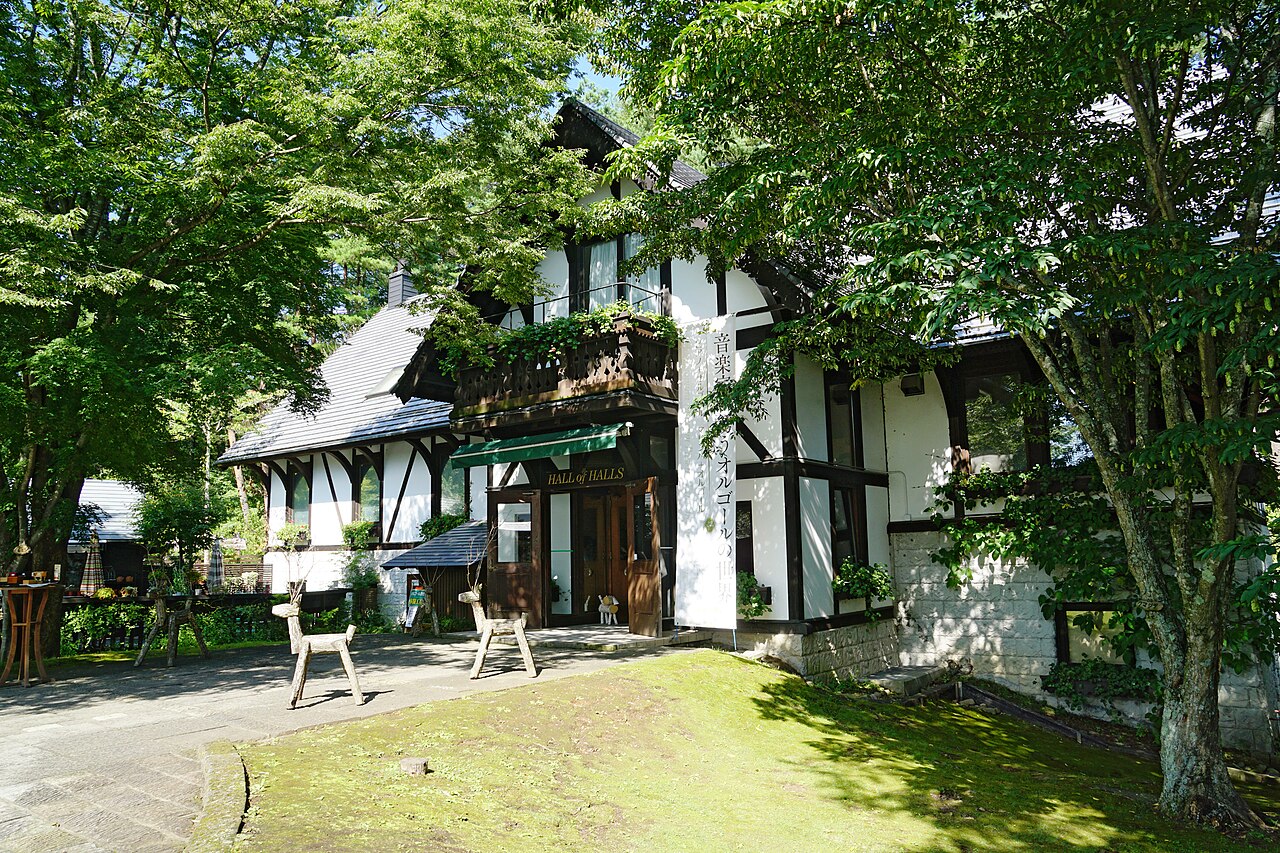
Kiyosato Highlands & Moegi Village
21.4 km · straight line
Distances are straight lines on the map, not travel times.