Tokyo East · SumidaNo.141★★★Open in map →
Jukken Bridge
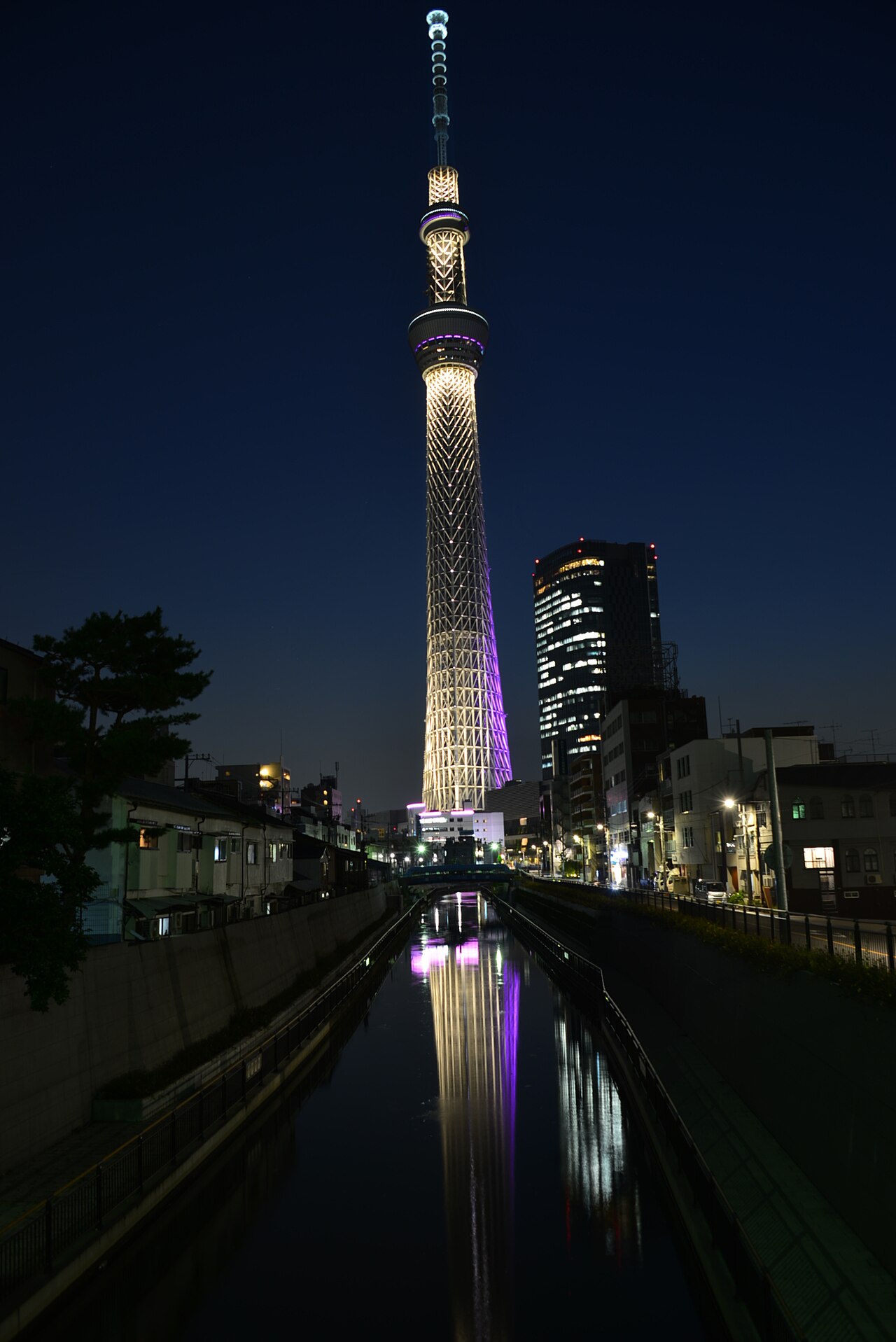
— where Skytree stands upside-down in the canal
A small bridge over the Kita-Jukken River in the Narihira area of Sumida ward, Tokyo — one of the city's best-known spots for photographing the Skytree tower mirrored in still water.
- FromTokyo Stn
- ~20 minmetro + JR (very frequent)
- Get off atOshiage (SKYTREE) Station
- On foot
- Jukken Bridge
Where it is
77 more notes in Tokyo · open the map →What to look for — in walking order
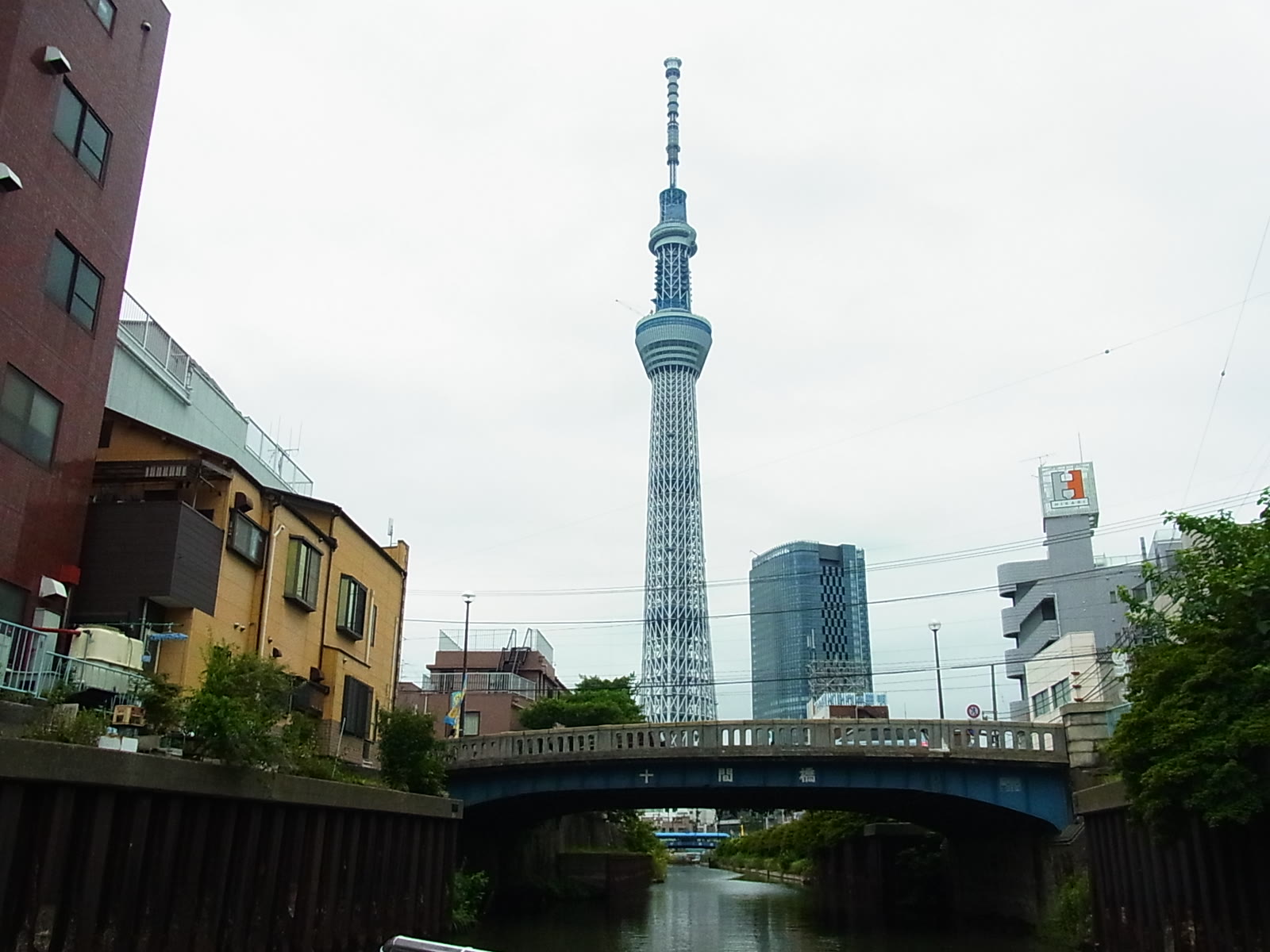
- Kita-Jukken Riverthe narrow canal that opens a straight line of sight toward the tower
- The Sakasa Skytree reflectionthe full tower mirrored in the canal on calm days — bridge and reflection in one frame
- Shitamachi settingquiet low-rise streets and old-downtown atmosphere surrounding the bridge
- Tokyo Skytree toweronly a 7–10 minute walk from the bridge, easy to combine
How to actually get there
- From Tokyo Station, take the JR Sobu Rapid Line to Kinshicho Station (~8 min).
- Change to the Tokyo Metro Hanzomon line, one stop to Oshiage (SKYTREE) Station (~3 min).
- From Oshiage Station, walk about 6-8 minutes to Jukken Bridge over the Kita-Jukken River.
- JR Sobu Rapid + Tokyo Metro Hanzomon line
- From Tokyo Station, take the JR Sobu Rapid Line to Kinshicho Station (about 8 minutes). Change to the Tokyo Metro Hanzomon line and ride one stop to Oshiage (SKYTREE) Station (about 3 minutes). From Oshiage, walk about 6-8 minutes to the bridge. Total about 20 minutes. Trains on both lines run very often, every few minutes.
- return
- Return the same way: walk back to Oshiage Station and take the Hanzomon line to Kinshicho, then the JR Sobu Rapid Line back to Tokyo Station. Trains run frequently into the late evening, so there is no need to rush.
About the place
Jukken Bridge crosses the Kita-Jukken River in Narihira, a low-rise residential neighbourhood in Sumida ward, a short walk south of Tokyo Skytree. The bridge sits near where two canals meet, opening a straight view up the water toward the tower. On calm, windless days the water goes glassy and the whole tower appears reflected below it — photographers call this the "Sakasa Skytree" (upside-down Skytree), a name that echoes the older "Sakasa-Fuji" (upside-down Mount Fuji). Most visitors walk straight to the tower entrance and never turn south toward the canal, so the bridge keeps a quiet shitamachi feel, surrounded by ordinary houses and back streets.
How to enjoy it
Come on a windless day when the water is calm enough to hold a clean reflection. Early morning or after dark during a tower light-up are the classic choices. A wide-angle lens helps fit both the tower and its full mirror image into a single frame. Wind or a passing boat breaks the reflection quickly, so timing matters.
Background & history
The bridge was built in 1939. Its name comes from the river it crosses: the waterway was roughly ten ken wide (a ken is an old Japanese unit of just under two metres), so it was named the Kita-Jukken (North Ten-Ken) River, and the crossing took the name Jukken Bridge. It was an ordinary neighbourhood bridge until the Tokyo Skytree opened in 2012, when the tower's reflection in the canal turned it into a sought-after photo spot.
Before you go
- Cash
- The JR line and Tokyo Metro both accept IC cards (rechargeable transit cards such as Suica or PASMO) and cash. The bridge itself is a public street, so there is nothing to pay to stand on it.
- Good to know
- Wind or a passing boat breaks up the reflection quickly, so a calm, windless day is best. On weekends and during special tower light-ups the bridge can get busy with photographers.
- Another way
- The Tokyo Skytree tower and the Solamachi shopping complex at its base are only a 7-10 minute walk away, so the bridge pairs easily with a visit to the tower.
- After you get off
- From Oshiage (SKYTREE) Station, walk about 6-8 minutes to the Kita-Jukken River. The bridge is on level paved streets among ordinary houses, with the canal path leading up to it.
Nearby notes
 VaneTrz20 / CC0
Local life · Tokyo★★★
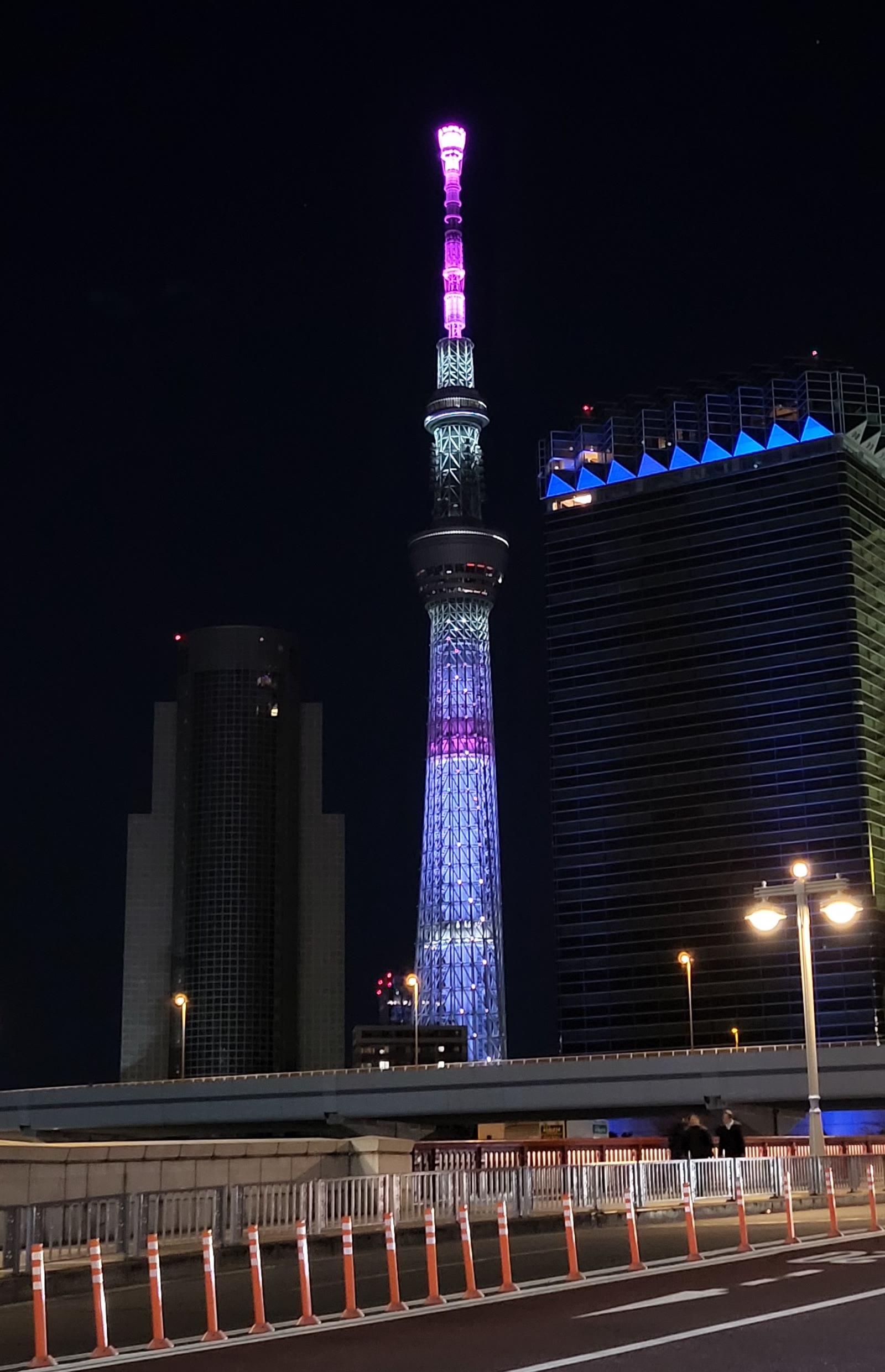
Tokyo Skytree
0.7 km · straight line
 Hal 0005 / CC BY-SA 4.0
Nature · Tokyo★★
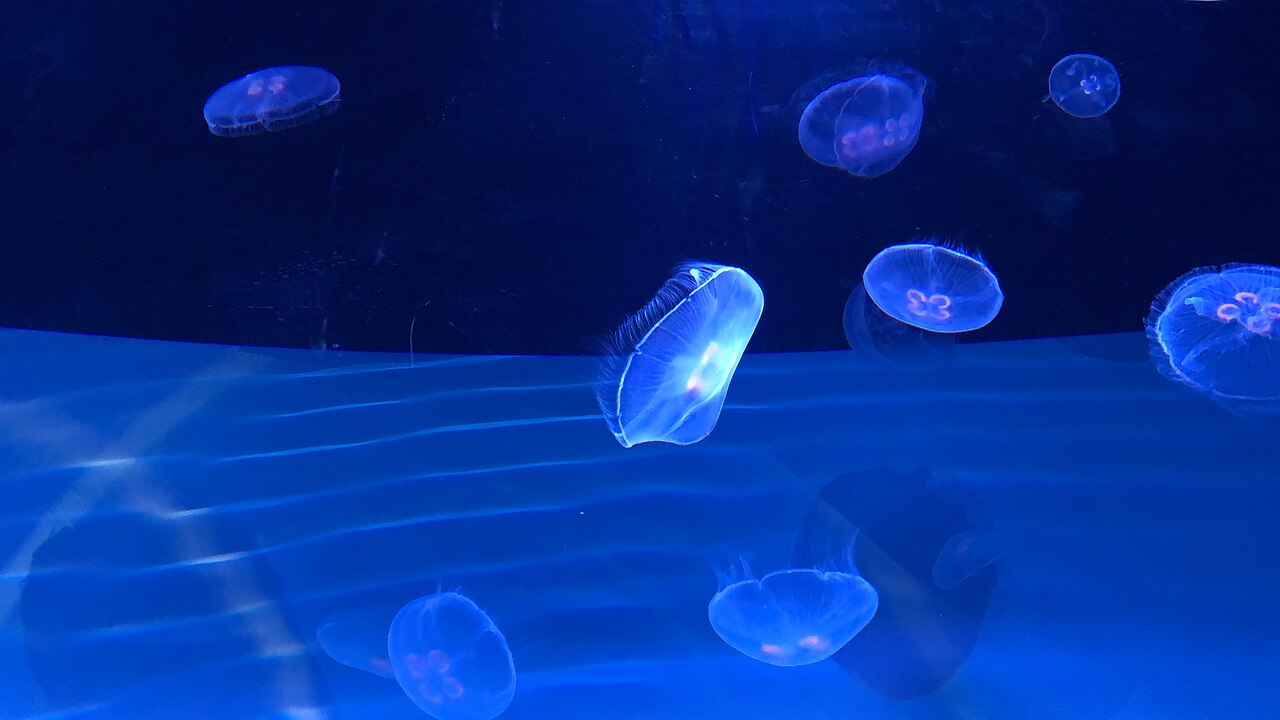
Sumida Aquarium
0.8 km · straight line
 Ray in Manila / CC BY 2.0
History · Tokyo★★★
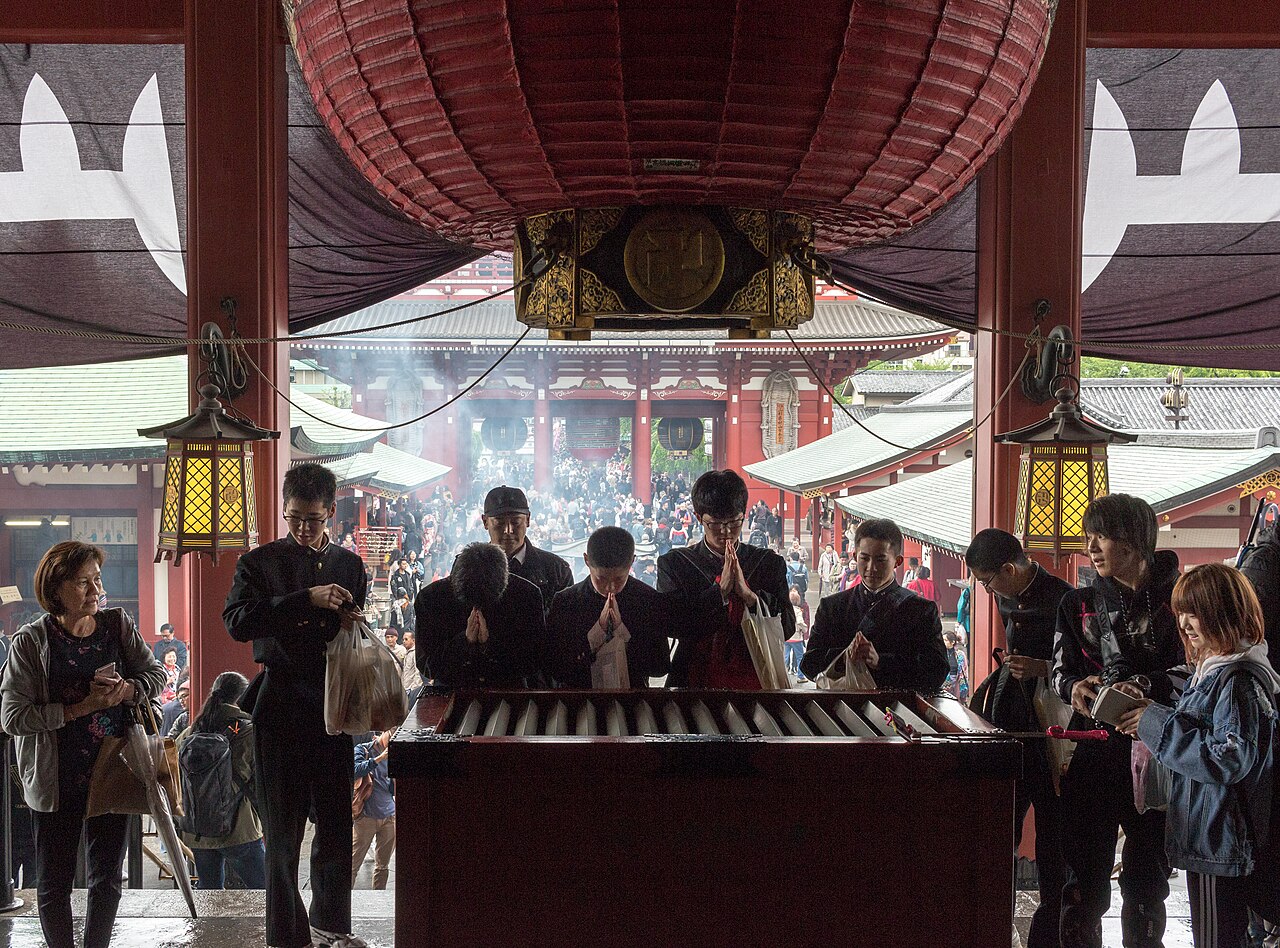
Senso-ji
2.1 km · straight line
 Wiiii / CC BY-SA 3.0
Culture · Tokyo★★★
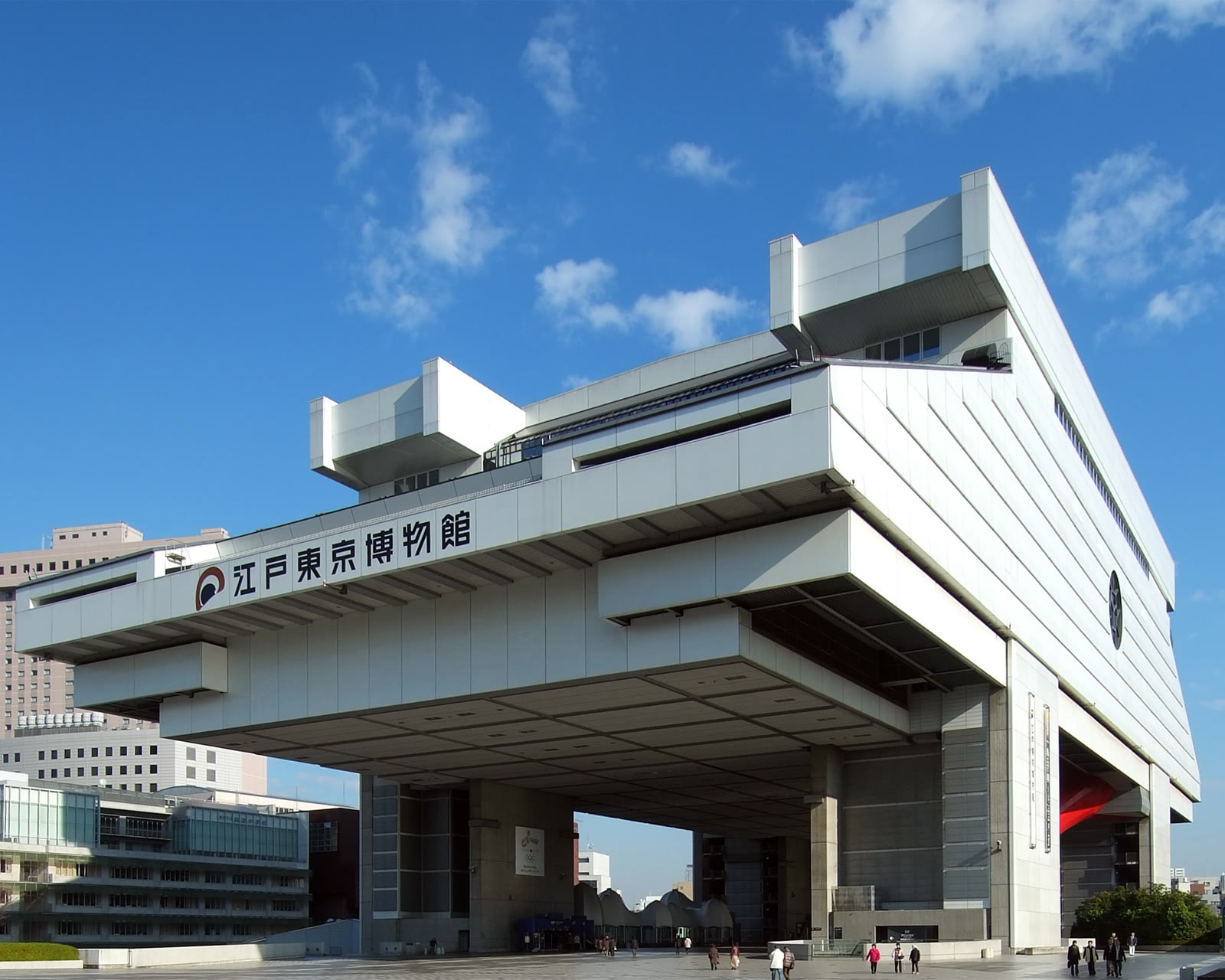
Edo-Tokyo Museum
2.4 km · straight line
Distances are straight lines on the map, not travel times.