Tokyo · Ryogoku / SumidaNo.220★★★Open in map →
Edo-Tokyo Museum
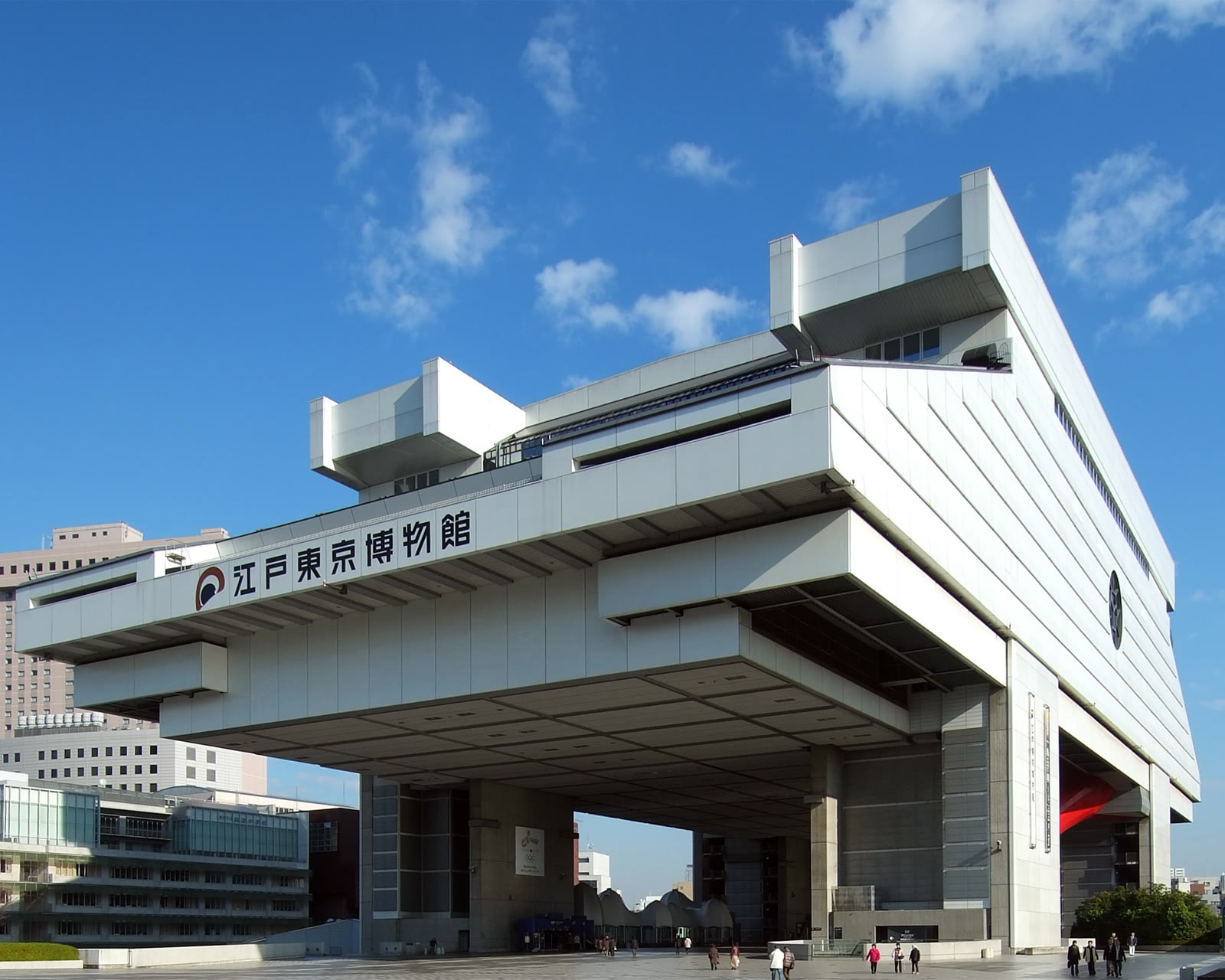
A large history museum in Ryogoku, Sumida ward, tracing Tokyo's 400-year development from the Edo period to the present. Reopened March 2026 after a four-year renovation. Notable for full-scale Edo reconstructions including a walkable Nihonbashi bridge replica.
- FromTokyo Stn
- ~15 minJR (frequent)
- Get off atRyogoku Station (JR Sobu Line, West Exit)
- On foot
- Edo-Tokyo Museum
Where it is
77 more notes in Tokyo · open the map →What to look for — in walking order
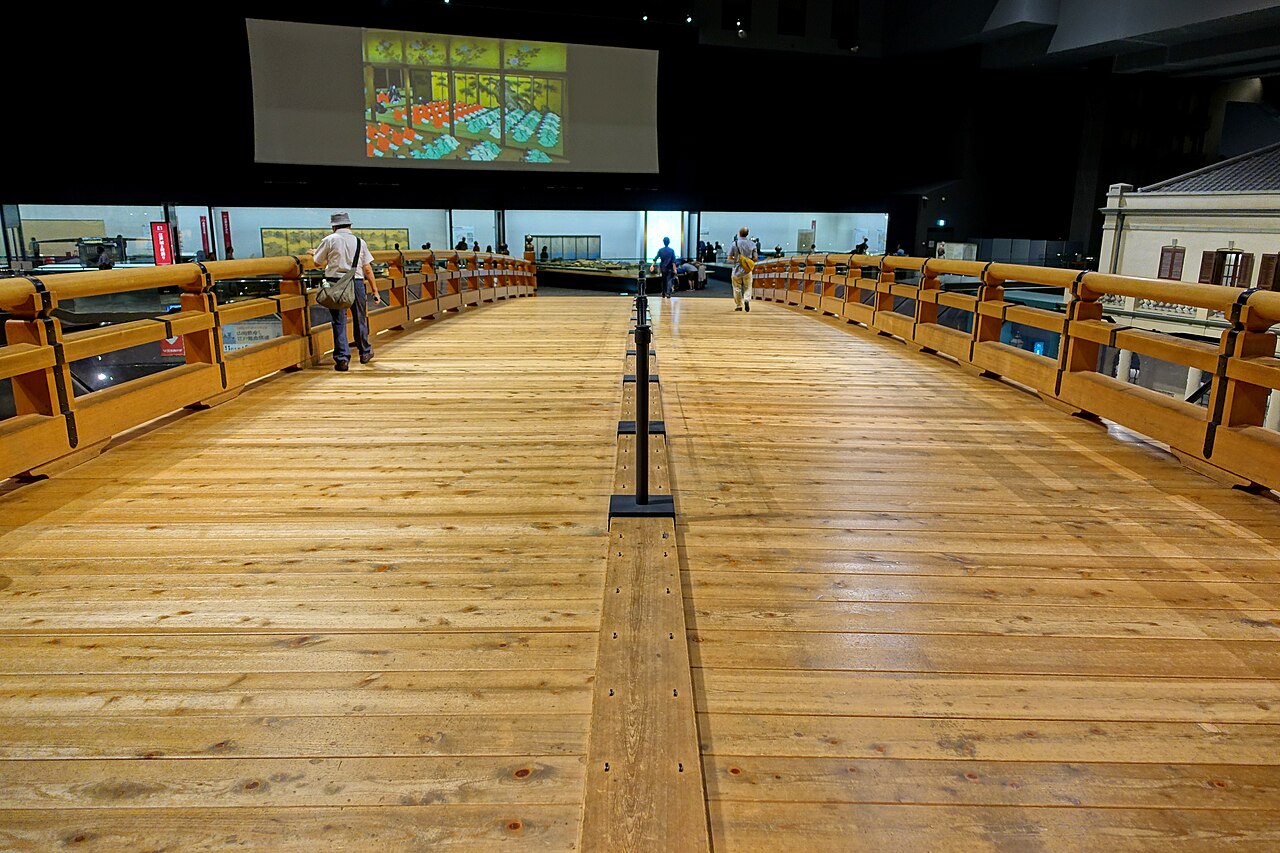
- Nihonbashi bridge replicaa walkable full-scale wooden reproduction of the original Nihonbashi, the zero-point of Edo's road system
- Edo townscape and merchant quarterreconstructed street facades and stalls showing the layout of an Edo neighbourhood
- Nakamura-za Kabuki theatre facadea full-scale reproduction of the front of Edo's famous Kabuki theatre
- Meiji and modern Tokyo sectionsscale models and artefacts tracking the city from the 1868 westernisation through post-war reconstruction to the 1964 Olympics era
How to actually get there
- Tokyo Station → Ryogoku Station (JR Sobu Line, ~10 min; West Exit)
- Ryogoku Station West Exit → Edo-Tokyo Museum entrance (walk north ~3 min)
- Start at 6th floor (Edo period) → walk across the Nihonbashi bridge replica → continue to 5th floor (Meiji to present)
- Tokyo Stn →(JR Sobu Line)→ Ryogoku Stn (West Exit), then walk ~3 min
- From Tokyo Station, take the JR Sobu Line to Ryogoku Station (about 10 min). Leave by the West Exit and walk north about 3 minutes; the museum building on stilts is visible from the station. Total about 13–15 min.
- Return from Ryogoku Station West Exit
- Walk 3 minutes south back to Ryogoku Station for the JR Sobu Line toward Tokyo Station and Shinjuku, or take the Toei Oedo Line (separate platforms) for the west and south. Both run frequently until late evening.
About the place
The Edo-Tokyo Museum opened in 1993 in the Ryogoku district of Sumida ward, a short walk from the sumo arena Ryogoku Kokugikan. It closed in June 2022 for a large-scale renovation and reopened on 31 March 2026. The museum occupies a distinctive building designed by architect Kikutake Kiyonori, elevated on massive pillars to resemble the raised structure of an old warehouse or castle. Its permanent exhibition spans the 400-year history of Tokyo from the Edo period (1603–1867) through to the present, using full-scale reconstructions, scale models, and period artefacts. A life-size reproduction of the original Nihonbashi bridge — the centre-point of Edo's road network — sits in the middle of the exhibition floor and can be walked across.
How to enjoy it
Allow at least 2 hours. The permanent exhibition covers the 6th floor (Edo period) and 5th floor (Meiji to present); start on the 6th floor and walk across the Nihonbashi bridge replica to get to the Edo townscape. Audio guides in English are available for hire at the entrance. The museum cafeteria on the lower floors is a practical option for lunch in the Ryogoku area.
Background & history
Edo, as Tokyo was known until 1868, was the seat of the Tokugawa shogunate and grew into one of the world's largest cities. The museum's collection traces this transformation: from the Edo-era townscapes of merchants and artisans, through the Meiji-era opening to Western culture, the 1923 Great Kanto Earthquake, the 1945 air raids, and the post-war reconstruction. The 2022–2026 renovation upgraded accessibility and expanded and renewed the permanent displays, including a new full-scale model of the Hattori Clock Shop (forerunner of Seiko) and expanded Edo street stall sections.
Before you go
- Cash
- General admission to the permanent exhibition is 800 yen for adults, 480 yen for university students, 400 yen for seniors (65+), 300 yen for high school students; junior high school and younger are free (prices as at reopening in 2026 — confirm on the museum's official website before visiting). Special exhibitions are separately priced. IC transit cards work on all connecting trains.
- Good to know
- Closed on Mondays (if a Monday is a national holiday, the museum opens that day and closes the following Tuesday instead) and 28 December to 3 January. Special exhibitions may have different hours.
- Another way
- The Toei Oedo Line also serves Ryogoku Station (about a 5-minute walk to the museum) — useful from Shinjuku or Daimon.
- After you get off
- From Ryogoku Station West Exit (JR Sobu Line), walk north about 3 minutes; the raised building on concrete pillars is the Edo-Tokyo Museum.
Nearby notes
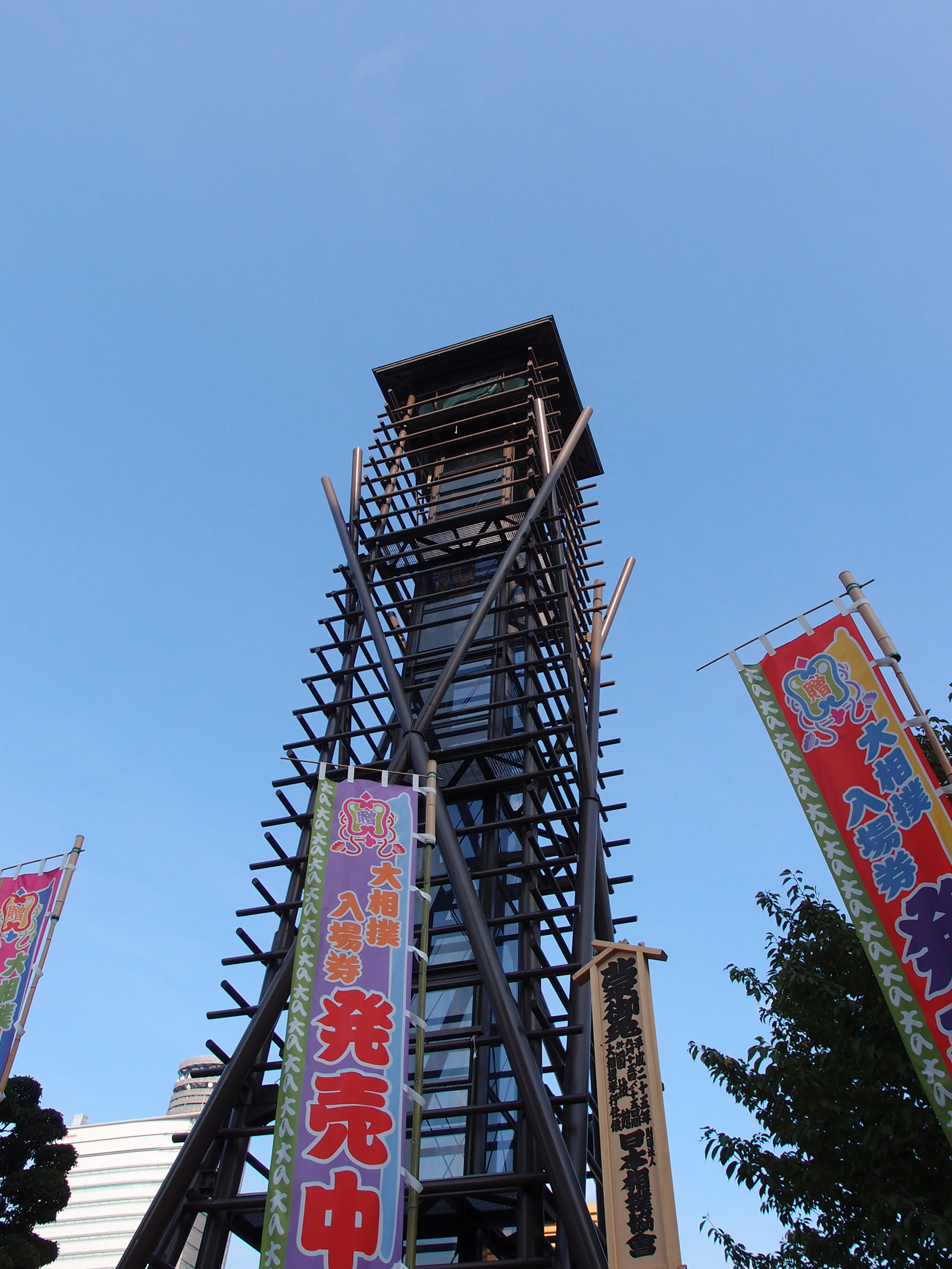 Guilhem Vellut / CC BY 2.0
Culture · Tokyo★★★
Ryogoku Kokugikan
0.1 km · straight line
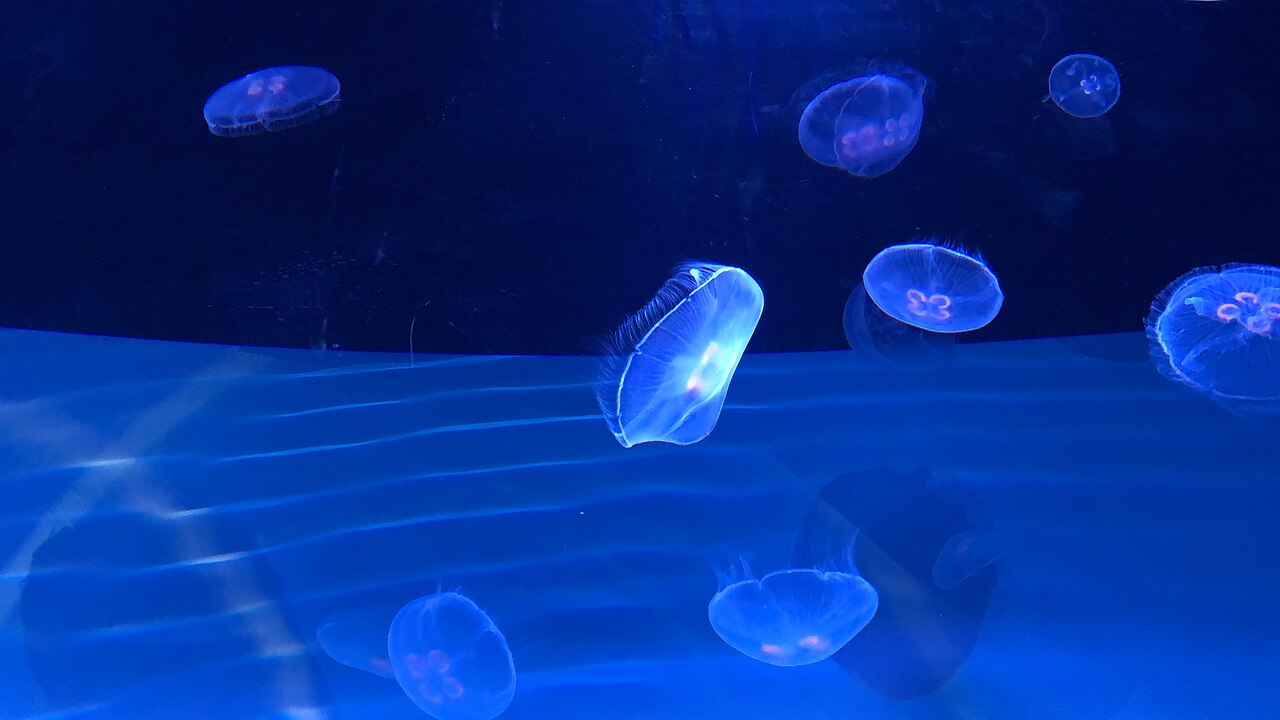 Hal 0005 / CC BY-SA 4.0
Nature · Tokyo★★
Sumida Aquarium
1.9 km · straight line
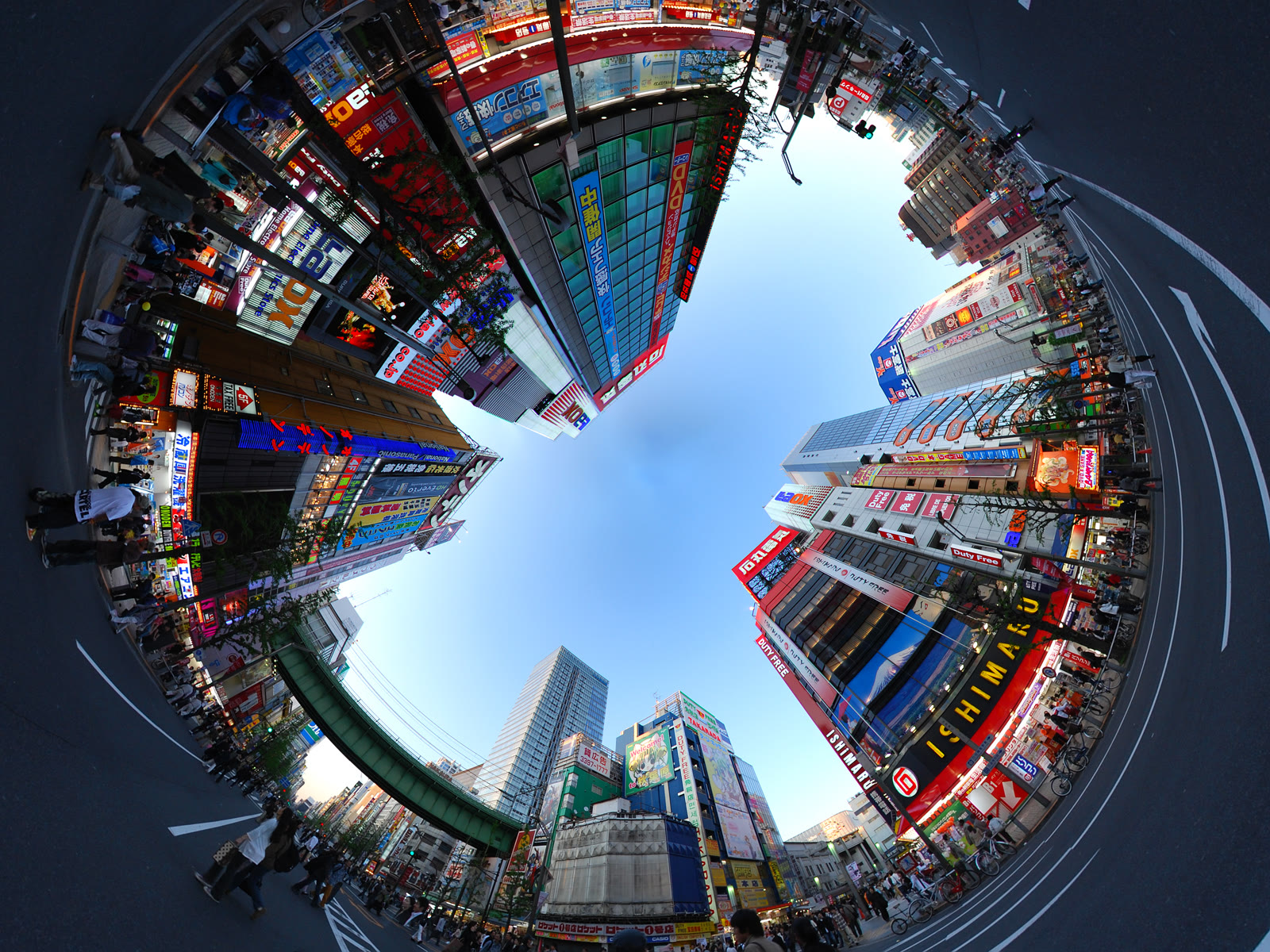 https://www.flickr.com/photos/heiwa4126 / CC BY 2.0
Local life · Tokyo★★
Akihabara
2.0 km · straight line
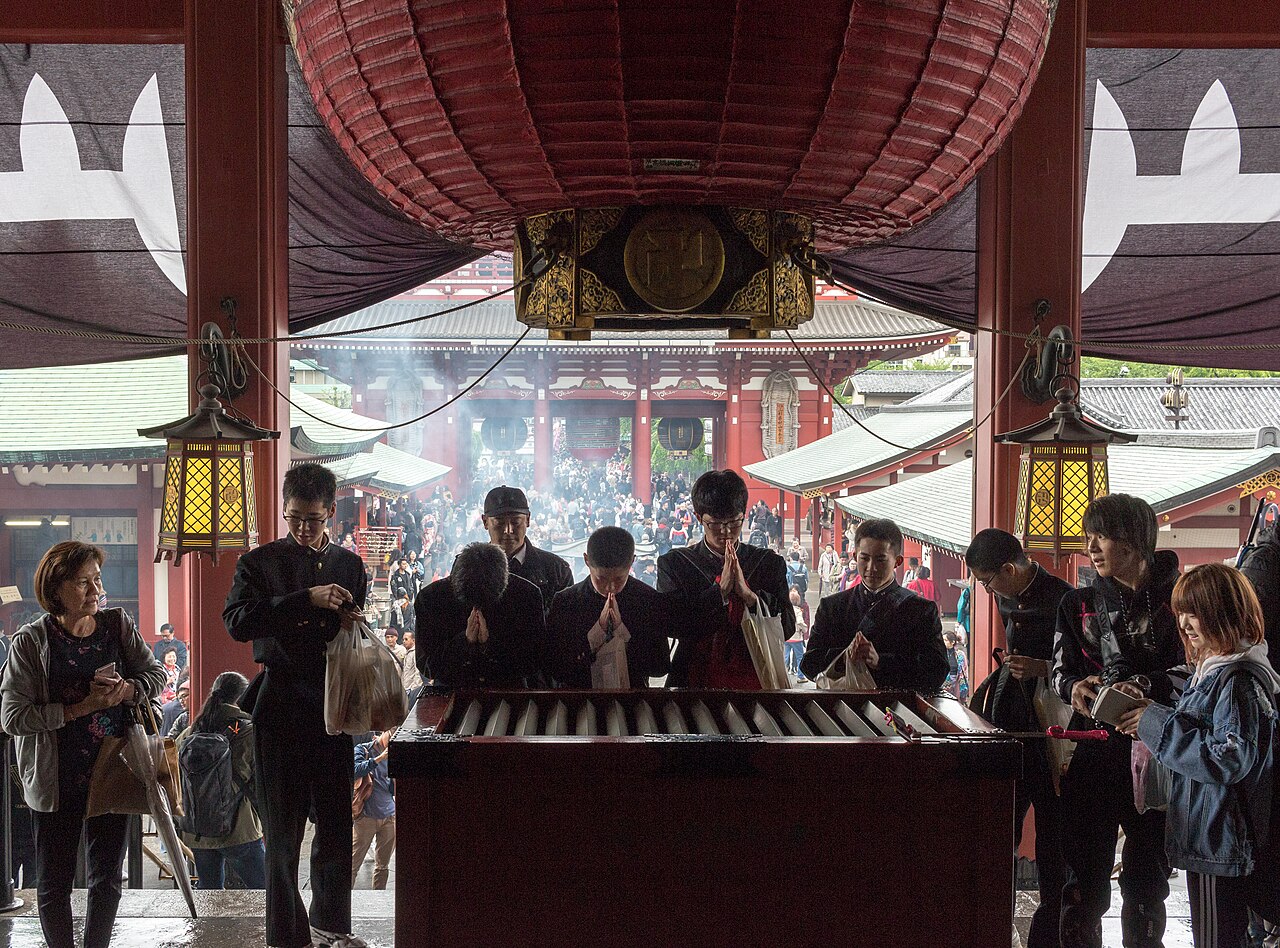 Ray in Manila / CC BY 2.0
History · Tokyo★★★
Senso-ji
2.0 km · straight line
Distances are straight lines on the map, not travel times.