Tokyo · Ryogoku / SumidaNo.251★★★Open in map →
Ryogoku Kokugikan
— Japan's national sumo arena
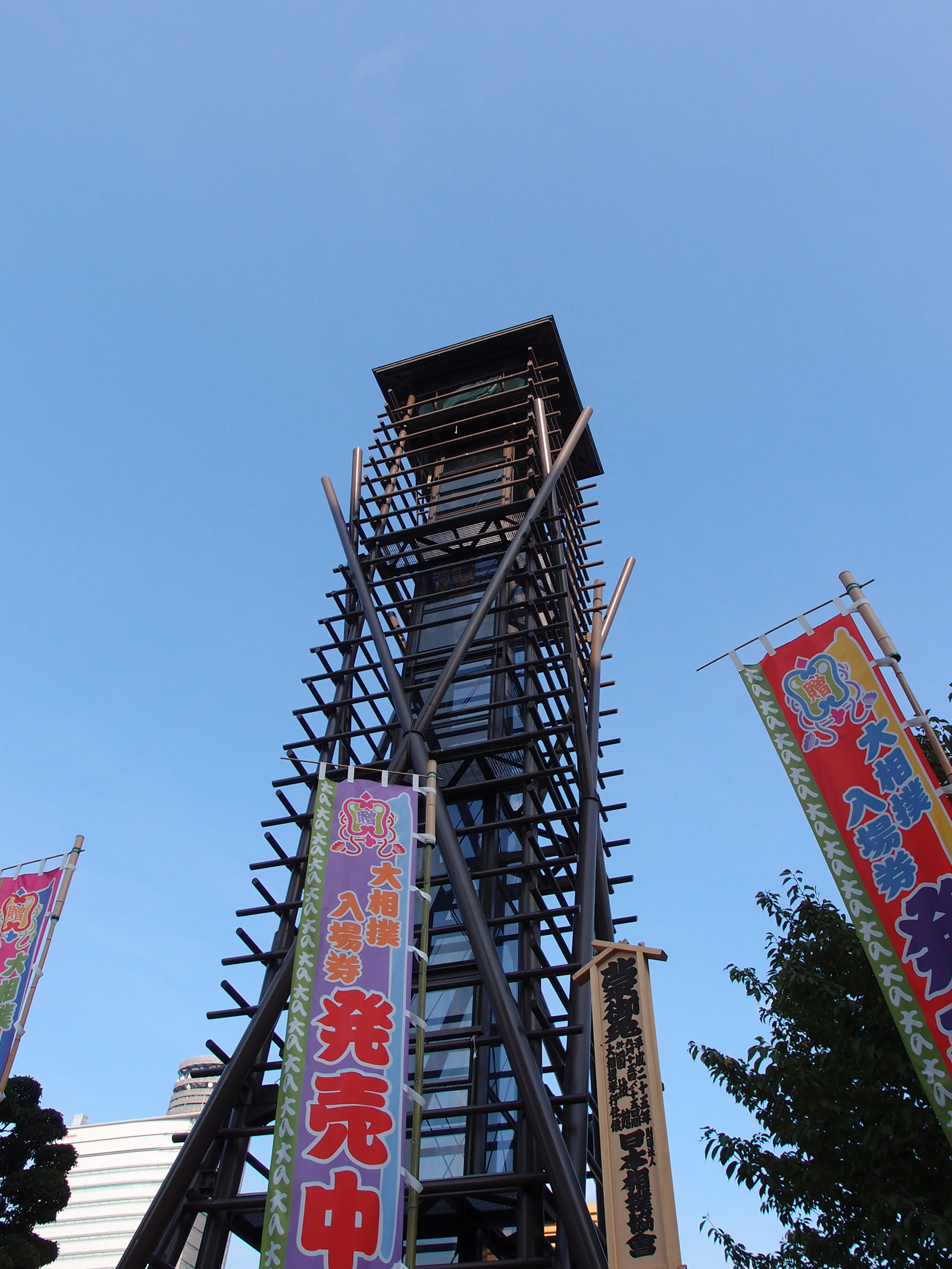
Japan's main sumo arena in the Ryogoku district of Sumida, eastern Tokyo. Three 15-day Grand Tournaments are held here each year (January, May, September); the on-site Sumo Museum is free on most weekdays.
- FromTokyo Stn
- ~15 minJR (frequent)
- Get off atRyogoku Station (JR Sobu Line, West Exit)
- On foot
- Ryogoku Kokugikan
Where it is
77 more notes in Tokyo · open the map →What to look for — in walking order
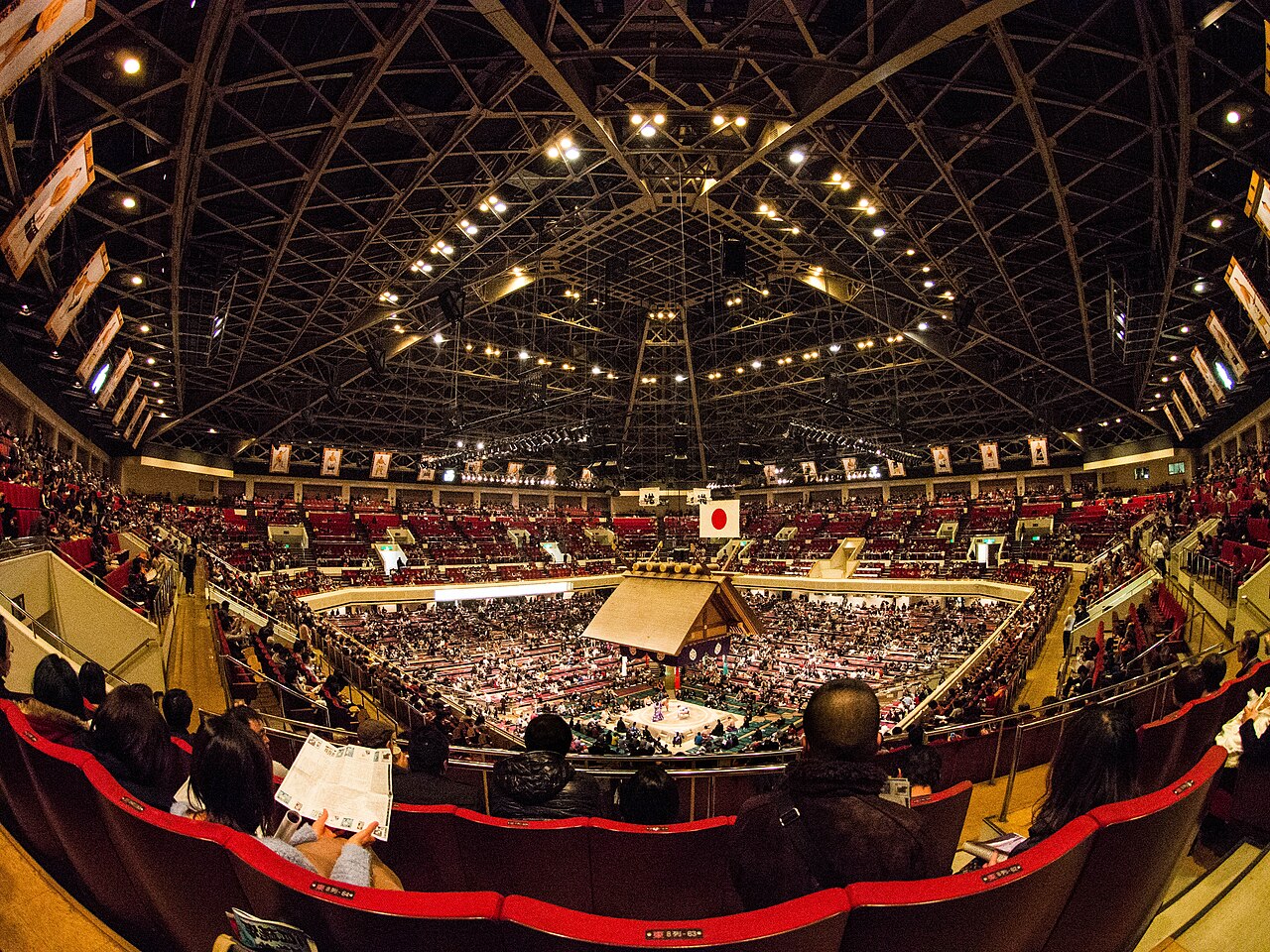
- Grand Tournament (basho) in the arenathree 15-day tournaments per year: January, May, September; bouts start from early morning, intensify to the top division matches from ~15:30
- Sumo Museum (inside the Kokugikan)free entry most days; woodblock prints, kesho-mawashi (ceremonial aprons), champion portraits; open even outside tournament periods
- Sumo stable district nearbymost of Tokyo's active training stables (heya) are in Ryogoku; wrestlers in yukata are a familiar sight in the mornings during tournaments
- Eko-in plaquea few minutes' walk away, the site of the outdoor sumo tournaments of the Edo period
How to actually get there
- Tokyo Station → Ryogoku Station (JR Sobu Line, ~10 min; West Exit)
- Ryogoku Station West Exit → Kokugikan arena entrance (walk ~2 min)
- Visit the Sumo Museum (free, ground floor) — or enter the tournament arena if a basho is running
- Tokyo Stn →(JR Sobu Line, rapid or local)→ Ryogoku Stn (West Exit), ~15 min total
- From Tokyo Station, take the JR Sobu Line (rapid or local, both stop at Ryogoku) to Ryogoku Station (about 10 min). Leave by the West Exit; the Kokugikan is directly in front, about a 2-minute walk. Trains run every few minutes. The Toei Oedo Line also serves Ryogoku Station (separate platforms), about a 5-minute walk from the West Exit, if you are coming from the west or south.
- Return from Ryogoku Station (JR West Exit or Oedo Line)
- Walk back 2 minutes to Ryogoku Station West Exit for the JR Sobu Line toward Tokyo Station and Shinjuku, or use the Toei Oedo Line for the west and south of the city. Trains run frequently until after midnight.
About the place
Ryogoku Kokugikan is a large indoor arena in the Ryogoku district of Sumida ward, eastern Tokyo. It seats about 11,000 spectators and is Japan's principal sumo venue: three of the six annual Grand Sumo Tournaments (basho) are held here, in January, May and September, each running for 15 days. The current Kokugikan opened in 1985, on a site that has hosted sumo for over a century. The arena's characteristic rounded blue-grey roof is visible from the Sobu Line trains. A sumo museum is located inside the building and is open to the public free of charge on most days, displaying woodblock prints, ceremonial sumo rope belts (kesho-mawashi), and photographs of past grand champions.
How to enjoy it
If a tournament is on, arrive by mid-morning to see the lower-division matches — the arena is sparse and relaxed then — and stay for the top-division bouts in the afternoon. Day-of tickets for the cheaper ringside and arena-level seats are often available; premium box seats and advance tickets sell out early. The Sumo Museum inside the Kokugikan entrance hall is worth a look before or after any visit and is free.
Background & history
Sumo has been practised in Ryogoku since the Edo period, when large outdoor tournaments were held at the nearby Eko-in temple from 1768. The first indoor Kokugikan in this area opened in 1909. The current building, designed by Kawamoto Ryohei and opened in January 1985, replaced an earlier facility that had been used as a boxing hall after the war. Ryogoku itself developed around sumo: the district is still home to most of Tokyo's sumo training stables (heya), and it is common to see wrestlers walking the streets in yukata during tournament periods.
Before you go
- Cash
- The Sumo Museum is free most days (confirm opening days at the Kokugikan website; closed during some tournament preparation periods). Tournament tickets range from standing room to box seats; advance tickets via official channels (Japan Sumo Association website) are recommended. IC transit cards work on all connecting trains.
- Good to know
- The Sumo Museum is open weekdays except during setup and wrap-up days around each tournament. The arena hosts three 15-day tournaments per year; dates vary slightly each year, check the Japan Sumo Association website for the current calendar.
- Another way
- The Toei Oedo Line also stops at Ryogoku Station, about a 5-minute walk from the arena — useful from Shinjuku, Shiodome or Daimon.
- After you get off
- From Ryogoku Station West Exit (JR Sobu Line), walk straight ahead about 2 minutes; the Kokugikan building with its distinctive rounded roof is directly in front.
Nearby notes
 Wiiii / CC BY-SA 3.0
Culture · Tokyo★★★
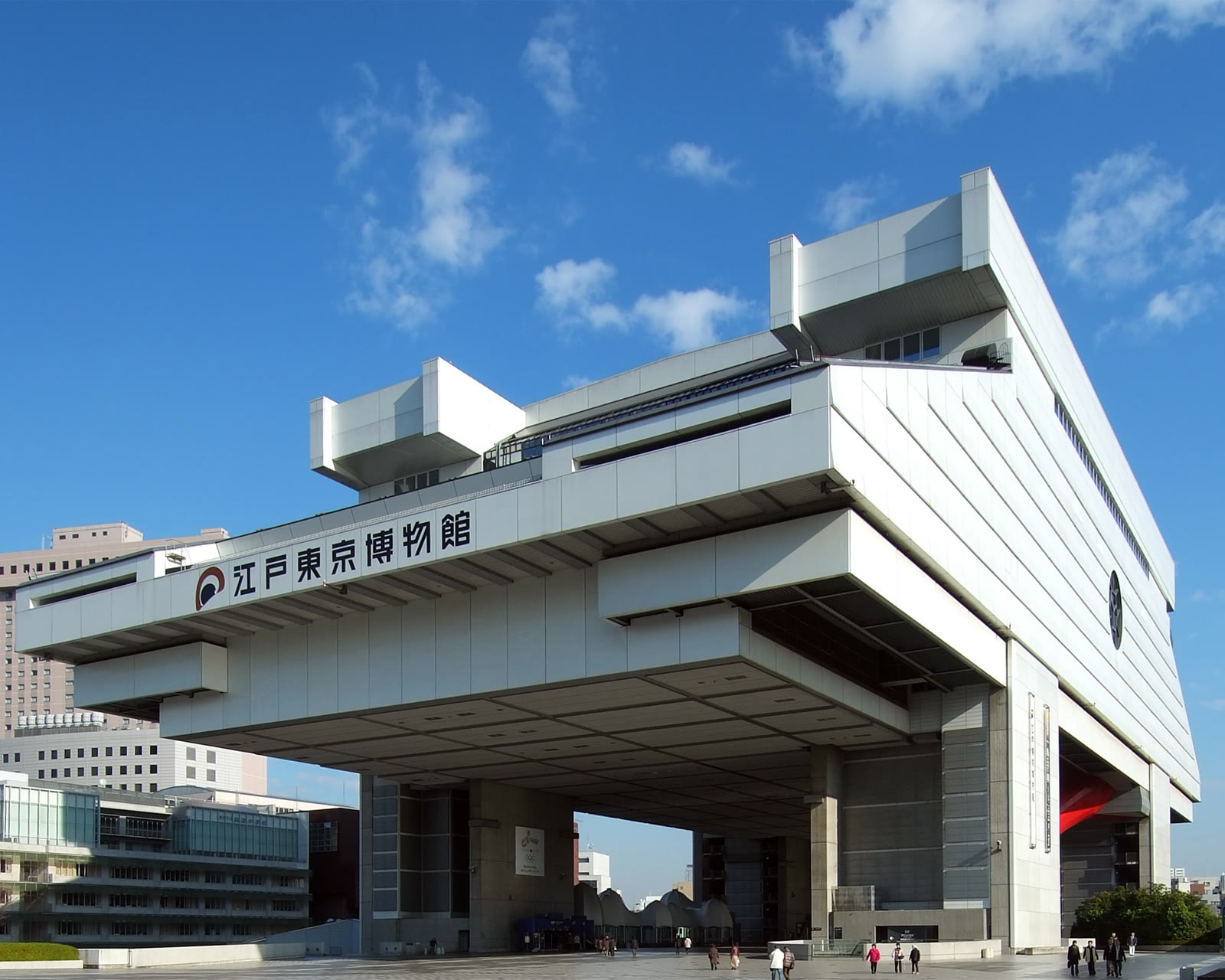
Edo-Tokyo Museum
0.1 km · straight line
 https://www.flickr.com/photos/heiwa4126 / CC BY 2.0
Local life · Tokyo★★
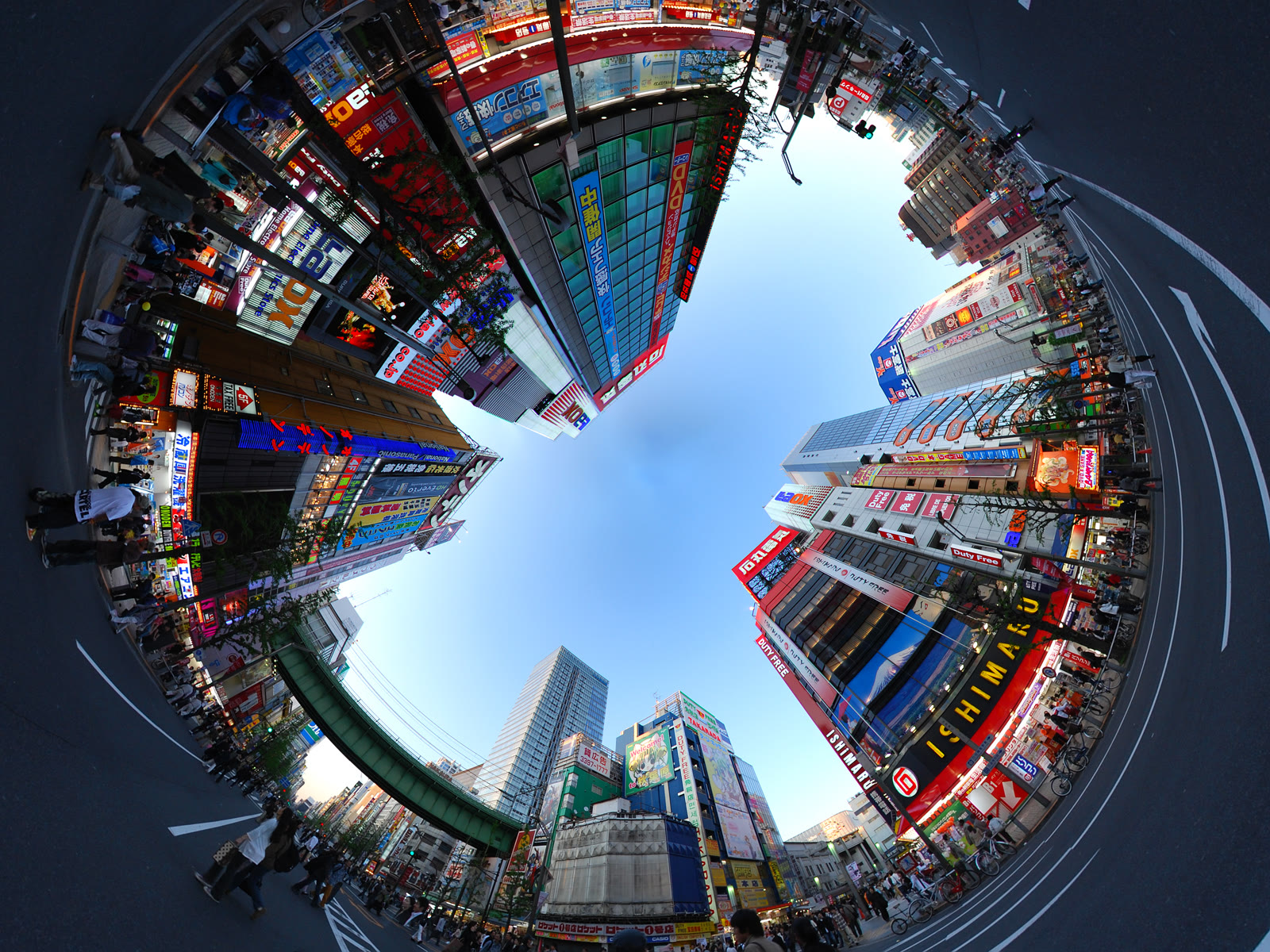
Akihabara
1.9 km · straight line
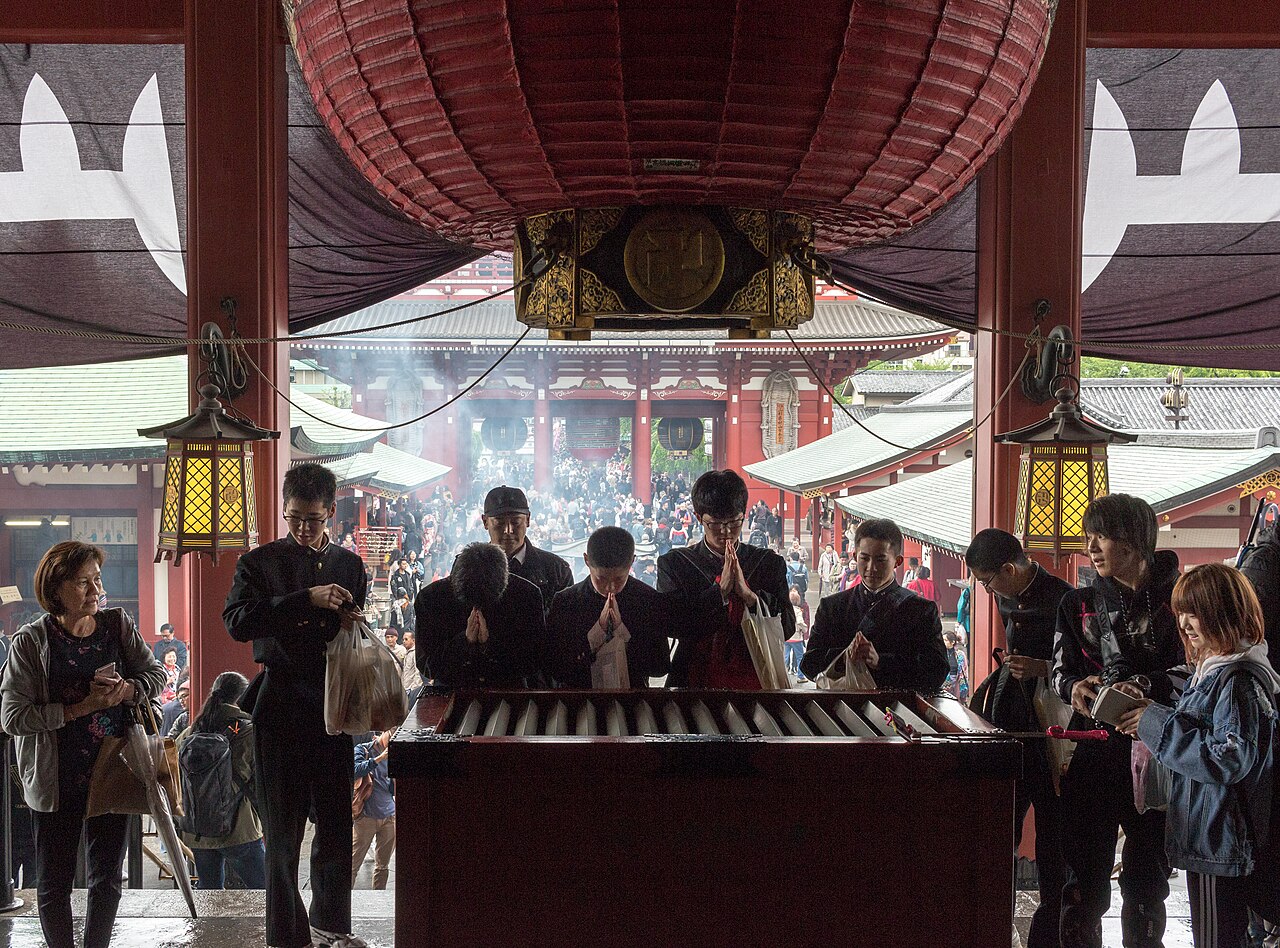 Ray in Manila / CC BY 2.0
History · Tokyo★★★
Senso-ji
2.0 km · straight line
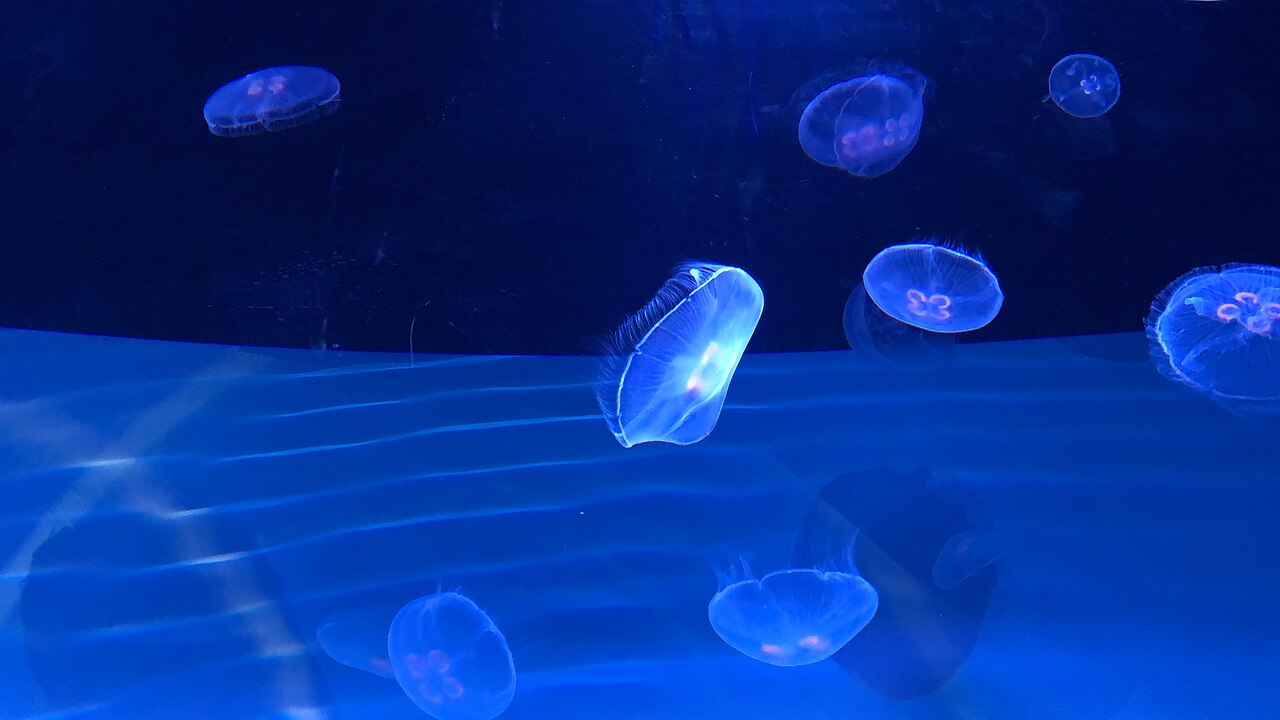 Hal 0005 / CC BY-SA 4.0
Nature · Tokyo★★
Sumida Aquarium
2.0 km · straight line
Distances are straight lines on the map, not travel times.