Tokyo · Akihabara / ChiyodaNo.163★★Open in map →
Akihabara
— Tokyo's otaku capital
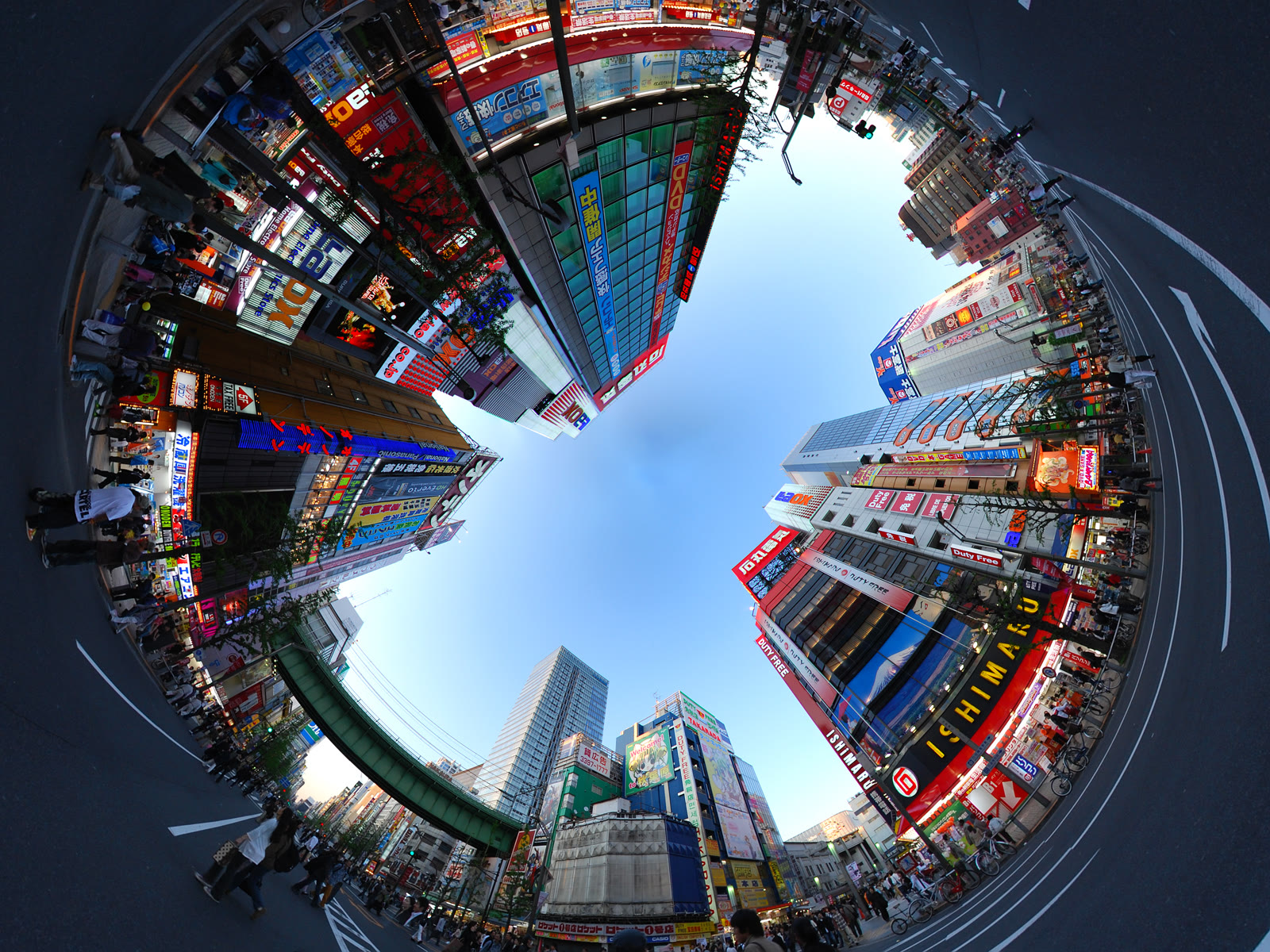
The district east of Akihabara Station, where blocks of electronics retailers, anime goods shops, game arcades, and manga stores have made it the acknowledged centre of Japanese otaku culture.
- FromTokyo Stn
- ~30 minJR + metro (very frequent)
- Get off atAkihabara Station (JR Yamanote / Chuo-Sobu Line)
- On foot
- Akihabara
Where it is
77 more notes in Tokyo · open the map →What to look for — in walking order
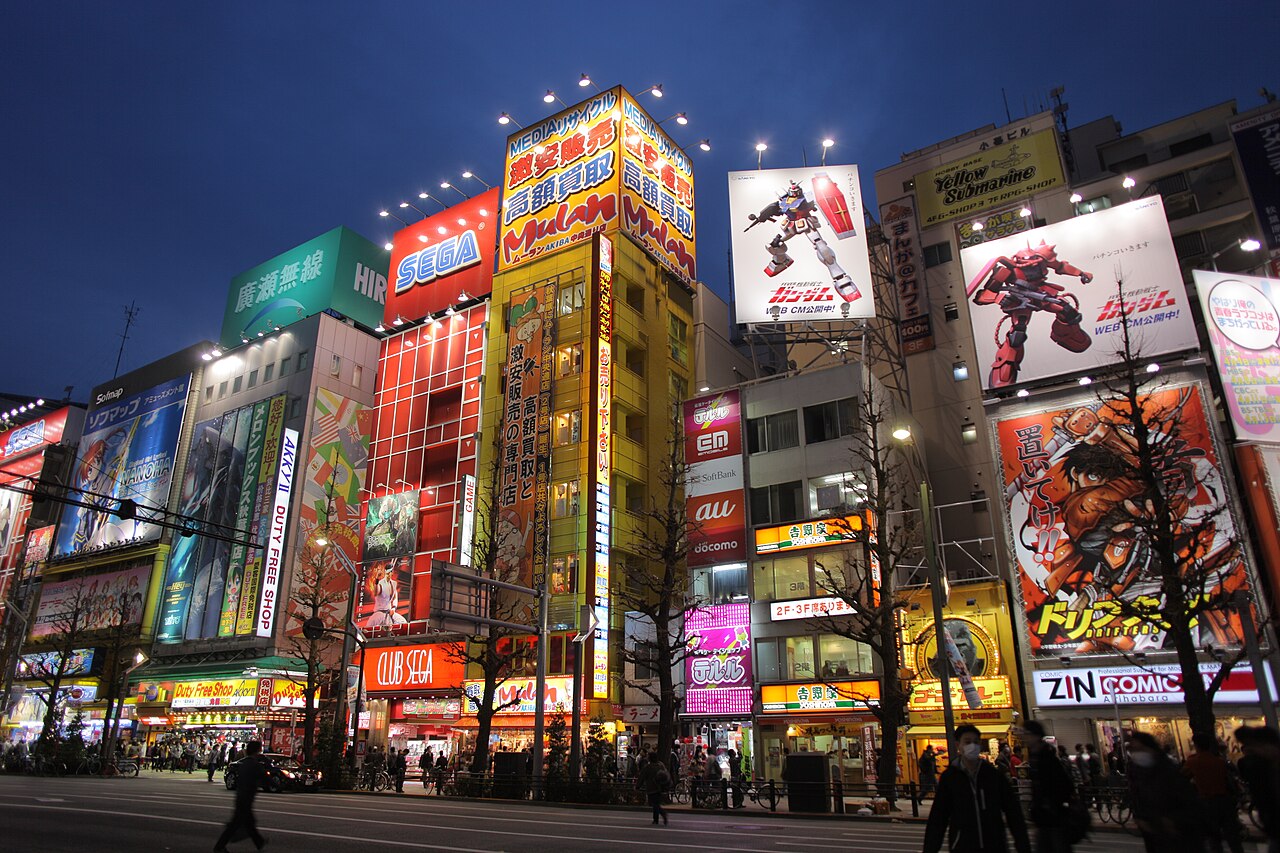
- Chuo-dori (main street)the principal shopping boulevard, closed to cars on Sunday afternoons (roughly 13:00–18:00) for a pedestrian promenade
- Multi-floor electronics retailerslarge stores such as Yodobashi Akiba carry everything from components to the latest consumer tech across multiple floors
- Anime and manga specialty shopsstores selling figures, trading cards, doujinshi (self-published manga), and licensed merchandise, concentrated in the blocks around the station
- Side-street arcades and maid cafésthe narrower streets running east and west off Chuo-dori hold game arcades, retro game shops, and maid cafés
How to actually get there
- Tokyo Station → Akihabara Station (JR Yamanote Line inner loop, ~5 min, 2 stops, or JR Chuo-Sobu Line, ~3 min, 1 stop).
- Exit via the Electric Town Exit (電気街口) — the shopping district is directly in front.
- Walk north along Chuo-dori, then explore the side streets east and west for specialist shops.
- Tokyo Stn → Akihabara Stn (JR Yamanote or Chuo-Sobu Line)
- From Tokyo Station, take the JR Yamanote Line (inner loop, counterclockwise, direction Ueno) two stops to Akihabara Station — about 5 minutes. Alternatively, take the JR Chuo-Sobu Line from Tokyo to Akihabara (1 stop, ~3 min). Trains run very frequently on both lines. Use the Electric Town Exit (電気街口) — the main shopping district is directly in front.
- Return from Akihabara Station anytime
- Take the JR Yamanote Line from Akihabara Station back toward Tokyo Station, or continue around the loop to Shinjuku or Shibuya. The Tokyo Metro Hibiya Line also stops at Akihabara (H-16), useful for Ginza or Roppongi. Trains run frequently until past midnight.
About the place
Akihabara's transformation into Electric Town began after Japan's defeat in World War II, when a black market dealing in secondhand radio parts and vacuum tubes grew up near the station. By 1950 around half of the district's 120 shops were electronics-focused. The district evolved through the following decades: home appliances in the 1960s–70s, personal computers in the 1980s, and then — from the 1990s onward — anime, manga, video games, and the network of specialist shops and maid cafés that define it today. The main pedestrian street, Chuo-dori, is closed to vehicles on Sunday afternoons, when it fills with shoppers and street performers.
How to enjoy it
Come on a Sunday afternoon when Chuo-dori is pedestrianised (roughly 13:00–18:00, weather permitting) for the most comfortable walk through the district. Weekday mornings are less crowded but the main boulevard has traffic. Allow at least two to three hours if you plan to go into shops.
Background & history
The post-war market for surplus radio components was the district's origin. Students from a nearby electrical engineering school were among the first customers, buying parts to build their own radios. The word 'Akihabara' eventually became synonymous with consumer electronics, and the transition to anime and game goods came as those industries grew into Japan's most internationally visible cultural export from the 1990s onward.
Before you go
- Cash
- Entry to the district is free. JR trains and Tokyo Metro accept IC cards (Suica, PASMO). Many shops accept card payments; some smaller or specialist stores are cash only, so it is worth carrying some yen.
- Good to know
- The Sunday pedestrian promenade on Chuo-dori runs roughly 13:00–18:00 and is cancelled on rainy days. Shops generally open from around 10:00–11:00 and close by 20:00–21:00. Busy during school holidays and public holidays.
- Another way
- Tokyo Metro Hibiya Line Akihabara Station (H-16) provides direct access from Roppongi, Ginza, and Ueno without changing lines.
- After you get off
- Exit via the Electric Town Exit (電気街口) at Akihabara Station — the main shopping district begins immediately outside.
Nearby notes
 Kakidai / CC BY-SA 3.0
History · Tokyo★★
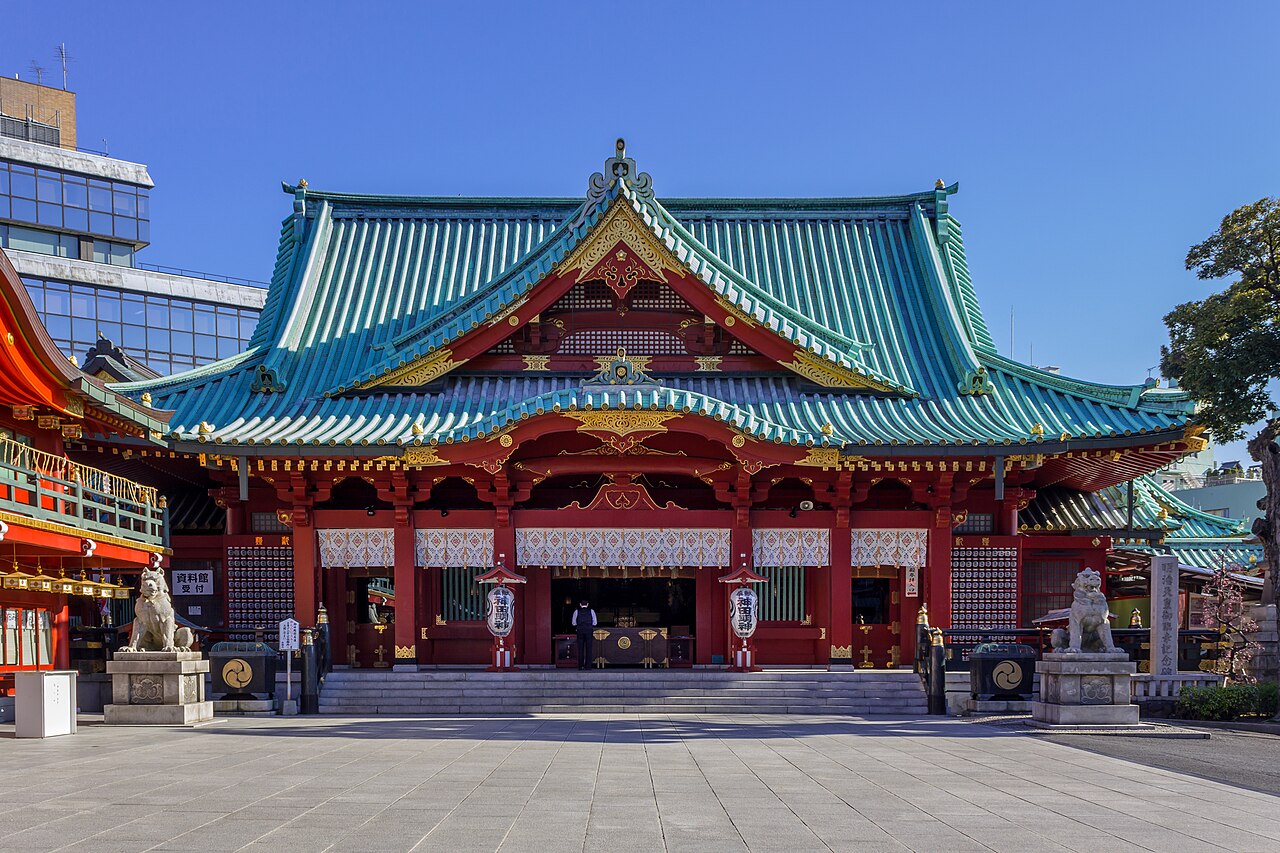
Kanda Myojin
0.6 km · straight line
 663highland / CC BY 2.5
Local life · Tokyo★
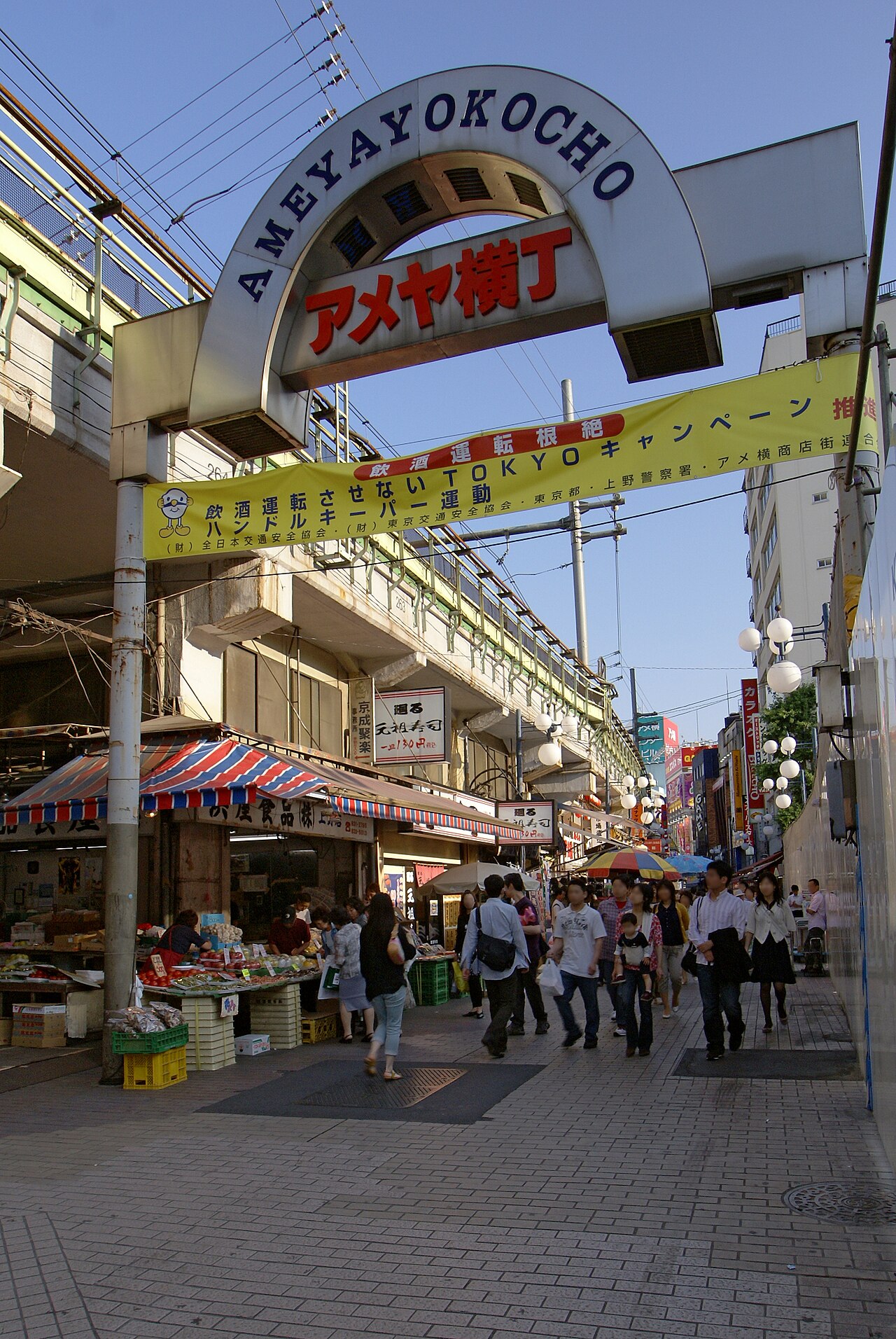
Ameyoko
1.2 km · straight line
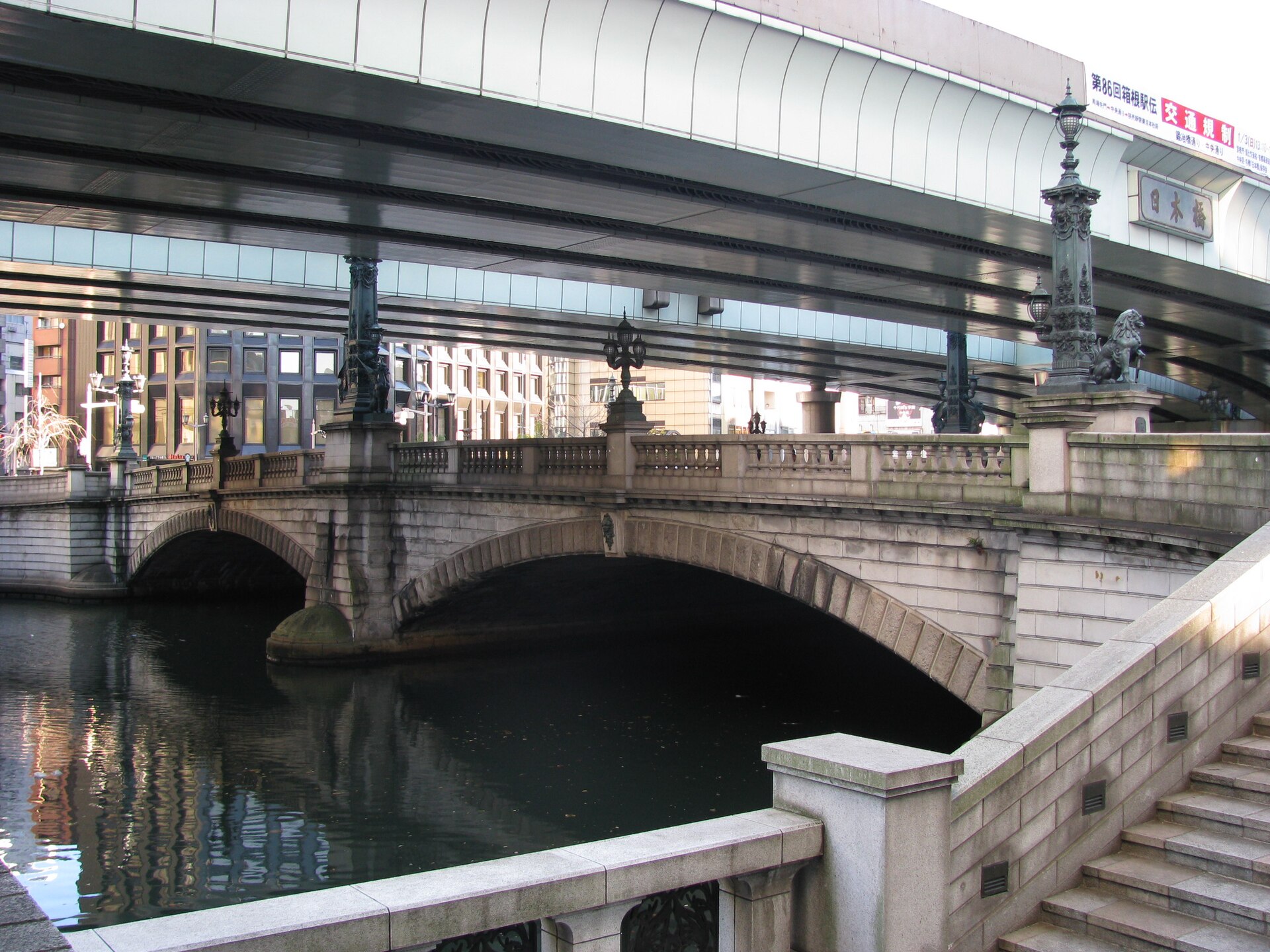 Aimaimyi / CC BY-SA 3.0
History · Tokyo★★
Nihonbashi Bridge
1.6 km · straight line
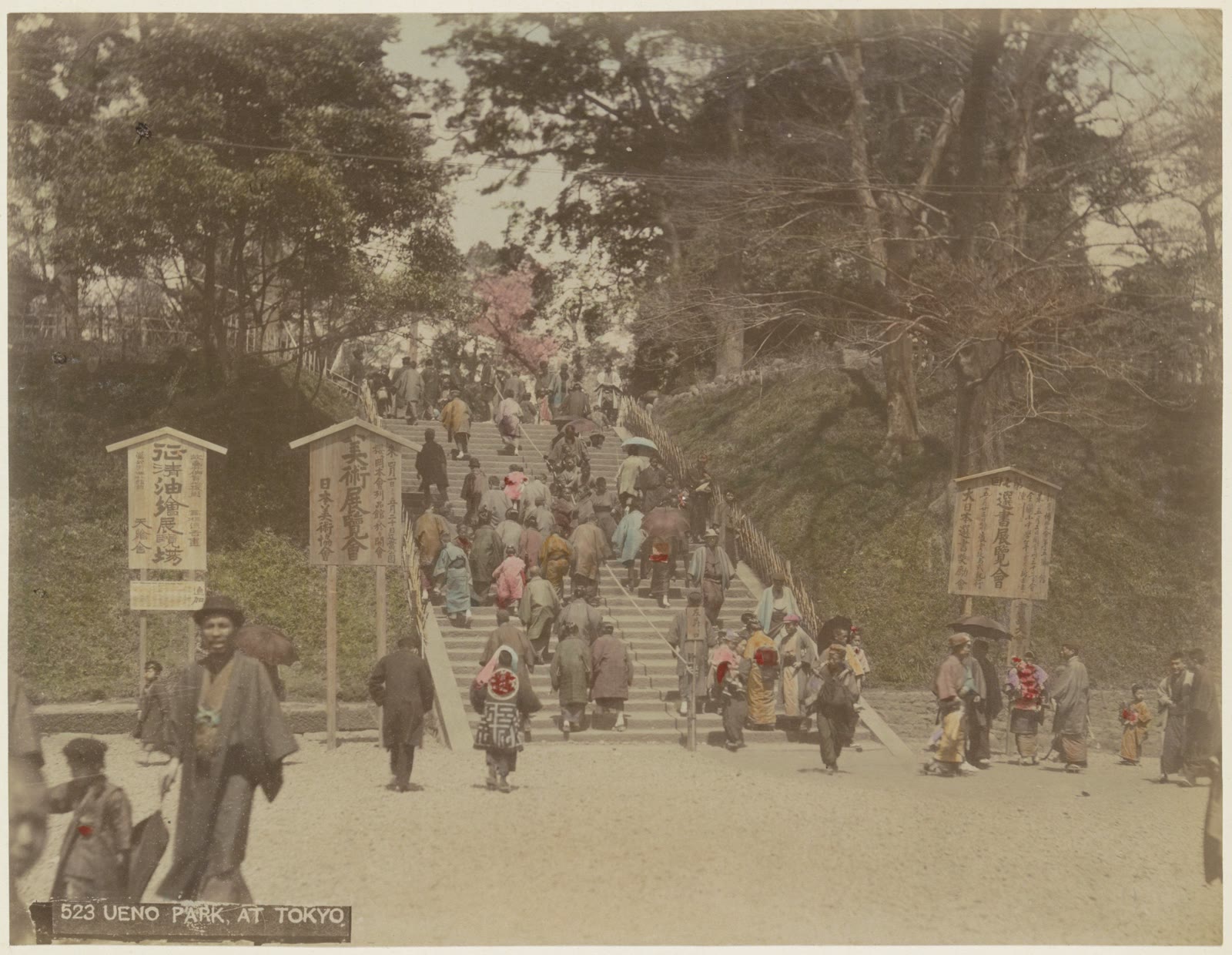 Rijksmuseum / CC0
Culture · Tokyo★★★
Ueno Park
1.8 km · straight line
Distances are straight lines on the map, not travel times.