Tokyo · Taito-ku / UenoNo.194★★★Open in map →
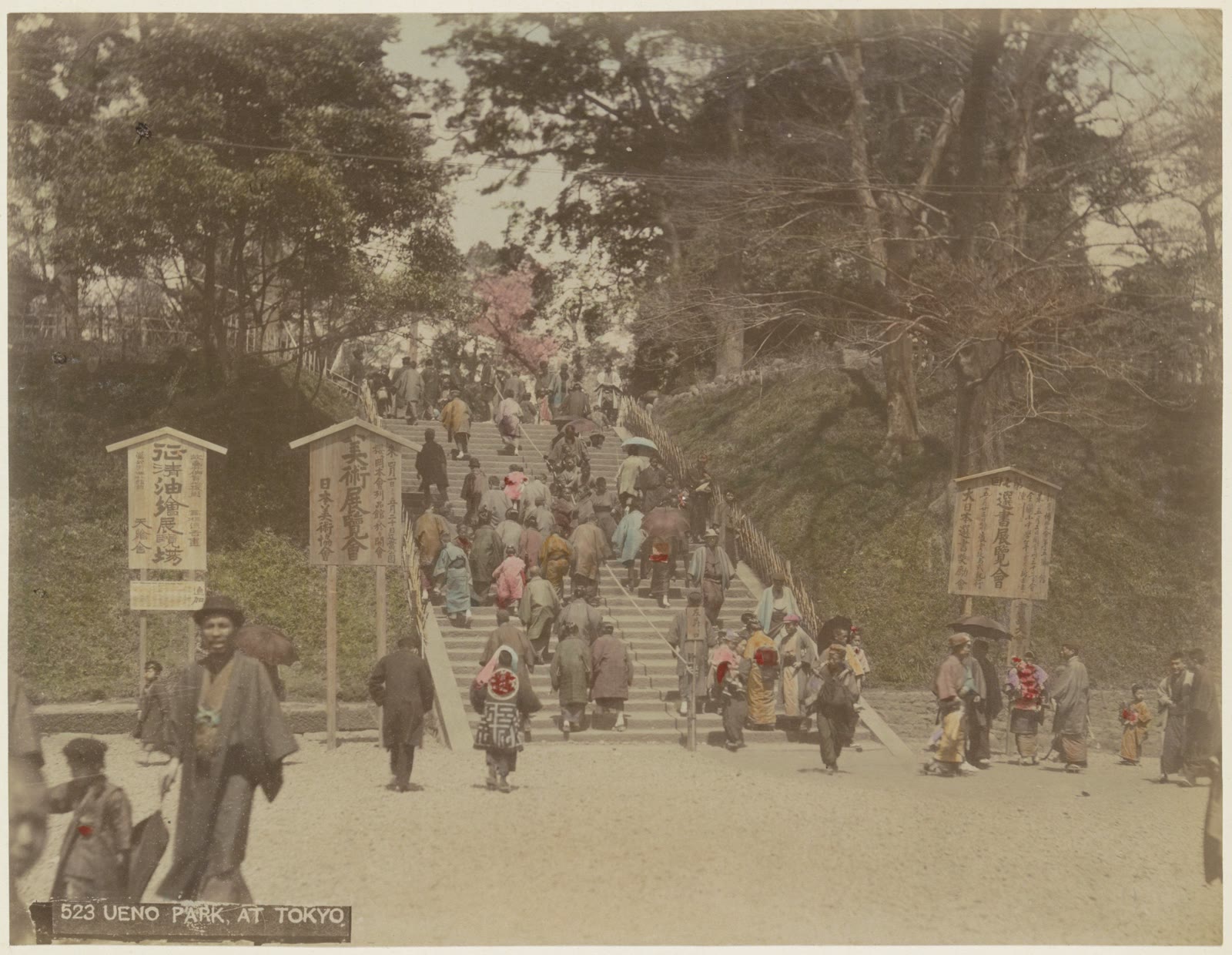
Ueno Park
A 53-hectare public park in Taito-ku, central Tokyo, designated as one of Japan's first public parks in 1873. The park holds the Tokyo National Museum, the National Museum of Western Art (UNESCO World Heritage), Ueno Zoo, concert halls, Shinobazu Pond, and over 1,000 cherry trees.
- FromTokyo Stn
- ~5 minJR / metro (frequent)
- Get off atUeno Station (JR Yamanote Line / Ueno-Okachimachi Station, Tokyo Metro Hibiya Line)
- On foot
- Ueno Park
Where it is
77 more notes in Tokyo · open the map →What to look for — in walking order
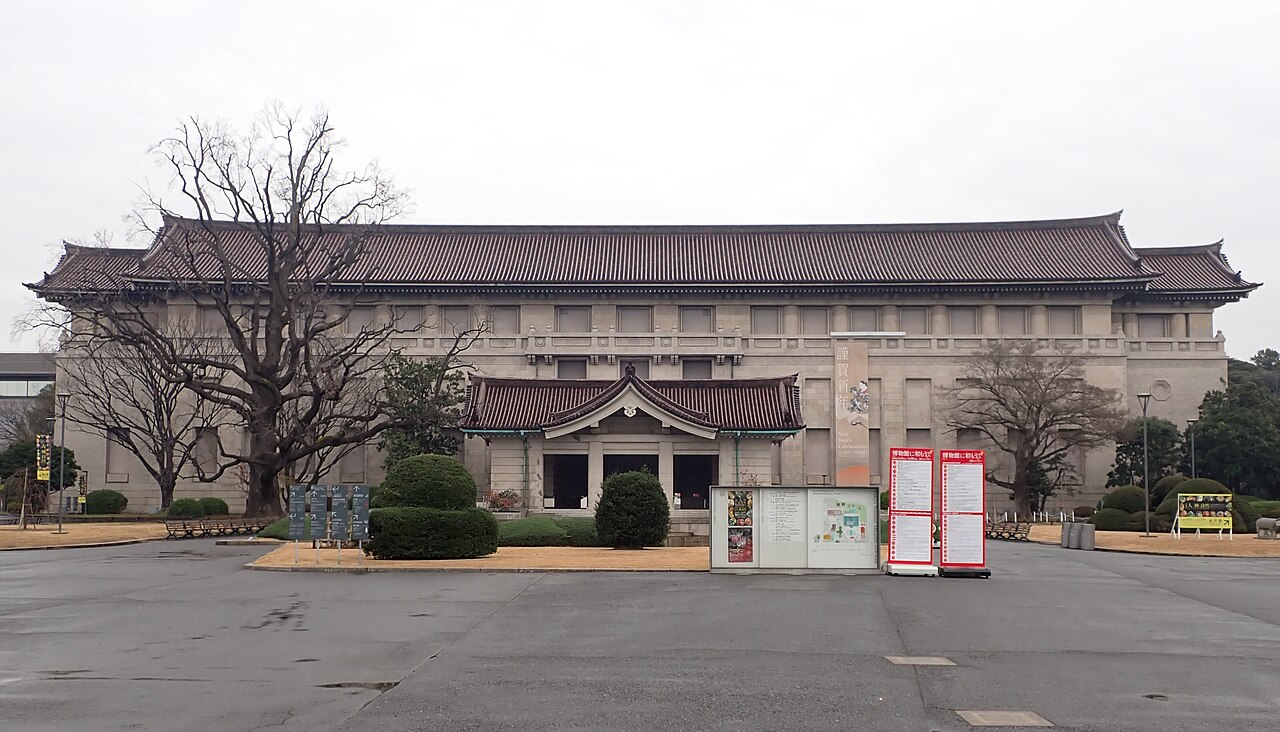
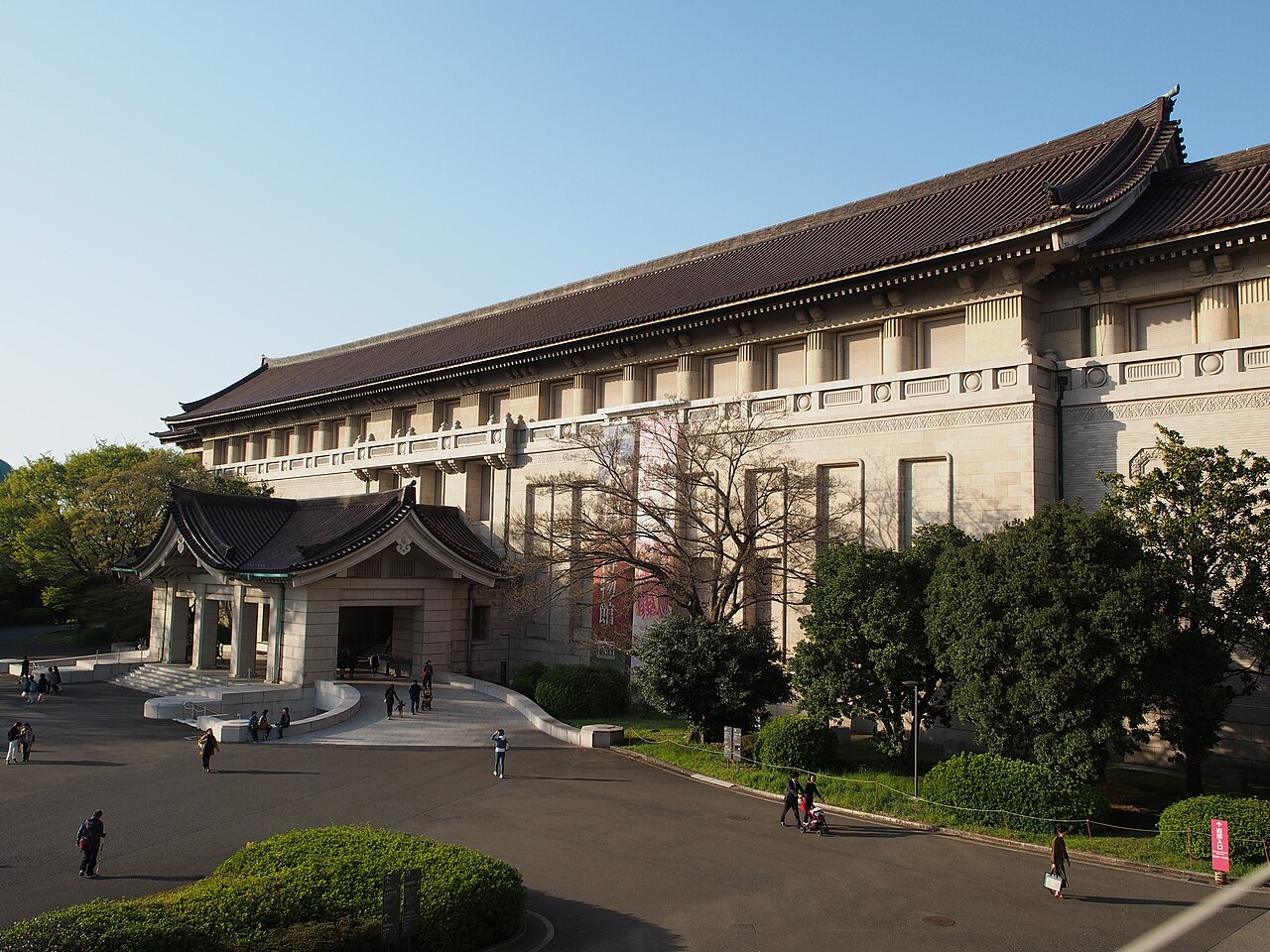
- Tokyo National MuseumJapan's oldest and largest museum, founded 1882; Japanese art and archaeology across several buildings
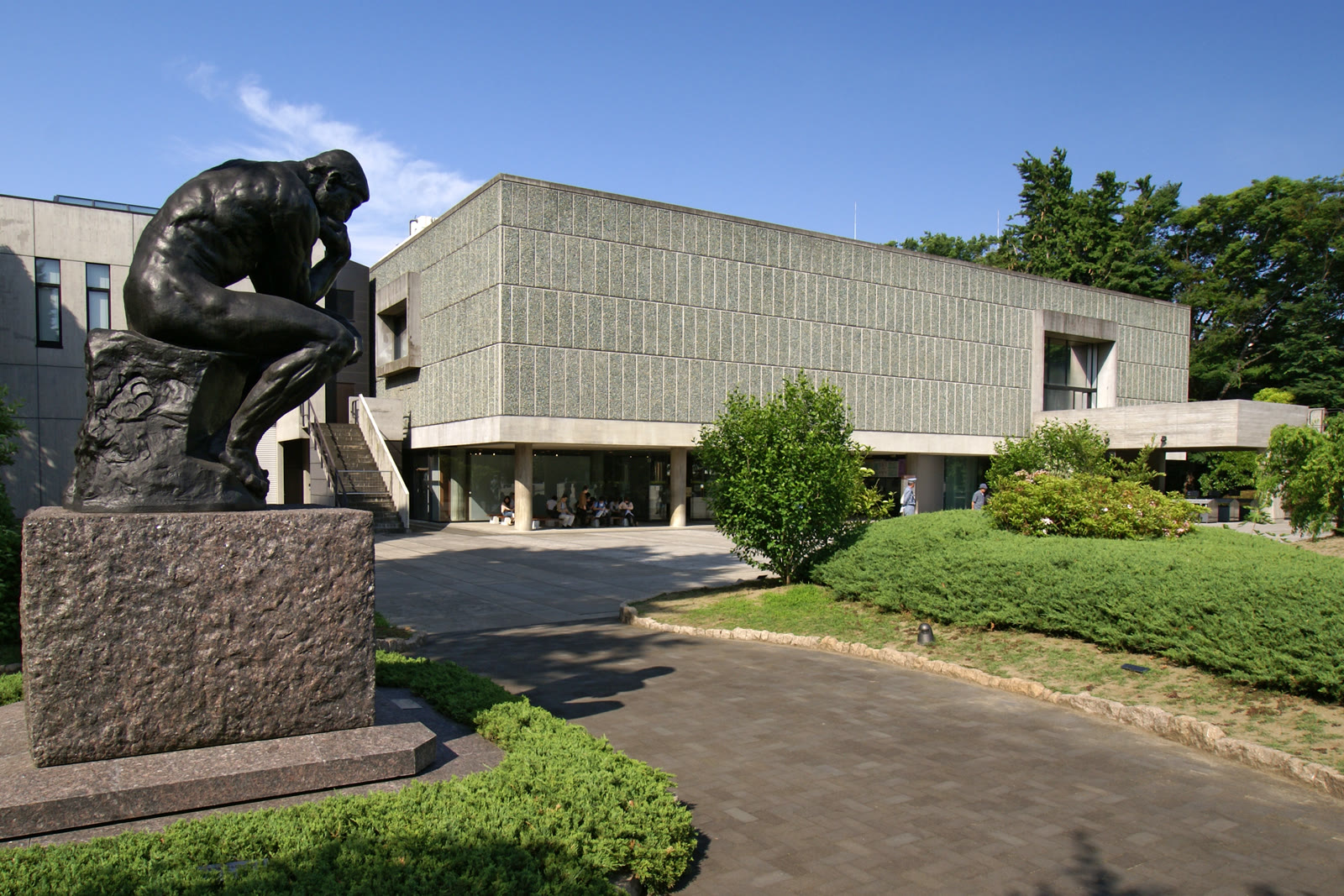
- National Museum of Western ArtLe Corbusier-designed building (1959), UNESCO World Heritage; the best Western art collection in Japan
- Shinobazu Ponda large pond at the park's southwest corner; lotus beds in summer, Benten-do island shrine, resident cormorants
- Cherry avenue (main approach)over 1,000 trees along the broad central promenade; most famous hanami site in eastern Tokyo
How to actually get there
- Tokyo Station → Ueno Station (JR Yamanote or Keihin-Tohoku Line, ~5 min).
- Park Exit (Koen-guchi) → main cherry avenue → Tokyo National Museum (straight ahead, ~5 min walk).
- After museums, walk south through the park to Shinobazu Pond for a circuit of the water and the island shrine.
- Tokyo Station → Ueno Station (JR Yamanote or Keihin-Tohoku Line)
- From Tokyo Station, take the JR Yamanote Line (inner loop, toward Akihabara and Ueno) or Keihin-Tohoku Line to Ueno Station (~5 min, 2 stops). Use the Park Exit (Koen-guchi) on the west side of the station — it opens directly onto the park's main avenue. Trains run every few minutes throughout the day.
- Return from Ueno Station, JR or Tokyo Metro
- Return from Ueno Station on the JR Yamanote or Keihin-Tohoku Line (frequent). Alternatively, the Tokyo Metro Ginza Line or Hibiya Line at Ueno Station connects to Asakusa (3 min) or Ginza (10 min). Central Tokyo trains run until midnight or later, so timing is flexible.
About the place
Ueno Park sits on the grounds of Kan'ei-ji temple, a major Tokugawa-era Buddhist complex that was largely destroyed in 1868 when the last loyalists of the old shogunate made their final stand here against the new Meiji government. The Meiji government converted what remained into a public park — one of the first five in Japan — and gradually filled it with the institutions that now define the city's cultural life. The Tokyo National Museum, opened in 1882, is the country's oldest and largest; beside it stand the National Museum of Nature and Science and the National Museum of Western Art, whose main building is a UNESCO-listed work by Le Corbusier. Shinobazu Pond to the southwest — once part of the temple precinct — supports lotus beds in summer and a colony of cormorants year-round. In cherry-blossom season the main avenue becomes one of the most crowded in Tokyo.
How to enjoy it
Choose a theme: the museums are a full day on their own — most open at 9:30 and close around 17:00 (last entry 16:30), typically closed Mondays. The Tokyo National Museum alone has multiple buildings and can occupy an entire morning. The park itself is open from 5:00 to 23:00 and free to enter; individual facilities charge their own admission. Shinobazu Pond is worth a slow circuit after the museums, especially when lotus is in bloom from July to August. Cherry blossom crowds in late March and early April are dense by midday — arrive before 9:00 for the avenue at its calmest.
Background & history
The land was the site of Kan'ei-ji, founded in 1625 under the patronage of the Tokugawa shogunate, designed to guard the northeastern approach to Edo Castle. When the Tokugawa era ended with the Meiji Restoration of 1868, Kan'ei-ji was almost entirely destroyed in the fighting. The Meiji government designated the cleared site one of Japan's first five public parks in 1873. The Tokyo National Museum opened on the grounds in 1882. The National Museum of Western Art, designed by Le Corbusier and completed in 1959, was added to the UNESCO World Heritage List in 2016 as part of the transnational 'Architectural Work of Le Corbusier' site.
Before you go
- Cash
- The park is free to enter. Individual admissions vary: Tokyo National Museum generally 1,000 yen for adults (special exhibitions extra), National Museum of Western Art around 500 yen (permanent collection), Ueno Zoo 600 yen. Most accept IC cards and credit cards. The National Museum of Western Art is free to enter on the first Sunday of each month.
- Good to know
- Most museums close on Mondays (or Tuesday if Monday is a public holiday). The park itself is open daily, 5:00 to 23:00. In cherry-blossom season (late March to early April) the hanami crowds are very large on weekday afternoons and all day on weekends.
- Another way
- From Akihabara Station (two stops south on the Yamanote Line), you can walk to the park's southern entrance by way of the Yushima Seido Confucian temple — useful if you are coming from Akihabara.
- After you get off
- Ueno Station Park Exit (Koen-guchi): turn left out of the ticket gates and follow signs for the Park Exit onto the main tree-lined promenade.
Nearby notes
 江戸村のとくぞう / CC BY-SA 4.0
Local life · Tokyo★★★
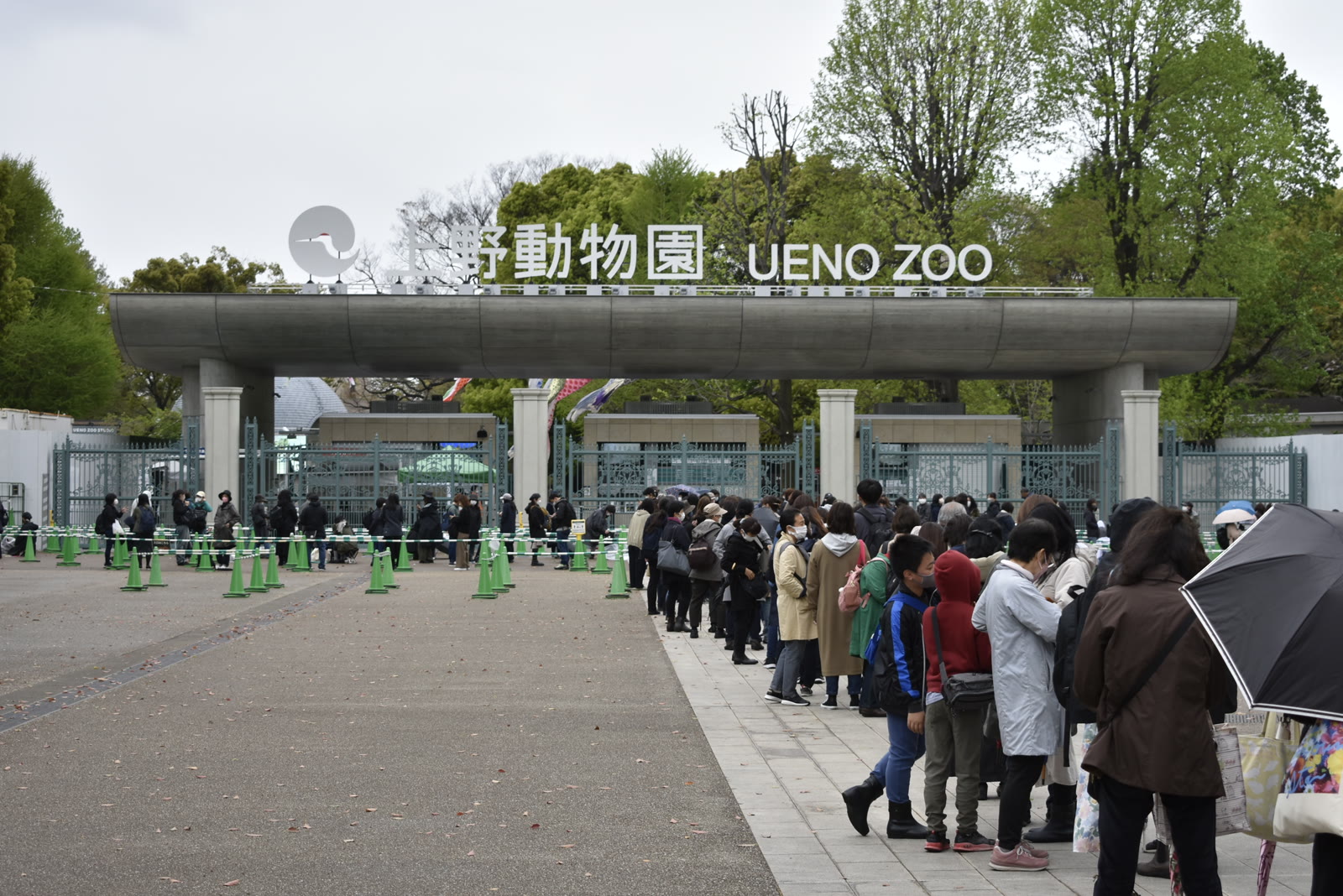
Ueno Zoo
0.2 km · straight line
 663highland / CC BY 2.5
History · Tokyo★★★
National Museum of Western Art
0.4 km · straight line
 istolethetv / CC BY 2.0
History · Tokyo★★★
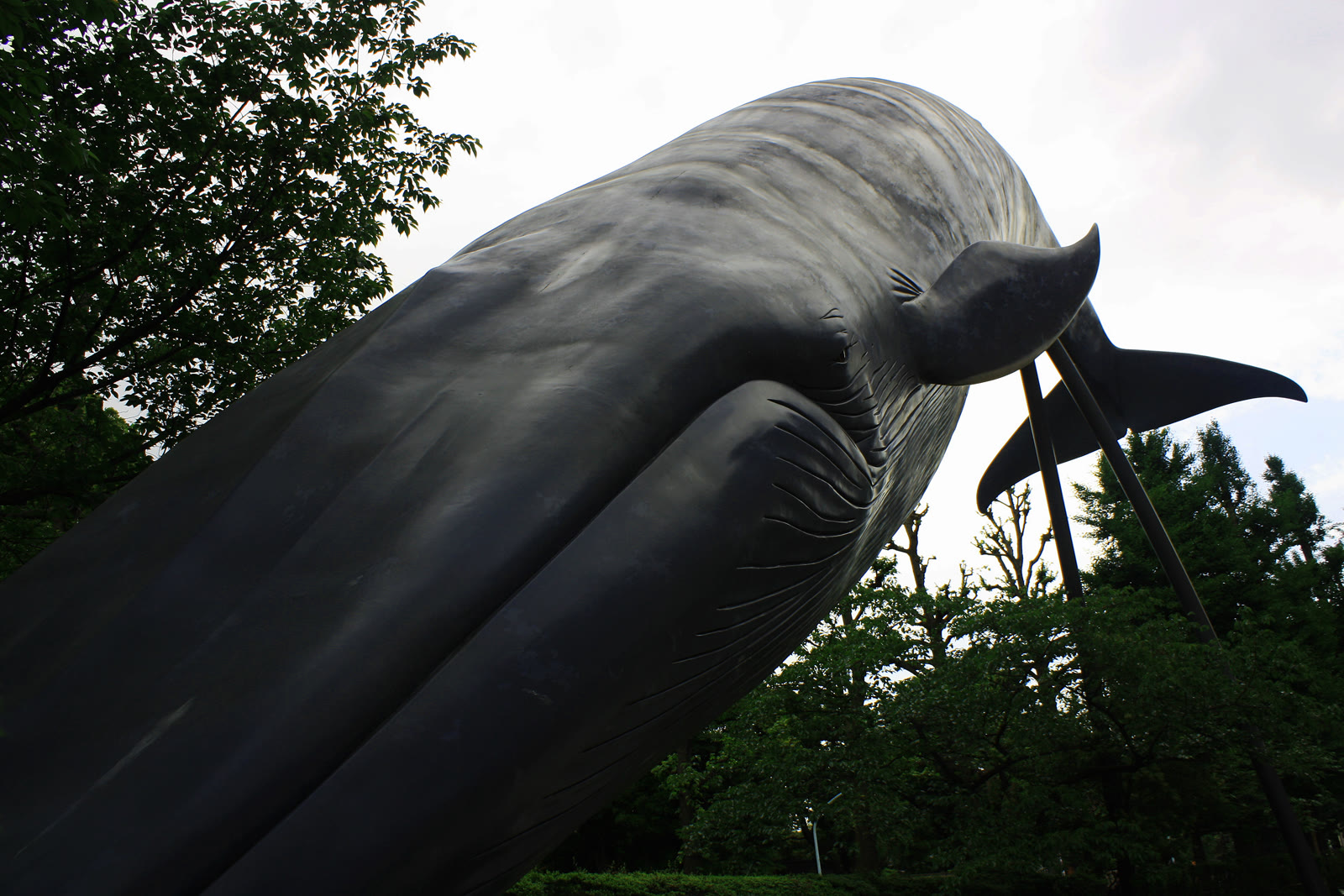
National Museum of Nature and Science
0.5 km · straight line
 Kestrel / CC BY-SA 4.0
Culture · Tokyo★★
Tokyo National Museum
0.7 km · straight line
On a curated routeThe Low City, Dawn to Sunset →
Distances are straight lines on the map, not travel times.