Tokyo · UenoNo.400★★★Open in map →
National Museum of Western Art
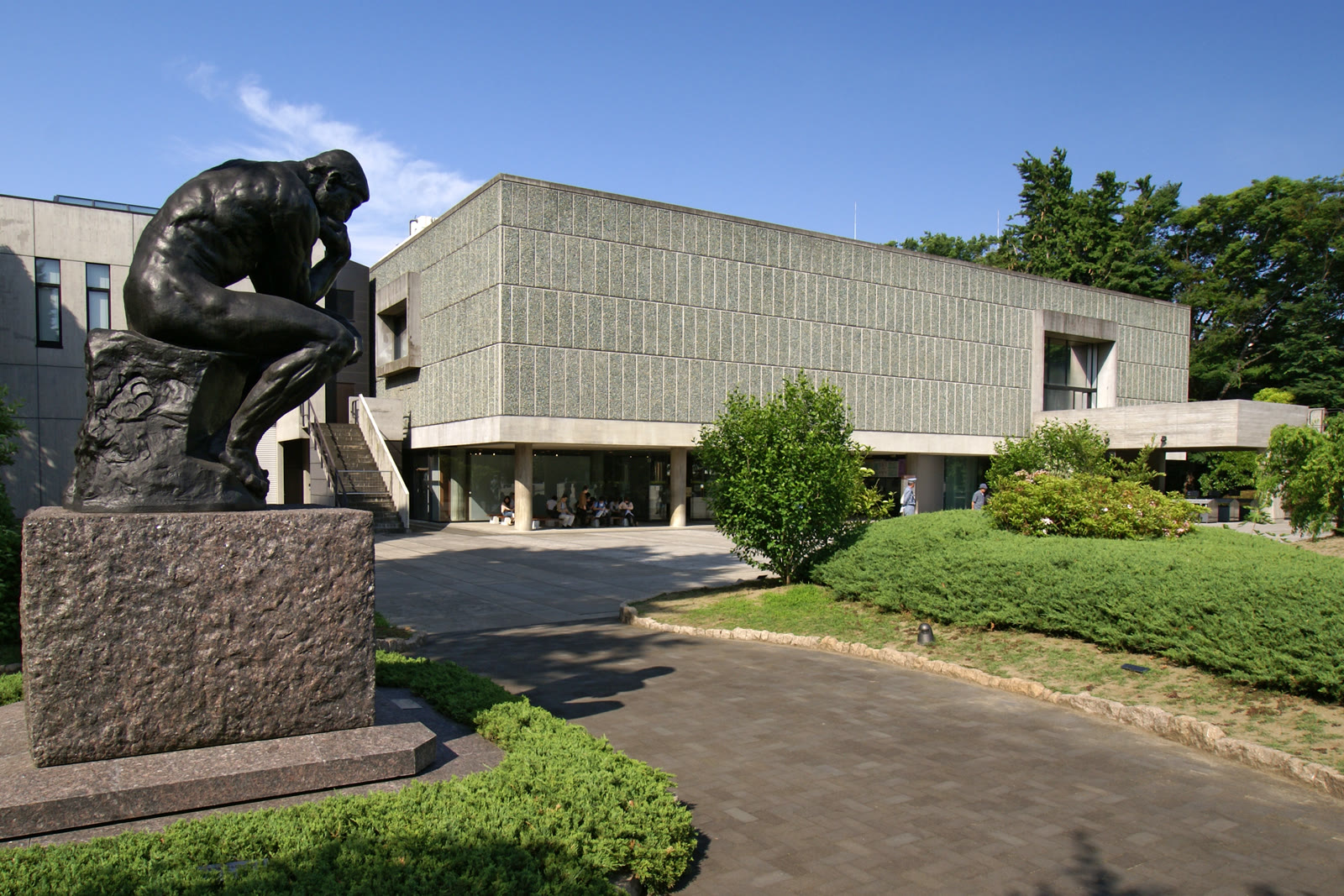
Japan's only national museum devoted to Western art, in Ueno Park. The main building was designed by Le Corbusier and inscribed on the UNESCO World Heritage list in 2016; the collection exceeds six thousand works including Monet and Rodin.
- FromTokyo Stn
- ~10 minJR, then a 2-min walk
- Get off atUeno Station (Park Exit)
- On foot
- National Museum of Western Art
Where it is
77 more notes in Tokyo · open the map →What to look for — in walking order
- The Rodin forecourtThe Gates of Hell, The Thinking Man and The Burghers of Calais standing outside the entrance, visible without buying a ticket
- The 19th-Century Hall and rampthe double-height entrance space lit from above, with the ramp that carries Le Corbusier's spiral plan; the architecture is the exhibit here
- The Matsukata Collectionthe French paintings at the core of the museum, including a substantial group of Monet, which exist here because of the return agreement
- The pilotis and exteriorthe raw concrete box raised on columns — the World Heritage listing is for this, not for the collection inside
How to actually get there
- Tokyo Stn → Ueno Stn (JR Yamanote or Keihin-Tohoku Line, ~8 min).
- Ueno Stn Park Exit → into Ueno Park → museum forecourt (walk, ~2 min).
- Rodin forecourt → 19th-Century Hall and ramp → the Matsukata Collection galleries.
- Tokyo Stn → Ueno Stn (JR), then walk from the Park Exit
- From Tokyo Station take the JR Yamanote or Keihin-Tohoku Line to Ueno Station, about 8 minutes. Leave by the Park Exit and the museum is about 2 minutes' walk — it is the nearest of the Ueno Park museums to the station, immediately on the right as you enter the park.
- Ueno Stn → Tokyo Stn
- Walk back to the Park Exit and take the JR Yamanote or Keihin-Tohoku Line. Trains run every few minutes until late, and Ueno is also a Shinkansen station.
About the place
This museum was built to satisfy a condition. The industrialist Matsukata Kojiro assembled a large collection of European art in the early twentieth century; the part held in France was seized by the French government during the Second World War, and when negotiations for its return concluded, France attached a requirement — Japan had to build a proper museum to house it. The result opened in Ueno Park in 1959, designed by Le Corbusier with Japanese architects who had worked in his Paris studio. The building follows his idea of the museum of unlimited growth, a square spiral that could in principle be extended outward indefinitely, and the ramp taking you up from the double-height hall is the clearest expression of it. In 2016 it was inscribed on the UNESCO World Heritage list as one of seventeen Le Corbusier works across seven countries — which makes it the only World Heritage site in Tokyo, and part of the only transnational World Heritage listing Japan belongs to. The collection inside runs from the old masters to the early twentieth century, strongest in French painting, with Monet held in depth. The forecourt holds Rodin bronzes including The Thinking Man and The Gates of Hell, and you can look at those without a ticket.
How to enjoy it
Read the building as much as the paintings; knowing it is a Le Corbusier and that the spiral was designed to grow outward changes what the ramp and the top-lit hall are doing. The permanent collection is inexpensive and special exhibitions are ticketed separately and cost more, so decide which you are here for. It pairs naturally with the National Museum of Nature and Science and the Tokyo National Museum, all within a few minutes on the same walk through Ueno Park — but do not attempt all three in a day. Closed Mondays with the usual public-holiday shift. If you only have twenty minutes, the Rodin forecourt is free.
Background & history
Matsukata Kojiro, head of Kawasaki Dockyard, bought European art on a large scale in the 1910s and 1920s. The portion stored in France was confiscated as enemy property during the war; under the 1951 San Francisco peace settlement and subsequent negotiation, France agreed to return most of it on the condition that a dedicated museum be built. Le Corbusier was commissioned in 1955 and the museum opened in 1959, with detailed work carried out by Sakakura Junzo, Maekawa Kunio and Yoshizaka Takamasa, all former members of his atelier. The 2016 UNESCO inscription covered seventeen Le Corbusier projects in seven countries as a single transnational property.
Before you go
- Cash
- The permanent collection is inexpensive; special exhibitions are ticketed separately and cost more. Under-18s and over-65s enter the permanent collection free — bring ID if that applies. IC cards work on the trains and at most ticket machines. The Rodin forecourt is free to anyone.
- Good to know
- Closed on Mondays, or the following weekday when Monday is a public holiday, and over the New Year period. Last admission is 30 minutes before closing. Special exhibitions may require timed-entry booking. Photography rules differ between the permanent collection and special exhibitions.
- Another way
- From Shinjuku or Shibuya the JR Yamanote Line reaches Ueno in about 25 to 30 minutes. Tokyo Metro Ginza and Hibiya lines also stop at Ueno, and Keisei-Ueno connects to Narita Airport.
- After you get off
- Take the Park Exit at Ueno Station and enter Ueno Park; the museum is the first building on the right, about 2 minutes in, with the Rodin bronzes visible from the path.
Nearby notes
 istolethetv / CC BY 2.0
History · Tokyo★★★
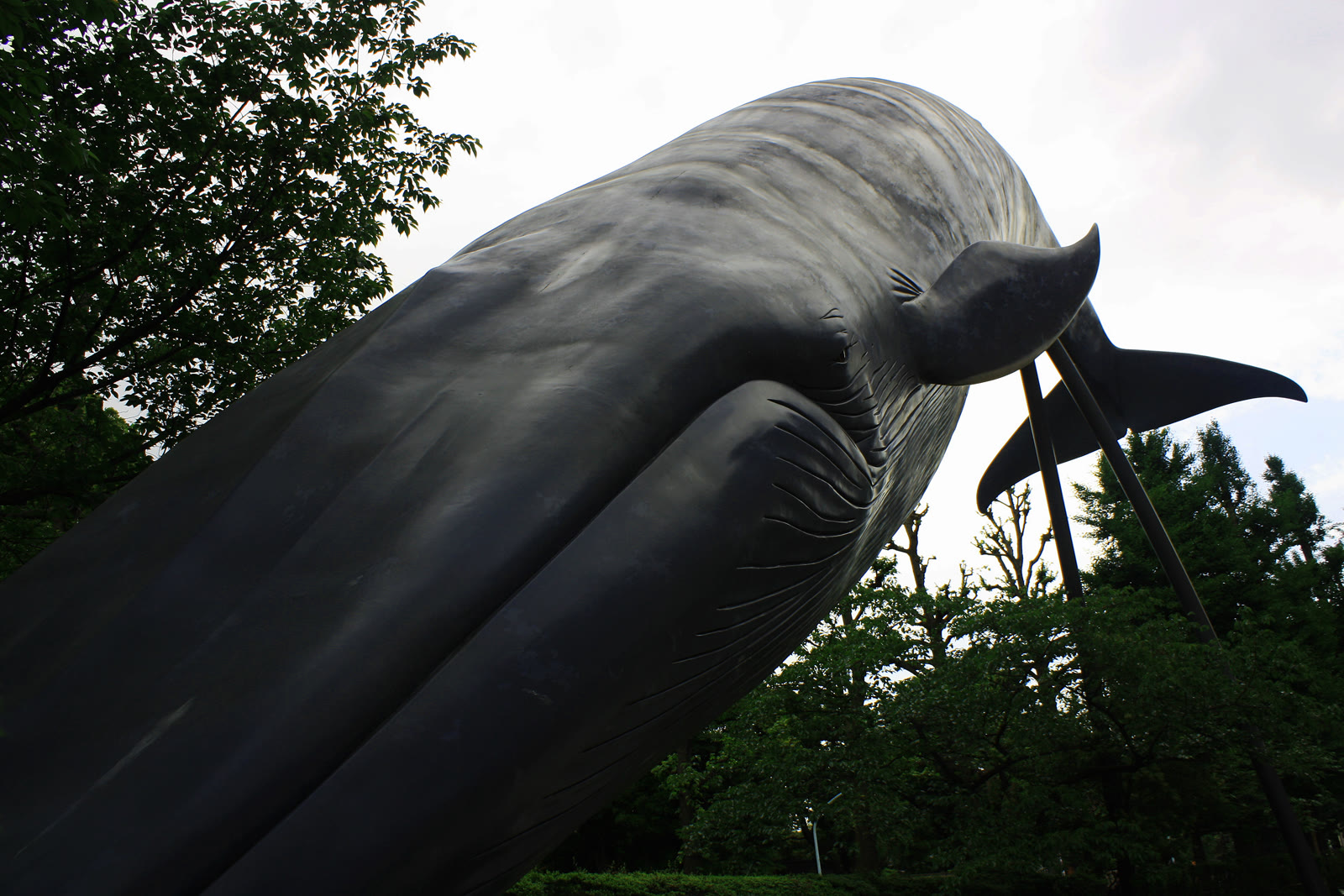
National Museum of Nature and Science
0.1 km · straight line
 Kestrel / CC BY-SA 4.0
Culture · Tokyo★★
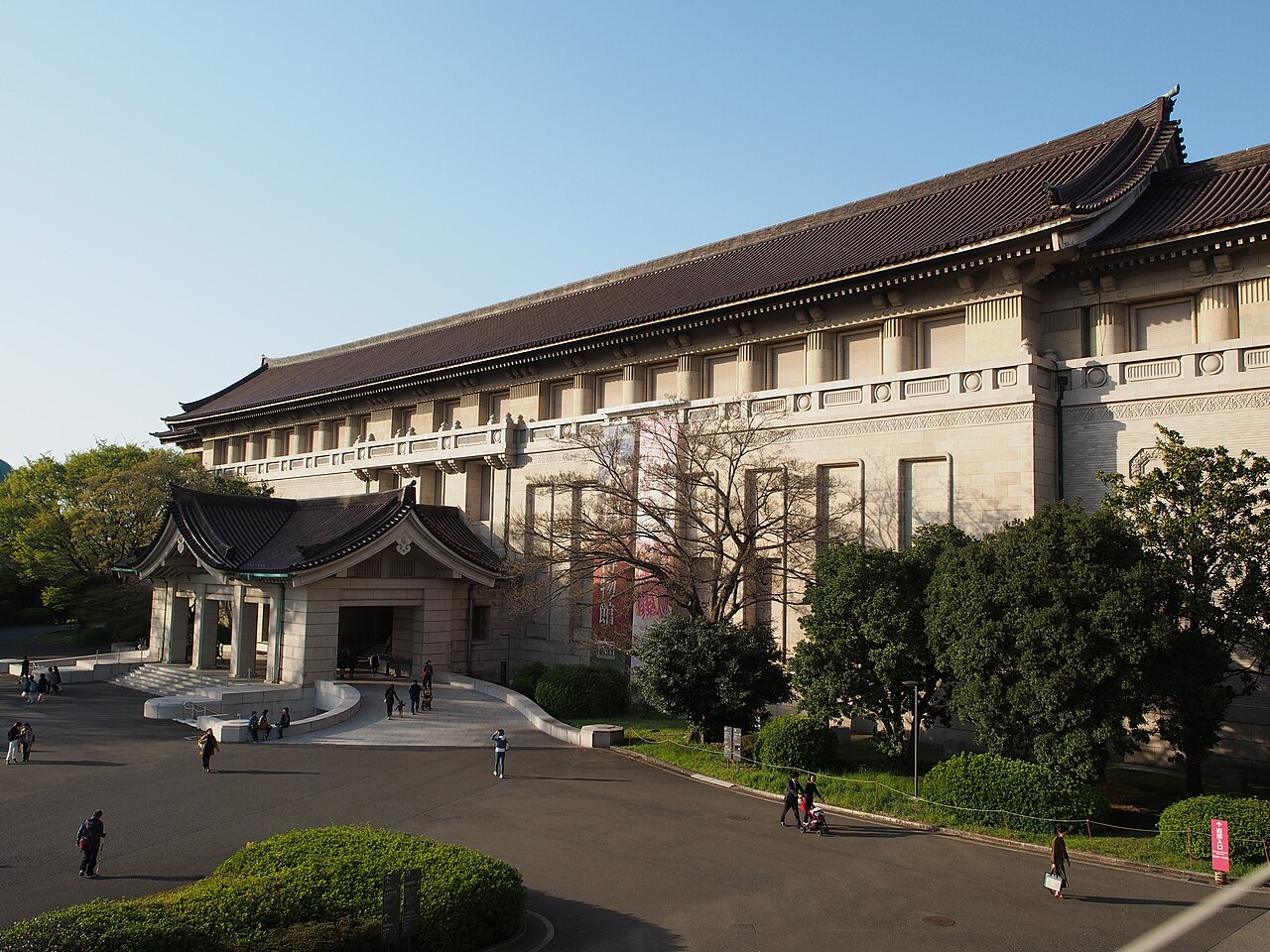
Tokyo National Museum
0.4 km · straight line
 江戸村のとくぞう / CC BY-SA 4.0
Local life · Tokyo★★★
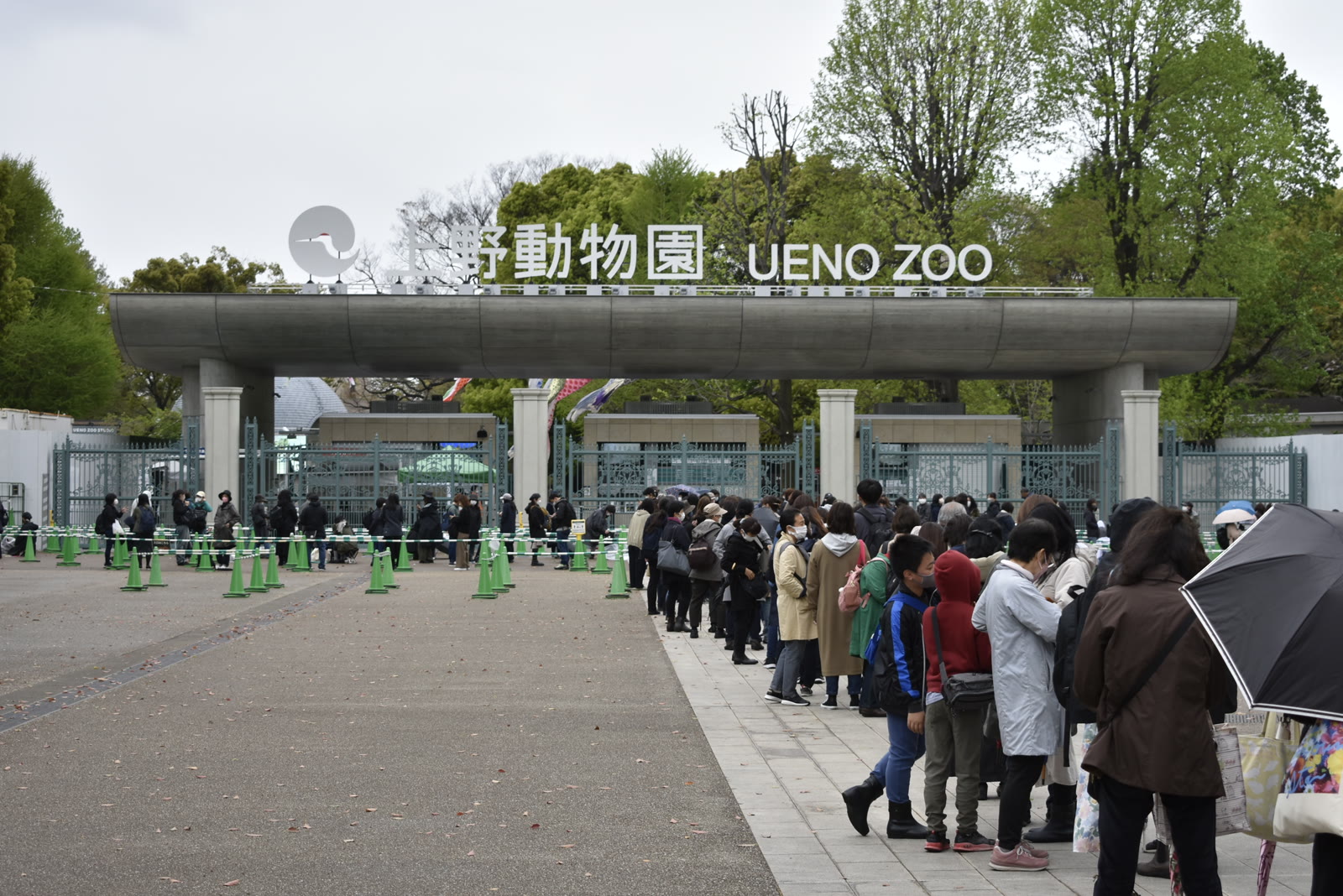
Ueno Zoo
0.4 km · straight line
 Rijksmuseum / CC0
Culture · Tokyo★★★
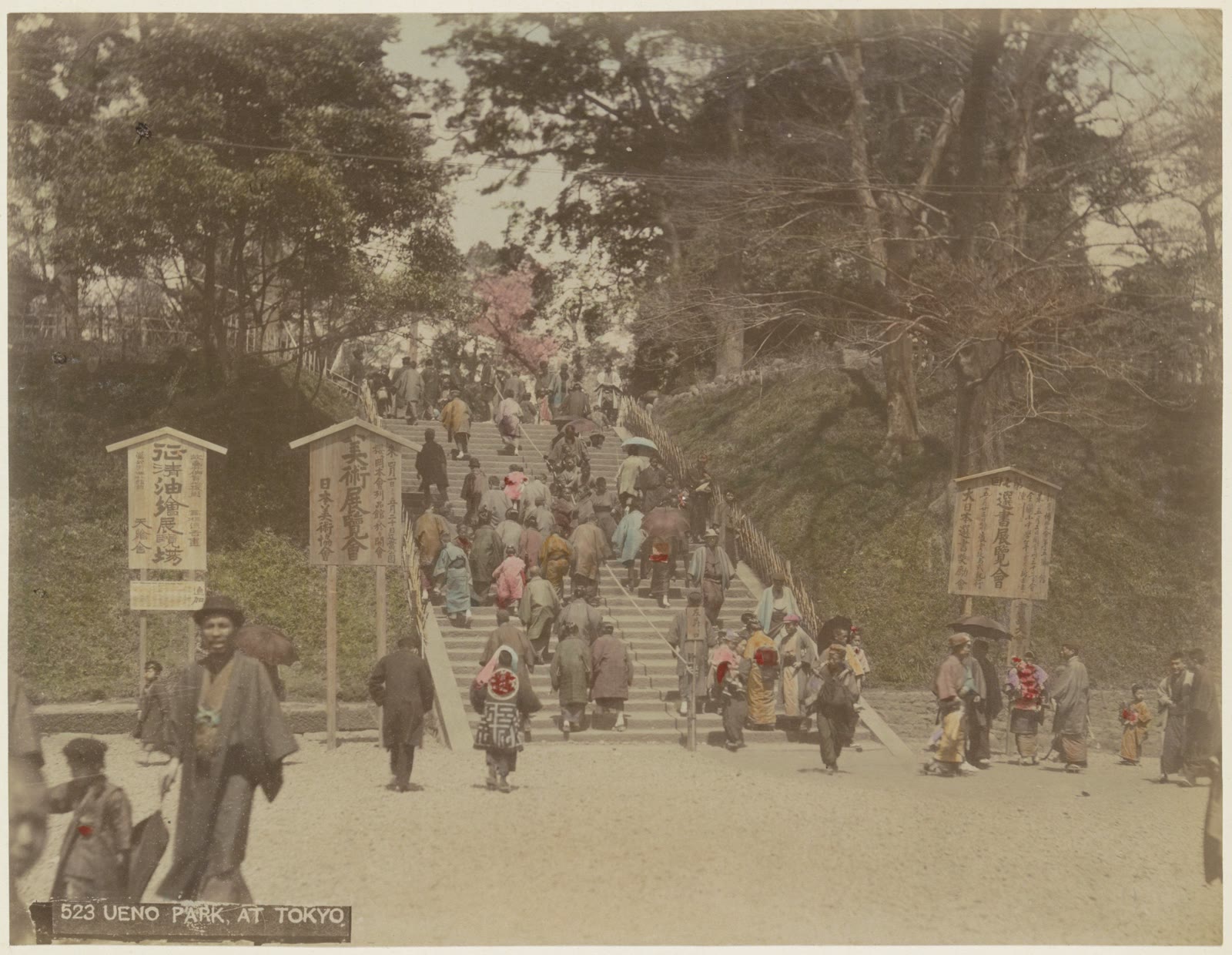
Ueno Park
0.4 km · straight line
Distances are straight lines on the map, not travel times.