Tokyo · UenoNo.394★★★Open in map →
National Museum of Nature and Science
Founded in 1877 and standing in Ueno Park, this is Japan's principal natural history and science museum. It runs across two buildings — the Japan Gallery and the Global Gallery — covering natural history and the history of science and technology.
- FromTokyo Stn
- ~10 minJR, then a 5-min walk
- Get off atUeno Station (Park Exit)
- On foot
- National Museum of Nature and Science
Where it is
77 more notes in Tokyo · open the map →What to look for — in walking order
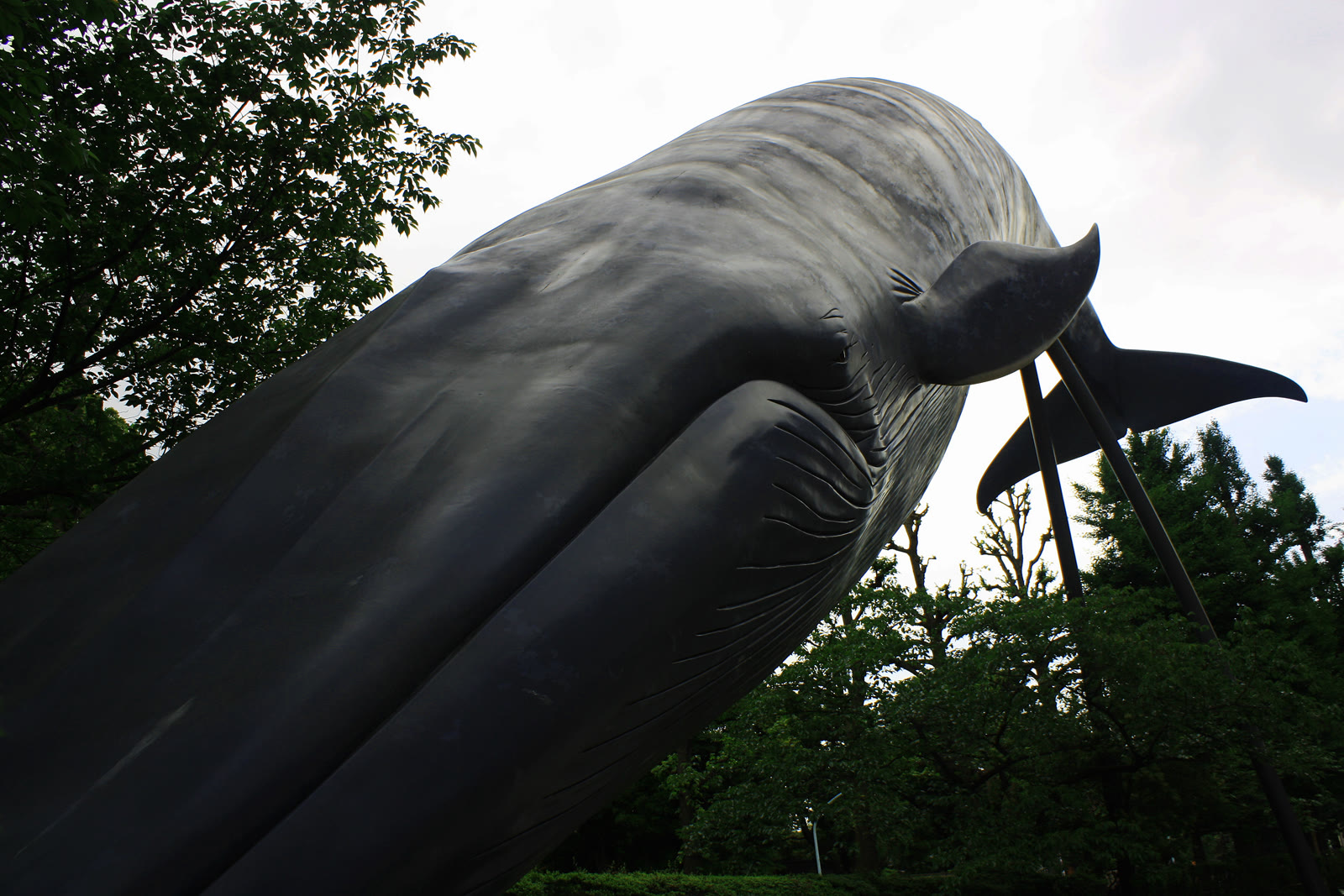
- The blue whale modela full-size blue whale on the forecourt, positioned so it reads as a diving animal rather than a specimen; free to see without a ticket
- Global Gallery dinosaur floormounted skeletons including a Triceratops and Tyrannosaurus, the busiest room in the building and the reason most families come
- Hachiko and Jirothe taxidermied Akita who waited at Shibuya Station, displayed alongside one of the two sled dogs who survived a year alone in Antarctica
- The Japan Gallery buildinga 1931 Important Cultural Property with a stained-glass dome, laid out in the shape of an aeroplane when seen from the air
How to actually get there
- Tokyo Stn → Ueno Stn (JR Yamanote or Keihin-Tohoku Line, ~8 min).
- Ueno Stn Park Exit → into Ueno Park → the blue whale on the museum forecourt (walk, ~5 min).
- Global Gallery from the top floor down, then cross to the Japan Gallery for Hachiko and the 1931 building.
- Tokyo Stn → Ueno Stn (JR), then walk from the Park Exit
- From Tokyo Station take the JR Yamanote or Keihin-Tohoku Line to Ueno Station, about 8 minutes. Leave by the Park Exit, and the museum is about 5 minutes' walk into Ueno Park — the blue whale on the forecourt tells you when you have arrived. It stands between the Tokyo National Museum and the zoo.
- Ueno Stn → Tokyo Stn
- Retrace the walk to the Park Exit and take the JR Yamanote or Keihin-Tohoku Line. Trains run every few minutes. Ueno is also a Shinkansen station if you are continuing north.
About the place
The museum sits in Ueno Park among the other great Meiji-era institutions, and splits into two buildings that are easy to mistake for one. The Japan Gallery is the older structure, a 1930s building that is itself an Important Cultural Property and is shaped, seen from above, like an aeroplane; it covers the natural history of the Japanese archipelago and the people who arrived on it. The Global Gallery is the larger modern block behind it, running from dinosaur skeletons up through mammals, evolution and the history of science and technology, floor by floor. In front of the entrance stands a full-size model of a blue whale, which is the thing everyone photographs before going in. The exhibit most visitors do not expect is on the Japan Gallery side: the mounted body of Hachiko, the Akita who waited at Shibuya Station, displayed near Jiro, one of the two sled dogs who survived a year abandoned in Antarctica. Signage is bilingual throughout the main routes, and there is a 360-degree theatre showing short films inside a spherical screen.
How to enjoy it
Give it three hours, not one — the two buildings are much larger than they look from the entrance, and people routinely run out of time in the Global Gallery. Start upstairs and work down, which runs against the crowd flow. Closed on Mondays, with the same public-holiday shift as the zoo next door, so the two pair naturally on a weekday: the zoo in the morning, lunch in the park, the museum in the afternoon. Admission is inexpensive and special exhibitions are ticketed separately, so check what is on before deciding whether you want the combined ticket.
Background & history
The museum traces its founding to 1877, which places it among the first wave of national institutions established after the Meiji Restoration, and it has changed name and organisational parent several times since. The Japan Gallery building was completed in 1931 in a neo-Renaissance style and survives as an Important Cultural Property; its aeroplane-shaped footprint reflects the aviation enthusiasm of the period in which it was designed. The museum's collections grew through the twentieth century into the millions of specimens, most held off-site at a research facility in Tsukuba rather than in Ueno. The Antarctic sled dog Jiro entered the collection after the 1950s expeditions that made the dogs a national story.
Before you go
- Cash
- General admission is inexpensive; special exhibitions are ticketed separately and cost more than entry to the permanent galleries. IC cards work on the trains and at most ticket machines. Under-18s and over-65s enter the permanent exhibition free — bring ID if that applies.
- Good to know
- Closed on Mondays, or the following weekday when Monday is a public holiday, and over the New Year period. Last admission is 30 minutes before closing. Some special exhibitions require timed-entry booking in advance, so check before travelling if one is the reason you are going.
- Another way
- From Shinjuku or Shibuya, the JR Yamanote Line reaches Ueno in about 25 to 30 minutes. Tokyo Metro Ginza and Hibiya lines also stop at Ueno, though the JR Park Exit is the closest approach on foot.
- After you get off
- Take the Park Exit at Ueno Station, walk into the park, and bear right past the fountain; the whale model marks the entrance about 5 minutes in.
Nearby notes
 663highland / CC BY 2.5
History · Tokyo★★★
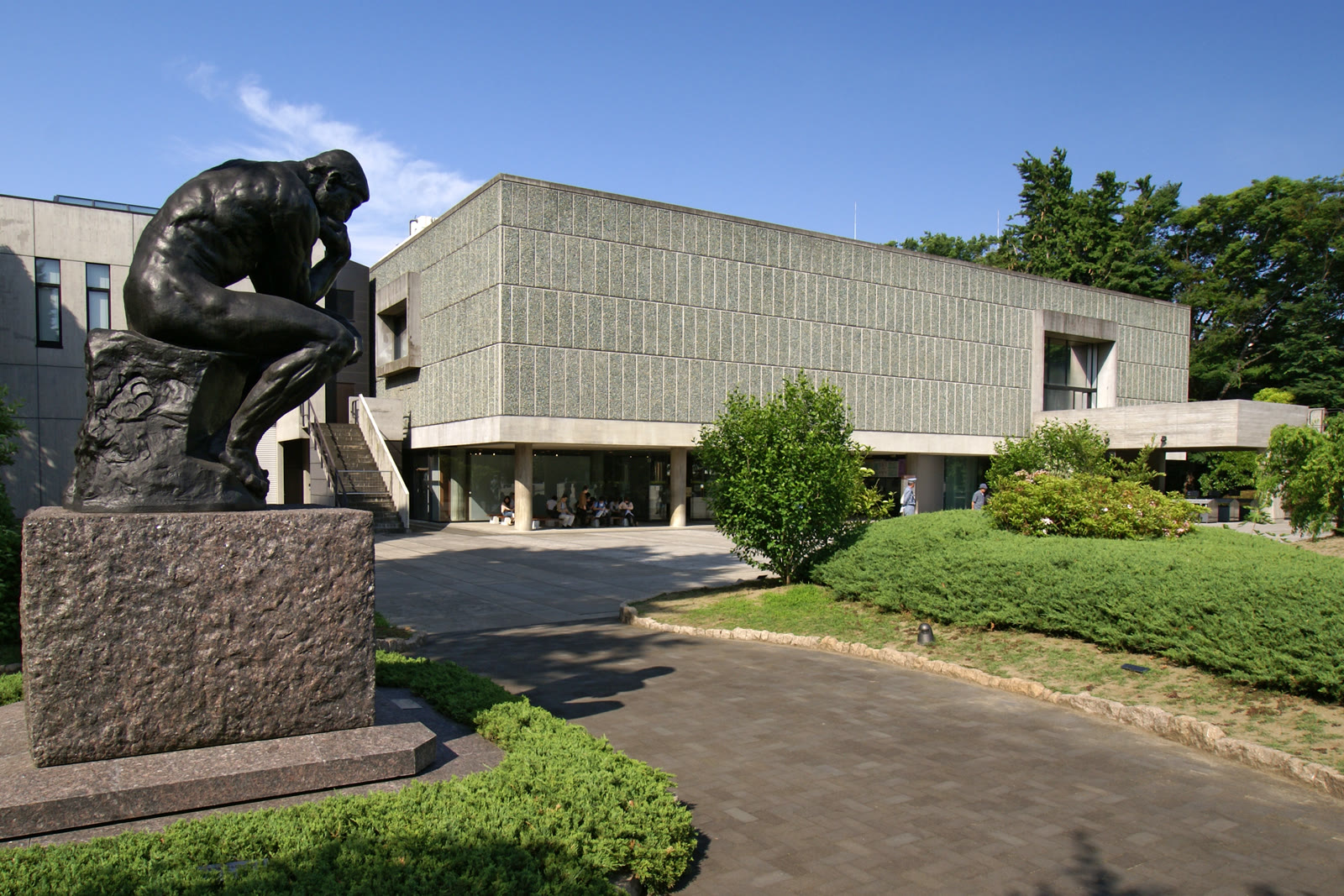
National Museum of Western Art
0.1 km · straight line
 Kestrel / CC BY-SA 4.0
Culture · Tokyo★★
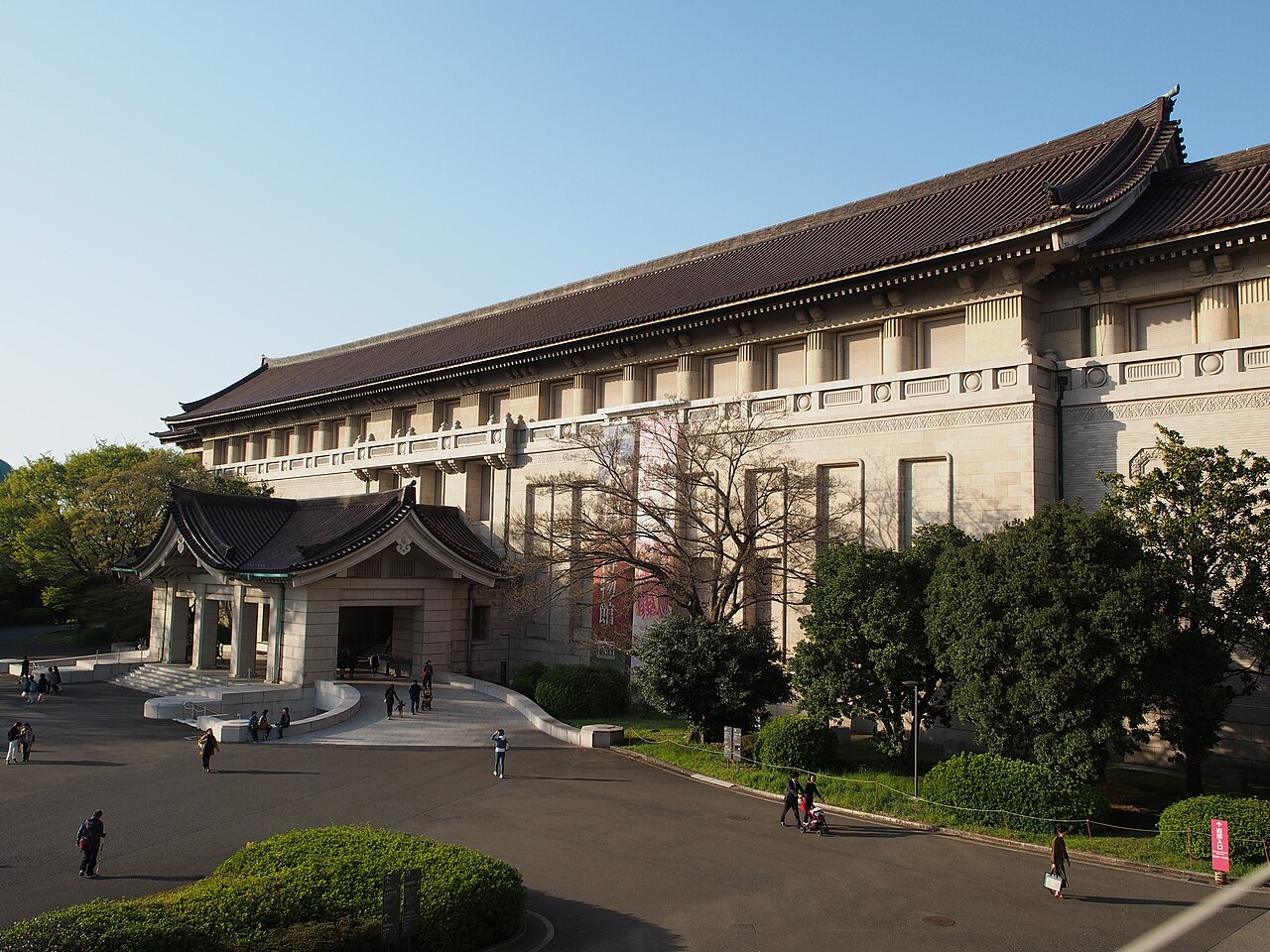
Tokyo National Museum
0.3 km · straight line
 江戸村のとくぞう / CC BY-SA 4.0
Local life · Tokyo★★★
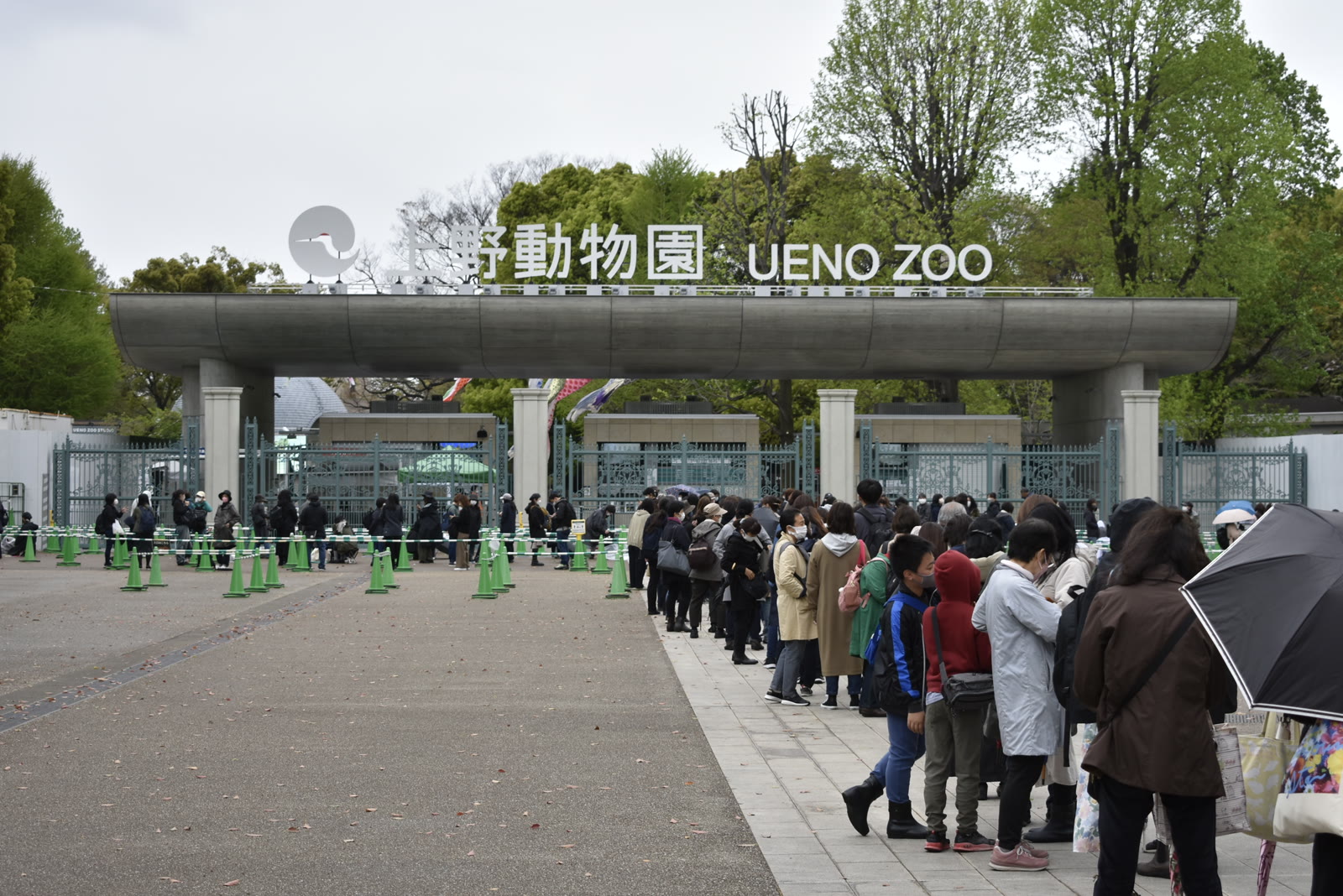
Ueno Zoo
0.4 km · straight line
 Rijksmuseum / CC0
Culture · Tokyo★★★
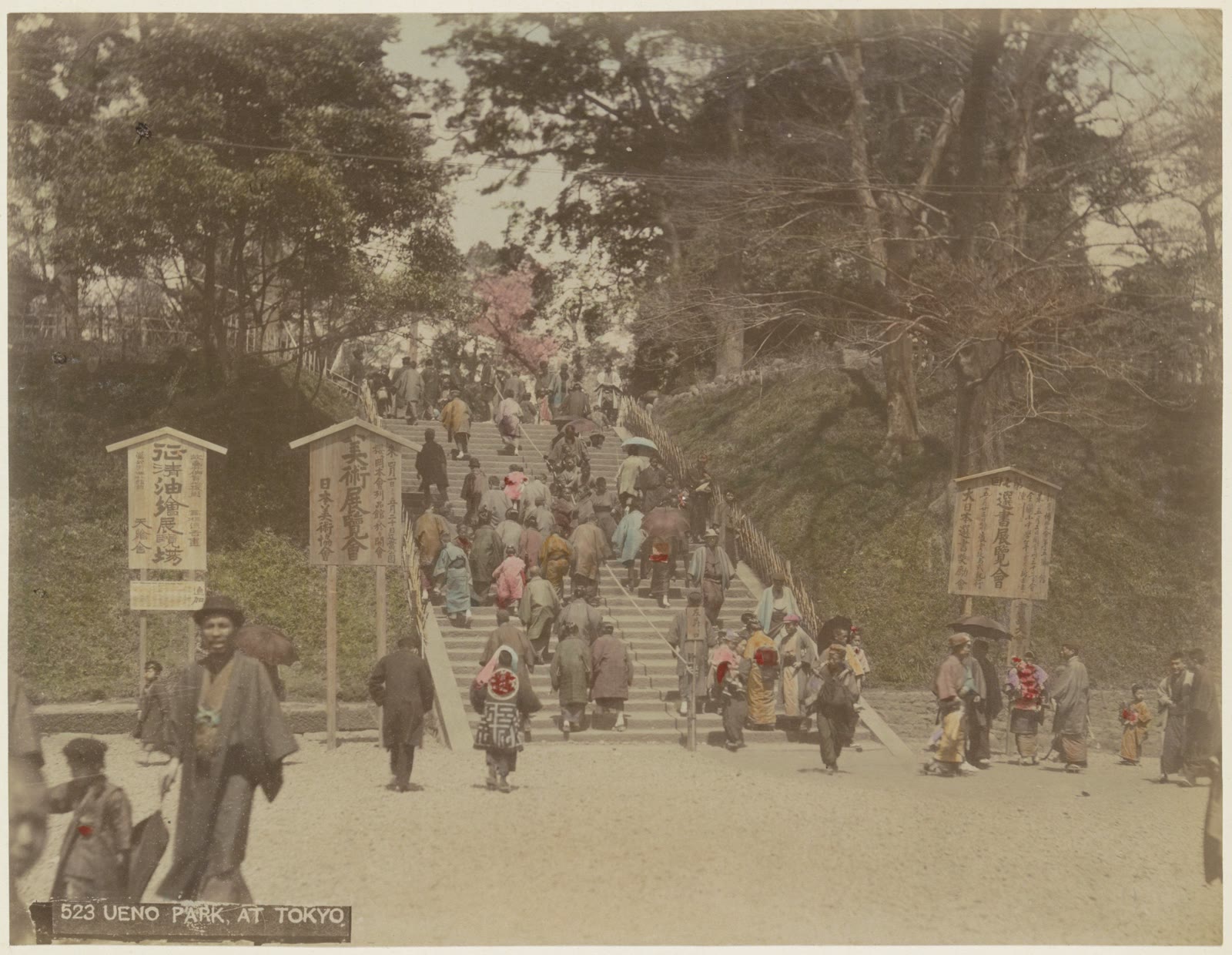
Ueno Park
0.5 km · straight line
Distances are straight lines on the map, not travel times.