Tokyo · UenoNo.390★★★Open in map →
Ueno Zoo
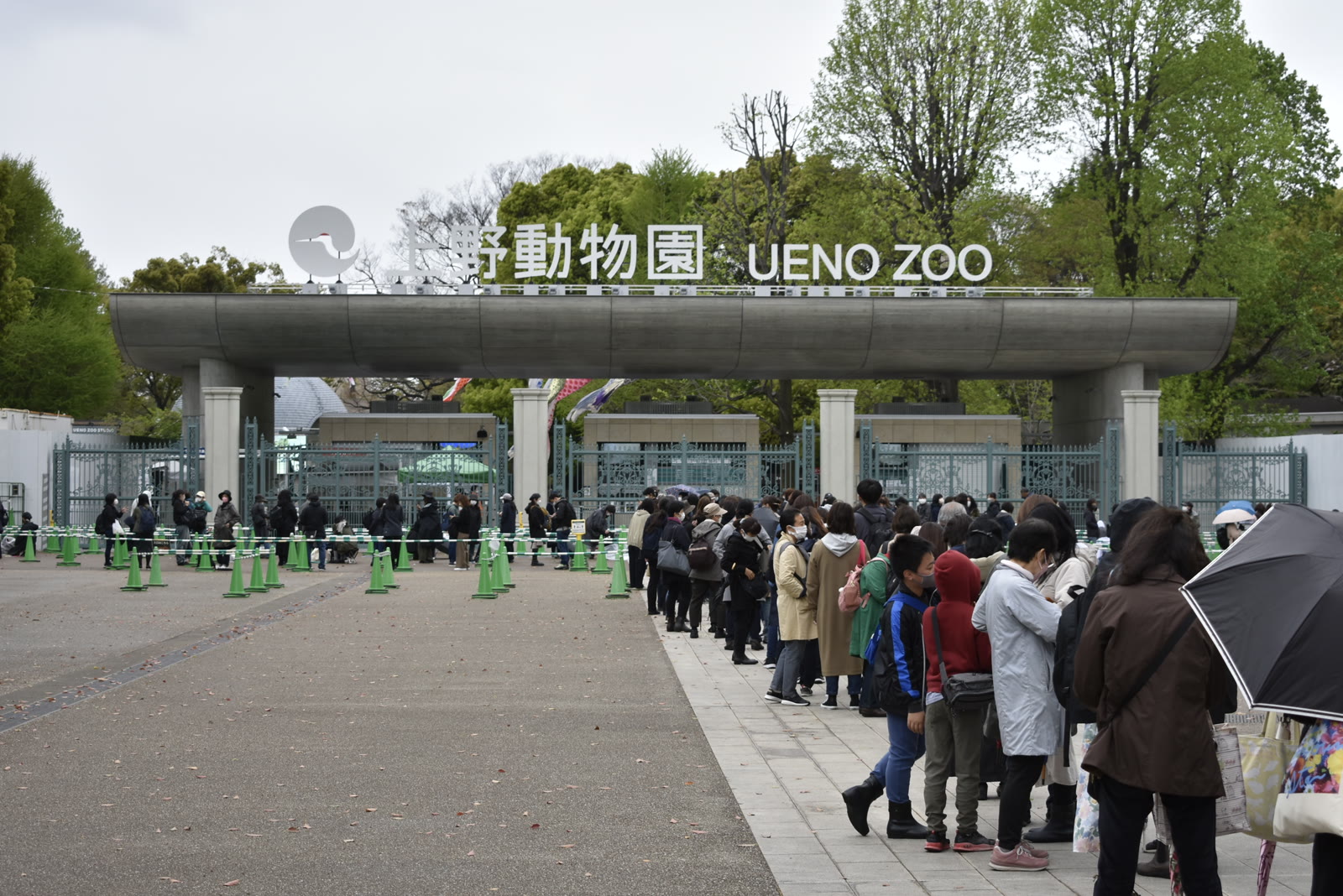
Opened in 1882 as Japan's first zoo, officially the Ueno Zoological Gardens, set inside Ueno Park. It is the country's best-known home of giant pandas and remains one of the cheapest major attractions in central Tokyo.
- FromTokyo Stn
- ~10 minJR, then a 5-min walk
- Get off atUeno Station (Park Exit)
- On foot
- Ueno Zoo
Where it is
77 more notes in Tokyo · open the map →What to look for — in walking order
- The giant panda enclosurethe reason most first-time visitors come; queues form early and the viewing line keeps moving, so you pass rather than linger
- East Gardenthe older half, densely laid out, holding the big-mammal houses and the five-storey pagoda visible over the fence from the former Kaneiji temple grounds
- Bridge over Shinobazu Pondthe crossing between the two gardens, with the pond's lotus beds below — worth the walk even without the animals
- West Garden and the children's zoomore open ground, the aye-aye and small-mammal houses, and a hands-on area aimed at younger visitors
How to actually get there
- Tokyo Stn → Ueno Stn (JR Yamanote or Keihin-Tohoku Line, ~8 min).
- Ueno Stn Park Exit → through Ueno Park past the museums → zoo main gate (walk, ~5 min).
- East Garden → bridge over Shinobazu Pond → West Garden.
- Tokyo Stn → Ueno Stn (JR), then walk from the Park Exit
- From Tokyo Station take the JR Yamanote or Keihin-Tohoku Line to Ueno Station, about 8 minutes. Leave by the Park Exit (koen-guchi), cross the plaza, and the zoo's main gate is about 5 minutes' walk through Ueno Park, past the museums. Keisei-Ueno and Tokyo Metro Ueno stations are also close but the JR Park Exit is by far the simplest approach.
- Ueno Stn → Tokyo Stn
- Return through the park to the Park Exit and take the JR Yamanote or Keihin-Tohoku Line. Both run every few minutes until late. Ueno is also a Shinkansen stop, so you can continue north directly from here.
About the place
Ueno Zoo opened in 1882, which makes it older than most of the buildings around it and older than the idea of a public zoo in much of Asia. It occupies a corner of Ueno Park, so it sits within walking distance of four major museums — you can pair it with the National Museum of Nature and Science without changing trains. The grounds are split into an East Garden and a West Garden, linked by a bridge across Shinobazu Pond; the east side holds the older, denser part of the collection and the west side is more open. Giant pandas have been the zoo's public face since Kang Kang and Lan Lan arrived in 1972 to mark the normalisation of relations between Japan and China, and the panda enclosure is where the queue forms. Pandas in Japan are on loan from China and individuals are periodically returned, so which animals are actually on display changes; check the official site before building a visit around a specific one. Entry is cheap enough that many Tokyo residents treat it as a park with animals rather than a day out.
How to enjoy it
Go on a weekday if you can; weekends and Japanese school holidays fill the panda queue first thing. The zoo is closed on Mondays (the following day if Monday is a public holiday) and shuts in the late afternoon, so this is a morning-to-early-afternoon visit, not an evening one. Enter from the Park Exit of Ueno Station and you pass the museums on the way in — the National Museum of Nature and Science is a five-minute walk from the zoo gate, which makes the two an easy pair on one ticket-free walk between them.
Background & history
The zoo was founded in 1882 under the Ministry of Education as part of the same Meiji-era museum complex that produced the institutions now filling Ueno Park, and its full name — Ueno Onshi Koen Zoological Gardens — carries the word onshi, 'imperial gift', from its transfer to the City of Tokyo in 1924. It suffered severely in the Second World War, when large animals were killed under wartime orders, an episode still commemorated at a memorial on the grounds. The 1972 arrival of the first giant pandas turned the zoo into a national news fixture and drove queues that ran for hours. A monorail connecting the two gardens, the first monorail line in Japan, ran from 1957 until it was retired in 2019.
Before you go
- Cash
- Admission is inexpensive by Tokyo standards and there are reduced rates for children and seniors; check the official site for the current price. IC cards (Suica, PASMO) work on the trains and generally at the ticket gate. Carry some cash for the kiosks inside.
- Good to know
- Closed on Mondays — or the following weekday when Monday falls on a public holiday — and over the New Year period. Last admission is an hour before closing. Feeding the animals is not permitted, and some houses close earlier than the grounds.
- Another way
- From Shinjuku or Shibuya, the JR Yamanote Line runs direct to Ueno in about 25 to 30 minutes. From Asakusa, the Tokyo Metro Ginza Line takes about 5 minutes.
- After you get off
- Use the Park Exit at Ueno Station, not the Central Exit. The zoo gate is straight ahead through the park, roughly 5 minutes on foot.
Nearby notes
 Rijksmuseum / CC0
Culture · Tokyo★★★
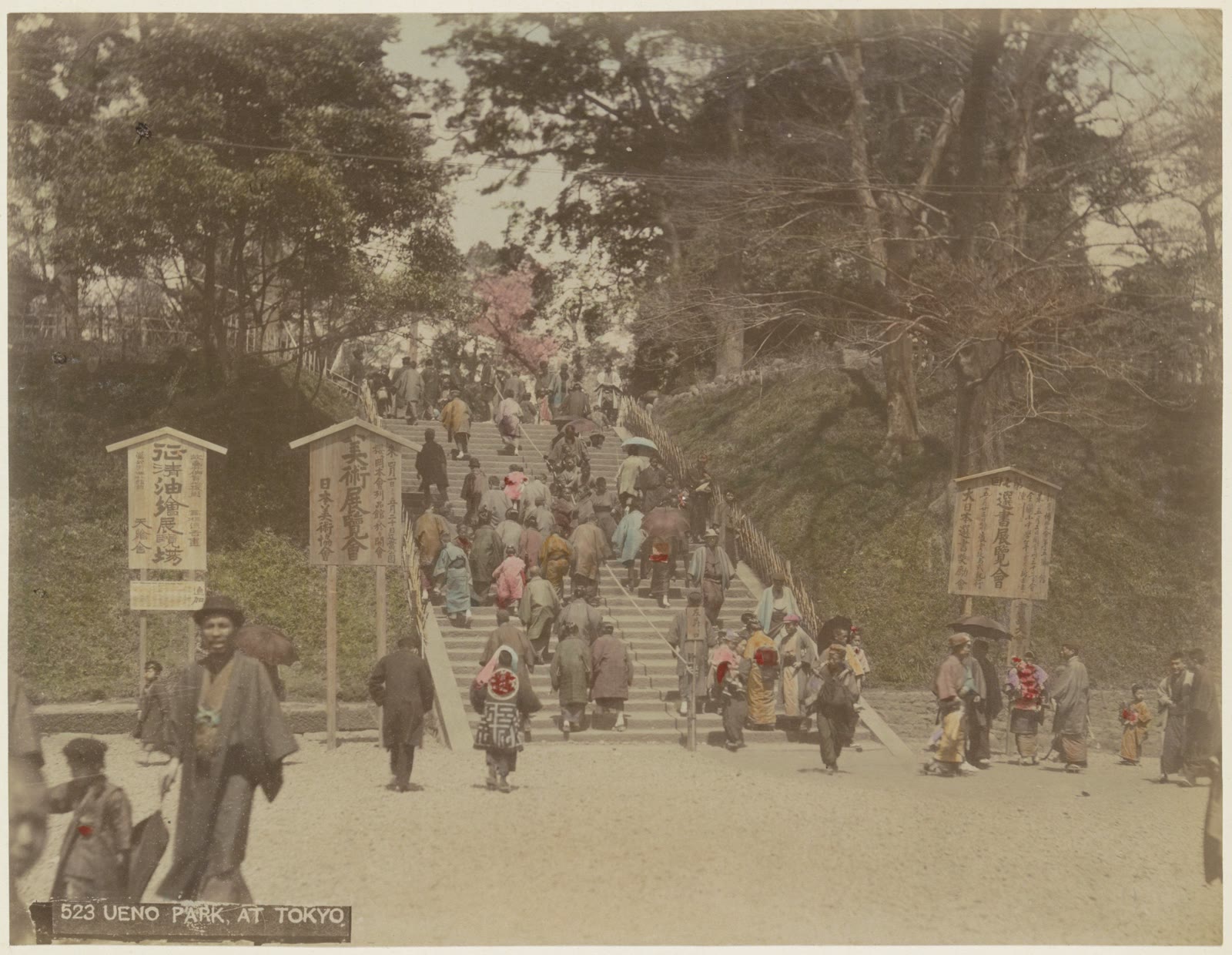
Ueno Park
0.2 km · straight line
 663highland / CC BY 2.5
History · Tokyo★★★
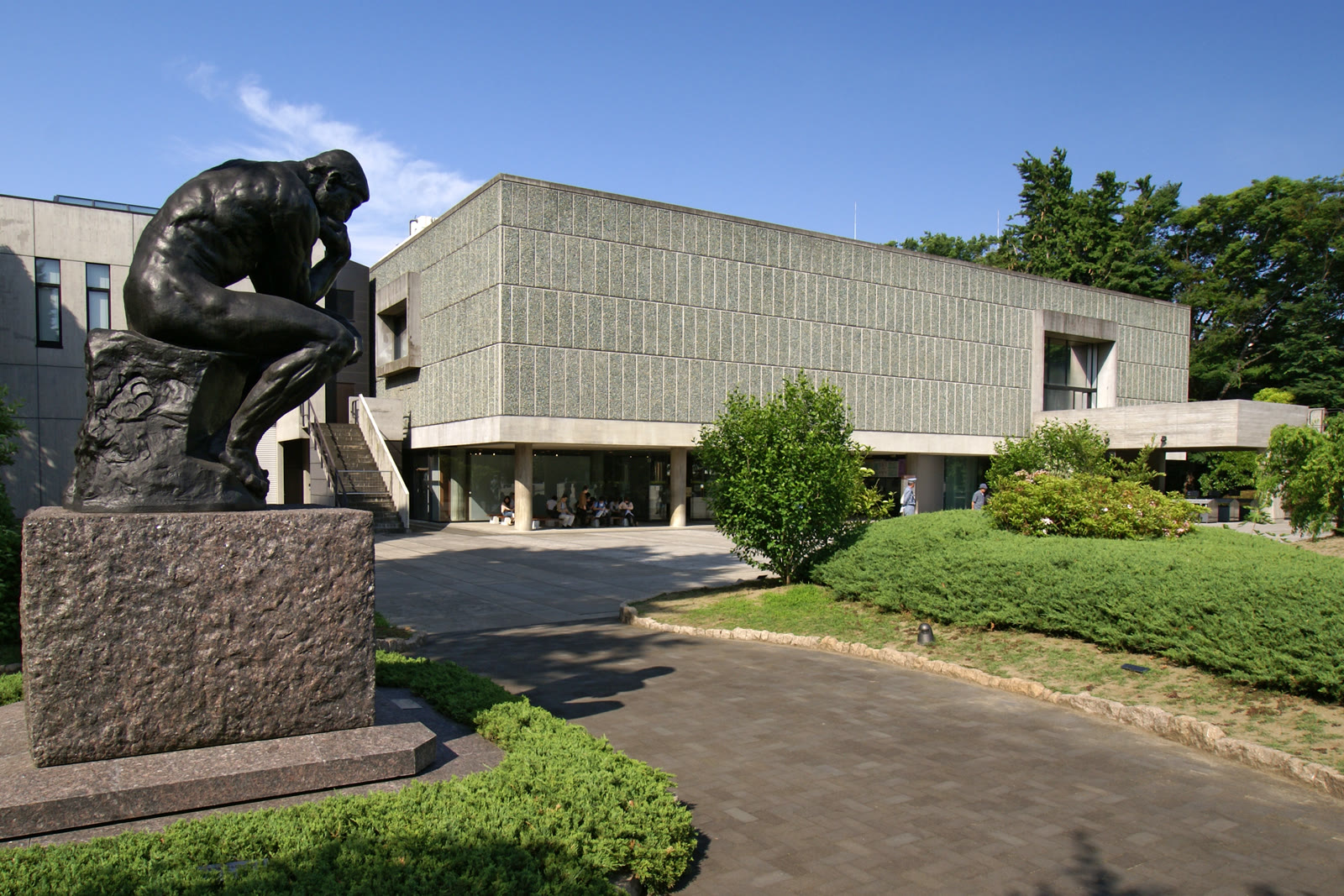
National Museum of Western Art
0.4 km · straight line
 istolethetv / CC BY 2.0
History · Tokyo★★★
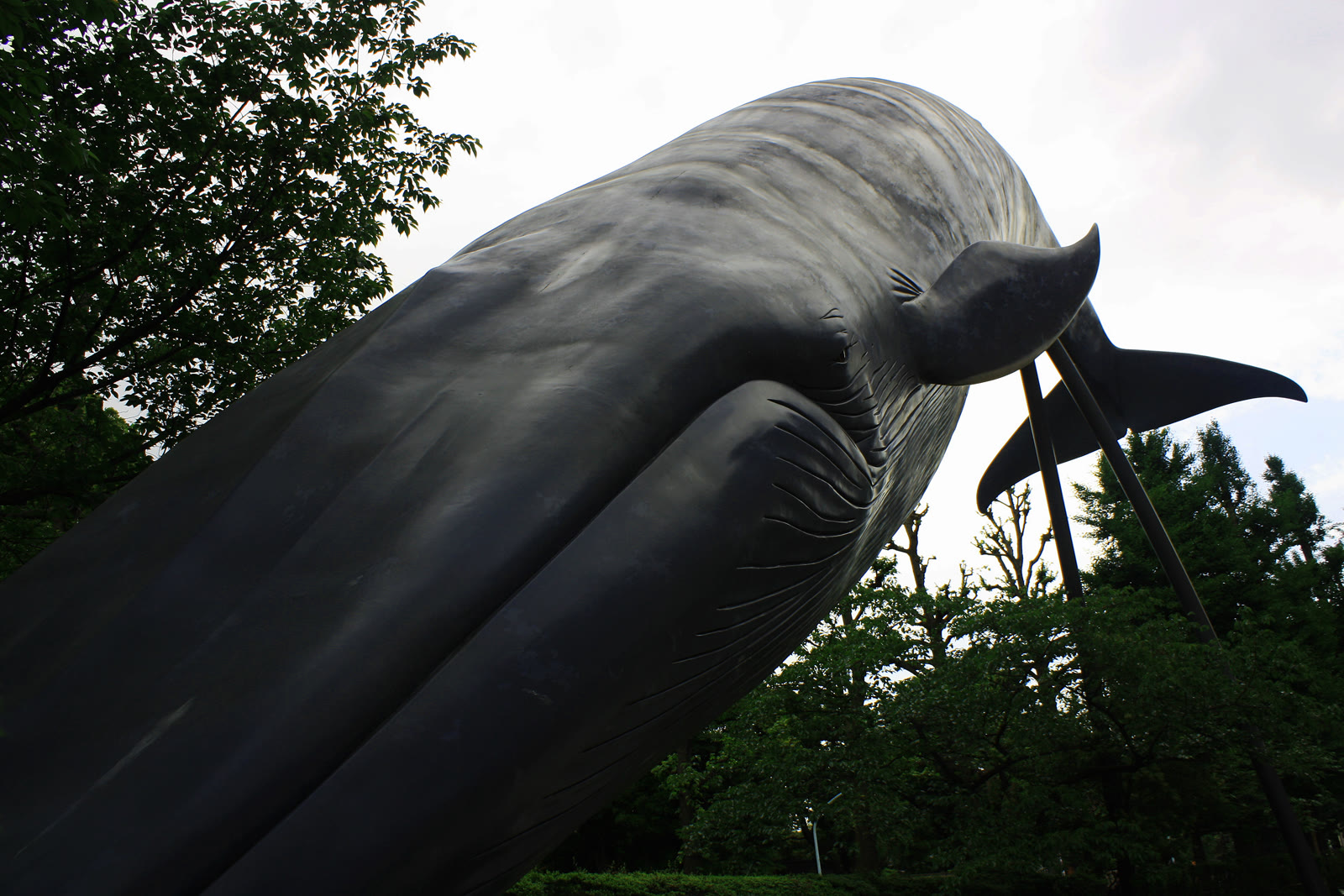
National Museum of Nature and Science
0.4 km · straight line
 Kestrel / CC BY-SA 4.0
Culture · Tokyo★★
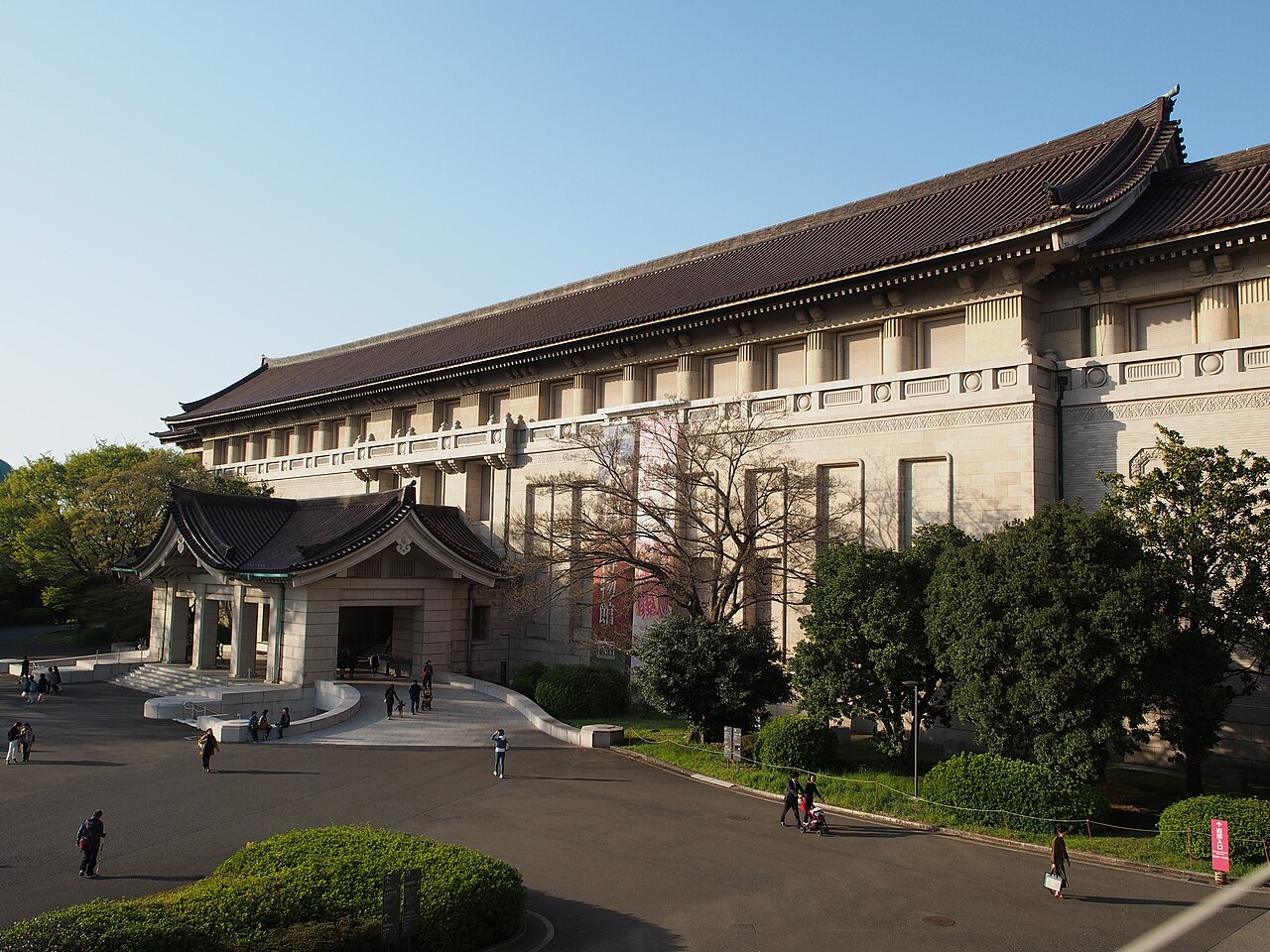
Tokyo National Museum
0.5 km · straight line
Distances are straight lines on the map, not travel times.