Central Tokyo · Kanda / AkihabaraNo.349★★Open in map →
Kanda Myojin
— Edo's guardian shrine above Akihabara
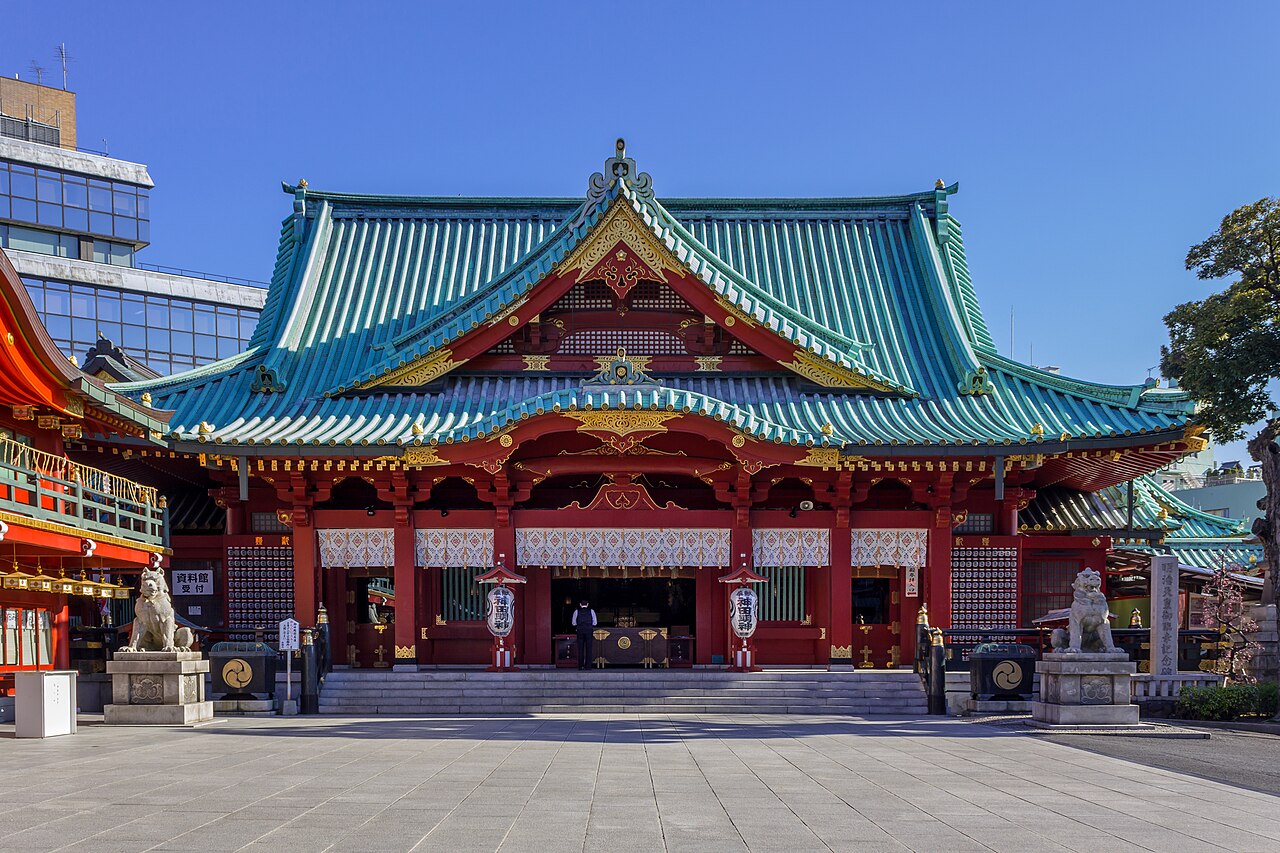
A shrine in Chiyoda, Tokyo, recorded as founded in 730 and moved to its present hilltop in 1616 to guard Edo Castle — the general guardian shrine of 108 neighbourhoods, standing directly above Akihabara.
- FromTokyo Stn
- ~5 minJR (very frequent) + 5 min walk
- Get off atOchanomizu Stn (JR Chuo-Sobu, Hijiribashi Exit)
- On foot
- Kanda Myojin
The sweet spot
The shrine is a five-minute walk from Akihabara but sits above it on a hill, so the enormous foreign crowd in the electronics district largely never climbs up. It is also the clearest single place in Tokyo to see how an ancient institution has kept itself relevant — the same counter sells a thirteen-century-old blessing and a charm for your hard drive.
Where it is
77 more notes in Tokyo · open the map →What to look for — in walking order
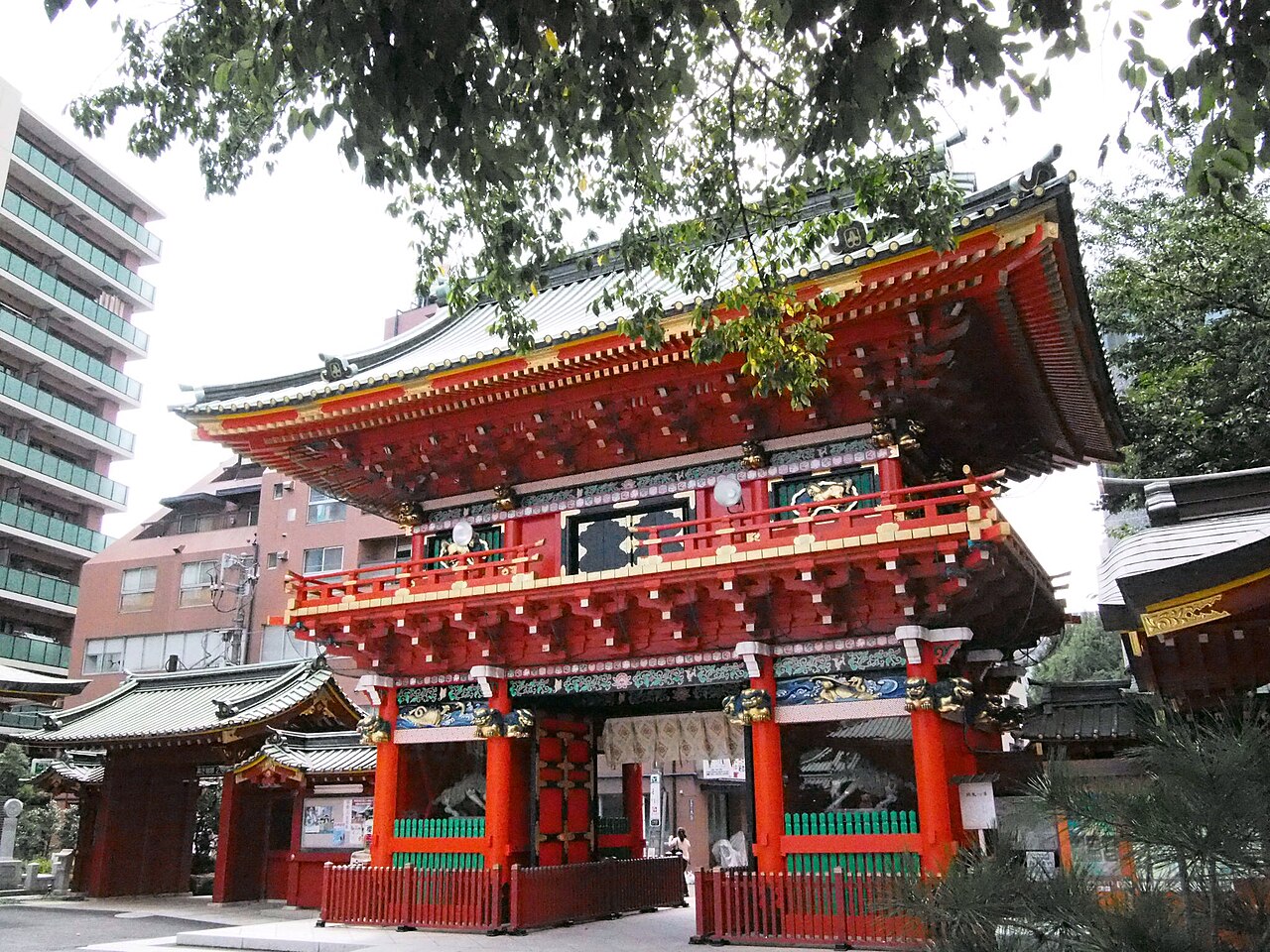
- The Zuijinmon gatethe vermilion two-storey gate at the top of the approach steps, with carved guardian figures in its bays
- The main hallrebuilt in 1934 in reinforced concrete, lacquered vermilion and black in the gongen style, and a survivor of the 1945 air raids
- The amulet counter and ema boardswhere the shrine sells charms for business and information security, and where the prayer boards are covered in anime drawings
- EDOCCO cultural exchange hallthe modern building on the grounds, opened in 2018, with a cafe, shop and event hall
How to actually get there
- Tokyo Stn → Ochanomizu Stn (JR Chuo Line rapid, ~5 min, very frequent).
- Hijiribashi Exit → walk east about 5 min to the Zuijinmon gate.
- Through the gate to the main hall; the amulet counter and EDOCCO hall are on the right of the courtyard.
- Tokyo Stn → Ochanomizu Stn (JR Chuo Line)
- From Tokyo Station take the JR Chuo Line rapid two stops to Ochanomizu Station — about 5 minutes, with very frequent trains. Leave by the Hijiribashi Exit, cross the road and walk downhill east for about 5 minutes; the shrine's vermilion Zuijinmon gate stands at the top of a short flight of steps on the left.
- Return via Ochanomizu, or walk down to Akihabara
- Retrace to Ochanomizu Station for the JR Chuo or Sobu Line. Alternatively walk downhill southeast for about 7 minutes to Akihabara Station, which puts you on the Yamanote, Sobu and Tsukuba Express lines — the more useful exit if you are continuing your day in the electronics district.
About the place
Kanda Myojin is recorded as founded in 730, which makes it roughly thirteen centuries old, though it did not always stand here — it was originally near what is now Otemachi and was moved to this hilltop in 1616, deliberately placed to guard the northeast approach to Edo Castle, the direction traditionally held to be dangerous. From that position it became the sochinju, the general guardian shrine, of 108 neighbourhoods across Kanda, Nihonbashi, Akihabara and the Marunouchi area. It enshrines three deities: Onamuchi, worshipped as Daikokuten and petitioned for good matches; Sukunahikona, worshipped as Ebisu and petitioned for prosperity in business; and Taira no Masakado, the tenth-century warrior who rebelled against the imperial court and whose head is buried a short distance away in Otemachi. The modern twist is geographic. Akihabara sits directly downhill, so the shrine's business-prosperity role now extends to the electronics trade: it sells amulets for information security and safe computing, and its ema prayer boards are covered in anime drawings.
How to enjoy it
Allow forty minutes to an hour. Come on a weekday morning if you want the courtyard quiet, or accept the crowds and come in mid-May of an odd-numbered year for the Kanda Matsuri, when portable shrines are carried through Kanda and Nihonbashi over two days. Look properly at the ema boards before you leave — they are the clearest evidence of what this shrine now is. Yushima Seido, the Confucian temple, is directly across the road, and Akihabara is a seven-minute walk downhill, which makes the natural route shrine first, electronics second.
Background & history
Founded in 730 near present-day Otemachi, the shrine was relocated in 1616 to this hill northeast of Edo Castle, a placement chosen to guard the direction traditionally considered inauspicious. It became the general guardian shrine of 108 neighbourhoods of Edo, and its festival, the Kanda Matsuri, was counted among the three great festivals of the city. The present main hall was rebuilt in 1934 in reinforced concrete after the 1923 Great Kanto Earthquake destroyed its predecessor — a decision that saved it, as the building came through the 1945 air raids and is now a registered tangible cultural property. The EDOCCO cultural exchange hall opened on the grounds in 2018.
Before you go
- Cash
- There is no admission charge. Amulets, ema boards and goshuin seals are paid for in cash at the counter beside the main hall. The EDOCCO cultural hall's cafe and shop accept cards.
- Good to know
- The grounds are open through the day and the approach is never closed, but the amulet counter and shrine office keep roughly 9:00 to 17:00 hours — go in the daytime if you want a goshuin or a charm. The shrine is extremely busy at New Year, when it is one of Tokyo's major first-visit destinations, and during the Kanda Matsuri in mid-May of odd-numbered years.
- Another way
- Akihabara Station is about 7 minutes' walk uphill from the electronics district side, and Suehirocho Station on the Tokyo Metro Ginza Line is about 5 minutes away — both are easier if you are already in Akihabara rather than coming from Tokyo Station.
- After you get off
- From Ochanomizu Station's Hijiribashi Exit, walk east along the main road for about 5 minutes, passing Yushima Seido on your right; the shrine's gate is up a short flight of steps on the left.
Nearby notes
 https://www.flickr.com/photos/heiwa4126 / CC BY 2.0
Local life · Tokyo★★
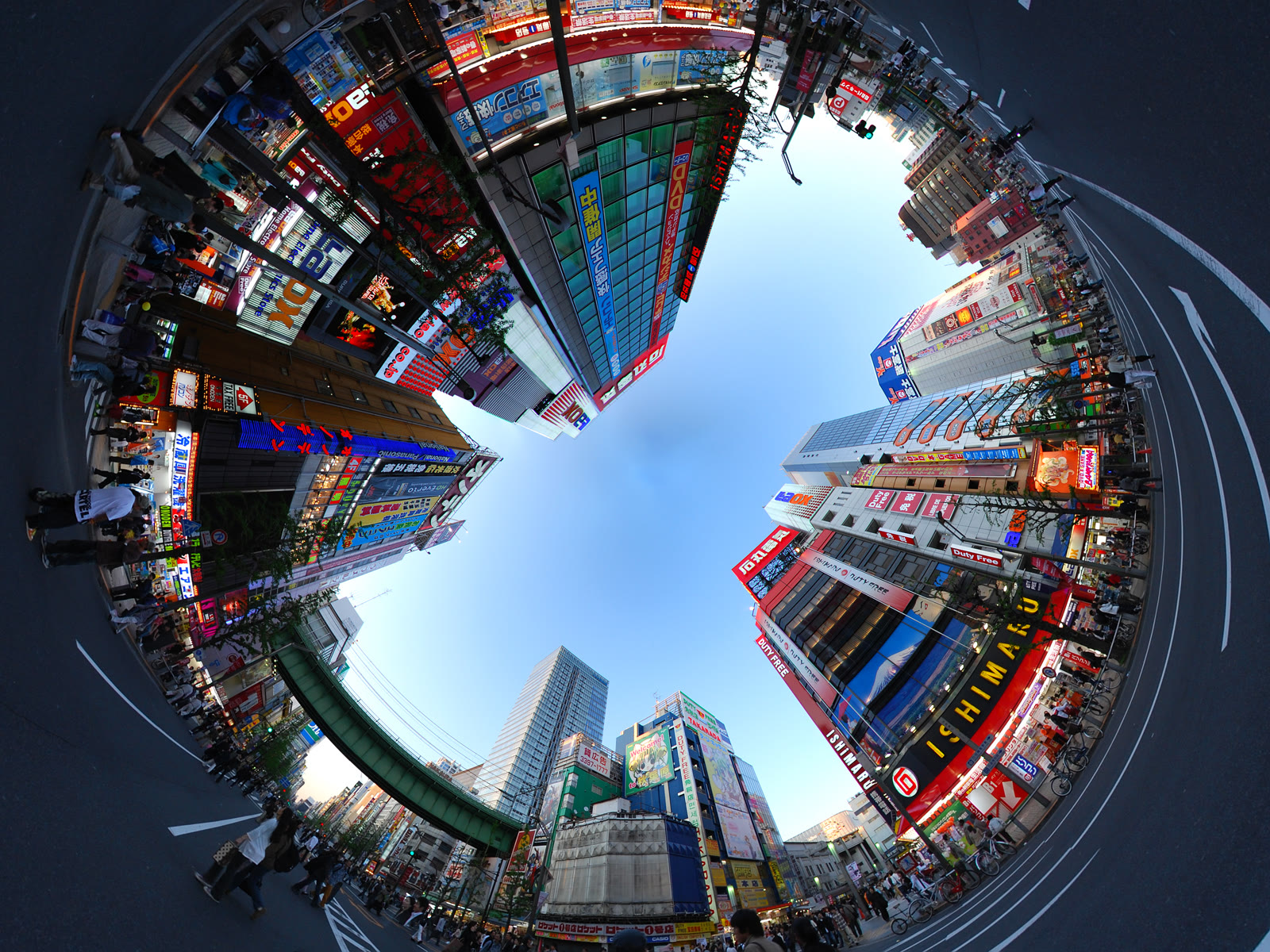
Akihabara
0.6 km · straight line
 663highland / CC BY 2.5
Local life · Tokyo★
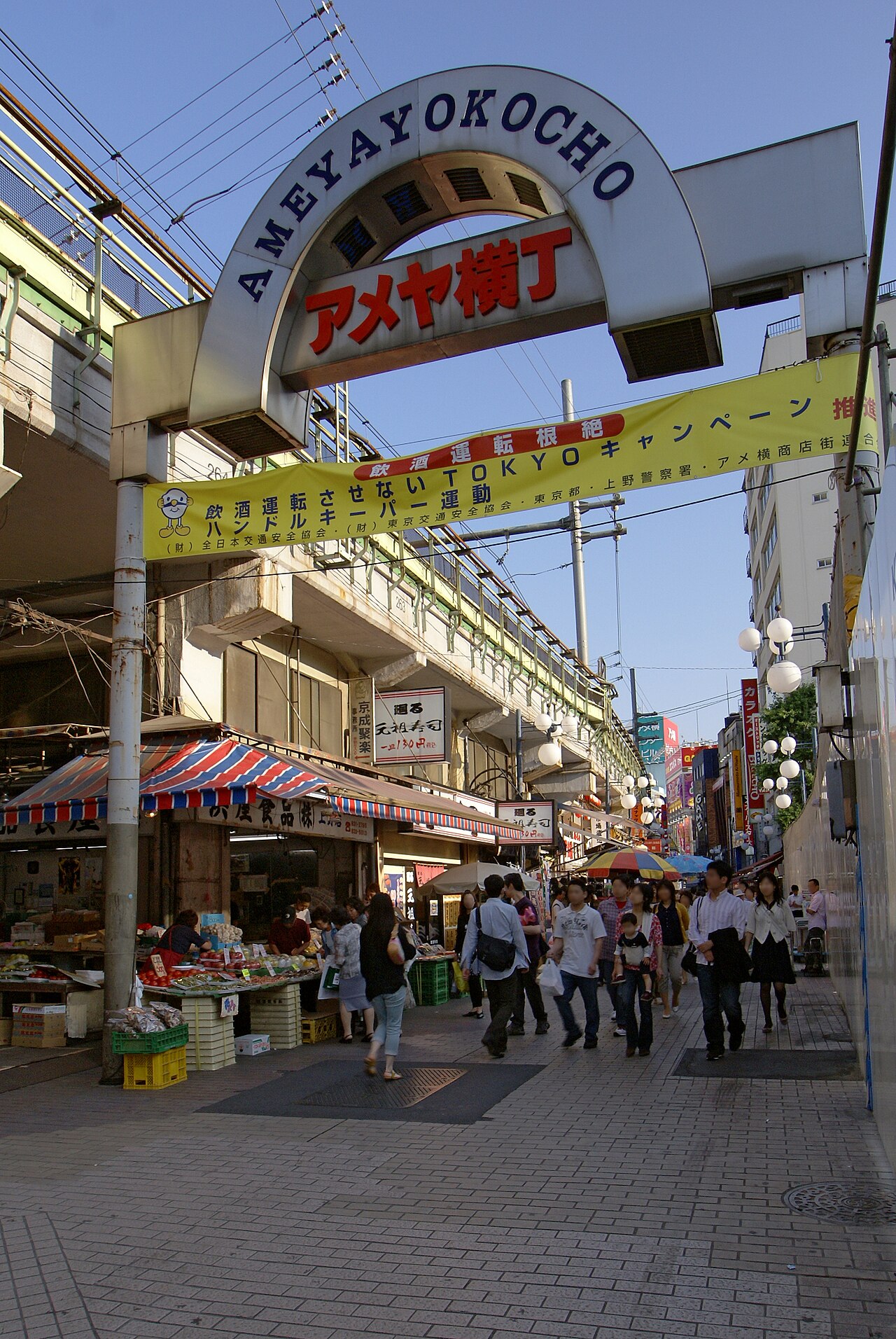
Ameyoko
1.0 km · straight line
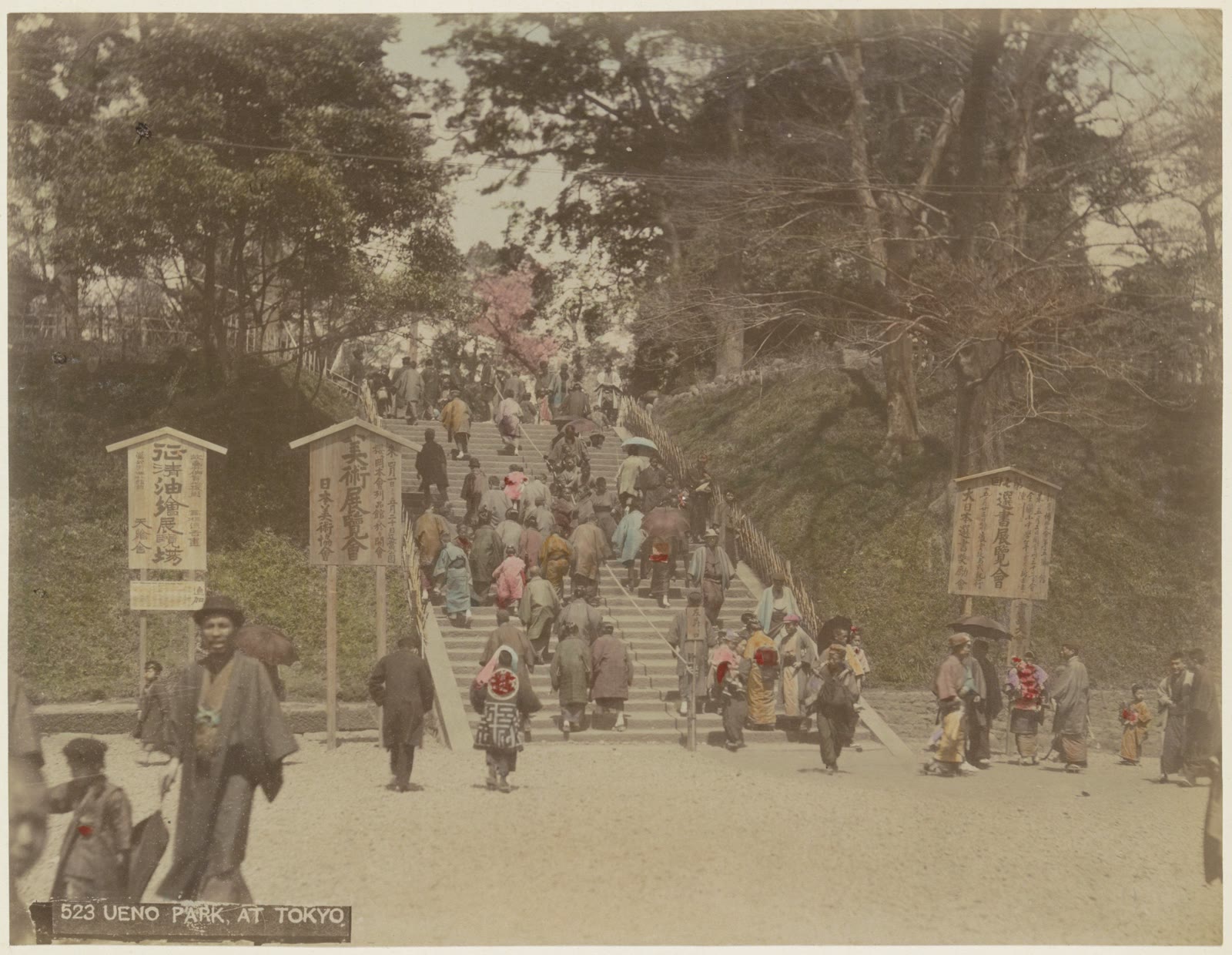 Rijksmuseum / CC0
Culture · Tokyo★★★
Ueno Park
1.5 km · straight line
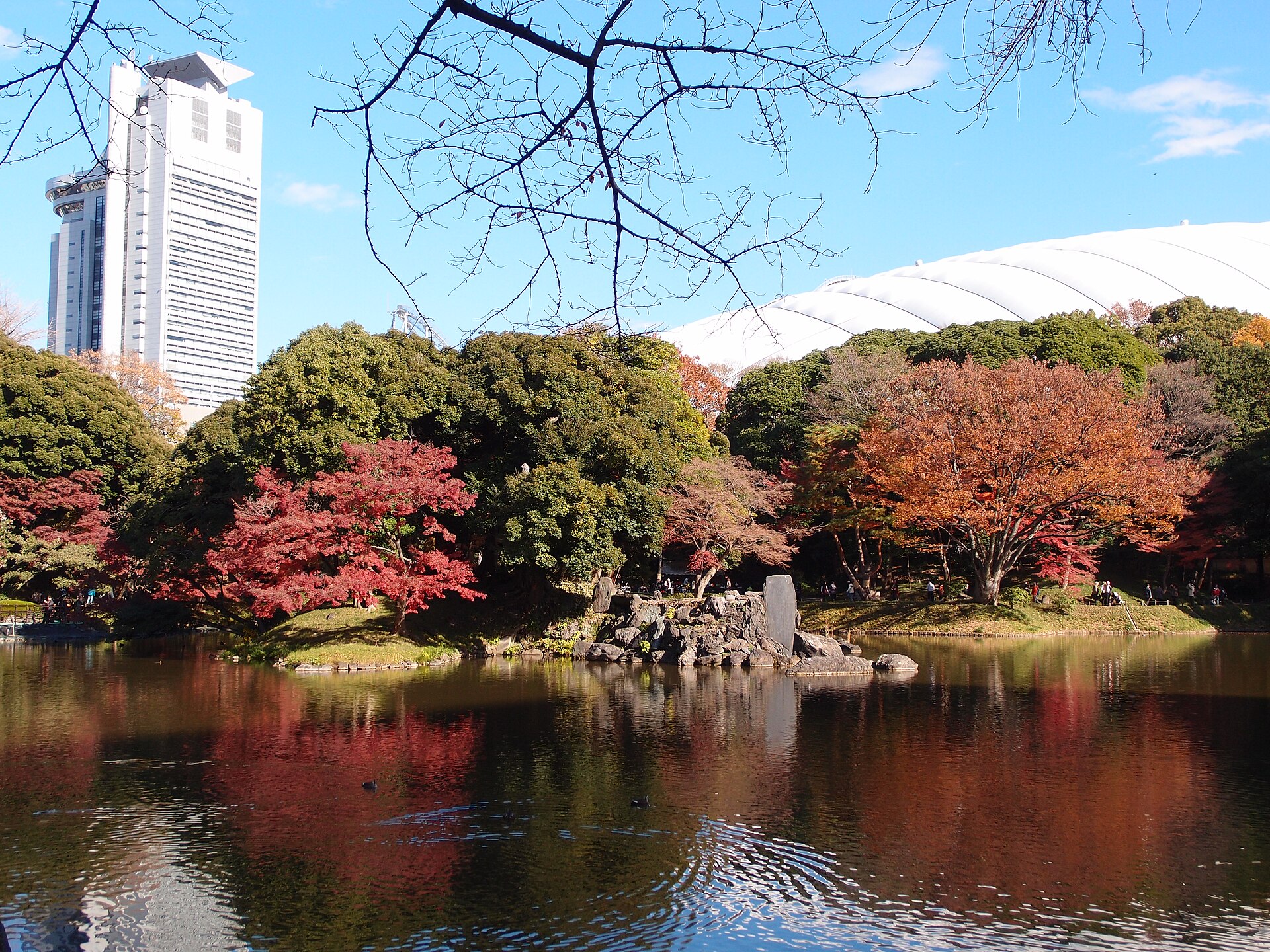 Guilhem Vellut / CC BY 2.0
Nature · Tokyo★★
Koishikawa Korakuen Garden
1.6 km · straight line
Distances are straight lines on the map, not travel times.