Tokyo central · Korakuen / BunkyoNo.879★★Open in map →
Koishikawa Korakuen Garden
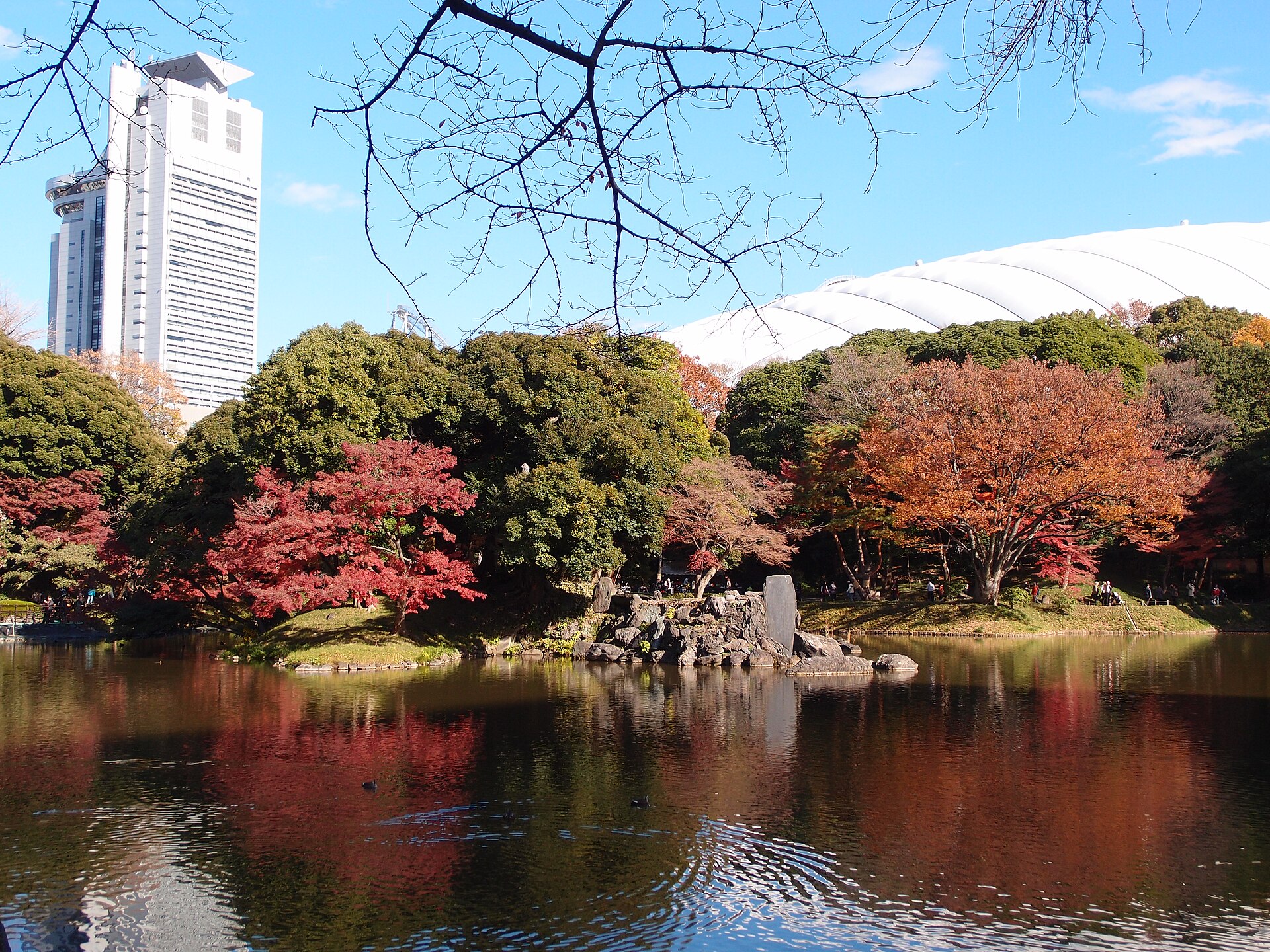
A Mito-Tokugawa daimyo garden from the early Edo period, kept whole in central Bunkyo. Ponds, causeways and stone bridges copy famous scenery from Japan and China, while the roof of the Tokyo Dome shows just above the trees.
- FromTokyo Stn
- ~15 minTokyo Metro (frequent)
- Get off atKorakuen Station (Tokyo Metro Marunouchi Line)
- On foot
- Koishikawa Korakuen Garden
The sweet spot
This is a well-known garden rather than a secret one. It gets skipped because of what surrounds it: a baseball dome, an amusement park and a busy interchange all sit within a few minutes of the gate, and the entrance is easy to walk straight past.
Where it is
77 more notes in Tokyo · open the map →What to look for — in walking order
- Dai-sensui pondthe central water standing in for Lake Biwa, with the islet of Horaijima set in it
- Seiko-no-tsutsumia scaled-down copy of the causeway across West Lake in Hangzhou
- Tsutenkyoan arched bridge over a maple ravine, named for the one at Tofukuji in Kyoto
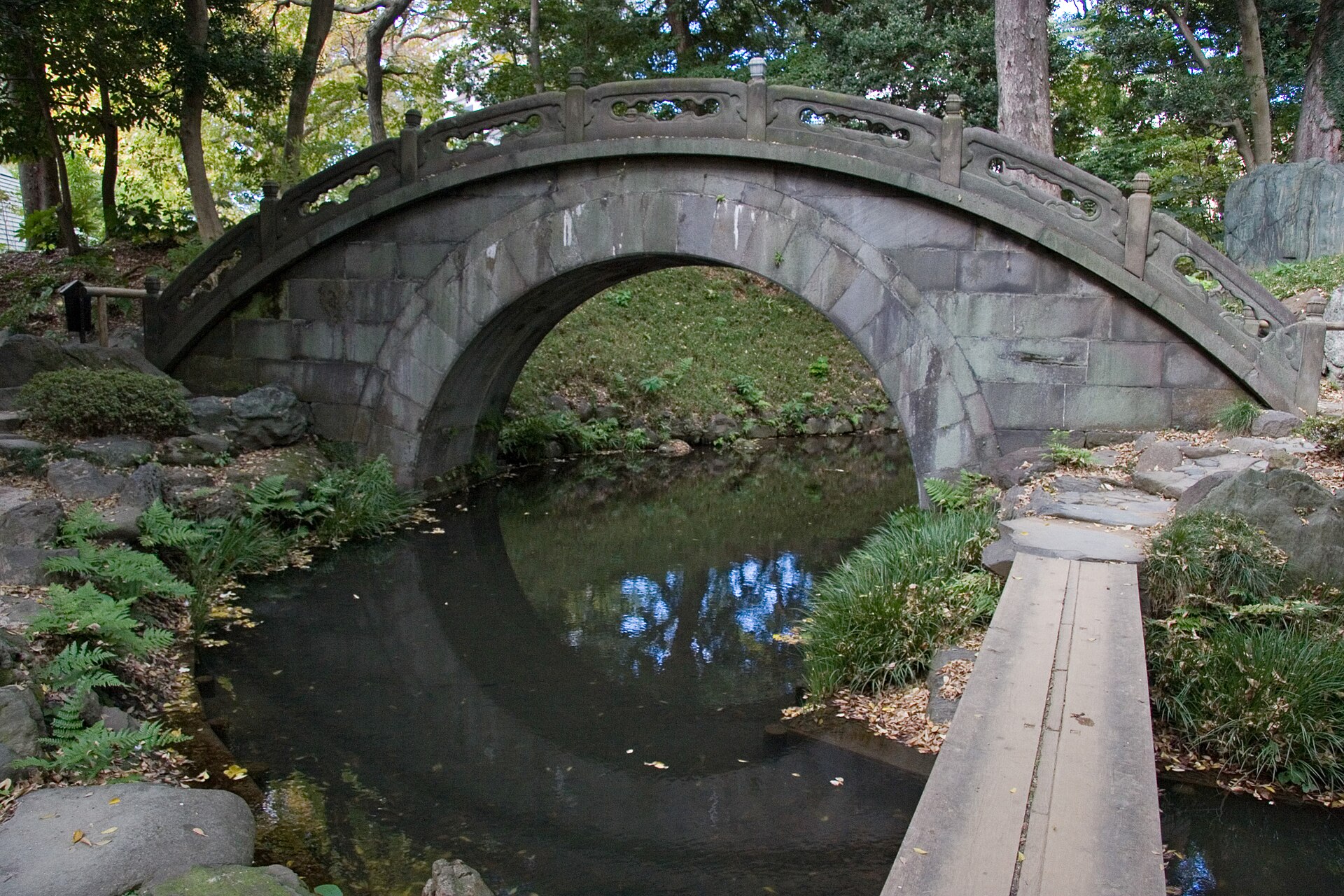
- Engetsu-kyoa Chinese-style stone arch whose reflection closes into a full circle on still water
- Inada rice paddya working paddy inside the garden, planted and harvested each year by local schoolchildren
How to actually get there
- Tokyo Station → Korakuen Station (Tokyo Metro Marunouchi Line, about 8 minutes).
- Korakuen Station Exit 2 → East Gate (short walk southwest along the garden wall).
- Buy a ticket at the East Gate and follow the circuit path clockwise around the pond.
- Tokyo Metro Marunouchi Line, direct from Tokyo Station
- Tokyo Station →(Marunouchi Line, about 8 minutes)→ Korakuen Station, then a short walk to the East Gate. Trains run every few minutes through the day, so there is no timetable to plan around. Pay at the gate with an IC card or a ticket.
- Return from Korakuen Station
- Walk back to Korakuen Station and ride the Marunouchi Line toward Tokyo Station or Shinjuku. The garden shuts in the late afternoon, so you will be leaving long before any last-train question arises. The Namboku Line uses the same station if you are heading south toward Meguro.
About the place
Koishikawa Korakuen covers 70,847 square metres of Bunkyo City, wedged between the Kanda River and the Tokyo Dome. It is the oldest surviving daimyo garden in the capital, made as the Edo residence garden of the Mito branch of the Tokugawa family. The layout is a strolling garden: one circuit path rings a central pond, and every bend opens a different composed view. Those views are quotations of real places. A causeway repeats the one across West Lake in Hangzhou, an arched bridge repeats one at Tofukuji in Kyoto, and the pond itself stands in for Lake Biwa. Office towers and a white stadium roof stay visible above the treeline the whole way round.
How to enjoy it
Gates open at 9:00, and that first hour is the calmest part of the day, before school groups and lunchtime visitors arrive. Walk the circuit clockwise from the East Gate so the pond views come first and the Chinese-style bridges close the loop. Two seasons repay a special trip: plum blossom at the end of winter, and the maples over Tsutenkyo in late autumn.
Background & history
Work began in 1629 under Tokugawa Yorifusa, first lord of the Mito domain, on land granted for the clan's Edo residence. His son Mitsukuni finished it and recut the plan along Confucian lines, advised by Zhu Shunsui, a Ming scholar living in exile in Japan. That is why so much of the garden quotes Chinese scenery rather than Japanese. In 1952 it took a double national listing, as a Special Historic Site and a Special Place of Scenic Beauty — the highest pair of designations Japan gives a garden.
Before you go
- Cash
- Adult admission was 300 yen when checked, with a reduced rate for older visitors and free entry for children. The ticket window at each gate takes cash, and card payment is also accepted. Station gates take IC cards such as Suica and Pasmo.
- Good to know
- Gates shut in the late afternoon and last admission is thirty minutes before closing, so this is a daytime visit; the garden also closes over the New Year period. Paths are gravel and earth with no lighting. After rain the pond edges and the stone steps get slippery.
- Another way
- From Shinjuku, take the Toei Oedo Line to Iidabashi Station and leave by exit C3 — the West Gate is three minutes away on foot. Entering here reverses the circuit and puts the rice paddy and the stone arch early in the walk.
- After you get off
- From Korakuen Station use Exit 2, cross toward the Tokyo Dome City frontage and follow the garden wall southwest to the East Gate. The west exit of JR Suidobashi Station reaches the same gate in a similar walk.
Nearby notes
 Kamemaru2000 / CC BY-SA 3.0
Local life · Tokyo★
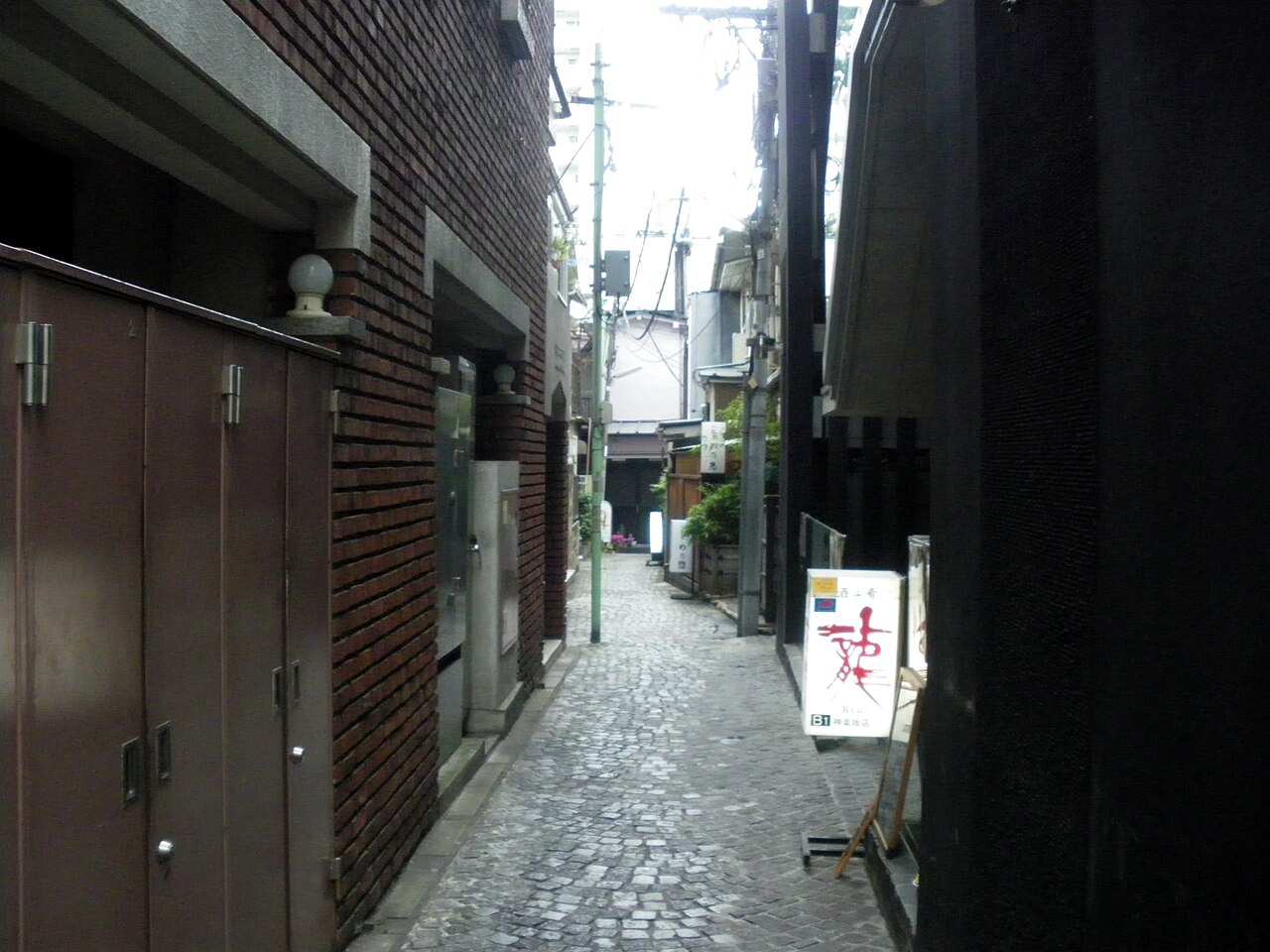
Hyogo Yokocho
1.0 km · straight line
 Kakidai / CC BY-SA 3.0
History · Tokyo★★
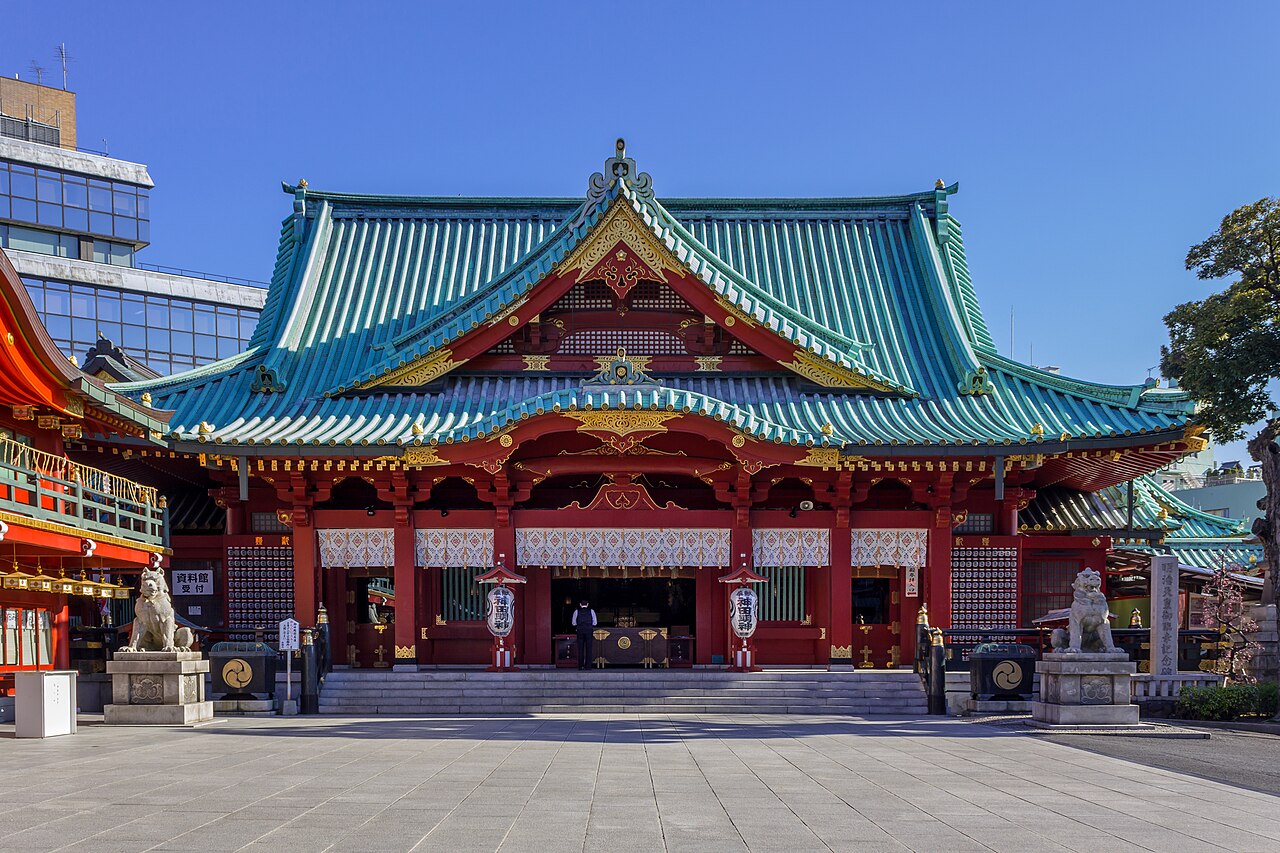
Kanda Myojin
1.6 km · straight line
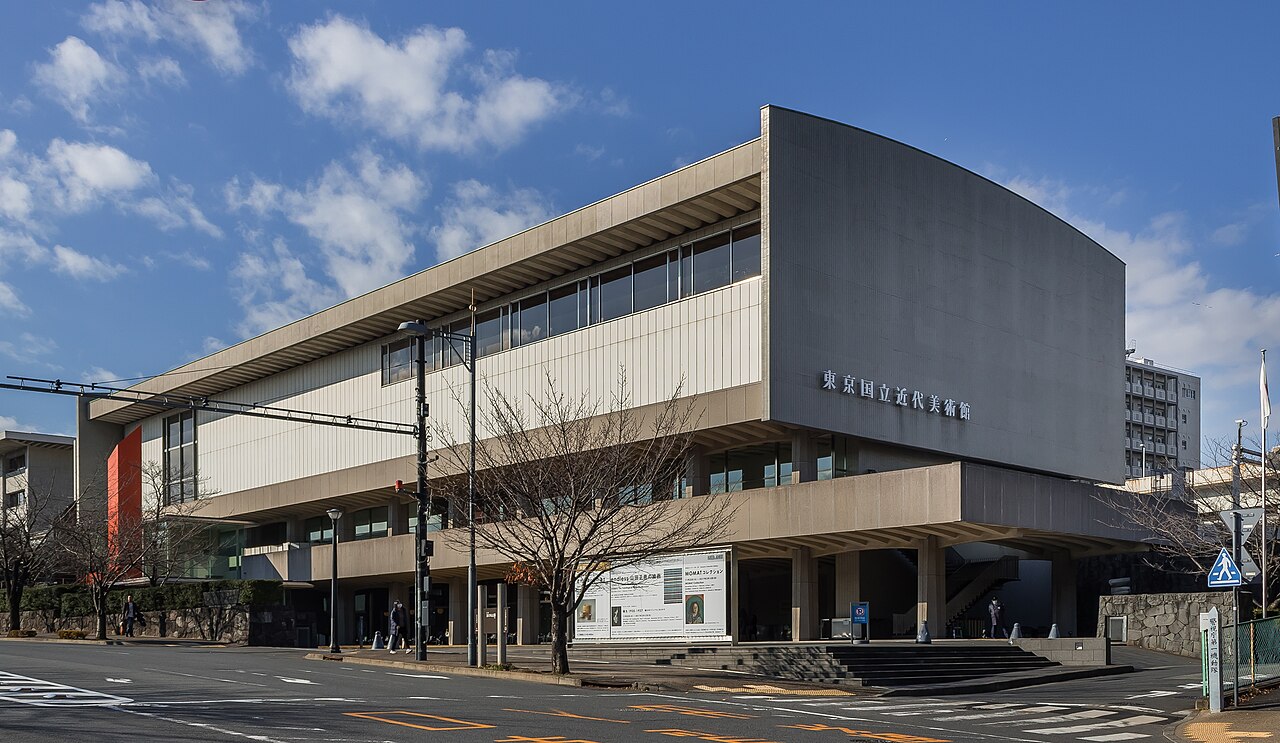 Kakidai / CC BY-SA 4.0
Culture · Tokyo★★
The National Museum of Modern Art
1.7 km · straight line
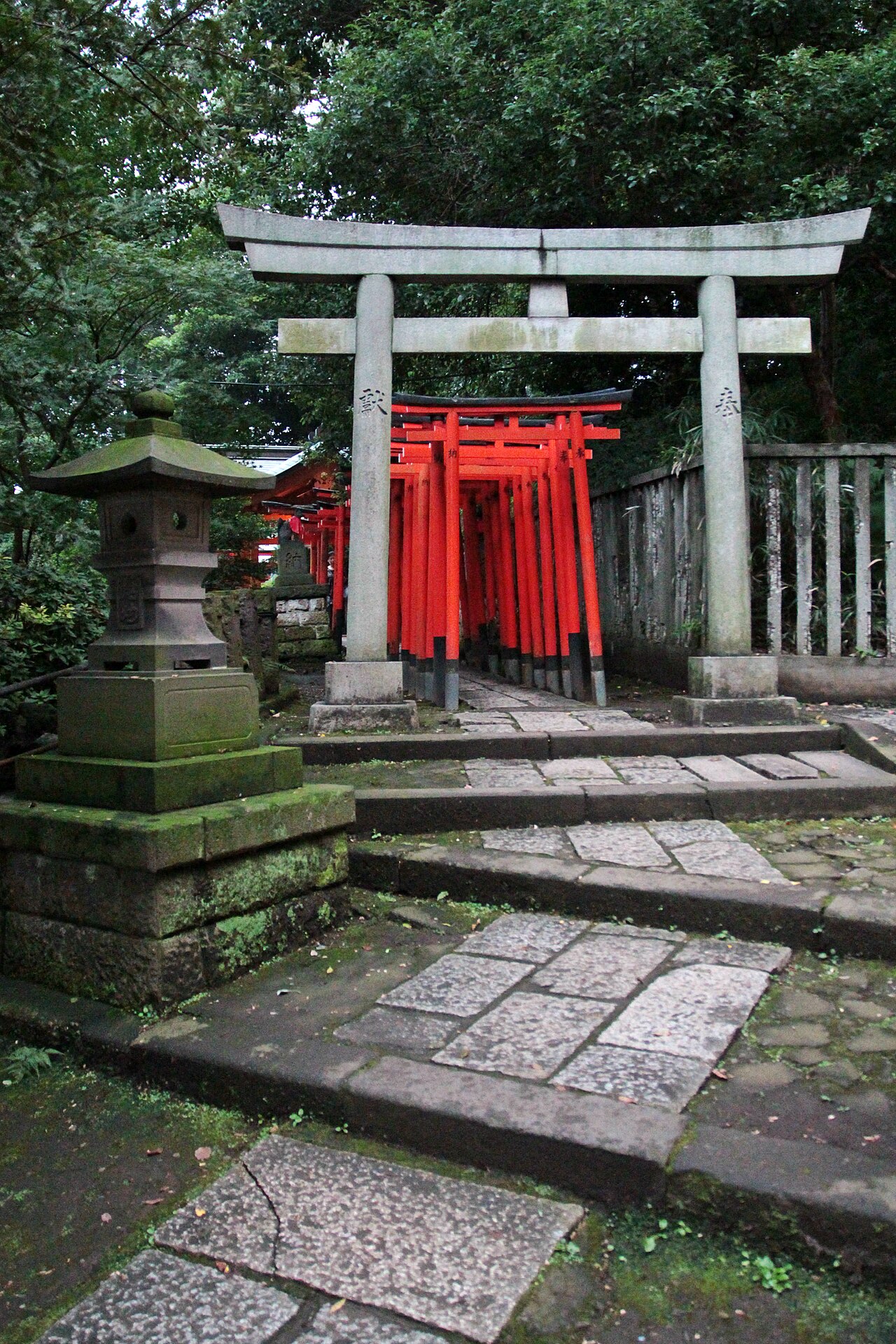 DavideGorla / CC BY 2.0
History · Tokyo★★
Nezu Shrine's Otome Inari torii tunnel
1.9 km · straight line
Distances are straight lines on the map, not travel times.