Central Tokyo · KagurazakaNo.077★Open in map →
Hyogo Yokocho
— a stone-paved old geisha-quarter alley
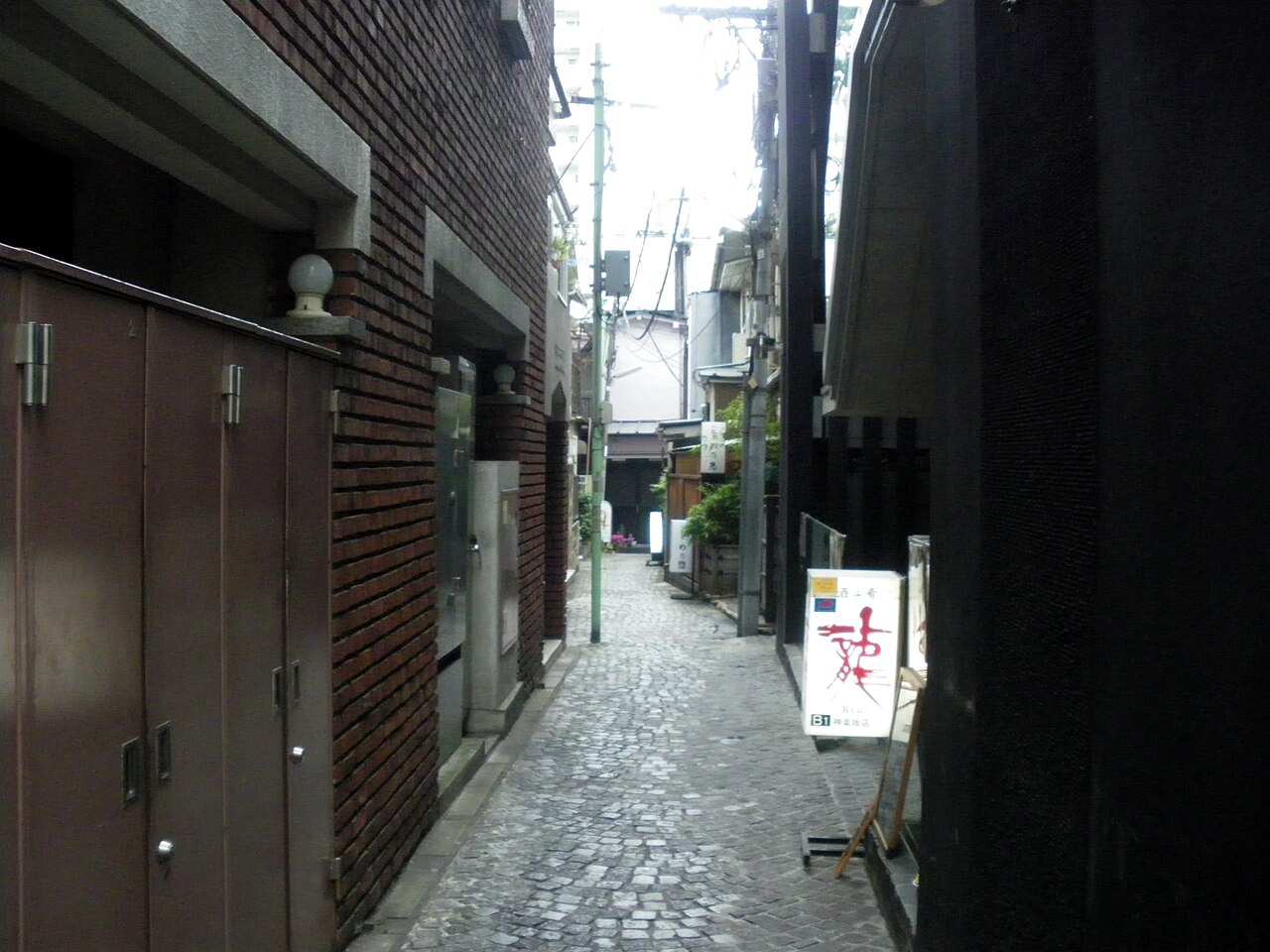
A short cobblestone lane of long-established ryotei restaurants and black wooden fences, tucked one turn off Kagurazaka's main slope — one of central Tokyo's most atmospheric surviving alleys.
- FromShinjuku Stn
- ~18 mintrain + short walk
- Get off atIidabashi Stn
- On foot
- Hyogo Yokocho
The sweet spot
The main slope is crowded, but the good side lanes are unmarked, unlit turnings, and the restaurants take regulars first, so most visitors walk straight past the entrance. There is little English information about which gap to turn into.
Where it is
77 more notes in Tokyo · open the map →What to look for — in walking order
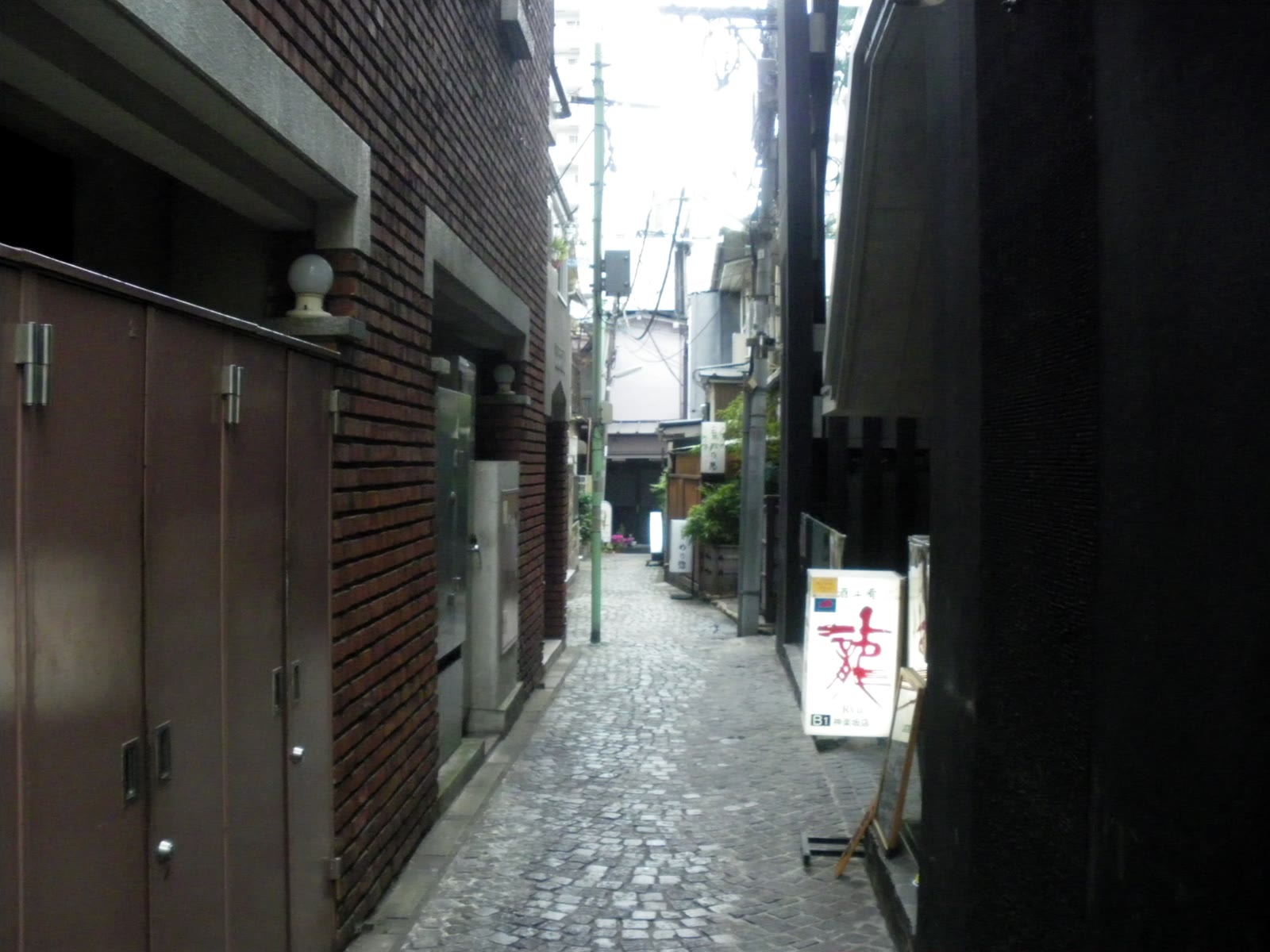
- One-person entrancea narrow gap off the main slope, just wide enough to enter one at a time
- Cobblestones and black fencesstone paving, traditional black wooden fences, bamboo window blinds and tended greenery lining the lane
- Long-established ryoteiold high-end Japanese restaurants behind discreet signs; booking well ahead is strongly advised
- Kakurenbo Yokochoanother geisha-quarter alley with noted restaurants, about 120 m away
How to actually get there
- Shinjuku Station → Iidabashi Station (JR Chuo-Sobu Line, local, ~12 min).
- Leave Iidabashi Station on the west side, toward Kagurazaka.
- Walk up the Kagurazaka main slope, then turn into the stone lane partway up (~5 min).
- JR Chuo-Sobu Line + short walk
- Shinjuku Stn →(JR Chuo-Sobu Line, local, ~12 min)→ Iidabashi Stn →(on foot, ~5 min up Kagurazaka slope)→ Hyogo Yokocho. Total ~18 min. The Chuo-Sobu local line runs very often (every few minutes), so no need to plan around a timetable.
- Return by train
- Trains from Iidabashi Station run until around midnight, so there is no rush to leave. Retrace the walk down the slope to the station.
About the place
Hyogo Yokocho is one of the quietest lanes in Kagurazaka, a former geisha quarter that Tokyo's official travel guide calls the city's "Little Paris." The entrance is a gap barely wide enough for one person, and inside the lane is closed to cars: cobblestones underfoot, traditional black wooden fences, bamboo blinds over the windows, and the discreet entrances of long-established ryotei (traditional high-end Japanese restaurants). Film and TV crews use it often as a shooting location. The lane sits inside a district that still carries signs of its geisha past; a working geisha — a trained female entertainer performing traditional music and dance — can occasionally be seen on her way to an engagement. Nearby Kakurenbo Yokocho, about 120 metres away, offers more of the same maze-alley feel. The Shinjuku ward government has given the lane a townscape (machinami) award for preserving its historic character.
How to enjoy it
Come in the early evening when lanterns light the stone lane and the atmosphere turns hushed. Walk it slowly — about five minutes from Kagurazaka, Ushigome-Kagurazaka or Iidabashi stations. Keep your voice down; people live in some of the buildings along the lane.
Background & history
The name Hyogo ("armory") is believed to date to the Sengoku period (roughly the 15th to 16th century), when the area is said to have held the armory of Ushigome Castle — no trace of which remains today. Kagurazaka grew into a lively geisha and entertainment district in later centuries, and cobbled lanes like Hyogo Yokocho and Kakurenbo Yokocho still carry an Edo-period feel. Within the lane once stood a retro inn known as a "writer's inn," where authors including Akiyuki Nosaka and film director Yoji Yamada stayed; it closed in 2015.
Before you go
- Cash
- Walking the lane is free. The ryotei restaurants are expensive and often take regular customers only, so do not count on walking in.
- Good to know
- People live and work along this lane. Do not use flash, and do not film into doorways.
- Another way
- Kakurenbo Yokocho, one lane over, for more of the same maze-alley feel.
- After you get off
- From Iidabashi Station's west side, walk up the Kagurazaka main slope, then take a small turn into the stone lane partway up — about 5 minutes on foot.
Nearby notes
 Guilhem Vellut / CC BY 2.0
Nature · Tokyo★★
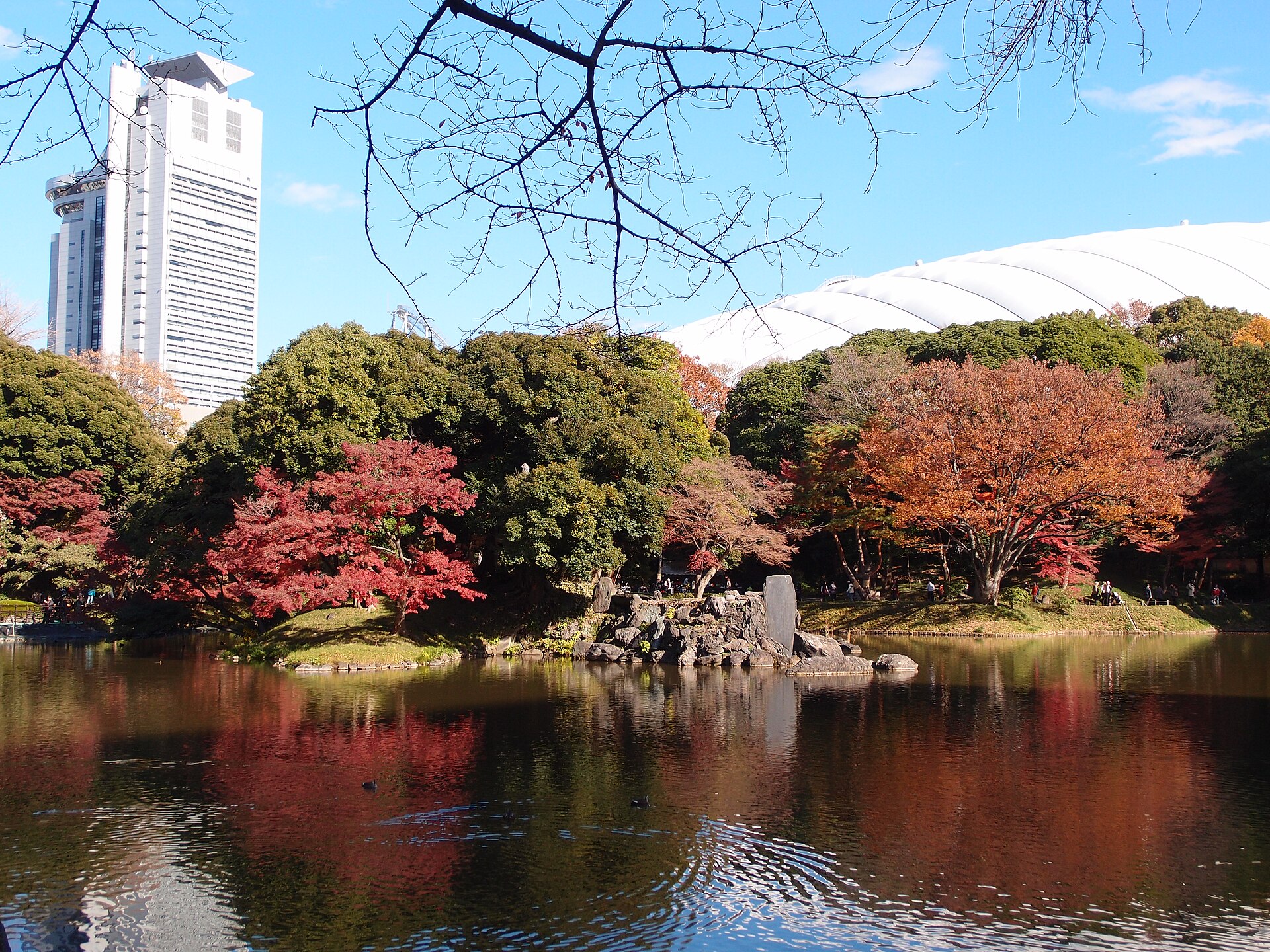
Koishikawa Korakuen Garden
1.0 km · straight line
 Kakidai / CC BY-SA 4.0
Culture · Tokyo★★
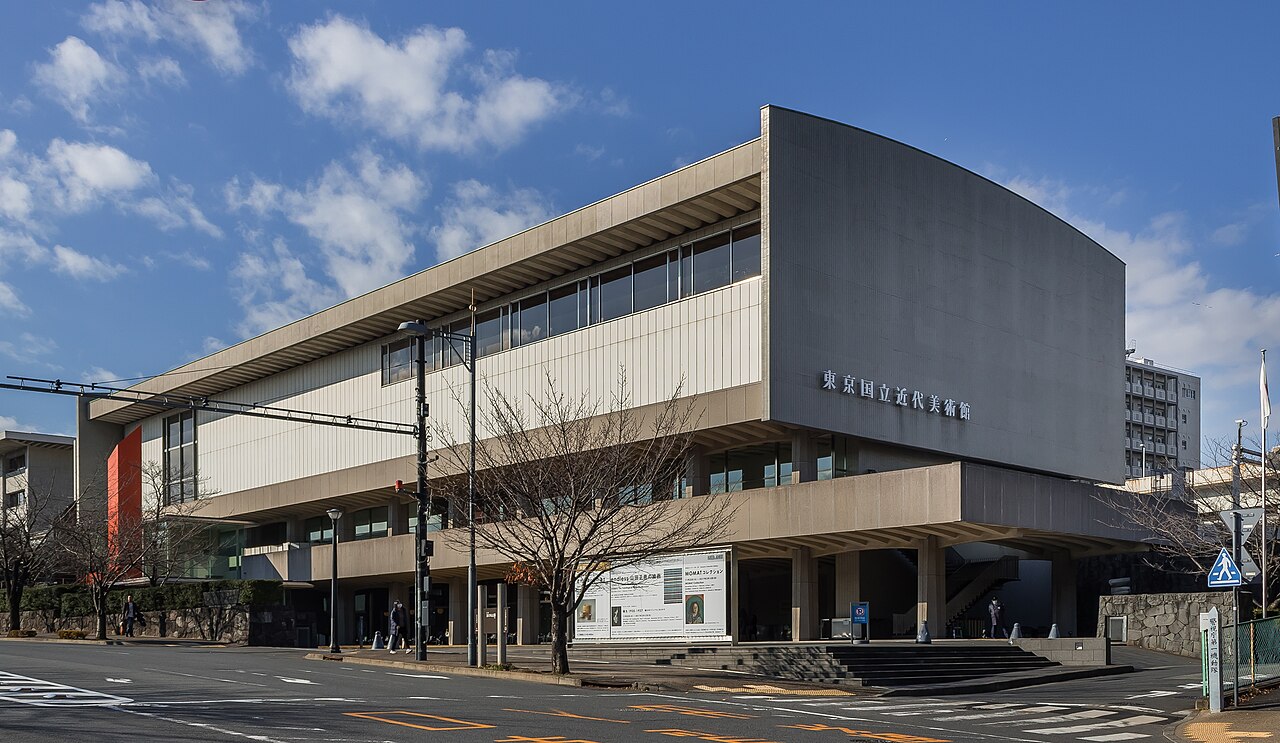
The National Museum of Modern Art
1.8 km · straight line
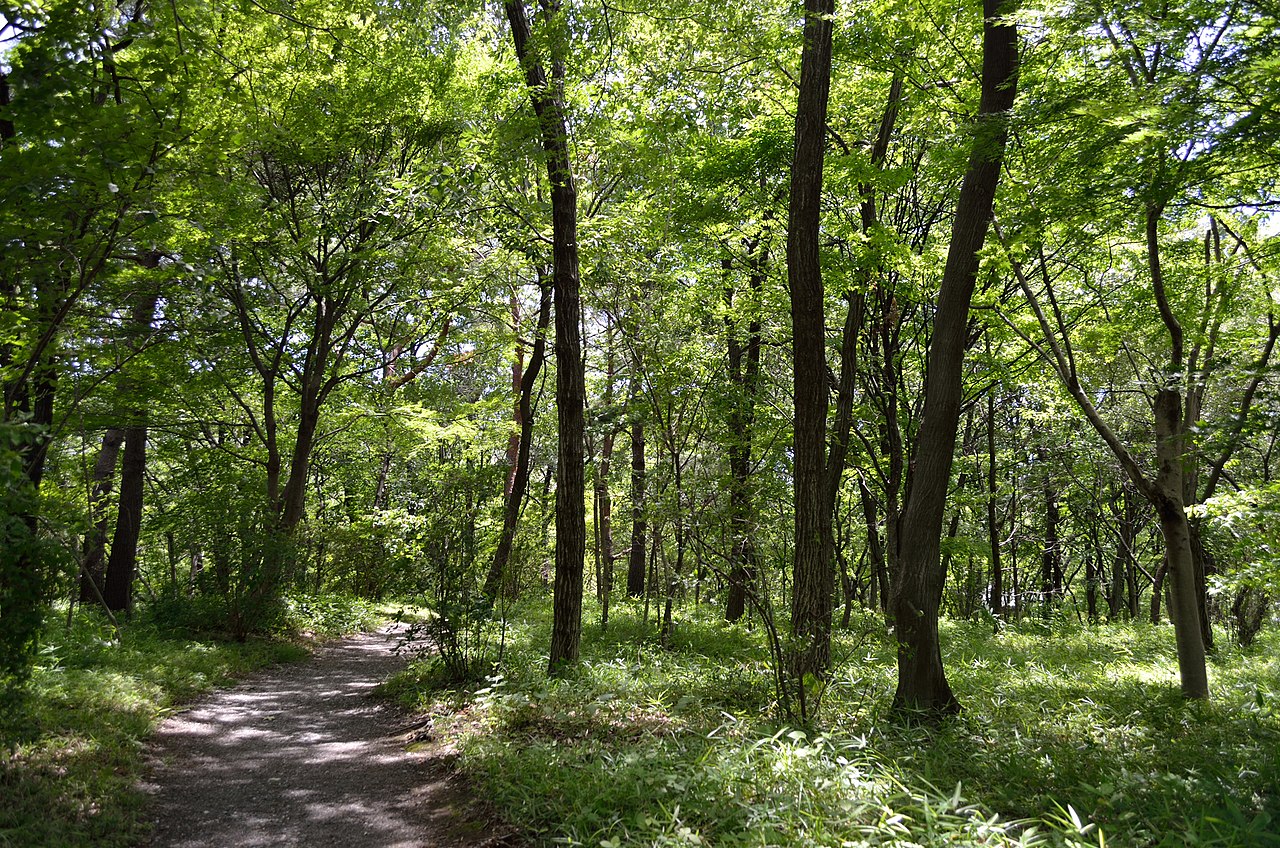 AMANO Jun-ichi / CC BY 3.0
History · Tokyo★★
Imperial Palace East Gardens
2.3 km · straight line
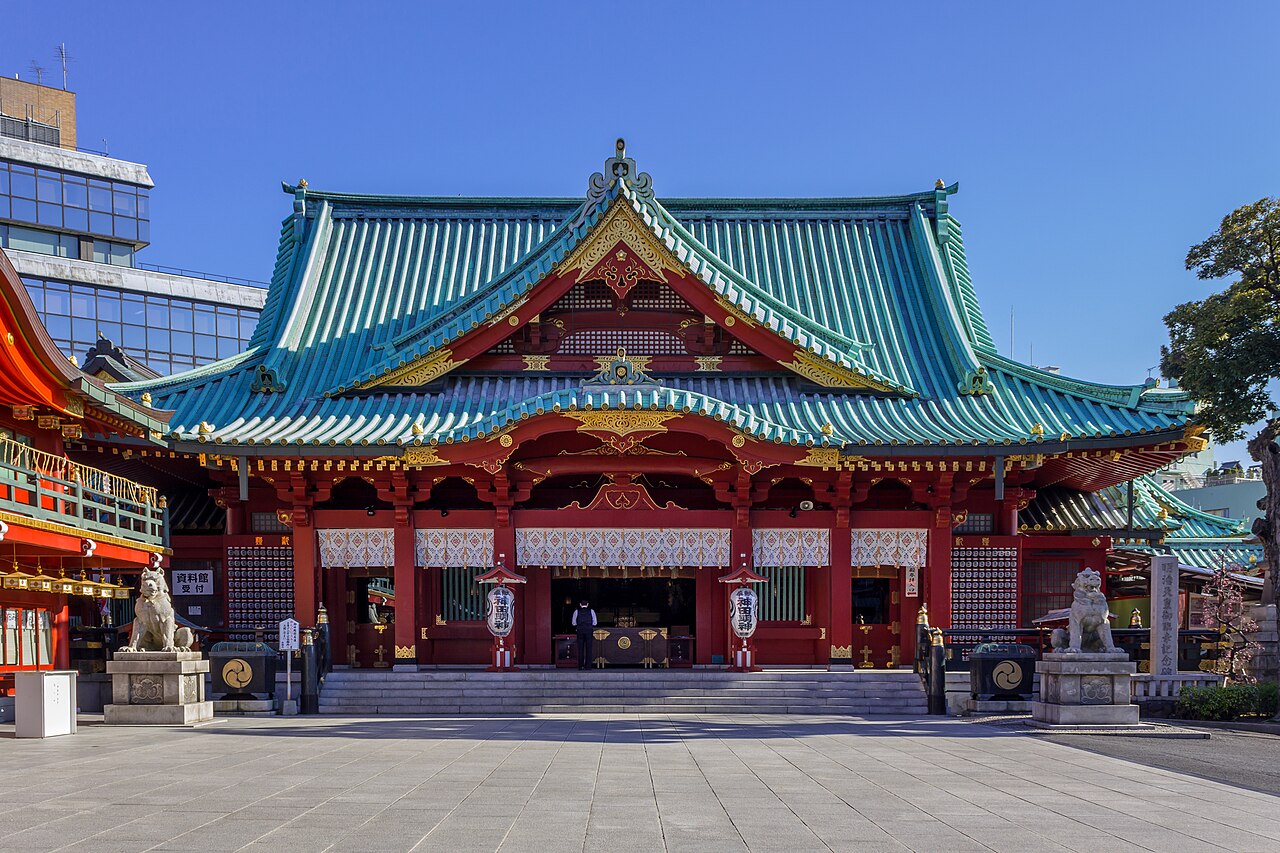 Kakidai / CC BY-SA 3.0
History · Tokyo★★
Kanda Myojin
2.5 km · straight line
Distances are straight lines on the map, not travel times.