Central Tokyo · NezuNo.076★★Open in map →
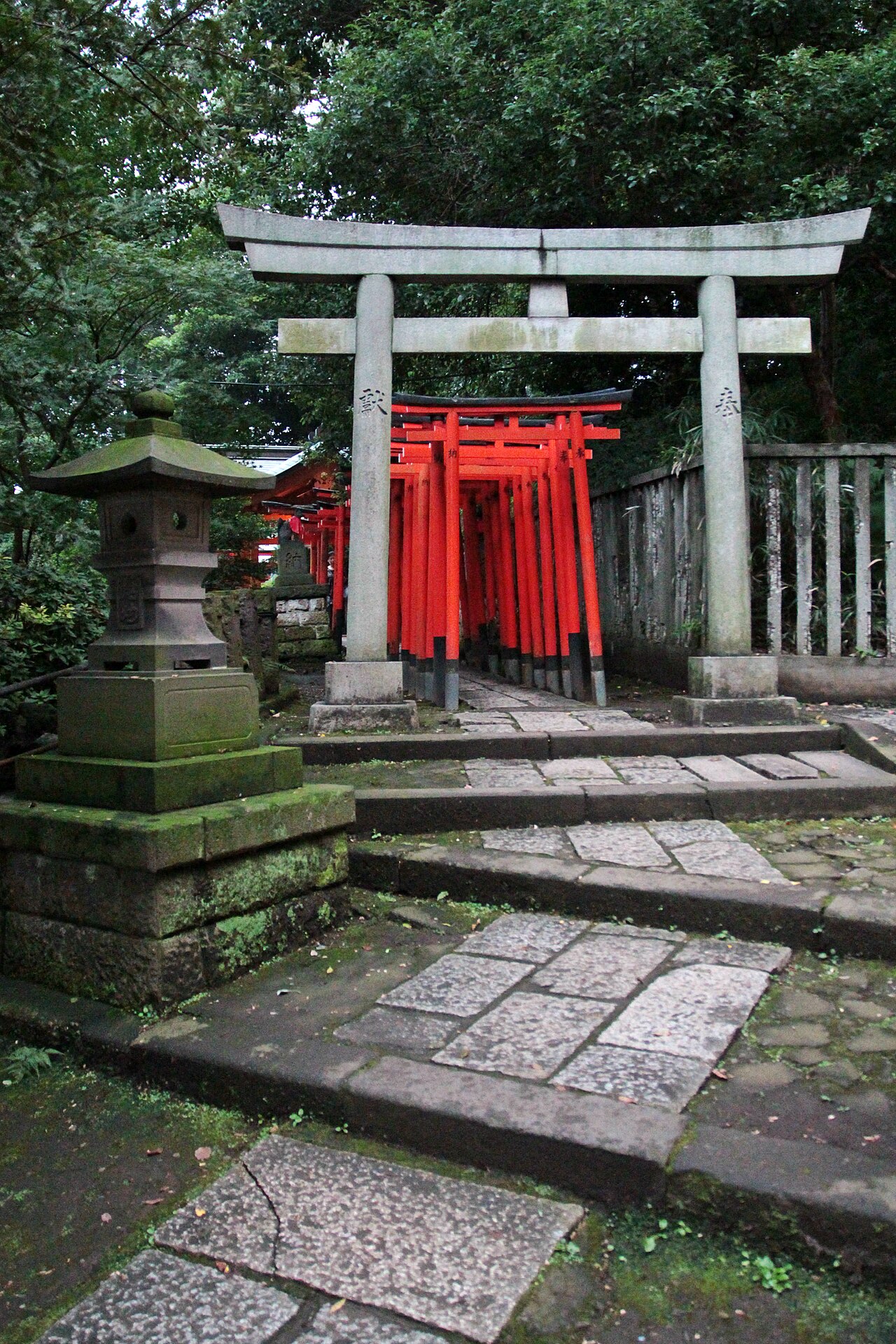
Nezu Shrine's Otome Inari torii tunnel
A close row of small red torii gates climbing a hillside to Otome Inari sub-shrine within Nezu Shrine — a compact version of the long tunnels at Fushimi Inari, alongside Edo-era buildings designated as Important Cultural Properties.
- FromTokyo Stn
- ~25 mintrain (frequent)
- Get off atNezu Stn (Chiyoda Line)
- On foot
- Nezu Shrine's Otome Inari torii tunnel
The sweet spot
Most visitors photograph the main hall and the azalea slope; the torii row is tucked to the side with no English sign, so many day visitors miss it. It is busiest during the spring azalea festival and quietest early in the morning.
Where it is
77 more notes in Tokyo · open the map →What to look for — in walking order
- Main hall and Edo-era buildingsthe honden, romon and karamon from around 1706, all Important Cultural Properties
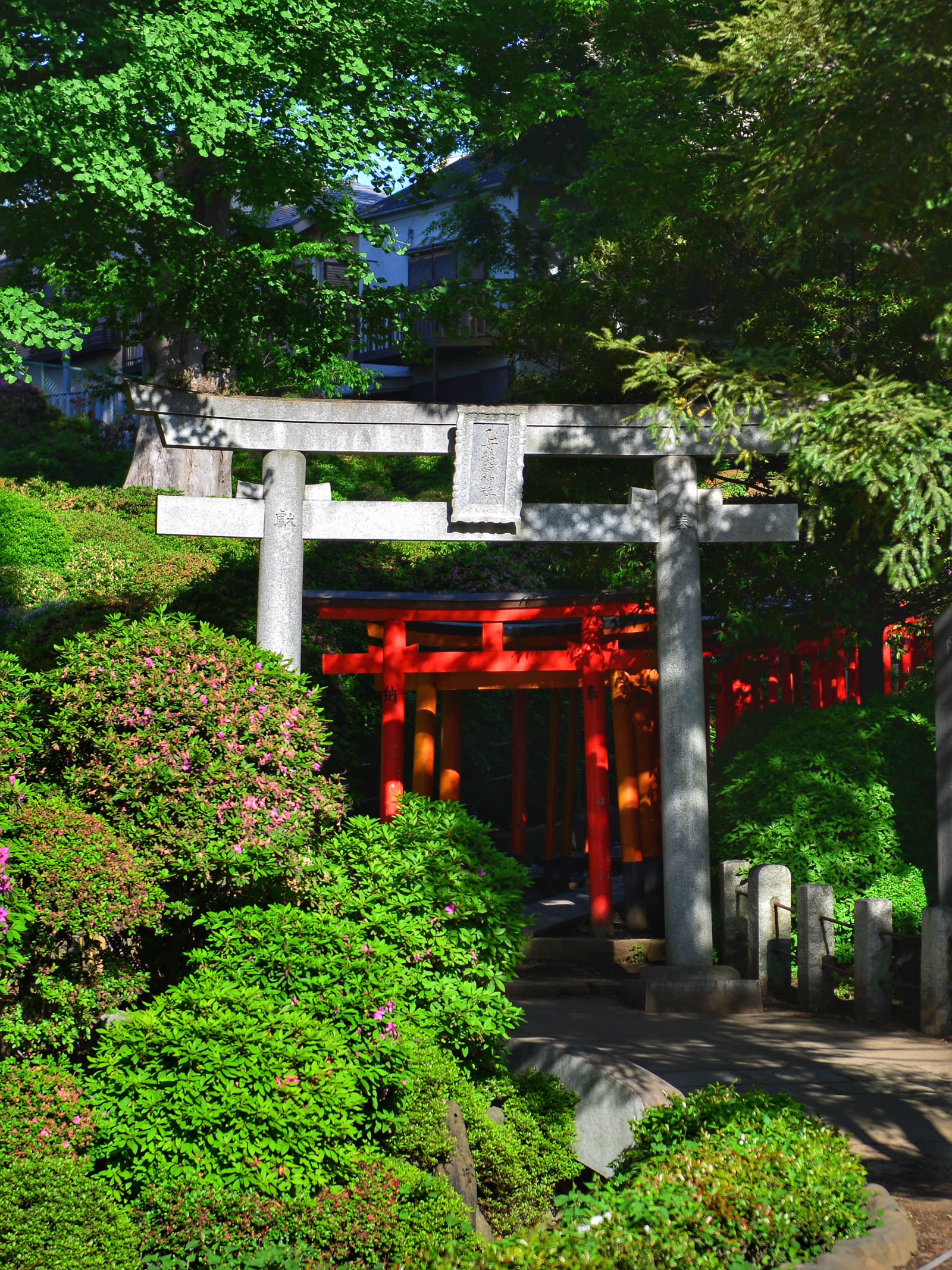
- Vermilion torii patha close row of small red Shinto gateways climbing the hillside to the left of the main hall
- Pond viewing platforma small lookout partway along the path, above a koi pond
- Otome Inari sub-shrinethe small Inari shrine at the top of the torii path, dedicated to a rice-and-prosperity deity
How to actually get there
- Tokyo Station → Otemachi Station (walk through the connecting underground passage, ~7 min).
- Otemachi → Nezu Station (Tokyo Metro Chiyoda Line, 3 stops, ~6 min).
- Nezu Station Exit 1 → shrine main gate (walk, ~5 min).
- Inside the grounds, bear left of the main hall to the climbing torii row.
- Tokyo Stn → Nezu Stn (Chiyoda subway line)
- From Tokyo Station, walk underground to the neighbouring Otemachi Station (about 7 min through the connecting passage). Take the Tokyo Metro Chiyoda Line from Otemachi to Nezu Station, 3 stops (about 6 min). From Nezu Station it is about a 5-minute walk to the shrine gate. Total about 20-25 min. The Chiyoda Line is a frequent city subway, running every few minutes.
- Return the same way, or walk on to Yanaka
- Return by the Chiyoda Line from Nezu Station the way you came. The subway runs frequently until around midnight, so no need to rush. Many visitors instead walk on north into the old lanes of the Yanaka district, which begins just beyond the shrine.
About the place
Nezu Shrine is best known for its spring azaleas, but to the left of the main hall a row of small red torii climbs the hillside to Otome Inari, a sub-shrine dedicated to the Shinto deity of rice and prosperity. The gates form a short, close tunnel rather than the endless corridors of Fushimi Inari in Kyoto; partway up, the path opens onto a small platform overlooking a pond of koi carp. Because the torii are far fewer than the thousands at Fushimi Inari, the walk is intimate and quickly done. Together with the shrine's Edo-era buildings — several designated as Important Cultural Properties — it makes Nezu one of central Tokyo's more rewarding stops.
How to enjoy it
Pair the torii walk with the wider grounds and the Edo-era buildings. Come in the morning for a quieter path. For the shrine at its most colourful, time a visit during the Tsutsuji Matsuri (Azalea Festival), roughly early April to early May, when about 3,000 azalea bushes on the adjacent slope come into bloom. Entry to the shrine is free; a small admission is charged for the azalea garden during the festival only.
Background & history
By legend the shrine was founded some 1,900 years ago by Yamato Takeru of ancient Japanese myth, but its documented history centers on 1705, when the fifth Tokugawa shogun Tsunayoshi moved it to Nezu to mark the choice of his successor. The main buildings were completed around 1706; the honden (main sanctuary), romon (two-storey gate), karamon (curved-roof gate) and surrounding sukibei (latticed walls) are all designated Important Cultural Properties. The Otome Inari sub-shrine dates from this same rebuilding.
Before you go
- Cash
- Entry to the shrine grounds and the torii path is free. The azalea garden charges a small admission (a few hundred yen) only during the spring festival; carry a little cash for it. The Chiyoda Line accepts IC cards (such as Suica or PASMO) and cash.
- Good to know
- A working shrine — the torii row is narrow, so walk single-file and keep quiet. It is busiest during the azalea festival in late April and early May.
- Another way
- Skip the azalea season (late April to early May) if you want the path near-empty; the torii walk itself looks the same in any month.
- After you get off
- From Nezu Station Exit 1, walk about 5 minutes to the shrine's main gate. Once inside, the torii row is to the left of the main hall.
Nearby notes
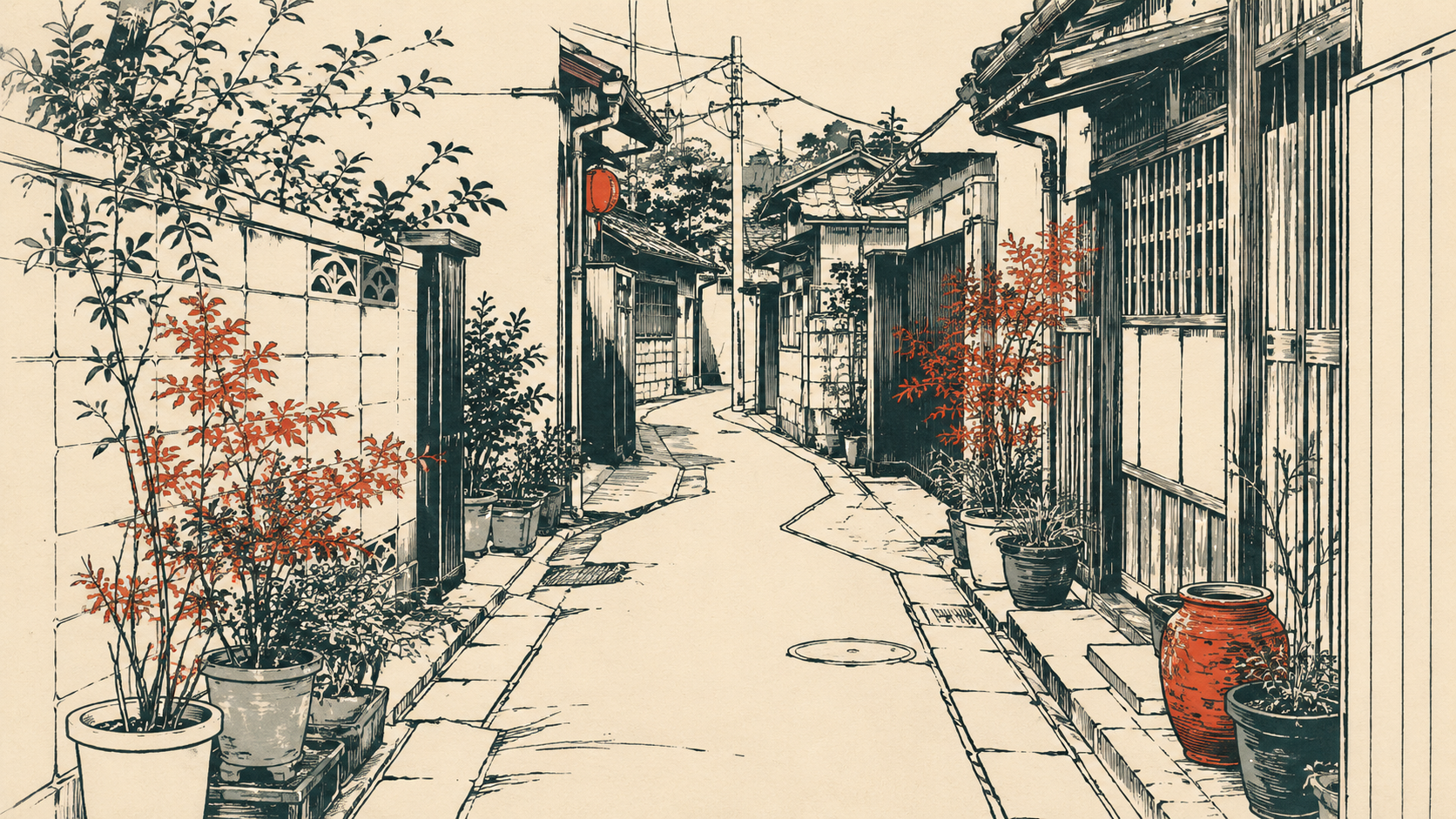 illustration (AI-illustrated)
History · Tokyo★
Hebimichi
0.5 km · straight line
 Doricono / CC BY-SA 3.0
Local life · Tokyo★★
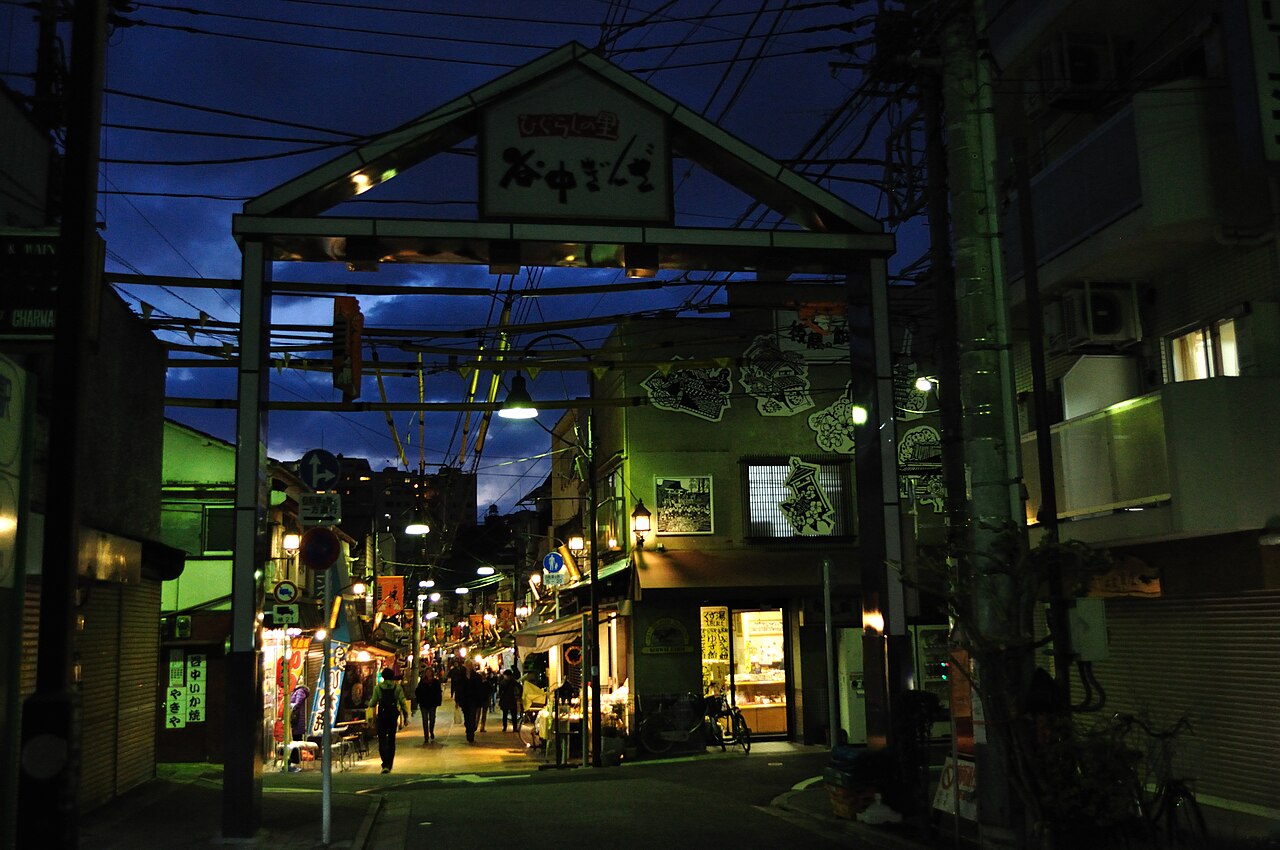
Yanaka Ginza
1.0 km · straight line
 江戸村のとくぞう / CC BY-SA 4.0
Local life · Tokyo★★★
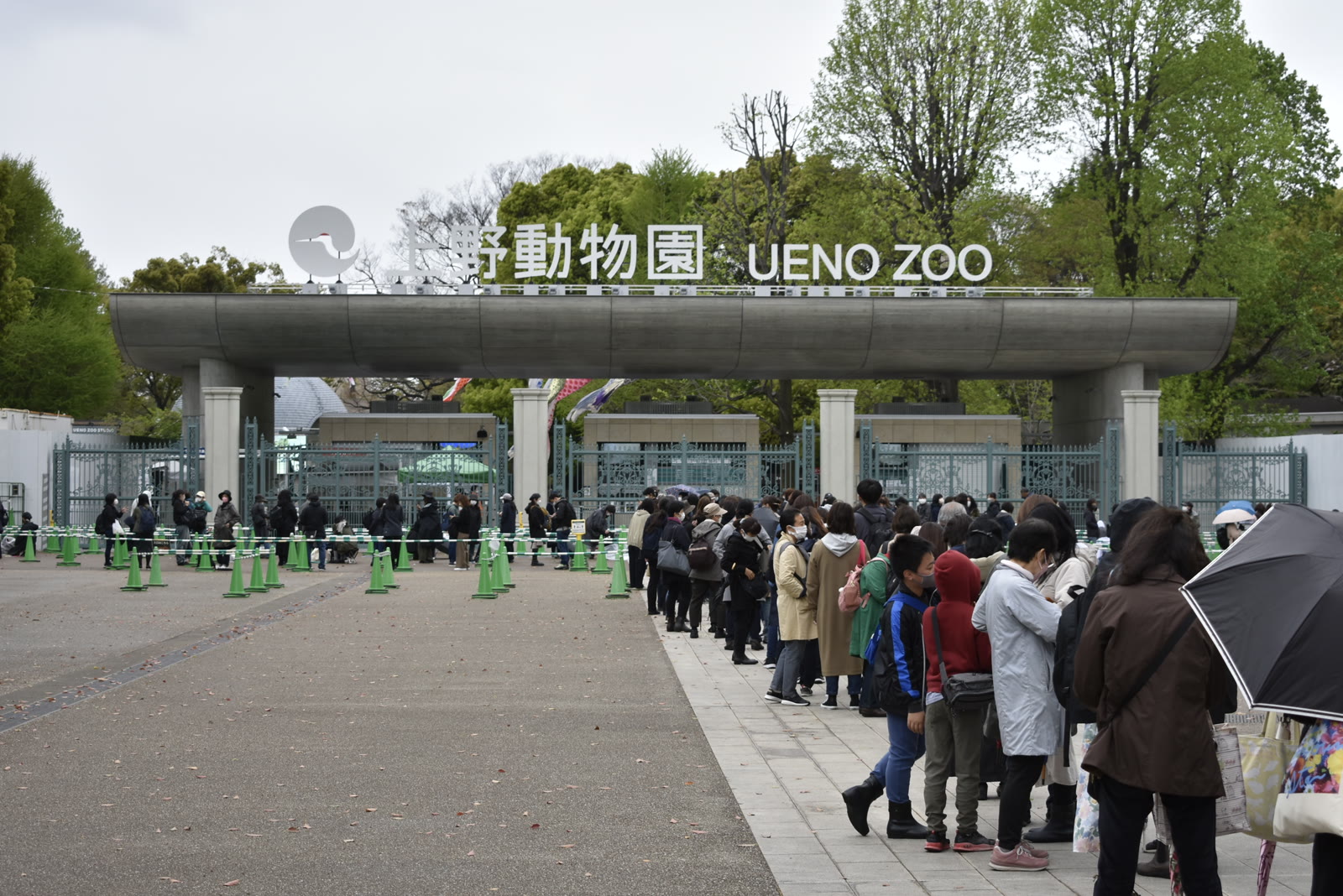
Ueno Zoo
1.1 km · straight line
 Rijksmuseum / CC0
Culture · Tokyo★★★
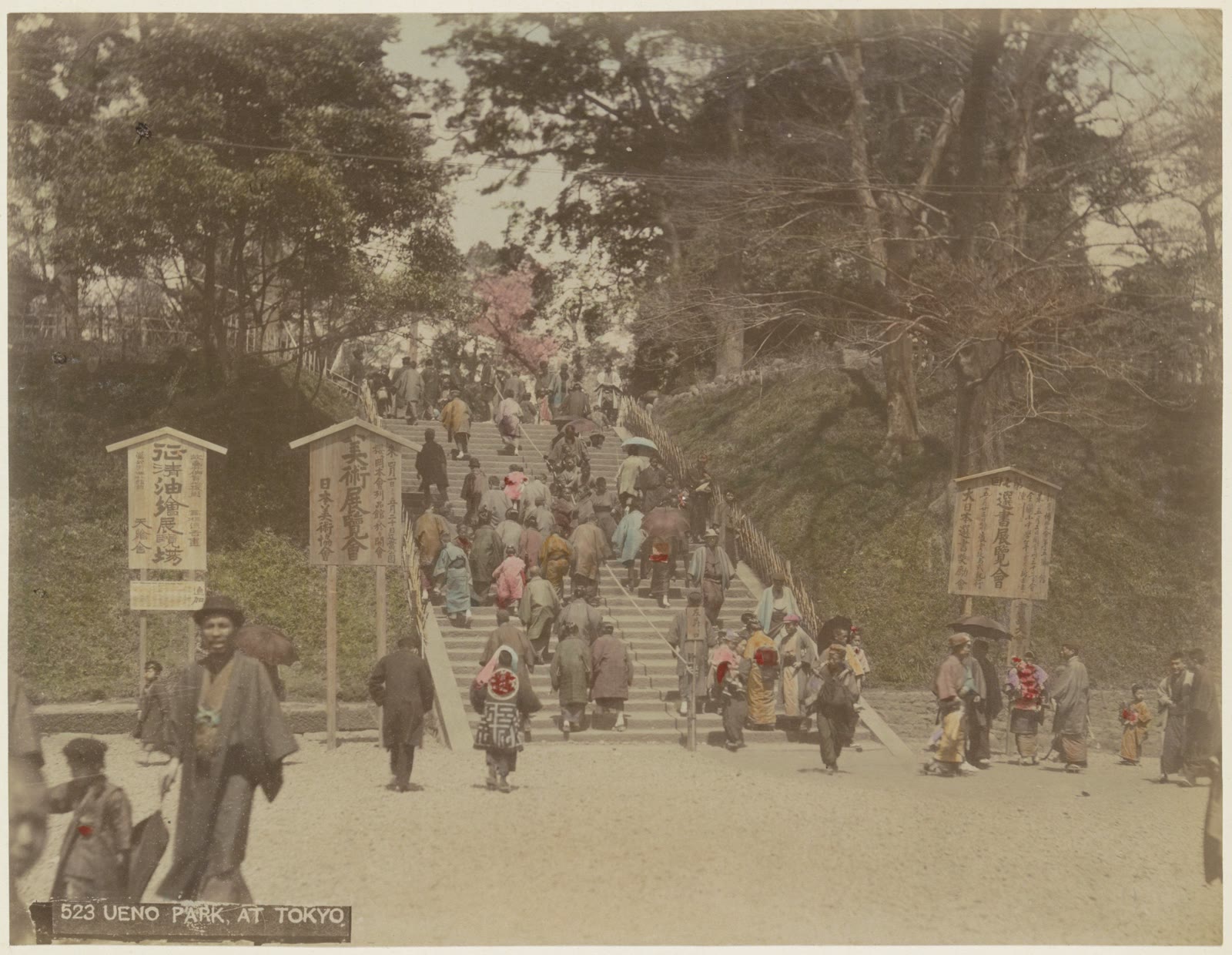
Ueno Park
1.2 km · straight line
Distances are straight lines on the map, not travel times.